Choosing the right truck for your stable delivery involves a key trade-off: the full weather protection of an enclosed dry van versus the unloading flexibility of an open flatbed. One keeps your materials perfectly dry, but the other lets you unload with a forklift...
Shipping glass products often feels like a gamble, where a single mishandling can lead to costly breakage and project delays. But not all glass is equally fragile. Tempered glass, for example, is engineered to be four to five times stronger than standard annealed...
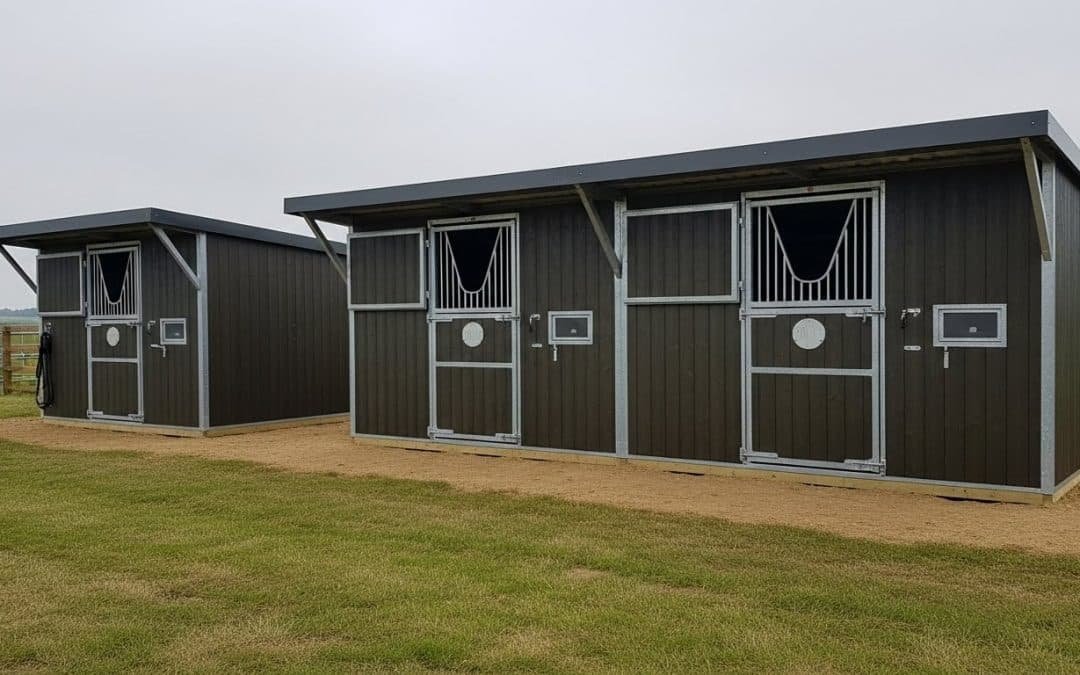
Shipping large, pre-assembled structures is inefficient. You pay for a container’s volume, not just its weight, which is why a single welded stall often occupies an entire 40-foot shipment. When you need to scale up an order, this approach multiplies your...
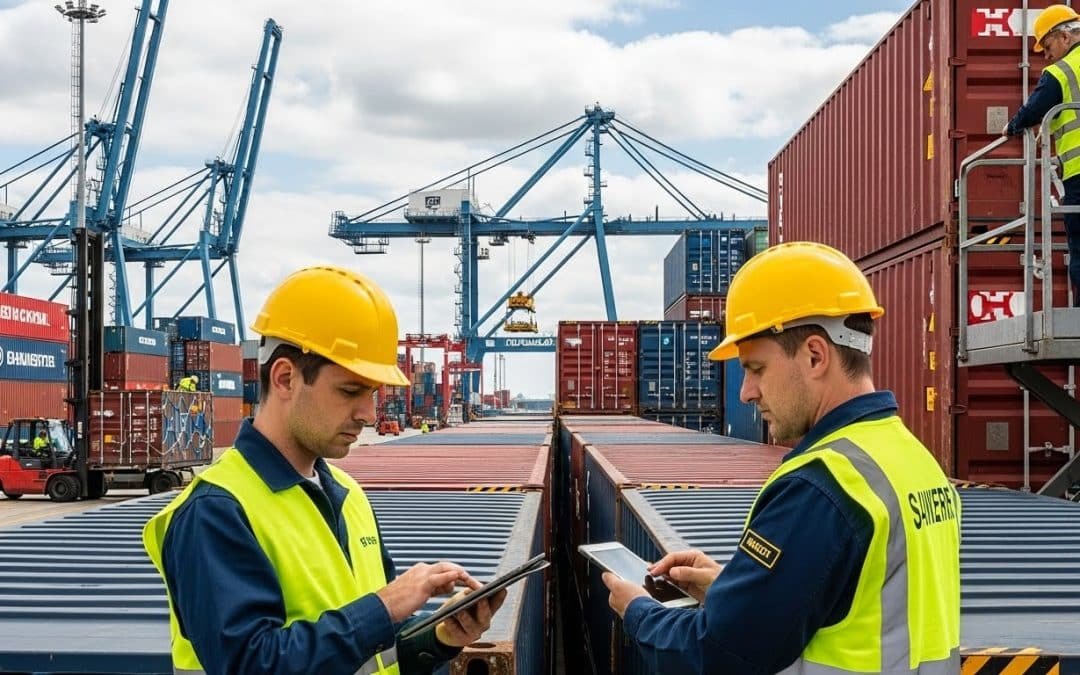
Most importers fixate on the factory price of metal horse stables, only to see their margins evaporate upon arrival due to hidden logistics fees. Costs such as destination port charges—often ranging from $300 to $600 per container—and standard import duties of 5.7%...
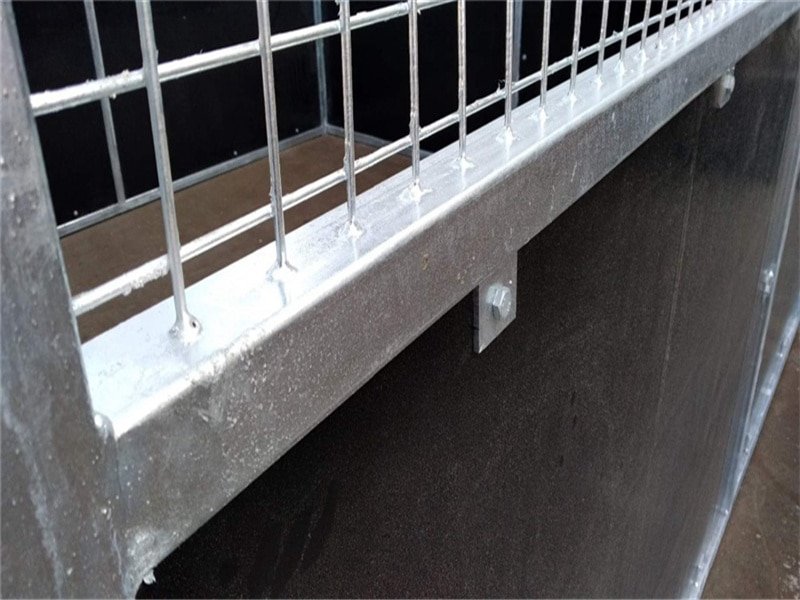
Many facility managers discover that imported equestrian structures suffer structural failure within just three years of installation. This rapid degradation primarily stems from fabricators substituting true hot-dip galvanization with cosmetic spray paints on...
The horse stable manufacturing industry operates without universal engineering mandates like ISO structural standards, leaving buyers vulnerable to rapid material failure. Unscrupulous suppliers often bypass critical testing, delivering products that visually pass...





 German
  English
  Spanish
  French
  Arabic