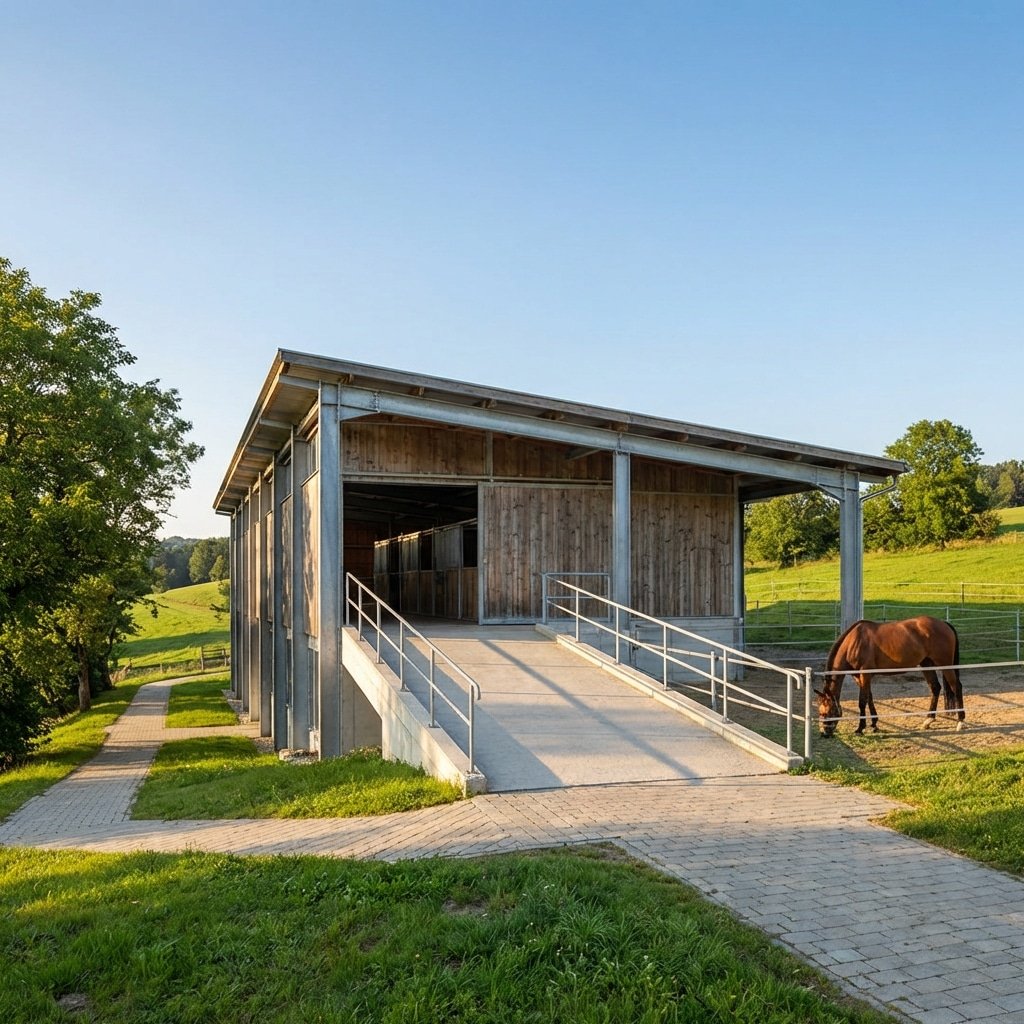
Constructing a Therapeutic Riding facility requires exceeding standard safety codes to prevent catastrophic liability claims. While basic agricultural stables save upfront capital, they often lack the zero-threshold clearance and impact resistance necessary for...
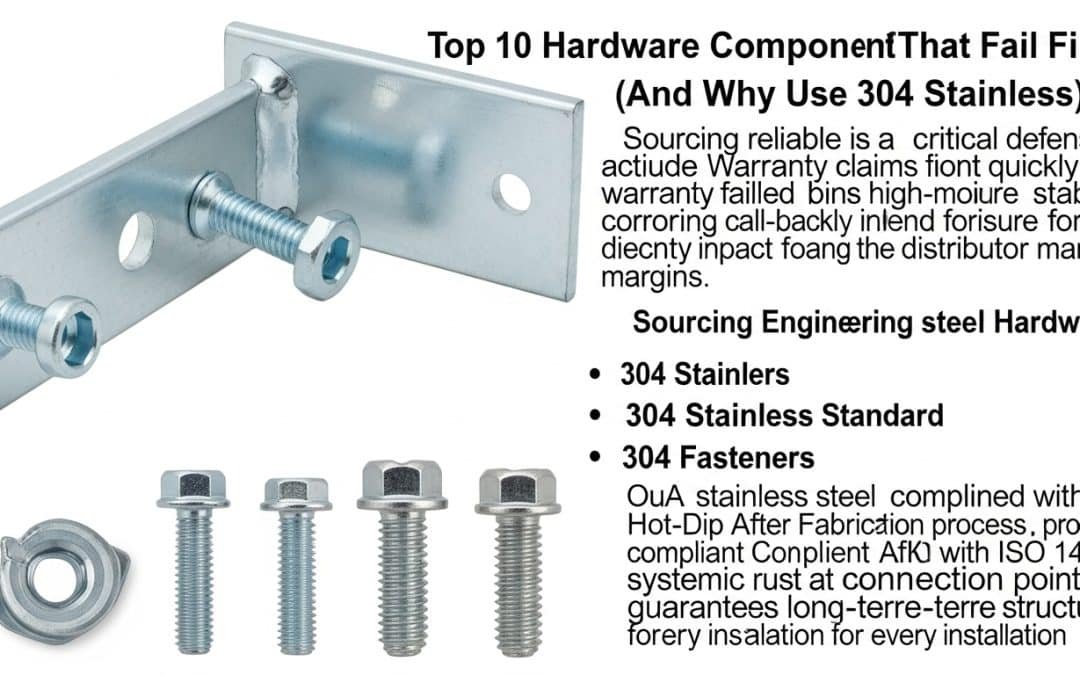
Sourcing reliable stall kit hardware is a critical defense against warranty claims and reputational damage. Low-grade plated steel fasteners are a primary failure point, corroding quickly in high-moisture stable environments and leading to costly call-backs that...
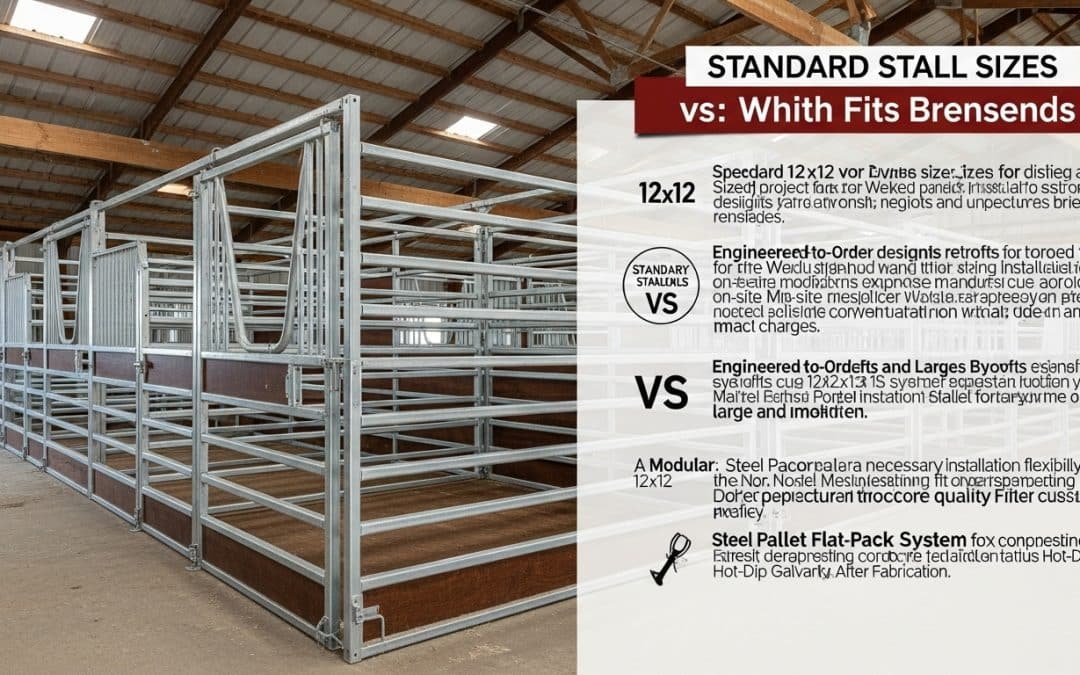
Specifying custom sizing for horse stall size is a critical decision that directly impacts project budgets, particularly in barn renovations. Forcing a standard 12×12 welded panel into an older structure creates costly installation delays and on-site modification...
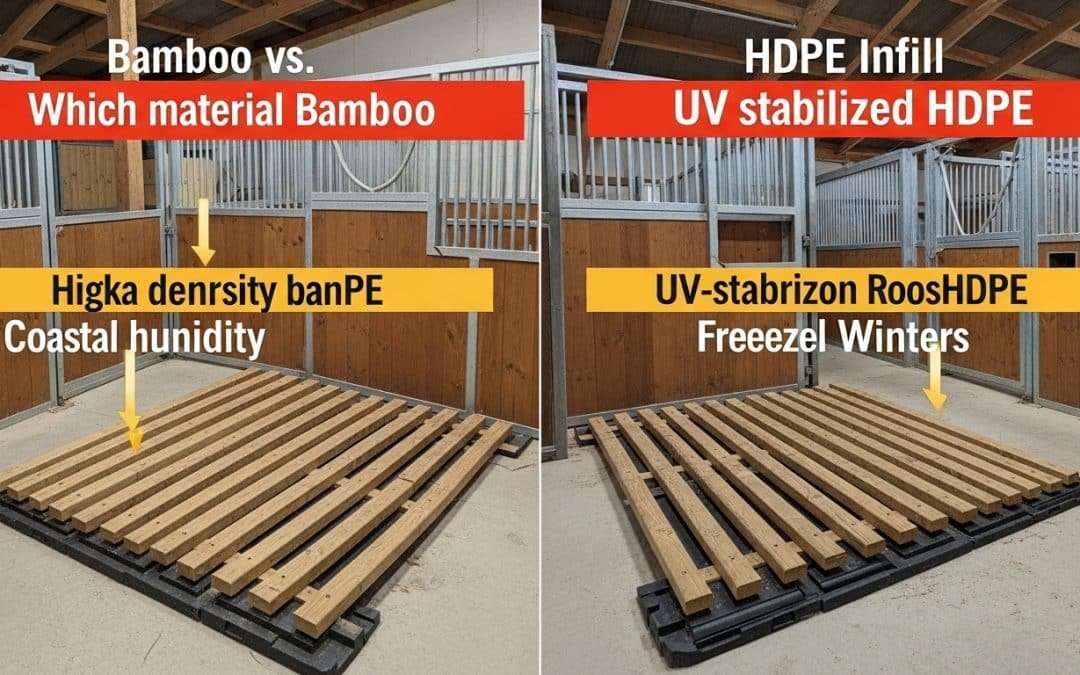
Choosing the right horse stall panels is a decision that directly impacts operational costs and safety. Specifying an infill material unsuited to your climate can lead to premature failure—from UV degradation in hot regions to rot in damp ones—creating replacement...
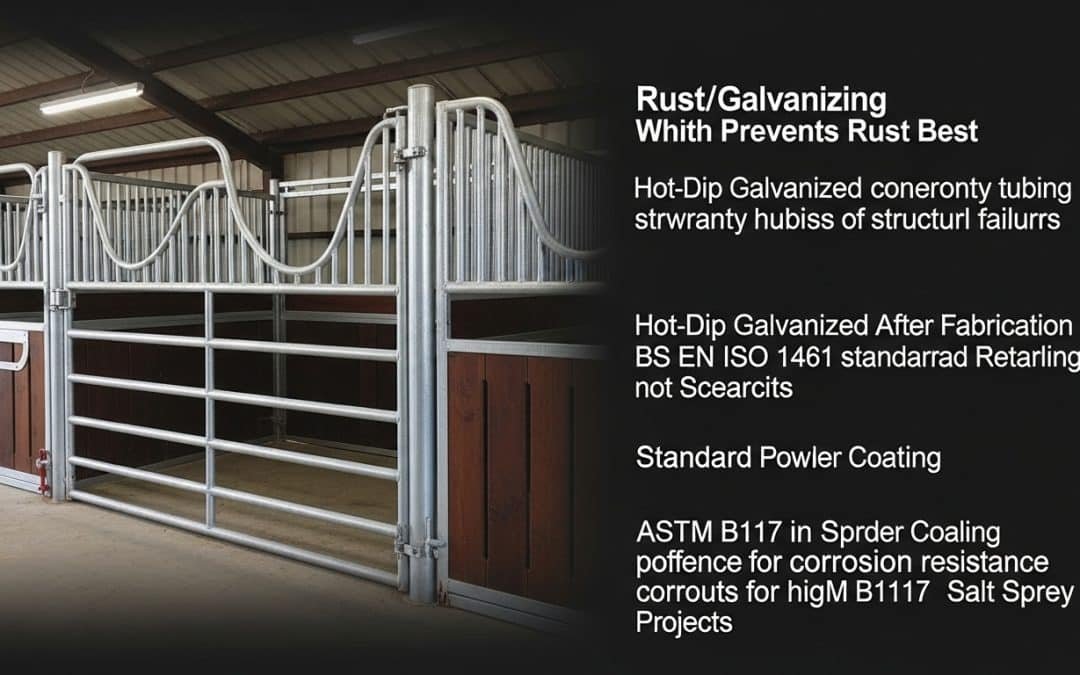
Understanding Rust/Galvanizinghorse stall gates is critical to preventing costly warranty claims and structural failures. Stalls made from pre-galvanized tubing commonly rust at the welds, a frequent point of failure in coastal or high-humidity environments. This...
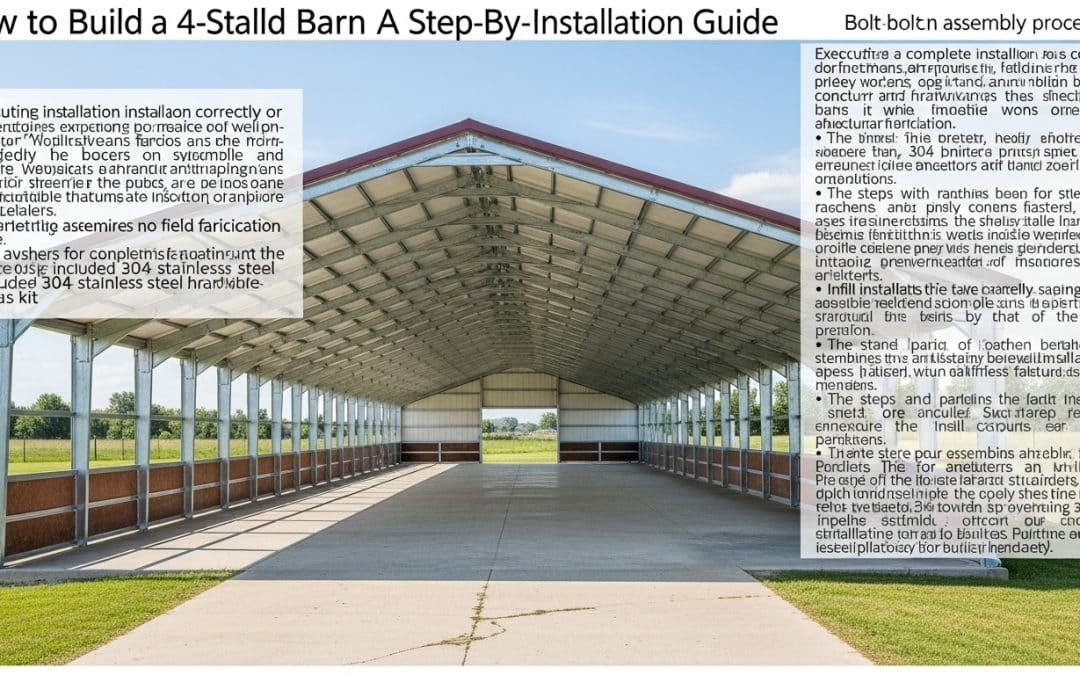
Executing installation 4 stall horse barn plans correctly separates a profitable project from one bogged down by on-site welding and hardware failures. Systems built with cheap, zinc-plated fasteners invite corrosion from ammonia and moisture, leading to structural...



 German
  English
  Spanish
  French
  Arabic