Eine wirksame Schädlingsbekämpfung in Scheunen ist eine Frage der Werkstoffkunde und kein wiederkehrendes Wartungsproblem. Die Entscheidung für eine traditionelle Holzkonstruktion garantiert einen Kreislauf kostspieliger Reparaturen – vom Austausch von durch Termiten ausgehöhlten Pfosten bis hin zur Bekämpfung von Nagetierbefall, der das Futter verunreinigt, ...
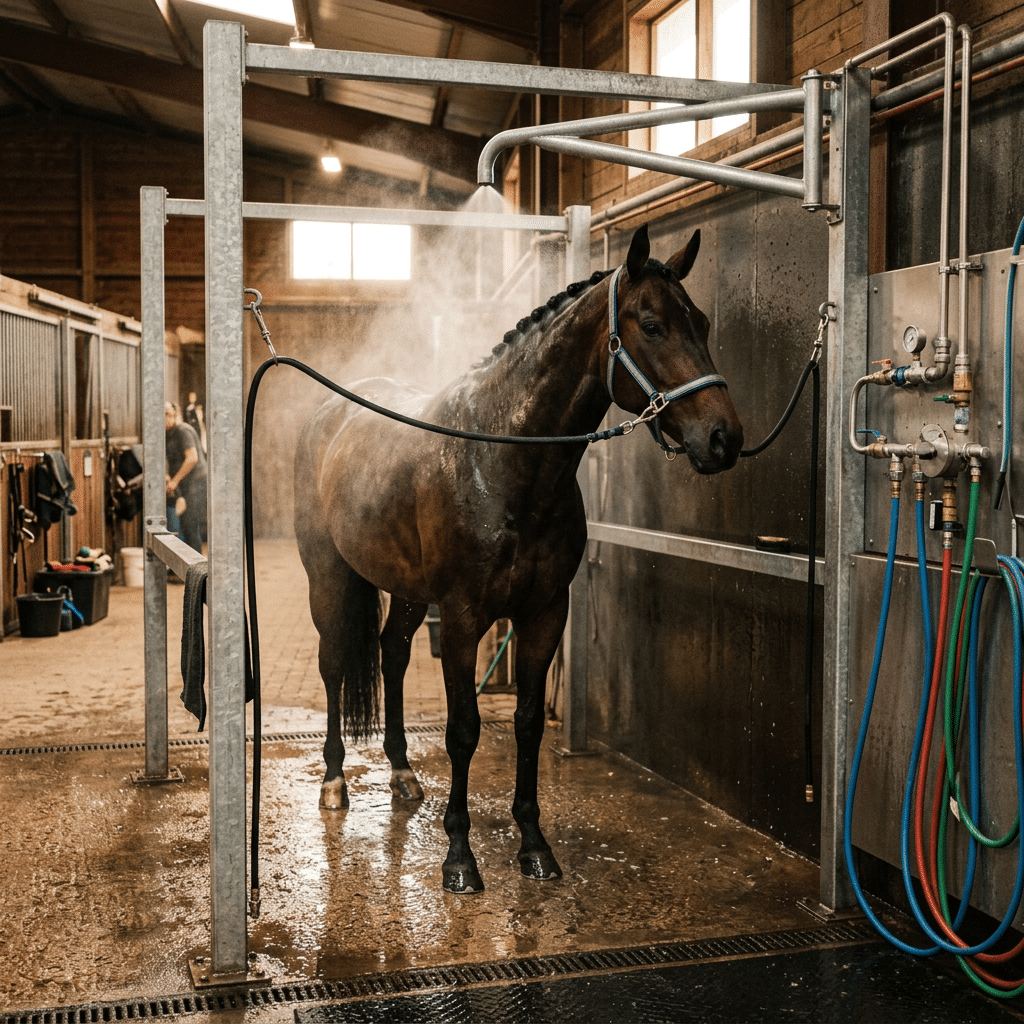
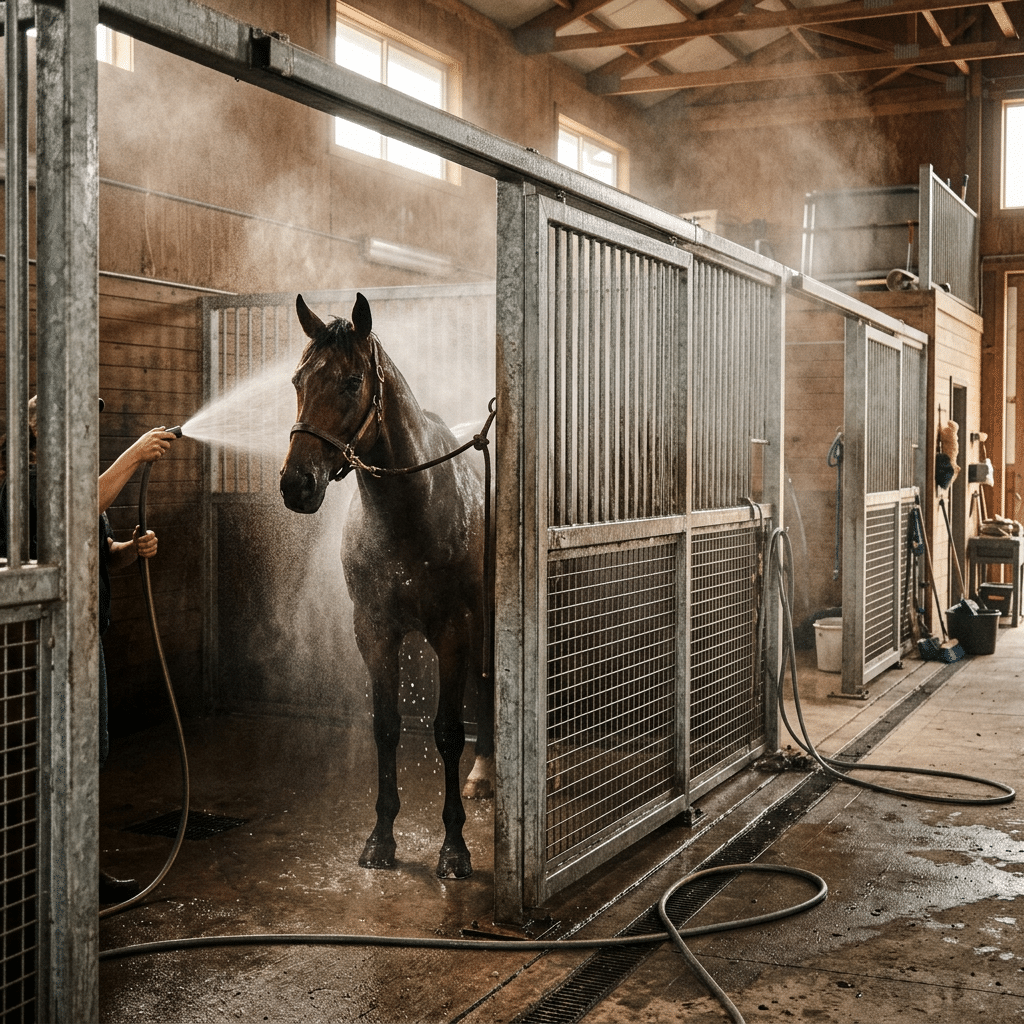
Effective disinfecting protocols depend on stall materials, a detail that can lead to six-figure losses. A single EHV-1 outbreak cost one facility €151,000, mostly from business closure, not medication. Porous wood absorbs pathogens, making complete sterilization...
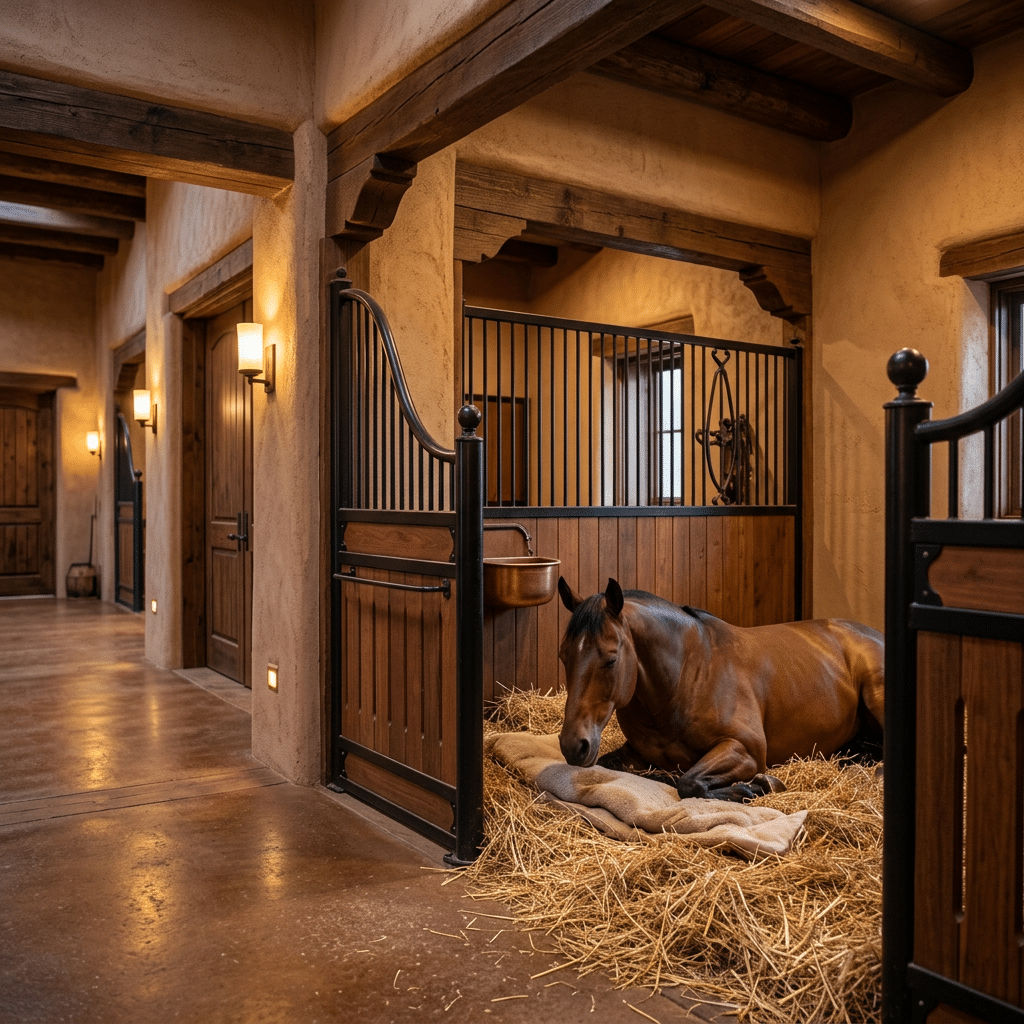
Mucking efficiency is a direct multiplier for payroll costs, with stall cleaning times ranging from five to over twenty minutes. This operational drag isn’t about staff effort; it’s a result of poor stable design—from aisle-blocking hinged doors to...
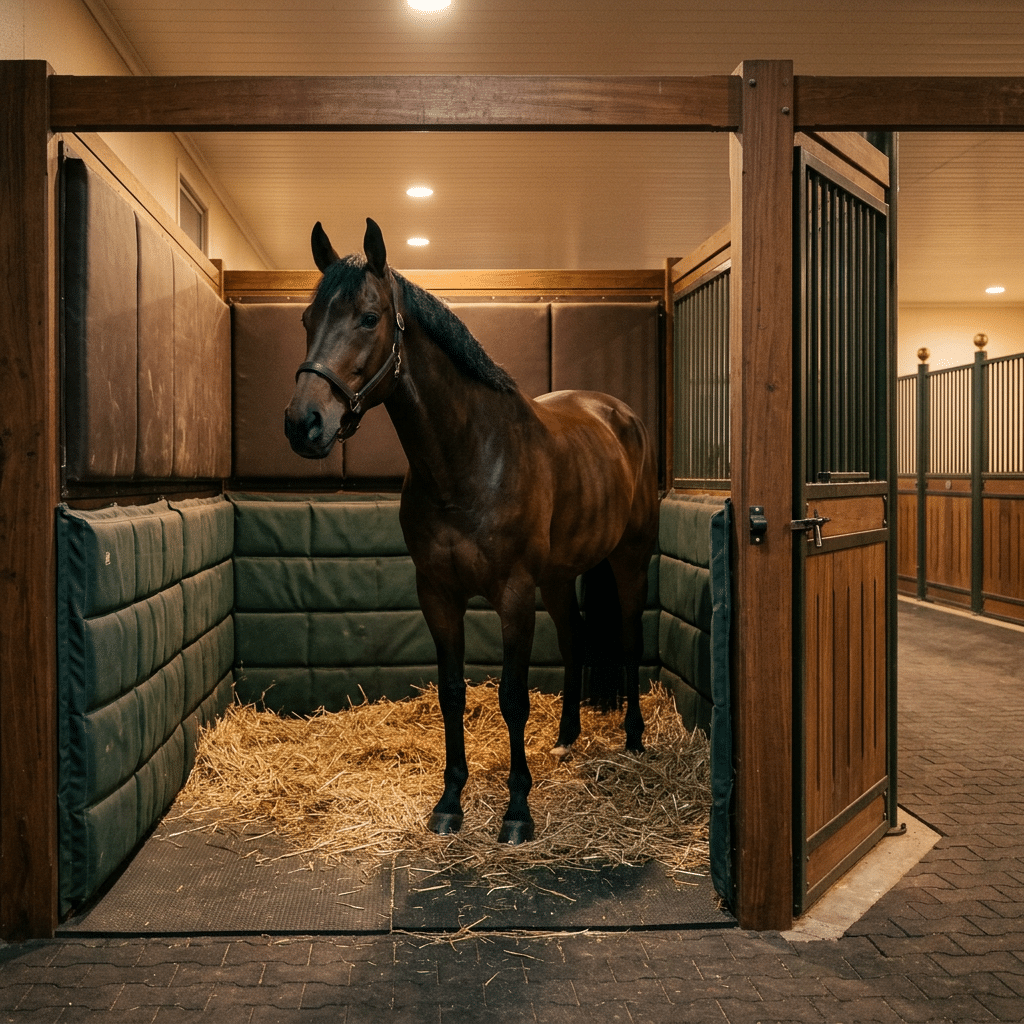
Horse cast prevention is an engineering issue, not just a management one. Relying on temporary fixes like banked bedding ignores the primary cause: flawed stall dimensions and hardware protrusions. A single incident from poor structural design leads to catastrophic...
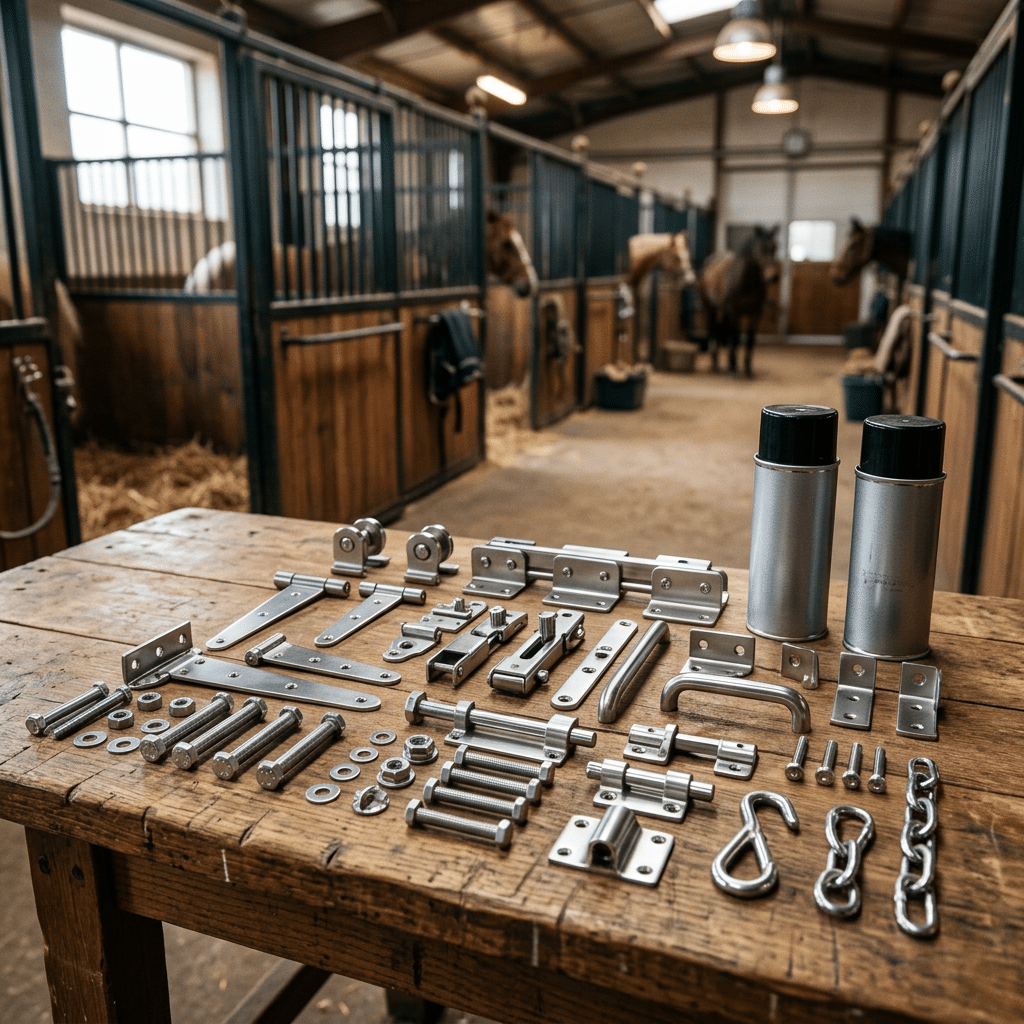
Stalls for aggressive horses must eliminate the risk of structural failure. Standard-issue hardware often leads to bent steel and splintered wood, creating a cycle of expensive replacement orders and significant safety liability for facility operators and...
Tack room mold is not a simple cleaning issue; it’s a structural failure that actively destroys high-value leather assets. This failure turns a $20,000+ collection into a depreciating liability. Relying on temporary fixes ignores the root cause: porous building...



 German
  English
  Spanish
  French
  Arabic