


Calculating the safe Panel Weight Lift for a horse stall is a matter of physics rather than convenience. A 12ft front must exceed 200lbs to absorb the kinetic energy of a kick, yet many builders compromise safety for easier handling. Installing lightweight aluminum or thin-wall substitutes invites structural failure and dangerous deformation the moment an animal strikes.
We address this logistical challenge through a modular assembly method that eliminates the need for cranes or tractors. By separating the Q235B structural steel skeleton from the high-density infill, you reduce the immediate lift load by 80 percent. This analysis explains how to install 14-gauge durability manually using a simple flat-pack workflow and standard tools.
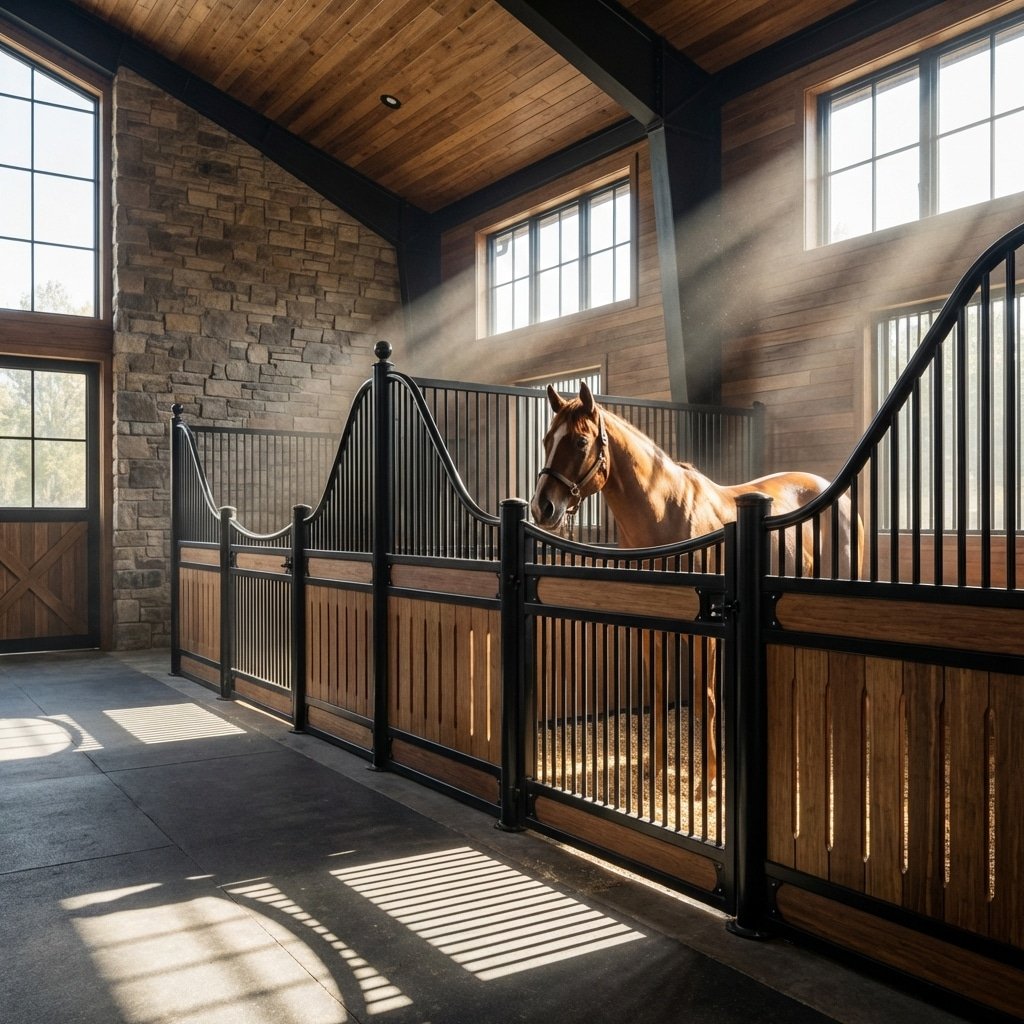
The Truth About “Heavy Duty”: The 200lb+ 12×12 Panel
A 12ft stable panel exceeds 200lbs due to 14-gauge structural steel and solid infill. This mass prevents deformation under impact, unlike lightweight aluminum alternatives.
The Engineering Reality: Mass Equals Kick Resistance
Marketing teams frequently misuse the term “Heavy Duty” to sell consumer garden products like gazebos that would collapse under a fraction of the stress a stable endures. In the equestrian industry, weight is not a logistical inconvenience; it is a non-negotiable safety feature. You cannot cheat physics when dealing with large animals.
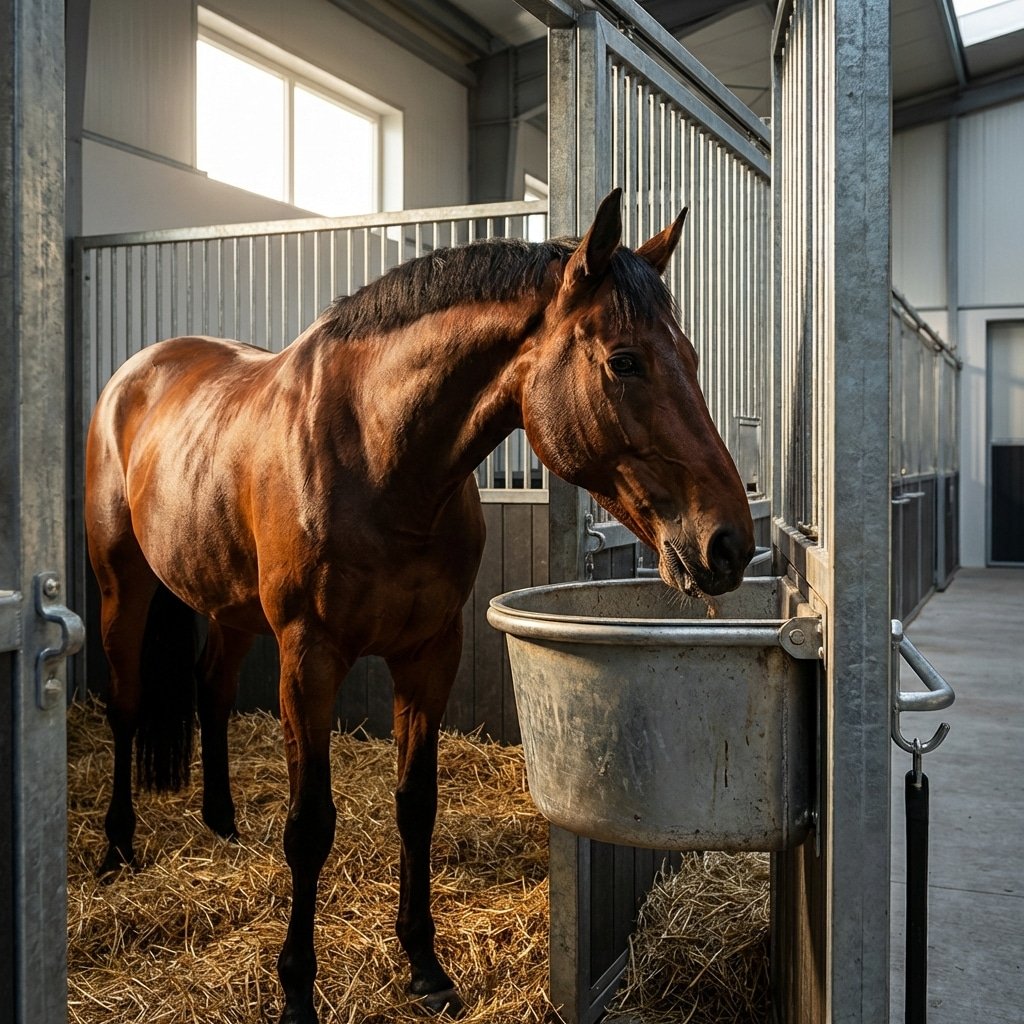
A horse generates approximately 1000kg of force during a kick. Lightweight materials, such as aluminum or thin-wall steel, lack the necessary inertia to absorb this kinetic energy. When a powerful impact hits a light panel, the structure bows or snaps, creating sharp edges or wrapping around the animal’s leg. A 200lb+ deadweight provides the structural resistance required to remain rigid, ensuring the energy disperses through the frame rather than destroying it.
Material Specifications: 14-Gauge Steel and Solid Infill
The significant weight of our panels comes directly from the material specifications mandated in our Product Bible. We prioritize durability over shipping economy, resulting in a dense, kick-proof product.
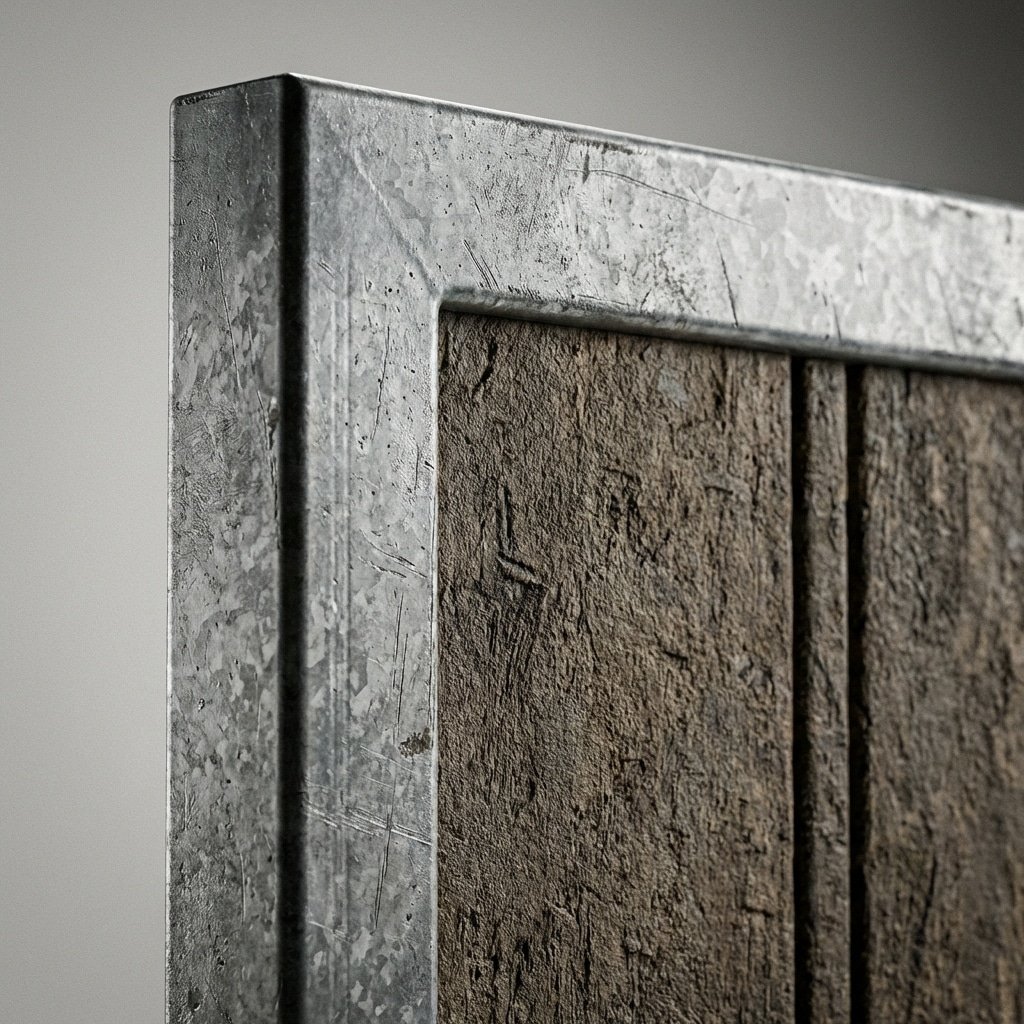
- 14-Gauge Steel Framework: We utilize Q235B structural steel with a wall thickness of 2.0mm to 2.5mm. This is significantly heavier than the 1.5mm industry standard used by budget competitors.
- Hot-Dip Galvanization: Our adherence to BS EN ISO 1461 adds over 70 microns of zinc coating to the steel. This creates a thick protective layer that increases both the weight and the lifespan of the panel.
- Solid Infill Density: We use High Density Bamboo or UV Stabilized HDPE. These solid materials add substantial mass compared to the hollow plywood or softwood often used to cut costs.
- Self-Supporting Rigidity: This density ensures the panel meets our “Kick-Proof Guarantee” without requiring external bracing or additional support columns.
Why You Don’t Need a Crane or Tractor to Assemble
Our modular flat-pack system separates steel frames from infill planks, reducing component weight so a small team can install manually without heavy machinery.
The Efficiency of Modular Panel Design
Traditional pre-cast concrete or fully welded monolithic structures often force site managers to rent cranes or heavy tractors. This adds unnecessary cost and logistical headaches, especially on sites with tight access. We engineered the DB Stable system to eliminate this requirement entirely through a component-based assembly method.
Instead of lifting a complete, heavy stable unit, our design separates the steel structure from the infill material. The installation team first positions the galvanized steel frames, which are light enough for two people to handle. Once the frames are anchored, the heavy HDPE or Bamboo planks are slid into the channels manually, one by one. This “skeleton-first” approach keeps the maximum lift weight manageable and allows for precise manual adjustments on uneven ground.
Understanding the Steel Pallet Flat-Pack System
A complete stable set typically weighs between 250kg and 450kg depending on your choice of infill. If this arrived as a single welded unit, you would need a forklift or tractor to offload and position it. We solve this with our specific “Steel Pallet Flat-Pack” specification.
- Component Breakdown: Once the steel pallet straps are cut, the unit breaks down into individual frames and boxes of hardware that can be carried by hand.
- Logistics Efficiency: This flat-pack density allows us to fit 30-45 sets in a single 40HQ container, compared to just 12-15 sets for fully welded competitors.
- Site Safety: Eliminating heavy lifts reduces injury risk and removes the need for certified heavy equipment operators on site.
This packaging strategy protects your logistics margins by maximizing container space while ensuring the end-user can assemble the product with standard tools and a small crew.
Precision-Engineered Stables Built For Extreme Climates

The Two-Person Lift: Sliding the Pins into Place
We engineered the drop-pin system to eliminate on-site welding and heavy machinery. One person stabilizes the frame while the second aligns the brackets, using gravity to lock the structure instantly.
The Efficiency of Drop-Pin Assembly
Most B2B importers underestimate the cost of installation labor. We designed our flat-pack system to bypass the need for tractors, cranes, or on-site welders during the final fit-out. The workflow relies on a simple mechanical advantage: alignment followed by gravity.
- Team Composition: Requires exactly two installers—one to stabilize the frame upright, and the other to align the lugs.
- No Hot Works: Completely eliminates the need for dangerous and expensive on-site welding or heavy drilling.
- Gravity-Fed Locking: Once the pin drops, the connection is structurally secure instantly, allowing the team to move to the next panel immediately.
- Speed Advantage: Rapid assembly speeds significantly outperform traditional bolted flanges, which require holding a nut, bolt, and impact driver simultaneously.
Hardware Focus: 40mm Square Galvanized Pins
Die connector pin is the single point of failure in a modular system, so we do not use generic scrap metal. Standard round pins often rotate and rattle inside square housings, creating noise that unsettles horses. We utilize a specific 40mm square profile that locks tightly into the housing.
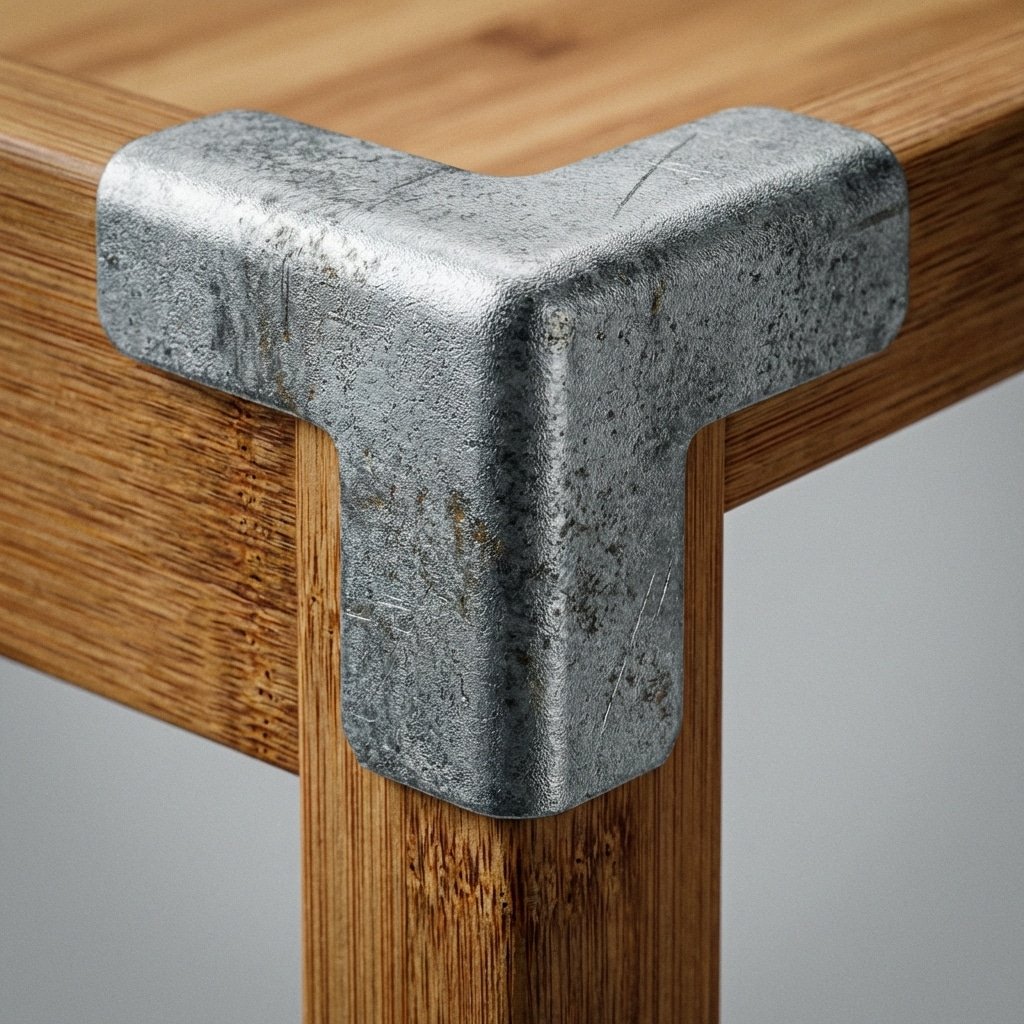
- Square Profile: 40mm x 40mm square metal tube connectors ensure a tight, rattle-free fit with our 50mm RHS posts.
- Reinforced Construction: Features fully welded 6mm steel plates for structural rigidity, preventing bending under impact.
- Galvanized Protection: Pins undergo Hot-Dip Galvanization after fabrication. This ensures the contact points resist rust even after years of friction.
- System Integration: Engineered specifically to mate with the lug brackets on our Professional and Royal series fronts.
Installing the Wood Infill AFTER the Steel Frame is Up
Installing the skeleton first reduces lift weight by 80%, allowing precise manual alignment without cranes before dropping in the heavy infill.
Minimizing Weight for Manual Alignment
Die meisten installation failures happen because the crew fights the weight of the product. Trying to shim, level, and anchor a fully assembled stable panel is a logistical nightmare. A standard 12ft steel frame weighs roughly 50-70kg, which is a manageable lift for two people. A fully filled panel, loaded with high-density bamboo or solid HDPE, pushes past 400kg.
- Drastic Weight Reduction: You install the steel skeleton empty. This turns a heavy machinery job into a simple manual task.
- Precision Leveling: An empty frame allows for micro-adjustments. You can square the posts and align the 304 Edelstahl anchor bolts without struggling against half a ton of dead weight.
- Protecting the Finish: Manhandling heavy panels leads to scratches. By securing the steel first, you protect the HDPE oder Bamboo surfaces from impact damage during the rough construction phase.
The Pre-Cut “Slide-In” Board System
This method works because the engineering supports it. We design our Q235B Structural Steel posts with integrated U-channels that act as a guide rail. Once the steel is bolted down and square, the rest of the installation is just gravity at work.
- Pre-Cut Precision: We deliver HDPE (28mm-32mm) oder Bamboo planks cut to exact lengths. You do not need a saw on site.
- The U-Channel Interface: Boards drop directly into the channel. This creates a secure stack without requiring individual fasteners for each plank.
- Managing Expansion: This floating installation handles dimensional stability naturally. Materials like Bamboo expand and contract within the steel channel without warping the frame.
Abschließende Überlegungen
Retailing lightweight panels creates liability when a 1000kg animal strikes thin walls. Our Q235B structural steel and ISO 1461 hot-dip galvanization ensure your inventory survives the abuse that crushes budget alternatives. Your reputation depends on delivering the “Kick-Proof Guarantee” that protects both the horse and the owner.
Stop sacrificing margin on inefficient logistics and start maximizing your container yields with our high-density flat-pack system. We recommend ordering a sample connection kit to physically verify the 14-gauge weight and precision fitment. Contact us today to secure your production slot for the next quarter.


 German
  English
  Spanish
  French
  Arabic
0 Kommentare