


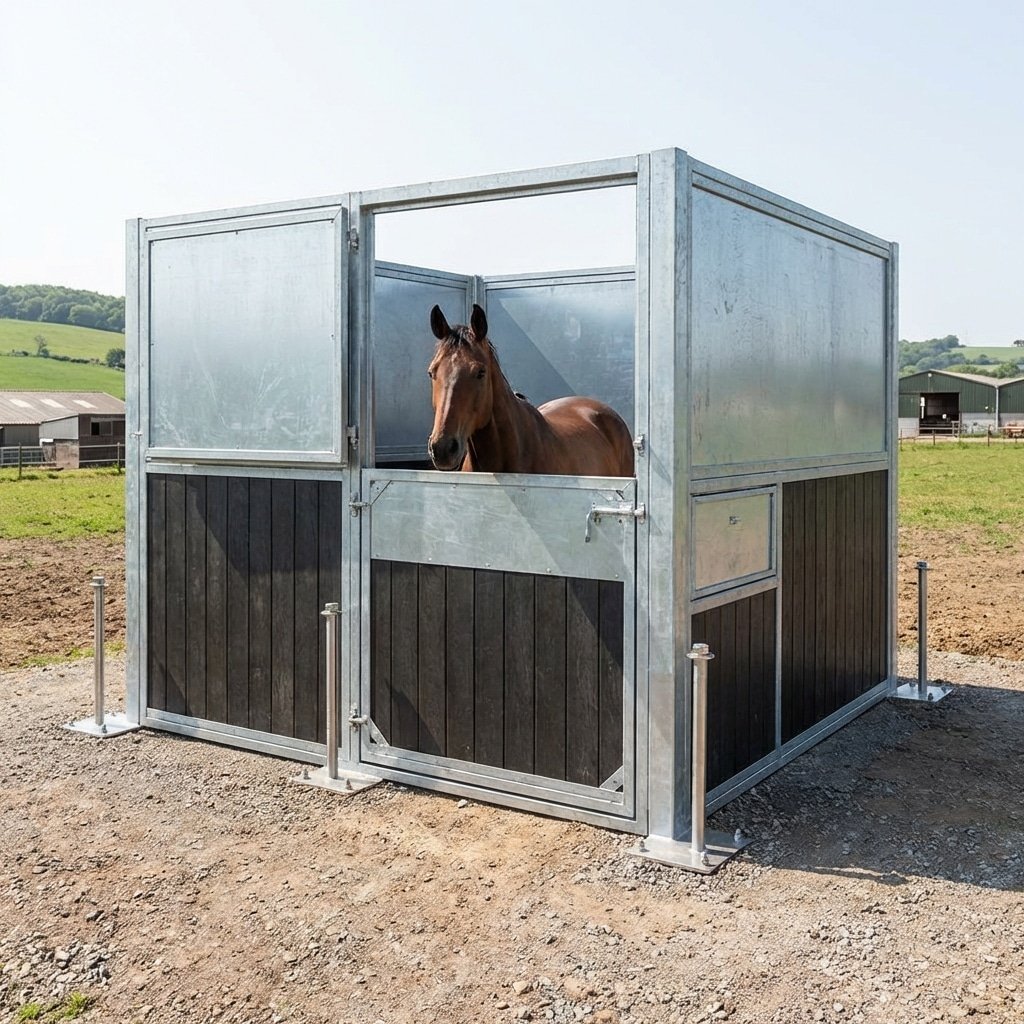
The HDPE vs Wood Boards decision directly impacts your facility’s biosecurity and long-term operational costs. Traditional wood infills act as a porous sponge for pathogens and moisture, leading to rot and creating a constant health liability that inflates maintenance budgets.
This analysis benchmarks these materials on their non-porous surface integrity and impact absorption. We measure how UV-stabilized HDPE provides a zero-maintenance solution that protects herd health and eliminates the replacement costs inherent to wood stalls.
5 Critical Red Flags to Watch For
Watch for thin steel, pre-galvanized welding scams, porous wood infill, and inefficient packaging. These shortcuts compromise safety and inflate your long-term costs.
When sourcing horse stables, the details in the manufacturing process separate a safe, long-term asset from a costly liability. Many suppliers cut corners in ways that aren’t obvious until after you’ve paid. These red flags are common in low-cost manufacturing and directly impact animal safety, product lifespan, and your bottom line.
| Red Flag (The Shortcut) | The Professional Standard (What to Demand) |
|---|---|
| 1. Steel Thinner Than 2.0mm Suppliers use 1.5mm or 1.6mm steel to reduce material costs, hoping you won’t check. This steel dents easily from kicks and compromises the entire structure’s integrity. | Insist on a minimum wall thickness of **14-Gauge (2.0mm)**. For facilities in cold climates, specify **Q345B grade steel**, which offers superior low-temperature toughness to prevent brittle fractures. |
| 2. The “Pre-Galvanized” Scam The factory welds cheap, pre-galvanized tubes and then just sprays the burn marks at the seams with zinc paint. These weld seams are the first point of failure and will rust within a year. | Demand **Hot-Dip Galvanization After Fabrication**, compliant with **ISO 1461**. This process coats the entire assembled panel, including all welds, ensuring a zinc thickness of over 70 microns. |
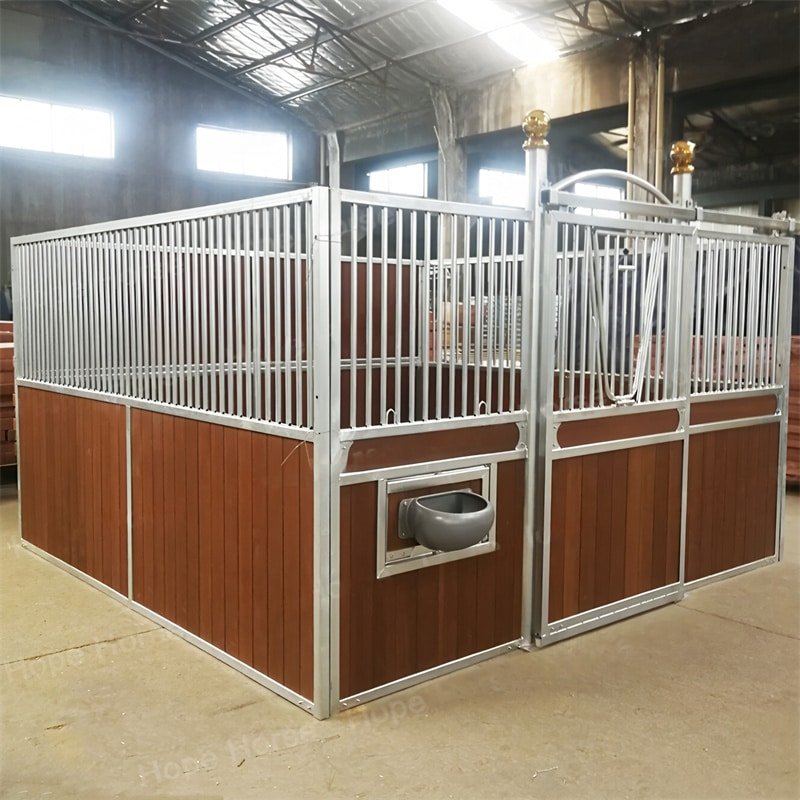
| 3. Using Porous Wood Infill Softwoods like pine are cheap upfront but act like a sponge for urine and moisture. They quickly rot, warp, and harbor bacteria, creating an unhealthy environment and requiring constant replacement. | Choose non-absorbent, durable infills. **HDPE (High-Density Polyethylene)** is zero-maintenance and impact-absorbing. High-density **Bamboo** is 3x harder than oak and naturally resists rot and mold. |
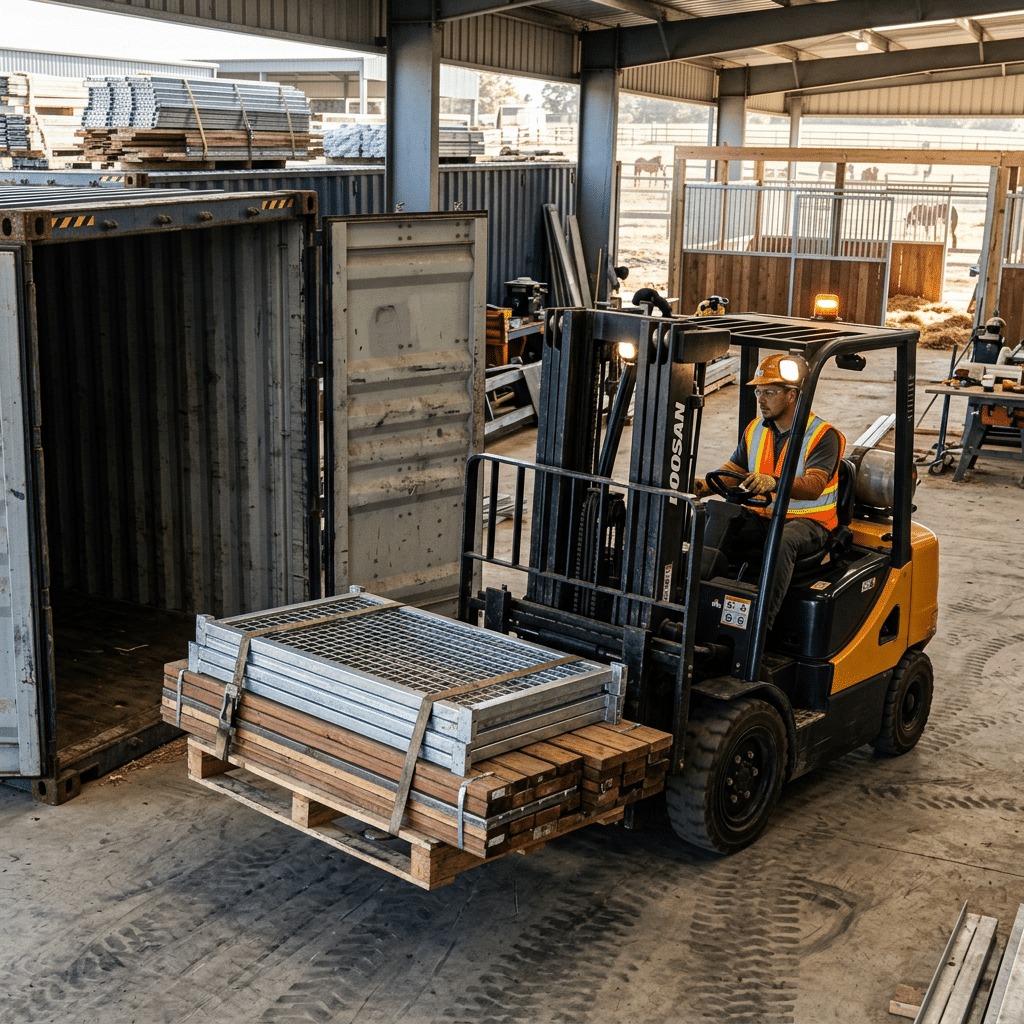
| 4. Inefficient, Loose Packaging Suppliers ship fully-welded stable fronts loose in the container. This massively inflates freight costs per unit (fitting only 12-15 sets in a 40HQ) and leads to scratches and dents during unloading. | Require a **Steel Pallet Flat-Pack** system. This protects the product and drastically cuts shipping costs by fitting **30-45 sets** into a single 40HQ container, protecting your logistics margin. |
| 5. Low-Grade Hardware Providing standard zinc-plated bolts and screws is a classic cost-cutting tactic. They will rust within the first season, leaving ugly stains on the galvanized frame and potentially failing. | Verify the entire hardware kit—connectors, anchor bolts, and screws—is made from **304 Stainless Steel**. It won’t rust and ensures the connections last as long as the stable frame. |
Häufig gestellte Fragen
Is it safe to wire money to a supplier in China?
Yes, wiring money is safe when using licensed, regulated financial institutions that comply with international standards. These transfers are monitored for legitimacy. The key is to use official banking channels and provide proper documentation, like contracts or invoices, as required by China’s State Administration of Foreign Exchange (SAFE). Avoid informal or unlicensed payment agents to prevent legal and financial risks.
How can I avoid scams on platforms like Alibaba?
To reduce risk, always use a platform’s trade assurance feature, which protects your payment based on agreed-upon quality standards. Verify supplier legitimacy by checking for independent websites and reviews beyond the platform’s badges. Always inspect a physical sample before approving bulk production and consider using a third-party inspection service to check the final goods before shipment.
What is the real difference between pre-galvanized and hot-dip galvanized steel?
The main difference is when the zinc coating is applied. Pre-galvanized steel is coated as a flat sheet, so when it is cut and welded, the edges and weld points are left exposed to rust. Hot-dip galvanizing is done after the entire stable panel is fabricated and welded. The whole item is dipped in molten zinc, creating a thick, durable coating that protects every surface, including the vulnerable welds and corners.
How can our team verify the steel thickness of the delivered stables?
The most reliable method is using an ultrasonic thickness gauge. This non-destructive tool sends a sound wave through the steel to measure its thickness without damaging the coating. It is the industry standard for verifying specifications when you only have access to one side of the material. For raw components, digital calipers can also provide a direct and accurate measurement.
Invest in Horse Stables Built to Last 20 Years.
Abschließende Überlegungen
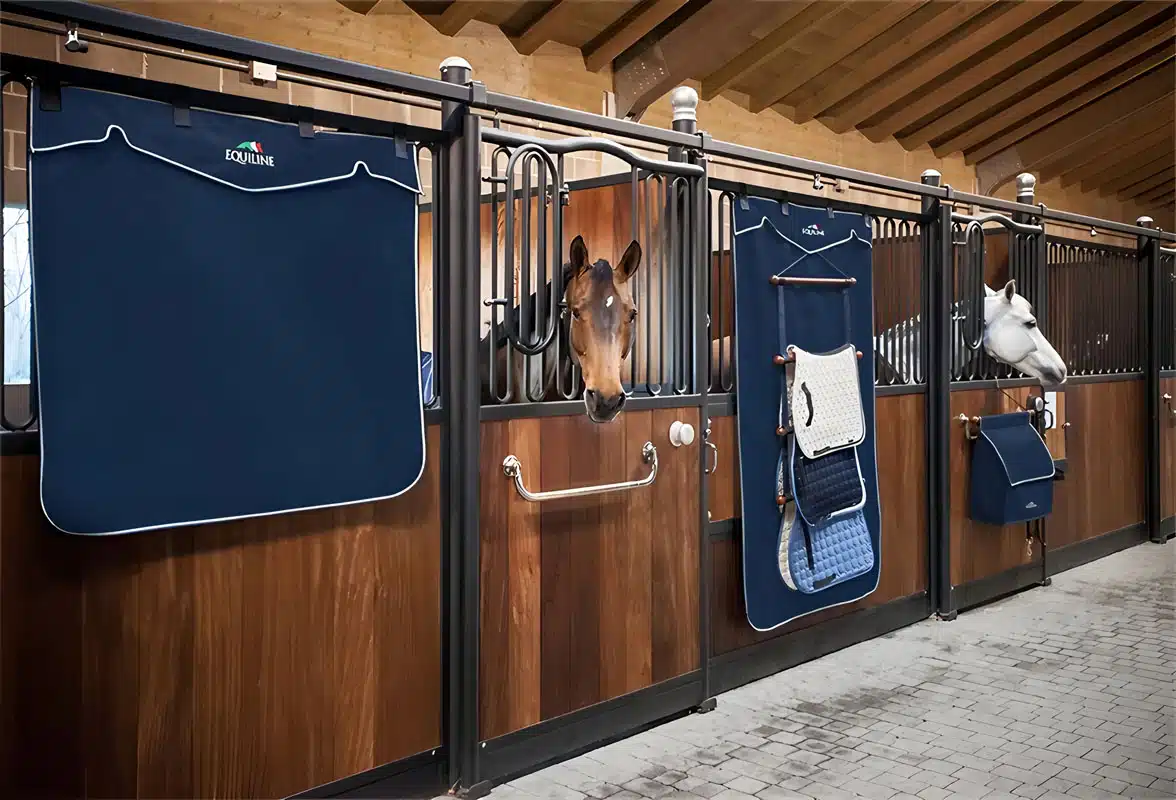
The choice isn’t just about price; it’s about managing your commercial risk. Low-cost stalls with porous wood and pre-galvanized welds lead to rust complaints and safety liabilities down the line. Specifying ISO 1461 galvanization and non-porous HDPE is how you protect your brand and build a trustworthy inventory.
You can’t verify engineering from a PDF. We recommend a trial order to test our material thickness and the freight savings of our flat-pack system. Contact our team to configure a sample shipment or discuss the technical file for your next container.


 German
  English
  Spanish
  French
  Arabic
0 Kommentare