


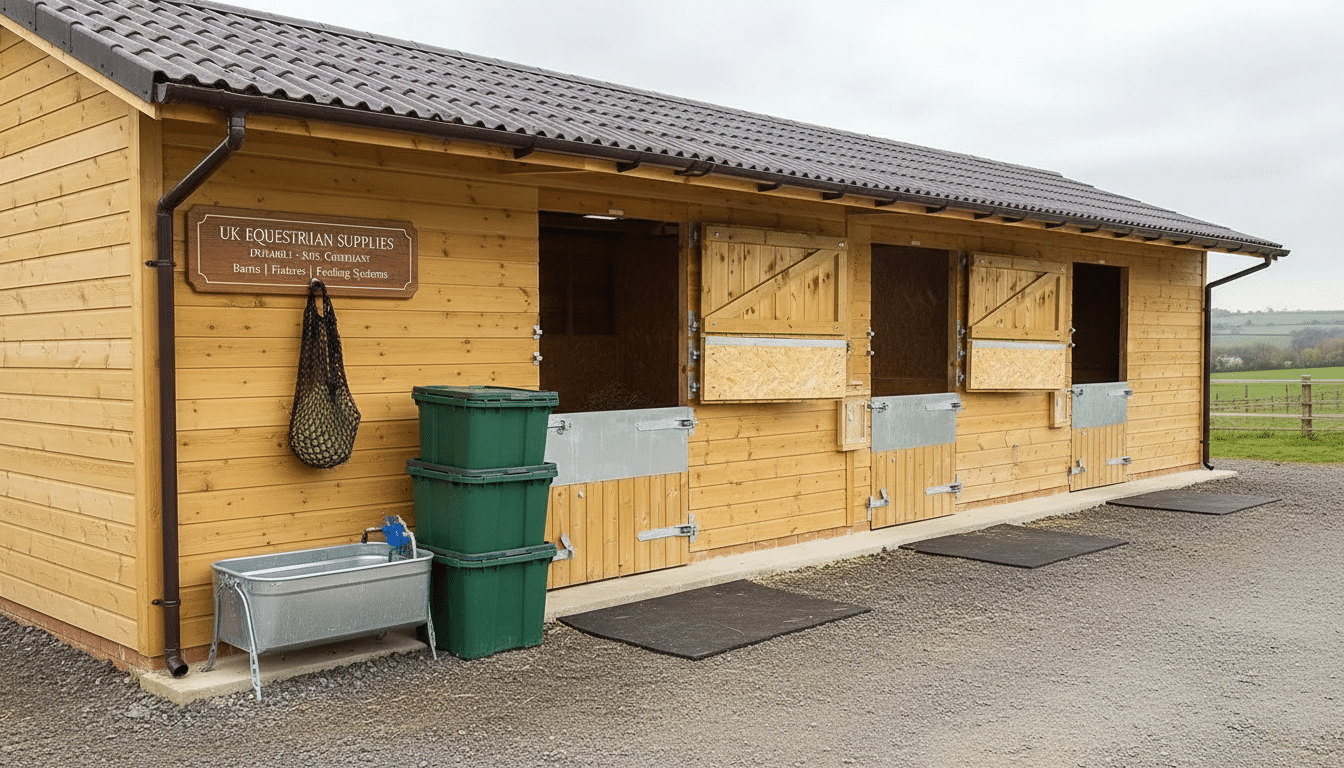
Generic layout templates often ignore local climate variables, leading to rapid material degradation and inefficient workflows. Properly engineered customization reduces daily labor requirements by 30-50% while preventing rust through climate-specific material selection.
This guide compares UV-resistant HDPE against structural steel, analyzes 42-micron galvanization standards for coastal environments, and evaluates modular configurations for 160 MPH wind resistance. We examine how specific technical choices optimize safety and ROI for professional pferdegestützte Einrichtungen.
What Are the Main Types of Customization for Horse Stables?
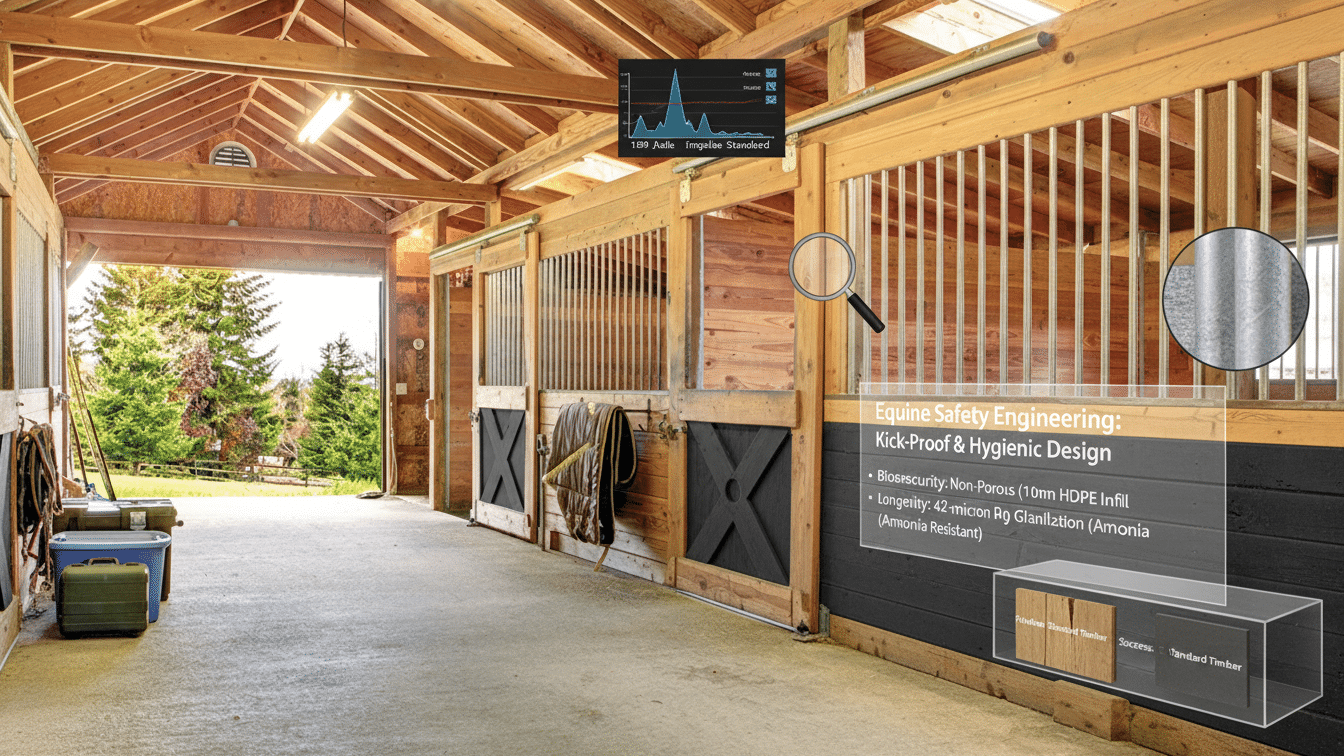
Stable customization fundamentally operates across three dimensions: structural layout, material specifications, and functional systems. Buyers can adapt stall configurations beyond the industry baseline of 12×12 feet, select climate-specific materials like UV-resistant HDPE or galvanized steel, and integrate automated feeding and watering systems to reduce daily labor requirements by 30-50%.
Structural Layouts and Barn Configurations
The physical arrangement of a stable dictates daily workflow and Luftqualität. Customization allows owners to choose layouts that best fit their climate and operational needs rather than sticking to a generic template. The goal is to balance the ease of daily chores with the health requirements of the horses.
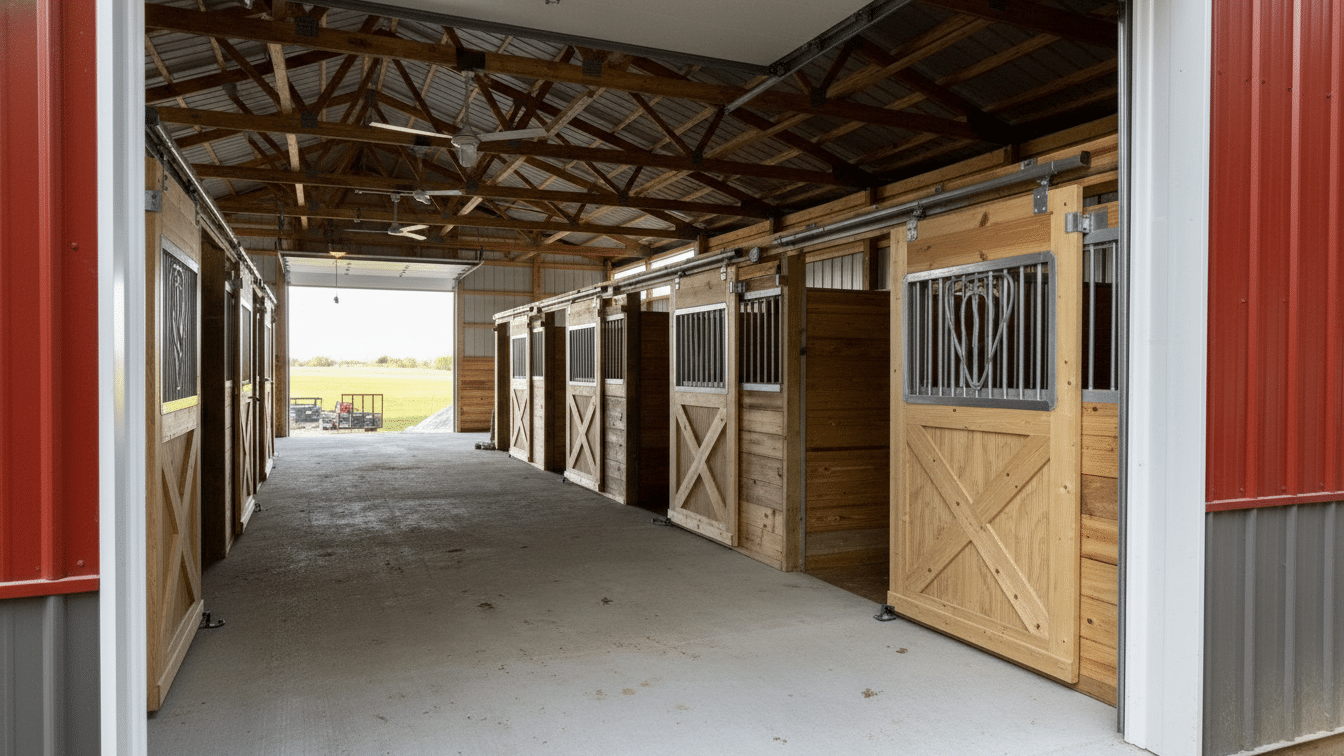
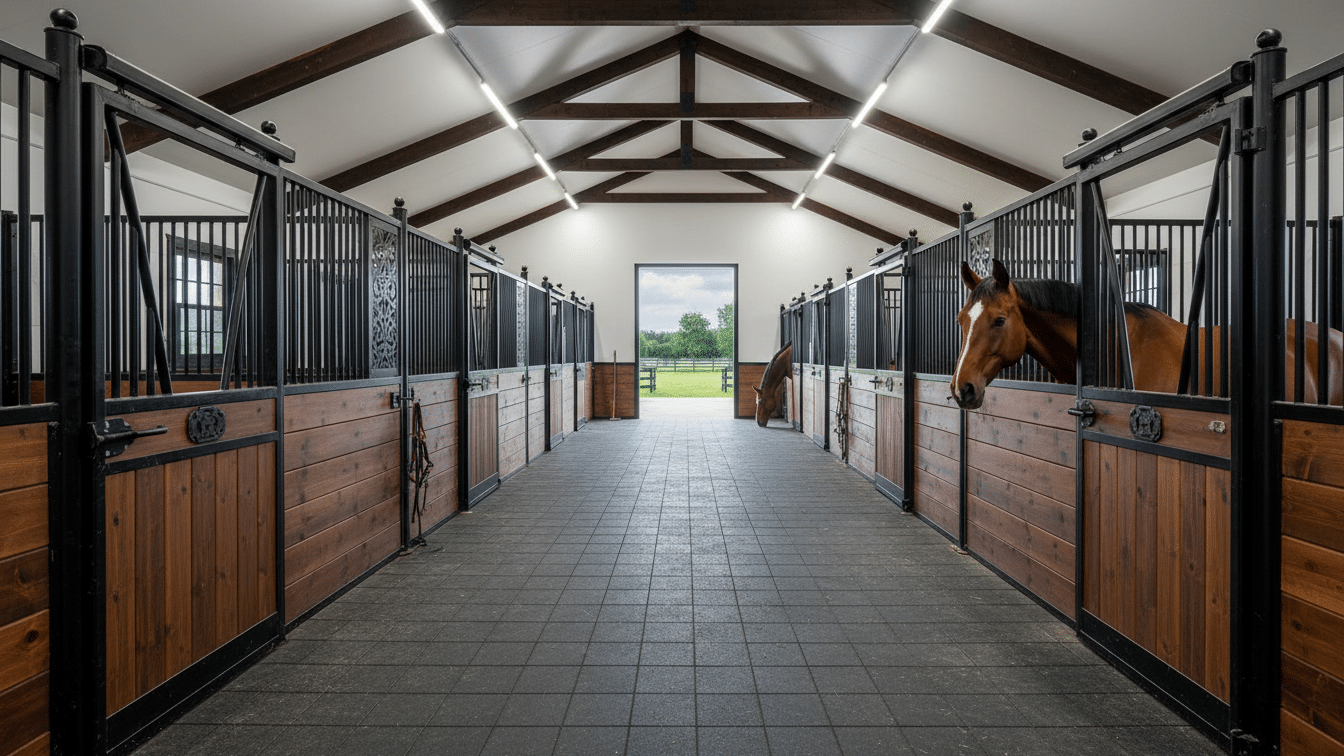
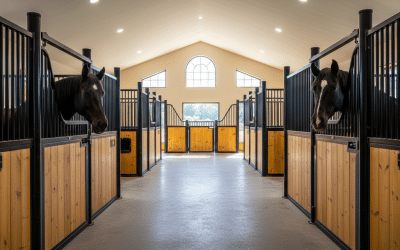
- Workflow Configurations: Layouts range from simple linear Shed-row designs, which maximize ventilation, to U-shaped or Center-aisle configurations that protect workers and horses from harsh weather while optimizing feeding routes.
- Specialized Units: Builders can create purpose-built structures. For example, mare and foal units often require a larger footprint for safety, while therapeutic stables may need isolation protocols built into the floor plan.
- Roof Profiles: The roof shape affects air movement. Monitor barns feature a raised center aisle that acts like a chimney to pull hot air out, whereas American-style shed rows focus on direct outdoor access for every horse.
Material Specifications and Dimensions
Choosing the right materials is about balancing aesthetics with engineering reality. This involves selecting components that can withstand the physical force of a horse and the corrosive nature of a stable environment. Customization here ensures the barn lasts longer with less maintenance.
- Dimensional Flexibility: While the industry baseline is 12×12 feet, customization allows you to adjust partition sizes. This is crucial for larger breeds that need more turning room or for creating spacious foaling boxes.
- Infill Materials: While hardwood offers a traditional look, modern synthetic options like 10mm HDPE boards are gaining popularity. Think of HDPE as a high-strength plastic lumber that resists UV rays and does not expand or contract with temperature changes, effectively eliminating rot.
- Structural Coatings: Steel frames require protection against rust. The gold standard is hot-dip galvanization, where steel is submerged in molten zinc. Specifications often call for 42-micron coatings to ensure the metal remains rust-free even in humid coastal environments.
Functional Systems: Ventilation and Automation
Modern stables function as machines that support equine health. Integrating active systems into the design can significantly reduce manual labor and improve the living environment for the animals. These operational features often provide the highest return on investment for busy facility managers.
- Labor Efficiency: Installing automatic waterers and built-in feed mangers changes the daily routine. In large facilities, these additions can cut the time spent on chores by 30-50%, allowing staff to focus on horse care rather than hauling buckets.
- Environmental Control: Ventilation is critical for respiratory health. Options range from passive designs using mesh-protected windows to mechanical systems that actively cycle air to reduce dust and ammonia.
- Safety Features: Every element is chosen to prevent injury. This includes placing windows at safe heights and using thermally efficient safety glass that will not shatter into dangerous shards if impacted.
How DB Stable Approaches Modular Customization
DB Stable focuses on a modular approach that combines the benefits of custom features with the speed of prefabricated construction. This method allows for rapid deployment without sacrificing material quality, utilizing specific engineering standards to ensure durability.
- Portable Flexibility: The design utilizes prefabricated single, double, or quadruple units. This allows property owners to change layouts quickly or relocate the entire stable without the permanence of traditional concrete foundations.
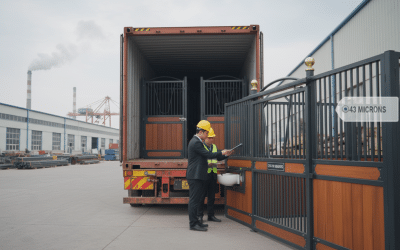
- Durability Standards: To ensure longevity, the frames are constructed from 40x40mm square metal tubes. These are fully welded and treated with a 42-micron hot-dip galvanized finish, designed to last over a decade against corrosion.
- Material Integration: Maintenance is minimized through the use of 10mm UV-resistant HDPE infills. Unlike wood, which horses may chew or which might rot over time, these boards remain stable and intact regardless of weather conditions.
How Do Material Options (Steel vs. HDPE) Differ?
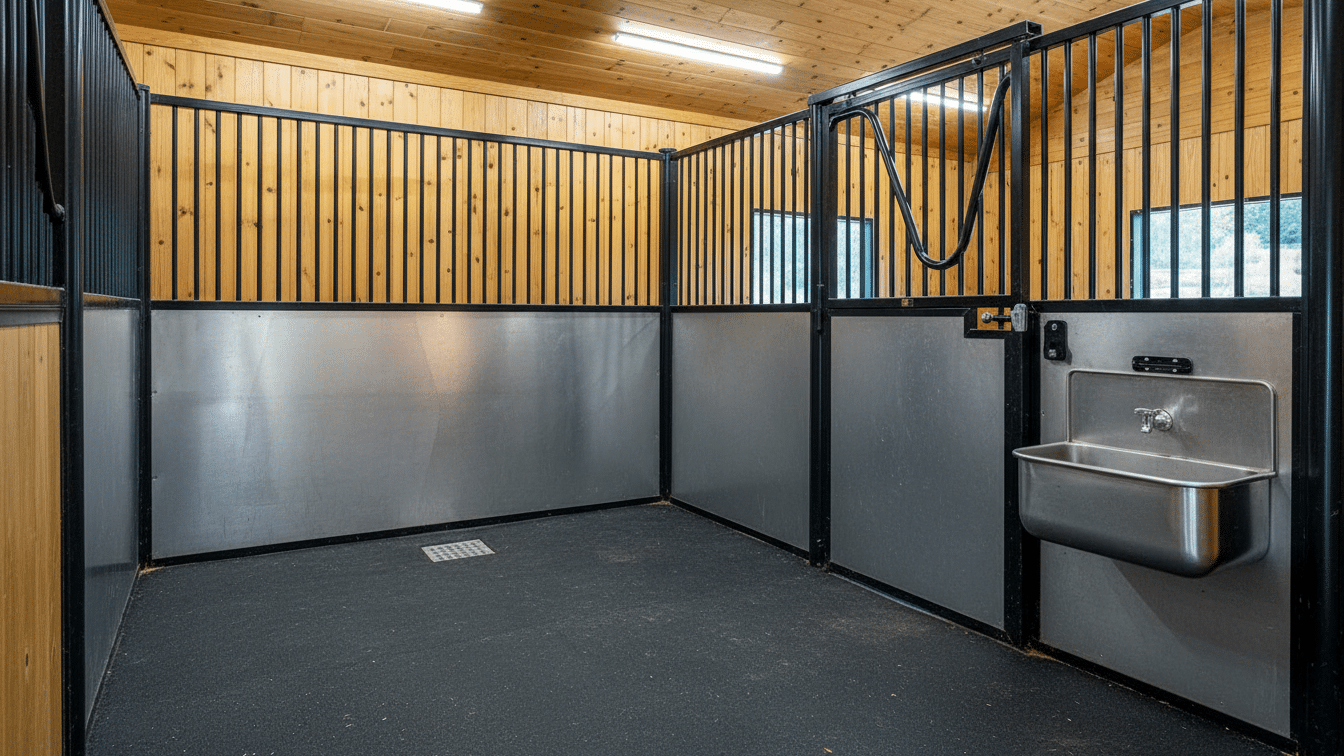
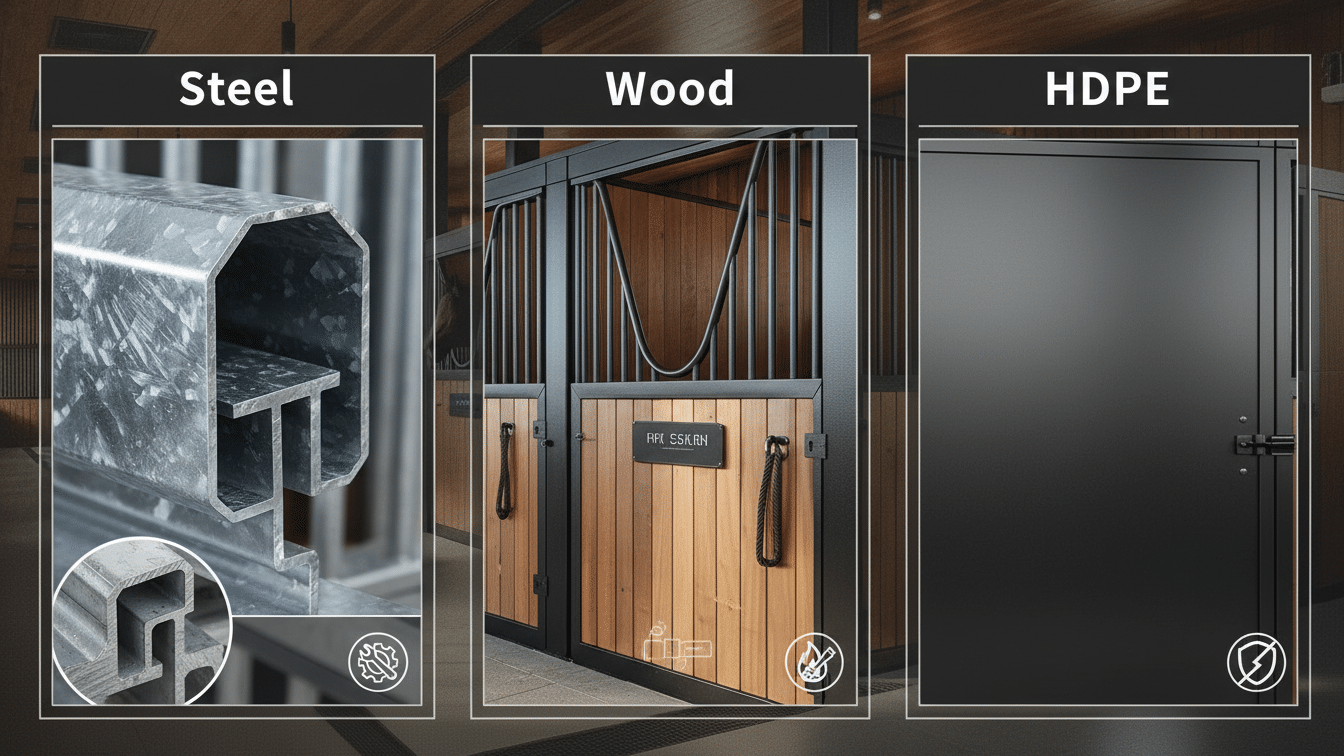
Steel and HDPE serve distinct engineering roles based on operating conditions. Steel excels in high-pressure and high-temperature environments ranging from -20°C to over 400°C, offering superior tensile strength. Conversely, HDPE is approximately one-eighth the weight of steel and resists corrosion without protective coatings. While steel supports heavy structural loads, HDPE offers a service life exceeding 50 years in corrosive or damp environments.
| Merkmal | Steel (Structural) | HDPE (Polyethylene) |
|---|---|---|
| Operating Temperature | -20°C to 400°C+ | -40°C to 60°C |
| Weight / Mass | Heavy (High Density) | Lightweight (1/8th of Steel) |
| Korrosionsbeständigkeit | Low (Requires Coating) | High (Natural Immunity) |
| Thermal Conductivity | High (Transfers Heat) | Low (Insulates) |
Mechanical Strength and Temperature Thresholds
Steel is the muscle of construction. It is designed to maintain structural integrity under immense stress and extreme temperatures. It operates effectively from -20°C up to over 400°C, making it the mandatory choice for load-bearing frames that must not warp or bend under pressure. Think of steel as the skeleton of a building; it provides the rigid shape that holds everything else in place.
High-Density Polyethylene (HDPE) behaves differently. It operates within a narrower range of -40°C to 60°C. While it cannot withstand the high heat of industrial machinery, it excels in freezing conditions where other materials might become brittle. A significant advantage of HDPE is its weight. Pipes and panels made from this material weigh approximately one-eighth of their steel equivalents. This reduction in mass lowers transportation costs and reduces the physical labor required for installation.
- ✅ Heat Transfer: Steel (14-19 W/m·K) transfers heat quickly, meaning it gets hot or cold fast.
- ✅ Isolierung: HDPE (0.42 W/m·K) resists heat flow, keeping internal temperatures more stable.
Corrosion Resistance and Lifecycle Longevity
The primary weakness of standard carbon steel is its reaction to oxygen and moisture. Without protection, it oxidizes, leading to rust and scaling. This is similar to leaving a bicycle out in the rain; over time, the metal degrades and weakens. To prevent this, steel requires galvanization or protective coatings to create a barrier against the elements.
HDPE offers a distinct advantage in this area because it is naturally immune to acids, alkalis, and chemical media. It does not require a protective layer because the material itself repels moisture and corrosive agents. Under normal conditions, HDPE materials like PE100 achieve a service life exceeding 50 years. This longevity eliminates the recurring costs associated with re-applying coatings or treating rust spots.
How DB Stable Balances Steel and HDPE for Equine Safety
To create the most effective portable Pferdestall, a hybrid approach is often the best solution. DB Stable combines the strength of steel with the durability of HDPE to leverage the benefits of both materials. The structural frame is built using hot-dip galvanized steel. This involves coating the steel in a layer of zinc that is 42 microns thick. This process acts like a permanent shield, protecting the load-bearing metal from rust for over 10 years.
For the areas that horses interact with directly, such as the stall walls, the design utilizes 10mm HDPE boards instead of metal sheets. This choice is strategic for two reasons. First, HDPE absorbs shock better than steel, making it safer if a horse kicks the wall. Second, the material includes UV resistance additives, ensuring it does not degrade or crack even when exposed to direct sunlight within its operating window of -40°C to 60°C.
This engineering method places steel only where strength is mandatory, such as the frame and connectors, and uses HDPE where impact resistance and low maintenance are the priority.
How to Choose the Right Design for Your Local Market?
Choosing the right design requires a multi-layered compliance strategy that integrates regional regulatory frameworks (such as CE for Europe or UL for North America) into the product architecture from day one. It involves verifying supply chain traceability for hazardous substances (RoHS, REACH) and adapting physical specifications—like material durability and labeling languages—to meet local environmental usage patterns and legal requirements.
Navigating Regional Regulatory Frameworks
Compliance must be a foundational design element rather than an afterthought. Many buyers assume a single product design will work globally, but regulations are geographically fragmented. A design that is fully compliant in Europe with CE Marking may fail to meet North American standards like UL Certification or Chinese CCC requirements. This means a product cannot simply be shipped to a new region without verifying local laws first.
You must integrate compliance into the product architecture itself. This includes selecting materials that meet specific safety criteria for your target jurisdiction before manufacturing begins. Identifying these necessary certifications early acts as a market access gatekeeper, preventing expensive market rejections or the need for costly redesigns after the product is made.
Key Technical Standards and Certifications
To enter a specific market, your product must meet both global baselines and regional specifics. Global quality baselines like ISO 9001 for general management or IATF 16949 for automotive sectors set the foundation for quality. Beyond these, you must address regional specifics such as CE Marking for EU safety, FCC regulations for US electronics, or CCC for China.
Supply chain verification is equally important. Suppliers must provide declarations for chemical Sicherheitsstandards. This includes frameworks like RoHS, which restricts hazardous substances, and REACH, which addresses chemical production. Ensuring every component is traceable and compliant guarantees that the final product will not face customs issues or safety bans.
Localization: Beyond Basic Compliance
Meeting legal standards is only the first step. Practical localization ensures the product actually functions well in the target environment. Designs must account for local storage and usage conditions, such as high humidity or extreme temperature fluctuations. A material that works well in a dry climate might corrode quickly in a coastal area if not properly treated.
Packaging and labeling also require adaptation. Manufacturers must specify the correct languages and include necessary warning labels on packaging to meet local consumer protection laws. Finally, products must undergo rigorous design reviews and testing. This design verification proves that the item can withstand the specific distribution challenges it will face in the local market.
How DB Stable Adapts Designs for Australia and New Zealand
We specifically engineer our portable Pferdeställe to withstand the harsh environmental conditions found in Australia and New Zealand. Our approach uses heavy-duty materials to prevent degradation from intense sun and moisture.
- ✅ Weather-Resistant Galvanization: We use hot-dip galvanized steel with a coating exceeding 42 microns. Think of this as a thick, permanent zinc shield that protects the steel from rust for over 10 years, even in damp conditions.
- ✅ UV Protection: The stables feature 10mm thick HDPE infill boards. These are treated to be UV resistant, acting like permanent sunscreen that prevents the boards from becoming brittle or fading under the intense Australian sun.
- ✅ Structural Integrity: We utilize 40*40mm square metal tubes that are fully welded with 6mm steel plates. This ensures the frame remains stable and safe against the physical demands of large animals.
- ✅ Portability Focus: The prefabricated design allows for easy setup and relocation. This flexibility aligns with the specific needs of the equine industry in these regions, allowing owners to move stables as needed.
Build Durable, Climate-Resilient Stables That Last Decades
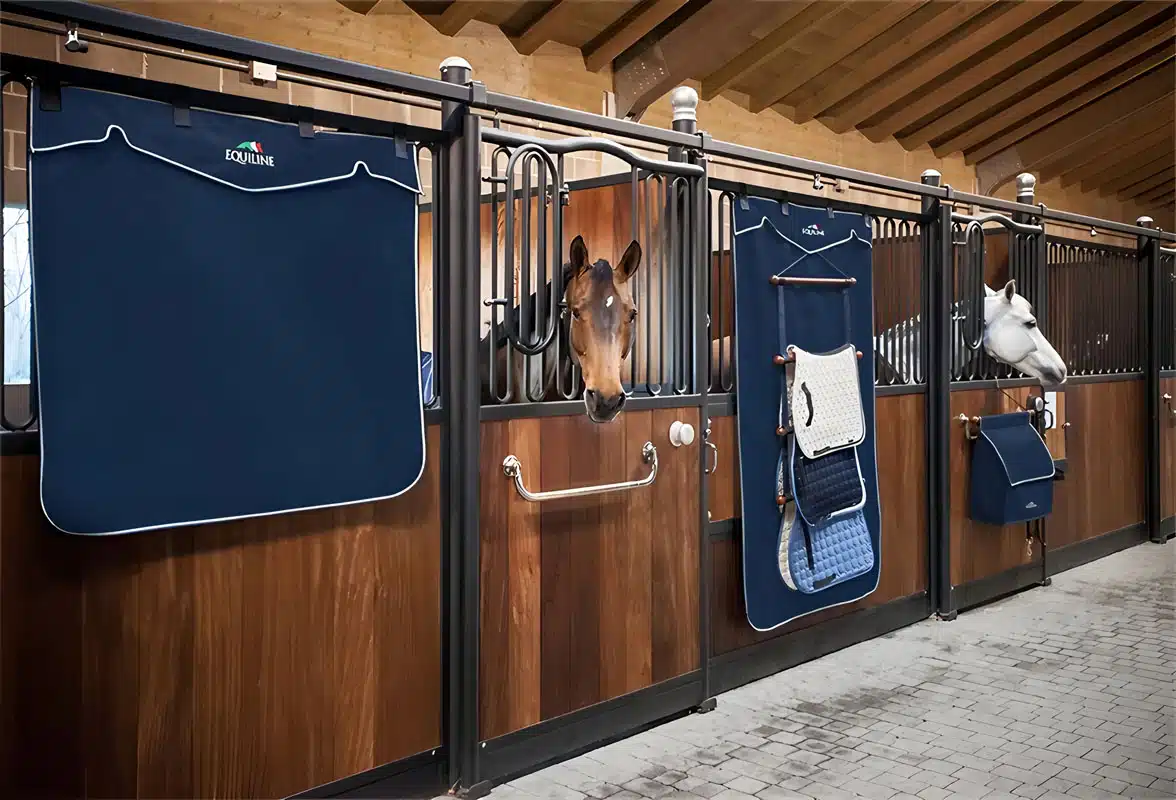
Secure rust-resistant, hot-dipped galvanized steel stables customized to meet BHS and ASPCA standards for your specific region. Our modular designs cut installation time by 30% and ensure safety in temperatures ranging from -10°C to 40°C.
What Is the Quick Comparison of Custom Features?
A quick comparison of custom features is a streamlined evaluation process that isolates 3 to 5 critical performance metrics—such as material composition, coating thickness, and structural dimensions—to assess OEM quality efficiently without information overload.
Defining Meaningful Attributes for Evaluation
Effective comparison requires filtering data to focus only on meaningful, comparable attributes rather than exhaustive lists. When evaluating custom manufacturing options, it is crucial to avoid getting lost in minor details that do not impact the final performance of the product. Research suggests limiting simultaneous comparisons to a small set of key features to optimize decision-making clarity.
Key attributes typically include core specifications like dimensions, performance metrics regarding durability, and compatibility standards. By focusing on these areas, buyers can make informed decisions based on how the product will actually function in their specific environment.
Technical Benchmarks in Custom Stable Manufacturing
When comparing custom stable features, specific technical data points serve as indicators of long-term value. These benchmarks act as a baseline for quality, ensuring the product can withstand daily wear and environmental stress.
- Surface Treatment: Look for galvanization thickness. High-quality standards utilize hot-dip galvanization exceeding 42 microns. Think of this as a heavy-duty shield that seals the steel completely, preventing rust for over 10 years even in humid climates.
- Infill Material: Evaluate density and resistance. Specifically, 10mm thick HDPE boards with UV resistance offer superior durability compared to standard plywood. This material behaves like a synthetic hardwood that never rots or splinters under the sun.
- Structural Integrity: Assess connection methods and reinforcement. Full welding provides a stronger bond than spot welding. Look for reinforced components like 6mm steel plates and 40x40mm square metal tubes which act as the skeleton of the structure, providing essential rigidity.
How DB Stable Optimizes Feature Customization
DB Stable aligns its manufacturing process with high-quality comparison standards to meet specific client requirements in Australia and New Zealand. The focus remains on transparent specifications that directly address common pain points like rust and material degradation.
- ✅ Long-Lasting Frames: Offers transparent specifications including 42-micron hot-dip galvanized frames to ensure longevity in harsh climates.
- ✅ Durable Infill: Utilizes specialized 10mm HDPE infill that minimizes thermal expansion and resists UV damage, ensuring the stalls look new for years.
- ✅ Modular Flexibility: Provides options like swing or sliding doors and steel board roofs ranging from 0.4mm to 0.8mm thickness, allowing the design to adapt to the specific needs of the facility.
Häufig gestellte Fragen
What engineering standards must custom stable blueprints meet?
Custom blueprints must certify specific load capacities to ensure the structure withstands severe weather. The industry standard requires wind resistance up to 160 MPH and a snow load capacity of 110 PSF to comply with building codes.
For dimensions, the baseline specification for a horse stall is typically 12 by 13 feet to allow adequate movement, while aisles should be at least 16 feet wide. Structurally, these buildings rely on hot-dip galvanized steel that is 1.5mm thick. This specific thickness and treatment acts like a permanent shield, preventing the steel from rusting from the inside out.
How does custom sizing impact the total project cost?
Opting for non-standard dimensions generally adds a price premium of 45% to 78% over standard modular units. This increase covers the cost of re-engineering and specialized labor required for unique fabrication.
To give you a hard number, a standard single stall usually costs around $4,500. in contrast, a custom build with specific dimensions and decorative elements often averages over $8,000. For larger projects, such as a six-stall center-aisle facility, prices typically range from $35,000 to $40,000 depending on the complexity of the design.
Can stable doors be personalized with laser-cut logos?
Yes, manufacturers use CNC laser systems to cut intricate logos, family crests, or patterns directly from single sheets of steel or aluminum. This technology uses fiber lasers to achieve incredibly fine cuts without leaving rough welding marks on the door face.
Safety is the priority with these designs. Laser-cut panels intended for equine use must meet strict safety standards, such as BS EN IEC 60825-4. This ensures all edges are smooth and free of burrs that could injure an animal rubbing against the door.
How does DB Stable handle customization and quality?
DB Stable focuses on longevity by using hot-dip galvanized steel with a coating thickness exceeding 42 microns. This thick protective layer ensures the frame remains rust-free for over a decade, even in humid stable environments.
For the infill, we utilize 10mm thick HDPE boards that are specifically treated to be UV resistant. This prevents the thermal expansion and warping often seen in lower-grade plastics when exposed to sunlight. Our design team works to ensure that even custom layouts maintain this structural rigidity while remaining easy to assemble and move.
Final Thoughts
Customization goes beyond aesthetics; it represents a strategic engineering choice to match structural integrity with local environmental demands. Selecting the right combination of 42-micron galvanized steel and UV-resistant HDPE ensures your facility withstands harsh climates without succumbing to rust or rot.
Prioritizing these technical specifications transforms a simple purchase into a durable, low-maintenance asset. This approach minimizes recurring repair costs and maximizes safety, delivering a facility that protects both your capital investment and the animals inside for decades.

 German
  English
  Spanish
  French
0 Kommentare