


Blog
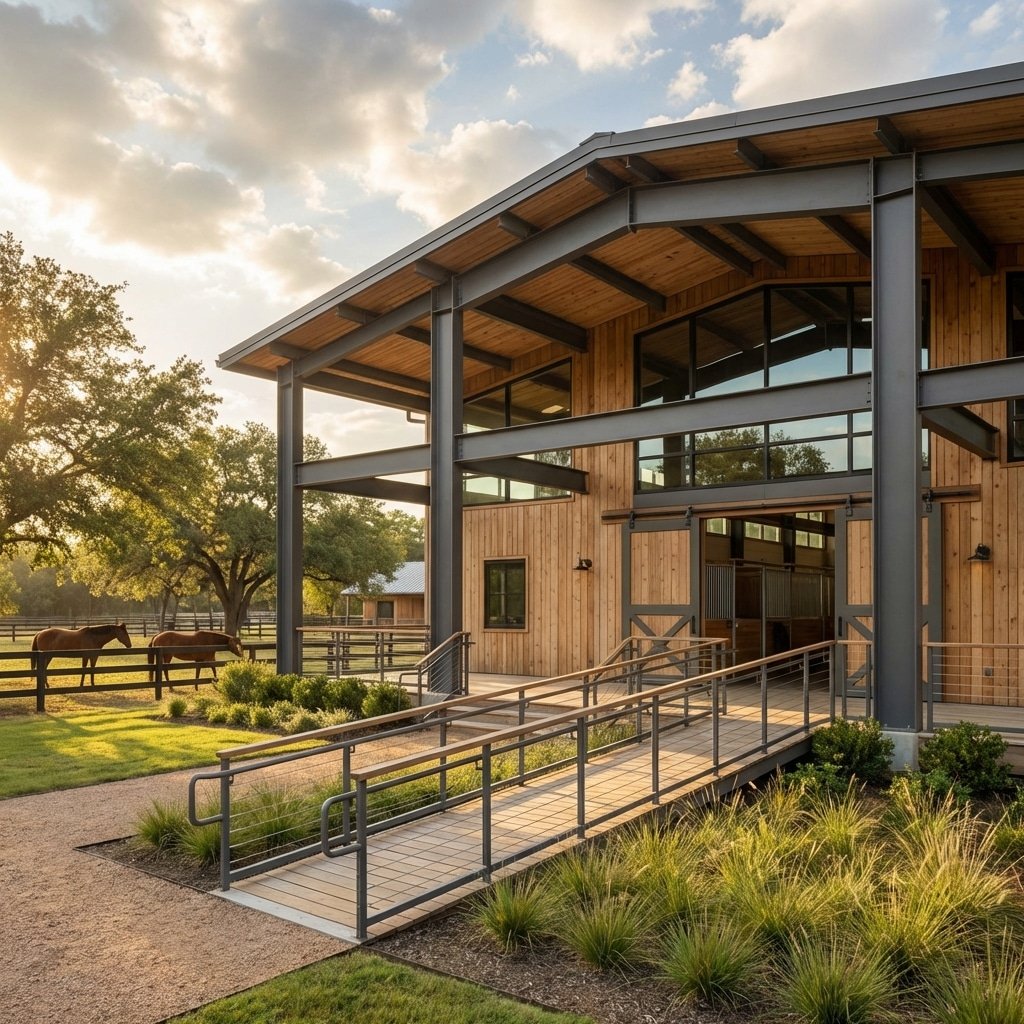
Die besten Anbieter von Ställen für therapeutisches Reiten und ADA-konforme Zentren
Die Entwicklung einer therapeutischen Reitanlage erfordert eine genaue Einhaltung architektonischer Vorgaben, um katastrophale Haftungsansprüche zu vermeiden. Herkömmliche Stallsysteme fallen bei ADA-Sicherheitsprüfungen häufig durch, was zu teuren Nachrüstungskosten führt, die die Budgets gemeinnütziger Einrichtungen belasten. Ignorieren...
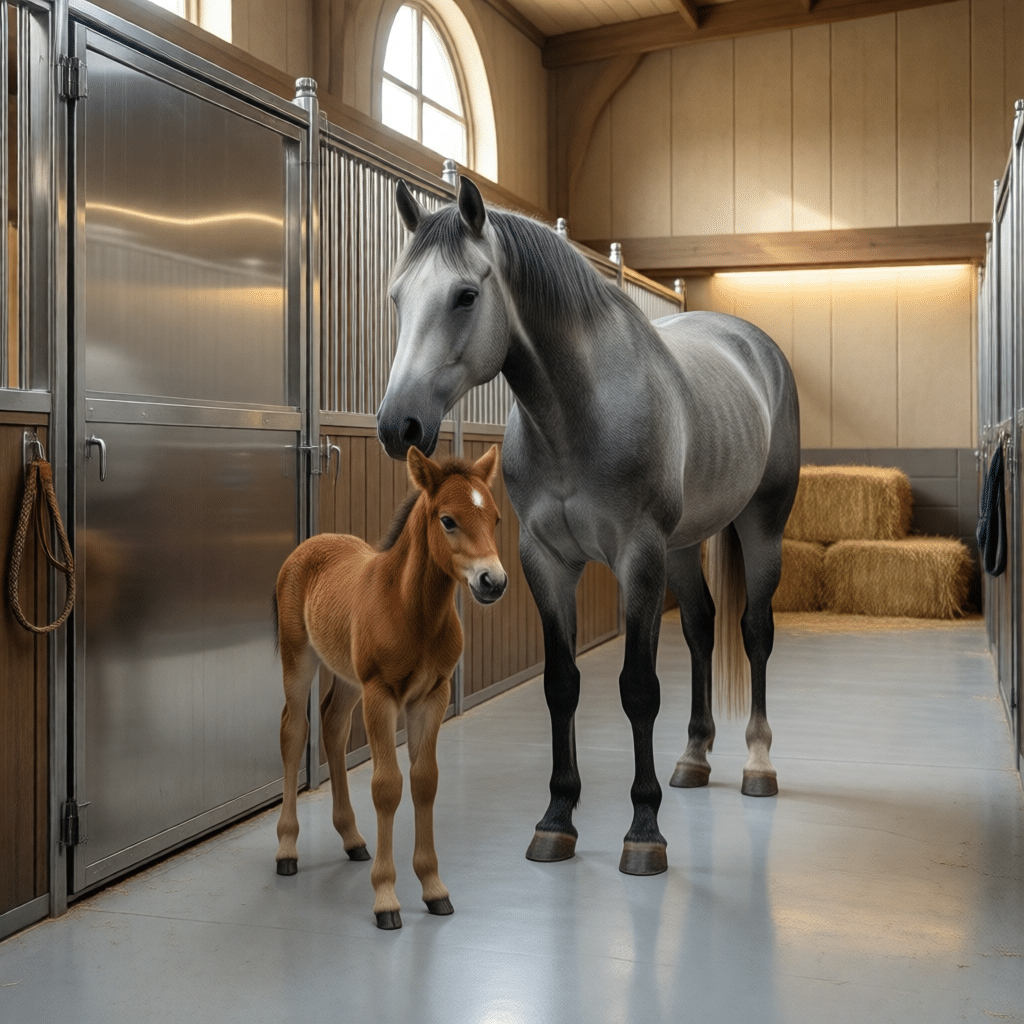
Sind Schiebetüren für Pferdeställe sicher für neugeborene Fohlen?
Der Einsatz von Foal Safe Sliding-Mechanismen ist die einzige Möglichkeit, die Haftung für hochwertige Verletzungen in professionellen Zuchteinrichtungen zu minimieren. Standardführungen mit einem Bolzen sparen zwar Kapital, erzeugen aber oft einen Pendeleffekt, der die Hufe einklemmt und...
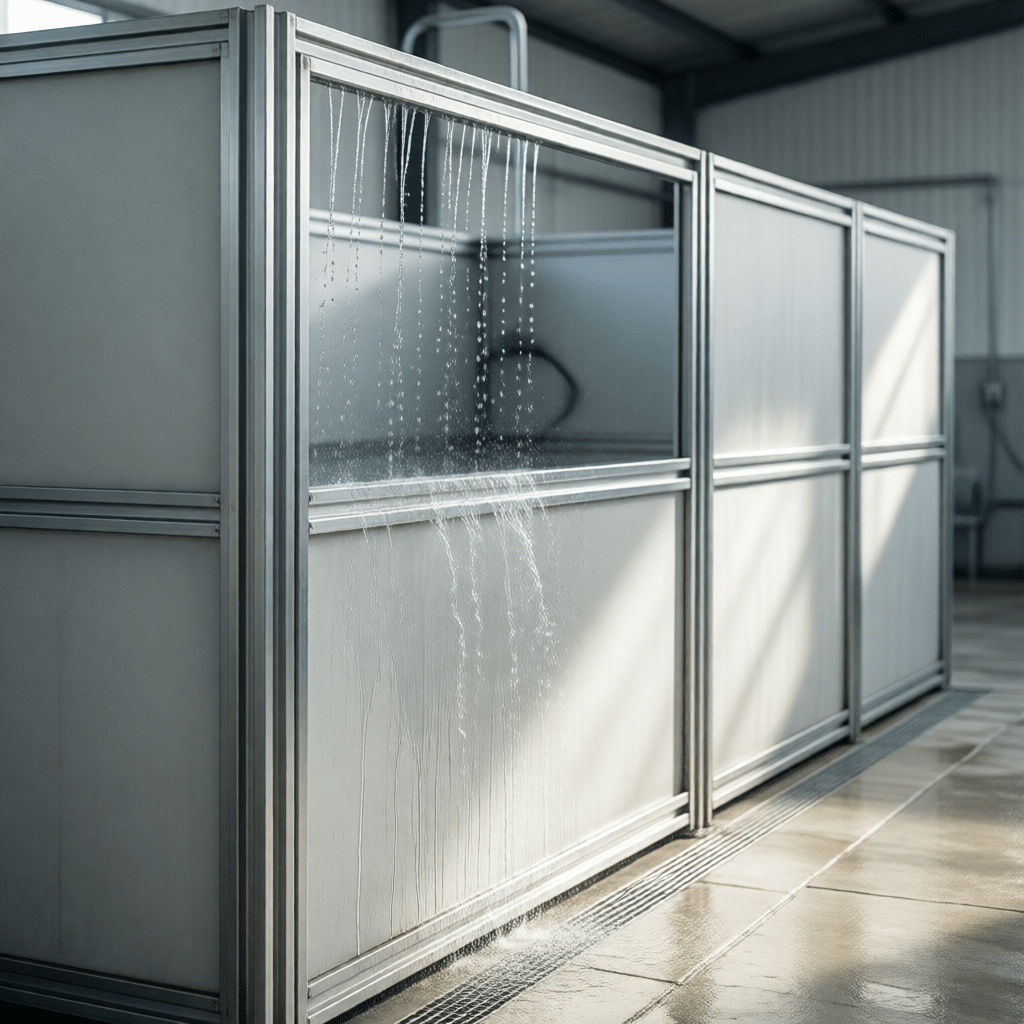
Wasserdichte Pferdeboxen: HDPE-Paneele für ultimative Waschboxen
Fäulnis in der Waschbucht beeinträchtigt die strukturelle Integrität schneller als jedes andere Problem bei der Instandhaltung von Anlagen und verwandelt profitable Boardingbetriebe in Verbindlichkeiten. Herkömmliches Holz und poröse Verbundwerkstoffe absorbieren biologische Abwässer und bilden interne Bakterienreservoirs, die...
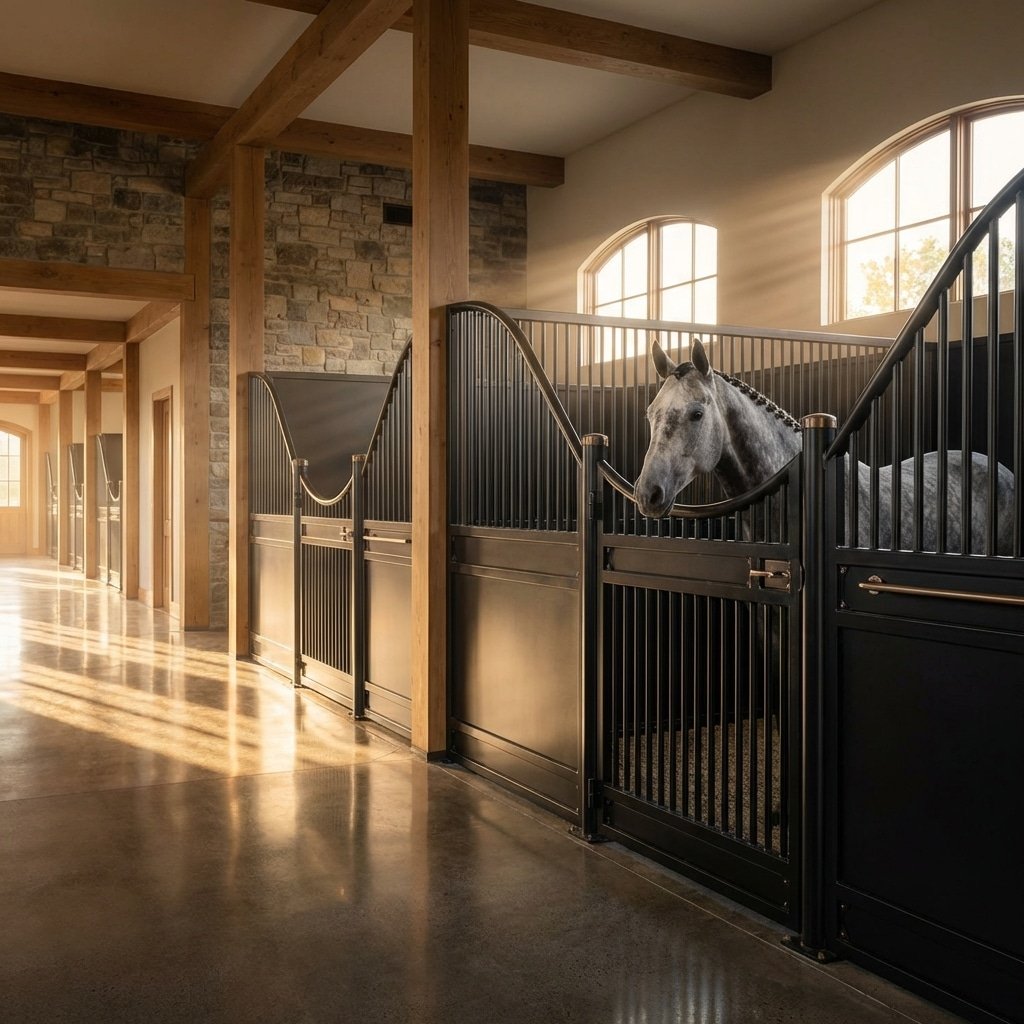
Klappbare Wassertüren für Pferdeboxen: Einfacher Zugang für die Stallarbeit
Durch die Installation spezieller Tränketüren entfällt der Arbeitsaufwand für das manuelle Befüllen von Eimern und die Haftung für das tägliche Betreten der Ställe. Facility Manager übersehen dieses bauliche Detail oft, doch die Abhängigkeit von Hauptgangtüren für den Wasserzugang erhöht die Betriebszeit und...
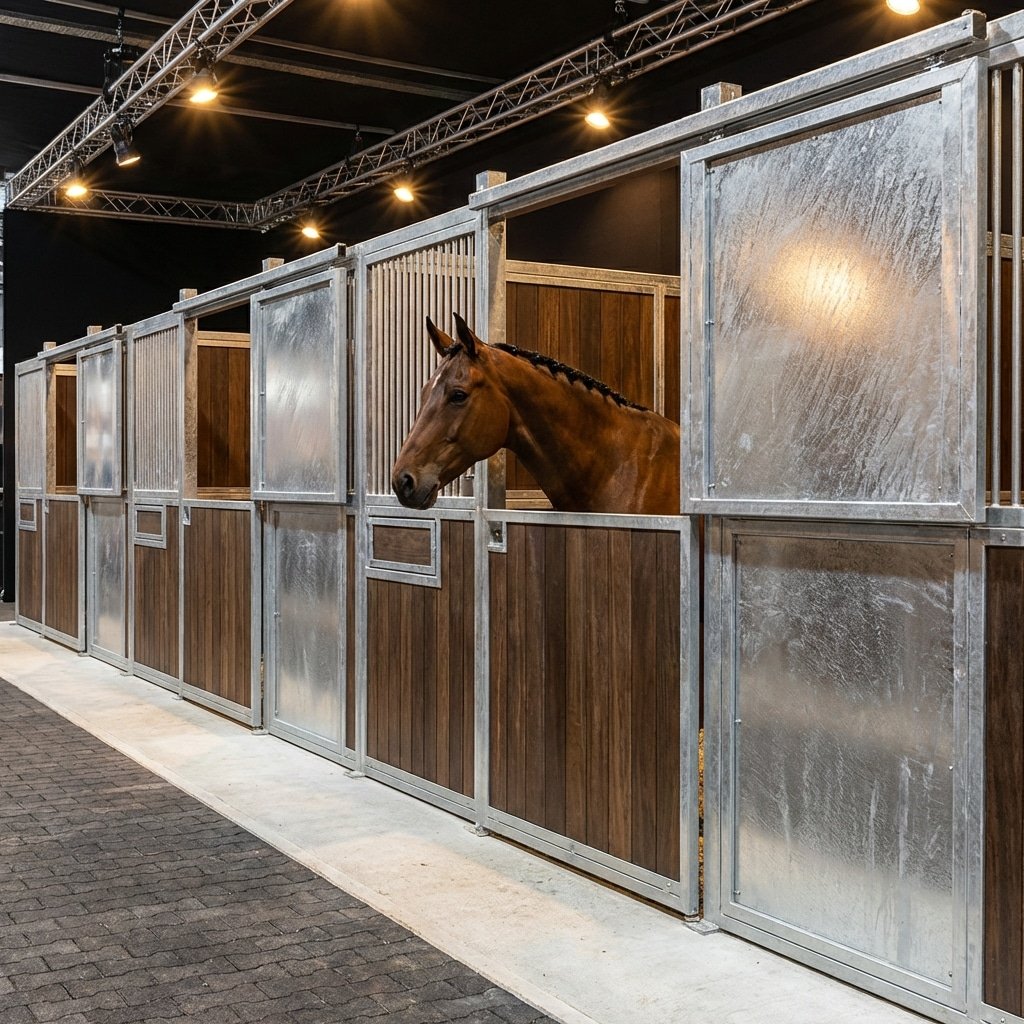
Spoga Horse vs. Canton Fair: Beschaffung von Ställen auf globalen Fachmessen
Die Validierung des feuerverzinkten Stahlrahmens (20 Jahre Rostschutz) bestimmt die Beschaffungsstrategien für die Spoga Horse und die Canton Fair. Der Import von Ställen, die die ASTM B117 Salzsprühnebeltests nicht bestehen, zerstört den Ruf des Händlers schneller als Verzögerungen beim Versand. Lokalisieren...
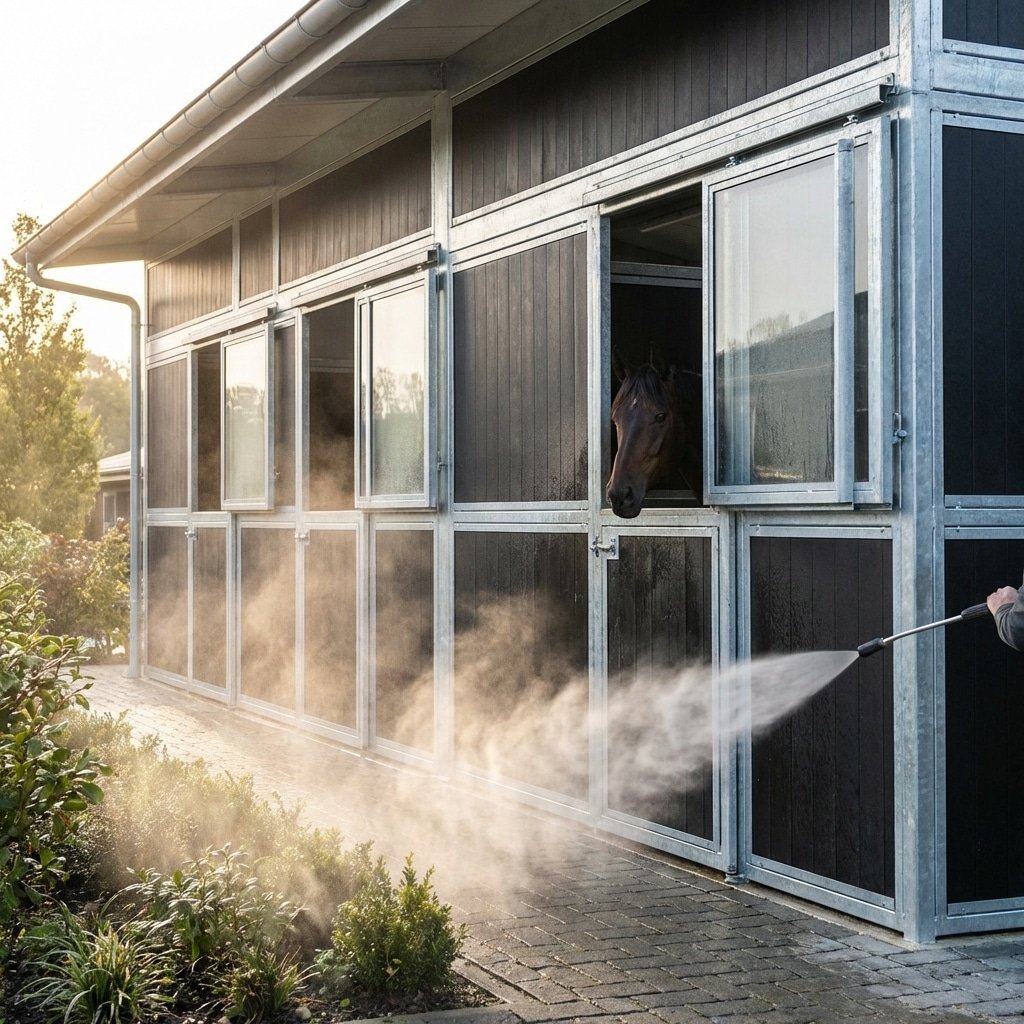
Feuerverzinkte Pferdeställe: Überleben mit Bleiche und Hochdruckreinigung
Die Hochdruckreinigung führt häufig zu einem Konflikt zwischen Biosicherheitsstandards und der Erhaltung von Vermögenswerten in Pferdebetrieben. Während Hochdruck-Natriumhypochloritlösungen Krankheitserreger der Atemwege beseitigen, sättigen sie gleichzeitig die Holzfasern und entfernen schwaches Zink...
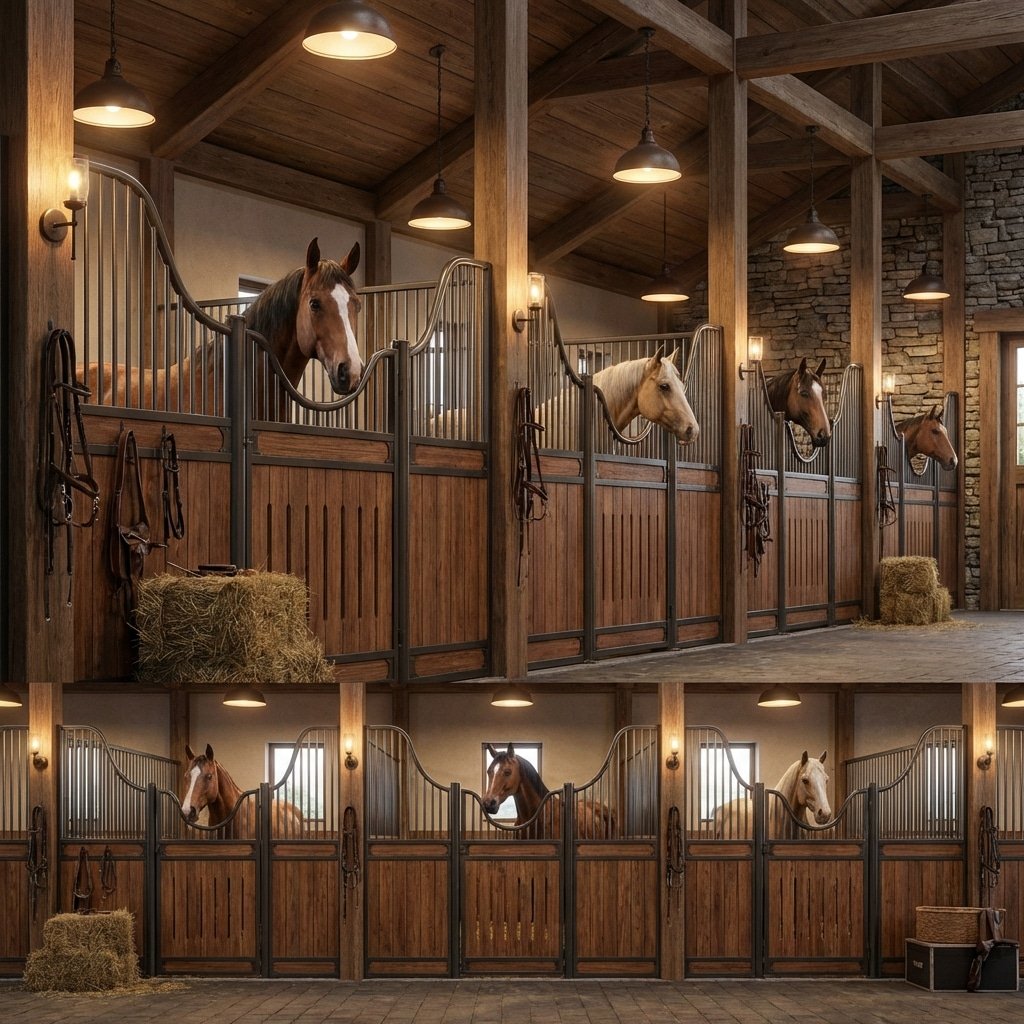
Halbwandige und vollwandige Stallabtrennungen für Pferde: Krankheit vs. Luftstrom
Die Wandhöhe bestimmt die Erregerkontrolle. Standardmäßige 4-Fuß-Trennwände schaffen Nase-an-Nase-Übertragungsvektoren. Dies untergräbt die Biosicherheit. Gewerbliche Ställe erfordern undurchlässige Barrieren. Ohne sie wird ein krankes Pferd zu einer Belastung für die gesamte Anlage. Ein professioneller Pferde...

Bodenplatten für Pferdeboxen: Urin-Rost am Boden stoppen
Rost an der Bodenplatte ist der stille Killer der strukturellen Integrität von Ställen und die Hauptursache für vorzeitige Ersatzkosten. Während standardmäßig pulverbeschichteter Stahl am Tag der Installation makellos aussieht, sind die unteren sechs Zoll einem ständigen chemischen Angriff durch Pferdeurin und...
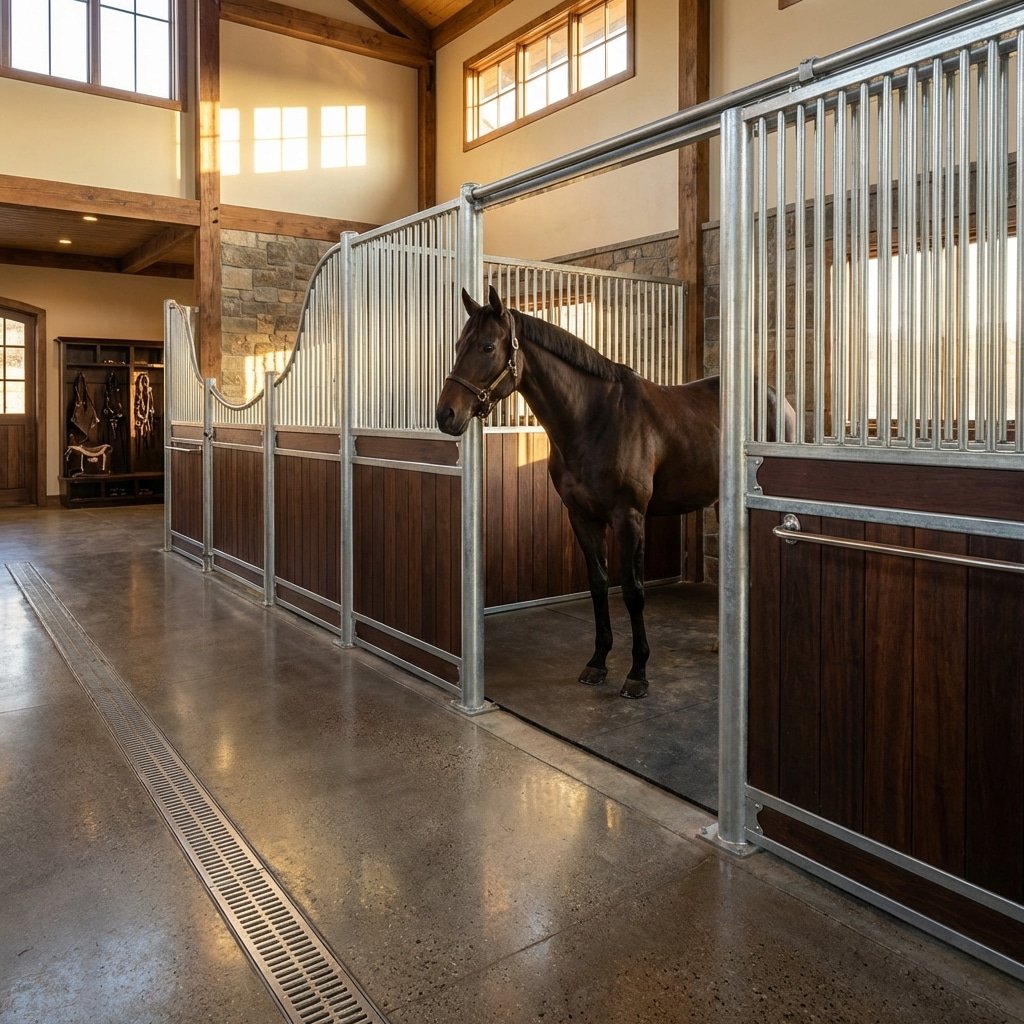
Wohin geht der Urin? Umgang mit schrägem Bodenabfluss in Ställen
Ein falsches Abflussgefälle beim Betongießen garantiert stagnierenden Urin und beschleunigte Ammoniakkorrosion. Flache Böden sind zwar einfacher zu bearbeiten, aber sie schließen die Feuchtigkeit an der Boxenfront ein, so dass Standardstahlrahmen innerhalb von drei Jahren an den Verankerungspunkten verrotten...
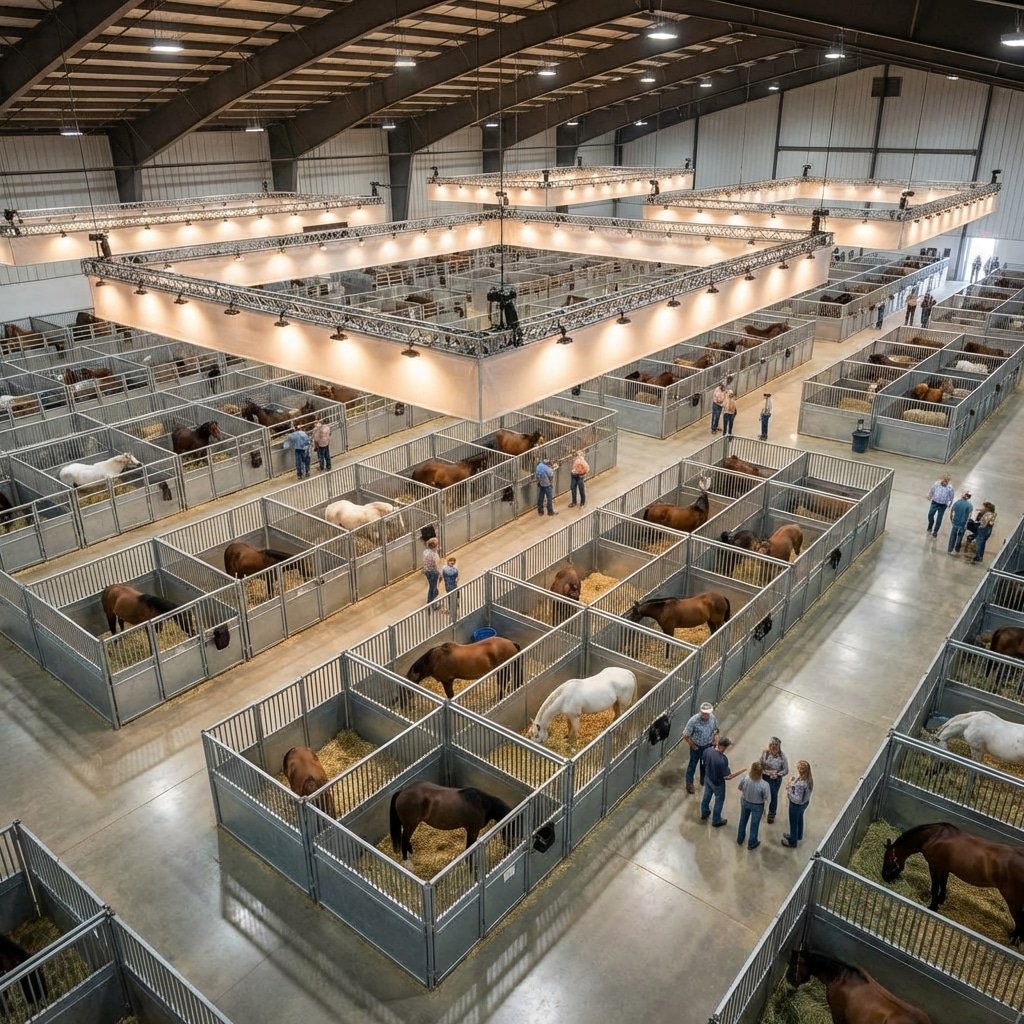
Die wichtigsten Hersteller von Stallungen für staatliche Messen und Expo-Zentren
Staatliche Messegelände, die eine Mietinfrastruktur nutzen, lassen ihre Betriebsbudgets durch wiederkehrende Gewinnspannen Dritter und schwankende Logistikgebühren ausbluten. Die Abhängigkeit von Zeitarbeitsfirmen für die Masseneinstallung setzt landwirtschaftliche Zentren Engpässen in der Lieferkette aus, die die Veranstaltung gefährden...

Gummimatten vs. Pferdestall-Paneele: Wie man die Bodenbelagslücke verlegt
Die ordnungsgemäße Integration von Matten entscheidet darüber, ob Ihr Gebäude Jahrzehnte lang hält oder innerhalb weniger Monate teuer nachgerüstet werden muss. Wenn schwere Stahlrahmen auf komprimierbarem Gummi liegen, entsteht eine weiche Verbindung, die unweigerlich die Beschläge lockert und die strukturelle Sicherheit gefährdet. Dies...
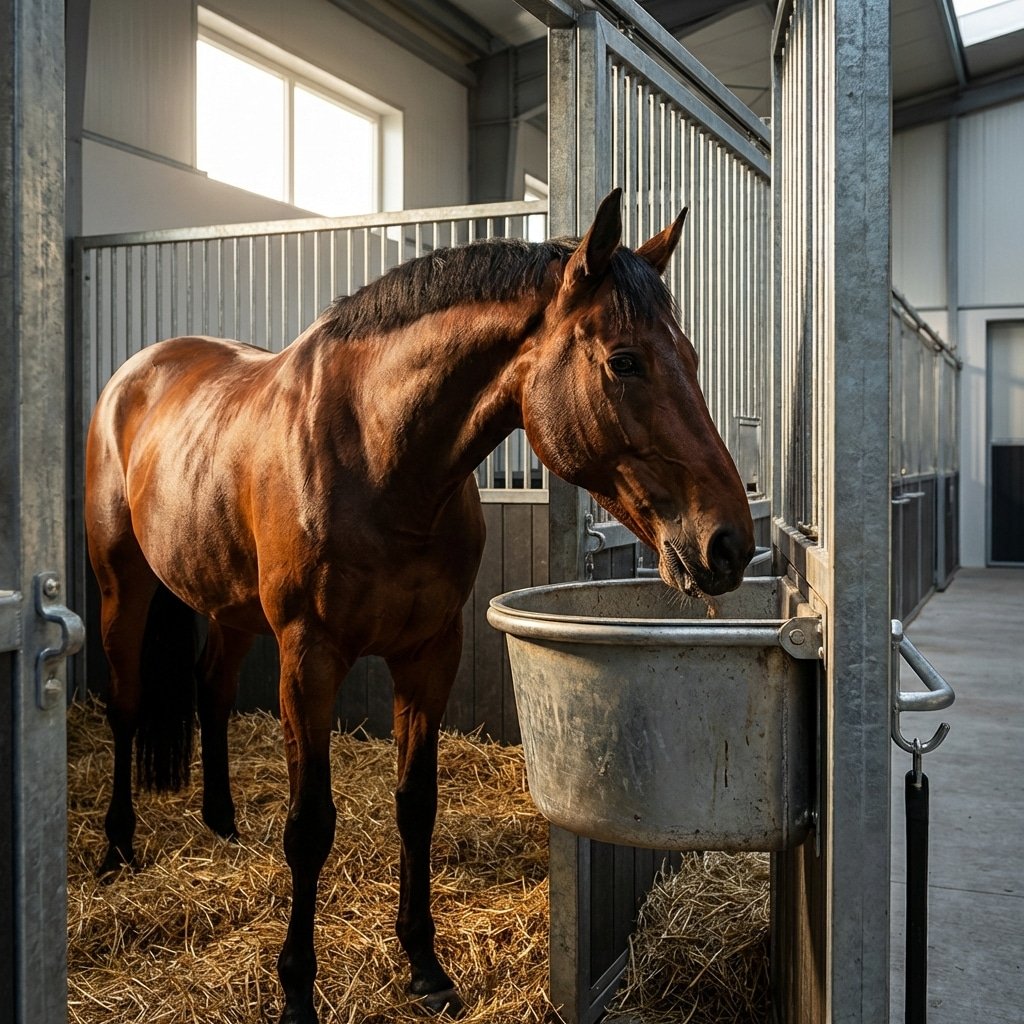
Stoppen Sie Pferde, die an Futterbehältern kratzen: Aluminium vs. Kunststoff
Futtertrogkrippen zersetzen schnell die Standard-Kunststoffinfrastruktur und verwandeln Fütterungsanlagen in ein erhebliches Sicherheitsrisiko. Wenn ängstliche Pferde auf allgemeines Polyethylen beißen, zersplittert das Material häufig, wodurch scharfe Splitter entstehen, die innere Verletzungen verursachen...

Top Biosecure-Stallhersteller für Equine Import Centers
Grenzquarantäneeinrichtungen arbeiten an einem schmalen Grat, wo ein Versagen der Biosicherheit zur sofortigen Schließung des Betriebs führt. Standard-Holzställe wirken wie ein biologischer Schwamm für Krankheitserreger und machen es unmöglich, strenge USDA- oder EU-Hygiene-Audits zu bestehen, weil...
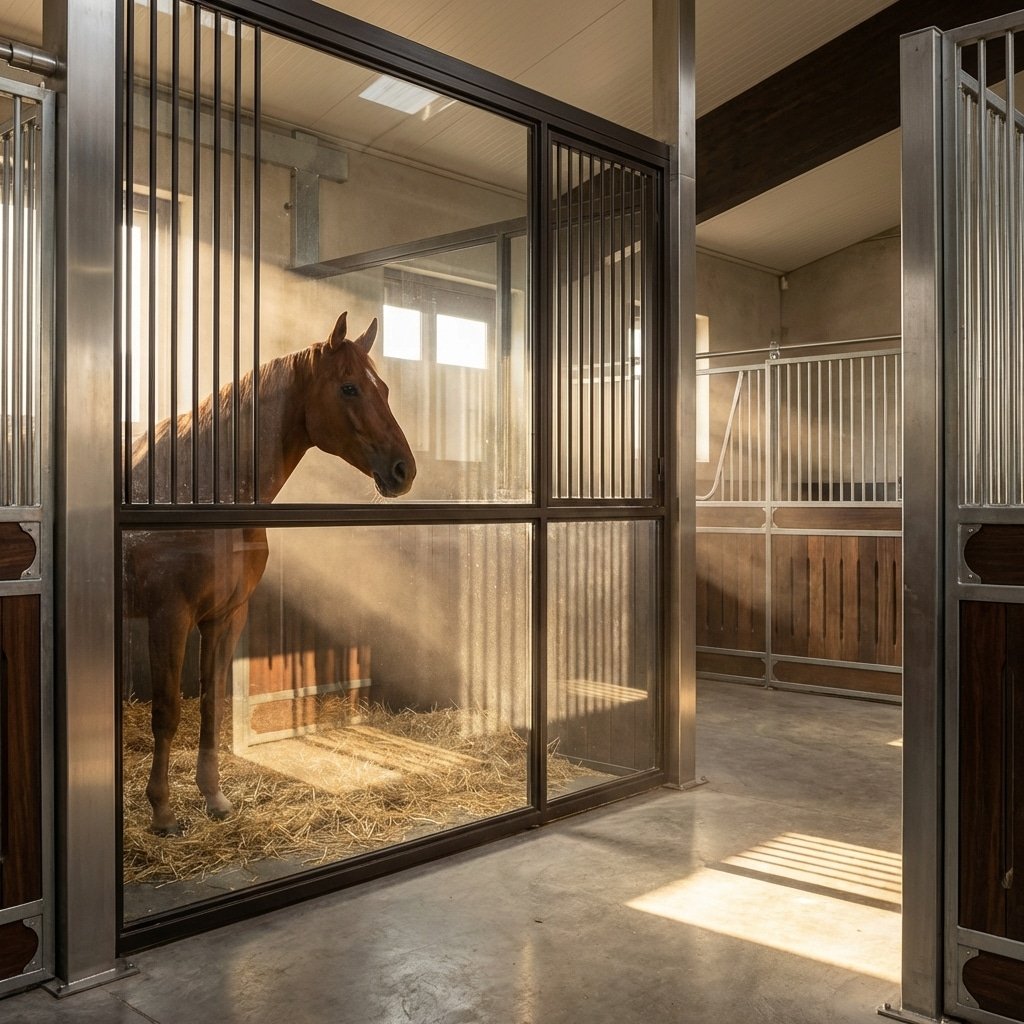
Fenster aus gehärtetem Glas für Pferdeboxen: Licht ins Haus holen
Der Einbau von Licht in eine Reithalle ist eine strategische betriebliche Investition, die jedoch bei der Verwendung von Standardverglasung zu unmittelbaren Risiken führt. Während die natürliche Beleuchtung das Cortisol der Pferde und die Laster im Stall reduziert, führt der Einbau von nicht abgeschirmtem...
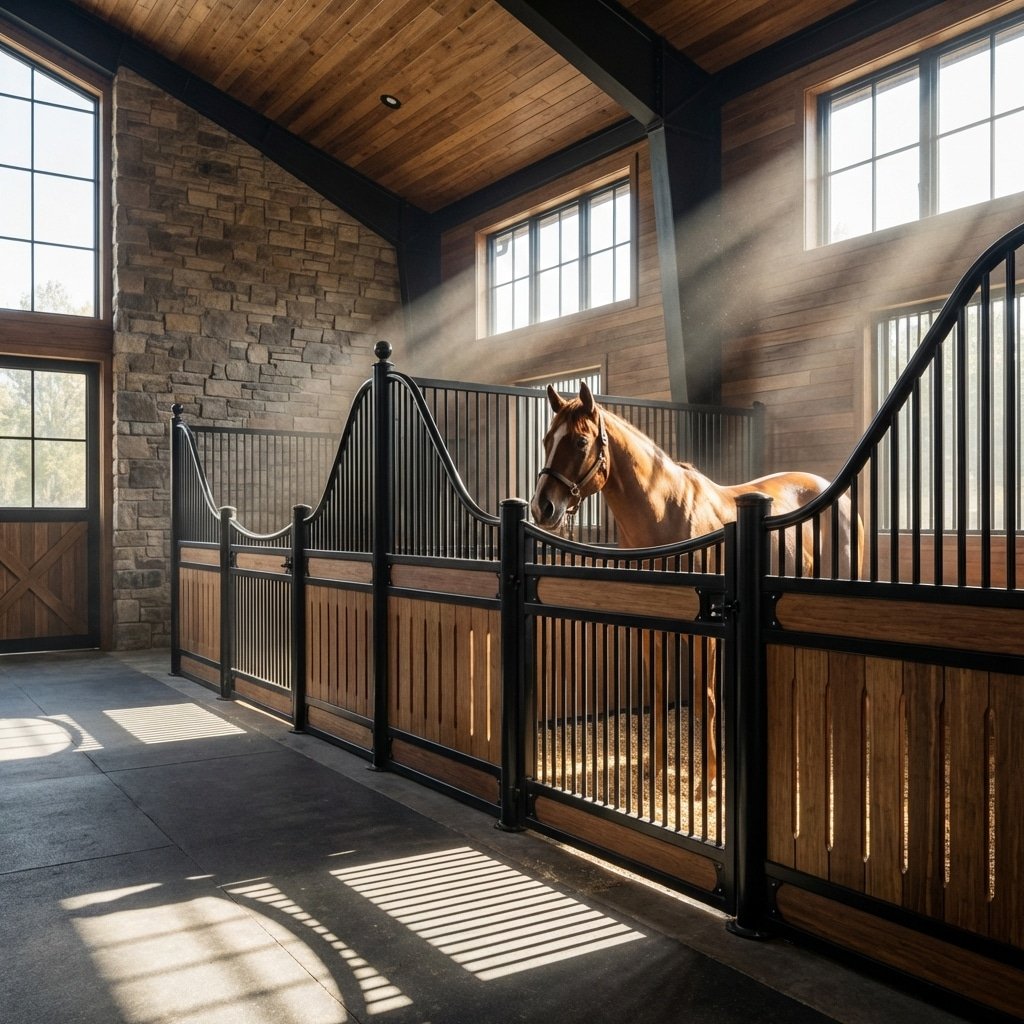
Wie schwer ist eine modulare Pferdestallplatte? (Anleitung zum manuellen Anheben)
Die Berechnung des sicheren Panel Weight Lift für einen Pferdestall ist eher eine Frage der Physik als der Bequemlichkeit. Eine 12-Fuß-Front muss mehr als 200 Pfund wiegen, um die kinetische Energie eines Trittes zu absorbieren, doch viele Erbauer gehen zugunsten einer einfacheren Handhabung Kompromisse bei der Sicherheit ein. Die Installation von leichtem Aluminium oder...

Rat-Proofing Your Barn: Steel Base Plates for Horse Stables
Rodent damage accelerates structural decay and introduces severe injury liabilities in timber-lined equine facilities. While softwoods offer initial cost savings, they fail to resist the gnawing mechanics of common pests, leading to compromised containment walls and...

Extra-Wide Sliding Horse Stall Doors for Tractor Mucking
Proper tractor clearance distinguishes a profitable commercial facility from a maintenance nightmare. Relying on standard 4-foot stall doors creates a geometric conflict with skid steer buckets, leading to inevitable frame collisions and jammed sliding mechanisms....
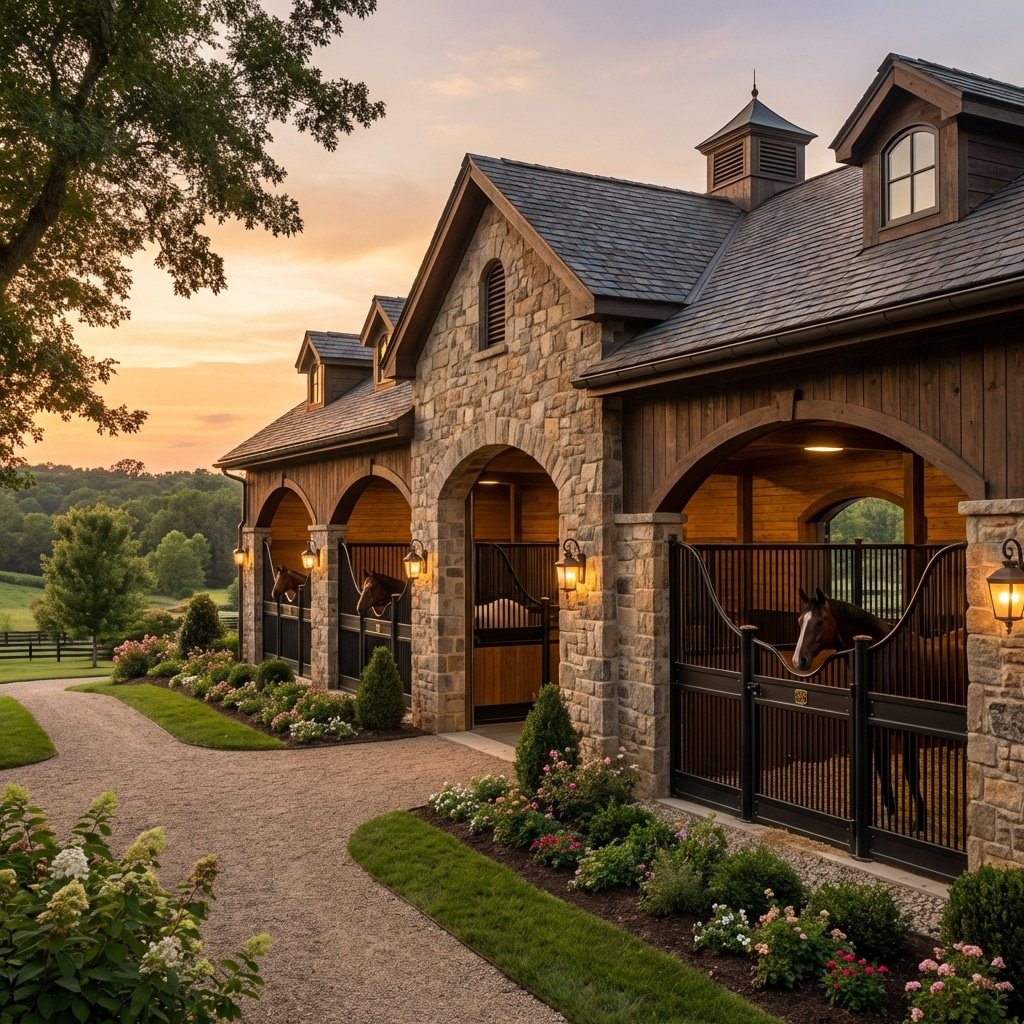
Top Luxury Stable Builders for 5-Star Equestrian Resorts & Spas
Sourcing authentic Luxury Resort Stables determines whether a venue commands premium rates or faces liability claims from high-net-worth guests. Generic agricultural designs often fail the aesthetic scrutiny of the 5-star market and lack the "Kick-Proof" safety...

Smooth Horse Stall Walls: Preventing Tail Rubbing and Splinters
Persistent tail rubbing destroys show-quality aesthetics and accelerates stable wall degradation. While parasites often trigger the itch, the financial damage compounds when horses target abrasive, rough-cut timber that splinters under pressure. Relying on standard...

Feed Windows vs Swivel Feeders on Horse Stall Fronts
Adopting specific Aisle Feeding Hacks is the fastest method to cut chore time and remove the liability of stall-entry protocols. Operations that require staff to open doors for every feed cycle face compounded labor costs and higher injury rates from direct...
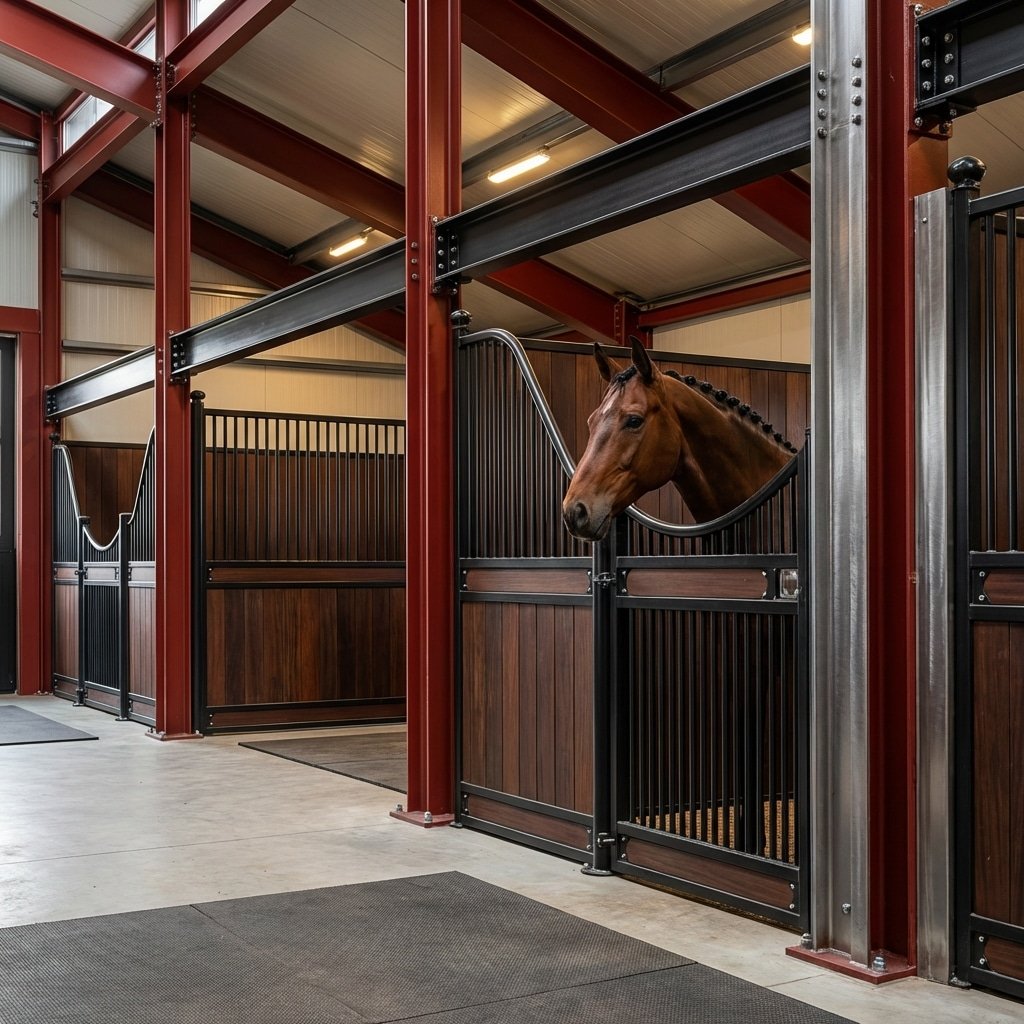
Attaching Horse Stalls to Steel I-Beams (Red Iron Buildings)
Integrating horse stalls into Red Iron Barns demands specific attachment protocols to prevent structural fatigue. While clear-span steel offers superior floor plan flexibility, standard lag bolts fail against the density of I-beam columns. This incompatibility often...
Tools Needed to Assemble Modular Horse Stable Kits
Selecting the correct DIY Assembly Tools determines whether your modular barn lasts decades or rusts within seasons. While standard power drills suffice for softwood, they inevitably fail against the 14-gauge Q345B High Strength Steel used in professional equestrian...

Converting Shipping Containers into Modular Horse Stables
Building Container Barns requires navigating the strict 8-foot width limit that renders standard equestrian equipment obsolete. Attempting to retrofit stock stall fronts into these 2.34m spaces forces on-site cutting, destroying the protective zinc seal. This...
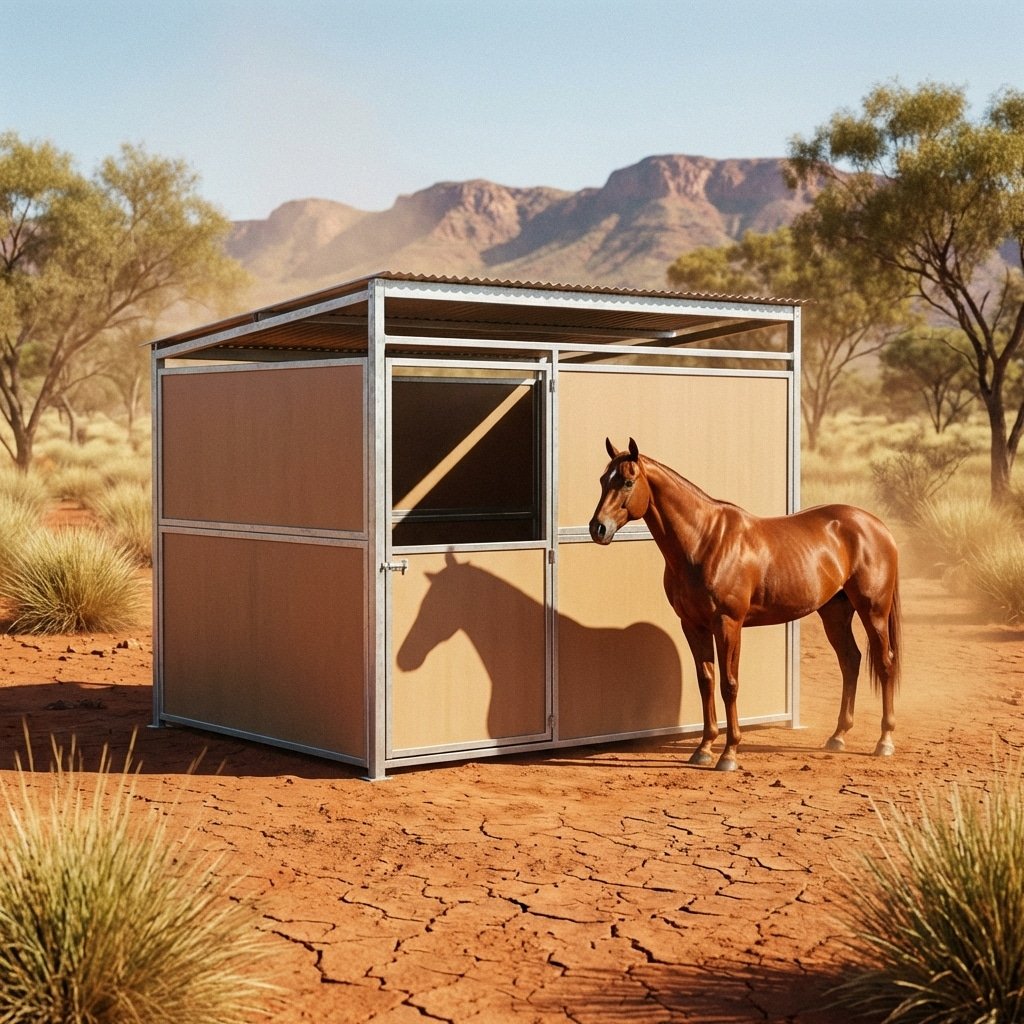
Portable Horse Stables in Australia: Why HDPE Panels Beat Wood in 40°C Heat
Deploying portable horse stables in Australia demands materials that withstand 40°C heat and aggressive subterranean termites. Standard timber splits under these conditions, forcing facility managers to absorb high replacement costs and safety liabilities within...
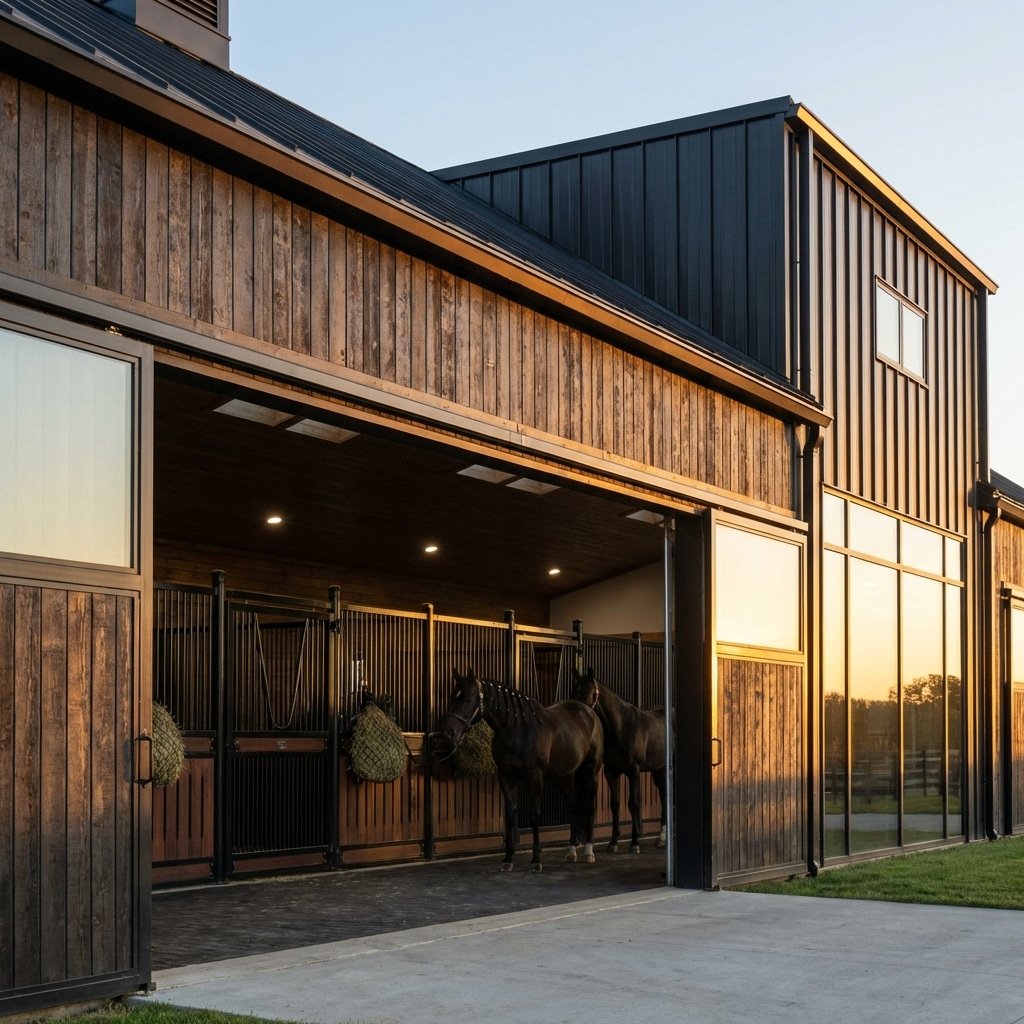
Top 5 Pferdestall-Lieferanten auf Alibaba im Jahr 2026 (und wen man meiden sollte)
Alibaba Sourcing for horse stables is often a trap of trading companies disguised as factories, where hidden broker commissions erode your procurement margins by up to 40%. While pre-galvanized offers appear cheap, they frequently conceal inferior 1.5mm tubing that...

Waterproof Horse Stall Panels: Surviving Auto-Waterer Leaks
Managing Auto-Waterer Floods requires more than just a sump pump; it demands infrastructure that survives submersion. When a float valve jams, standard pine or plywood stall fronts absorb moisture immediately, leading to irreversible warping and dangerous mold growth....
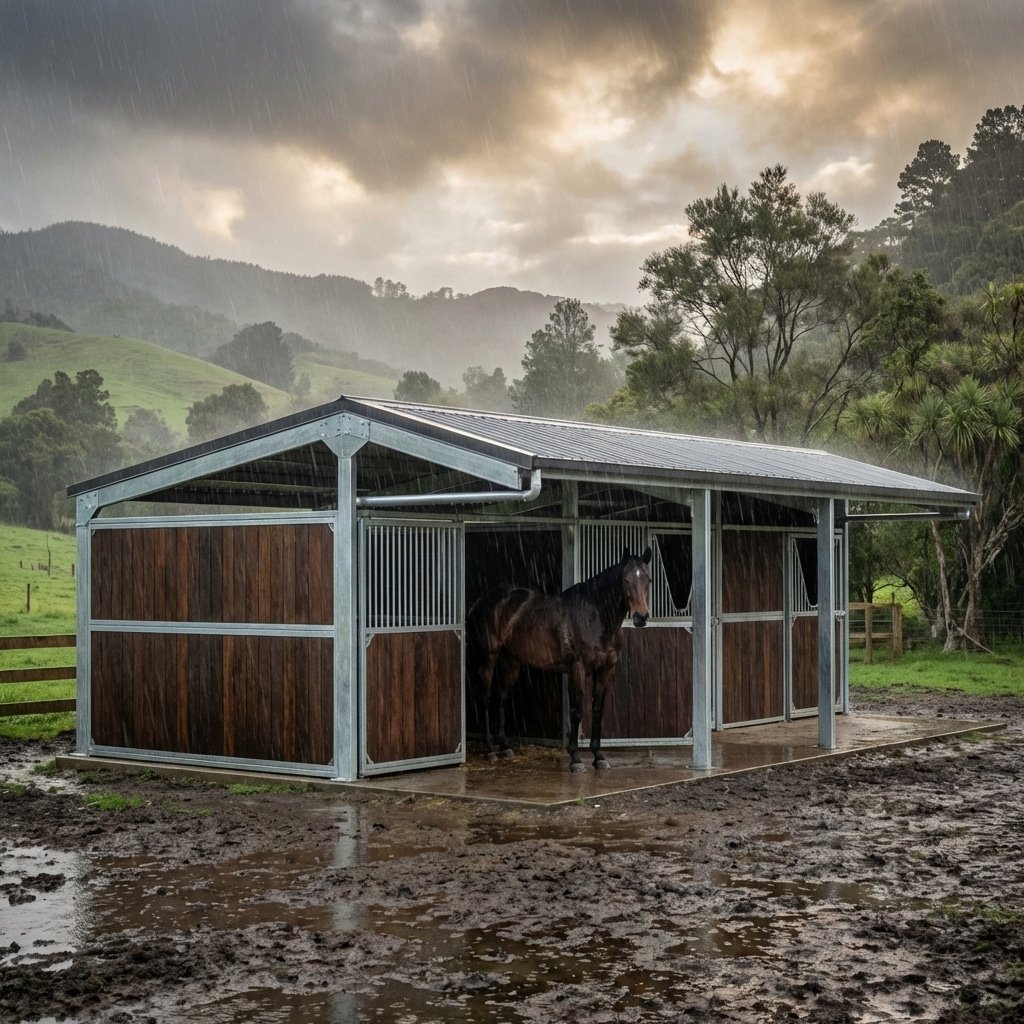
Waterproof Horse Stall Panels: Surviving New Zealand’s High Rainfall
Constructing stables in New Zealand requires specific defense against the acidic mud poultices that dissolve standard steel finishes. Relying on traditional timber or pre-galvanized tubes accelerates depreciation through rot and red rust, often forcing facility...

Top 5 der Hersteller von Schwerlastställen für berittene Polizeieinheiten
Sourcing infrastructure for Mounted Police Units is a liability management exercise. Standard equestrian stables frequently fail under the impact force of 1,900-pound draft crosses, resulting in severe injuries and immediate asset depreciation. Procurement officers...
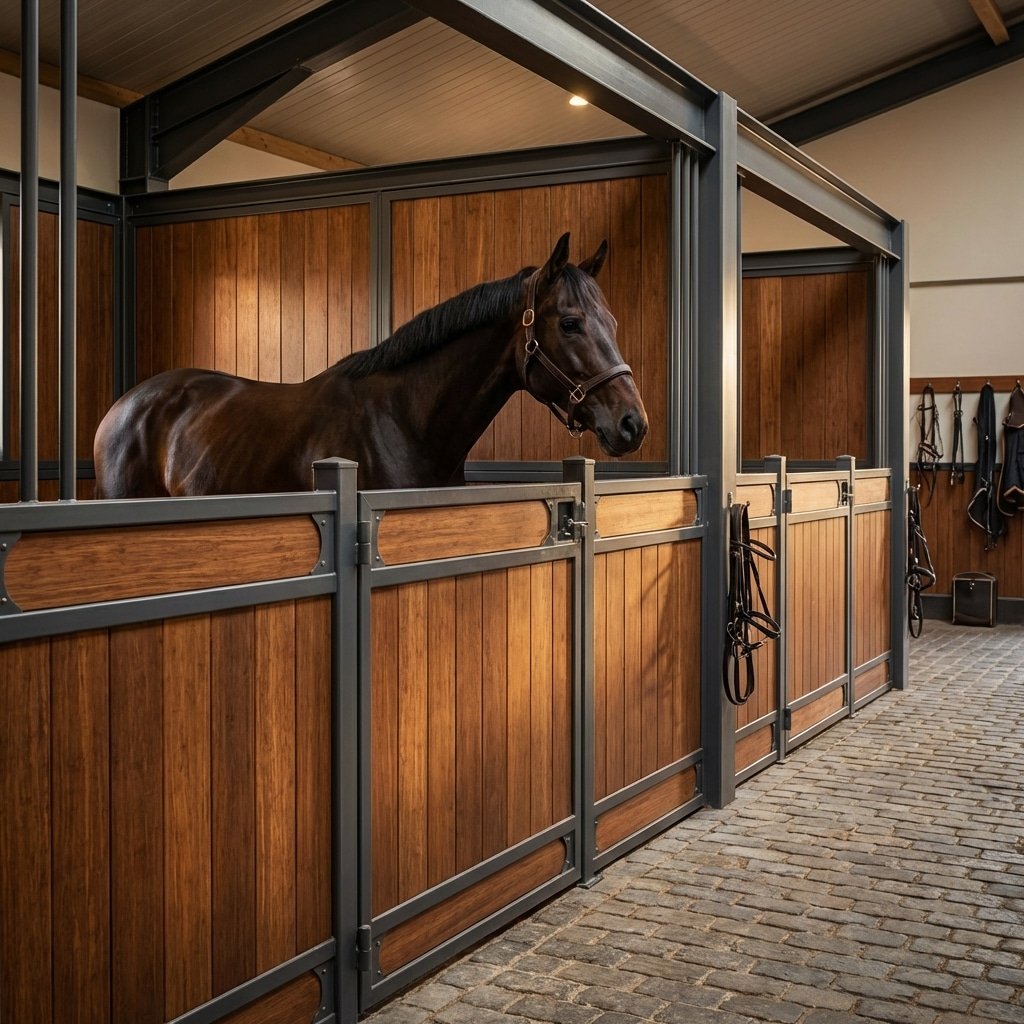
Floor-to-Ceiling Solid Horse Stables for Aggressive Stallions
Deploying engineered Stallion Walls is the only defense against the kinetic energy of a rearing 600kg animal. Standard 7-foot partitions create a dangerous fulcrum point, often leading to catastrophic leg fractures and six-figure thoroughbred losses.We engineer...
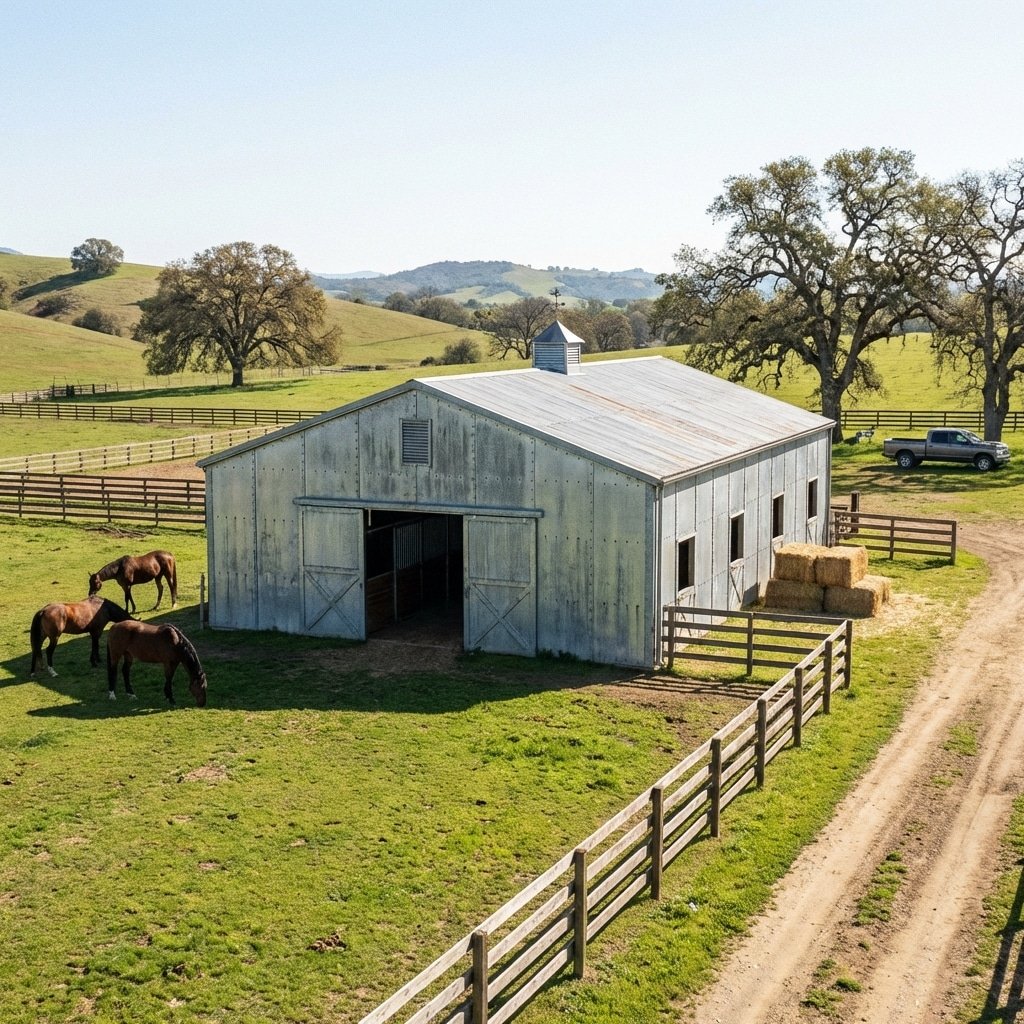
Modular Horse Stall Kits in the USA: Why 14-Gauge Steel is the Standard
Sourcing modular horse stalls for the USA market requires navigating a landscape cluttered with under-spec lightweight tubing. While economy 18-gauge kits offer attractive retail price points, they represent a significant liability risk for facility owners and...
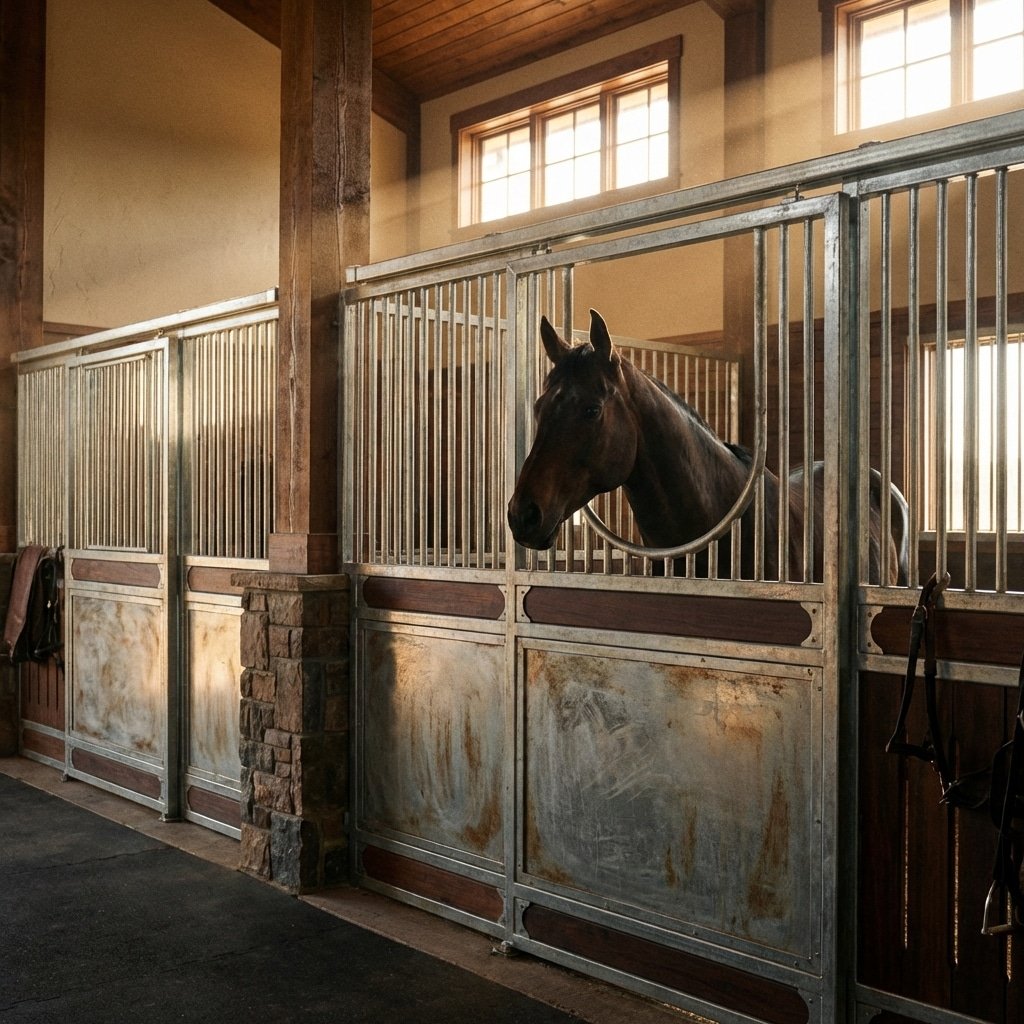
Vertical U-Channels: Stopping Cribbing on Sliding Horse Stall Doors
Door Edge Cribbing rapidly degrades facility infrastructure and creates a recurring maintenance liability. When horses anchor their incisors on exposed timber, the resulting 29.4kg of force warps track systems and shreds softer materials, transforming a cosmetic issue...
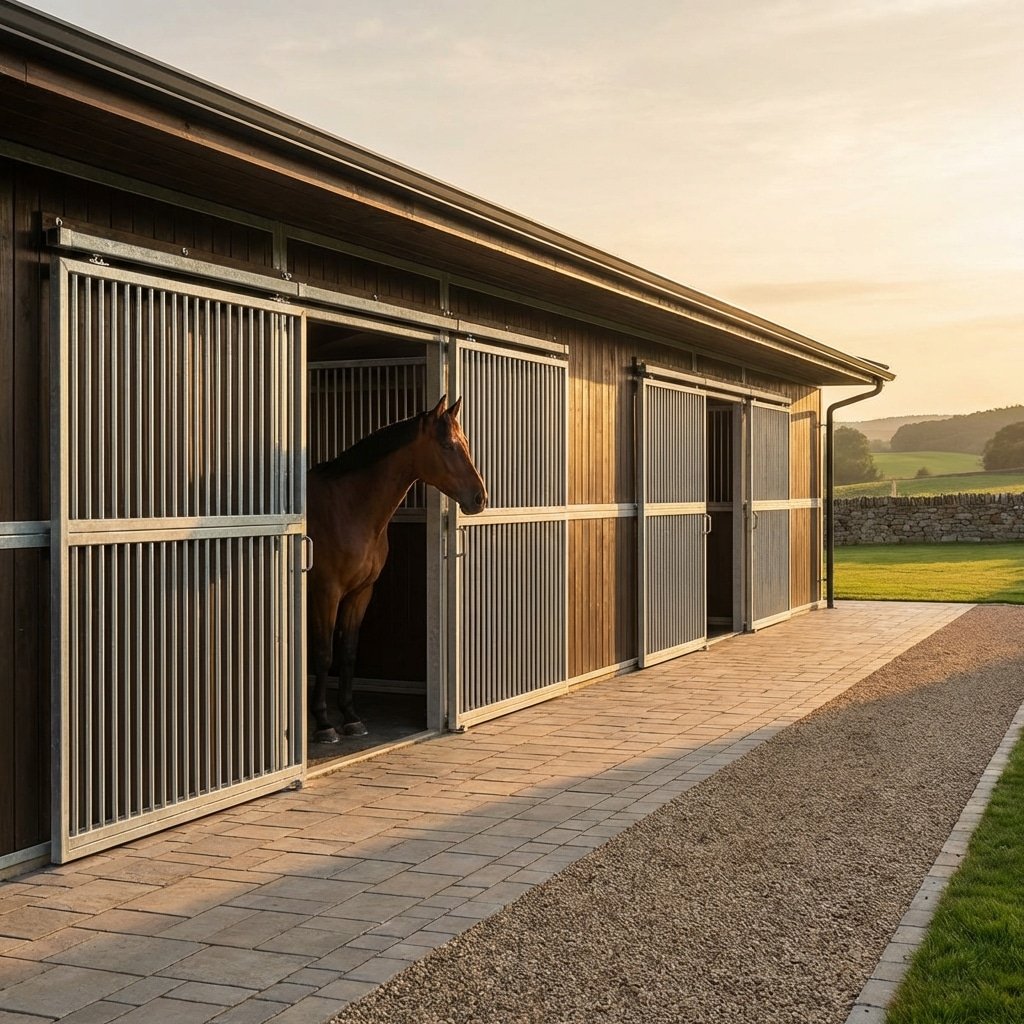
UK Horse Stables: Choosing Sliding Stall Fronts for BHS Compliance
Sourcing compliance-ready horse stables for the UK market demands strict adherence to British Horse Society welfare guidelines. Traditional hinged doors often fail in narrow heritage barns, creating dangerous obstruction hazards that increase operator liability and...
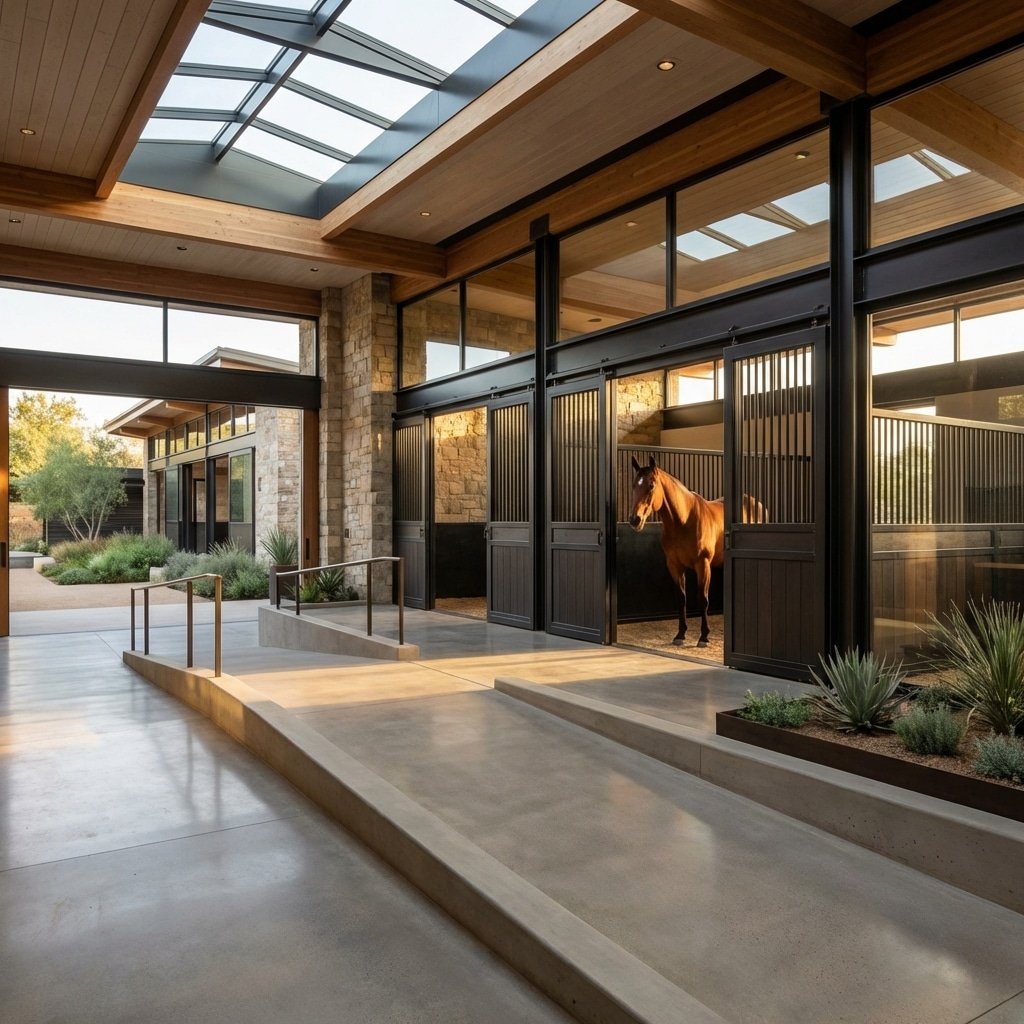
Die besten Anbieter von Ställen für therapeutisches Reiten und ADA-konforme Zentren
Therapeutic Riding facility design demands engineering that exceeds standard agricultural specifications to mitigate liability risks. Installing generic stable fronts often results in accessibility bottlenecks and increased injury claims from catching mobility devices...

Installing Modular Horse Stalls Over Wash Bay Trench Drains
Integrating Trench Drains into commercial wash bays often forces builders to choose between drainage efficiency and structural integrity. Installing solid-base stall fronts directly over these channels creates a dam effect that traps corrosive ammonia and accelerates...
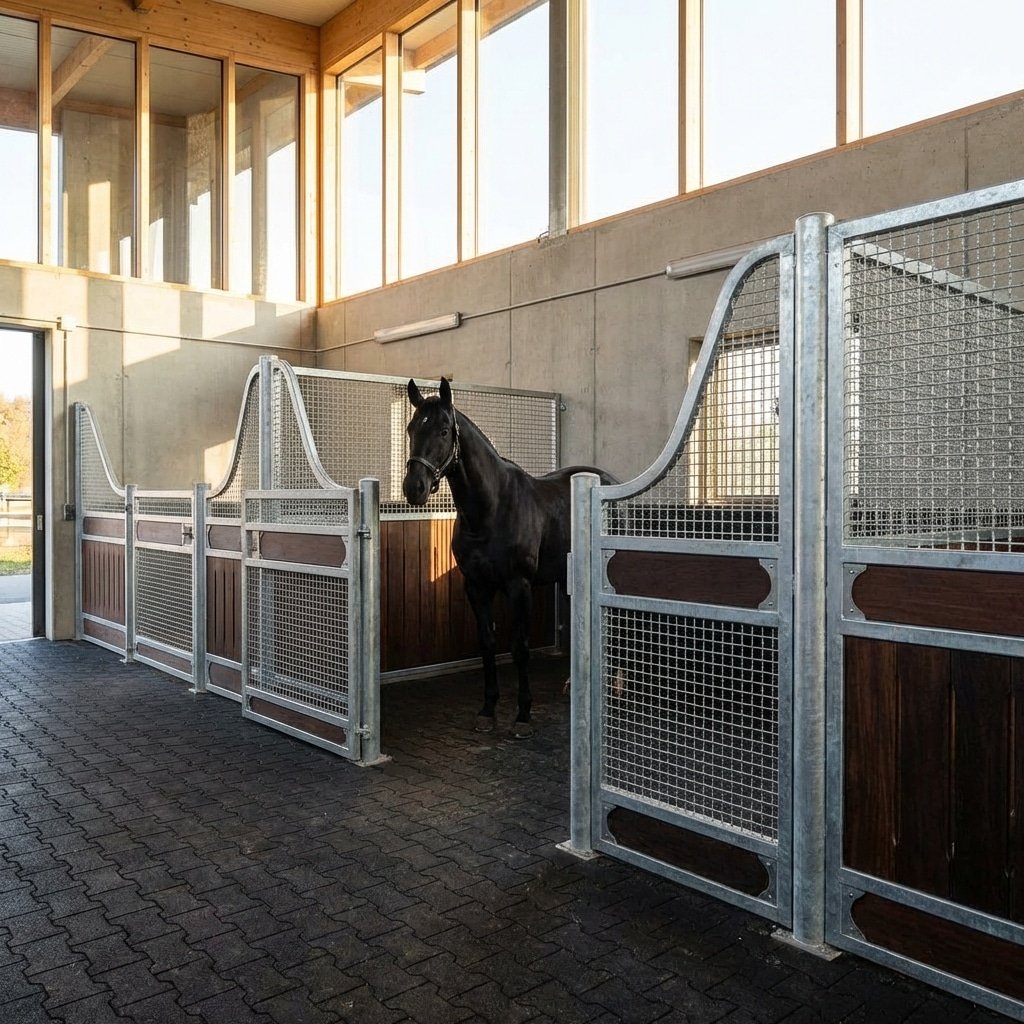
Deutsche Pferdeboxen: Hochbelastbare Maschendrahttrennwände für Warmblüter
Equipping facilities in Germany for large Warmbloods requires engineering that exceeds standard 2.2m limitations. Athletic breeds like Hannoverians generate massive kinetic force, making standard Q235B steel a significant liability for professional yards where injury...
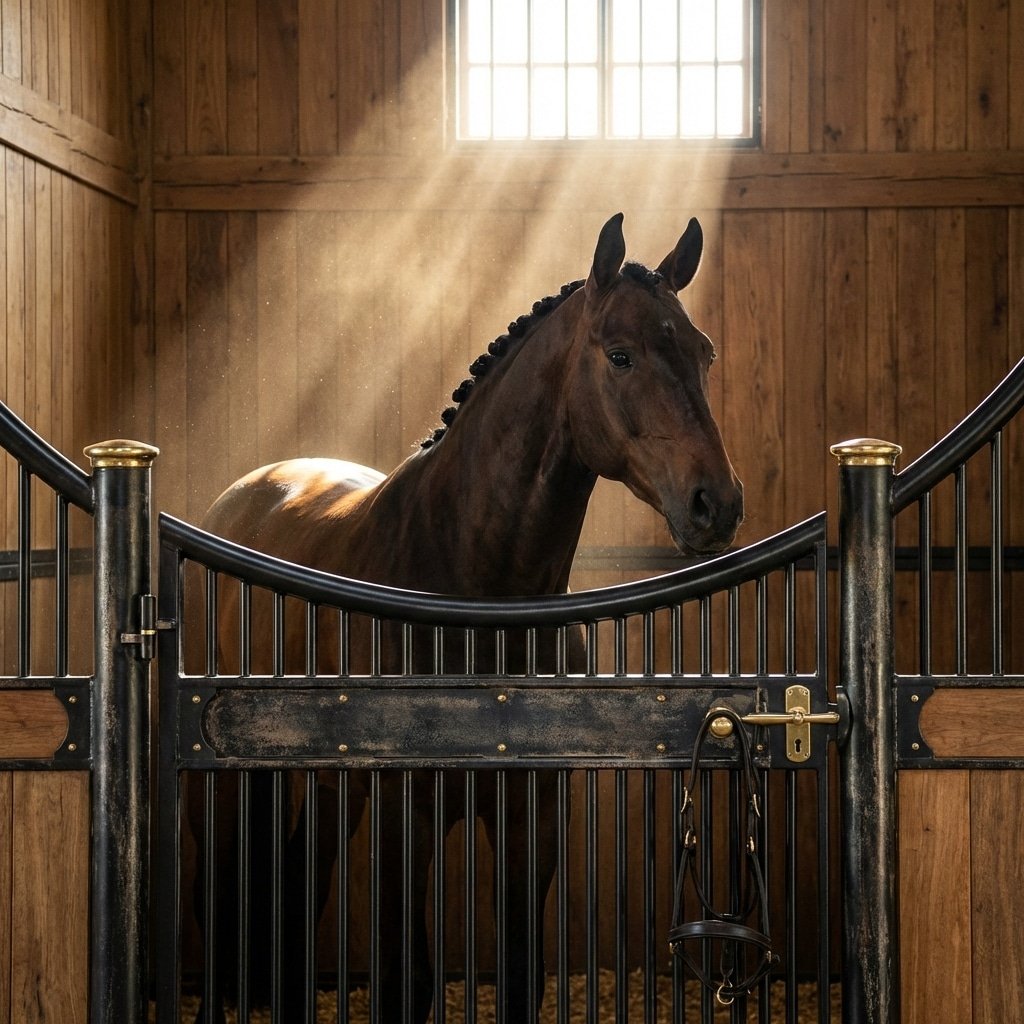
Can a Horse Bend a 1-Inch Steel Tube in a Horse Stall Grill?
Calculating tube bending force is the only reliable method to predict if a stall front will survive a direct hoof strike or collapse into a liability claim. While standard 16-gauge tubing offers lower upfront costs, it lacks the mass to withstand point-impact, often...

Spoga Horse vs. Canton Fair: Beschaffung von Ställen auf globalen Fachmessen
Strategic Trade Show Sourcing is the decisive factor for procurement teams balancing strict budget cuts against rising raw material costs. While Spoga Horse defines the aesthetic standard for modern stables, the Canton Fair remains the engine for scalable B2B...
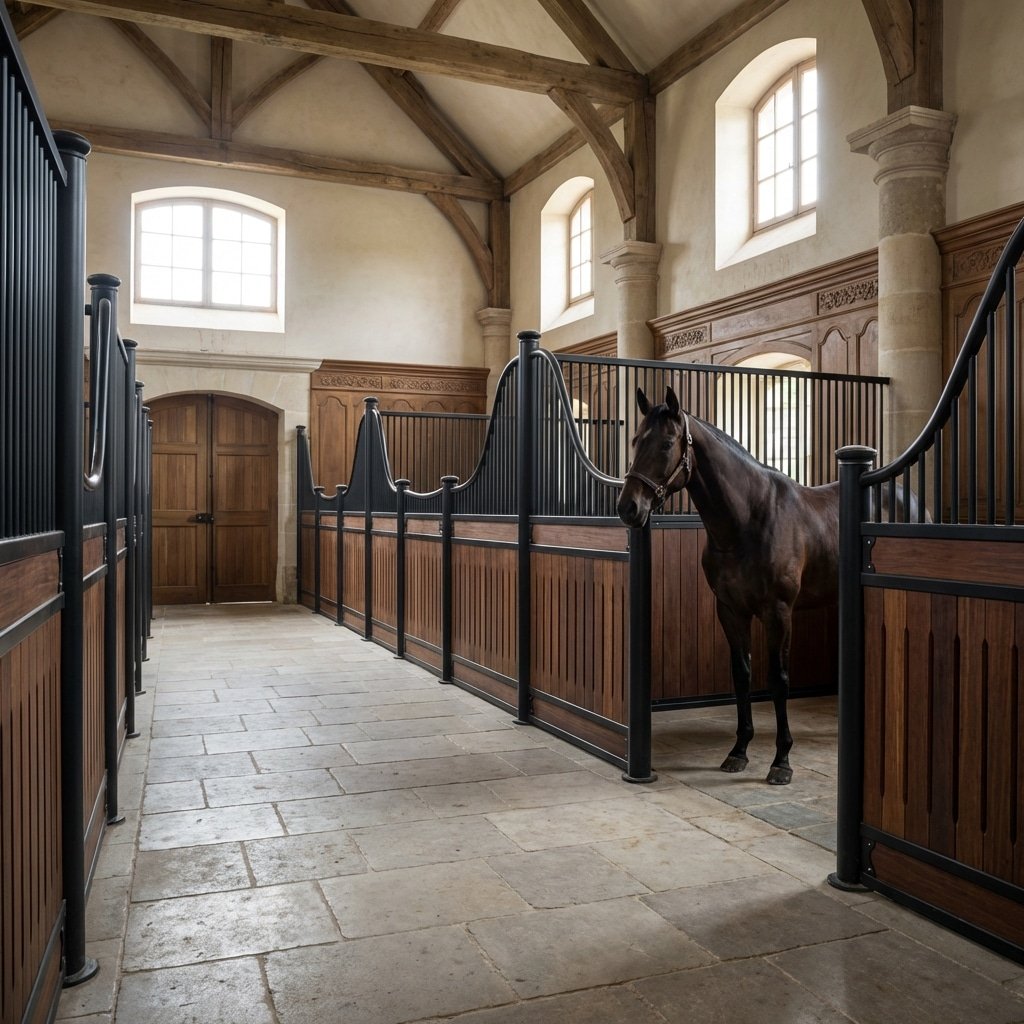
Französische Reitsport-Eleganz: Bambus-Pferdestallfronten vs. Eiche
Sourcing equestrian infrastructure for France demands a rigorous balance between Renaissance aesthetics and structural longevity. Relying on traditional oak in damp climates often results in warped joinery and costly maintenance cycles that undermine the value of a...
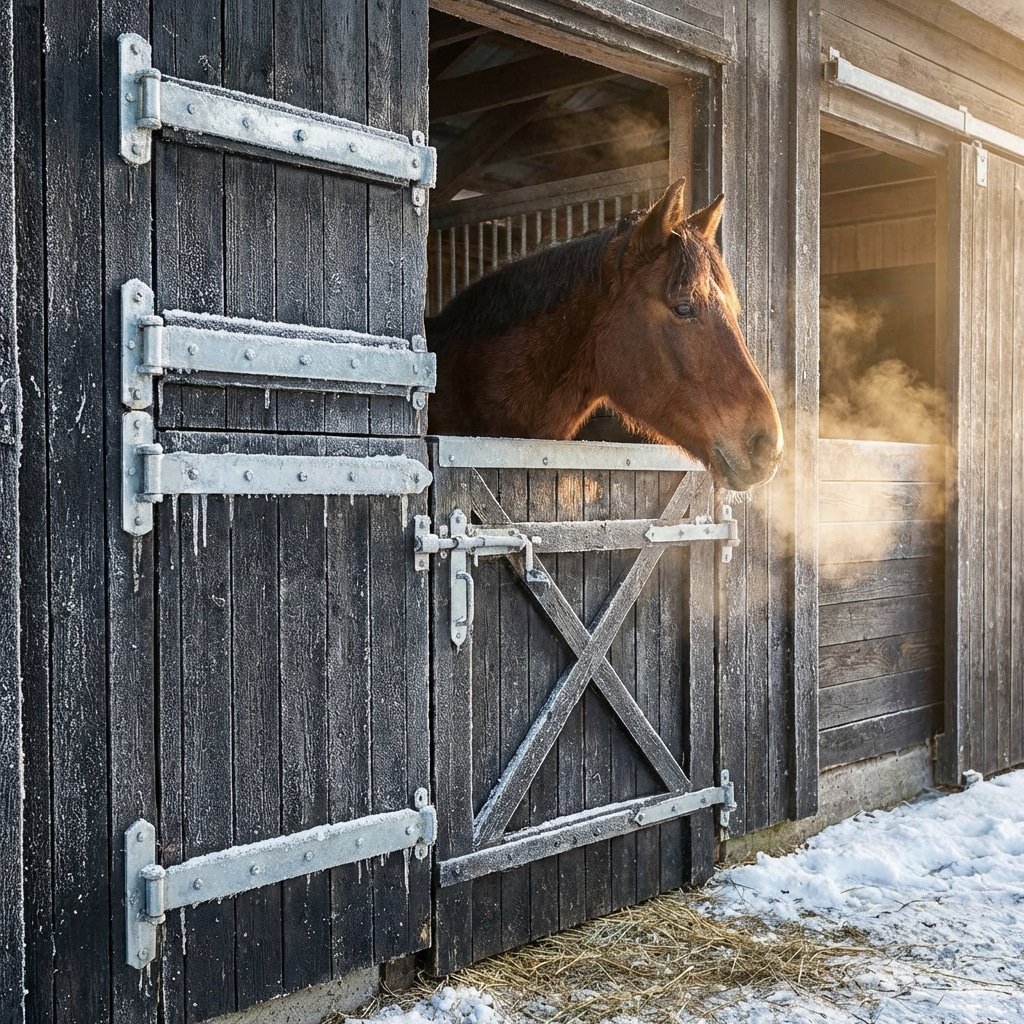
Preventing Squeaky, Frozen Hinges on Horse Stable Doors
Hinge freezing is a preventable mechanical failure that spikes facility maintenance costs during northern winters. When condensation enters standard welded knuckles, it creates an ice wedge that seizes the door, often requiring invasive grinding to release. Relying on...
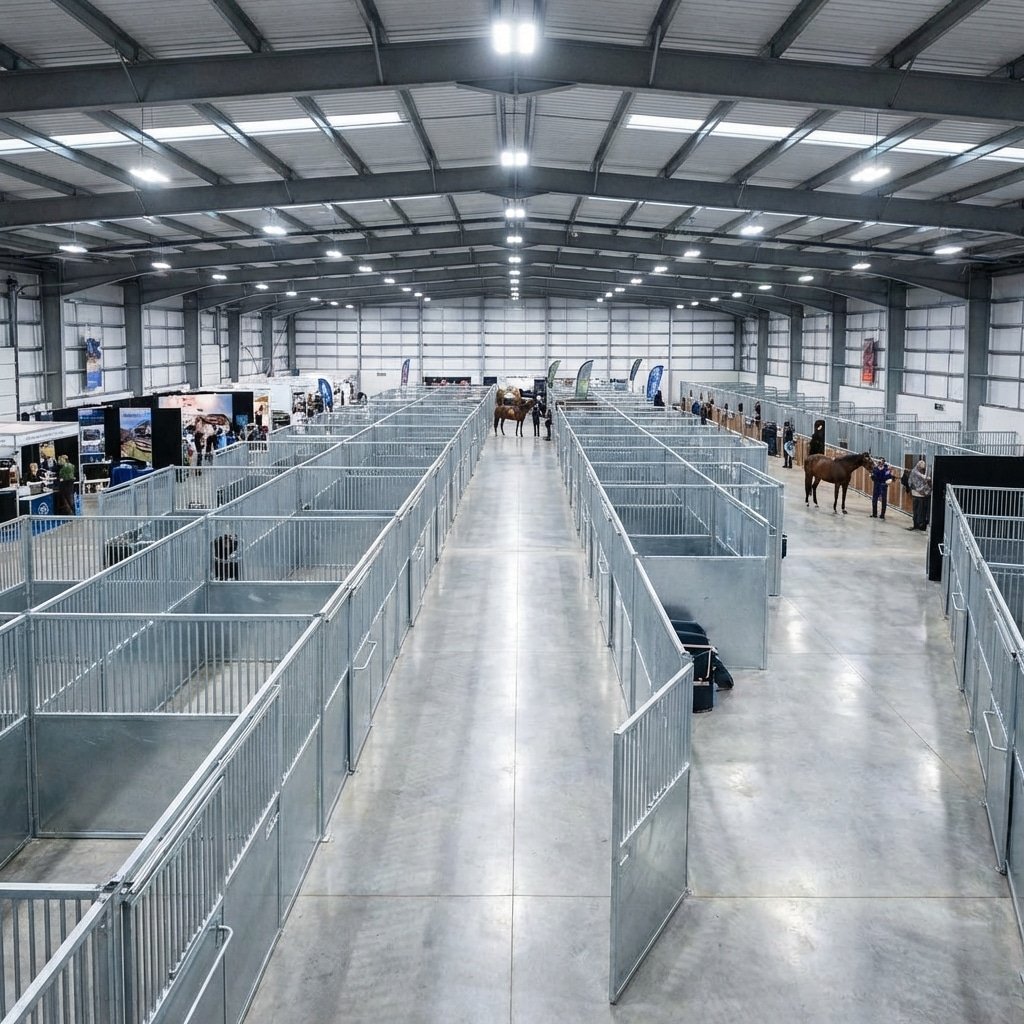
Die wichtigsten Hersteller von Stallungen für staatliche Messen und Expo-Zentren
Modern State Fairgrounds lose substantial margin by treating stabling infrastructure as a recurring rental expense rather than a capital asset. Reliance on third-party rental contracts drains budgets through compounding setup labor and logistics markups that often...
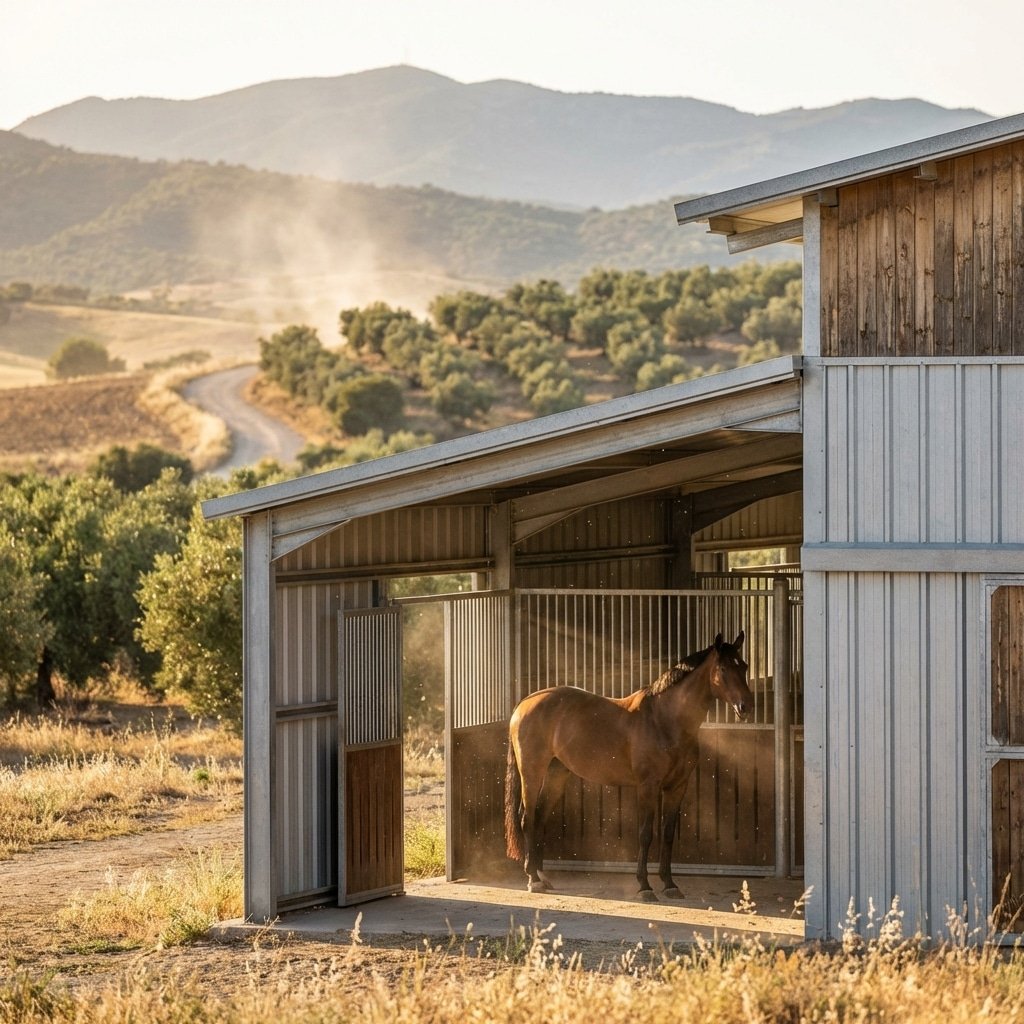
Spanish Summers: Ventilated Free-Standing Horse Stable Kits
Equine operations in Spain face aggressive thermal challenges where standard stabling often leads to costly heat stress incidents. Relying on enclosed masonry structures increases veterinary overhead and dehydration risks compared to open-air designs that prioritize...
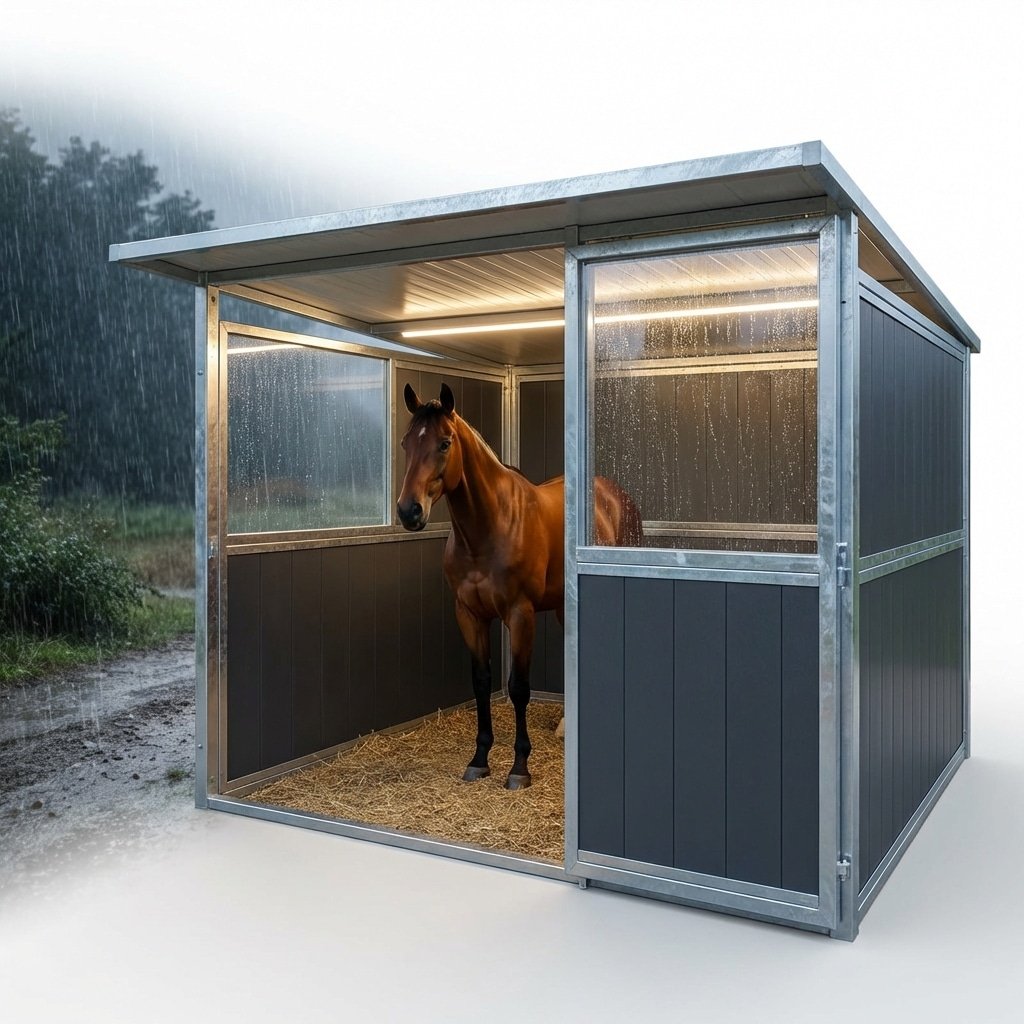
Weatherproofing the Run-In Shed: Side Panels for Free-Standing Stalls
Improperly designed Slanted Rain Shelters turn open-front barns into wind tunnels that destroy up to 50% of your bedding inventory. This moisture ingress forces facility managers to constantly replace expensive shavings and exposes standard pre-galvanized frames to...
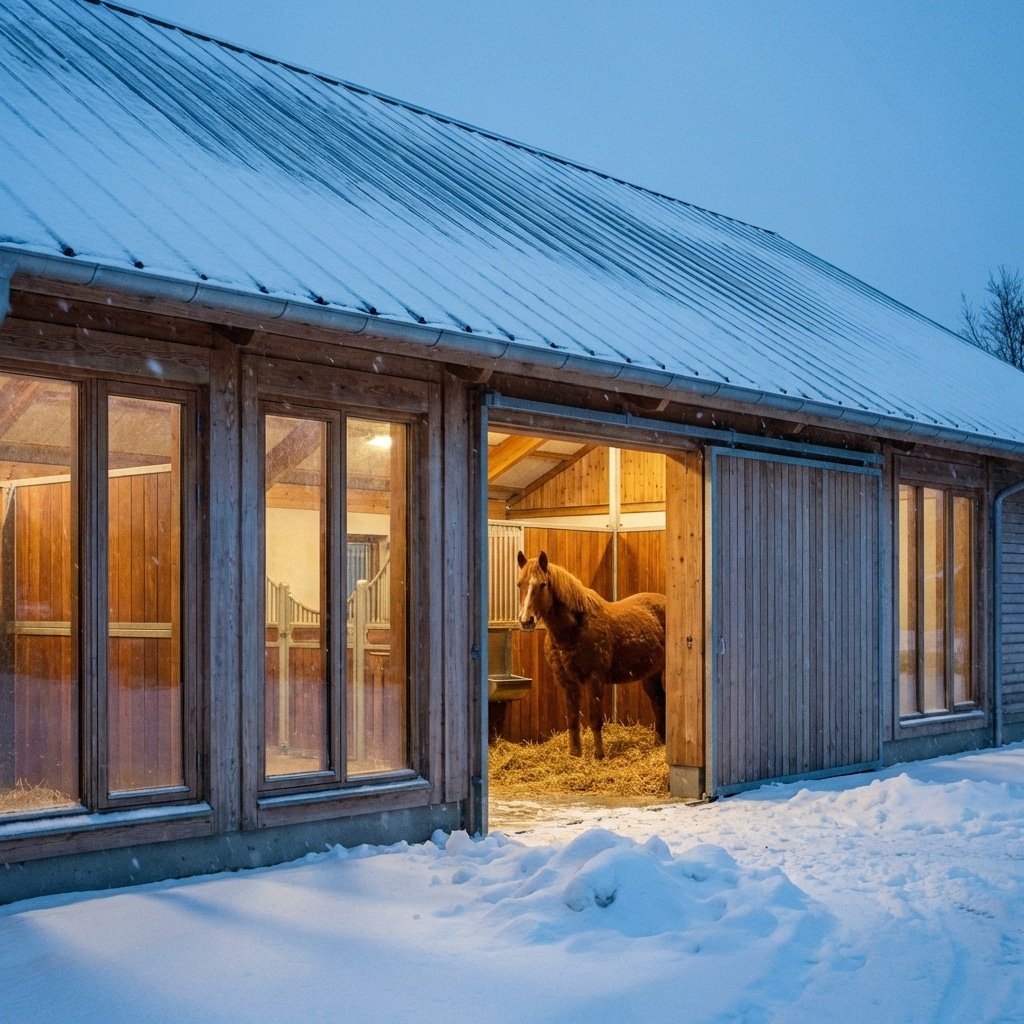
Danish Winters: Draft-Free Horse Stall Doors and Windows
Designing stables for Denmark demands more than just aesthetic appeal; it requires engineering that withstands the hidden financial risks of brittle fracture. Standard construction often fails in these freezing, damp environments, leading to structural shearing and...
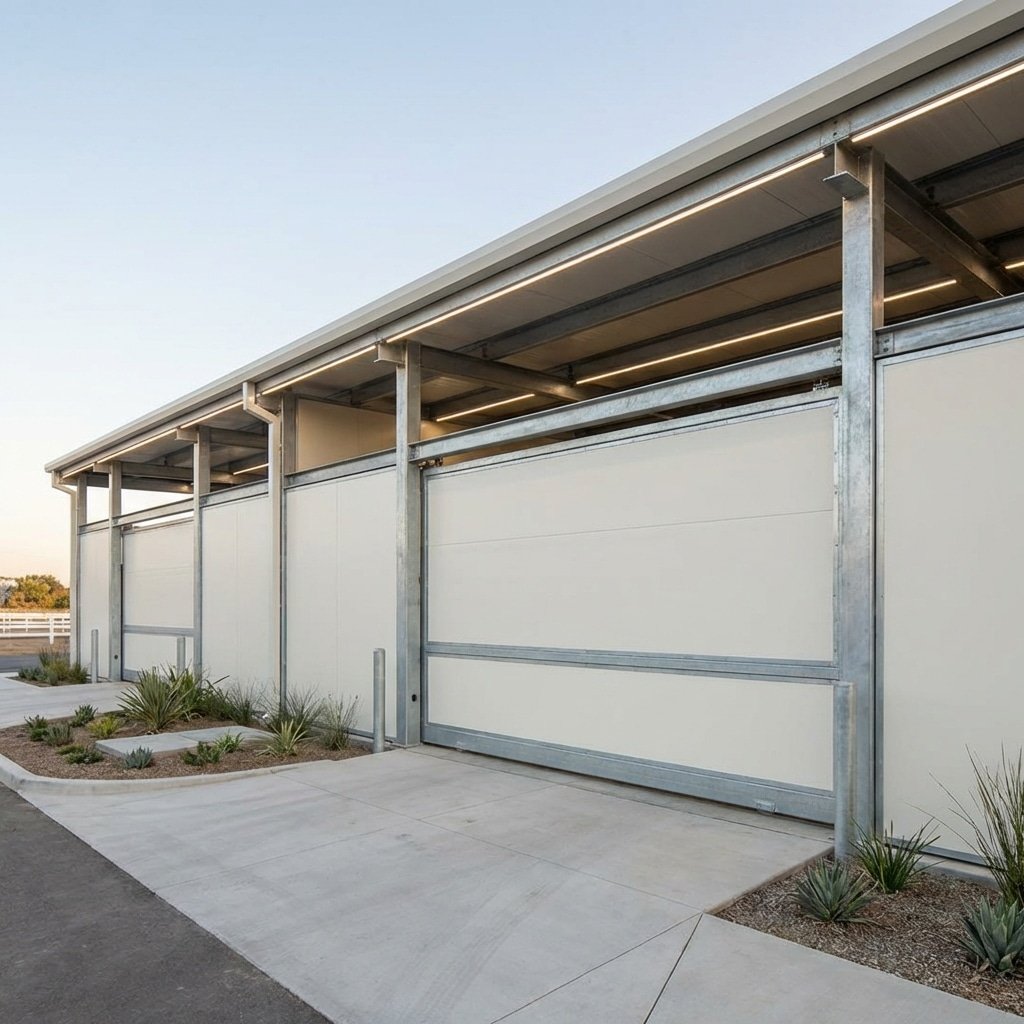
Top Biosecure-Stallhersteller für Equine Import Centers
Effective Border Quarantine infrastructure is the critical defense preventing catastrophic national herd shutdowns and frozen logistics revenue. Facility operators often underestimate the risks of standard stabling materials, which fail USDA porosity tests and harbor...
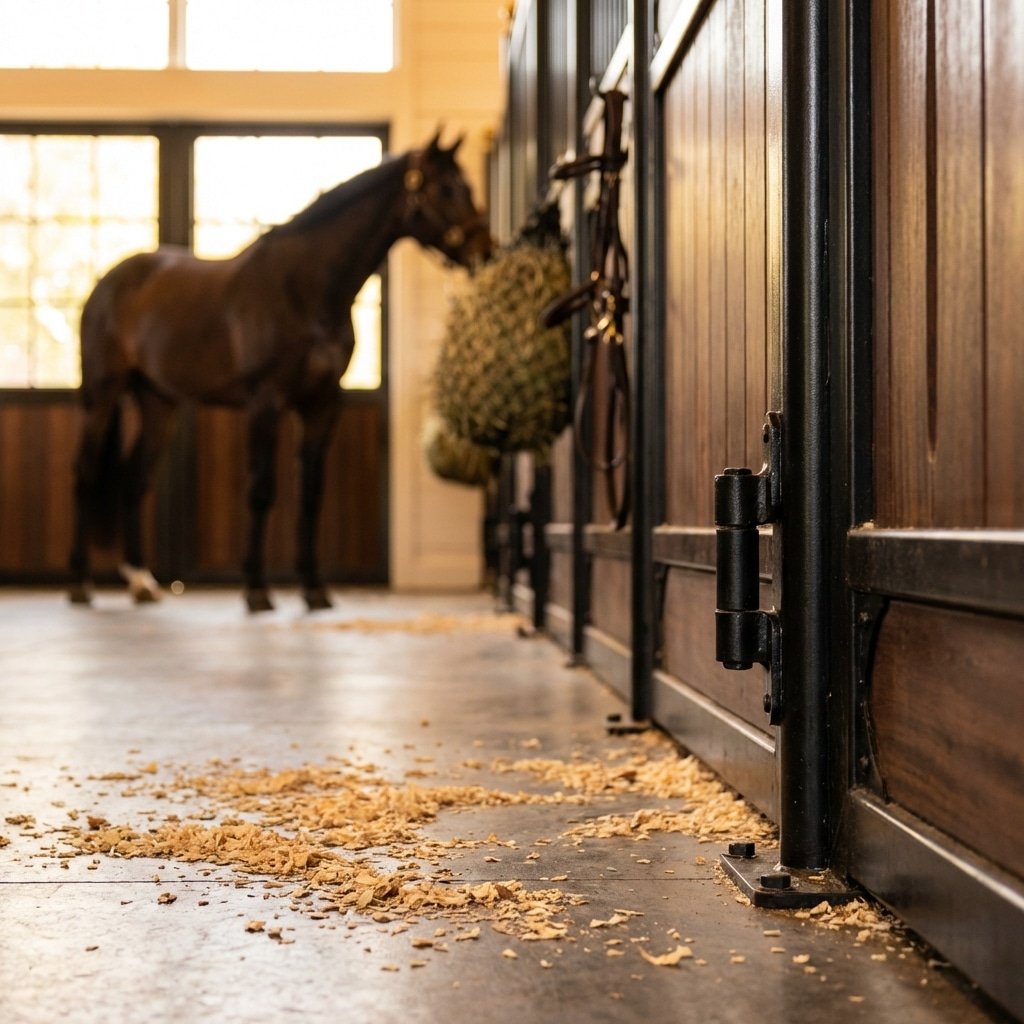
Stop Wood Shavings from Jamming Your Horse Stall Hinges
Dealing with bedding in hinges is the single largest maintenance drain for high-volume equestrian facilities. Traditional floor-mounted pivots inevitably trap shavings and ammonia, creating a corrosive paste that seizes hardware and forces costly emergency...

Polish Winters: Heavy-Duty Horse Stall Panels with Swing Doors
Sourcing horse stall inventory for Poland requires navigating a specific climate challenge where standard steel becomes brittle and fails. The combination of -35°C temperatures and ammonia accumulation destroys generic pre-galvanized frames, leading to seized hinges...

Unterbringung von Zwergeseln und Ziegen in Standardpferdeboxen
Sourcing specific Mini Donkey Grills is the only way to eliminate the entrapment risks inherent in standard equine infrastructure. Standard 3-inch vertical bars create dangerous one-way traps for tapered snouts and horns, turning a standard safety feature into a...

Top Luxury Stable Builders for 5-Star Equestrian Resorts & Spas
Developing functional Luxury Resort Stables requires more than architectural curb appeal; it demands infrastructure capable of withstanding high-traffic commercial use. Relying on standard agricultural builds often results in rapid corrosion and safety failures,...

Flush Pull Handles vs D-Handles for Sliding Horse Stall Doors
Specifying the wrong Door Pull Handles transforms a functional stable aisle into a liability zone for high-traffic equestrian facilities. Protruding hardware creates severe collision risks that result in expensive veterinary bills, torn blankets, and avoidable handler...
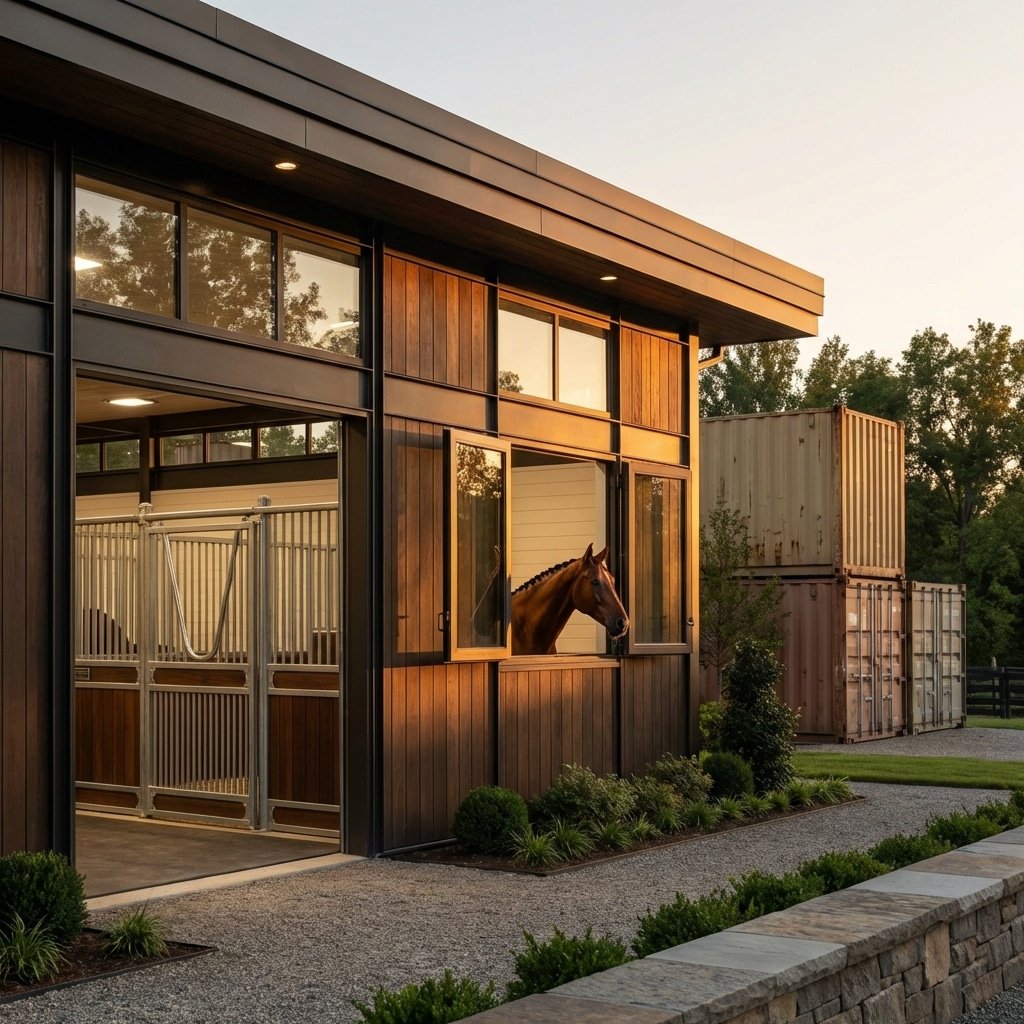
Import von Pferdeboxen: Wie Flat-Pack-Stallbausätze 60% Frachtkosten sparen
The viability of Global Export for horse stalls depends entirely on eliminating the financial liability of shipping air. Traditional fully welded frames consume massive container volume while contributing minimal weight, capping capacity at just 12 units and...
 German
  English
  Spanish
  French
  Arabic