


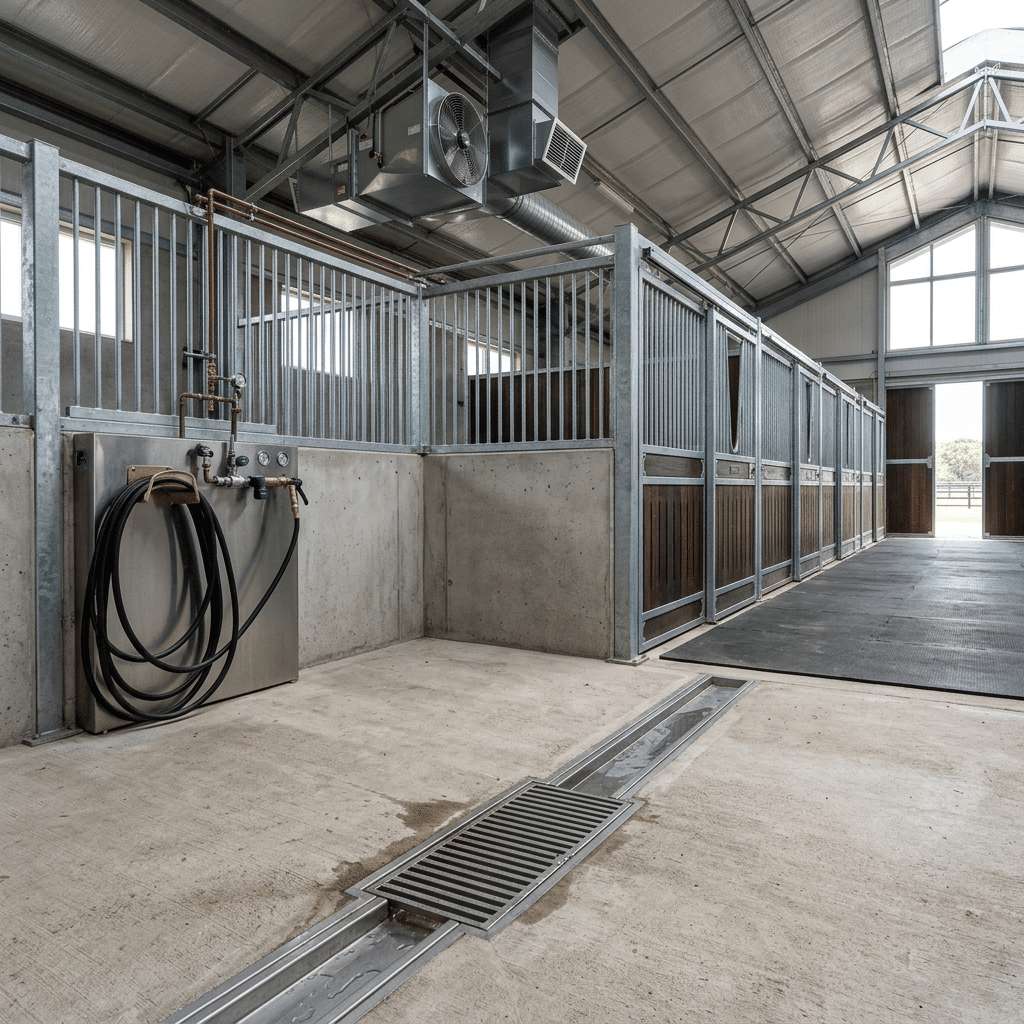
Securing barn financing hinges directly on the lender’s perceived asset risk. Traditional pole barns can raise red flags due to fire liability, rapid depreciation from rot, and construction delays, often leading to loan denial or a demand for a larger down payment.
This analysis demonstrates how modular steel structures mitigate these risks. We evaluate how pre-engineered components using Hot-Dip Galvanized Q235B steel, conforming to ISO 1461 standards, create a stable, long-life asset that strengthens your loan application and improves approval odds.
Decoding Shipping Jargon for Large-Scale Importers
Importers must know terms like HS Codes and container loads (LCL/40HQ). Smart, flat-pack designs drastically cut per-unit freight costs by maximizing container space.
Understanding Container Loads and Customs Codes
For any large-scale import operation, mastering a few core terms is non-negotiable. These codes and acronyms directly impact your quote, your customs clearance speed, and your final landed cost. Getting them wrong creates expensive delays.
- LCL vs. FCL: LCL (Less than Container Load) is practical for small trial orders of 3-5 stables. For anything larger, you move to FCL (Full Container Load) using dedicated 20GP or 40HQ containers for project and distributor-level orders.
- HS Code (7308.90): This is the universal customs code we use to classify our steel horse stable systems. It correctly identifies them as “Structures of Iron/Steel,” ensuring you pay the right tariffs and avoid the regulatory headaches that come with misclassification.
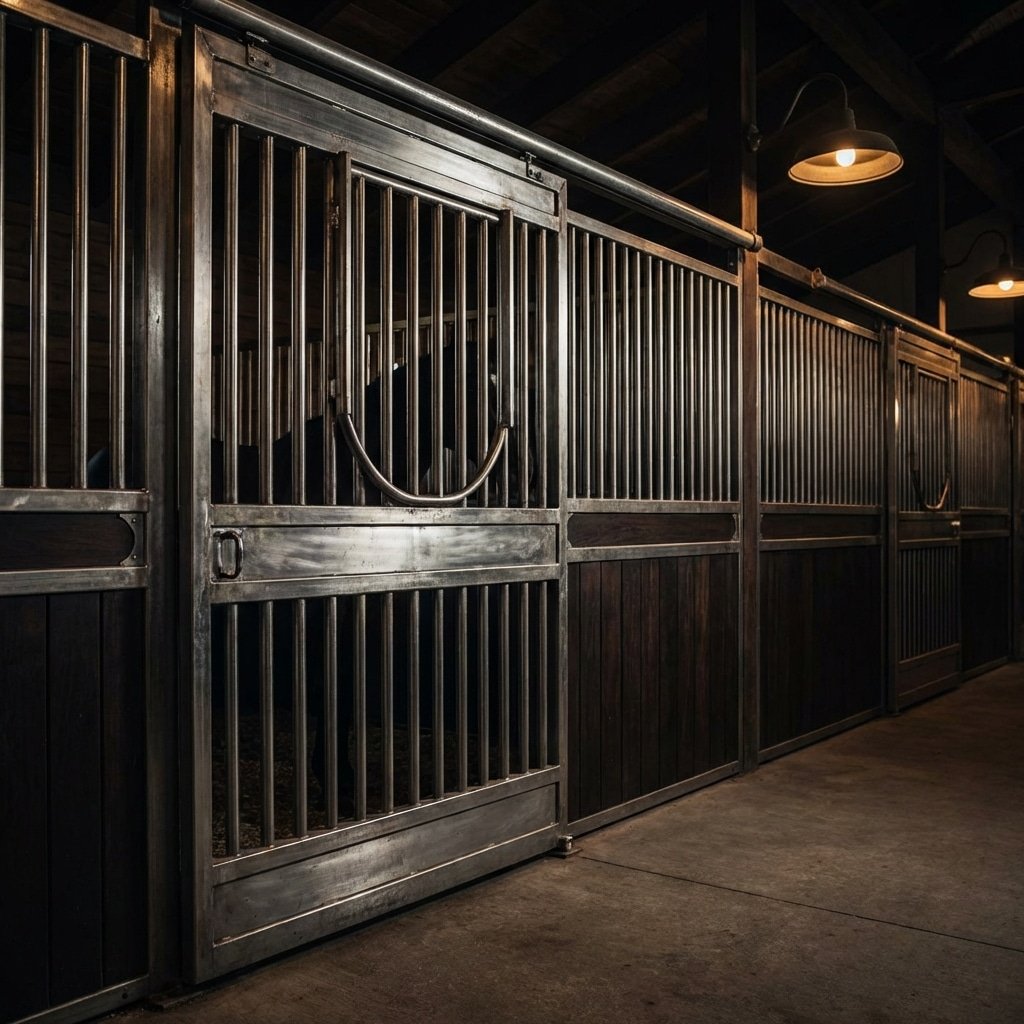
How Flat-Pack Design Maximizes Container Space
The biggest variable in your freight cost is container space. Traditional, fully-welded stables are bulky and inefficient to ship, often fitting only 12-15 sets into a standard 40HQ container. This inflates the per-unit shipping cost and eats directly into your profit margin.
Our steel pallet flat-pack system solves this problem. By shipping components flat, we can load 30 to 45 stable sets into a single 40HQ container. This high-density packing cuts your sea freight costs by over 60%, protecting your margins and giving you a significant commercial advantage.
The CIF Trap: Hidden Destination Terminal Handling Charges (DTHC)
CIF shipping often hides Destination Terminal Handling Charges (DTHC) of $100-$550 per container. The seller pays for freight, but the buyer gets stuck with these surprise port fees.
Why DTHC Becomes the Buyer’s Responsibility
Under CIF (Cost, Insurance, and Freight) terms, the seller’s respo
nsibility ends once the goods are on the ship. Their freight payment covers transport to your destination port, but not the labor and equipment costs inside it. Those fees are bundled into Destination Terminal Handling Charges (DTHC).
DTHC covers the essentials: unloading the container from the vessel, moving it to a stack in the yard, and positioning it for your truck. Because these services happen at the destination, the terminal bills the buyer directly upon arrival. This creates a nasty surprise for importers who assumed the CIF quote covered everything.
Protecting Margins with High-Density Flat-Pack Loading
Unexpected port fees directly eat into your margins. We built a logistical buffer for our distributors to absorb these hits. Our steel pallet flat-pack system allows 30-45 stable sets to fit into a single 40HQ container. Fully welded stables from other suppliers can only fit 12-15 sets.
This 60%+ increase in loading density drastically cuts the per-unit shipping cost. This logistical advantage provides what we call “Profit Protection.” When variable costs like DTHC appear, the freight savings you’ve already secured create a financial cushion, protecting your bottom line.
Langlebige, konforme Ställe für jedes Klima

Why FOB (Free On Board) Gives You Maximum Control
FOB puts you in charge of shipping once goods are loaded. You choose the carrier, negotiate the rates, and control your supply chain for transparent, predictable costs.
When you’re managing large projects, surprises are expensive. Choosing the right shipping term is critical for protecting your budget and timeline. FOB (Free On Board) gives you direct authority over your logistics, unlike terms like CIF (Cost, Insurance, and Freight) where the seller makes all the key decisions. This control is not just about preference; it’s about managing risk and protecting your profit margins.
| Responsibility | FOB (Your Control) | CIF (Seller’s Control) |
|---|---|---|
| Freight Carrier Selection | You select your own trusted freight forwarder. | The seller’s agent chooses, often prioritizing their cost over your service needs. |
| Rate Negotiation | You negotiate shipping and insurance rates directly to get the best deal. | Rates are bundled into the product price, giving you no room to negotiate. |
| Destination Fees | All costs are itemized and transparent. No surprises. | Often leads to inflated or hidden fees at the destination port. |
Direct Authority Over Carrier Selection and Costs
Under FOB terms, you take the wheel as soon as your goods are loaded onto the vessel. This gives you the power to build a logistics strategy that works for your business, not your supplier’s. You’re not stuck with an unknown, untrusted shipping agent who might cause delays or tack on unexpected charges upon arrival.
- Select your preferred freight forwarders and shipping routes to optimize delivery schedules.
- Negotiate shipping and insurance rates directly with carriers you trust, securing competitive deals.
- Get transparent pricing without the hidden destination terminal handling charges (DTHC) common in CIF agreements.
Maximizing Freight Savings with Our Flat-Pack System
This control over logistics becomes a massive financial advantage when paired with smart product design. Our stable systems are specifically engineered for Steel Pallet Flat-Pack shipping. Because you control the freight, you get to capitalize on this efficiency. A single 40HQ container can hold 30 to 45 of our flat-pack stable sets. In contrast, you can only fit 12 to 15 fully welded units from other factories in the same space. This high-density packing maximizes your container utilization, saving you over 60% on freight costs per unit. That’s a direct boost to your margins before the product even lands.
DDP (Delivered Duty Paid): The “Hands-Off” Premium Option
Delivered Duty Paid (DDP) means the seller covers all costs and risks—transport, customs, and duties—to your door. The price you’re quoted is the final price you pay.
DDP is the simplest shipping arrangement for a buyer. The seller manages the entire process from their factory to your doorstep, absorbing all the risks and costs of international transit. It’s a premium, all-inclusive service that delivers total cost predictability.
What DDP Covers for Complete Cost Certainty
Under DDP terms, the seller takes on maximum responsibility. They handle every logistical and financial detail until the goods are ready for you to unload at your specified destination. This arrangement eliminates any chance of surprise fees hitting your invoice after the fact.
- The seller is responsible for all transportation costs, from their factory to your address.
- They also manage an
d pay for all export and import duties, taxes, and customs clearance fees.
- Your only obligation is to receive and unload the goods. You have no direct involvement in customs or international shipping processes.
How DDP Supports Distributor Profit Protection
For distributors, protecting profit margins is everything. Unforeseen logistics fees for things like destination handling charges or customs inspection can wipe out the profit on a shipment. DDP provides a single, all-inclusive price that completely removes this risk.
This cost certainty is a core part of our logistics strategy. It works hand-in-hand with our high-density flat-pack system, which loads 30-45 stable sets per container. By combining a fixed DDP price with a high unit count per shipment, we can calculate a clear and predictable landed cost per unit. Your margin is protected before the container even leaves the port.
Cargo Insurance: Protecting $50k of Steel at Sea
Cargo insurance covers the massive financial gap left by standard carrier liability, which is often just $500 per container. For a $50,000 shipment, this protection is critical.
The $500 Carrier Liability Limit
Most ocean carriers operate under the Carriage of Goods by Sea Act (COGSA), which limits their liability to a shockingly low $500 per shipping container. If your $50,000 steel shipment is a total loss at sea, the carrier is only obligated to pay you $500. You absorb the remaining $49,500 loss.
This coverage gap isn’t just for catastrophic events. It applies to common risks like physical damage from shifting cargo, water intrusion, or theft. Without a separate cargo insurance policy, your investment is almost completely exposed.
How Steel Pallet Packaging Reduces Risk
Financial protection from insurance is one piece of the puzzle. Physical protection during transit is the other. At DB Stable, we ship all horse stable components in a flat-pack system secured to steel pallets. We completely avoid loose loading, where parts can slide, collide, and get damaged.
This method minimizes the risk of parts shifting, bending, or being dented during the journey. Secure, organized packaging not only protects the steel’s integrity but also ensures a much safer and more efficient unloading process at the destination port.
Häufig gestellte Fragen
What is the difference between FOB and CIF shipping terms?
The main difference is who manages the main shipping leg. With FOB (Free On Board), you as the buyer take responsibility for the ocean freight and insurance once the goods are loaded onto the ship. With CIF (Cost, Insurance, and Freight), the seller handles and pays for these costs until the shipment arrives at your destination port.
Are there hidden fees associated with CIF shipping?
Yes, it’s possible. While the seller pays for freight and insurance with CIF, their shipping agent at the destination port may charge you for local fees like terminal handling, customs clearance, and other import service charges. These are separate from the import duties and taxes.
What is the best Incoterm for importing heavy steel horse stables?
For heavy steel goods, experienced importers often use FOB to control freight costs and choose their own shipping line. CIF is a simpler option if you want the seller to manage shipping and insurance to your port. DDP (Delivered Duty Paid) is a full-service option where the seller handles everything to your door, but it typically costs more.
Who is responsible for insuring the stables during shipment?
Responsibility is defined by the Incoterm. Under CIF terms, the seller is obligated to arrange and pay for at least a minimum level of marine cargo insurance. If you use FOB, the responsibility to insure the goods becomes yours as soon as they are loaded onto the vessel.
Is DDP (Delivered Duty Paid) a safe option for a full container order?
DDP is a very convenient and low-risk option for the buyer, as the seller handles all transportation, customs, duties, and taxes. It is safe for large orders, but it relies heavily on the seller’s expertise to navigate your country’s import regulations without error. It’s a premium service best used with a trusted, experienced supplier.
Abschließende Überlegungen
While a low initial quote seems attractive, lenders scrutinize your budget for hidden risks. Unpredictable shipping costs from inefficient packaging or surprise CIF fees can derail a project’s financials. A supplier using a flat-pack system and transparent FOB terms demonstrates cost control, making your loan application far more secure.
The next step is to get a detailed, landed-cost quote for your project. This provides your lender with the clear, predictable numbers they need to see. Contact our team to get a project-specific quote and our full product catalog.


 German
  English
  Spanish
  French
  Arabic
0 Kommentare