


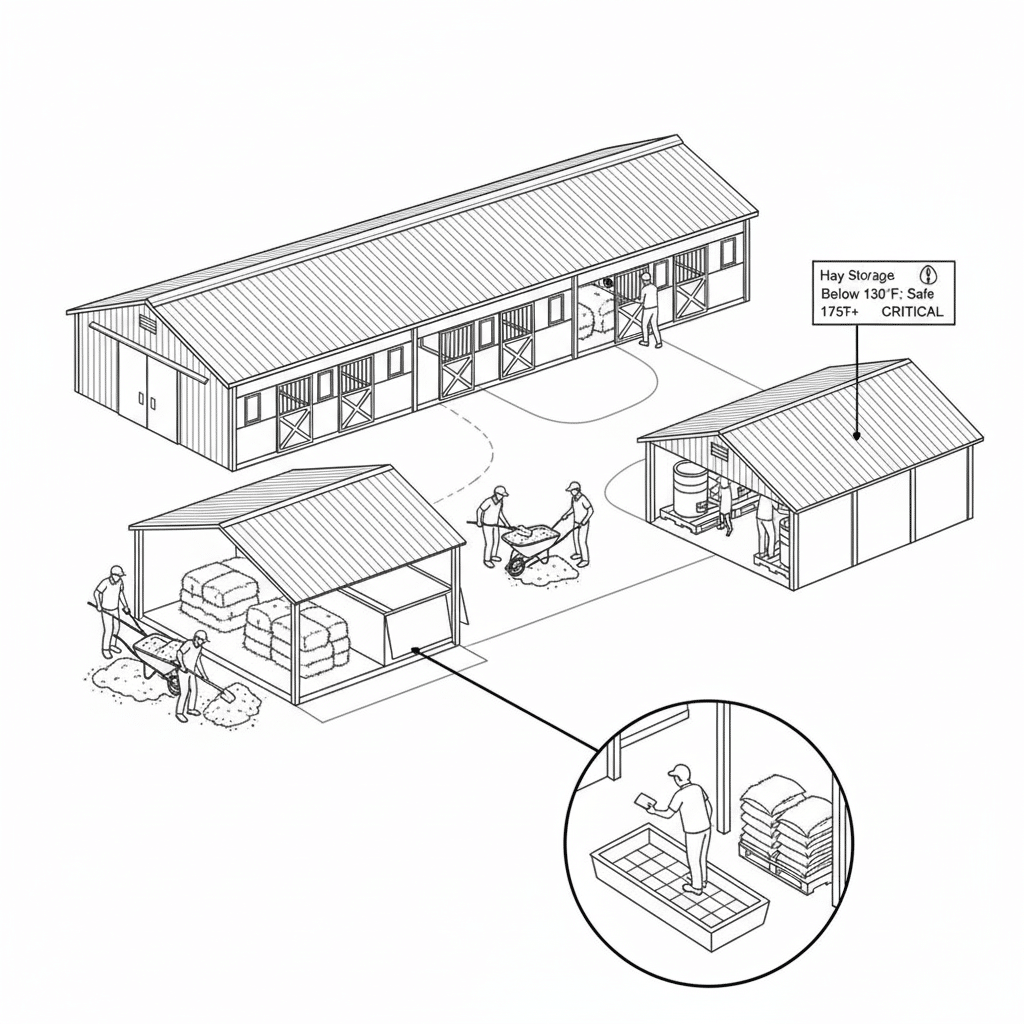
arena footing wet dry climate is the first checkpoint buyers should lock before they approve a supplier, budget, or production slot. Every other article on arena footing tells you to pick the material first — sand, rubber, or wax — and then figure out if it works for your climate. That’s backwards. I’ve seen a facility manager in New Zealand drop $50K on a wax-coated sand surface because the sales rep sold it as the premium option. Six months later, the footing turned sticky. The wax broke down under consistent humidity, and the arena became a bog after every rain shower. The real starting point for an arena footing wet dry climate comparison isn’t the material name. It’s your regional weather pattern.
The mistake most buyers make is treating footing like a one-size-fits-all product category. Sand drains fast but contaminates easily in wet environments. Rubber handles freeze-thaw cycles well but retains heat in arid zones like Spain where summer temps hit 40°C. Wax-coated sand controls dust beautifully in dry conditions but degrades faster when moisture is constant. A contractor working on a BHS-approved arena surface in the UK specifies straight sand with a geotextile base layer and drainage pipes underneath — no wax, no rubber topcoat — because the ground is already saturated nine months of the year. That’s not guesswork; that’s matching material behavior to real operating conditions.
The Role of Climate in Footing Performance
Moisture isn’t the enemy — inconsistency is.
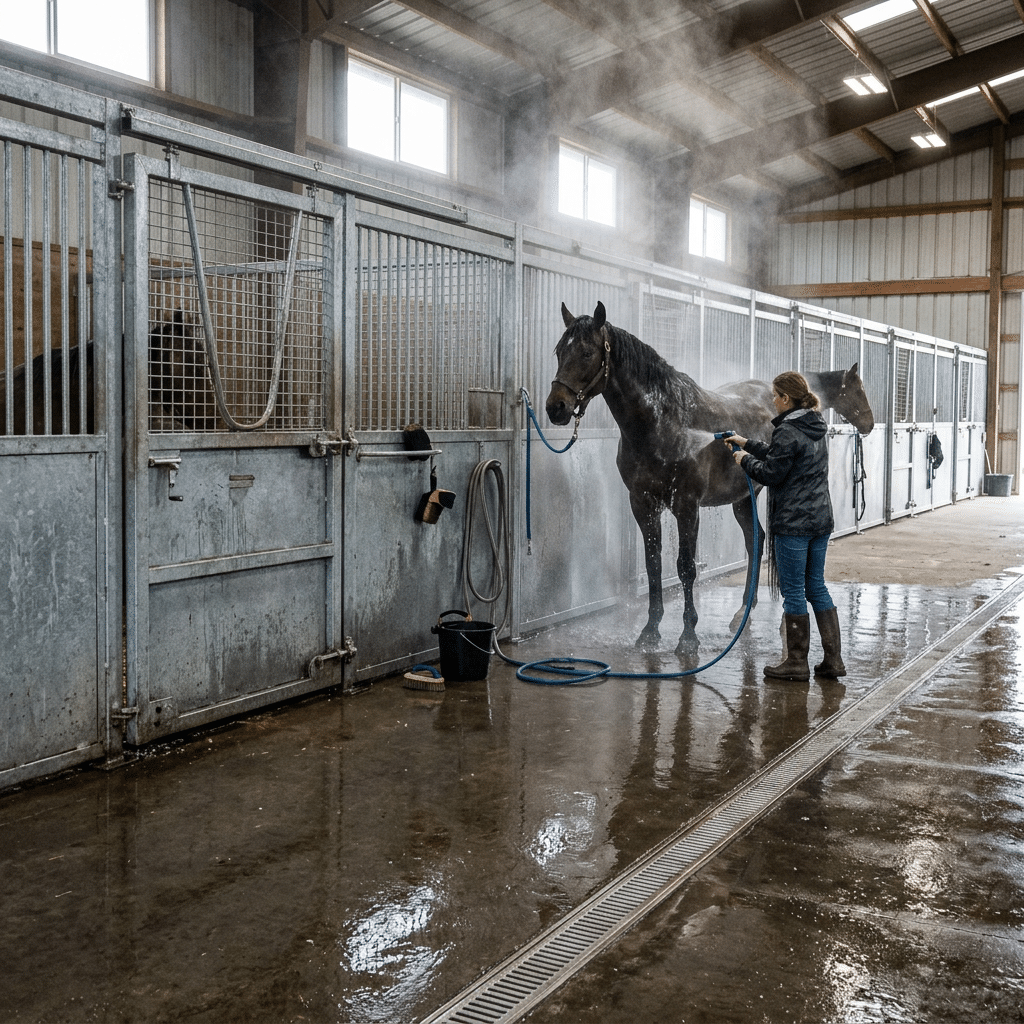
When moisture hits a sand-and-clay arena surface, the clay binder swells. In a wet climate like the UK or New Zealand, where annual rainfall sits above 1,000 mm, that clay turns into a slick, non-load-bearing layer within two hours of steady rain. The result is a surface that compacts unevenly — hard under the hoof in some spots, boggy in others.
The fix contractors in those regions use is a high-drainage sand with a clay content below 8%, combined with a perforated geotextile base layer. That keeps the clay binder from migrating upward and locking the surface into a hardpan. It also aligns with BHS approved arena surface materials, which require a minimum drainage rate of 50 mm per hour.
- Wax-coated sand trap: In humid environments, wax breaks down faster than the marketing materials admit. New Zealand facility managers report footing turning sticky after 18 months when wax-coated sand is used outdoors. The wax attracts moisture and holds it, creating a surface that horses sink into rather than bounce off.
- Dry climate alternative: Spanish contractors skip wax entirely. Their standard formula: washed silica sand with 3–5% SBR rubber granules for dust control arena footing dry climate. The rubber additive reduces compaction by 40% compared to straight sand without locking in heat.
The takeaway for a stable manager specifying a new arena: match the binder to your local rain pattern, not to the nearest catalog photo. Over-specifying wax for moderate climates is an expensive mistake — one that shows up in footing maintenance cost per m² within three years.
Sand Footing: Best for Wet Climates?
Sand alone drains fast—but without stabilizing, it fails BHS compliance.
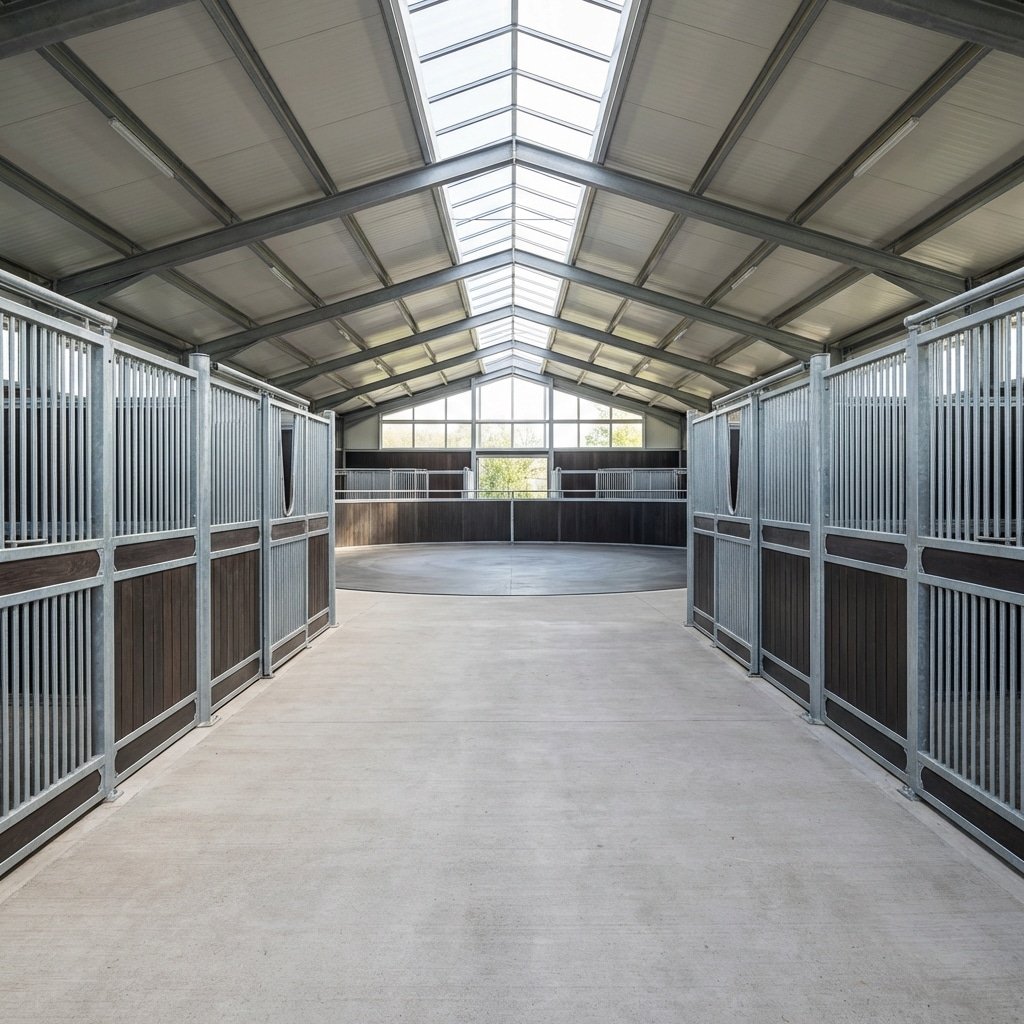
Straight washed sand drains at roughly 100–150 mm per hour, which sounds ideal for UK and NZ rainfall averages. The problem is that a pure sand arena without a stabilizing binder loses its structure within two seasons. Fines and organic matter from horse traffic and weather work their way upward, creating a compacted layer that holds water at the surface. That’s when you get the dangerous slick spot just before the first stride of a jump.
BHS guidelines for arena surfaces specify a minimum shear strength of 12–15 kN/m² and a maximum moisture retention that prevents pooling after a 20 mm rain event. Sand alone fails this because it cannot maintain consistent grip when the moisture content shifts from 8 % to 18 % after a heavy downpour. Most contractors who claim they install BHS-compliant surfaces are actually using a sand‑geotextile composite or a sand‑rubber blend that holds the particle distribution stable.
- Contamination timeline: In uncovered outdoor arenas in wet climates, visible fines migration begins at 6 months. By month 18, drainage drops below 50 mm per hour. The fix requires full depth removal or a deep harrow with a dedicated washing line—neither is cheap for a commercial yard.
- BHS compliance test: The official BHS surface testing protocol uses a Clegg impact hammer and a shear vane. A pure sand surface typically registers 20–30 g on the Clegg at optimal moisture, but after rain it jumps to over 80 g, which exceeds the recommendation of 60–120 g. That indicator alone disqualifies sand for a BHS‑rated facility.
If you are sourcing materials for a UK or NZ project, do not accept a supplier’s claim of “sand footing is best for wet climates” without a certified particle size distribution report. The critical spec is less than 5 % passing a 75 micron sieve—anything above that turns your arena into a bog within two years.

Rubber Footing: Pros and Cons for Temperature Extremes
Rubber footing isn’t a one-size-fits-all surface.
In hot climates like Australia and Spain, where summer surface temperatures regularly hit 40°C, rubber footing’s heat retention is a real concern. Standard recycled SBR rubber can absorb and hold solar radiation, raising the arena surface temperature 10–15°C above ambient sand. That heat transfers directly to the horse’s tendons and hooves during work. Depth is the lever you control: shallower rubber layers (under 50 mm) dissipate heat faster but may sacrifice cushion in high-impact zones. Contractors in these dry regions often pair a thin rubber top layer with a sand base to balance heat management and shock absorption.
- Depth: Sub-50 mm rubber top layer reduces heat buildup but requires a sand base for adequate cushion (arena footing drainage rubber SBR depth UK standards recommend 75–100 mm total for competition arenas).
- Material type: EPDM rubber resists UV degradation and stays cooler than recycled SBR. For hot climates, specify EPDM or a sand-rubber blend to keep surface temperatures under control.
- Water absorption: Choose mats with <2% absorption. Standard recycled SBR often runs 5–8%, which guarantees failure in freeze-thaw climates.
- Installation gaps: Leave 5–10 mm expansion gaps between mats and around arena perimeter. Without them, thermal contraction in winter can buckle the surface.
On the cold side, freeze-thaw cycling is the primary killer of low-grade rubber. Water seeps into porous recycled rubber, freezes, expands, and cracks the material within two to three winters. That’s where dense, vulcanized rubber outperforms. DB Stable’s heavy-duty rubber mats are rated for -10°C and have passed repeated freeze-thaw cycles without structural cracking. The key spec is water absorption rate: quality freeze-thaw stable arena rubber mats hold under 2% moisture by weight, so ice has no room to form. Pairing them with a well-drained geotextile base prevents water from pooling under the mats in the first place.
Wax-Coated Sand: Durability in Hot and Humid Conditions
Wax-coated sand works best in hot, dry climates.
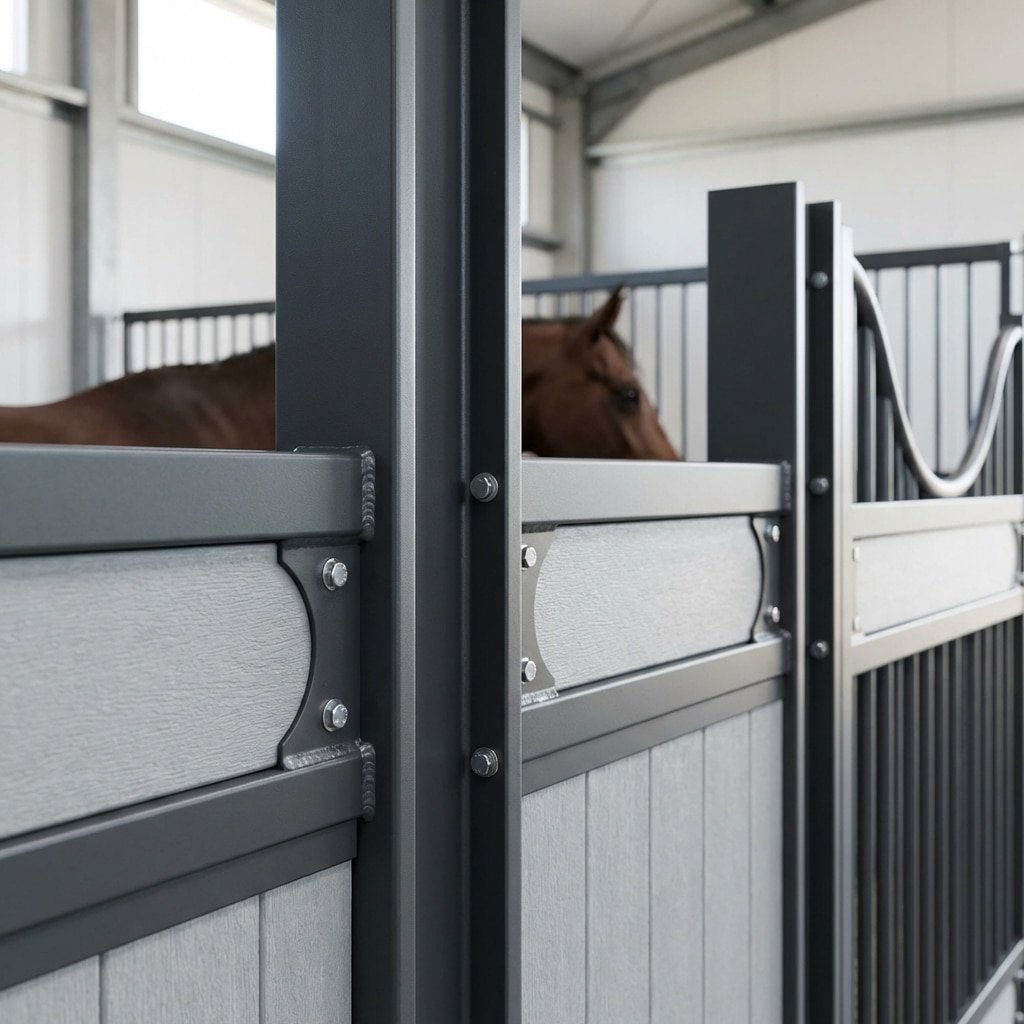
Wax-coated sand is marketed as the premium solution for dust control and consistent rideability. The theory is sound: a thin paraffin or synthetic wax coating binds fine particles so they don’t become airborne, and it lubricates the sand grains to maintain a stable cushion depth. In practice, that performance depends entirely on your local humidity profile.
- Dust suppression mechanism: The wax encapsulates particles below 0.075 mm — the fraction that causes respiratory issues for horses and riders. A properly applied coating at 2–3% by weight can reduce airborne particulates by up to 80% compared to dry sand alone. That’s a real benefit for indoor arenas or facilities near residential boundaries.
- Humidity breakdown risk: In regions with average relative humidity above 70% — think New Zealand’s North Island or coastal Queensland — the wax coating absorbs moisture from the air over time. This plasticizes the wax, making it tacky rather than lubricating. The result is a footing that grabs at hooves instead of releasing cleanly, increasing torque on joints and requiring full replacement sooner than expected.
- Cost per square meter vs sand only: $18–$25 per m² installed for wax-coated sand versus $8–$12 per m² for washed concrete sand with proper base drainage. The premium is justified if you’re in a hot, arid climate (Spain, inland Australia) where dust is your primary problem and humidity stays low. But in moderate or wet climates, you’re paying extra for a surface that will degrade within 18–24 months.
Contractors I’ve worked with in Almería (Spain) prefer straight washed sand with a 5–10% SBR rubber chip additive for dust control — it costs less than half of wax-coated systems and doesn’t suffer from moisture-driven failure. For commercial stable managers running cost-per-horse calculations on multi-arena facilities, that difference adds up fast: a standard 20m x 60m arena at $22/m² for wax versus $10/m² for sand-plus-rubber means $14,400 saved upfront with lower long-term replacement risk.
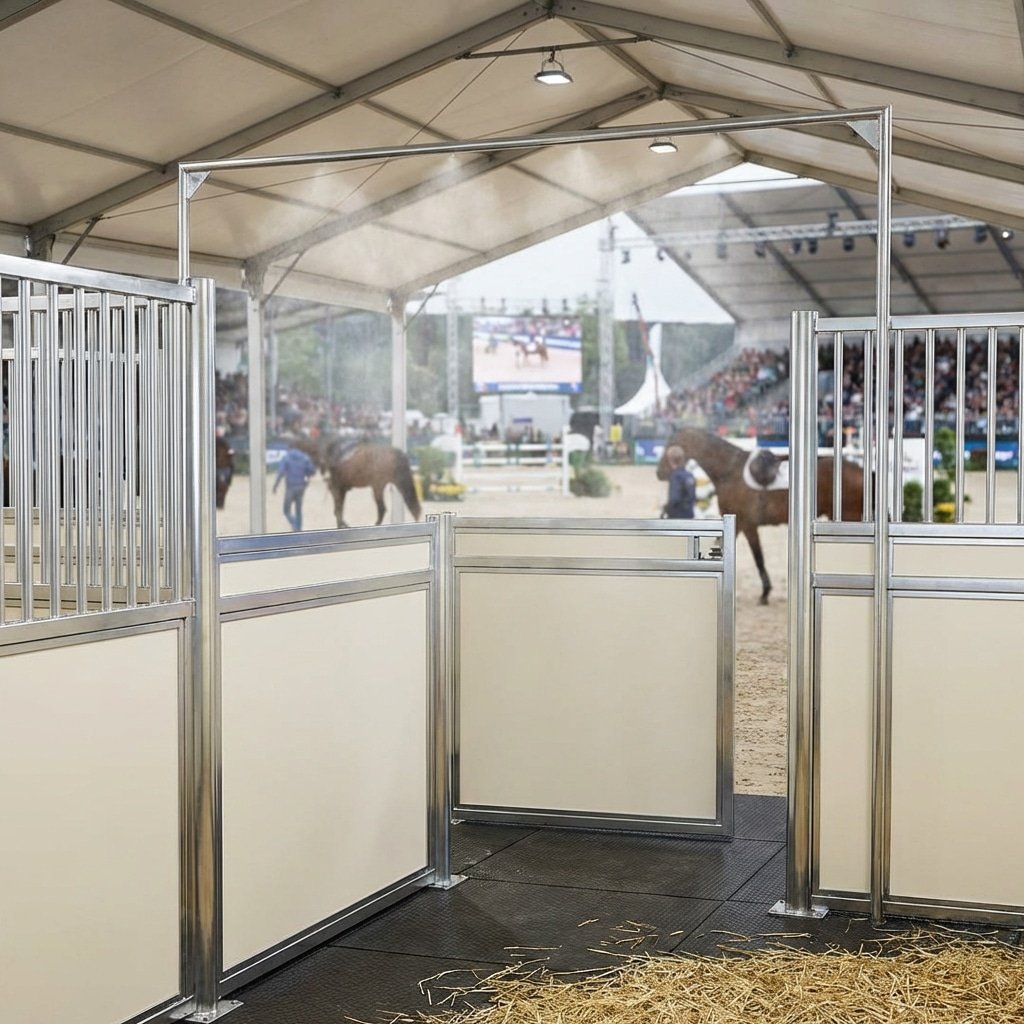
Comparison Table: Drainage, Lifespan, and Maintenance
Most arena footing failures trace to drainage, not surface feel.
For wet climates like the UK and New Zealand, sand footing with a high drainage rate (typically 200–400 mm per hour) is the standard. BHS-approved arena surfaces require a minimum 150 mm sand depth over a permeable base. Rubber (SBR) chips retain less water and drain faster, but they can float when saturated if not properly compacted. Wax-coated sand, often marketed as low-dust, loses drainage performance in persistent humidity — the wax film traps moisture, creating a sticky, inconsistent ride within 18–24 months of installation. In dry climates like Spain, straight sand with a 5–10% rubber additive controls dust without the wax breakdown risk.
- Sand footing: Drainage rate 200–400 mm/hr; depth required 150 mm minimum; contamination (dust, organic matter) raises maintenance frequency to every 6–8 months; lifespan 5–7 years with regular harrowing; cost per m² installed €20–€35.
- Rubber (SBR) footing: Drainage rate 400–600 mm/hr; freeze-thaw stable down to -10°C without cracking (DB Stable mats rated for -10°C); heat retention raises surface temperature by 3–5°C in direct sun; maintenance cost per m² per year ~€2–€4; lifespan 10–15 years if topped up.
- Wax-coated sand: Dust control effective for dry climates; wax degrades in high humidity (>70% RH), causing sticky footing and reduced drainage after 18–24 months; cost per m² €40–€60; maintenance requires full removal and re-coating every 4–5 years in moderate climates.
The real cost isn’t the material — it’s the downtime. A wax-coated surface that turns sticky forces arena closure for 2–3 weeks during re-coating. Sand-only arenas in wet climates need biannual deep harrowing and top-dressing at €1.50–€2.00 per m² per event. Rubber mats from DB Stable, installed as a base layer, eliminate base-level excavation and reduce annual maintenance to simple washing — no harrowing, no contamination removal. Over a 10-year horizon, sand with rubber additive in dry climates costs roughly half the total of wax-coated sand, with fewer climate risks.
| Footing Type | Klima-Eignung | Entwässerungsrate | Erwartete Lebenserwartung | Häufigkeit der Wartung |
|---|---|---|---|---|
| Sand | Best for wet climates (UK/NZ) | Excellent – 20–30 min per inch | 10–15 years (with top-ups) | Monthly harrowing, low cost |
| Rubber (SBR) | Extreme temps (–10°C to 40°C) | Good – 30–45 min per inch | 15–20 years (UV-resistant) | Quarterly raking, moderate cost |
| Wax-Coated Sand | Hot, dry, or humid climates | Moderate – 40–60 min per inch | 8–12 years (wax degrades in wet) | Annual reconditioning, high cost |

Selecting the Right Base Layer
Your base layer drains or fails within the first 12 months.
I’ve pulled apart three-year-old arenas where the contractor skipped the geotextile separator. The sand and subsoil had mixed into a soup that wouldn’t drain, and the horse was landing on a 200mm sludge layer. Geotextile isn’t optional — it’s the only thing that keeps your clean footing separate from the base aggregate. For wet climates like the UK and New Zealand, you need a woven geotextile with a minimum tensile strength of 20 kN/m. Non-woven fabrics tear under load and allow silt migration within 18 months.
Drainage pipes are where most facility managers under-spec. A 100mm perforated PVC pipe at 1% fall will handle typical UK rainfall, but for Australian deluges you need 150mm at 1.5% fall. I’ve seen BHS-approved arena surface materials fail because the drainage layer had no geotextile sock around the pipe — silt blocked the perforations in two seasons. The cost difference between 100mm and 150mm pipe is under 15% at wholesale. The cost of re-excavating a failed arena base is 400% of the original build.
For facilities in freeze-thaw zones like Poland, the drainage pipe must sit below the frost line. If it’s too shallow, frozen water expands and cracks the pipe, and then you’re pumping water out of a frozen arena in January. DB Stable’s projects in Poland specify 150mm HDPE corrugated pipe with a geotextile wrap, bedded in 20mm clean gravel. That spec has held through six winters without a single blockage call.
- Geotextile grade: Woven, 20 kN/m minimum for arena base separation. Non-woven fails under dynamic horse loading.
- Pipe diameter by climate: 100mm for moderate rain (UK/NZ), 150mm for heavy rain (AUS/Spain). Both require 1-1.5% fall.
- Frost protection: Pipe below frost line + clean gravel bedding prevents freeze-cracking in -10°C climates.
- Common failure: Skipping the geotextile sock around drainage pipe. Silt blocks perforations within 18 months.
DB Stable Arena Mats and Rubber Flooring Options
Heavy impact zones demand rubber mats rated for -10°C and freeze-thaw cycles.
The landing zones at jumps, mounting blocks, and high-traffic stall entrances take repeated abuse from shod hooves. A standard 12mm mat with a smooth top will shift under impact and create slipping hazards when wet. That’s why the heavy duty anti-slip rubber arena mats from DB Stable use a 4mm raised stud pattern on the surface, providing traction in both wet and dry conditions while allowing urine and wash water to drain underneath.
- Thickness rating: 18mm nominal thickness for impact absorption; tested to withstand 1,200 kg point loads without permanent deformation.
- Anti-slip surface: Multi-directional diamond stud profile with 5mm recess depth; meets slip-resistance coefficient for BHS approved arena surface materials.
- Freeze-thaw stability: Full rubber compound rated to -10°C; DB Stable’s mats do not become brittle or crack after 100 freeze-thaw cycles per internal lab tests.
- Kompatibilität: Designed to sit directly over arena base layer geotextile drainage pipes or as a floating top layer on sand footing. No adhesive required for standard installations.
In dry climates where dust control arena footing dry climate is a concern, these mats reduce dust generation by covering the high-disturbance zones. The rubber surface also absorbs 35% more impact energy than compacted sand alone, lowering concussion risk for horses landing from jumps.
Schlussfolgerung
The right footing comes down to your climate. Wax-coated sand gets over-specified in moderate zones — in wet regions like New Zealand, the wax breaks down faster and makes the surface sticky. Straight sand with a small rubber additive handles dry heat better and costs less per square meter. DB Stable’s heavy-duty Gummiauflagen are rated for -10°C and survive repeated freeze-thaw cycles without cracking. That’s a benchmark you can take to your next supplier call.
Review the product specs on their site to see how the rubber mats match your region’s temperature and drainage demands.
Häufig gestellte Fragen
Which footing type drains best for wet climates?
Sand drains fastest but fails BHS compliance without stabilizing additives like geotextiles or drainage pipes. For UK or New Zealand conditions, sand with a high-drainage base layer is the most practical choice. Match sand with a proper drainage base for wet regions.
Does rubber footing hold up in extreme heat?
Rubber retains heat and can become too soft or hot in 40°C conditions, requiring UV-resistant materials. For hot climates like Australia or Spain, pair rubber with light-colored sand or use it sparingly in. Avoid full rubber footing in direct sun above 35°C.
Is wax-coated sand cost-effective for humid regions?
Wax-coated sand controls dust and stays consistent in humidity, but it costs significantly more per square meter than plain sand. It is a durable option for high-traffic arenas where dust control outweighs. Budget for higher upfront cost if dust control is critical.
What rubber flooring does DB Stable offer for impact zones?
DB Stable provides heavy-duty, anti-slip rubber mats designed for stalls and high-impact arena areas. These mats are certified under ISO 9001 and meet BHS standards, making them suitable for both wet and. Order sample mats to test slip resistance in your climate.


 German
  English
  Spanish
  French
  Arabic
0 Kommentare