

Warranty claims after delivery are won before anything breaks. They are won with the photographs you took on the day the load arrived, the name you gave the part in your own file, and the delivery route you wrote down while the order was still going smoothly.
For horse stable and fencing equipment, most claim arguments are lost on evidence rather than on goodwill. The buyer says the coating failed; the supplier says the site installed it wrong; nobody has a dated photograph or a part name that both sides can point at. This manufacturer publishes two durability figures — 20 years against rust for hot-dip galvanized steel and 15 years of life for UV-resistant PVC — and publishes no warranty terms, no coverage wording and no replacement policy. Everything beyond those two statements is a question to put in writing.
Key Takeaways
- Two figures are published; nothing else is. 20-year rust resistance for hot-dip galvanized steel and 15-year life for UV-resistant PVC are stated. Coverage, exclusions, labor and part exchange are not.
- Evidence beats memory. Dated photographs of the load, the packing, the damaged part and a measurement in frame are what turn a complaint into a claim.
- Name the part the way the factory names it. “The gate fitting” cannot be shipped; a hinge, a latch bolt, a panel section or a connector plate can.
- Ask for the traceability record on arrival. Batch or production references for an order from a plant shipping a stated 500+ sets a month are the difference between one replacement and a season of them.
- Delivery route is part of the remedy. Published delivery is 4-6 weeks globally and 1-2 weeks expedited from Sydney and Warsaw; which clock a spare part draws is a written question.
- A discount is not a warranty. Volume pricing of 5-15% changes what you pay, not what is covered.
What is actually published about durability here
Read the published record for what it is. Two figures appear: hot-dip galvanized steel carries a stated 20-year rust-resistance claim, and UV-resistant PVC carries a 15-year life claim. Both are statements about material, not contracts, and neither is published with a test method, a coating thickness in microns, an exclusion list or a remedy.
Company-level credentials sit alongside them — ISO 9001 and CE, with alignment to BHS, ASPCA and EU Directive 98/58/EC stated and no certificate numbers published — which is a statement about the firm’s processes, not about your gate hinge. Before ordering, ask for the written answer to four things: what the two figures cover, what voids them, whether a failed part is replaced or refunded, and who pays freight on the replacement. The general mechanics of an international warranty claim on fabricated steel goods are covered elsewhere on this site in international warranty claims for steel goods; this article keeps to equestrian equipment and to the evidence you have to build yourself.
The photographs that survive a claim
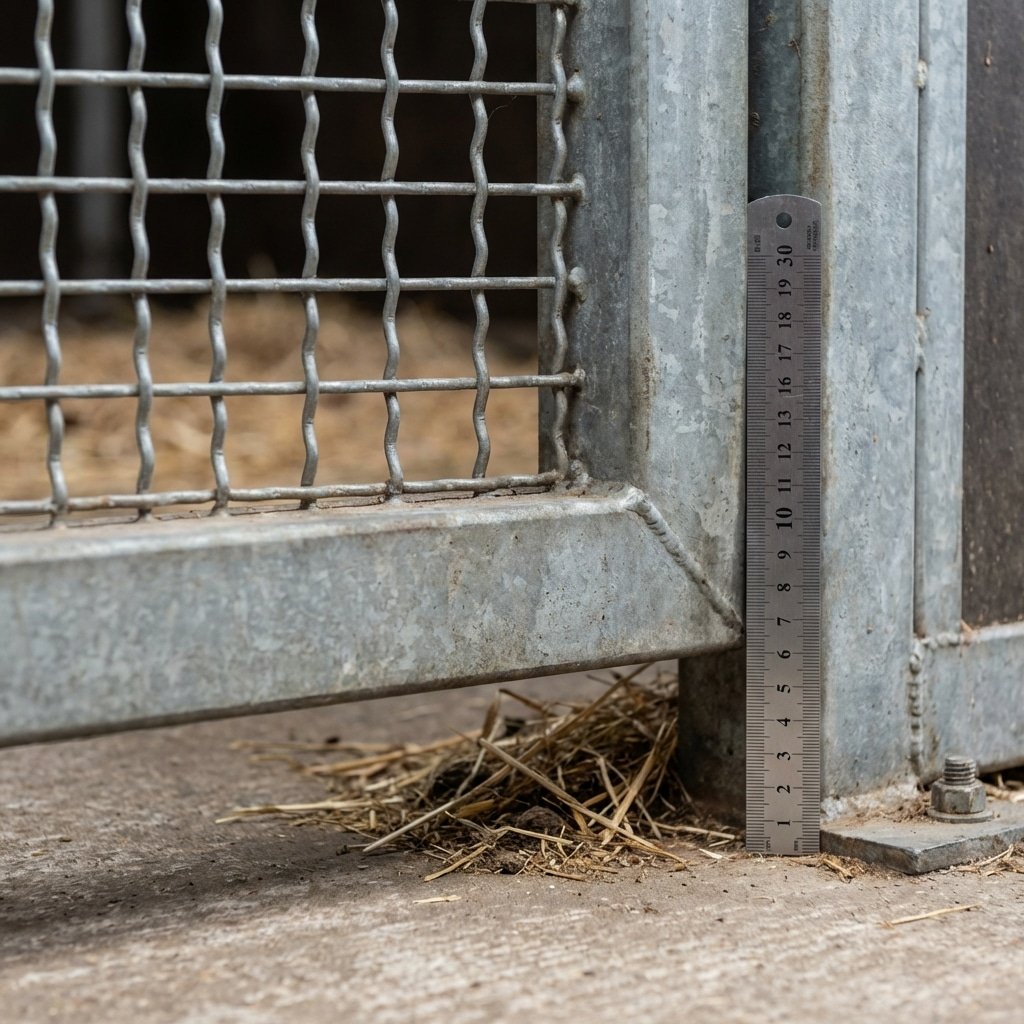
Six photographs, taken once, settle most disputes. The vehicle and its seals before anything is cut. The load as stacked, so a crushed corner can be told apart from a transit dent. The packing list and any part labels, in focus. The damaged item on its own, with something of known size beside it. The same item where it failed in service. And a wide shot that shows the site condition around it — drainage, ground, adjacent panels — because a coating edge that failed next to standing water is a different conversation from one that failed in a sheltered yard.
Date them and keep the originals. Where an insurer or a venue auditor is involved, requirements vary by policy and by jurisdiction, so treat “what evidence do you need to see” as a question to the broker or the auditor in writing, not an assumption. Insurers typically want the same artifacts you would send a supplier: dated photographs, the original delivery paperwork, and the invoice line the part belongs to.
Part identification: the language problem
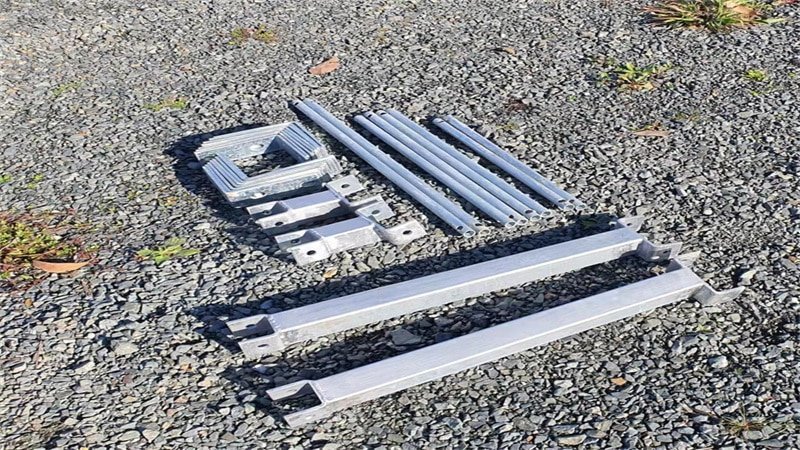
A replacement is shipped against a name, and “the latch side fitting” is not one. Ask for a part list at order stage, with the supplier’s own wording, one line per item, and quantities per gate and per panel run. Where the drawing shows welded nodes and drilled hole positions — the output of CNC machining and automated 360-degree welding — a replacement section has to match hole pitch, not just look similar, so photograph the drilled corner and the connector before the panels go up.
Then put the same list against your own asset register, with the stall or panel number where each part is fitted. Ask one more question of a plant shipping a stated 500+ sets a month: can the order be traced by batch, and what reference will you get? That is what lets you tell a single faulty fitting from a production run you will be chasing for years.
How a replacement actually reaches the site
Published delivery is 4-6 weeks worldwide, with 1-2 weeks expedited from the Sydney and Warsaw hubs. Those numbers are written for orders, and nothing published says whether a single spare part draws the same stock and the same clock. Ask that directly, before you have a horse standing in a paddock with an open gate.
Three logistics questions follow it. Which hub holds the part, and what happens when neither does. Who arranges the onward leg, and who clears it — this site publishes no trade terms or payment terms, so the split of responsibility between you and the supplier has to appear in the order paperwork rather than be assumed. And whether the published expedited service, described for stable and fencing orders, applies to a small parcel or reverts to the 4-6 week lane. The hub mechanics are covered in expedited delivery from the regional hubs. Customs treatment of a replacement shipment, whether invoiced or not, varies by country and importer status, so confirm it with your broker rather than with the catalog.
Five file habits before you need them
- One folder per order. Purchase order, part list, delivery paperwork, photographs and every reply, in date order. Claims are won by whoever can reconstruct the file quickly.
- The written warranty answer, in your own words. A one-page summary of what the supplier said the 20-year and 15-year figures cover, with the reply that said it attached.
- An arrival inspection sheet. A page per load, with the six photographs named against it and any damage marked before the vehicle leaves.
- A spares position. Which parts you hold, in what quantity, and who orders them — pins, latch bolts, hinge plates and connector pieces are the items buyers most often stock first, because they are the ones that get worked.
- The relationship on record. Orders of 20 sets or more draw a named regional account manager for customization and logistics advice; that figure is published without limiting it to a product line, so ask whether a spare-part query routes to the same person.
A habit worth stating plainly: raise the query with one email that contains the dated photographs, the part name from the list, the order reference and the remedy you expect. Vague complaints get vague replies. A file gets an answer. The stabling systems page is where the original specification lives, and the part list should be readable against it.
Häufig gestellte Fragen
Is the 20-year figure a warranty on my fence?
Not as published. It is stated as rust resistance for hot-dip galvanized steel, with no coverage, exclusions or remedy published, so ask what it commits the supplier to.
How long do I have to report transit damage?
That depends on your carrier and your terms, not on this site’s published material. Where the paperwork allows, note damage before signing, and confirm the reporting window with the carrier and the supplier in writing.
Will a replacement part be sent free?
Nothing published says so. Ask before ordering whether parts are replaced or invoiced, and who carries freight on the replacement leg.
What is the fastest a spare can reach a regional site?
Published expedited service is 1-2 weeks from the Sydney and Warsaw hubs, but those figures describe orders. Ask whether a single part draws hub stock before you rely on the shorter clock.
Schlussfolgerung
A claim is a document, not a conversation. The photographs, the part list and the written answers you collect on a good order are what make a bad one resolvable.
Collect them while the delivery is still on the yard, keep them against the order reference, and put the four warranty questions in the same email as the purchase order. If a supplier will not answer in writing, that answer is itself worth filing.

 German
 English
 Spanish
 French
 Arabic
0 Kommentare