


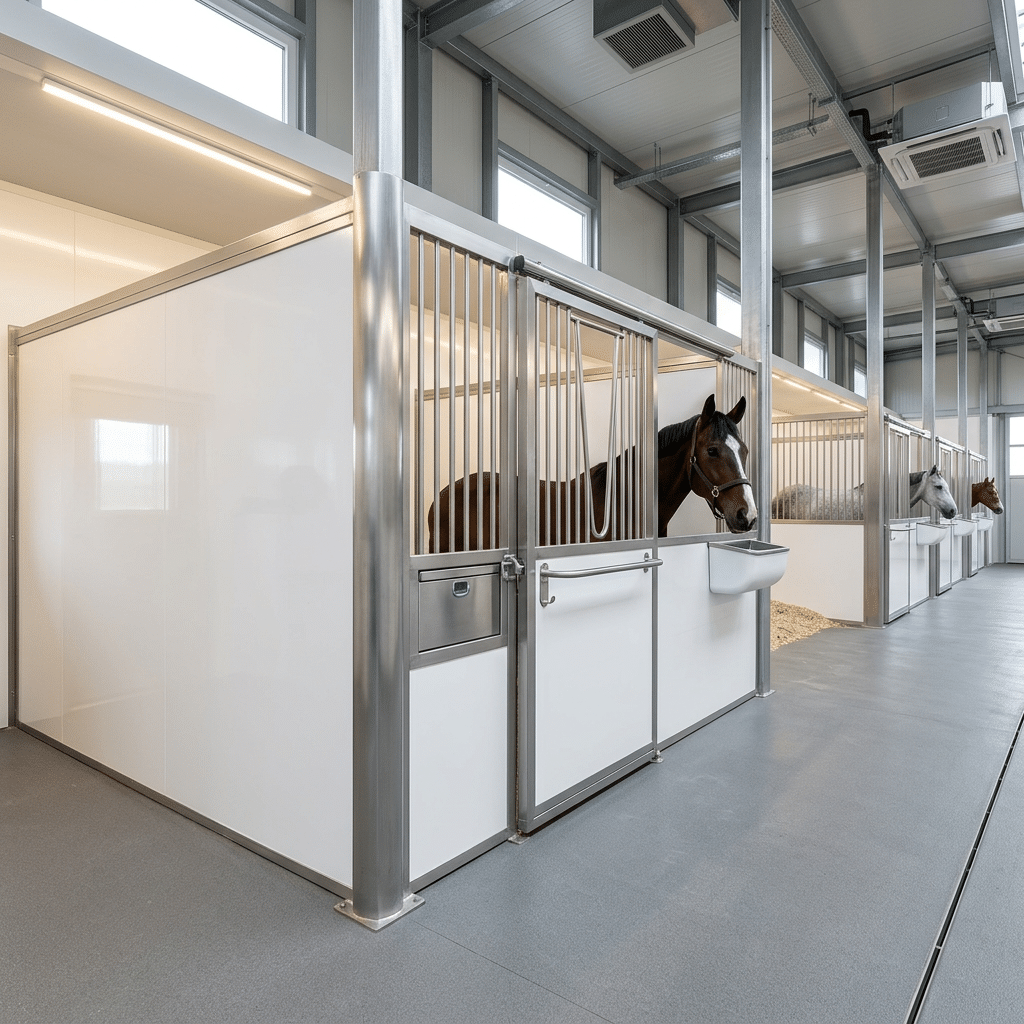
Bereitstellung von Modulare Stallhaltung für verschiedene Tierarten ist die einzige wirksame Strategie, um das Risiko von Verletzungen durch andere Tierarten in Mehrzweckställen zu mindern. Während bei Standard-Stallfronten in der Regel die Maße für Pferde im Vordergrund stehen, entstehen dadurch tödliche Einklemmzonen für kleinere Nutztiere wie Alpakas und Ziegen, was zu hohen Tierarztkosten und Reputationsschäden für die Betreiber der Anlagen führt.
In diesem Bericht werden Fertigungspartner anhand der strengen Anforderungen für Q345B-Baustahl und der Norm ISO 1461 bewertet Feuerverzinkung die für Umgebungen mit hohem Ammoniakgehalt erforderlichen Standards. Wir bewerten die Fertigungsgenauigkeit hinsichtlich der kritischen Sicherheitsabstandsspezifikation von 50 mm und Logistik für Selbstmontage-Möbel damit Sie eine skalierbare, robuste Infrastruktur erhalten, die in der Lage ist, verschiedene Herden zu schützen.
Die Herausforderung der Unterbringung von gemischtem Vieh in einem Stall
Schneller Vergleich
| Herausforderung | Schwerpunktbereich | Wichtige Lösungen | Urteil |
|---|---|---|---|
| Artenspezifische Umweltbedürfnisse | Klimatisierung | Temperaturregelung, Luftqualitätsmanagement | Der Umgang mit widersprüchlichen Anforderungen an die Klimatisierung, da Hühner eine wärmere Umgebung mit guter Belüftung benötigen, während Ziegen und Schafe kühlere Bedingungen vertragen. |
| Verhaltensunvereinbarkeiten | Tierschutz | Stressabbau, Verletzungsprävention | Umgang mit spezifischen Verhaltensweisen wie Hackordnungen bei Geflügel und Klettern oder Nagen bei Ziegen, um Stress und Aggressionen vorzubeugen. |
| Krankheit und Biosicherheit Risiken | Gesundheit und Sicherheit | Bekämpfung von Krankheitserregern, Verhinderung von Kreuzkontaminationen | Eindämmung vermehrter Übertragungswege von Krankheitserregern durch strenge Vorschriften wie Fußbäder, getrennte Werkzeuge und Quarantänemaßnahmen. |
| Raum- und Ressourcenverteilung | Anlagenplanung | Effiziente Raumaufteilungen, Spezialböden | Entwürfe erstellen, die bestimmte Flächenvorgaben berücksichtigen (z. B. 2–3 Quadratfuß für Hühner) und Spezialbodenbeläge Bedürfnisse verschiedener Tiere. |
Artenspezifische Umweltbedürfnisse
Die Regulierung **artspezifischer Mikroklimata** beugt Gesundheitsproblemen vor, erhöht jedoch die Komplexität der Klimatechnik und den Energiebedarf erheblich.
Die Bewältigung konkurrierender Anforderungen an die Klimatisierung stellt die größte Herausforderung in Mischställen dar. Während Geflügel Wärme und eine gute Belüftung benötigt, um eine Ammoniakansammlung zu verhindern, fühlen sich Wiederkäuer wie Ziegen oft in kühleren, natürlich belüfteten Räumen wohl.
Diese Diskrepanz macht die Einrichtung unterschiedlicher Zonen erforderlich, um Temperatur und Luftqualität streng zu regulieren. Gelingt es nicht, diese Umgebungen wirksam voneinander zu trennen, kann dies je nach Toleranz des Tieres zu Atemnot oder Hitzestress führen.
📊 Auf einen Blick:
- 📍 Schwerpunktbereich: Klimatisierung
- 🏭 Kernfunktionen: Temperaturregelung, Luftqualitätsmanagement
- 🌍 Anwendbarkeit: Global
Warum wir sie ausgewählt haben:
| ✅ Die Siege | ⚠️ Abwägungen |
|---|---|
|
|
Verhaltensunvereinbarkeiten
Ein proaktives Management **beugt Aggressionen vor**, indem es auf bestimmte Instinkte wie Rangordnungen und Kletterverhalten eingeht.
Die gemeinsame Haltung verschiedener Tierarten bringt besondere Herausforderungen mit sich, angefangen bei den starren Rangordnungen bei Geflügel bis hin zu den neugierigen Kletter- und Nagegewohnheiten von Ziegen. Werden diese unterschiedlichen Instinkte ignoriert, führt dies oft zu vermeidbarem Stress und physischen Konflikten zwischen den Arten.
Wirksame Strategien zum Tierschutz setzen voraus, dass diese unvereinbaren Verhaltensweisen verstanden und voneinander abgegrenzt werden. Indem sie auf spezifische psychologische Bedürfnisse eingehen, können Landwirte Verletzungen vorbeugen und ein stabiles, produktives Umfeld für alle Tiere gewährleisten.
📊 Auf einen Blick:
- 📍 Kategorie: Tierschutz
- 🏭 Kernziele: Stressabbau, Verletzungsprävention
- 🌍 Geltungsbereich: Global
Warum wir sie ausgewählt haben:
| ✅ Die Siege | ⚠️ Abwägungen |
|---|---|
|
|
Risiken im Zusammenhang mit Krankheiten und Biosicherheit
Strenge Protokolle sind unerlässlich, um die **Übertragung von Krankheitserregern** zwischen verschiedenen Arten in gemeinsam genutzten Lebensräumen einzudämmen.
Die gemeinsame Haltung verschiedener Tierarten erhöht die potenziellen Übertragungswege für Krankheiten zwischen den Tieren. Die Biosicherheit wird zum wichtigsten Schutzmechanismus, um sicherzustellen, dass Krankheitserreger nicht zwischen Gruppen mit unterschiedlichen Immunprofilen übertragen werden.
Die Umsetzung erfordert spezielle Hilfsmittel und die konsequente Nutzung von Fußbädern an den Übergangsstellen. Der Erfolg des Betriebs hängt von der Einhaltung der Quarantänevorschriften und der Vermeidung von Kreuzkontaminationen in gemeinsam genutzten Bereichen ab.
📊 Auf einen Blick:
- 📍 Standort: Gesundheit und Sicherheit
- 🏭 Kernkraft: Bekämpfung von Krankheitserregern, Verhinderung von Kreuzkontaminationen
- 🌍 Wichtige Märkte: Global
Warum wir sie ausgewählt haben:
| ✅ Die Siege | ⚠️ Abwägungen |
|---|---|
|
|
Raum- und Ressourcenverteilung
**Intelligente Raumplanung** maximiert die Nutzung der Grundfläche eines einzelnen Gebäudes und verhindert gleichzeitig, dass sich verschiedene Arten die Ressourcen streitig machen.
Bei der Planung von Anlagen für gemischte Tierbestände müssen bestimmte Flächenanforderungen berücksichtigt werden, beispielsweise 0,18 bis 0,28 m² für Hühner im Vergleich zu größeren Bereichen für Ziegen. Dies gewährleistet eine effiziente Nutzung der Anlage unter Berücksichtigung der räumlichen Bedürfnisse der verschiedenen Tiere.
Über die reine Raumaufteilung hinaus umfasst dieser Ansatz spezielle Bodenbeläge und Abtrennungen, um unterschiedliche Verhaltensweisen zu steuern. So entsteht eine strukturierte Umgebung, die Stress minimiert und Dominanzprobleme an gemeinsamen Futterstellen verhindert.
📊 Auf einen Blick:
- 📍 Standort: Anlagenplanung
- 🏭 Kernkraft: Effiziente Raumaufteilungen, Spezialböden
- 🌍 Wichtige Märkte: Global
Warum wir sie ausgewählt haben:
| ✅ Die Siege | ⚠️ Abwägungen |
|---|---|
|
|
Hochwertige modulare Ställe mit einer Lebensdauer von 20 Jahren
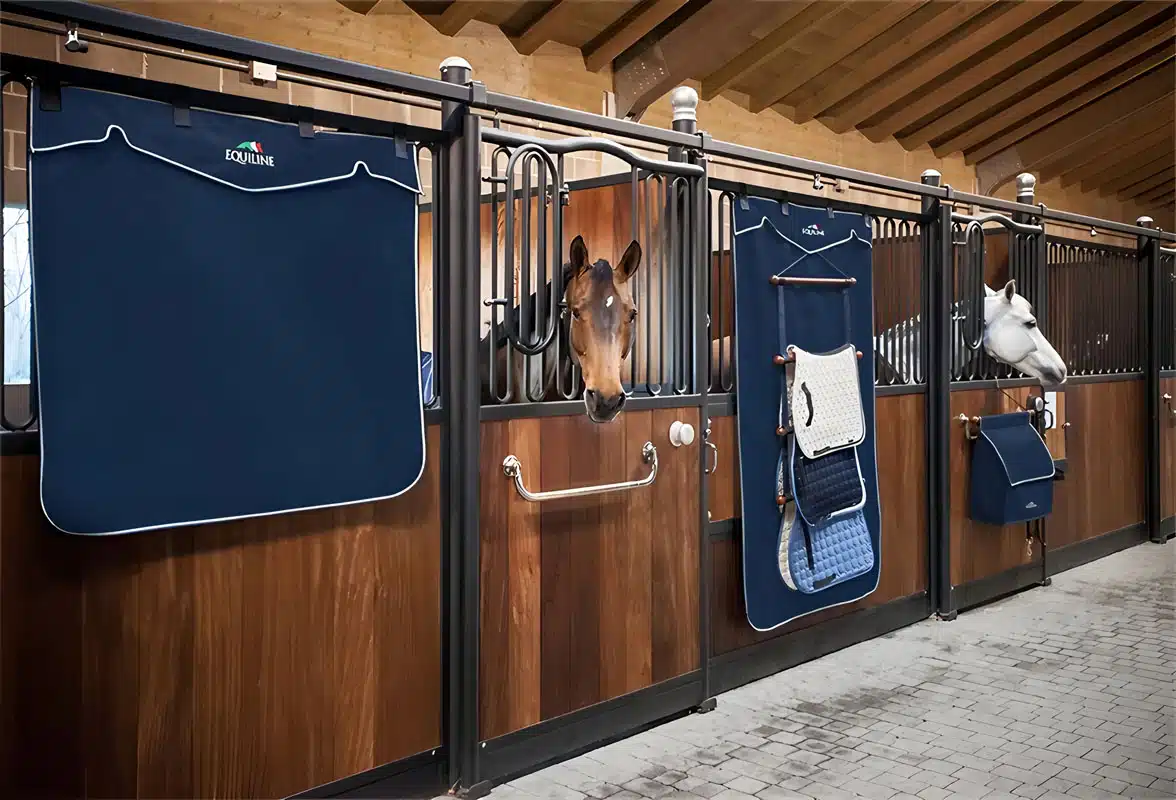
Die Herausforderung der Unterbringung von gemischtem Vieh in einem Stall
Die Unterbringung von Pferden, Geflügel und kleinen Wiederkäuern unter einem Dach erfordert eine flexible Infrastruktur, die den widersprüchlichen Anforderungen an das Raumklima gerecht wird. Wir entwickeln modulare Stallsysteme, die eine effektive Trennung der Tierarten gewährleisten und gleichzeitig den für Mehrzweckanlagen typischen hohen Ammoniakkonzentrationen standhalten, wodurch die langfristige strukturelle Integrität ohne das Risiko einer Kreuzkontamination sichergestellt wird.

Umgang mit artspezifischen Umweltkonflikten
Die Vereinbarkeit unterschiedlicher biologischer Bedürfnisse stellt die größte Herausforderung in gemischten Ställen dar. Geflügel benötigt wärmere, gut belüftete Bereiche, um die Ammoniakkonzentration unter Kontrolle zu halten, während Schafe und Ziegen oft kühlere, zugfreie Umgebungen bevorzugen. Aufgrund dieser Unterschiede ist das Luftstrommanagement von entscheidender Bedeutung. Unsere Konstruktionen nutzen offene Obergitter, um Kaminzug-Belüftung, sodass Wärme und Rauch vertikal entweichen können, ohne dass es zu Zugluft in Bodennähe kommt, die kleinere Tiere beeinträchtigen könnte.
Ammoniakablagerungen aus gemischten Abfallströmen stellen ein erhebliches Korrosionsrisiko für herkömmliche Stallkonstruktionen dar. Herkömmlicher vorverzinkter Stahl versagt in diesen aggressiven Umgebungen häufig, was zu einem raschen baulichen Verfall führt. Wir verwenden ausschließlich Feuerverzinkung nach der Fertigung gemäß den Normen BS EN ISO 1461. Durch das Eintauchen des gesamten geschweißten Rahmens stellen wir eine Zinkbeschichtung von mehr als 70 Mikrometern sicher, die einen lebenslangen Schutz gegen die korrosive Atmosphäre in Mehrartenhaltungen bietet.
In gemeinsam genutzten Bereichen vervielfachen sich die Übertragungswege von Krankheiten, was strenge Biosicherheitsprotokolle erforderlich macht. Wir entwerfen klare räumliche Trennungsmöglichkeiten mithilfe von massiven Trennwänden, um die Ausbreitung von Krankheitserregern zwischen den Vogel- und Säugetierbewohnern zu verhindern. Unsere glatten Oberflächen aus Stahl und HDPE-Füllmaterial ermöglichen eine gründliche Hochdruckreinigung und Desinfektion, wodurch die Keimbelastung im Vergleich zu porösen Holzalternativen, wie sie häufig in älteren gemischten Ställen zu finden sind, reduziert wird.
Technische Infrastruktur für Sicherheit und Trennung
Wir begegnen Verhaltenskonflikten durch den Einsatz modularer Trennwände, die stabile physische Barrieren bilden. Diese Trennwände verhindern Stress, der durch widersprüchliche Rangordnungen oder Aggressionen zwischen verschiedenen Tierarten entsteht. Unser modulares Flat-Pack-System ermöglicht es den Betriebsleitern, die Stallanordnung an veränderte Herdenstrukturen anzupassen, und bietet so die für dynamische landwirtschaftliche Betriebe erforderliche Flexibilität.
Die strukturelle Belastbarkeit ist unverzichtbar, wenn größere Tiere den Raum mit kleineren Tieren teilen. Eine Trennwand, die für eine Ziege stabil genug ist, kann unter dem Tritt eines Pferdes zusammenbrechen. Wir fertigen unsere Rahmenkonstruktionen aus Q345B-niedriglegiertem hochfestem Stahl und bieten eine Trittfestigkeitsgarantie. Dies stellt sicher, dass eine Trennwand, die von einem Zugpferd und einem Alpaka gemeinsam genutzt wird, sicher bleibt und kleinere Tiere vor versehentlichen Verletzungen durch ihre größeren Nachbarn schützt.
Die Sicherheit erstreckt sich auch auf die Materialien im Kickbereich. Wir verwenden hochdichte, stoßdämpfende HDPE-Füllplatten, die speziell dafür entwickelt wurden, brutaler Krafteinwirkung standzuhalten, ohne zu splittern. Im Gegensatz zu Holz, das bei Bruch scharfe Splitter bildet, bleibt unser HDPE intakt und ist völlig wartungsfrei, wodurch sichergestellt wird, dass die physische Trennung zwischen den Arten auch nach jahrzehntelangem Gebrauch unversehrt bleibt.
Sicherheitsgitter: Warum Standard-3-Zoll-Lücken Fohlen und Alpakas einschließen
Der Standardabstand von 76 mm (3 Zoll) zwischen den Stäben stellt aufgrund der sich verjüngenden Schädelform eine erhebliche Einklemmgefahr für Fohlen und Alpakas dar. Um tödliche “Return-Trap”-Szenarien zu verhindern, entwickeln wir spezielle Frontgitter mit einem reduzierten Abstand von 50 mm (2 Zoll), die das Eindringen des Kopfes physisch verhindern und gleichzeitig den Luftstrom aufrechterhalten.
Die Geometrie der Gefangenschaft: Schädelgröße vs. Gitterstababstand
Der übliche Abstand von 3 Zoll (76 mm) stellt für Tiere mit spitz zulaufender Schnauze, wie Alpakas und junge Fohlen, eine gefährliche “Rückzugsfalle” dar. Während die schmale Nase problemlos durch den Spalt passt, bleiben der breitere Kieferknochen oder die Ohren oft an den Stahlstangen hängen, wenn das Tier versucht, sich zurückzuziehen.
style=”line-height: 1.8; margin-bottom: 28px;”>Diese mechanische Verriegelung löst eine sofortige Panikreaktion aus, wodurch das Tier gegen den starren Q235B-Stahlrahmen schlägt. Dieser Kampf führt häufig zu schweren Nackenverletzungen oder -brüchen. Bei handelsüblichen Viehgitterpaneelen werden diese artspezifischen Maße häufig außer Acht gelassen, sodass sie die für Mehrzweckställe erforderlichen “Engineering Safety”-Standards nicht erfüllen.
Technische Prävention: Umsetzung der 50-mm-Sicherheitsnorm
Um Einklemmgefahren auszuschließen, empfehlen wir einen engeren Abstand von 2 Zoll (ca. 50 mm) für Einrichtungen, in denen Miniaturpferde, Fohlen oder Alpakas untergebracht sind. Dieser verringerte Abstand ist physisch schmaler als das Maul selbst kleiner Rassen und verhindert so vollständig, dass der Kopf überhaupt hineingelangt.
Als OEM-Hersteller passen wir unsere Schweißvorrichtungen bereits während der Fertigungsphase an, um diese Abstände individuell anzupassen. Entscheidend ist, dass diese Anpassung vor dem Feuerverzinkungsprozess erfolgt, wodurch sichergestellt wird, dass der Stahl vollständig vor Rost geschützt bleibt. Durch die Verwendung dieses engeren Profils bleibt die Stallfront für verschiedene Tierarten sicher, ohne dass auf provisorische Nachrüstungen wie Drahtgitter zurückgegriffen werden muss, die oft rosten oder scharfe Kanten bilden.
Benutzerdefinierter OEM-Abstand: Spezifikation von 2-Zoll-Grills für kleine Köpfe
Der übliche Gitterabstand von 3 Zoll (76 mm) birgt für Fohlen, Miniaturpferde und Alpakas erhebliche Einklemmgefahren. Durch die Festlegung eines dichten Gitterabstands von 2 Zoll (50 mm) entwickeln wir eine universelle Sicherheitsbarriere, die kleinere Köpfe schützt und gleichzeitig die für ausgewachsene Pferde erforderliche strukturelle Stabilität gewährleistet.
Risiken der Einklemmung bei gemischter Tierhaltung mindern
Bei der Herstellung von Standard-Pferdeausrüstung werden üblicherweise Gitterstäbe mit einem Abstand zwischen 76 mm und 102 mm verwendet. Dies ist zwar für ausgewachsene Warmblüter geeignet, schafft jedoch eine gefährliche Situation für kleinere Rassen, wie sie in Tierkliniken, Gestüten und gemischt genutzten Einrichtungen anzutreffen sind. Der Spalt ist oft breit genug, dass ein Fohlen oder ein Alpaka den Kopf hineinstecken kann, aber zu schmal, um ihn über den Kieferknochen oder die Ohren hinaus wieder herauszuziehen. Dieses Einklemmen löst eine Panikreaktion aus, die häufig zu schweren Halswirbelverletzungen oder Erstickung führt.
Wir lösen dieses Problem, indem wir bei unseren “Breeder Safety”-Konfigurationen einen strengen Standard für eine lichte Öffnung von 2 Zoll (50 mm) einführen. Dieses Maß dient als universelle Sperrzone, die das Eindringen kleiner Köpfe von vornherein vollständig verhindert. Für Händler, die hochwertige Zuchtbetriebe beliefern, macht diese Spezifikation nach der Lieferung nachträgliche Umbauten der Ställe mit unansehnlichen Gitter- oder Sperrholzmodifikationen für die Kunden überflüssig.
OEM-Entwicklung für Hochleistungsgrills
Die Umstellung auf einen Abstand von 2 Zoll ist nicht nur eine gestalterische Entscheidung, sondern eine konstruktive Änderung, die sich auf das Gewichts- und Kostenprofil des Produkts auswirkt. Diese hochverdichtete Konfiguration erhöht die Anzahl der pro Paneel benötigten vertikalen Rohre erheblich. Im Gegensatz zu Billigherstellern, die die Rohrwandstärke reduzieren, um diese zusätzlichen Materialkosten auszugleichen, behalten wir unsere starre **14er-Spur (2,0 mm)** Standardwandstärke. Dadurch ist gewährleistet, dass der Gitterzaun auch gegenüber erwachsenen Pferden, die im selben Stall untergebracht sind, trittfest bleibt.
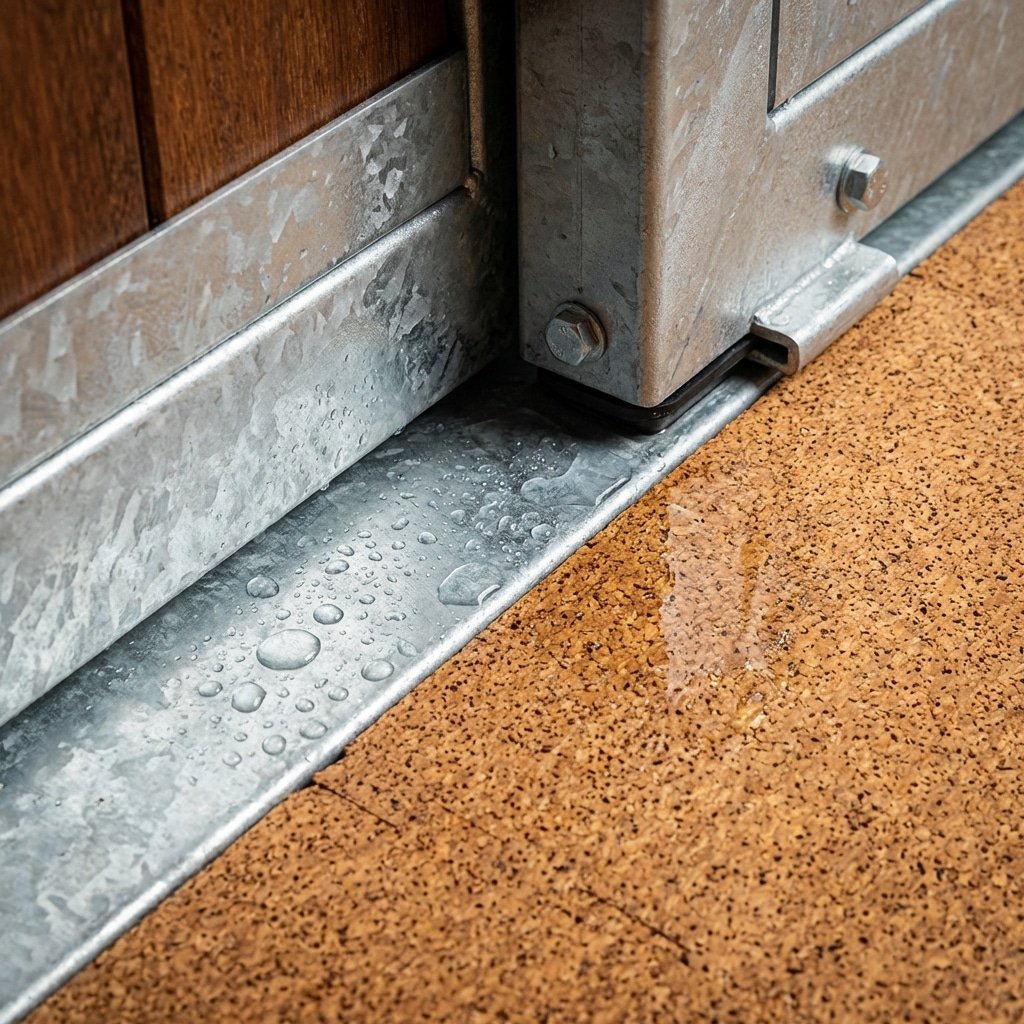
Aufgrund der dichten Anordnung dieser Gitter ist der Korrosionsschutz umso wichtiger. Da die Anzahl der Schweißpunkte fast doppelt so hoch ist wie bei einem Standardgitter, würden bei vorverzinkten Rohren Hunderte von wärmebeeinflussten Zonen anfällig für Rost sein. Wir verwenden **Feuerverzinkung nach der Fertigung** (ISO 1461), bei der die gesamte, vollständig verschweißte Platte in geschmolzenes Zink getaucht wird. Dieses Verfahren stellt sicher, dass selbst die engsten Spalten zwischen den dicht beieinanderliegenden Stäben mit einer durchschnittlichen Schichtdicke von über 70 Mikrometern versiegelt werden, was eine lange Lebensdauer selbst in ammoniakreichen Stallumgebungen garantiert.
DB's V-Drop-Türen: Einstellbare Höhen für verschiedene Rassen
Unser V-Drop-Door-System schließt die Lücke zwischen den unterschiedlichen Anforderungen verschiedener Tierarten, indem es anpassbare V-förmige Geometrien mit Schutzvorrichtungen in Industriequalität kombiniert. Wir entwickeln diese Fronten so, dass sie kleineren Rassen eine sichere Sozialisierung ermöglichen und gleichzeitig eine sichere, trittfeste Barriere für größere Tiere bieten – alles versiegelt mit unserer charakteristischen Feuerverzinkung nach ISO 1461.
Anpassung von V-Profilen für Mehrzweckscheunen
Wir nutzen unsere B2B-OEM-Kompetenzen, um die Tiefe und Geometrie der V-förmigen Durchgänge anzupassen, sodass Händler ein einheitliches Stallkonzept anbieten können, das für Rassen mit unterschiedlichen Widerristhöhen geeignet ist. Von Warmblütern bis hin zu Alpakas bietet unser abgestuftes V-Joch-Design einen niedrigeren Durchgang für kleinere Tiere, damit diese sich bequem bewegen können, während für größere Tiere eine stabile, höhere Barriere erhalten bleibt.
Die Sicherheit hat für uns weiterhin oberste Priorität. Wir integrieren im V-Profil einen anpassbaren Stababstand, der bis auf
50 mm, um zu verhindern, dass kleinere Köpfe oder Hufe bei der Interaktion eingeklemmt werden. Diese Liebe zum Detail entspricht unseren Standards für “Cast-Proof Design” und gewährleistet, dass Mehrzweckanlagen mit minimalem Verletzungsrisiko betrieben werden können.
Technik auf Industriestandard und Korrosionsbeständigkeit
Wir fertigen jede V-Drop-Einheit aus Q235B-Baustahl der Stärke 14 (2,0 mm–2,5 mm); für Kunden in kalten Klimazonen, die eine besonders hohe Schlagzähigkeit benötigen, bieten wir optional auch Q345B-Legierungen an. Im Gegensatz zu Wettbewerbern, die vorverzinkte Rohre verschweißen, die an den Verbindungsstellen rosten, wenden wir ein “Feuerverzinkungsverfahren nach der Fertigung” an. Sobald das Stahlgerüst verschweißt ist, tauchen wir die gesamte Tür gemäß den Normen BS EN ISO 1461 in geschmolzenes Zink ein und erzielen so eine Schutzschicht von mehr als 70 Mikrometern.
Um die Betriebskosten für unsere Kunden weiter zu senken, bieten wir Füllmaterialien an, die auf Langlebigkeit ausgelegt sind. Unsere UV-stabilisierten 28–32 mm starken HDPE-Dielen bieten eine “wartungsfreie” Lösung, die Stöße absorbiert, ohne zu splittern. Alternativ verlegen wir für eine hochwertige Optik hochdichten Bambus mit einer Janka-Härte von über 3000 lbf. Beide Optionen unterliegen unserer Kick-Proof-Garantie, die sicherstellt, dass das System den Anforderungen aktiver Stallungen standhält.
Abschließende Überlegungen
Herkömmliche Pferdeställe bergen für Kunden mit gemischter Tierhaltung erhebliche Haftungsrisiken, da der gefährliche Stababstand von 7,6 cm dazu führt, dass kleinere Tiere eingeklemmt werden. Die Festlegung unseres “Breeder Safety”-Standards von 50 mm beseitigt diese Einklemmgefahren, während unsere Feuerverzinkung nach der Fertigung den für gemischte Ställe typischen Umgebungen mit hohem Ammoniakgehalt standhält. Ihr Ruf hängt davon ab, dass Sie eine Infrastruktur bereitstellen, die die Sicherheit der Tiere und die Langlebigkeit der Konstruktion garantiert, anstatt mit kostengünstigen Alternativen ein Versagen zu riskieren.
Setzen Sie nicht länger auf No-Name-Importe, sondern überzeugen Sie sich von der technischen Qualität Ihres Bestands. Fordern Sie ein Musterteil an, um sich selbst von unseren 50-mm-Sicherheitsschweißnähten und der Zinkbeschichtung nach ISO 1461 zu überzeugen. Kontaktieren Sie noch heute unser OEM-Team, um einen Testcontainer zu konfigurieren, der die Herausforderungen bei der Unterbringung verschiedener Tierarten in Ihrem Markt löst.
Häufig gestellte Fragen
Kann man Alpakas in einem Pferdestall halten?
Ja, aber bei Standard-Pferdeboxen beträgt der Abstand zwischen den Stäben oft 3 Zoll (ca. 76 mm), wodurch sich der Kopf eines Alpakas verfangen kann. Wir empfehlen, die vertikalen Gitter auf einen Abstand von 2 Zoll (50 mm) anzupassen oder Gitterböden zu verwenden, um die Sicherheit zu gewährleisten und gleichzeitig die erforderliche Luftzirkulation aufrechtzuerhalten.
Sichere Stangenabstände für Minipferde und Ziegen?
Für Miniaturpferde und Ziegen empfehlen wir einen maximalen Abstand von 50 mm. Der bei Standard-Pferdezaunelementen übliche Abstand ist zu groß und birgt die Gefahr, dass Tiere sich darin verfangen. Wir passen diese Maße während des Schweißvorgangs an, um sicherzustellen, dass kleinere Tiere innerhalb des Geheges sicher sind.
Beste modulare Ställe für Mehrtierbetriebe?
Unsere feuerverzinkten Flat-Pack-Systeme bieten ein Höchstmaß an Flexibilität. Da die Elemente modular aufgebaut sind, können Sie die Front- und Seitenwände austauschen, um die Boxengrößen an die Veränderungen in Ihrem Bestand anzupassen. Dank dieser Anpassungsfähigkeit können in einer einzigen Anlage Pferde, Rinder oder Kleinvieh effizient untergebracht werden.
Wie lassen sich stabile Grills anpassen?
Als OEM-Hersteller passen wir die Stahlkonstruktion vor der Verzinkung an. Sie geben die Spaltbreite an – beispielsweise 50 mm für kleinere Tiere – und wir schweißen die Rohre entsprechend. So wird sichergestellt, dass der gesamte maßgefertigte Gitterrost unsere standardmäßige Zinkbeschichtung von über 70 Mikrometern erhält, die lebenslangen Rostschutz bietet.
Mehrzweck-Stallungen für Tiere?
Wir empfehlen Boxen mit verstellbarer Türhöhe und einer stoßfesten HDPE-Auskleidung. Unsere ‘Kick-Proof’-Stahlrahmen aus Q345B halten Stößen durch große Tiere stand, während individuell anpassbare Türöffnungen es kleineren Tieren ermöglichen, ungezwungen miteinander zu interagieren. Diese Kombination verbindet hohe Sicherheit mit Vielseitigkeit für verschiedene Tierarten.

 German
  English
  Spanish
  French
  Arabic
0 Kommentare