


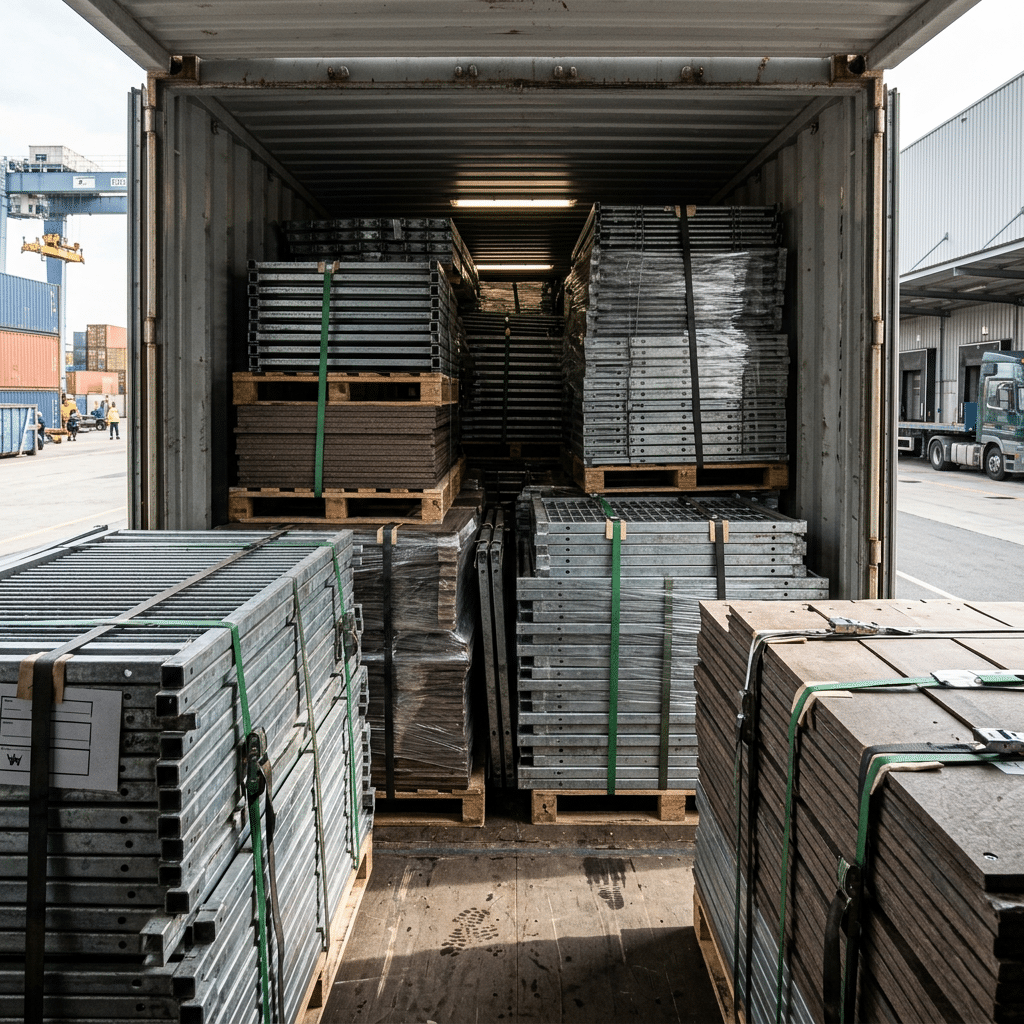
Tropical mold in stabile Wände is a direct result of specifying porous infill materials. This choice initiates a costly cycle of rot, replacement, and structural failure, creating a significant financial liability for large-scale equestrian facilities.
This analysis benchmarks infill performance by comparing water absorption rates and long-term durability. We evaluate the rot-resistance of high-density strand-woven bamboo against 100% waterproof HDPE to establish a zero-maintenance standard for high-humidity climates.
Der Fäulniskreislauf in Umgebungen mit hoher Luftfeuchtigkeit
Schneller Vergleich
| Produktname | Am besten für | Hauptmerkmal | Urteil |
|---|---|---|---|
| Behandelte Kiefer | Global Construction | Porous wood that readily absorbs moisture, making it highly susceptible to mold and rot. | A widely available and cost-effective option, but requires frequent sealing and maintenance in high-humidity climates. |
| Strand-Woven-Bambus | High-Humidity Regions | Engineered with extremely high density to naturally resist water absorption and inhibit fungal growth. | An excellent and durable alternative to traditional wood, offering superior water resistance for a higher upfront cost. |
| HDPE | Tropical & Marine Applications | A 100% hydrophobic (waterproof) and non-porous plastic that completely eliminates moisture absorption. | The ultimate zero-maintenance, permanent solution for wet environments, completely impervious to mold and rot. |
Treated Pine: A Losing Battle Against Black Mold
Despite chemical treatments, its porous nature makes it highly susceptible to moisture absorption, creating the perfect environment for black mold and rot in humid climates.
As a porous wood material, treated pine readily absorbs moisture in environments where humidity exceeds 60%. This absorption provides an ideal substrate for fungal growth, making it highly susceptible to developing black mold and rot despite chemical treatments.
📊 Quick Facts:
- 📂 Category: Building Materials
- 🔩 Type: Traditional Building Material
- 🌍 Common In: Global Construction
Pros & Cons:
| ✅ What We Love | ⚠️ Things To Consider |
|---|---|
|
|
Strand-Woven Bamboo: High Density Water Resistance
Engineered for exceptional density, strand-woven bamboo offers inherent water resistance that effectively inhibits the conditions required for mold and rot.
Strand-woven bamboo’s high-density composition significantly reduces its porosity and ability to absorb ambient moisture. This makes it a durable alternative to traditional wood, especially in humid climates where fungal growth is a common problem.
📊 Auf einen Blick:
- 📍 Kategorie: Sustainable Materials
- 🏭 Kernkraft: Water-Resistant Decking & Flooring
- 🌍 Wichtige Märkte: High-Humidity Regions
Why It Works:
| ✅ Die Siege | ⚠️ Abwägungen |
|---|---|
|
|
# 🎨 TEMPLATE B: THE CONCEPT CARD (For Features)
**Filling Instructions:**
* `{INSERT_SLUG}`: Convert the title to lowercase and replace spaces with hyphens.
* `{INSERT_TITLE}`: The full title of the feature/concept.
* `{INSERT_DESCRIPTION}`: A punchy, 1-3 sentence description of the concept from `specific_description`.
* `{INSERT_CATEGORY}`: Use the `location` data.
* `{INSERT_USE_CASE}`: Use the `main_products` data.
* `{INSERT_MARKETS}`: Use the `main_markets` data.
* `{PROS_LI_ITEMS}`: Convert `what_we_love` array into `
`.
* `{CONS_LI_ITEMS}`: Convert `things_to_consider` array into `
`.
**HTML CODE B:**
“`html
HDPE: The Ultimate 100% Hydrophobic Solution
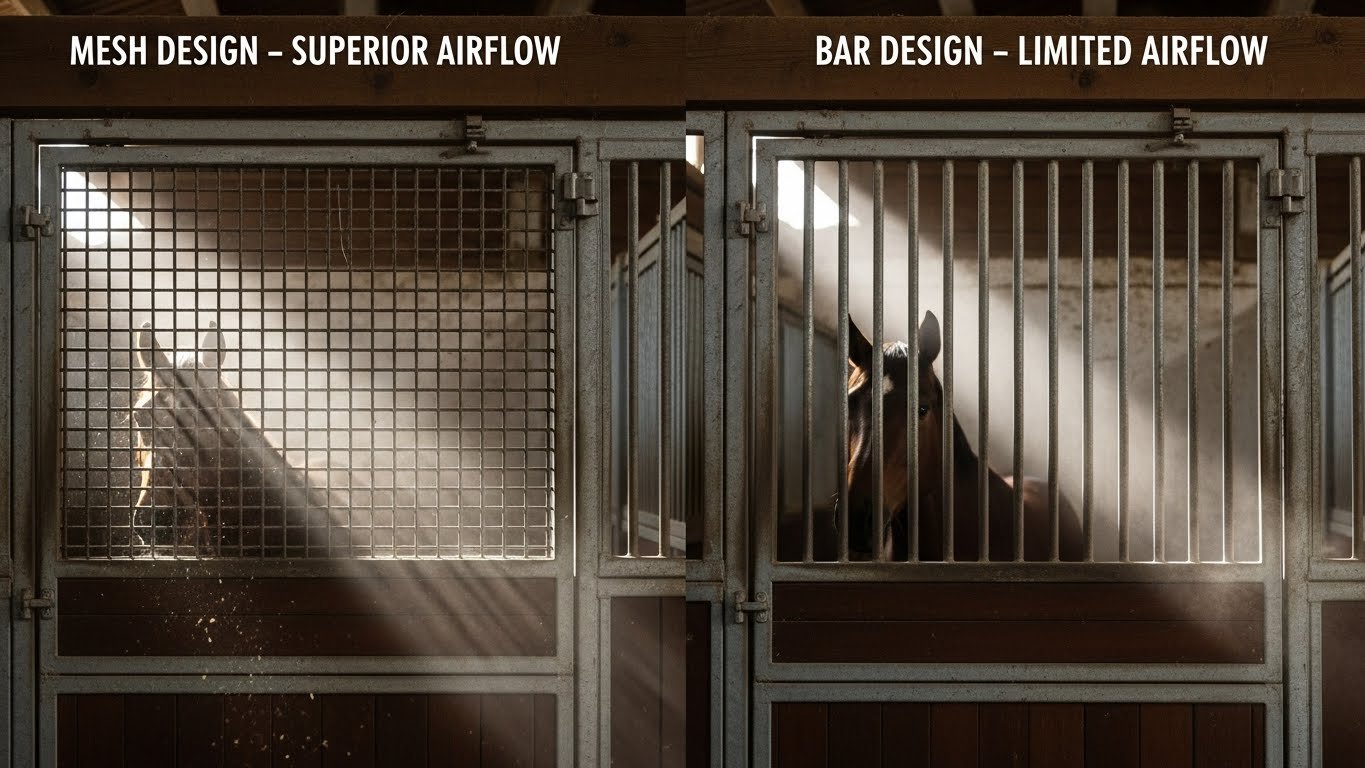
High-Density Polyethylene (HDPE) is a non-porous plastic that is completely hydrophobic, meaning it repels and does not absorb any water. By eliminating moisture absorption, it removes the essential element needed for mold and rot, providing a maintenance-free and permanent solution for wet or humid environments.
💡 Key Details:
- Category: Synthetic Materials
- Primary Use: Waterproof Panels & Boards
- Ideal For: Tropical & Marine Applications
| ✅ What We Love | ⚠️ Things to Consider |
|---|---|
|
|
Durable Horse Stables for Any Climate.

Der Fäulniskreislauf in Umgebungen mit hoher Luftfeuchtigkeit
In environments where humidity consistently exceeds 60%, a destructive cycle of mold germination and material decay begins. Porous materials like traditional timber absorb this ambient moisture, turning stable walls into a food source for fungus and leading to rapid structural failure. This presents a significant financial risk for stable owners and distributors through constant replacement costs and safety liabilities.
The 60% Humidity Threshold for Mold Germination
Fungal growth accelerates significantly once ambient humidity surpasses the 60% threshold. This level of moisture creates the ideal conditions for mold spores to germinate and begin the decay process, compromising both air quality and structural integrity inside the stable.
In warm, humid climates common in key markets like Australien, mold spores can begin to multiply in as little as 24 hours after settling on a damp, porous surface. This rapid timeline makes material choice a critical factor in preventing long-term damage and maintenance costs.
Elevated temperatures compound the issue. Warmer air holds more moisture and speeds up the metabolic processes of mold and mildew, turning a minor damp spot into a widespread contamination issue that can weaken stall partitions from the inside out.
How Porous Materials Fuel Fungal Growth
Porous materials, particularly untreated or standard-grade timber, act like sponges by absorbing moisture directly from the air. This saturation compromises the material’s strength and provides the water necessary for fungal colonies to thrive.
This absorbed water effectively turns the stall infill into a food source, providing the necessary fuel for mold colonies to expand. As the fungus consumes the organic material, it weakens the board, reducing its ability to withstand kicks and impacts, leading to safety hazards.
To protect our clients’ investment, we bypass this entire decay cycle. Our infill options are specifically engineered to be non-porous. Our UV-stabilized HDPE boards are 100% waterproof and offer a zero-maintenance solution, while our high-density strand-woven bamboo is inherently mold and rot-resistant. These materials do not absorb moisture, eliminating the food source for fungus and guaranteeing long-term structural stability in any climate.
Strand-Woven Bamboo: High Density Water Resistance
Our strand-woven bamboo infill offers exceptional durability and moisture resistance, making it a prime choice for high-end equestrian facilities. By engineering a high-density board that is three times harder than oak, we provide a long-lasting solution that withstands kicks and bites while naturally inhibiting mold and rot, protecting both your investment and animal health.
Engineered Density for Superior Hardness
We create our strand-woven bamboo by compressing bamboo fibers und
er extreme heat and pressure. This process produces an incredibly dense board with a Janka hardness rating that exceeds 3000 lbf. The result is an infill that is three times harder than standard oak, giving it superior resistance to damage from kicks, bites, and the general wear of a busy stable. This built-in toughness ensures fewer replacements and lower maintenance costs for facility owners.
Natural Resistance to Mold and Rot
The dense, non-porous structure of our strand-woven bamboo boards gives them an exceptionally low water absorption rate—just 0.4% over 24 hours. This inherent resistance to moisture is critical in damp climates, as it naturally prevents the growth of mold and mildew that can compromise air quality and structural integrity. While our bamboo is highly water-resistant, it is not completely waterproof. We always recommend ensuring proper barn drainage and ventilation to maximize the material’s lifespan and prevent warping from prolonged, direct water exposure.
HDPE: The Ultimate 100% Hydrophobic Solution
High-Density Polyethylene (HDPE) is a solid polymer that does not absorb moisture. Its non-porous surface prevents mold, rot, and bacteria from taking hold, creating a zero-maintenance infill solution that ensures long-term hygiene and durability for stable operators.
Why a Non-Porous Surface Prevents Mold Growth
Unlike porous materials like wood, our High-Density Polyethylene (HDPE) infill is a solid polymer. It’s completely non-absorbent, meaning it cannot take on moisture. This fundamental property creates a surface where mold, mildew, and bacteria have no substrate to grow, effectively eliminating the risk of rot from the start.
This quality is the foundation of our “Zero Maintenance” benefit for this material. Facility managers can pressure wash the stalls repeatedly to maintain high hygiene standards without worrying about the boards swelling, degrading, or warping. We also ensure our HDPE boards are UV stabilized, making them a reliable, long-term solution for operations in high-sunlight regions like Australia.
Durability and Ease of Cleaning for Stall Hygiene
We engineer our HDPE planks with a solid 28mm-32mm thickness to provide superior impact absorption. This construction withstands powerful kicks without splintering or cracking, delivering on our “Kick-Proof Guarantee” and protecting both the horse and the investment in the stable infrastructure.
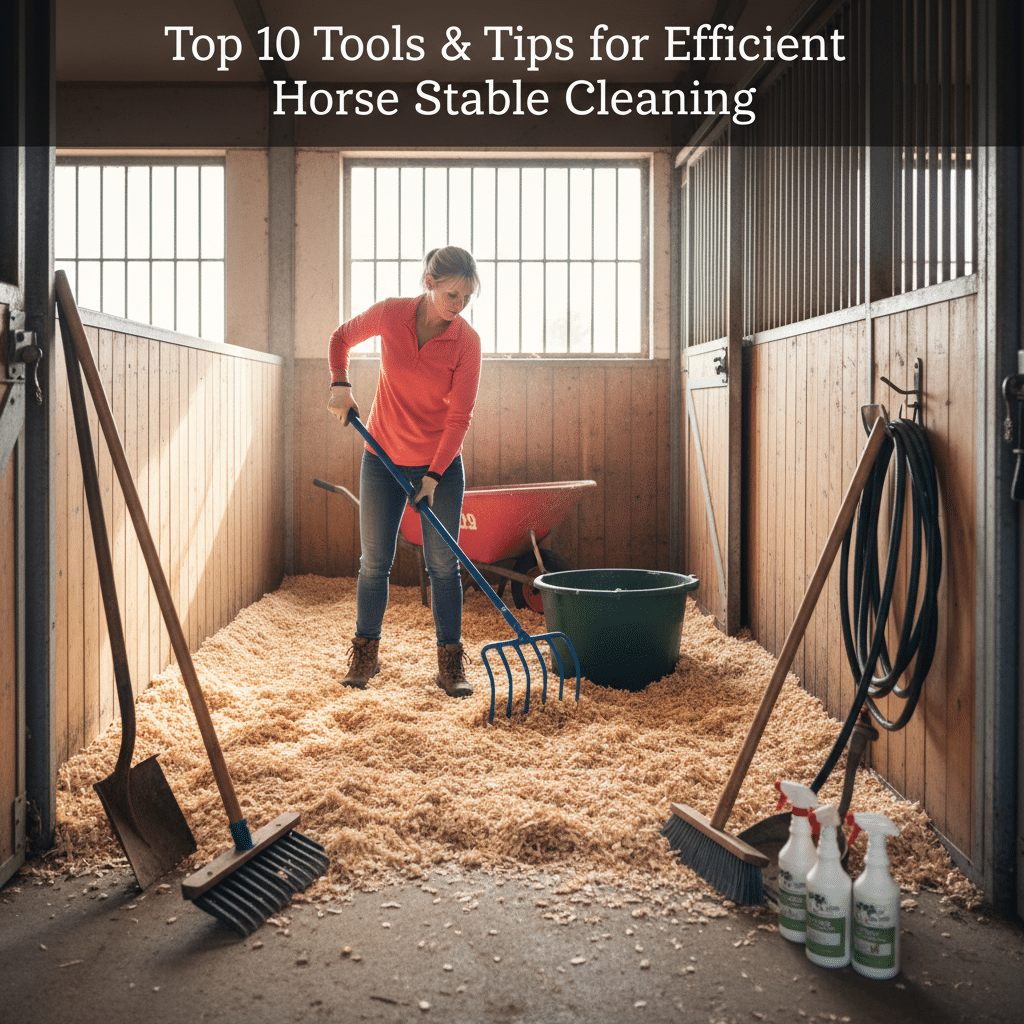
For commercial stables, hygiene management is critical to reducing costs and maintaining animal health. Because dirt and ammonia from urine cannot penetrate the non-porous surface of HDPE, sanitation is as simple as a wash-down. This eliminates the persistent cycle of moisture absorption, rot, and insect infestation that plagues traditional timber, saving significant time and money on upkeep.
Luftstromdesign zur Verhinderung tropischer Pilzinfektionen
Our stable systems combat tropical fungal infections by pairing intelligent airflow with moisture-proof materials. The open-grill design promotes natural ‘stack effect’ ventilation to continuously remove humid air, while non-porous HDPE and high-density bamboo infills prevent moisture absorption, eliminating the conditions mold and fungi need to thrive.
Promoting Natural Air Exchange with Kamineffekt-Belüftung
Effective ventilation works on a simple principle: warm, moist air naturally rises. A horse’s own body heat and breathing create this warm air inside the stall. We engineer our stable fronts and partitions with open-grill tops to harness this “Stack Effect Ventilation.” This design allows the warm, humid air to escape upwards into the barn’s larger air volume, which in turn pulls c
ooler, drier air in from below.
This constant, passive air exchange is vital in tropical climates. It stops stagnant, damp air pockets from forming and dramatically reduces the surface moisture that mold and fungi require to grow, protecting horse respiratory health.
Pairing Airflow with Hydrophobic Infill Materials
Ventilation is only half the solution if stall walls absorb and hold moisture. Porous materials like traditional wood can stay damp even with good airflow, creating a persistent breeding ground for fungi.
We solve this by pairing our airflow design with non-porous infill options. Our UV-stabilized HDPE offers a zero-maintenance solution, and our high-density strand-woven bamboo is three times harder than oak and naturally resists rot. These materials are hydrophobic and do not absorb moisture from the air. This ensures that wall surfaces dry quickly and completely, eliminating the damp environments needed for fungal growth and protecting your investment in both the facility and the animals.
Abschließende Überlegungen
Standard timber saves money only until the first rot repair invoice arrives. Our non-porous HDPE and high-density bamboo are engineered to break the decay cycle, protecting your projects from moisture damage and future warranty claims. This is how you build a reputation for climate-proof stable systems.
Data sheets can’t replace a hands-on evaluation. We recommend you request a sample kit to test the density of our bamboo and the solid finish on our HDPE. Contact our team to configure a trial container order and secure your wholesale pricing.
Häufig gestellte Fragen
Best horse stall material for high humidity?
For high-humidity climates, we recommend our UV-stabilized HDPE infill. It is a completely non-porous material, meaning it cannot absorb moisture or harbor mold. Unlike wood, our HDPE will not rot, swell, or warp, providing a true zero-maintenance solution that ensures long-term safety and durability in tropical or damp environments.
How to prevent mold on stable walls?
Preventing mold starts with an engineered system. Our stable walls are designed to combat moisture on two fronts. First, the hot-dip galvanized steel frame is inorganic and resists fungal growth. Second, you can pair it with our non-porous HDPE or our high-density, rot-resistant bamboo infill. Both options eliminate the organic, moisture-absorbing surfaces that mold needs to thrive.
Does bamboo stable board rot?
Our high-density, strand-woven bamboo is engineered to be exceptionally resistant to rot and mold. Unlike traditional timber, its dense composition (Janka Hardness > 3000 lbf) and specialized manufacturing process prevent moisture from penetrating the board. This makes it a tough, durable choice that stands up well to humid conditions and frequent washing.
Is HDPE plastic waterproof?
Yes, absolutely. Our HDPE (High-Density Polyethylene) is a non-porous polymer, making it 100% waterproof. It cannot absorb water, which means it will never swell, crack, or warp due to moisture exposure. This is why we specify it as our zero-maintenance infill option, perfect for wash-down stalls and challenging, wet climates.
Ventilating a barn in the tropics?
Proper ventilation is a core feature of our stable designs, especially for tropical regions. Our stable fronts and partitions feature an open-top grill design that promotes natural “stack effect ventilation.” This allows warm, humid air to rise and escape while drawing cooler, fresh air in from below, which significantly reduces ambient humidity and prevents stale air buildup.

 German
  English
  Spanish
  French
  Arabic
0 Kommentare