



A clear Global Warranty & Parts strategy is essential for protecting distributor margins from post-sale service costs. A single failed latch or damaged plank can trigger expensive claims and damage your reputation if replacement components are weeks away at the source factory.
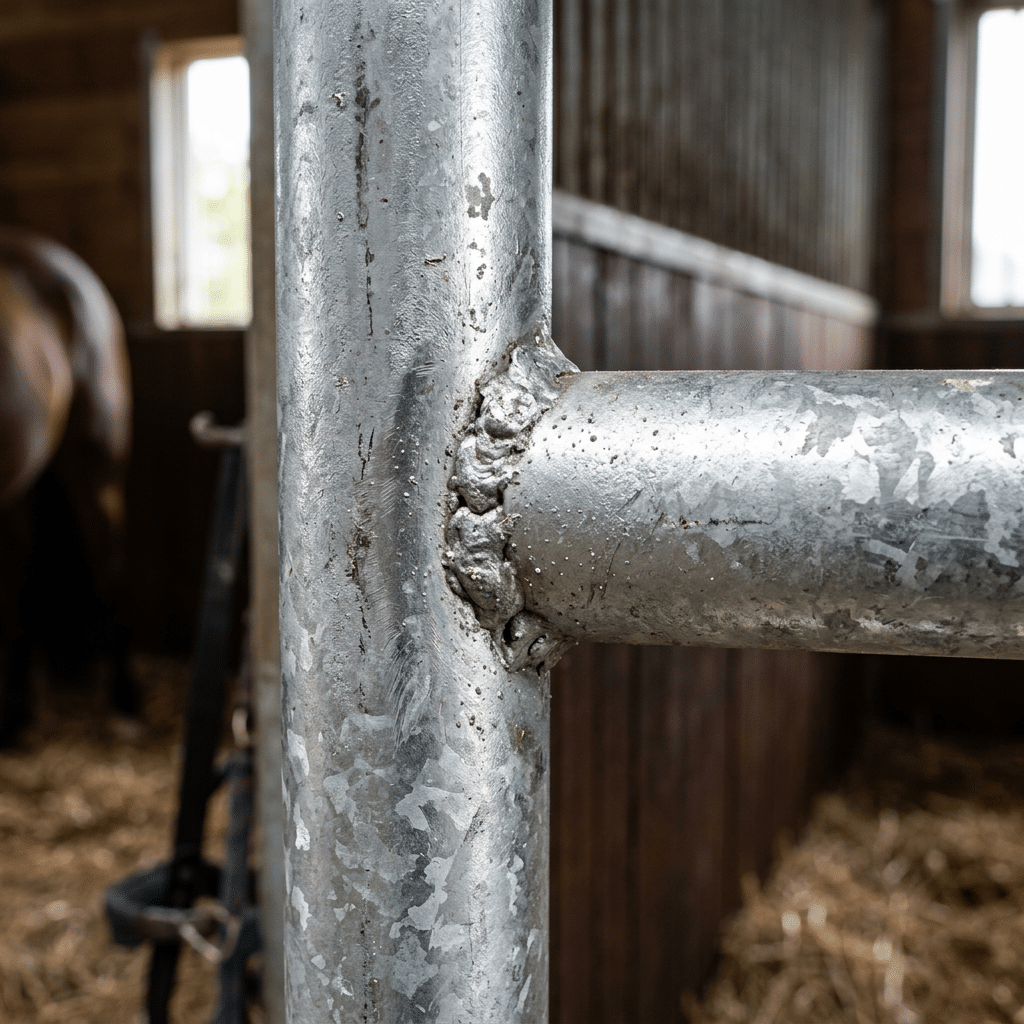
This framework outlines a support system built on standardized components. Every stable order includes a complete hardware kit with 304 stainless steel fittings and a cold galvanizing touch-up spray, minimizing the need for complex part requests and enabling rapid local fulfillment.
Decoding Shipping Jargon for Large-Scale Importers
Understanding terms like Incoterms (FOB, CIF) and freight types (FCL) is critical for managing costs. The Commercial Invoice must have the correct HS Code, like 7308.90 for steel structures.
Core Terms: Incoterms and Freight Types
Shipping terms, or Incoterms, define who pays for each leg of the journey. A term like CIF (Cost, Insurance, and Freight) means the seller handles shipping to your port. DDP (Delivered Duty Paid) means the seller handles everything, including import duties, right to your door. The choice directly impacts your landed costs and operational control.
Freight is also classified by size. Large orders for stable systems almost always ship via FCL (Full Container Load), using dedicated 20ft or 40ft containers. This is more secure and cost-effective than LCL (Less than Container Load), where your goods share space with other shipments.
Practical Data: HS Codes and Container Loading
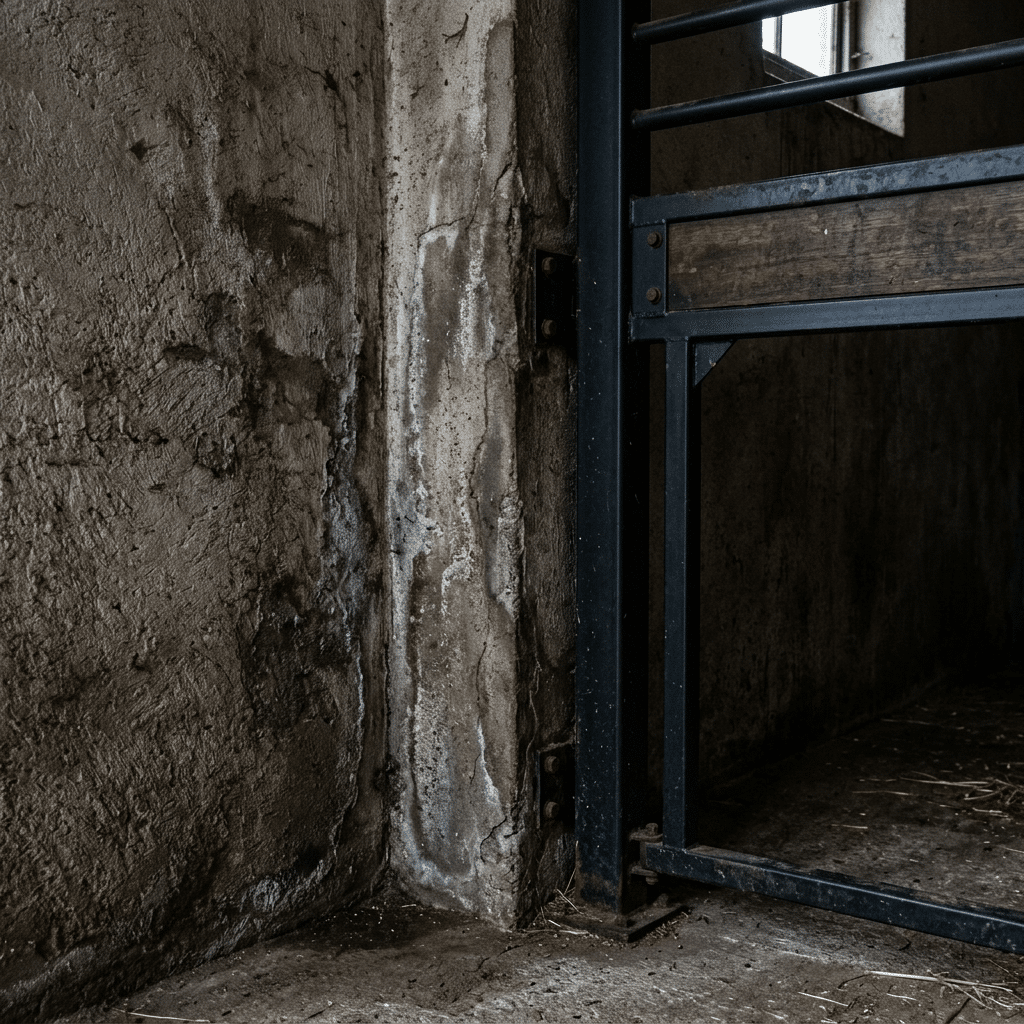
Getting the customs classification right is non-negotiable. We use the Harmonized System (HS) code 7308.90 for our stable systems. This correctly identifies them as steel structures, not prefabricated buildings, which prevents customs delays and unexpectedly high tariffs.
Logistics efficiency is where distributors protect their profit. A standard 40HQ FCL shipment holds between 30 to 45 of our flat-pack stable sets. This high loading density is a direct result of our packaging design and significantly lowers the per-unit freight cost compared to fully-welded alternatives.
The CIF Trap: Hidden Destination Terminal Handling Charges (DTHC)
Destination Terminal Handling Charges (DTHC) are unloading fees often excluded from CIF quotes. Buyers face an unexpected bill of $300-$500+ per container upon arrival.
Why DTHC is a Common ‘Hidden’ Cost
Under CIF (Cost, Insurance, and Freight) terms, the responsibility for unloading fees is ambiguous. It depends on the selle
r’s private contract with the shipping carrier, not the Incoterm itself. This leaves the buyer exposed to charges they didn’t negotiate and can’t control once the container arrives.
These charges are billed separately at the destination port and cover the real costs of handling your container. In major ports across the U.S. or Australia, these unexpected fees can easily add $300-$500 per container. DTHC typically includes:
- Discharging the container from the vessel.
- Movement and stacking within the container yard.
- Administrative or customs inspection fees.
Protecting Budgets with High-Density Packing
You can’t always avoid surprise fees, but you can build a financial buffer to absorb them. This is where logistics-focused packaging becomes a critical tool for budget protection. By maximizing the value shipped in each container, you lower the landed cost per unit, creating a margin of safety.
The DB Stable flat-pack system was engineered for this purpose. The numbers show the difference:
- DB Stable Flat-Pack: Loads 30-45 stable sets into a single 40HQ container.
- Traditional Welded Stables: Fit only 12-15 sets in the same container.
This high-density packing saves our distributors over 60% on ocean freight. This strategy provides “Profit Protection” by creating enough savings on the front end to easily cover unexpected ancillary costs on the back end. Your overall budget remains secure.
Global-Ready Stables Engineered to Last
Why FOB (Free On Board) Gives You Maximum Control
FOB puts you in charge of the entire shipping process after goods are on the vessel. You choose the carrier, negotiate rates, and manage clearance to fit your budget.
Directly Managing Freight, Insurance, and Costs
When you operate under FOB terms, you stop being a passive recipient of the supplier’s shipping choices. You take direct control of the key commercial levers that determine your landed cost and delivery schedule. This creates a transparent and predictable cost structure.
- It allows for direct negotiation with freight carriers to secure better rates and more efficient shipping routes.
- You can select an insurance provider that matches your specific coverage needs and risk tolerance, not just a default minimum.
- It separates the product price from shipping, port, and customs fees, giving you a clear view of where your money is going.
Leveraging DB’s Flat-Pack System for Container Optimization
Gaining control with FOB is only half the battle; you also have to use that control effectively. Our steel pallet flat-pack engineering is designed so distributors can maximize the value of every container they book and protect their profit margins.
| Metrisch | DB Flat-Pack System | Traditional Welded Designs |
|---|---|---|
| Loading Capacity (40HQ Container) | 30-45 Stable Sets | 12-15 Stable Sets |
| Impact on Distributor Profit | Saves over 60% on ocean freight per unit, directly protecting your margin. | Dramatically increases the landed cost per unit, eroding profit. |
DDP (Delivered Duty Paid): The “Hands-Off” Premium Option
DDP (Delivered Duty Paid) means the seller assumes full responsibility for all costs and risks to deliver goods to your final destination, making it a true hands-off process for you.
The Seller’s Responsibility: From Our Factory to Your Doorstep
When you choose DDP, we manage the entire logistics chain from start to finish. You don’t have to deal with freight forwarders, customs brokers, or surprise fees. Our team handles everything.
- All transportation costs from our factory floor to your final named destination.
- Management and submission of all export and import customs clearance documents.
- Payment of all duties, taxes, and VAT. The price you’re quoted is the price you pay.
How Our Flat-Pack Logistics Protect Your DDP Margins
A premium service like DDP only works if the numbers make sense. Shipping fully welded stables is extremely expensive and destroys distributor margins. We engineered a solution with our Steel Pallet Flat-Pack system. This allows us to load 30-45 stable sets into one 40HQ container, a 60%+ freight saving compared to the 12-15 sets of a traditional welded competitor. This efficiency directly protects your profit, making an all-inclusive DDP price viable.
Cargo Insurance: Protecting $50k of Steel at Sea
Carrier liability is often limited to just $500 per container. For a $50,000 steel shipment, dedicated cargo insurance is the only way to protect your investment against damage or loss.
Why Carrier Liability Fails to Protect High-Value Goods
Shipping carriers operate under maritime laws like COGSA, which severely limits their financial responsibility for lost or damaged goods. This standard liability is often capped at about $500 per container, regardless of what’s inside. For a $50,000 shipment of steel, this leaves your entire investment exposed.
A dedicated cargo insurance policy bridges this massive financial gap. It provides real coverage for the actual value of your goods against risks that carriers don’t cover, like damage from rough seas, equipment failure, handling errors, fire, or water intrusion.

Selecting the Right Policy for Your Shipment Frequency
The right policy depends on how often you move freight. If you only have a one-off shipment, a Single Voyage Policy makes the most sense. It provides specific coverage for one container on a single trip from origin to destination.
For businesses that ship regularly, an Open Cover Policy is a more practical solution. This acts as an umbrella agreement, offering ongoing protection for all your shipments over a set period. You get pre-agreed terms and rates, which simplifies paperwork and ensures you’re always covered without having to buy a new policy for every order.
Häufig gestellte Fragen
What is the difference between FOB and CIF shipping terms?
The main difference is who pays for shipping and insurance. With FOB (Free On Board), the buyer manages and pays for the main freight and insurance. With CIF (Cost, Insurance, and Freight), the seller pays for these services, but the risk of loss transfers to the buyer as soon as the goods are loaded onto the ship.
Which shipping term is best for importing heavy steel products like horse stables?
FOB (Free On Board) is often the best choice for heavy steel products. It gives you direct control over selecting your freight carrier and negotiating shipping rates, which leads to better cost transparency. While CIF is an option, FOB prevents the risk of hidden destination fees sometimes associated with seller-arranged shipping.
Who is responsible for paying for marine cargo insurance?
This depends on the agreed Incoterms. The seller is only required to provide insurance under CIF and CIP terms. For most other terms, including FOB where the buyer bears the risk during transit, the buyer is responsible for arranging and paying for their own insurance coverage.
Are there hidden fees associated with CIF shipping?
Yes, CIF shipping can sometimes come with undisclosed destination charges. Because the seller’s forwarder controls the shipment, the destination agent they partner with may bill the buyer for various fees like import service fees or handling charges before releasing the cargo.
Is DDP (Delivered Duty Paid) a safe option for large stable orders?
For a buyer, DDP can be very safe as the seller handles all risks, costs, and customs clearance until the stables arrive at your location. The safety of this arrangement relies entirely on your supplier’s expertise in your country’s import regulations. It works best with highly experienced, reputable sellers.
Abschließende Überlegungen
While fully welded stables seem cheaper on paper, our Steel Pallet Flat-Pack system is engineered to protect your profit margin on the water. Loading over 30 sets per container provides the financial buffer needed to absorb hidden port fees and lock in your landed cost. This logistics-first approach ensures the inventory you receive is commercially viable from day one.
Don’t guess on your landed costs—validate them. Request a formal FOB or DDP quotation to see a transparent breakdown of your total investment. Our team will provide a container loading plan that confirms your profit margin before any commitment is made.


 German
  English
  Spanish
  French
  Arabic
0 Kommentare