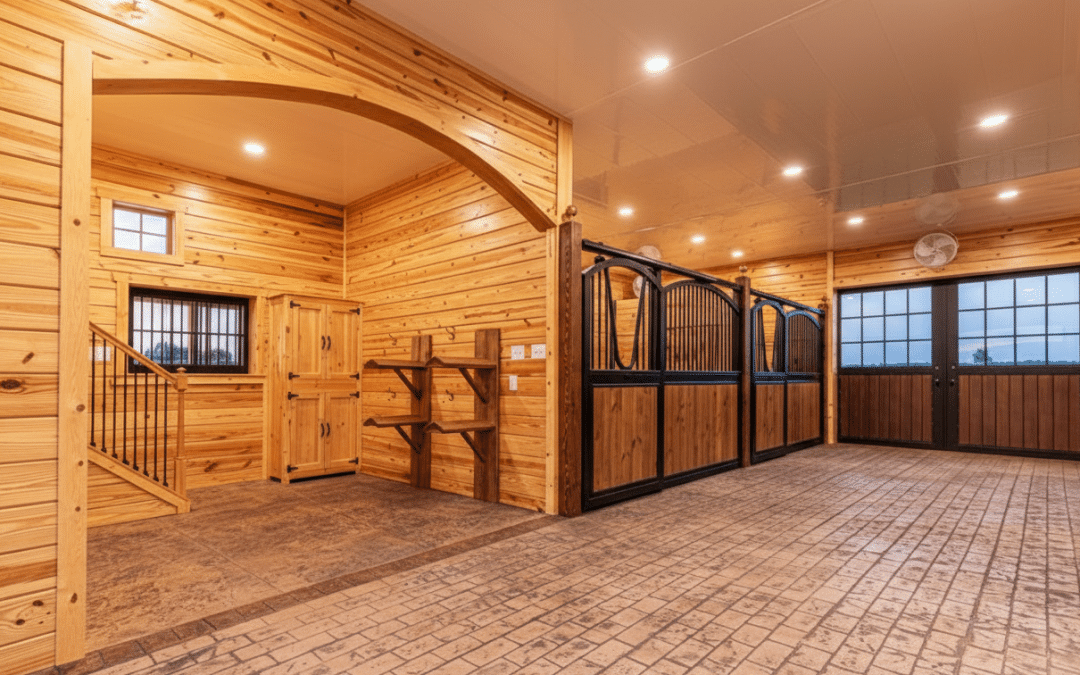
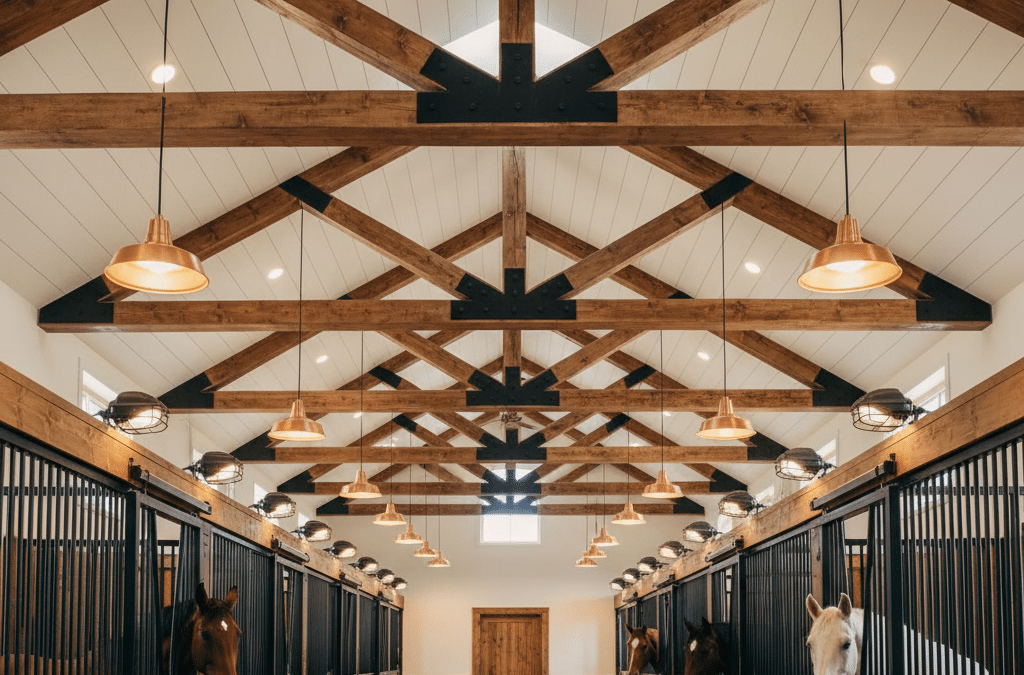
Choosing between European style horse stalls and American designs goes beyond aesthetics. European stalls are defined by their ‘heavy column’ appearance and elegant finishes, but American stalls prioritize linear function and structural durability. The...
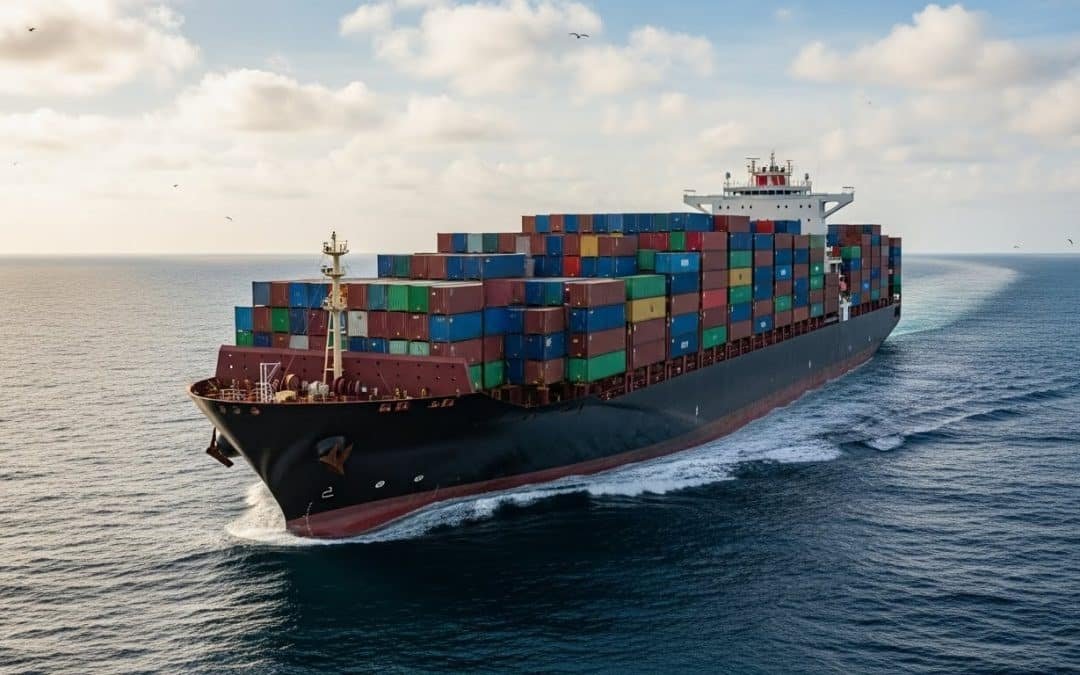
For U.S. importers, deciding between West Coast and East Coast ports is a constant trade-off between speed and cost. Shipping to the West Coast is faster, but your cargo still has to get inland. Sending it directly to the East Coast takes longer but can avoid domestic...
Losing an original Bill of Lading can hold your cargo hostage. Because this document is the title to your goods, its loss can block cargo release and force you to secure a bank guarantee worth up to 300% of the shipment’s value. With an estimated 40% of...
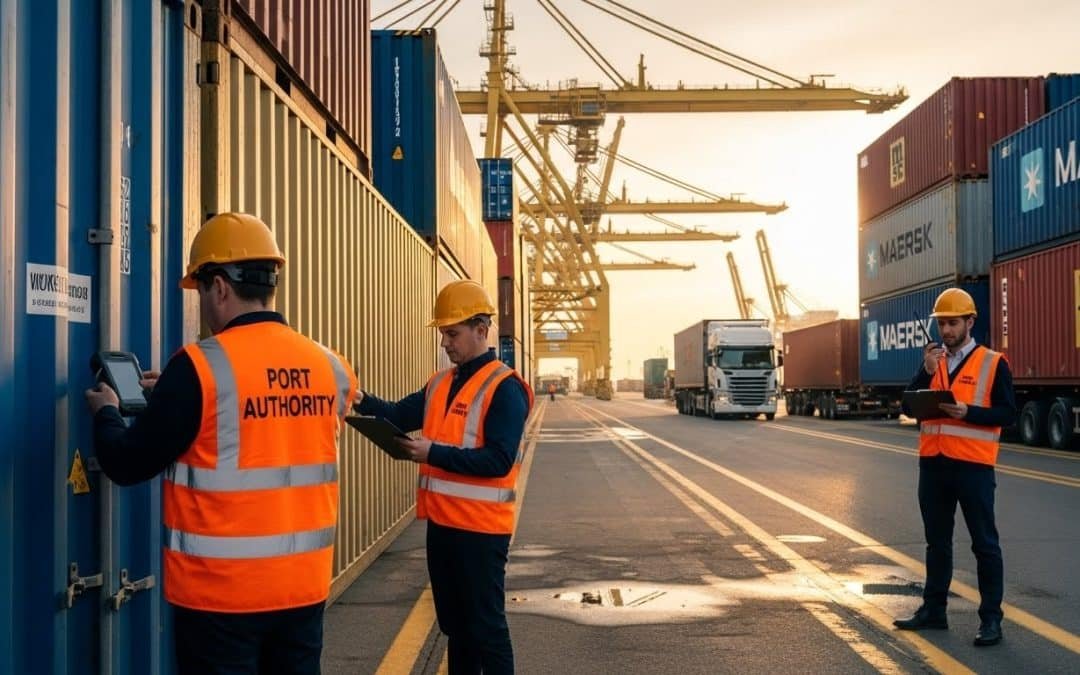
It’s one of the most frustrating updates for any importer: your container has been flagged for a customs exam. These delays often feel random, but they are driven by sophisticated risk-assessment algorithms. What starts as a simple flag can quickly lead to unexpected...
Unexpected shipping fees can quickly ruin a project’s budget. Demurrage and detention charges are often the cause, with daily penalties that start between $75 and $150 per container and can quickly escalate. These costs accumulate quietly but can add thousands...
When a shipment arrives damaged, you have to act fast. Signing the delivery receipt without noting the damage can get your entire shipping insurance claim denied. This simple mistake legally establishes that the goods arrived in perfect condition, leaving you to cover...



![European vs. American Materials: Why “Euro” Stalls Use [Heavy Steel]](https://dbhorsestable.com/wp-content/uploads/2025/12/European-vs.-American-Materials-Why-Euro-Stalls-Use-Heavy-Steel-1080x675.jpeg)

 English
  Spanish
  French
  Arabic
  German