

إن إصلاح الأرضيات غير المستوية هو العامل الحاسم بين تركيب باب الحظيرة الناجح والفشل المكلف. فالباب الذي يتعرض للخدش أو الالتصاق أو التعليق المعوج لا يضر بالمنتج فحسب، بل يؤدي إلى شكاوى فورية من العملاء واستدعاءات مكلفة ومضرة بالسمعة.
يوضح هذا الدليل بالتفصيل الطرق الفنية للحل الدائم. نحن نحلل تقنية الحك والقطع للخرسانة المنحدرة مقابل استخدام أنظمة الأجهزة القابلة للتعديل للتعديلات التحديثية، مما يضمن تأرجحًا مثاليًا دون المساس بالسلامة الهيكلية للباب.
فك شفرة مصطلحات الشحن للمستوردين الكبار
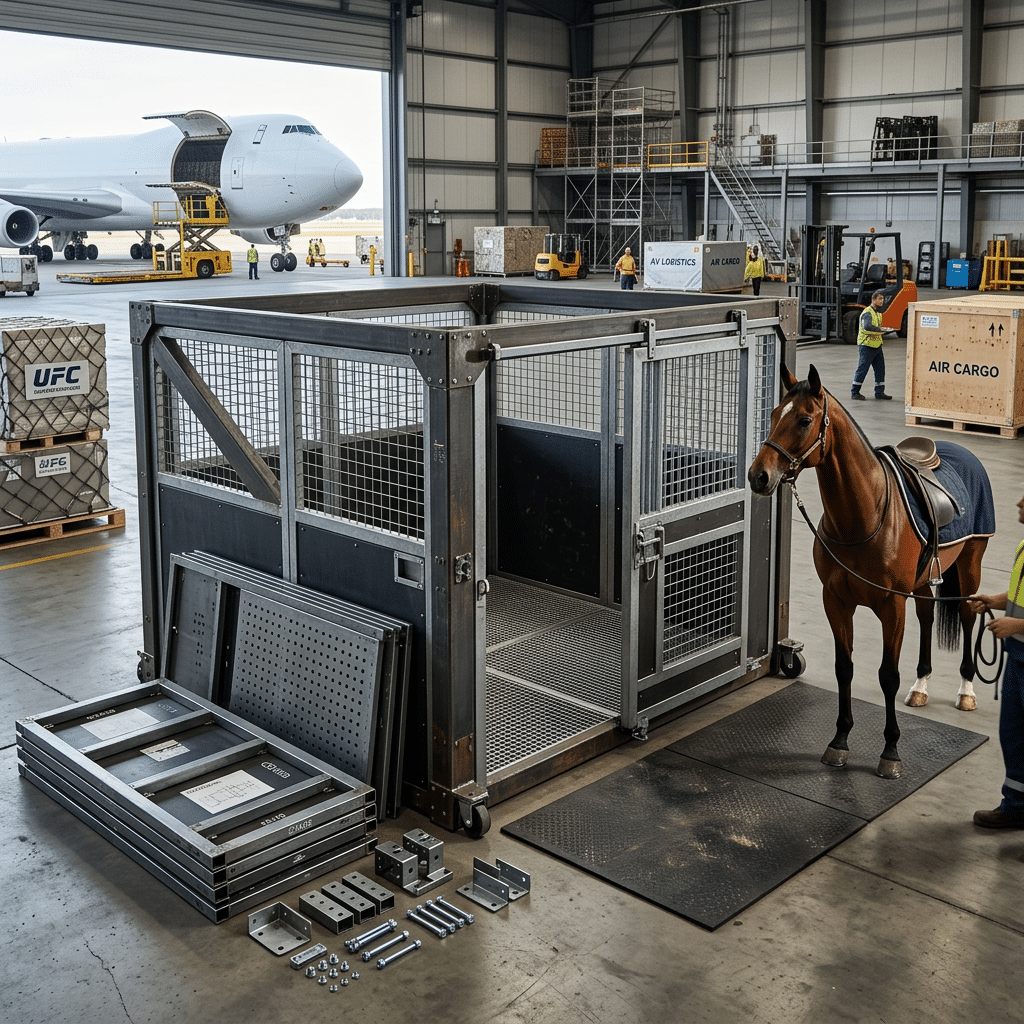
يقوم نظامنا المسطح بتحميل ما يصل إلى 45 مجموعة ثابتة في حاوية واحدة، مما يقلل بشكل كبير من تكاليف الشحن لكل وحدة ويحمي أرباح الموزعين.
فهم حمولات الحاويات (FCL مقابل LCL) ورموز النظام المنسق (HS)
بالنسبة للشحن البحري، لديك خياران أساسيان يحددان حجم طلبك وتكلفته. FCL (حمولة حاوية كاملة) يعني أنك تحجز حاوية كاملة، وهو ما يفعله موزعونا لطلبات 40HQ. أما LCL (أقل من حمولة حاوية) فهو للشحنات الأصغر، مثل طلب تجريبي من 3 إلى 5 حاويات مستقرة، حيث تتشارك بضائعك المساحة مع الآخرين. يؤثر اختيارك بشكل مباشر على تكلفة الوحدة الواحدة.
رمز النظام المنسق هو جزء غير قابل للتفاوض في التخليص الجمركي. نصنف هياكلنا المستقرة تحت **رمز النظام المنسق 7308.90**. هذا الرمز ضروري لضمان عملية جمركية سلسة ويمنع تعرض شحنتك لتعريفات غير صحيحة أو تأخيرات تنظيمية. إن القيام بذلك بشكل صحيح منذ البداية يجنبك المشاكل المكلفة في الميناء.
كيف تحمي هندسة العبوات المسطحة تكاليف الشحن الخاصة بك
يمكن أن تدمر تكاليف الشحن هوامش أرباحك إذا لم تتم إدارتها بشكل صحيح. الإسطبلات الملحومة بالكامل ضخمة الحجم وغير فعالة للشحن؛ يمكنك فقط وضع 12-15 مجموعة في حاوية 40HQ. لقد حللنا هذه المشكلة. صُمم نظامنا المسطح المسطح ذو المنصات الفولاذية الخاص بنا لزيادة كل بوصة من مساحة الحاوية إلى أقصى حد، مما يسمح لنا بتحميل **30-45 مجموعة ثابتة** في نفس الحاوية ذات سعة 40HQ.
وتعني كثافة التحميل القصوى هذه أن تكلفة الشحن لكل إسطبل أقل بكثير. هذه ليست مجرد ميزة مريحة؛ بل هي جوهر استراتيجية ‘حماية الأرباح’ التي نتبعها لعملاء B2B. ومن خلال تقليل التكلفة المُنزَلة، نمنحك مساحة أكبر للهامش وميزة تنافسية كبيرة في السوق المحلية.
فخ CIF: رسوم المناولة الخفية لمحطة الوجهة النهائية (DTHC)
بموجب شروط CIF، تنتهي مهمة البائع في ميناء المنشأ. وهذا يجعلك مسؤولاً عن رسوم مناولة محطة الوجهة غير المتوقعة (DTHC) التي لا ترد في عرض الأسعار الخاص بك.
تحديد تقسيم مسؤولية التكلفة
يتعرض العديد من المستوردين للحرق من قبل CIF (التكلفة والتأمين والشحن). حيث يدفع البائع ثمن الشحن البحري والتأمين لإيصال الشحنة إلى
الميناء، ولكن التزاماتهم المالية تتوقف عند هذا الحد.
بمجرد وصول السفينة، فإنك تتحمل المسؤولية عن كل التكاليف المتكبدة في الوجهة. ويشمل ذلك تكاليف تفريغ الحاوية ونقلها داخل المحطة والرسوم الإدارية.
تُعد رسوم الوجهة هذه جزءًا قياسيًا من عملية الشحن. وهي ليست اختيارية وليست مشمولة في السعر ‘المدفوع للشحن’ CIF الذي وافقت عليه.
كيف تحمي لوجستيات العبوات المسطحة هامش الربح لديك
في حين أن تكلفة DTHC هي تكلفة ثابتة لكل حاوية، يمكنك تخفيف تأثيرها. المفتاح هو زيادة عدد الوحدات القابلة للبيع التي يمكنك وضعها داخل تلك الحاوية.
يسمح لنا نظامنا المسطح المعبأ على منصات التحميل الفولاذية بتحميل 30-45 طقم إسطبلات في حاوية واحدة سعة 40 هكتار. وعلى النقيض من ذلك، لا تتسع الإسطبلات الملحومة التقليدية إلا لـ 12-15 طقمًا فقط.
إن كفاءة الشحن هذه تقلل بشكل كبير من التكلفة النهائية لكل وحدة. فهي توفر هامشاً احتياطياً مهماً، مما يساعد عملاءنا من الشركات على تعويض الرسوم الثابتة وحماية ربحيتهم.
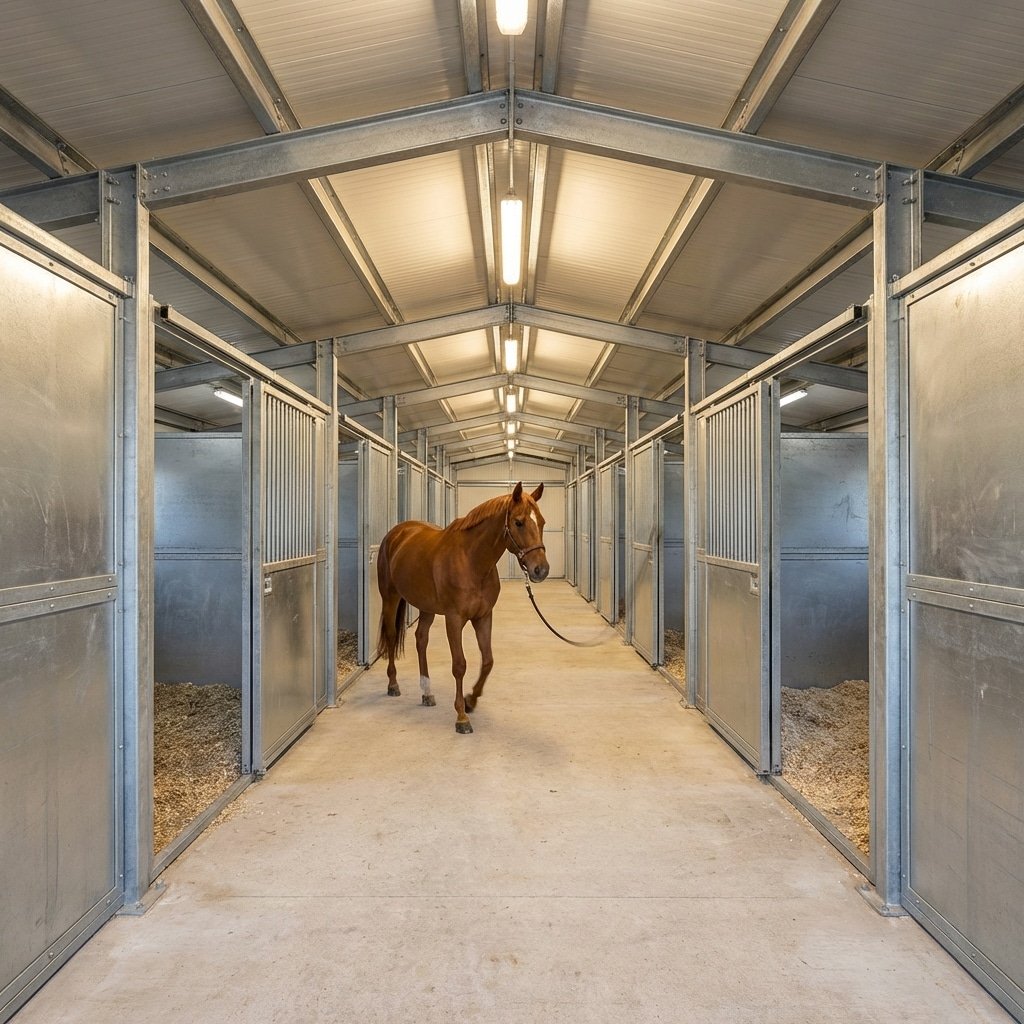
إسطبلات مصممة هندسيًا مصممة لعقود من الاستخدام.
لماذا تمنحك FOB (مجاناً على متن الطائرة) أقصى قدر من التحكم
يتيح لك نظام فوب (FOB (مجاني على متن الطائرة) التحكم الكامل في شحنتك. أنت تختار شركة الشحن، وتدير التكاليف مباشرةً، وتتولى التأمين الخاص بك. وبفضل تصميمنا المسطح، يمكنك وضع المزيد من الإسطبلات في كل حاوية، مما يقلل بشكل كبير من تكاليف الشحن لكل وحدة.
| المكوّن اللوجستي | من لديه السيطرة بموجب قانون فوب |
|---|---|
| ناقل الشحن والمسار | أنت (المشتري) |
| تكاليف الشحن والتأمين البحري | أنت (المشتري) |
| جمارك الوجهة والوثائق | أنت (المشتري) |
السلطة المباشرة على لوجستياتك
يعني استخدام شروط الشحن على أساس التسليم على ظهر السفينة (فوب) أنك أنت من يقرر بمجرد تحميل منتجك على السفينة. أنت تختار وكيل الشحن الخاص بك، مما يسمح لك باختيار الناقل والمسار الذي يناسب جدولك الزمني وميزانيتك، وليس وكيل المورد الخاص بك. وهذا يمنحك تحكماً مباشراً في تكاليف الشحن الرئيسية وأي ترتيبات تأمين، لذلك لا توجد رسوم خفية أو رسوم مبالغ فيها من وكلاء غير معروفين في ميناء الوجهة. يمكنك أيضاً إدارة التخليص الجمركي، مما يبسط العملية ويحافظ على إمكانية التنبؤ بسلسلة التوريد الخاصة بك.
كيف يحمي تصميم العبوات المسطحة أرباحك
يكون التحكم الذي تحصل عليه مع نظام فوب أكثر فعالية عندما يمكنك زيادة مساحة الحاوية إلى أقصى حد. وقد صُمم نظامنا المسطح المسطح لمنصات التحميل الفولاذية لهذا الغرض. تتسع حاوية 40HQ القياسية لما يتراوح بين 30 و45 من أطقمنا المستقرة. وهذا أكثر من ضعف الـ 12 إلى 15 طقمًا التي يمكنك تركيبها مع الإسطبلات الملحومة التقليدية. هذا التحميل عالي الكثافة يقلل بشكل كبير من تكلفة الشحن لكل إسطبل، مما يحمي هوامش أرباحك بشكل مباشر. نسمي هذه الاستراتيجية ‘حماية الأرباح’ للموزعين. فهي تتيح لك الاستفادة الكاملة من سلطة توفير التكاليف التي توفرها FOB.
DDP (تسليم مدفوع الرسوم المدفوعة): خيار قسط “عدم التسليم”
DDP يعني أن البائع يتولى جميع مخاطر الشحن والتكاليف والجمارك حتى وصول البضائع إلى باب منزلك. ستحصل على سعر واحد شفاف وشامل دون أي مفاجآت.
المسؤولية الكاملة للبائع: ما يغطيه DDP
مع اتفاقية DDP، يتحمل البائع أقصى قدر من الالتزامات. لا يتعلق الأمر بالشحن فقط؛ بل يتعلق بالتعامل مع كل خطوة على حدة حتى يصبح المنتج جاهزًا لك لتفريغه في موقعك المحدد. نحن ندير العملية بأكملها.
- جميع تكاليف الشحن من مصنعنا مباشرةً إلى وجهتك النهائية.
- المسؤولية الكاملة عن كل من التخليص الجمركي للتصدير والاستيراد، بما في ذلك إدارة جميع الأوراق المطلوبة.
- الدفع المسبق لجميع رسوم وضرائب الاستيراد، مثل ضريبة القيمة المضافة أو ضريبة السلع والخدمات في بلدك.
تبسيط الميزانيات للموزعين والمشاريع الكبيرة
لعملاء B2B,
التكاليف التي يمكن التنبؤ بها أمر بالغ الأهمية. إن برنامج DDP يزيل التخمين ويحمي هوامش أرباحك من الرسوم غير المتوقعة التي يمكن أن تعرقل ميزانيات المشاريع أو تلتهم الأرباح.
- يمكنك الحصول على تكلفة واحدة نهائية واحدة. وهذا أمر ضروري لوضع ميزانية دقيقة، خاصةً في منشآت الفروسية الكبيرة التي يتم فيها حساب كل دولار.
- فهو يزيل المخاطر اللوجستية والرسوم المفاجئة لموزعينا، وهو ما يدعم بشكل مباشر استراتيجية “حماية الأرباح” التي نتبعها مع شركائنا.
- يمكن لعملاء B2B لدينا تركيز طاقتهم على المبيعات والتركيب بدلاً من التورط في إدارة عمليات الشحن الدولي المعقدة والوسطاء الجمركيين.
التأمين على البضائع: حماية $50k من الفولاذ في البحر
تحدد مسؤولية الناقل القياسية بـ $500. ومقابل قسط صغير، يحمي تأمين الشحنات القيمة الكاملة لشحنة الصلب $50,000 من المصنع إلى مستودعك.
المخاطر العالية لمسؤولية الناقل المحدودة
يعد الاعتماد على مسؤولية الناقل البحري مخاطرة مالية كبيرة. فبموجب القوانين الدولية مثل قانون نقل البضائع عن طريق البحر (COGSA)، غالبًا ما تقتصر مسؤولية الناقل عن البضائع المفقودة أو التالفة على $500 فقط لكل حاوية. لا يهم ما بداخلها.
بالنسبة لشحنة من إسطبلات الصلب التي تبلغ قيمتها 1TP450,000 تيرابايت، فإن هذا يخلق خسارة محتملة غير مغطاة تبلغ 1TP4,500 تيرابايت إذا فُقدت الحاوية أو تلفت في البحر. هذه الفجوة كبيرة جدًا بحيث لا يمكن لأي شركة جادة تجاهلها.
ما تشمله تغطية ‘من المستودع إلى المستودع
يوفر تأمين الشحن المناسب تغطية “من المستودع إلى المستودع”. تحمي هذه البوليصة استثمارك من اللحظة التي تغادر فيها البليتات الفولاذية المسطحة من المصنع حتى وصولها بأمان إلى مستودع الاستلام الخاص بك. وهي تغطي كامل القيمة المعلنة للبضائع.
يشمل ذلك الخسائر المادية أو الأضرار الناجمة عن أحداث العبور الشائعة مثل البحار الهائجة وانزياح الحاويات وتسرب المياه وحوادث التحميل وغيرها من الأخطار. وهو يغلق فجوة المسؤولية $49,500 ويؤمن رأس مالك.
الأسئلة المتداولة
ما هو الفرق بين شروط الشحن على أساس التسليم على ظهر السفينة (فوب) وCIF؟
فوب (مجانًا على ظهر السفينة) وسيف (التكلفة والتأمين والشحن) يحددان من يدفع ثمن الشحن ومتى تنتقل المخاطر. في حالة FOB، يدفع المشتري تكاليف الشحن والتأمين بمجرد تحميل البضاعة على متن السفينة، وتنتقل المخاطر عند هذه النقطة. في حالة CIF، يغطي البائع هذه التكاليف حتى تصل البضائع إلى ميناء الوجهة، مما يبسّط الخدمات اللوجستية للمشتري ولكن غالبًا ما يخفي رسومًا إضافية.
هل شحن DDP (التسليم عند التسليم بالرسوم المدفوعة) خيار آمن للطلبات الكبيرة؟
نعم، يعتبر DDP آمنًا بشكل عام للطلبيات الكبيرة عندما يتم التعامل معه من قبل بائع متمرس. يتحمل البائع جميع التكاليف والمخاطر ومسؤوليات التخليص الجمركي حتى التسليم النهائي. وهذا يحمي المشتري من الرسوم المفاجئة ولكنه يتطلب ثقة كبيرة في قدرة البائع على التعامل مع لوائح الاستيراد المعقدة.
هل هناك رسوم خفية عند استخدام الشحن CIF من الصين؟
نعم، من المعروف أن شحنات CIF من الصين لها تكاليف خفية. غالبًا ما يتم تعويض السعر المبدئي المنخفض برسوم مناولة الوجهة المتضخمة ورسوم أخرى مثل رسوم خدمة الاستيراد الصينية (CISF). تتم محاسبتك على هذه الرسوم من قِبل وكيل محلي قبل أن يتم الإفراج عن بضائعك، وأحيانًا ما تضاعف تكلفة الشحن الأصلية.
ما هو أفضل مصطلح Incoterm لاستيراد منتجات الصلب الثقيلة مثل إسطبلات الخيول؟
فوب (مجانًا على ظهر السفينة) و CIF (التكلفة والتأمين والشحن) هما الخياران الأكثر شيوعًا للصلب الثقيل. يمنح فوب المشترين ذوي الخبرة مزيدًا من التحكم في تكاليف الشحن والخدمات اللوجستية. أما CIF فهو أبسط، حيث يقوم البائع بترتيب الشحن والتأمين، ولكن من المهم أن تكون على دراية برسوم الوجهة الخفية المحتملة.
من المسؤول عن دفع تكاليف التأمين على البضائع البحرية؟
تعتمد المسؤولية عن التأمين على شروط التجارة الدولية المتفق عليها. فبموجب شروط CIF، يُطلب من البائع صراحةً ترتيب التأمين ودفع تكاليفه. أما بالنسبة لمعظم الشروط الشائعة الأخرى، بما في ذلك التسليم على ظهر السفينة، فإن المخاطر تنتقل إلى المشتري بمجرد تحميل البضائع، مما يجعل المشتري مسؤولاً عن ترتيب التغطية التأمينية الخاصة به.
الأفكار النهائية
سعر فوب المنخفض لا يعني شيئًا إذا كانت التعبئة غير الفعالة تدمر ميزانية الشحن الخاصة بك. يتسع نظامنا للتغليف المسطح لـ 30-45 إسطبلًا لكل حاوية، مما يحمي هامش الربح الخاص بك من الرسوم الخفية الشائعة في شروط CIF. هذه هي الطريقة التي يحافظ بها شركاؤنا على ميزة تنافسية وحماية ربحيتهم.
لا تخمن التكلفة النهائية التي ستدفعها عند الهبوط. اطلب عرض أسعار تفصيلي على أساس التسليم على ظهر السفينة (فوب) أو DDP لترى كيف تترجم كفاءة الشحن لدينا إلى وفورات حقيقية لعملك. يمكن لفريق الخدمات اللوجستية لدينا إعداد خطة تحميل مخصصة لطلب تجريبي أو حاوية كاملة 40HQ.

 Arabic
  English
  Spanish
  French
  German
0 تعليق