

Winning Gov Tenders for equestrian facilities hinges on exceeding material durability specs. Bids that overlook the corrosive micro-climate of a wash bay risk costly rejections when standard materials fail inspection, voiding contracts and destroying project profitability.
This analysis benchmarks solutions against the BS EN ISO 1461 galvanizing standard. We evaluate systems based on non-porous حشوة البولي إيثيلين عالي الكثافة and full-frame الجلفنة بالغمس الساخن to ensure your bid meets the ‘Zero Maintenance’ criteria demanded in institutional contracts.
المناخ الجزئي لخليج الغسيل: الحرارة والماء والسماد
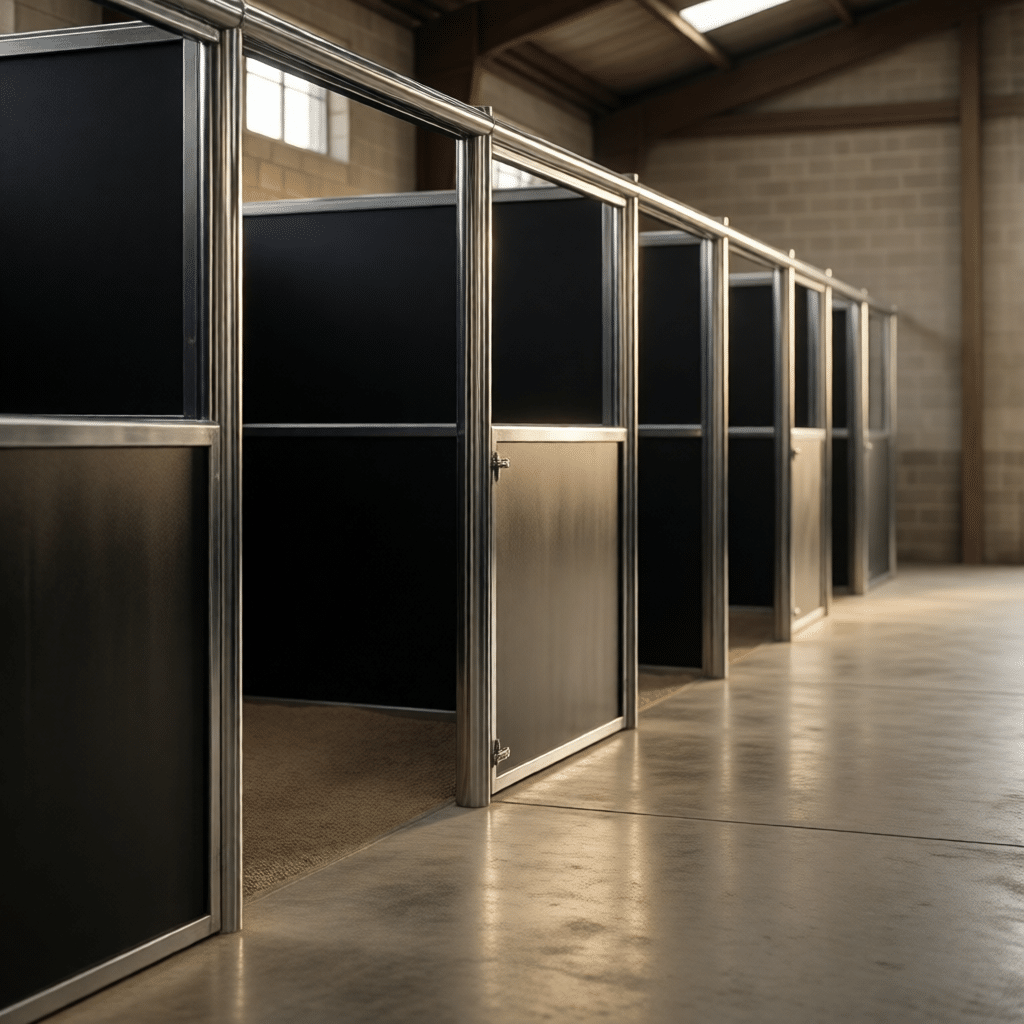
A horse wash bay’s mix of constant water, corrosive manure, and heat degrades standard materials. It requires specialized solutions like hot-dip galvanized steel to prevent structural failure.
The Combined Challenge of Water and Waste
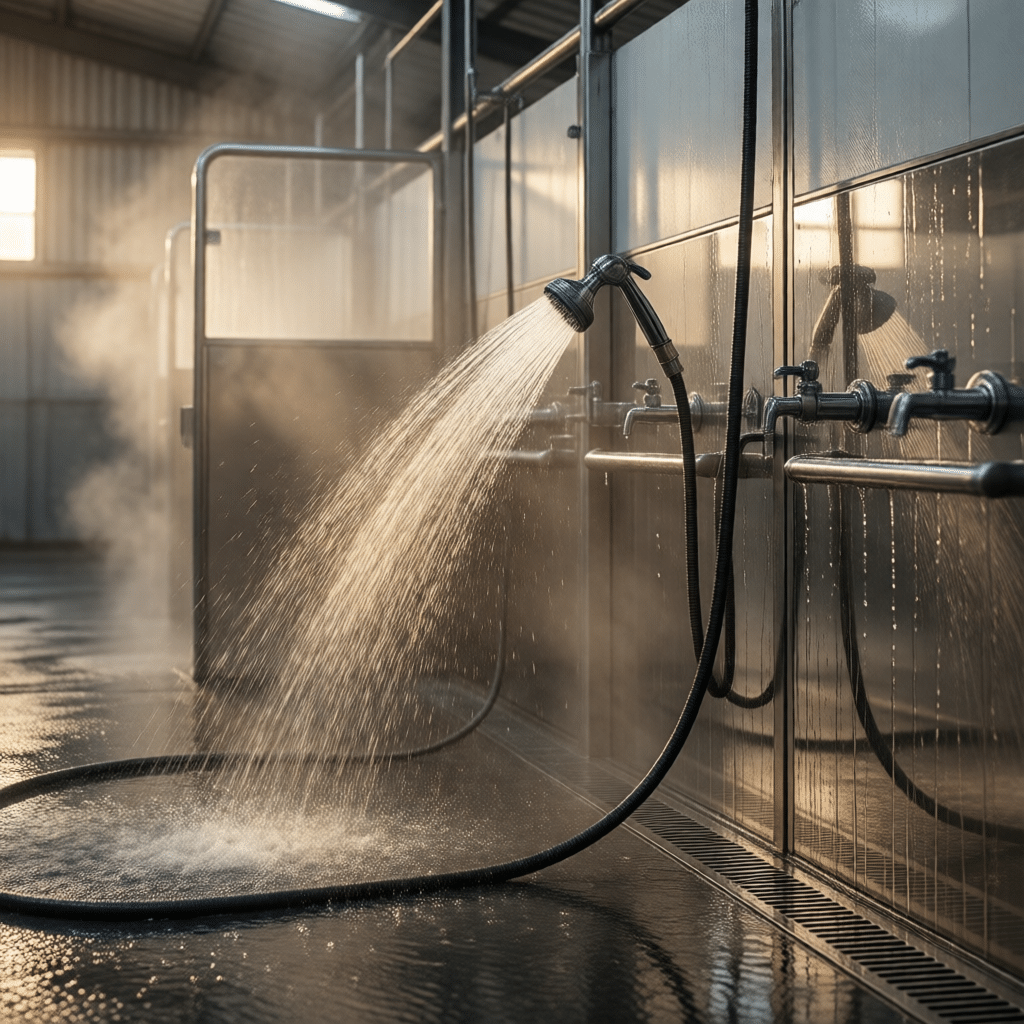
A wash bay isn’t just a wet environment; it’s chemically aggressive. The runoff combines water with manure and urine, creating a corrosive slurry that attacks building materials and poses a serious environmental contamination risk if not managed.
This constant moisture is the enemy of standard materials. It creates the perfect conditions for rust to bloom on any unprotected steel. Porous materials like wood will inevitably absorb the dampness, leading to rot, mold, and a complete loss of structural integrity. This isn’t a cosmetic problem—it’s a predictable failure that requires materials engineered for constant exposure.
Material Specifications for Extreme Corrosion Resistance
Fighting this environment requires a system-wide approach where every component is specified to survive. We engineer our wash bays with materials that directly counter these harsh conditions.
- Hot-Dip Galvanization After Fabrication: We weld the entire steel frame first, then dip the complete structure into molten zinc. This process fully seals every weld and edge against moisture, conforming to the BS EN ISO 1461 standard.
- Zero Maintenance HDPE Infill: The wall infill is a non-porous HDPE (High-Density Polyethylene). It cannot absorb water, will not rot, and won’t degrade from constant exposure to waste. It simply gets hosed down.
- معدّات من الفولاذ المقاوم للصدأ 304: Every bolt, connector, and piece of assembly hardware is 304 Stainless Steel. This prevents rust from forming at the most critical connection points of the structure.
الجدران الخرسانية: المسامية، والتشقق، وصعوبة التنظيف
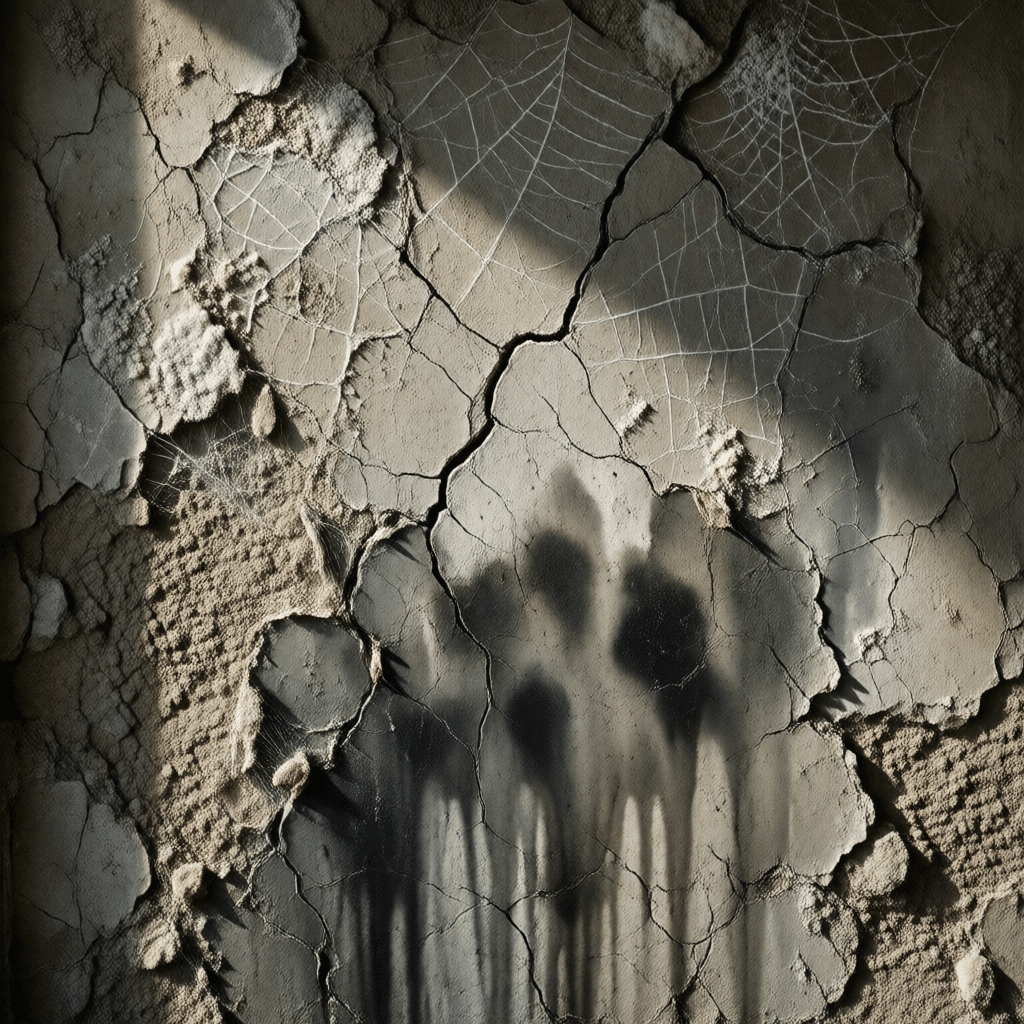
Concrete’s porous structure lets water penetrate, causing cracking and deterioration. Aggressive cleaning methods only worsen the damage, creating a costly, perpetual maintenance cycle.
How Porosity Leads to Concrete Failure
Concrete is essentially a sponge at the microscopic level. Water and soluble salts soak into the material, and as the water evaporates, it leaves behind a white, powdery residue called efflorescence. This isn’t just a cosmetic issue; it’s a sign of internal moisture problems that lead to cracking and spalling over time.
Trying to clean it often makes things worse. Sandblasting erodes the surface, but it also opens up more pores, making the wall even more absorbent for the next rinse. Using harsh chemicals like muriatic acid presents safety risks and can eat away at mortar joints, accelerating deterioration. It’s a cycle of constant, ineffective maintenance.
HDPE Infill: A Non-Porous, Zero-Maintenance Solution
The straightforward solution is to use a material that doesn’t absorb water in the first place. DB Stable systems utilize UV-stabilized HDPE infill, a material that is completely non-porous. It does not soak up moisture, period.
This design eliminates the root cause of common failures. Since water can’t penetrate the surface, issues like efflorescence, mold, and rot common in concrete or wood simply cannot occur. The smooth, easy-to-clean surface requires no sandblasting or harsh chemicals, directly aligning with ‘Zero Maintenance’ project specifications required in many institutional contracts.
Invest in 20-Year Rust-Proof Horse Stables
الحصائر المطاطية على الجدران: فخ العفن والعفن الفطري
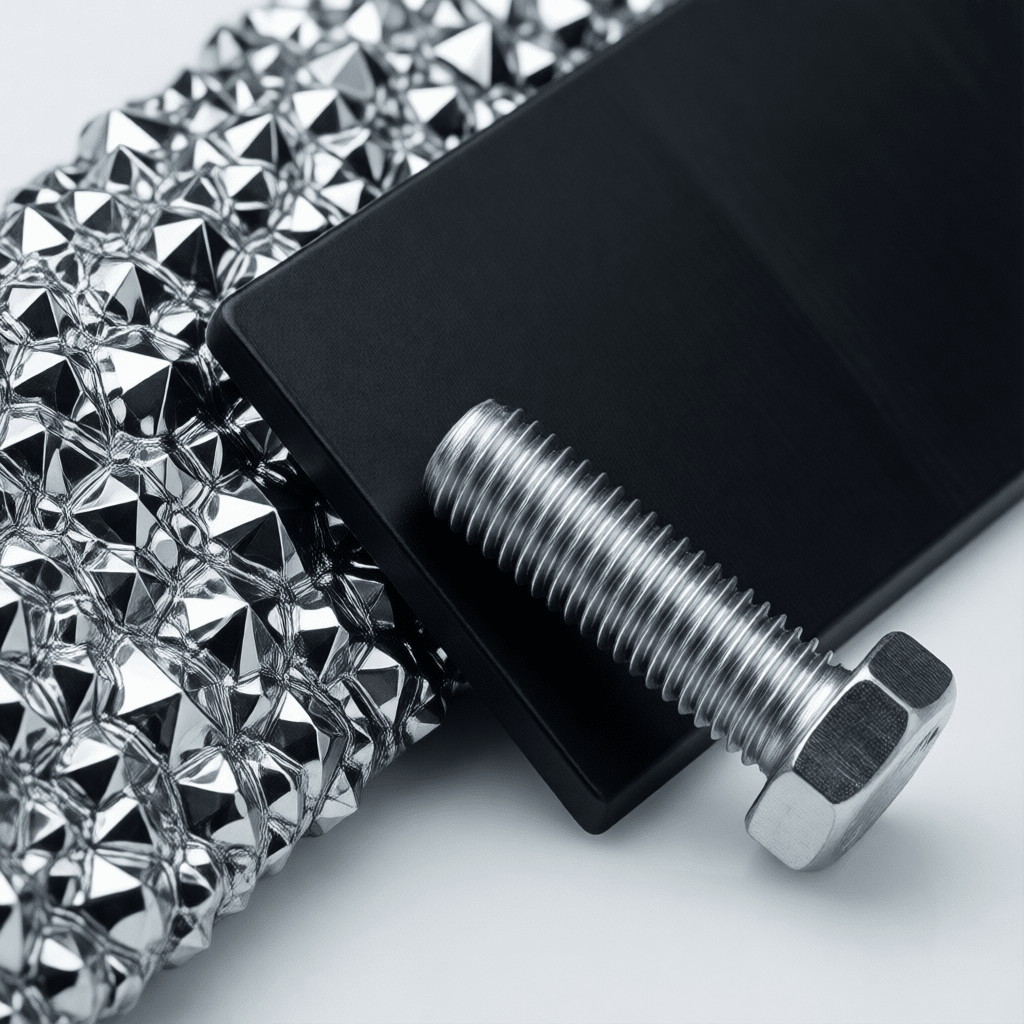
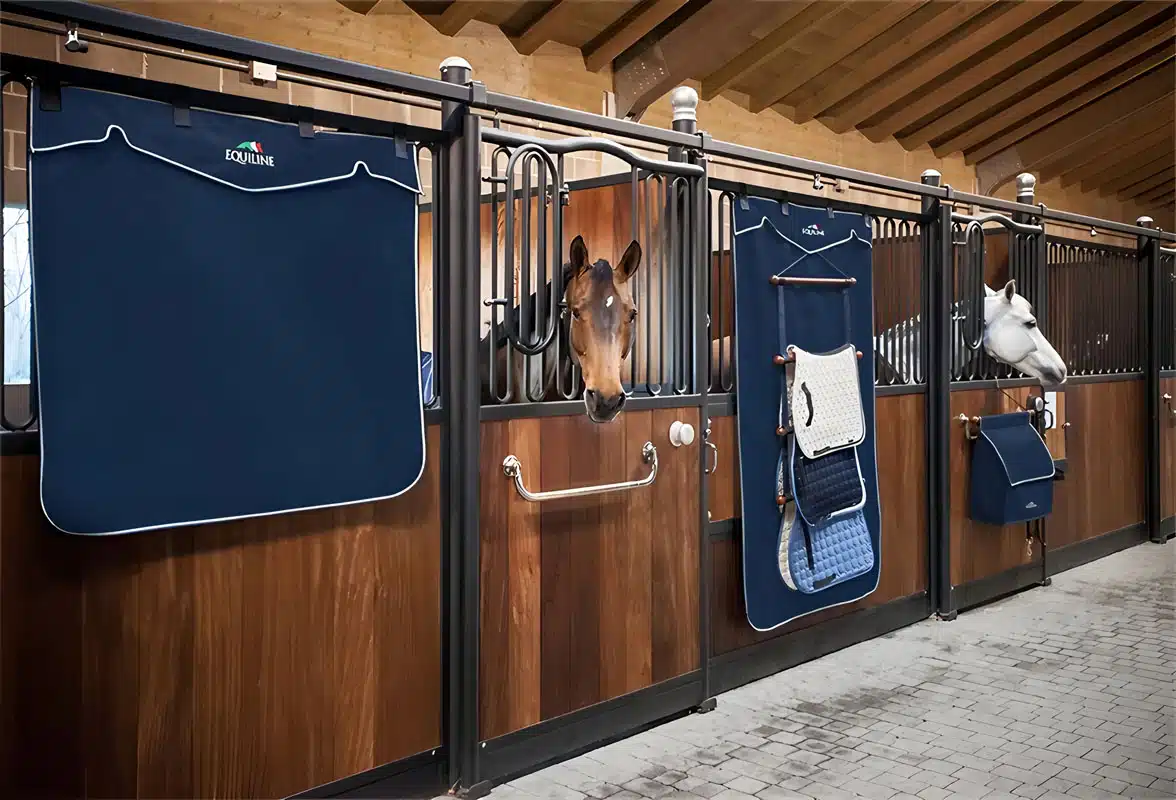
Mounting rubber mats on walls traps moisture, creating a perfect breeding ground for mold. Monolithic, non-porous infill panels prevent this by eliminating hidden gaps and airflow issues.
How Wall-Mounted Mats Create Moisture Pockets
While rubber itself resists mold, the problem isn’t the material—it’s the installation method. When you fasten a rubber mat to a wall, you create a small, unventilated gap. This space between the mat and an uneven surface like concrete or drywall becomes a moisture trap.
Water inevitably finds its way into this gap. It seeps in through unsealed seams, behind fasteners, or wicks up from the floor line during wash-downs. Because there’s no airflow behind the mat, this trapped moisture never fully dries out. You end up with a dark, damp pocket that is the ideal environment for mold and mildew to grow unseen, damaging the wall structure and compromising air quality.
High-Density Bamboo and HDPE: A Superior Solution
The engineered solution is to use materials that serve as the wall itself, not just a liner. This eliminates the gap where moisture gets trapped. Two materials stand out for institutional facilities.
- الخيزران المنسوج من خيوط عالية الكثافة: This material is naturally resistant to mold and rot. With a Janka Hardness over 3000 lbf, it’s about three times harder than oak and withstands kicks and abuse without failing.
- Solid HDPE Infill: High-Density Polyethylene is completely non-porous and UV-stabilized. It cannot absorb water, making it a zero-maintenance surface that can be pressure washed repeatedly without degrading.
Both options are used as structural infill panels within a steel frame, not as tacked-on liners. This design ensures there are no hidden voids for water to collect, directly solving the moisture-trapping problem that plagues wall-mounted mats.
بلاستيك HDPE: 100% مقاوم للماء وقابل للغسل الكهربائي
HDPE is a non-porous polymer that repels all moisture. It won’t rot, swell, or harbor bacteria, allowing aggressive power-washing for a zero-maintenance lifespan.
High-Density Polyethylene (HDPE) is the specified infill for institutional and government contracts for one simple reason: it eliminates long-term costs. Its material science makes it completely non-absorbent, guaranteeing hygiene and removing the failure points common in porous materials like wood or concrete.
| الممتلكات | المواصفات | Operational Benefit |
|---|---|---|
| Water Absorption | Effectively zero; 100% hydrophobic polymer | Prevents rot, swelling, warping, and bacterial growth. |
| Thickness | 28mm – 32mm | Absorbs high impacts from kicks without fracturing. |
| الصيانة | لا شيء مطلوب | Eliminates all costs for sealing, painting, or replacement. |
| Cleaning Method | High-pressure power-washing | Fast, effective sanitation without material degradation. |
The Science of a Non-Porous Surface
Unlike wood, which has a cellular structure that wicks moisture, HDPE is a solid polymer. There are no pores for water, urine, or cleaning agents to penetrate. This inherent property is what makes it physically impossible for HDPE to rot or become a breeding ground for contaminants.
- Impervious to Liquids: The material shows exceptionally low moisture absorption, completely repelling water, urine, and chemical cleaning solutions.
- Biologically Inert: Its surface resists the growth of mold, mildew, and bacteria, a non-negotiable factor for meeting animal welfare and hygiene standards.
- Chemically Resistant: HDPE withstands corrosive chemicals, acids, and bases, allowing facilities to use stringent sanitation protocols without causing material breakdown.
Specification: Impact-Absorbing, Zero-Maintenance Infill
In DB Stable systems, HDPE is not just an option; it’s an engineered solution. The material is specified to deliver both safety and economic value over the life of the structure. This isn’t just a plastic board; it’s a structural component designed for harsh equestrian environments.
- Standard Infill: Our stable systems use 28mm to 32mm thick HDPE planks. This thickness is engineered to absorb and dissipate energy from kicks and other impacts.
- Climate-Specific Formulations: Planks are UV-stabilized, with specific formulations to ensure high UV resistance for markets like Australia and frost resistance for cold European climates.
- Zero Maintenance Design: The material is engineered to last without any intervention. It eliminates all recurring labor and material costs associated with sealing, painting, or replacing decayed boards.
إطارات HDG الفولاذية: النجاة من منطقة الرذاذ
The splash zone’s wet-dry salt cycle destroys steel. We hot-dip galvanize the entire frame after welding, creating a thick zinc coating that meets ISO 1461 standards.
Understanding High-Corrosion Wetting and Drying Cycles
The splash zone isn’t just about getting wet. It’s any area exposed to repeated cycles of wetting from spray and then air drying. This is far more destructive than simple immersion or atmospheric exposure.
When salt spray hits the steel, chlorides in the moisture react with the zinc coating. A protective layer begins to form, but it gets washed away during the next wetting cycle before it can fully stabilize.
This constant cycle of reaction and physical removal can strip away a zinc coating at a much faster rate. It’s a relentless process that basic rust protection can’t handle long-term.
The Advantage of a Dual-Layer Powder Coat Finish
For the most demanding environments, we use a duplex system. Our Royal Series features a durable powder coat finish applied directly over the hot-dip galvanized steel, creating two distinct layers of protection.
The powder coating acts as the primary barrier. It completely seals the structure, preventing chlorides and moisture from ever reaching the zinc layer in the first place.
If the topcoat is ever compromised by a deep scratch or impact, the underlying galvanizing provides a secondary, redundant layer of corrosion defense. This sacrificial zinc coating, which meets ISO 1461 standards, ensures the structural integrity of the steel is maintained.
الأسئلة المتداولة
ما هي أفضل المواد المستخدمة في حوائط رفوف غسيل الخيول؟
The best materials are fully waterproof, durable, and easy to clean. Fiberglass, concrete blocks with a waterproof sealant, and fiberglass-reinforced panels (FRP) are all solid choices. High-density polyethylene (HDPE) is also a top option because it resists moisture, impact, and bacteria. It’s smart to avoid standard metal panels; they rust and can make loud noises that spook horses.
Can rubber mats be installed on barn walls?
Yes, installing rubber mats on stall walls is a common way to add a protective layer. It protects the wall structure from kicks and also cushions the horse’s joints, like hips and knees, when they lean or roll. The mats are typically secured directly to the wall with pancake screws or other standard mounting hardware.
كيف يمكنك عزل حوض غسيل الخيول عن الماء بشكل صحيح؟
Proper waterproofing involves the floor, walls, and drainage. The floor should be sloped concrete with a central drain to stop water from pooling. Cover the walls with a non-porous material like fiberglass-reinforced plastic (FRP) panels, and seal all seams and edges with silicone caulk. For flooring, scored concrete offers good grip and durability, and you can add high-traction rubber mats on top for extra safety.
Is it possible to mold HDPE plastic?
Yes, HDPE (high-density polyethylene) is commonly shaped using injection molding. During this process, molten HDPE is injected into a custom mold under high pressure. The plastic cools and hardens into the final part. HDPE is a great fit for this manufacturing method because of its high impact resistance, good tensile strength, and cost-effectiveness.
الأفكار النهائية
While generic materials reduce initial bid costs, they guarantee long-term failure from rust and rot in a wash bay environment. Specifying hot-dip galvanized steel to ISO 1461 and non-porous HDPE is not an upgrade; it’s the only way to protect your reputation against warranty claims. This is the standard required to win and retain institutional contracts.
The specs on paper are one thing; the physical product is another. We recommend a small trial order to validate our fabrication quality and material integrity firsthand. Contact our engineering team to review your project specifications or discuss OEM manufacturing.

 Arabic
  English
  Spanish
  French
  German
0 تعليق