


Effective Border Quarantine infrastructure serves as the only firewall against devastating economic and biological losses. Relying on standard timber or pre-galvanized steel invites containment breaches, as these porous materials harbor pathogens like EHV-1 and fail to withstand the aggressive virucidal washdowns required by federal import protocols.
This analysis benchmarks manufacturers against the strict zero-permeability standards demanded by USDA and EU inspectors. We evaluate suppliers based on their adherence to Hot-Dip Galvanization After Fabrication (ISO 1461) and the use of impermeable HDPE infills, ensuring your facility passes rigorous swab tests without costly maintenance downtime.
The High Stakes of International Equine Border Quarantine
مقارنة سريعة
| Protocol Focus | الفئة | Key Components | Operational Insight |
|---|---|---|---|
| The Disease Prevention Imperative | Biosecurity | Disease Defense, Isolation Protocols | Quarantine acts as the primary defense against pathogens like African horse sickness, utilizing USDA-approved isolation to protect domestic herds. |
| Tiered Quarantine Requirements | Regulatory Framework | Risk Assessment, Import Protocols | Durations vary by risk profile: standard entries take 3 days, while high-risk regions necessitate strict containment of up to 60 days. |
| Mandatory Testing and Documentation | الامتثال | Health Certification, Diagnostics | Mandates negative tests for infectious diseases (e.g., glanders, dourine) and accredited health certificates to standardize entry requirements. |
| The Economic and Operational Stakes | Logistics & Finance | Operational Planning, Cost Management | Non-compliance leads to costly delays or denial of entry; importers face significant financial burdens requiring advance strategic planning. |
The Disease Prevention Imperative
This protocol functions as the **primary defense mechanism** against devastating communicable diseases like African horse sickness.
This imperative acts as the critical biological firewall for international equine transport. It ensures that incoming horses do not introduce pathogens that could devastate the local ecosystem.
To execute this, authorities mandate strict isolation within USDA-approved facilities. These measures prevent severe economic and health consequences by containing risks before they reach resident populations.
📊 لمحة سريعة:
- 📍الموقع: Biosecurity
- 🏭 القوة الأساسية: Disease Defense, Isolation Protocols
- الأسواق الرئيسية: الولايات المتحدة الأمريكية
لماذا اخترناهم:
| ✅ المكاسب | ⚠️ المبادلات ⚠️ |
|---|---|
|
|
Tiered Quarantine Requirements
This system balances **biosecurity rigor** with operational efficiency, allowing rapid entry for low-risk horses while securing high-risk cases.
Protocols strictly vary based on the horse’s country of origin and health status. This tiered approach prevents broad bottlenecks by categorizing entrants immediately upon arrival.
Standard entries typically clear within 3 days, whereas CEM testing requires 7-30 days. Horses from high-risk regions undergo a mandatory, strict 60-day quarantine.
📊 لمحة سريعة:
- 📍الموقع: Regulatory Framework
- 🏭 القوة الأساسية: Risk Assessment, Import Protocols
- الأسواق الرئيسية: عالمي
لماذا اخترناهم:
| ✅ المكاسب | ⚠️ المبادلات ⚠️ |
|---|---|
|
|
Mandatory Testing and Documentation
This protocol serves as the **critical biological firewall**, ensuring only healthy animals enter the logistics chain through rigorous diagnostic validation.
Horses must undergo strict screening to test negative for high-consequence pathogens like dourine, glanders, equine piroplasmosis, and infectious anemia. This comprehensive testing forms the backbone of international biosecurity compliance.
Operational success relies on accredited health certificates, recent Coggins tests, and documented proof of vaccinations. Without precise adherence to these documentation standards, transport is frequently delayed or rejected at the border.
📊 لمحة سريعة:
- 📍الموقع: الامتثال
- 🏭 القوة الأساسية: Health Certification, Diagnostics
- الأسواق الرئيسية: International Trade
لماذا اخترناهم:
| ✅ المكاسب | ⚠️ المبادلات ⚠️ |
|---|---|
|
|
The Economic and Operational Stakes
Strict compliance is **financially critical** to avoid costly delays and entry denials.
Non-compliance triggers expensive travel delays, strict penalties, or even complete denial of entry. Importers must navigate these high-stakes logistical hurdles to ensure successful transport and avoid legal complications.
The process imposes significant financial burdens, covering specialized facility fees, comprehensive veterinary exams, and mandatory diagnostics. Success depends on meticulous preparation and budgeting weeks before the horse travels.
📊 لمحة سريعة:
- 📍 Category: Logistics & Finance
- 🏭 التركيز الأساسي: Operational Planning, Cost Management
- 🌍 Sector: Equine Industry
Why It Matters:
| ✅ المكاسب | ⚠️ المبادلات ⚠️ |
|---|---|
|
|

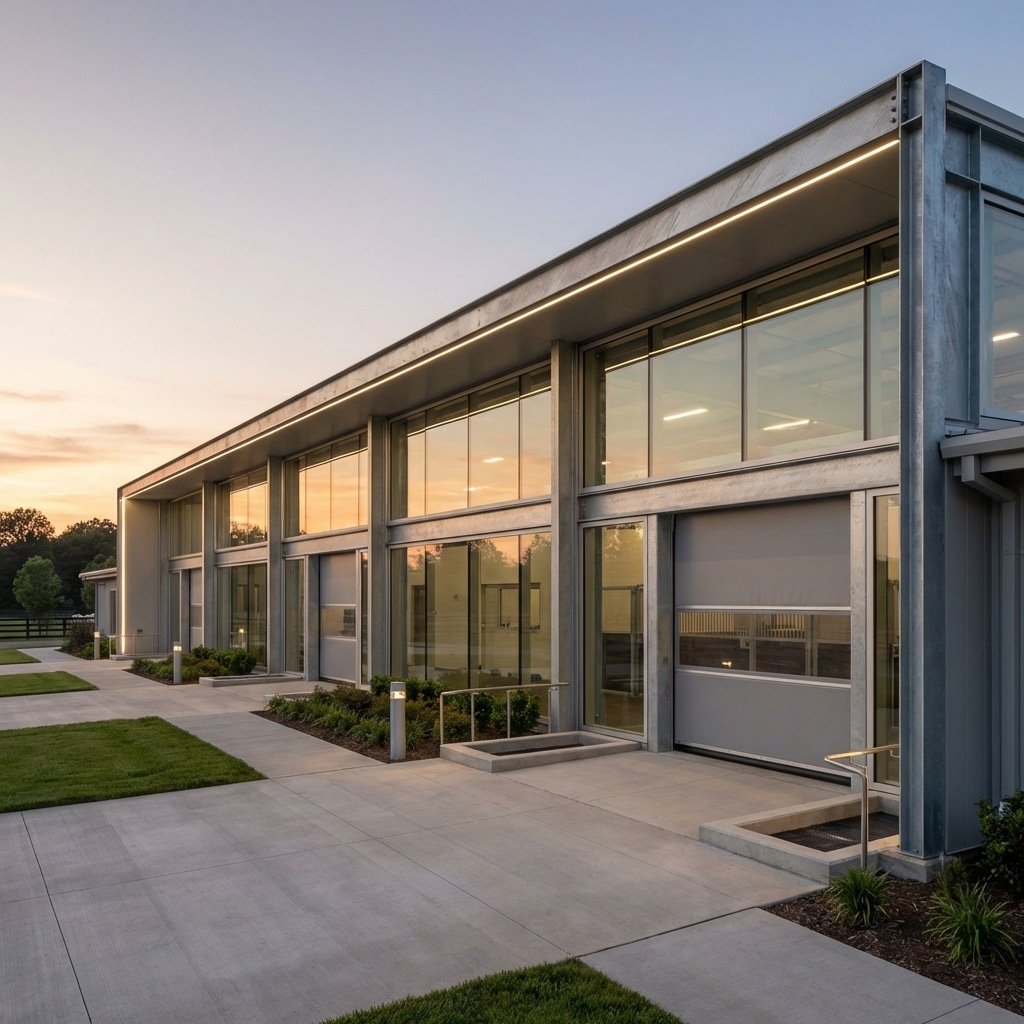
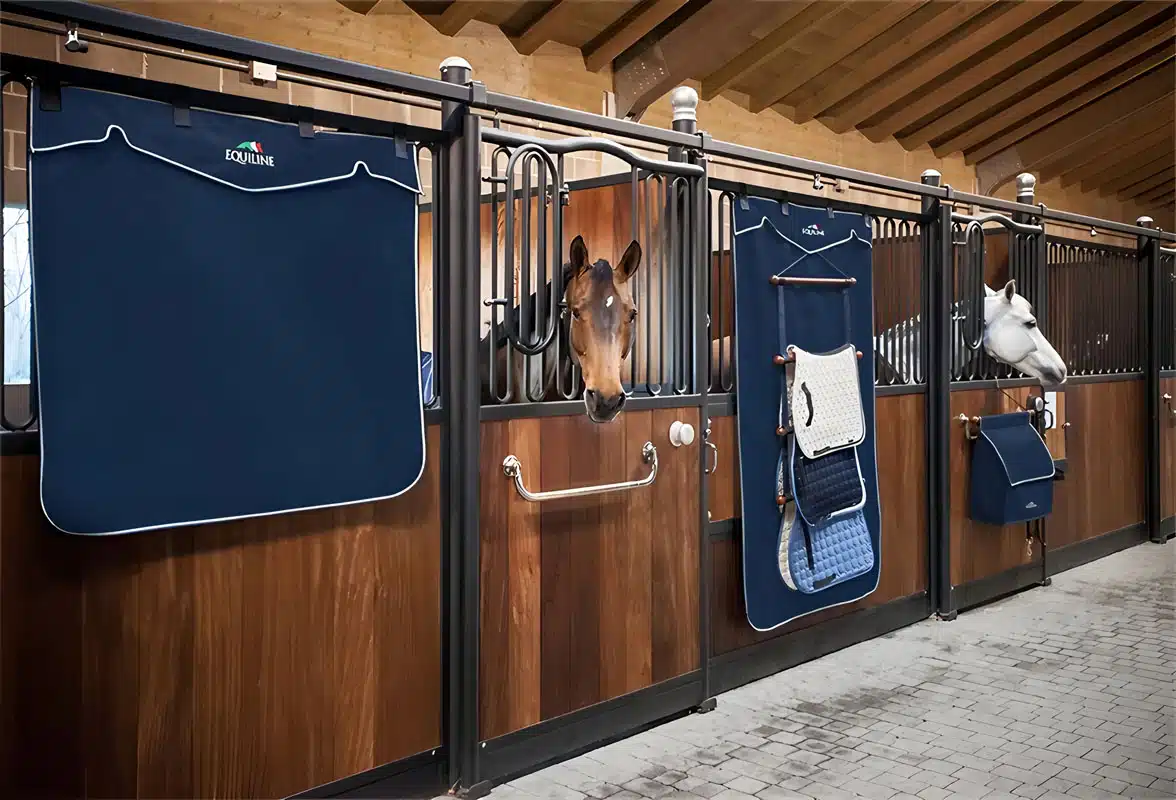
إسطبلات فاخرة تتمتع بمقاومة الصدأ لمدة 20 عامًا
The High Stakes of International Equine Border Quarantine
International quarantine facilities serve as the primary firewall against devastating pathogens, requiring infrastructure that can withstand rigorous isolation protocols and aggressive daily disinfection. For facility operators and importers, the stakes are financial as well as biological; infrastructure failure can lead to containment breaches, regulatory shutdowns, and significant economic loss.
Preventing Catastrophic Disease Transmission
International quarantine acts as the critical defense against devastating pathogens such as African horse sickness and Contagious Equine Metritis (CEM), which could decimate resident equine populations. Horses arriving from high-risk regions undergo rigorous isolation protocols, often requiring a mandatory 60-day stay at specialized federal facilities like the New York Animal Import Center. During this period, the physical environment serves as the only barrier between potential contagion and the national herd.
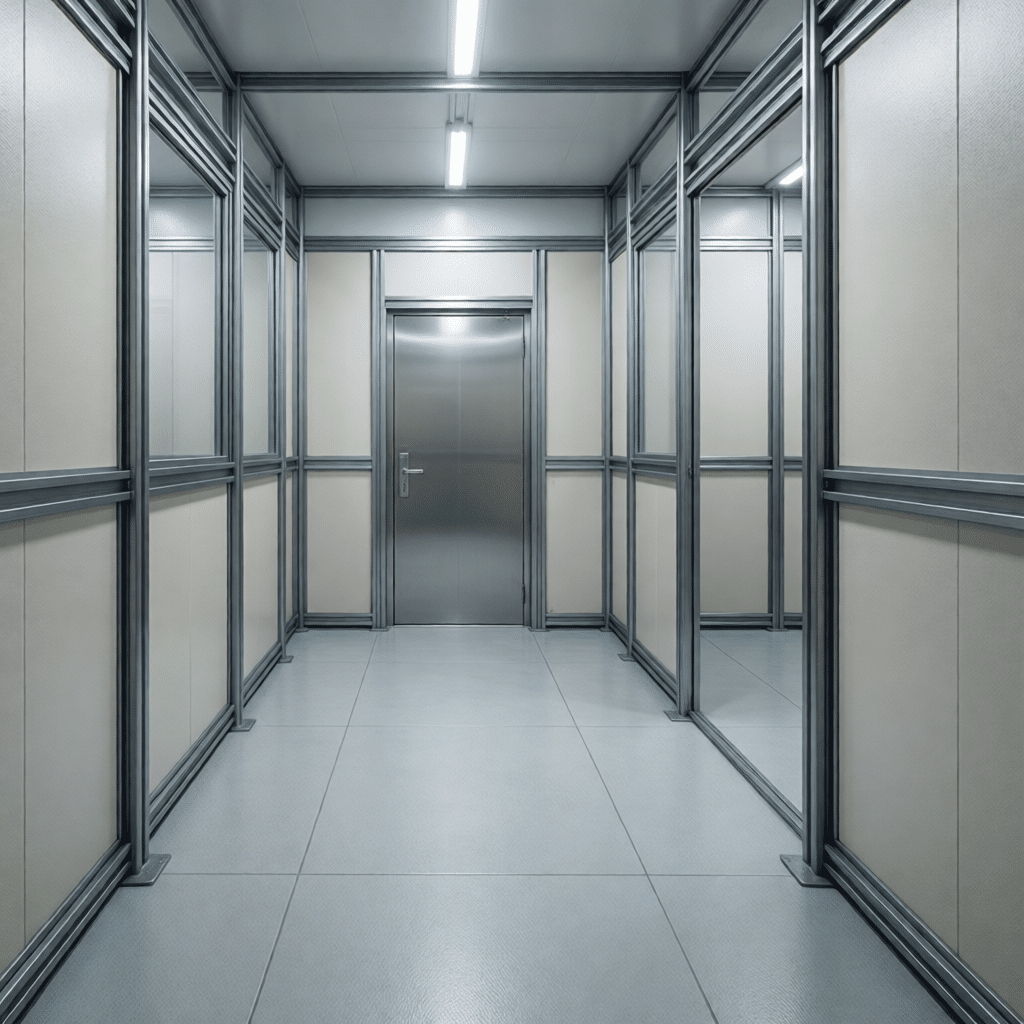
Biosecurity failures at this stage are not an option; a single containment breach can trigger widespread health crises and halt national equine commerce. Strict control measures include isolating horses in non-porous environments to prevent cross-contamination. This necessitates infrastructure designed with our “Cast-Proof” standards and impermeable materials like HDPE, ensuring that the facility itself does not become a vector for disease transmission.
Operational Risks and Financial Liabilities
Import operations must navigate tiered requirements, ranging from standard 3-day holding periods to extended 30-day monitoring for breeding stock to rule out reproductive diseases. The economic burden falls heavily on importers, who face travel delays, steep penalties, or outright denial of entry if horses fail mandatory testing for glanders, dourine, or equine infectious anemia (EIA). Any delay caused by facility inadequacy directly impacts the profit margins of the logistics chain.
Maintaining USDA-approved status requires facilities to withstand daily virucidal washdowns without degrading. Standard steel quickly succumbs to red rust under these conditions, threatening operational readiness. We counter this by utilizing Hot-Dip Galvanization After Fabrication (ISO 1461), ensuring the steel framework resists aggressive chemical disinfectants. This durability protects the facility’s compliance status and ensures continuous operation without the need for frequent, costly repairs.
Why USDA/EU Inspectors Reject Wood and Porous Materials
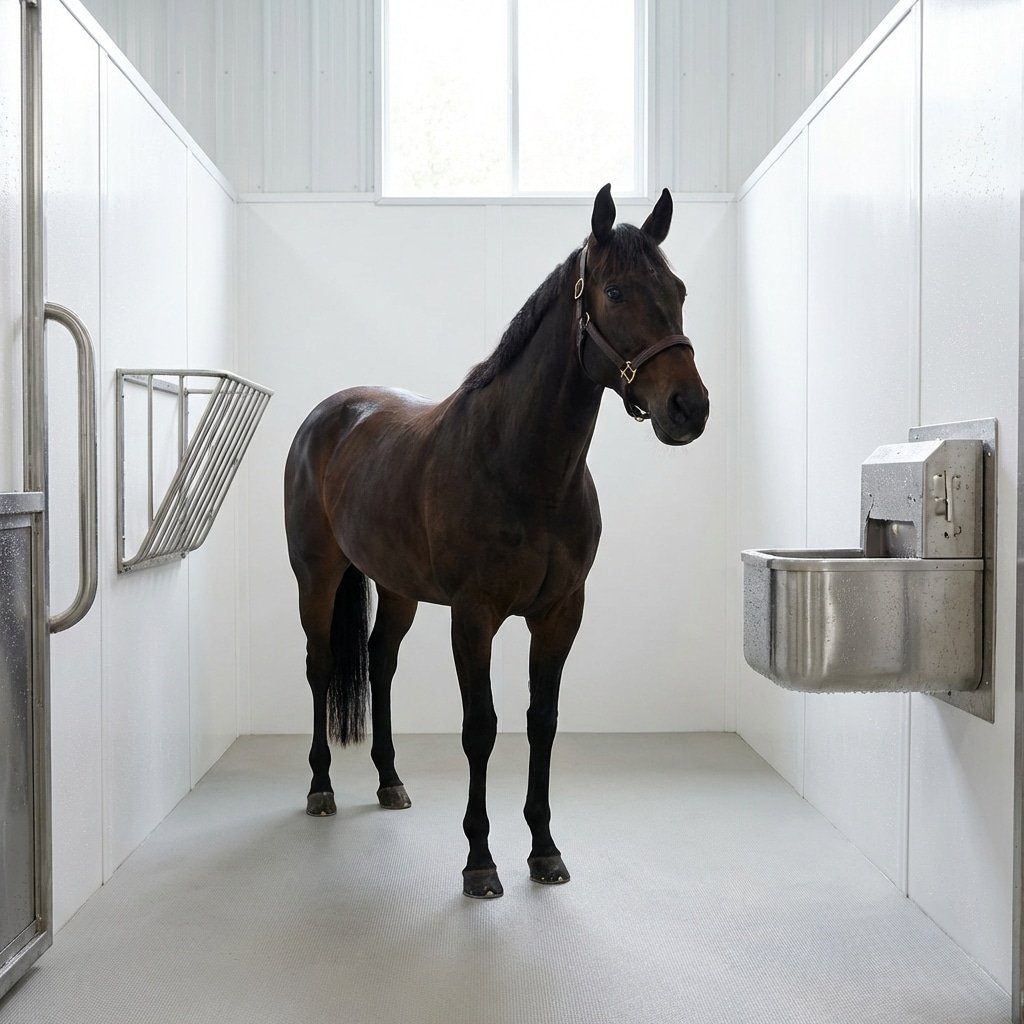
Inspectors reject traditional wood because its cellular structure acts as a reservoir for pathogens, making 100% sterilization effectively impossible. In high-stakes quarantine environments, porous materials cannot withstand the aggressive virucidal chemical washdowns required by federal protocols without rotting, whereas impermeable solutions like HDPE and Hot-Dip Galvanized steel offer verifiable surface sanitation.
Bio-Security Risks: Porosity and Pathogen Retention
The fundamental flaw of traditional timber in a quarantine setting is its porosity. Wood naturally absorbs fluids, blood, and nasal discharge, allowing bacteria and viruses like EHV-1 to penetrate deep into the grain. Once a pathogen enters the cellular structure of the timber, surface disinfectants cannot reach it. This creates a permanent biosecurity risk where a stall might look clean to the naked eye but remains biologically active.
Federal isolation wards require “virucidal washdowns”—aggressive cleaning cycles using phenolic or quaternary ammonia compounds. Wood degrades rapidly under this chemical stress, softening and splintering. This physical degradation exacerbates the problem, as cribbing marks and kick fractures become deep crevices that trap organic matter. Inspectors immediately flag these damaged surfaces because they know biofilm protects the virus from sterilization efforts. Our السلسلة الاقتصادية is specifically engineered for these isolation units, utilizing حشوات البولي إيثيلين عالي الكثافة that are completely impervious to moisture and chemical attack, ensuring a “Zero Maintenance” sanitation cycle.
ISPM 15 Limitations and Regulatory Compliance Gaps
Reliance on regulatory stamps for wood safety has proven dangerous. EU studies revealed a critical gap in the ISPM 15 standard, finding that 97.5% of wood consignments containing harmful organisms actually bore compliant markings. This widespread compliance fraud forces inspectors to distrust visual certification on wooden materials. They cannot rule out internal infestation without destructive testing, which makes wood a liability at the border.
To eliminate this friction, we utilize الفولاذ المجلفن بالغمس الساخن (BS EN ISO 1461) and synthetic infills. Unlike wood, which requires a stamp to prove it was treated, steel and HDPE utilize “physics as proof.” An inspector can verify the sanitation of a galvanized surface instantly because there are no internal cavities for pests or pathogens to hide. This “Cast-Proof Design” not only protects the animal but also protects the facility’s operational license by removing the ambiguity that often leads to rejected inspections.

The 100% HDPE Requirement for Federal Isolation Wards
Federal and international veterinary authorities, including USDA APHIS, mandate that isolation facility surfaces must be impervious to moisture and capable of withstanding frequent disinfection. Our High-Density Polyethylene (HDPE) systems provide the specific zero-permeability barrier required to prevent pathogen reservoirs, ensuring full compliance with strict biosecurity protocols where traditional timber fails.
Achieving Zero-Permeability Standards for Biosecurity
Federal and international veterinary authorities strictly regulate isolation wards to prevent disease outbreaks like EHV-1 or Strangles. Wood and standard porous materials fail these inspections because they trap moisture and biological matter, creating breeding grounds for pathogens. Even sealed wood eventually develops micro-fractures, allowing fluids to seep into the grain where disinfectants cannot reach.
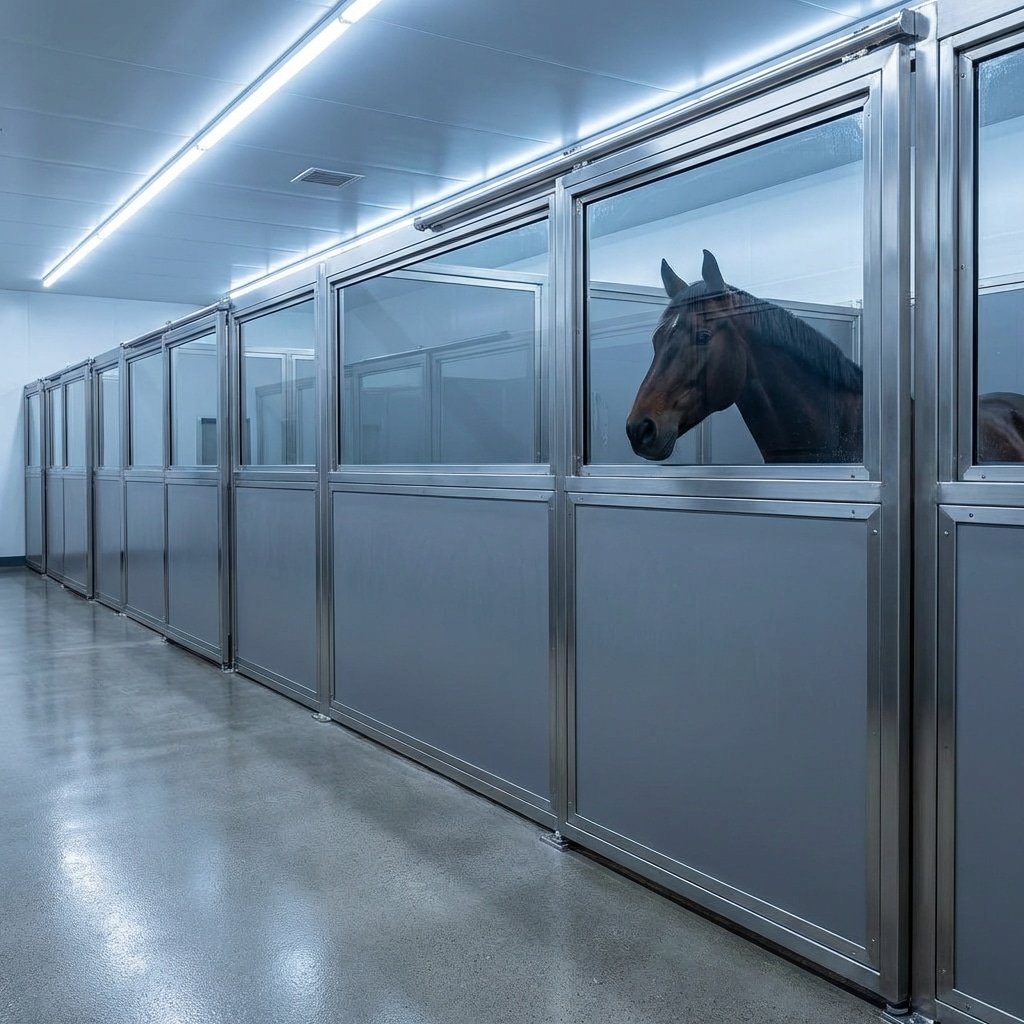
We utilize 28mm-32mm High-Density Polyethylene (HDPE) infill boards to meet these zero-permeability standards. Unlike bamboo or oak, our UV-stabilized HDPE creates a sealed surface that bacteria cannot penetrate. This ensures the facility passes rigorous swab tests during quarantine audits, as the material offers no foothold for microbial growth.
The “Zero Maintenance” nature of this material further eliminates the risk of splintering or chewing. In traditional timber stables, a horse chewing on a ledge compromises the sanitary seal, requiring immediate replacement. Our HDPE maintains a smooth, continuous barrier that protects the biosecurity of the entire ward.
Chemical Resistance Against Mandated Virucidal Washdowns
Isolation facilities operate under aggressive cleaning protocols, requiring daily sanitation with harsh chemical agents such as bleach, phenolic disinfectants, or accelerated hydrogen peroxide. Standard materials degrade rapidly under this chemical stress, leading to structural weakness and frequent maintenance cycles that disrupt operations.
Our HDPE system is engineered to withstand repeated exposure to these virucides without warping, bleaching, or becoming brittle. This chemical inertness ensures the structural integrity of the partition remains intact for decades, regardless of the cleaning frequency. We pair this with our hot-dip galvanized steel frames (Q235B or Q345B), which are dipped after fabrication according to BS EN ISO 1461 standards.
This combination creates a unified, chemically resistant barrier. The steel framework resists rust despite the humid environment, while the HDPE infill absorbs impact without shattering. This supports our “Kick-Proof Guarantee” even in high-stress medical isolation environments, providing a safe containment solution that protects both the animal and the facility’s investment.
HDG Steel: Surviving Daily Virucidal Washdowns
In high-stakes quarantine environments, the structural integrity of the stable determines bio-security success. Unlike pre-galvanized alternatives that leave weld seams vulnerable to rust and pathogen accumulation, our “Hot-Dip After Fabrication” process creates a monolithic zinc shield. This allows facilities to execute aggressive daily virucidal washdowns without risking structural corrosion or harboring hidden contaminants in microscopic crevices.
Sealing Joints Against Bio-Risks via Total Immersion
Standard manufacturing often utilizes pre-galvanized tubing, where zinc is applied before cutting and welding. This method leaves the welded joints exposed—creating rough, porous surfaces where bacteria and viruses can survive disinfection attempts. We reject this approach. Instead, we utilize the “Hot-Dip After Fabrication” process. We construct the entire stable front or partition from raw black steel (Q235B or Q345B) first, and only then is the complete unit submerged into a bath of molten zinc.
This immersion allows liquid zinc to flow into internal cavities and coat every weld seam, corner, and edge. The result is a seamless, metallurgical bond that encapsulates the steel. For quarantine facilities, this creates a cast-proof and bio-secure barrier, eliminating the microscopic crevices where pathogens like EHV-1 or Strangles typically hide. This structural uniformity ensures that when your team sprays high-level disinfectants, the chemicals reach a sealed surface rather than seeping into rusting joints.
Micron Standards: Why 85μm Zinc Coating Matters
Isolation wards require the use of aggressive chemical agents, including quaternary ammonia and phenolic disinfectants, which can strip away thin protective layers over time. To counter this, we engineer our steel framework to exceed standard commercial grades. Our structural components feature an average zinc coating thickness of >85 microns (μm), while our tubing profiles maintain an average of >70 microns, strictly adhering to BS EN ISO 1461 المعايير.
This heavy-duty coating provides active cathodic protection. If the surface is scratched by a horse’s hoof or equipment, the surrounding zinc sacrifices itself to protect the steel core, preventing the spread of rust. Internal testing confirms this resilience, with ASTM B117 Salt Spray results exceeding 96 hours with zero red rust formation. For facility managers, this means the stables can withstand years of high-pressure cleaning cycles without degrading, protecting both the physical asset and the health of the horses housed within.
الأفكار النهائية
Relying on standard pre-galvanized stables compromises biological safety by leaving weld seams exposed to rust and pathogen accumulation. Investing in our “Hot-Dip After Fabrication” steel (ISO 1461) and impermeable HDPE infills provides the only verifiable defense against daily virucidal washdowns. For border control operations, this infrastructure serves as a permanent firewall that protects both national herds and your operational license.
Do not risk regulatory shutdowns with unproven materials; verify our biosecurity standards firsthand. Contact our engineering team today to discuss your specific isolation facility layout or request a trial specification sheet for your next government tender. Our flat-pack logistics system ensures we can deploy 30-45 units per 40HQ container, securing your project timeline and budget immediately.
الأسئلة المتداولة
What are the requirements for an equine quarantine facility?
Quarantine facilities demand non-porous, chemically resistant surfaces to prevent cross-contamination. We engineer our Economy and Professional Series with hot-dip galvanized steel and HDPE infill to meet these strict biosecurity standards, ensuring surfaces can withstand daily virucidal washdowns without rusting.
USDA approved materials for horse stalls?
Inspectors prioritize non-absorbent materials that eliminate pathogen reservoirs. We use Hot-Dip Galvanized After Fabrication steel (BS EN ISO 1461) combined with synthetic HDPE boards. This setup removes wood grain crevices, satisfying the rigorous hygiene requirements of federal and international import centers.
Best stall material to prevent EHV-1 spread?
HDPE is the superior choice for containing viral outbreaks like EHV-1. Unlike wood, which creates a porous breeding ground for viruses, our UV-stabilized HDPE planks provide a sealed barrier. This allows for complete sterilization between horses, significantly reducing transmission risks.
Are HDPE stable boards chemical resistant?
Yes, our 28mm-32mm HDPE boards are engineered for “Zero Maintenance” durability. They resist degradation from industrial disinfectants and harsh cleaning agents used in isolation wards, ensuring the material remains kick-proof and sanitary even after years of intensive chemical exposure.
Building an airport equine holding center?
For high-traffic transit hubs, we supply modular Q345B steel systems designed for rapid assembly and extreme resilience. Our flat-pack logistics allow us to ship 30-45 sets per 40HQ container, providing a scalable, cost-effective solution for large-scale international infrastructure projects.

 Arabic
  English
  Spanish
  French
  German
0 تعليق