

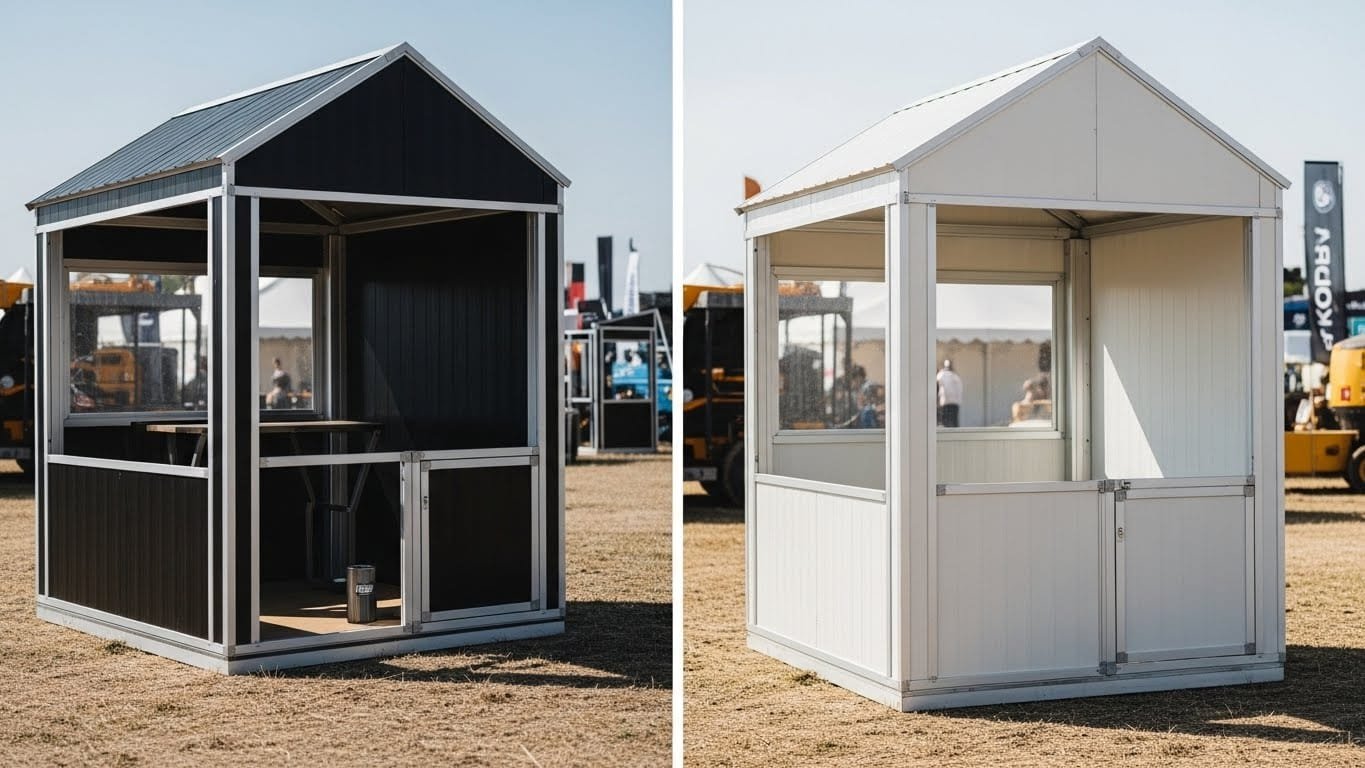
The steel vs aluminum portable horse stalls debate is a critical capital decision that directly impacts fleet ROI. Opting for aluminum means a high upfront cost, while choosing steel often raises concerns about rust and freight expenses, creating significant risk to long-term asset value and operational margins.
This analysis provides a definitive answer by benchmarking materials against key engineering standards. We evaluate longevity based on the BS EN ISO 1461 galvanizing process, Q235B steel’s impact strength, and the logistical savings of flat-pack engineering to clarify the most profitable choice.
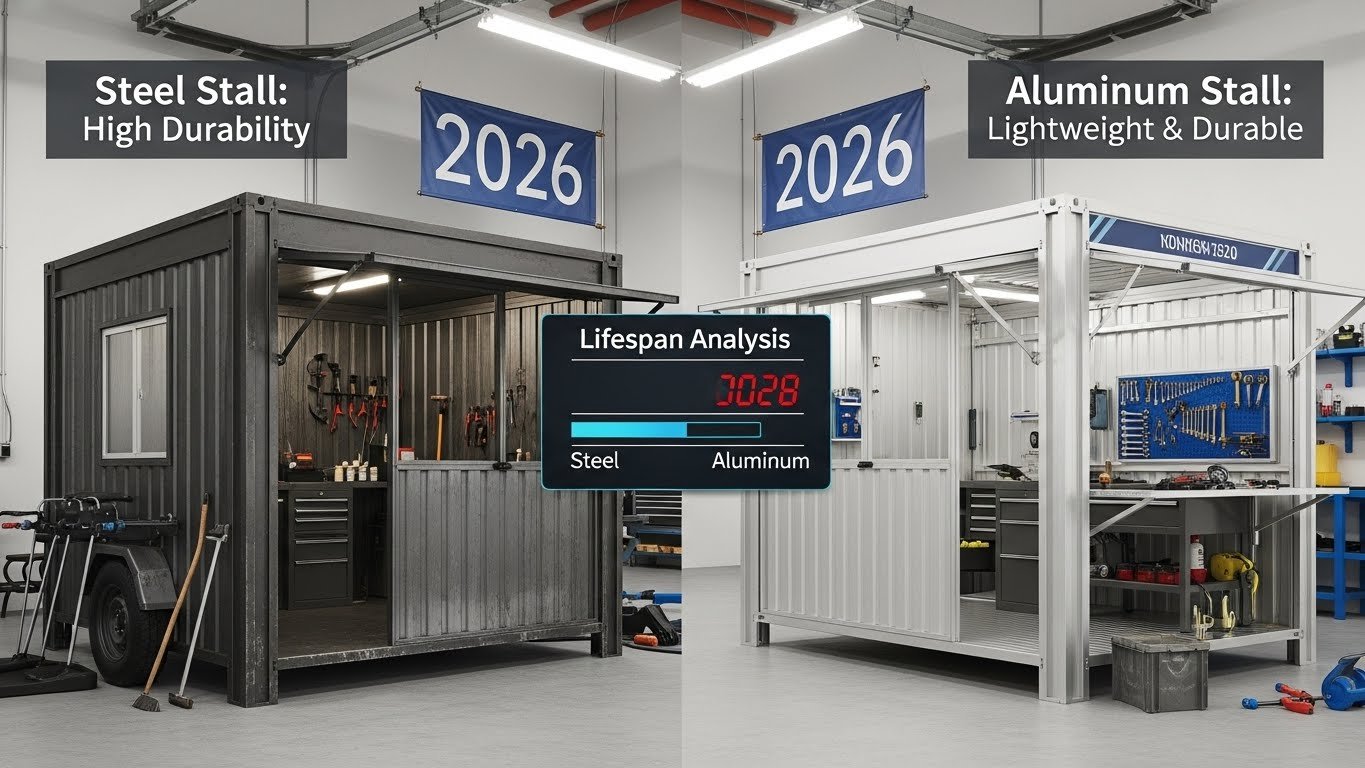
Steel vs. Aluminum: Which is Better for Rentals?
Aluminum’s rust resistance is ideal for rentals, but hot-dip فولاذ مجلفن provides far better strength against kicks at a more practical price for a rental fleet.
Balancing Upfront Cost with Lifetime Durability
For any rental business, capital efficiency is key. Steel stalls have a much lower initial purchase price, allowing you to build a larger rental fleet for the same investment. Aluminum is lighter and naturally resists rust from urine and constant wash-downs, which reduces some long-term maintenance. The core question for fleet managers is whether aluminum’s high upfront cost actually pays off over the lifespan of a heavily used rental asset.
ميزة الجلفنة بالغمس الساخن بعد التصنيع
Most steel products rust because they are welded from pre-galvanized tubing, leaving the welds exposed and vulnerable. Our process is different. We use Hot-Dip Galvanization After Fabrication, meaning the entire steel structure is welded first and then submerged in molten zinc. This method coats every surface, joint, and weld completely.
This process conforms to the BS EN ISO 1461 standard, creating a protective طلاء الزنك over 70 microns thick. The result is decades of rust protection that rivals aluminum’s lifespan. For a rental operation, this means you get stalls that can withstand frequent transport, setup, and exposure without rapid decay, all while providing the superior strength of steel.
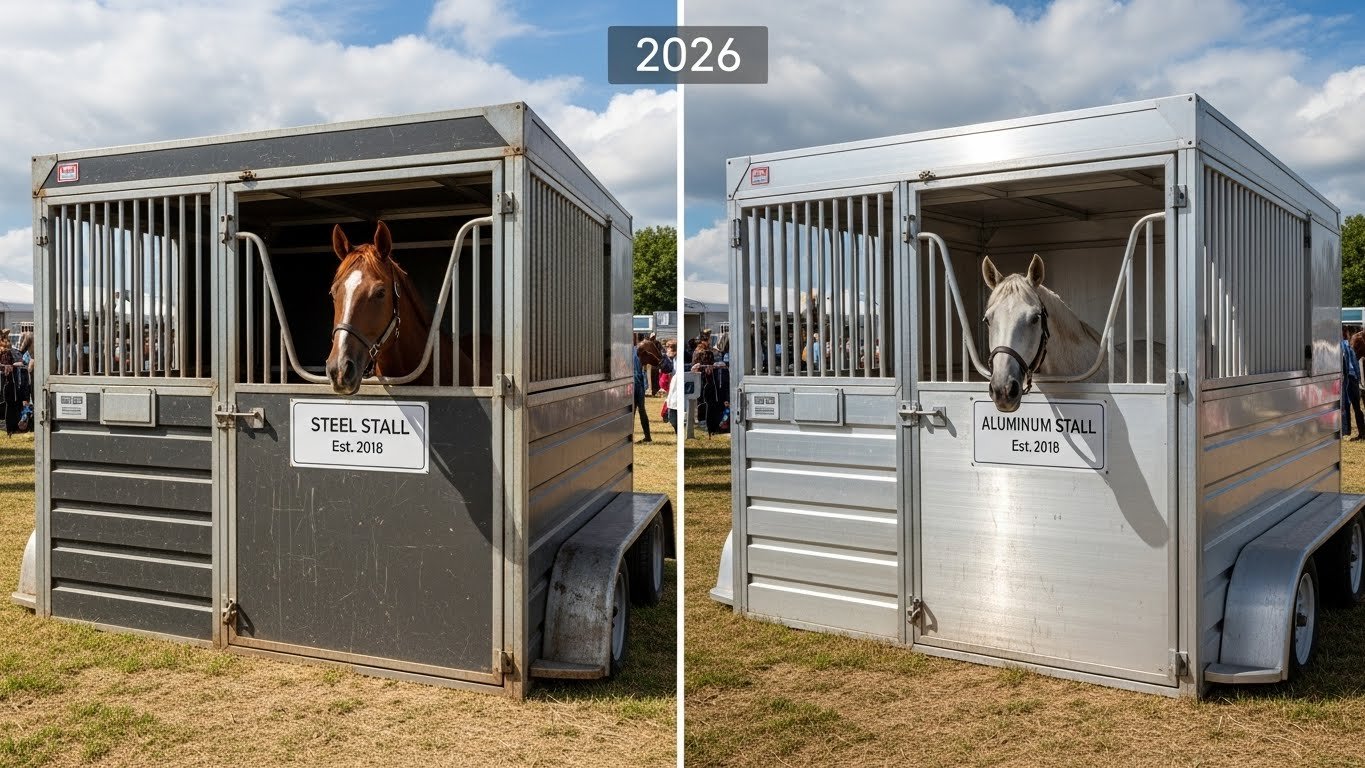
Why is Weight a Double-Edged Sword?
Heavy steel ensures animal safety but creates high shipping costs. Our flat-pack engineering solves this logistics problem, protecting distributor profits by maximizing container space.
The Conflict: Structural Integrity vs. Shipping Cost
Everyone wants the safest stable, and that means using heavy-gauge structural steel like Q235B or Q345B. These materials can withstand kicks and prevent structural failure. The problem is that fully welded, heavy steel structures are incredibly bulky. Shipping them means a 40HQ container might only hold 12-15 stable sets, which drives up freight costs and eats into project margins.
The Solution: Profit Protection with Flat-Pack Engineering
We engineered our steel pallet flat-pack system specifically to solve the weight and bulk problem. This design maximizes container space, allowing us to load 30-45 stable sets into a single 40HQ container. This efficiency reduces freight costs by over 60% compared to traditionally welded units. It’s a direct form of profit protection for our distributors, turning a major logistical headache into a commercial advantage.
Get Custom Stables Engineered for Any Climate.
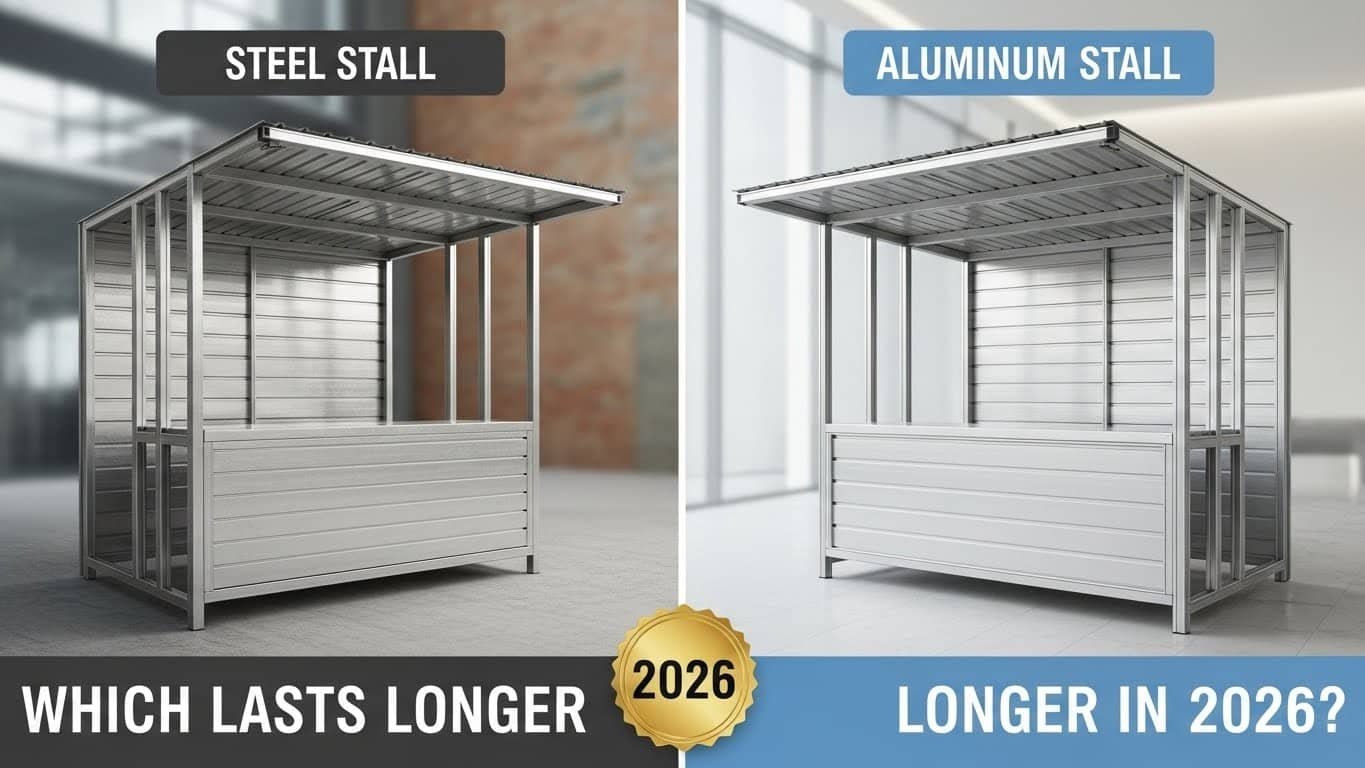
Can Aluminum Really Withstand a Kick? (Q235B Comparison)
No. Steel’s yield strength is over six times greater than aluminum, allowing it to absorb impact by deforming. Aluminum is far more likely to fracture under the same القوة.
| Material Property | الفولاذ Q235B | Typical Aluminum Alloy |
|---|---|---|
| قوة المردود | ≈ 250 MPa | ≈ 40 MPa |
| Impact Response | Deforms to absorb energy | Prone to cracking or fracture |
Comparing Impact Resistance: Yield Strength and Toughness
The core difference comes down to yield strength. Q235B steel has a yield strength of approximately 250 MPa, while common aluminum alloys sit around 40 MPa. This means steel can resist over six times the force before it starts to permanently bend or deform. A horse kick simply doesn’t generate enough force to compromise a properly engineered إطار فولاذي.
Steel also has superior impact toughness. It’s engineered to absorb and dissipate the sudden energy from a kick by deforming slightly. Aluminum is more brittle and susceptible to cracking or fracturing entirely under sharp blows, which creates a significant مخاطر السلامة in an equestrian environment.
The DB Stable Standard: Q235B and the Q345B Upgrade
لدينا standard stable framework uses Q235B structural steel. This grade ensures high resistance to deformation from daily impacts and guarantees the safety and security of the animals inside. The material choice is a direct reflection of engineering for real-world stable conditions.
For operations in colder climates or those housing particularly strong horses, we offer an upgrade to Q345B steel. This material provides superior low-temperature impact toughness. It’s specifically designed to prevent brittle fractures that can occur from powerful kicks in freezing winter temperatures, ensuring year-round structural integrity.
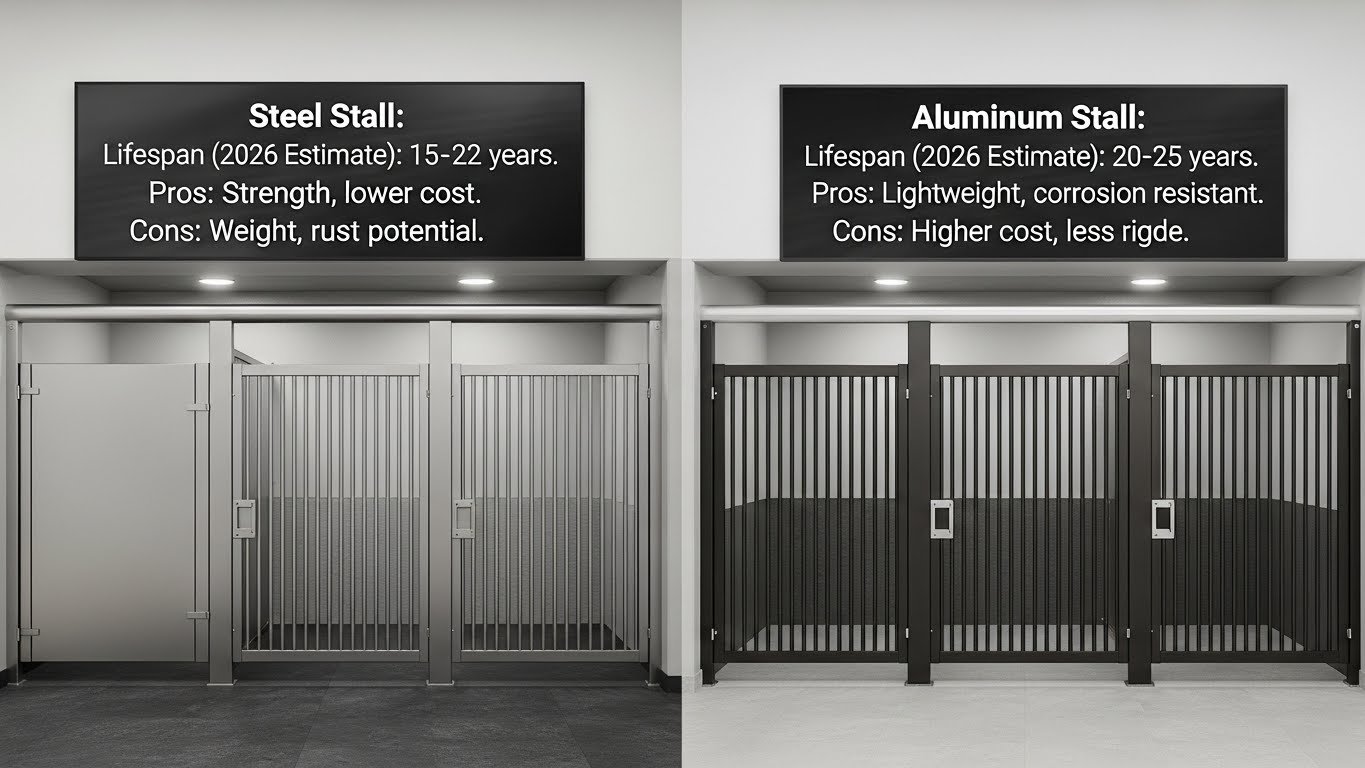
Does Hot-Dip Galvanized Steel Rust Faster Than Aluminum?
No. In typical equestrian environments, properly hot-dip galvanized steel provides superior rust protection compared to aluminum, but performance depends entirely on the quality of the coating.
Understanding How Each Metal Resists Corrosion
It comes down to two very different ways of fighting corrosion. Hot-dip galvanized steel is coated in a thick layer of zinc that acts as a sacrificial barrier. When the surface is scratched, the surrounding zinc corrodes first to protect the steel base. Aluminum works differently, naturally forming a thin but hard layer of aluminum oxide on its surface. This passive layer seals the metal off from air and water. While aluminum’s oxide layer is highly effective in salty marine air, the robust zinc coating on steel often performs better in the moisture conditions found on a typical farm.
The Importance of Zinc Coating Thickness (ISO 1461)
The longevity of galvanized steel is directly tied to the manufacturing process. A cheap product made from pre-galvanized tubes will rust at the welds. The correct industrial method is **Hot-Dip Galvanization After Fabrication**, where the entire finished stall panel is submerged in molten zinc. This process ensures that every weld, cut, and corner is fully protected, leaving no weak spots for rust to start. This is not a suggestion; it is a manufacturing standard.
Compliance with the BS EN ISO 1461 standard dictates a minimum zinc coating thickness, which provides a verifiable layer of defense. These are the non-negotiable specs for structural integrity:
- المعيار الحاكم: BS EN ISO 1461
- Tubing (3-6mm steel): Average coating thickness must exceed 70 microns (μm).
- Structural Parts (>6mm steel): Average coating thickness must exceed 85 microns (μm).
An industrial-grade coating this thick provides decades of protection, far exceeding the minimal defense offered by thinner pre-galvanized or painted materials.
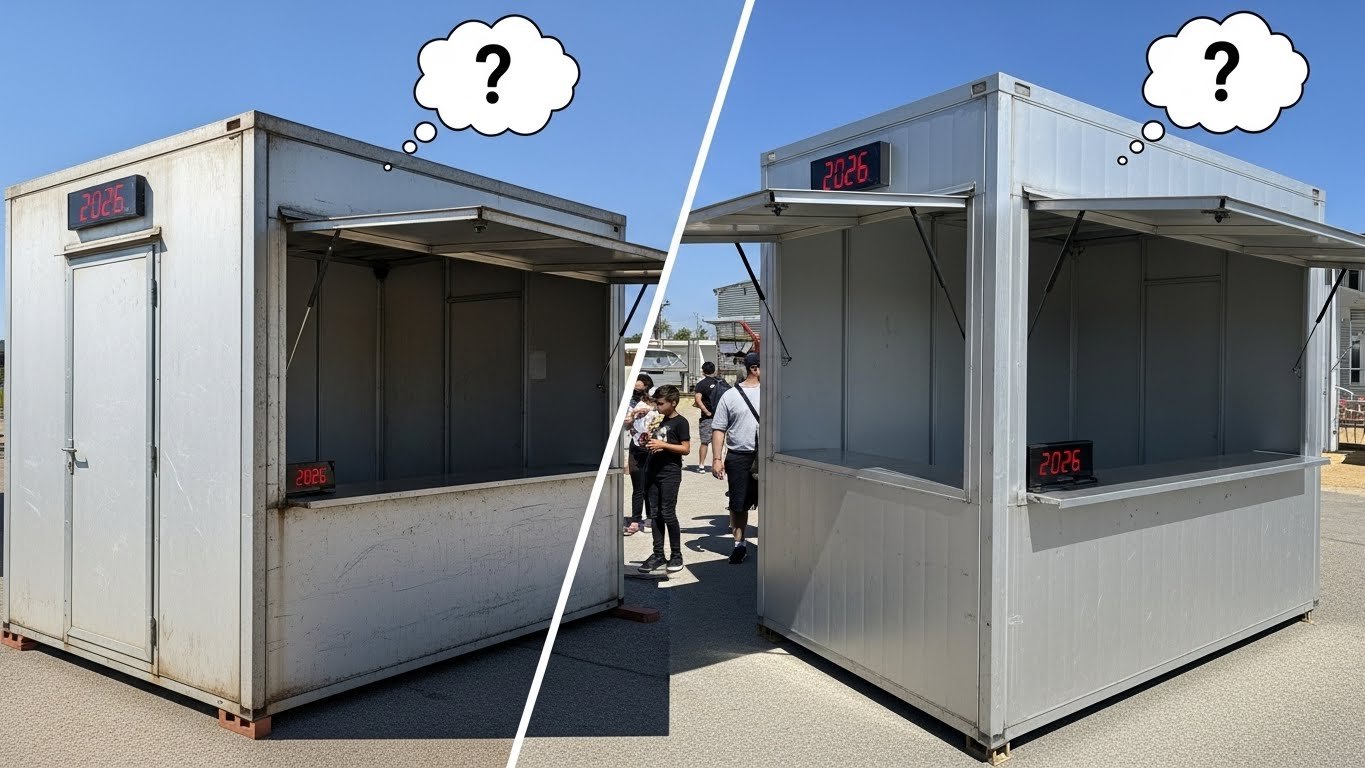
Which Material Offers Better ROI for Event Organizers?
The best ROI comes from a steel system with full galvanization and لوجستيات المنتجات المُعبَّأة في صناديق قابلة للتركيب. This model cuts long-term maintenance, repair, and freight costs, preserving asset value.
Balancing Upfront Costs with Long-Term Value
Calculating true return on investment goes beyond the initial price tag. It requires an honest look at the total cost of ownership, including operational expenses, maintenance, and the asset’s final resale value. A cheaper initial purchase can quickly become a financial drain if it demands constant upkeep and depreciates rapidly.
- Initial Investment: Steel systems typically have a lower upfront purchase price compared to aluminum, making them more accessible for large-scale event fleets.
- Operating Costs: The real cost of ownership includes transport, setup labor, and repairs. Rust and corrosion from waste and weather are major budget killers that must be factored into any ROI calculation.
- Resale Value: A stall system’s ability to withstand kicks, moisture, and frequent transport directly impacts its lifespan and what it’s worth on the secondhand market. Materials that degrade lose value fast.
How Smart Design and Materials Maximize Returns
Focusing on specific manufacturing and logistical details is how professional operators protect their capital. The right choices in rust protection, infill material, and shipping design deliver a superior long-term ROI by minimizing expenses over the asset’s life.
- Extended Lifespan with Hot-Dip Galvanization: Galvanizing the entire steel structure *after* fabrication to ISO 1461 standards provides complete rust protection. This secures the initial investment for years, unlike systems that weld pre-galvanized tubes and leave the joints vulnerable.
- Reduced Maintenance with HDPE Infill: Using UV-stabilized HDPE infill planks creates a ‘Zero Maintenance’ solution. The material absorbs impacts without cracking and is easy to نظيفة, which significantly lowers labor costs between events.
- Protecting Profits with Flat-Pack Logistics: A flat-pack design allows for shipping 30-45 sets in a single container. Fully-welded systems only fit 12-15 sets. This difference drastically cuts the per-unit freight cost, directly protecting distributor margins.
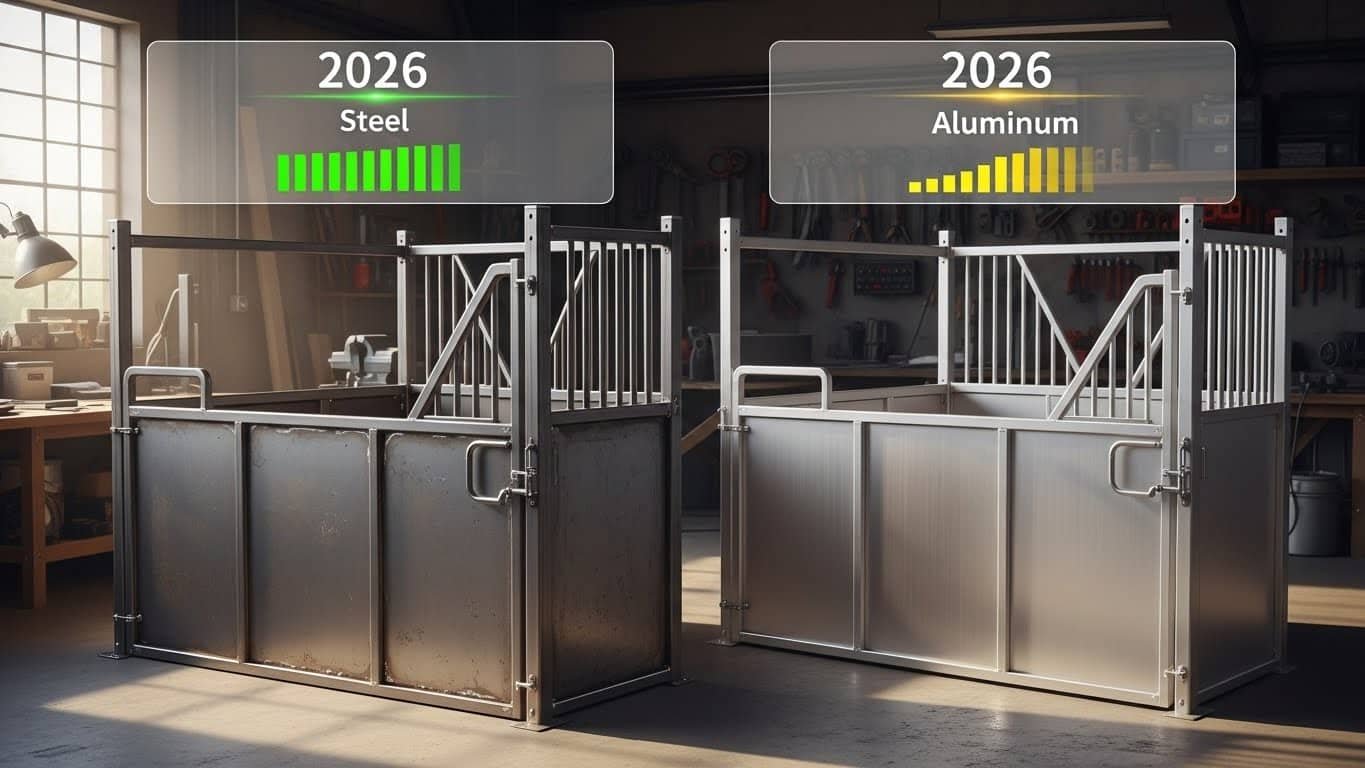
الأفكار النهائية
While generic aluminum or pre-galvanized stalls seem cheaper upfront, they expose your rental fleet to risk from fractures and rust. Our commitment to Hot-Dip Galvanization After Fabrication to ISO 1461 standards is non-negotiable for asset longevity. This engineering choice protects your investment and your reputation for providing safe, durable equipment.
The real test is in the steel itself. We recommend a trial order of 3-5 مستقر sets to validate the galvanization quality and the efficiency of our flat-pack system. Contact our team to get a quote and discuss your wholesale or OEM requirements.
الأسئلة المتداولة
Is a steel stall really stronger than an aluminum one?
Yes. Structural steel like Q235B has much higher impact resistance than aluminum of the same thickness. While aluminum is lighter, it needs significantly thicker profiles to match the kick-proof durability of steel, which often cancels out its weight advantage. For operations in المناخات الباردة, we use Q345B steel for its superior toughness at low temperatures, preventing fractures from kicks in winter.
How is rust prevented in modern steel stalls?
The best method is hot-dip galvanization *after* fabrication. We weld the entire steel frame first, then dip the completed structure into molten zinc. This process coats every surface, weld, and corner to ISO 1461 standards. The result is a thick protective layer, over 70 microns, that stops rust for decades, even in humid or coastal environments.
Are heavier steel stalls difficult to transport and install?
While individual steel اللوحات are heavier, the logistics are solved with a flat-pack system. This design allows up to 45 stable sets to fit in a single 40HQ shipping container, which cuts freight costs significantly for our distributors. On-site, the اللوحات are designed for straightforward bolt-together assembly using standard stainless steel connectors and hardware.
What is the best infill material: HDPE or Bamboo?
The choice depends on your facility’s needs. High-Density Polyethylene (HDPE) is a zero-maintenance, impact-absorbing solution that is UV-stabilized and easy to clean, making it perfect for busy, high-turnover barns. High-density strand-woven خيزران is about three times harder than oak, naturally resists mold, and provides a classic, premium look for private or professional equestrian centers.
Is Lighter Aluminum Safer Than Heavier Steel for Horse Stalls?
No. Lighter weight does not equal safer. Safety comes from material strength and engineering. To match the impact resistance of Q235B structural steel, an aluminum tube needs to be significantly thicker, which cancels out its weight advantage. A kick can puncture thin, low-quality aluminum, creating sharp, dangerous edges. Properly engineered steel offers far superior strength and durability for equine البيئات.
Can Steel Horse Stalls Be Moved by One Person?
Moving a steel panel is a two-person job. While our flat-pack systems are designed for portability and efficient shipping, the panels themselves are heavy. A complete stall set can weigh between 250-450kg. This weight is necessary for the stall to withstand years of use, but it makes آمنة وفعالة handling by a single person impractical.
What Steel Thickness Is Used for Quality Portable Stalls?
14-gauge is the benchmark for high-quality portable stalls, but the actual wall thickness is what counts. We mandate a minimum wall thickness of 2.0mm for all Q235B structural steel tubing. Many budget options use thinner 16 or 18-gauge steel, which is more likely to dent and deform over time. Our 2.0mm standard ensures a proper balance of strength and practical weight for assembly.
Which is Cheaper to Repair: Steel or Aluminum Stalls?
Aluminum avoids rust, so it has lower long-term تكاليف الصيانة. Repairing our hot-dip galvanized steel is straightforward but more involved. A deep scratch requires cleaning and a touch-up with a cold galvanizing spray to restore the protective zinc layer. While the steel itself is much more resistant to the initial damage, the repair process must be done correctly to prevent future corrosion.
Will Hot-Dip Galvanized Steel Rust if It Gets Scratched?
Not right away. The hot-dip galvanizing process creates a thick zinc coating (over 70 microns) that provides cathodic protection. This means if a small scratch occurs, the zinc around it sacrifices itself to protect the exposed steel from rust. For minor scuffs, this self-healing property works well. Deeper gouges should be treated with the included cold galvanizing touch-up spray to ensure total protection.
Do Aluminum Stalls Hold Their Value Better Than Steel?
It depends on the priority. Aluminum’s value is in its rust resistance, which is ideal for humid climates. Steel’s value is in its raw strength and durability. A properly maintained stall, built with a “hot-dip after fabrication” process that coats all welds, holds its value by resisting dents, damage, and structural fatigue far better than aluminum. For operations prioritizing strength and long-term structural integrity, engineered steel is the better investment.

 Arabic
  English
  Spanish
  French
  German
0 تعليق