


المدونة

Smooth Horse Stall Walls: Preventing Tail Rubbing and Splinters
Persistent tail rubbing destroys show-quality aesthetics and accelerates stable wall degradation. While parasites often trigger the itch, the financial damage compounds when horses target abrasive, rough-cut timber that splinters under pressure. Relying on standard...

Feed Windows vs Swivel Feeders on Horse Stall Fronts
Adopting specific Aisle Feeding Hacks is the fastest method to cut chore time and remove the liability of stall-entry protocols. Operations that require staff to open doors for every feed cycle face compounded labor costs and higher injury rates from direct...
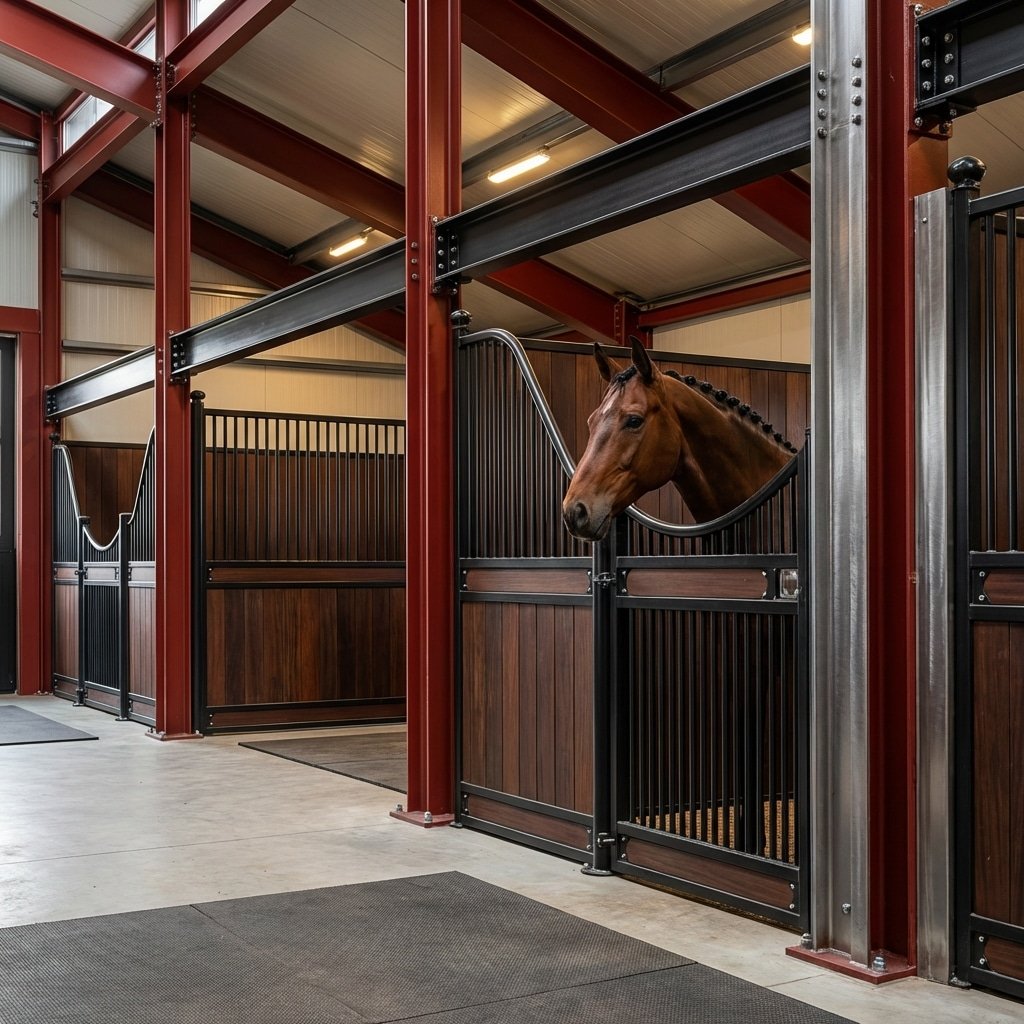
Attaching Horse Stalls to Steel I-Beams (Red Iron Buildings)
Integrating horse stalls into Red Iron Barns demands specific attachment protocols to prevent structural fatigue. While clear-span steel offers superior floor plan flexibility, standard lag bolts fail against the density of I-beam columns. This incompatibility often...
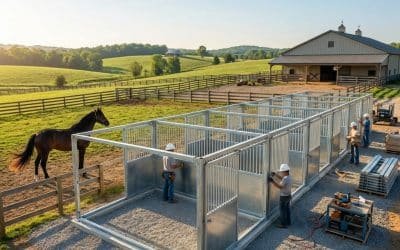
Tools Needed to Assemble Modular Horse Stable Kits
Selecting the correct DIY Assembly Tools determines whether your modular barn lasts decades or rusts within seasons. While standard power drills suffice for softwood, they inevitably fail against the 14-gauge Q345B High Strength Steel used in professional equestrian...

Converting Shipping Containers into Modular Horse Stables
Building Container Barns requires navigating the strict 8-foot width limit that renders standard equestrian equipment obsolete. Attempting to retrofit stock stall fronts into these 2.34m spaces forces on-site cutting, destroying the protective zinc seal. This...
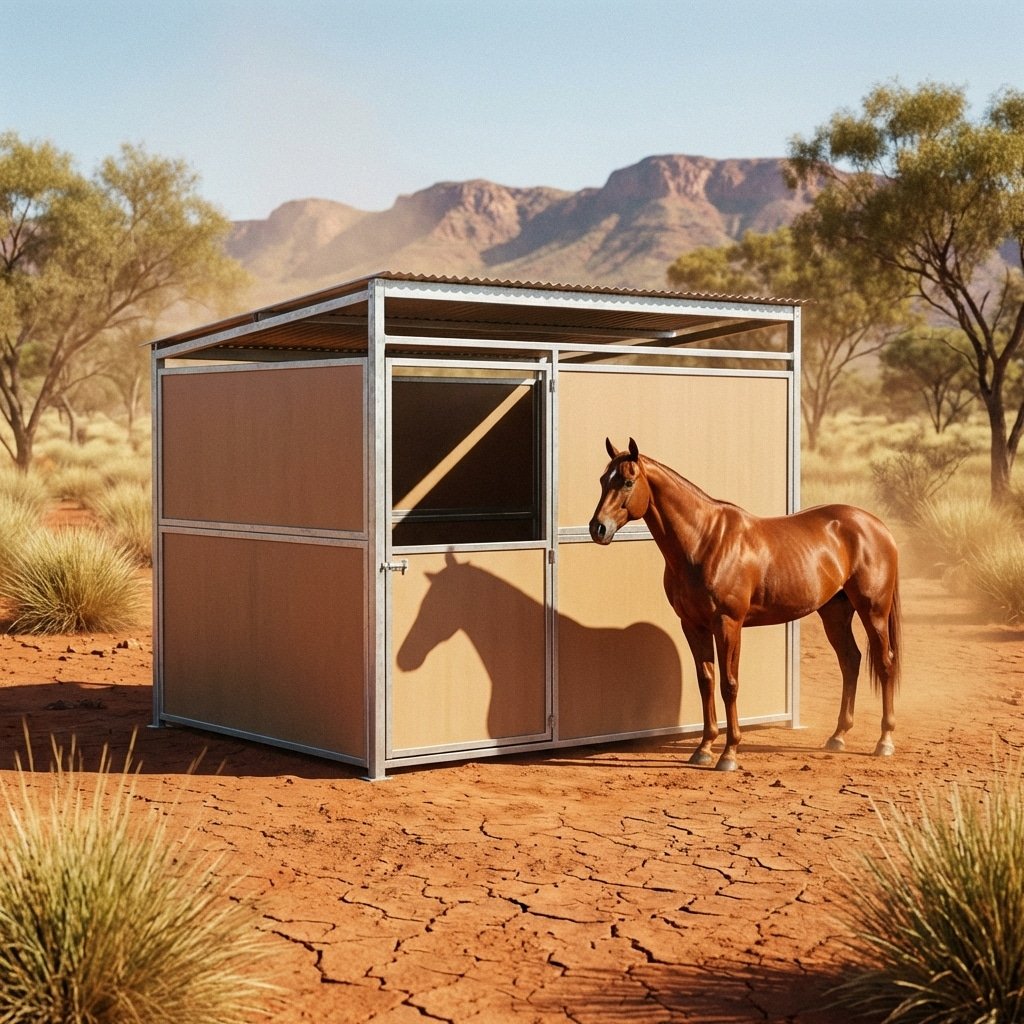
Portable Horse Stables in Australia: Why HDPE Panels Beat Wood in 40°C Heat
Deploying portable horse stables in Australia demands materials that withstand 40°C heat and aggressive subterranean termites. Standard timber splits under these conditions, forcing facility managers to absorb high replacement costs and safety liabilities within...
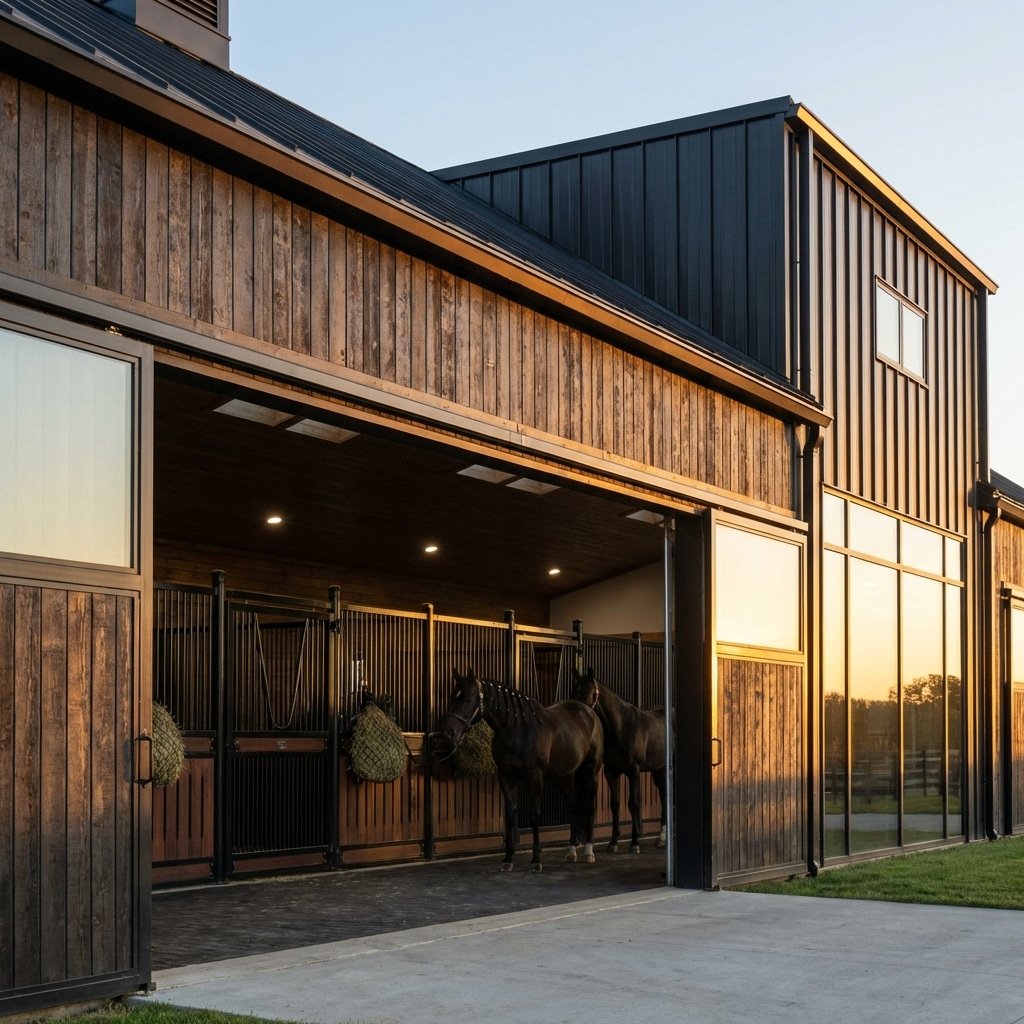
Top 5 Horse Stable Suppliers on Alibaba in 2026 (And Who to Avoid)
Alibaba Sourcing for horse stables is often a trap of trading companies disguised as factories, where hidden broker commissions erode your procurement margins by up to 40%. While pre-galvanized offers appear cheap, they frequently conceal inferior 1.5mm tubing that...

Waterproof Horse Stall Panels: Surviving Auto-Waterer Leaks
Managing Auto-Waterer Floods requires more than just a sump pump; it demands infrastructure that survives submersion. When a float valve jams, standard pine or plywood stall fronts absorb moisture immediately, leading to irreversible warping and dangerous mold growth....
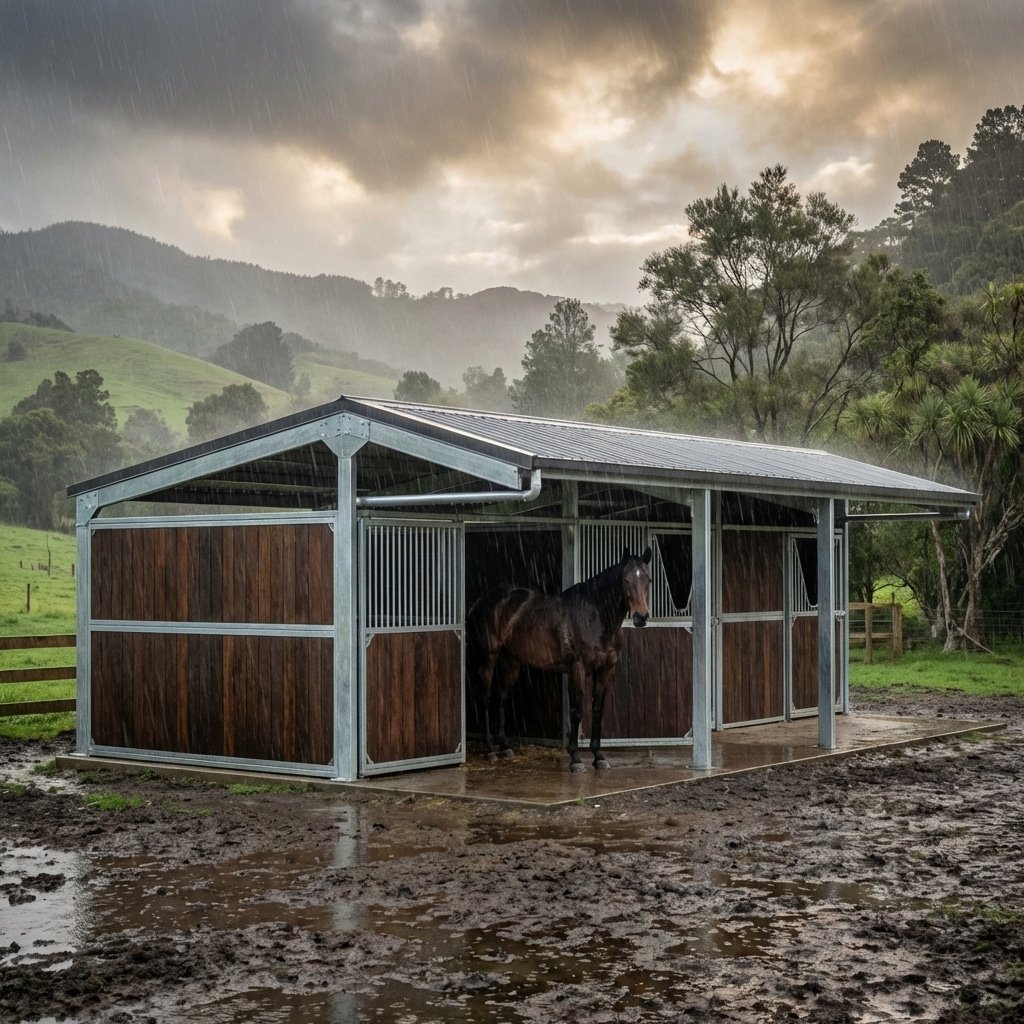
Waterproof Horse Stall Panels: Surviving New Zealand’s High Rainfall
Constructing stables in New Zealand requires specific defense against the acidic mud poultices that dissolve standard steel finishes. Relying on traditional timber or pre-galvanized tubes accelerates depreciation through rot and red rust, often forcing facility...

Top 5 Heavy-Duty Stable Manufacturers for Mounted Police Units
Sourcing infrastructure for Mounted Police Units is a liability management exercise. Standard equestrian stables frequently fail under the impact force of 1,900-pound draft crosses, resulting in severe injuries and immediate asset depreciation. Procurement officers...
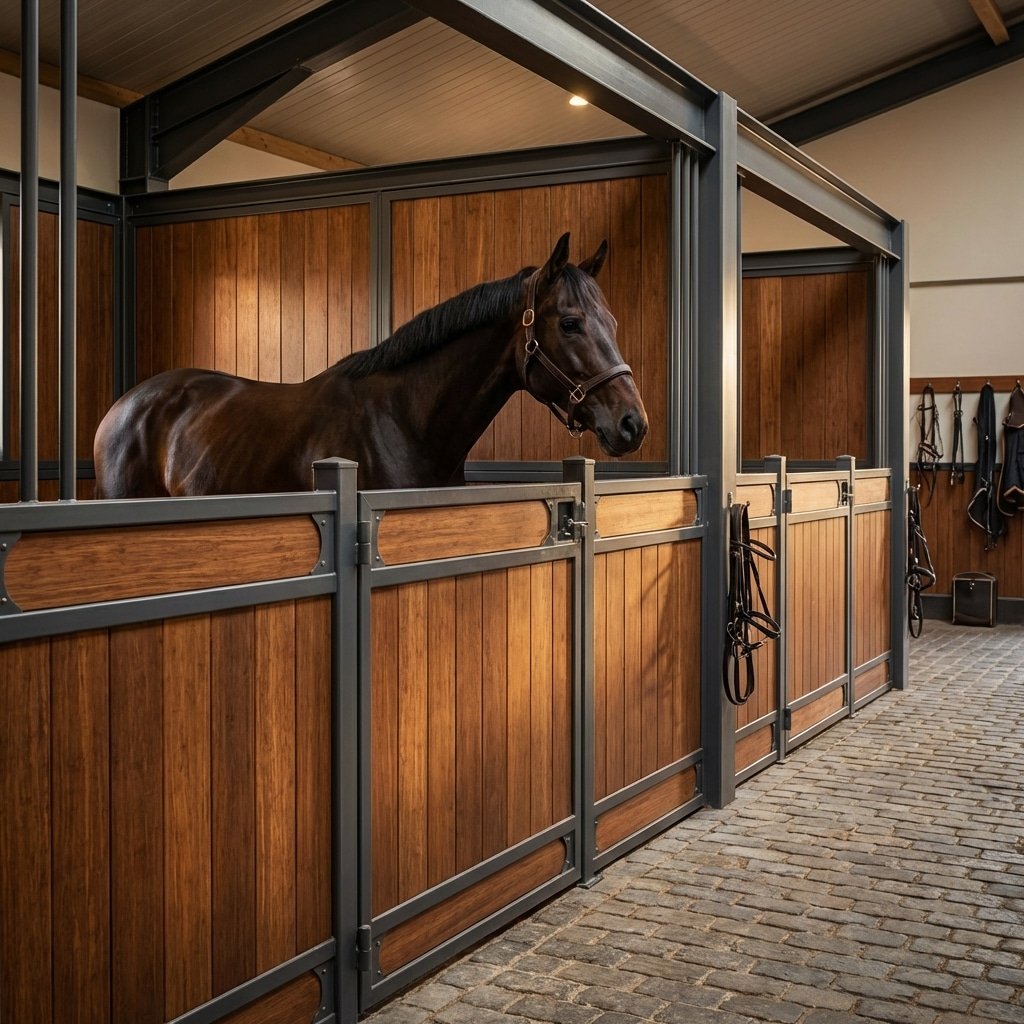
Floor-to-Ceiling Solid Horse Stables for Aggressive Stallions
Deploying engineered Stallion Walls is the only defense against the kinetic energy of a rearing 600kg animal. Standard 7-foot partitions create a dangerous fulcrum point, often leading to catastrophic leg fractures and six-figure thoroughbred losses.We engineer...
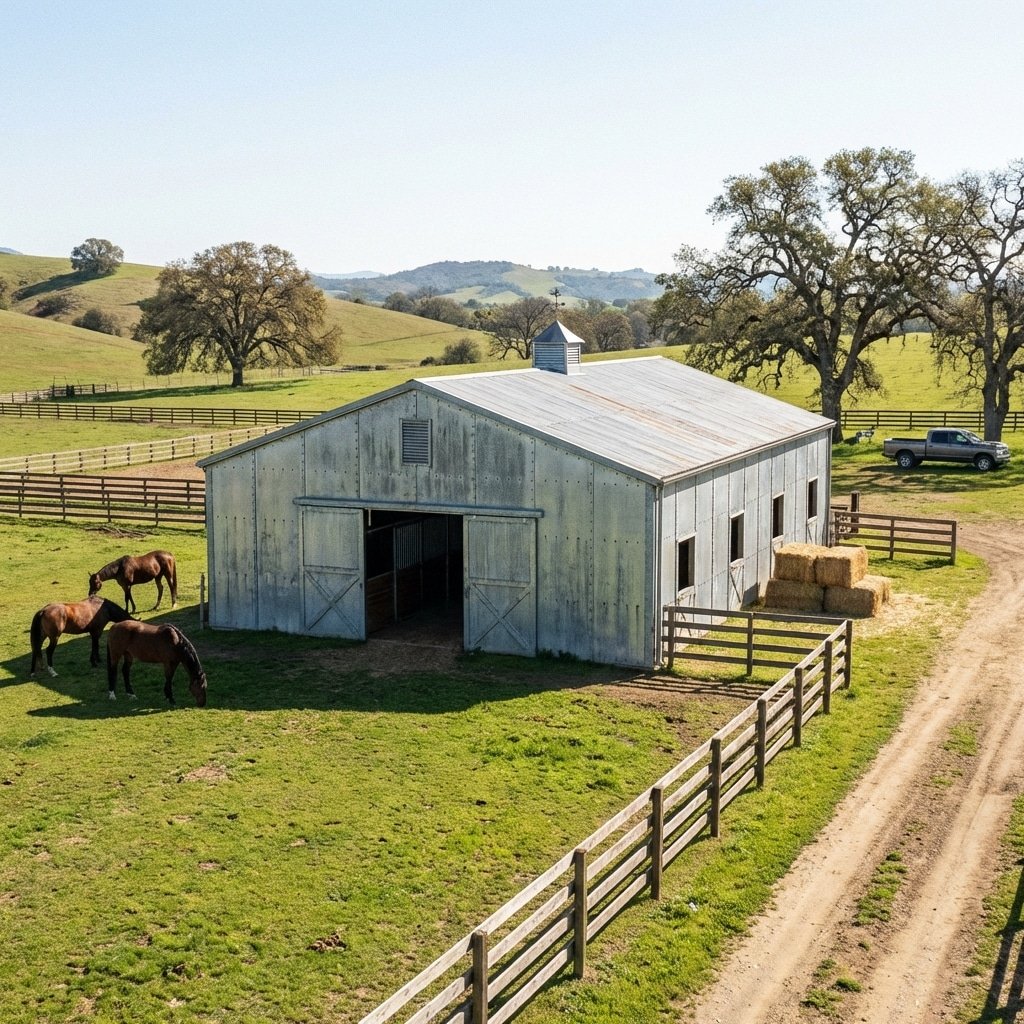
Modular Horse Stall Kits in the USA: Why 14-Gauge Steel is the Standard
Sourcing modular horse stalls for the USA market requires navigating a landscape cluttered with under-spec lightweight tubing. While economy 18-gauge kits offer attractive retail price points, they represent a significant liability risk for facility owners and...
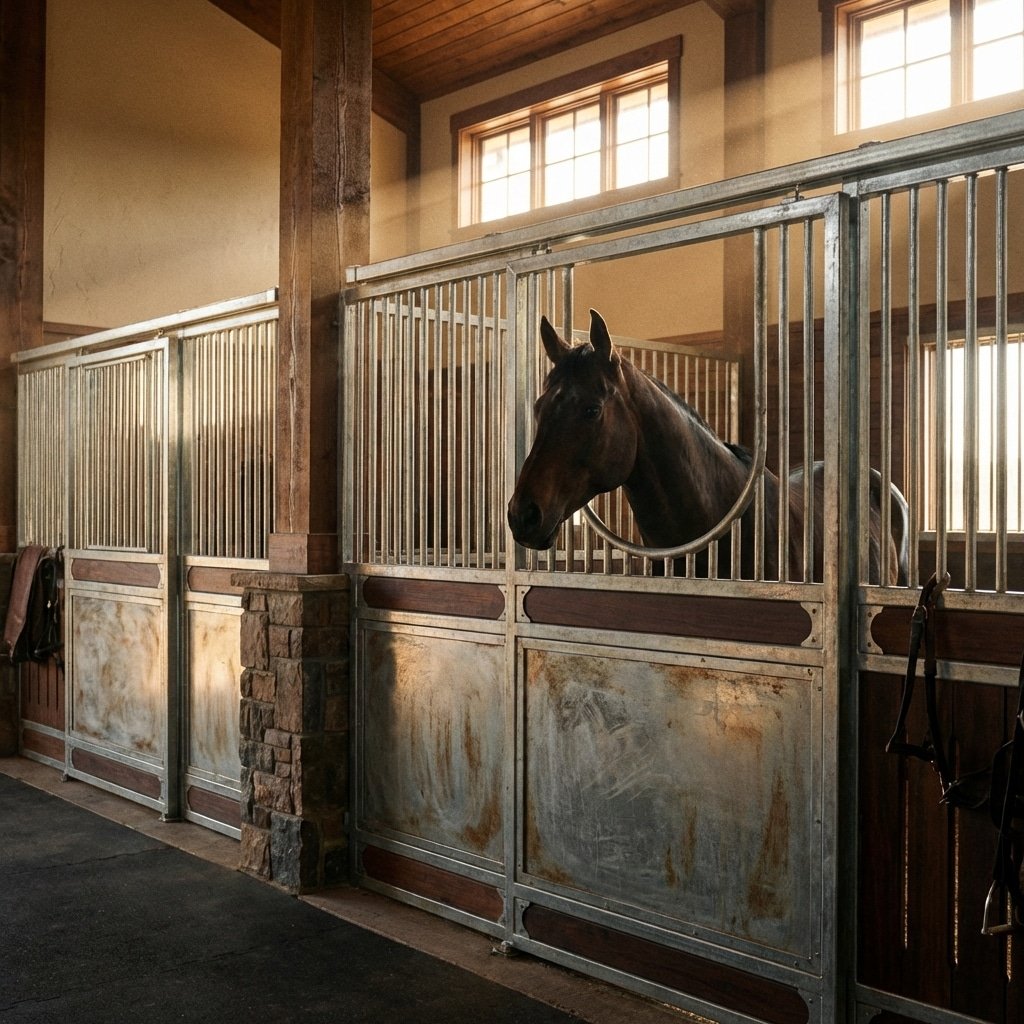
Vertical U-Channels: Stopping Cribbing on Sliding Horse Stall Doors
Door Edge Cribbing rapidly degrades facility infrastructure and creates a recurring maintenance liability. When horses anchor their incisors on exposed timber, the resulting 29.4kg of force warps track systems and shreds softer materials, transforming a cosmetic issue...
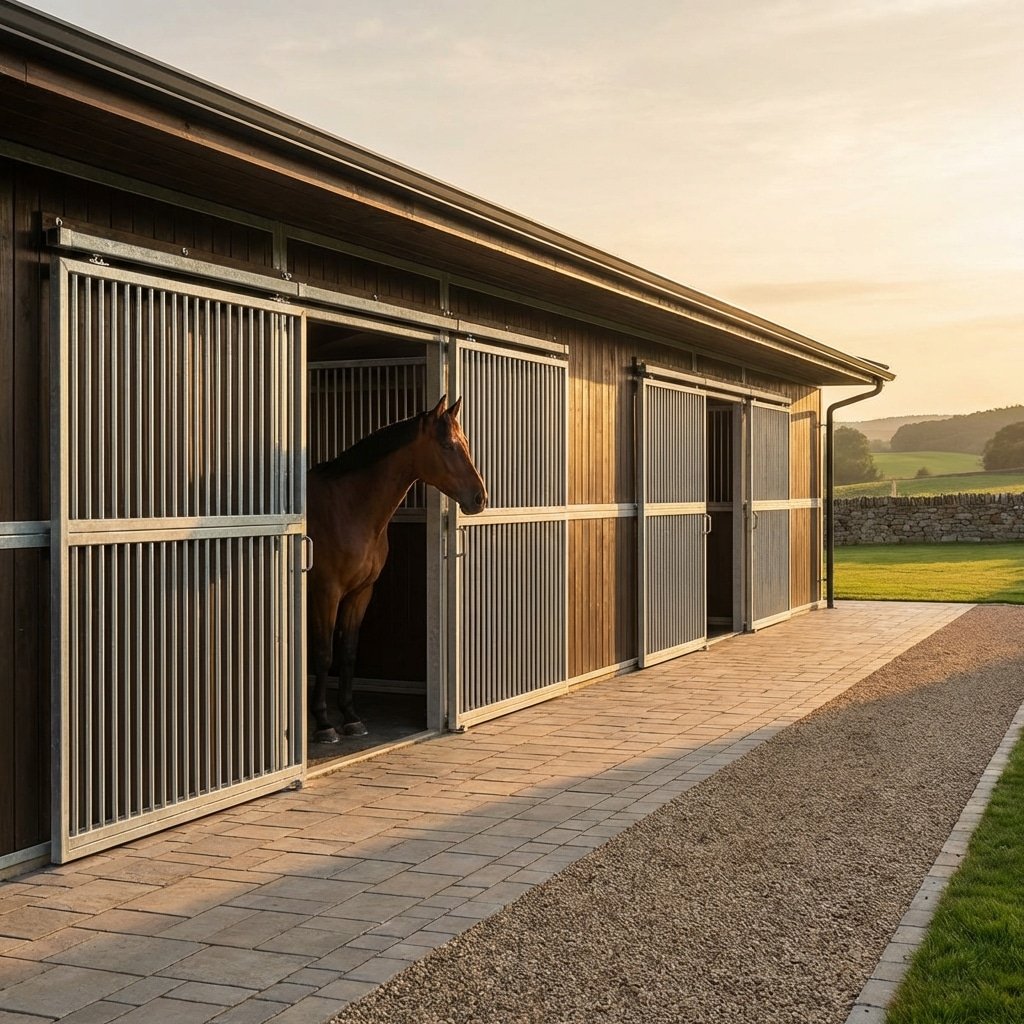
UK Horse Stables: Choosing Sliding Stall Fronts for BHS Compliance
Sourcing compliance-ready horse stables for the UK market demands strict adherence to British Horse Society welfare guidelines. Traditional hinged doors often fail in narrow heritage barns, creating dangerous obstruction hazards that increase operator liability and...
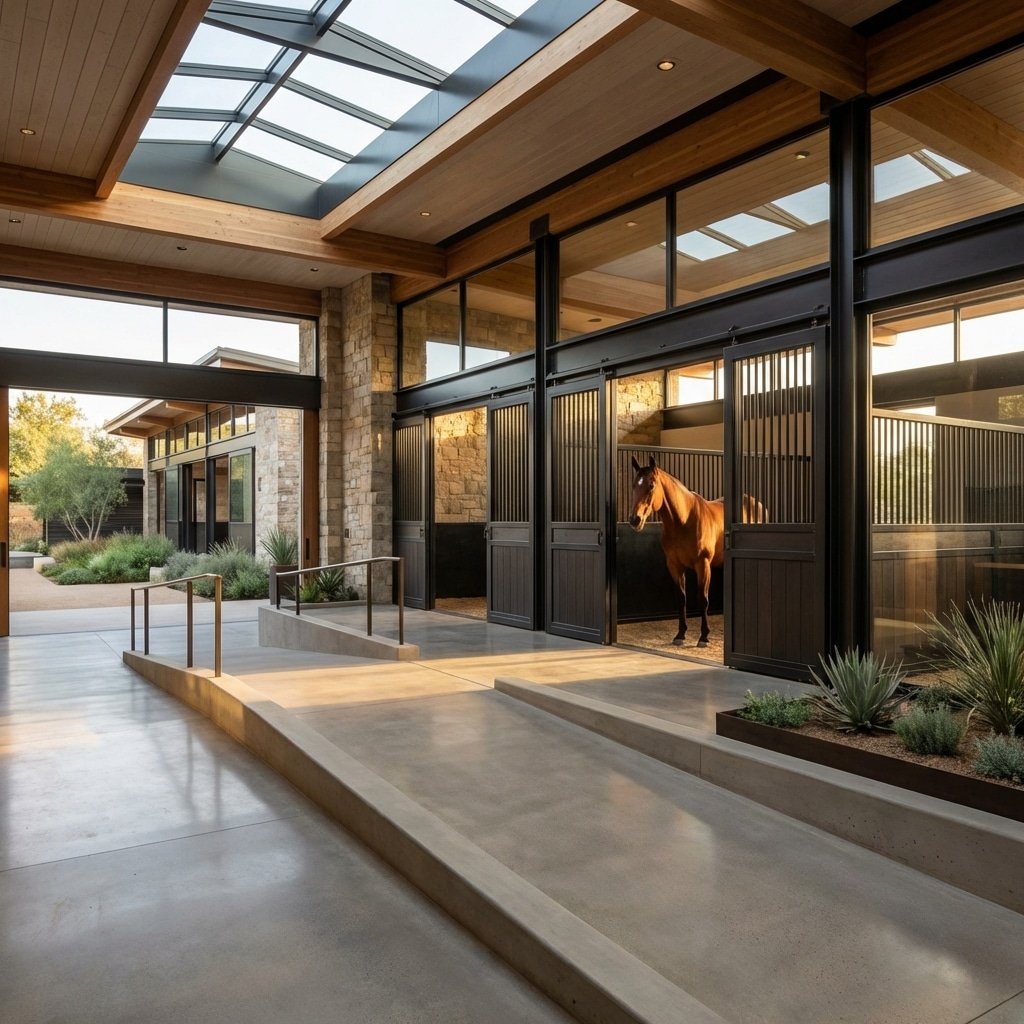
Best Barn Suppliers for Therapeutic Riding & ADA Compliant Centers
Therapeutic Riding facility design demands engineering that exceeds standard agricultural specifications to mitigate liability risks. Installing generic stable fronts often results in accessibility bottlenecks and increased injury claims from catching mobility devices...

Installing Modular Horse Stalls Over Wash Bay Trench Drains
Integrating Trench Drains into commercial wash bays often forces builders to choose between drainage efficiency and structural integrity. Installing solid-base stall fronts directly over these channels creates a dam effect that traps corrosive ammonia and accelerates...
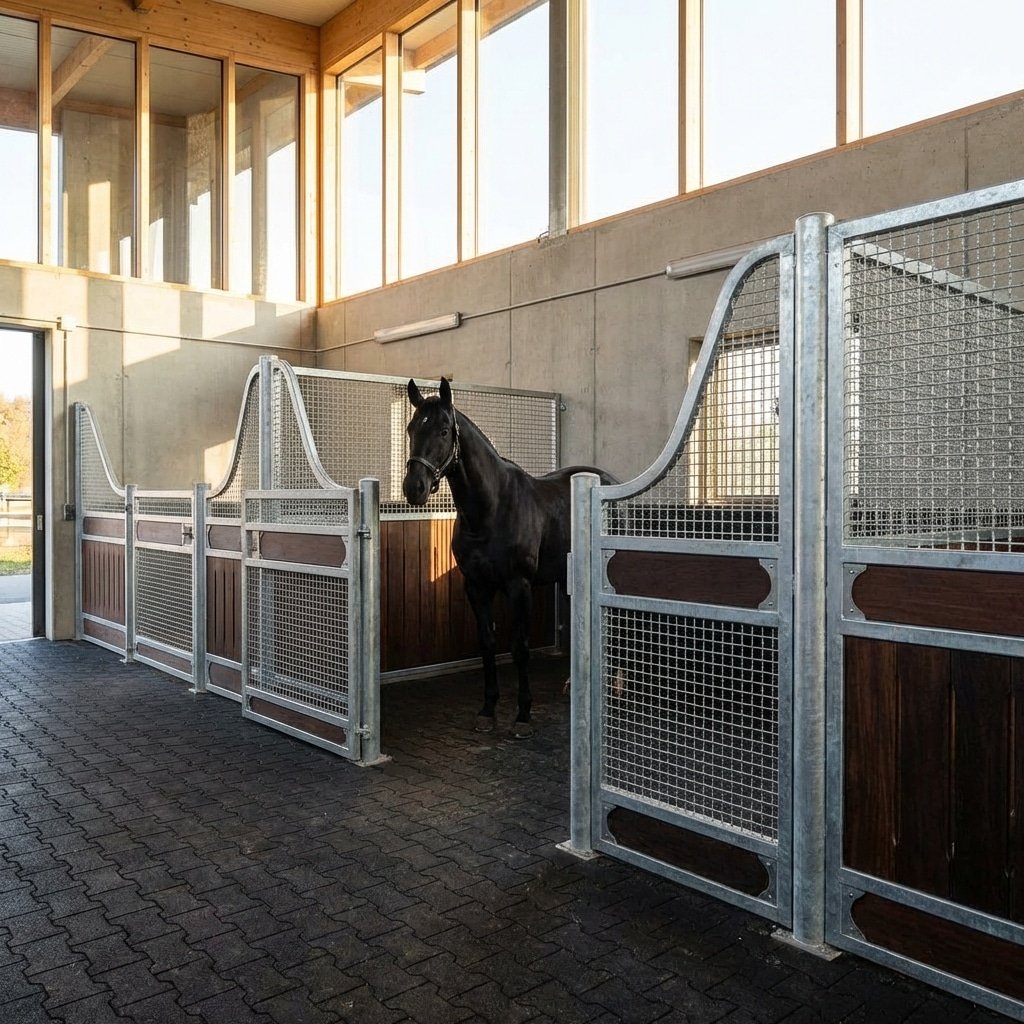
German Horse Stalls: Heavy-Duty Mesh Dividers for Warmbloods
Equipping facilities in Germany for large Warmbloods requires engineering that exceeds standard 2.2m limitations. Athletic breeds like Hannoverians generate massive kinetic force, making standard Q235B steel a significant liability for professional yards where injury...
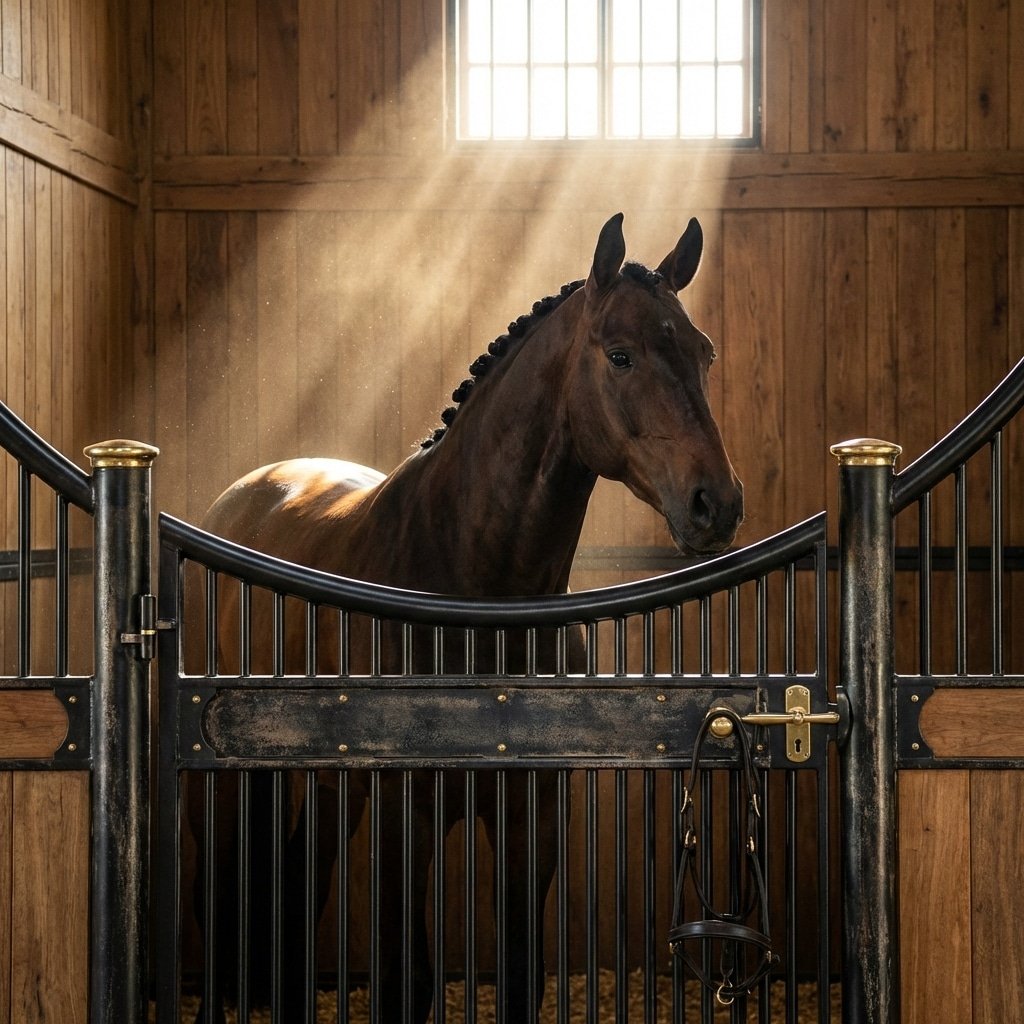
Can a Horse Bend a 1-Inch Steel Tube in a Horse Stall Grill?
Calculating tube bending force is the only reliable method to predict if a stall front will survive a direct hoof strike or collapse into a liability claim. While standard 16-gauge tubing offers lower upfront costs, it lacks the mass to withstand point-impact, often...

Spoga Horse vs. Canton Fair: Sourcing Stables at Global Trade Shows
Strategic Trade Show Sourcing is the decisive factor for procurement teams balancing strict budget cuts against rising raw material costs. While Spoga Horse defines the aesthetic standard for modern stables, the Canton Fair remains the engine for scalable B2B...
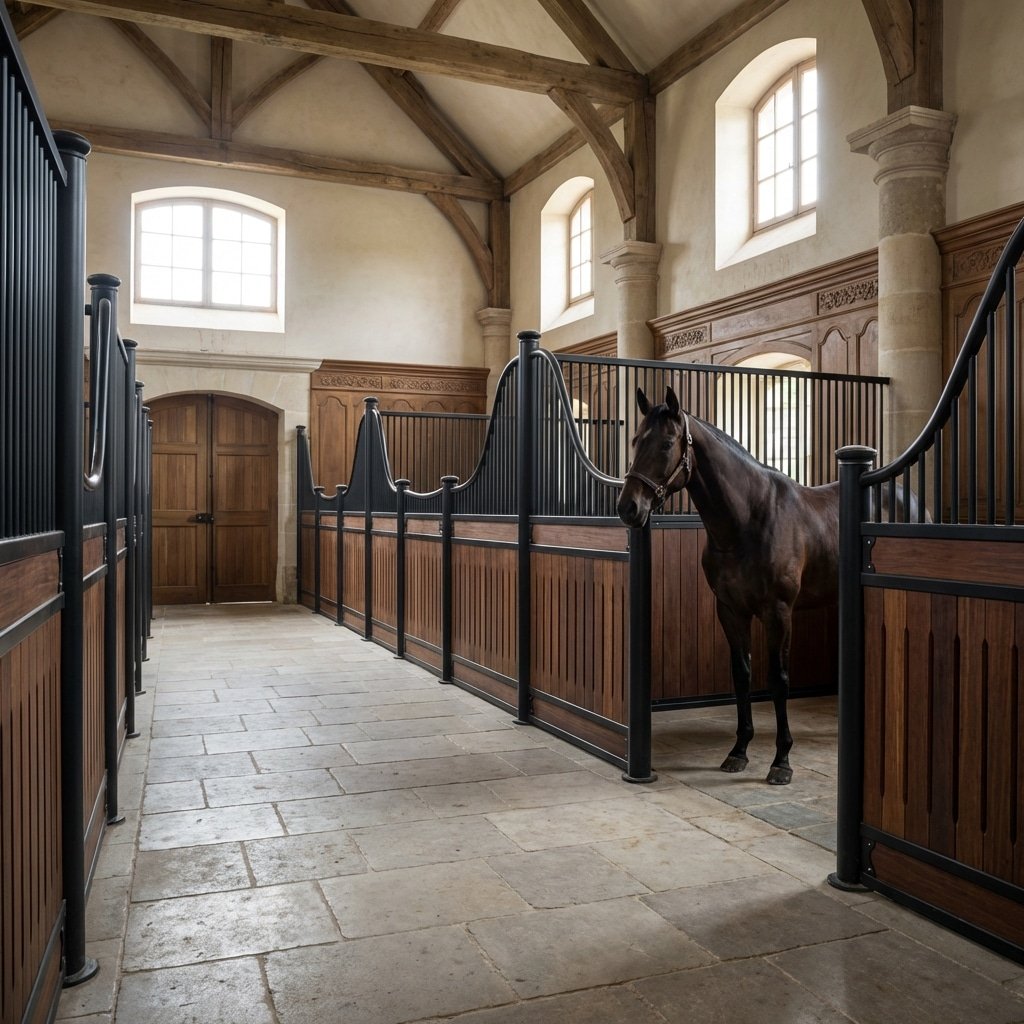
French Equestrian Elegance: Bamboo Horse Stall Fronts vs. Oak
Sourcing equestrian infrastructure for France demands a rigorous balance between Renaissance aesthetics and structural longevity. Relying on traditional oak in damp climates often results in warped joinery and costly maintenance cycles that undermine the value of a...
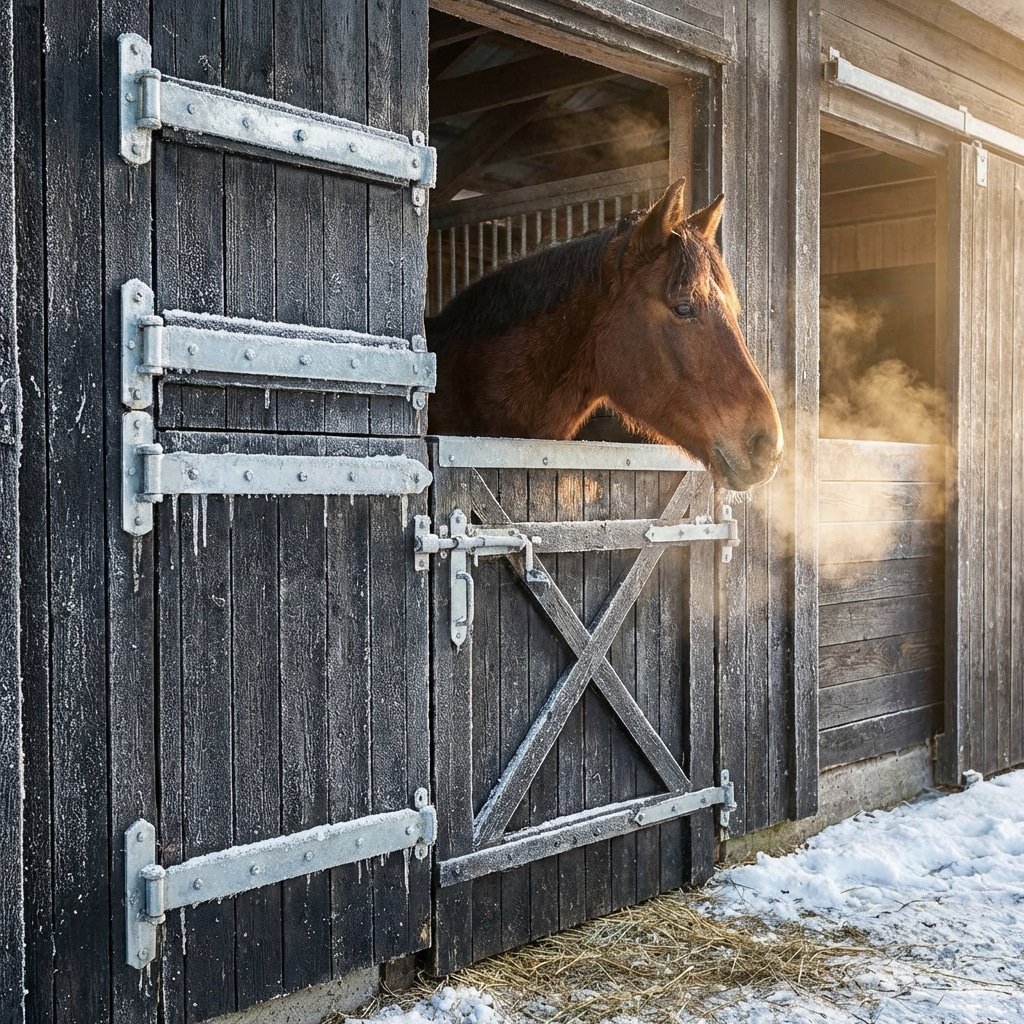
Preventing Squeaky, Frozen Hinges on Horse Stable Doors
Hinge freezing is a preventable mechanical failure that spikes facility maintenance costs during northern winters. When condensation enters standard welded knuckles, it creates an ice wedge that seizes the door, often requiring invasive grinding to release. Relying on...
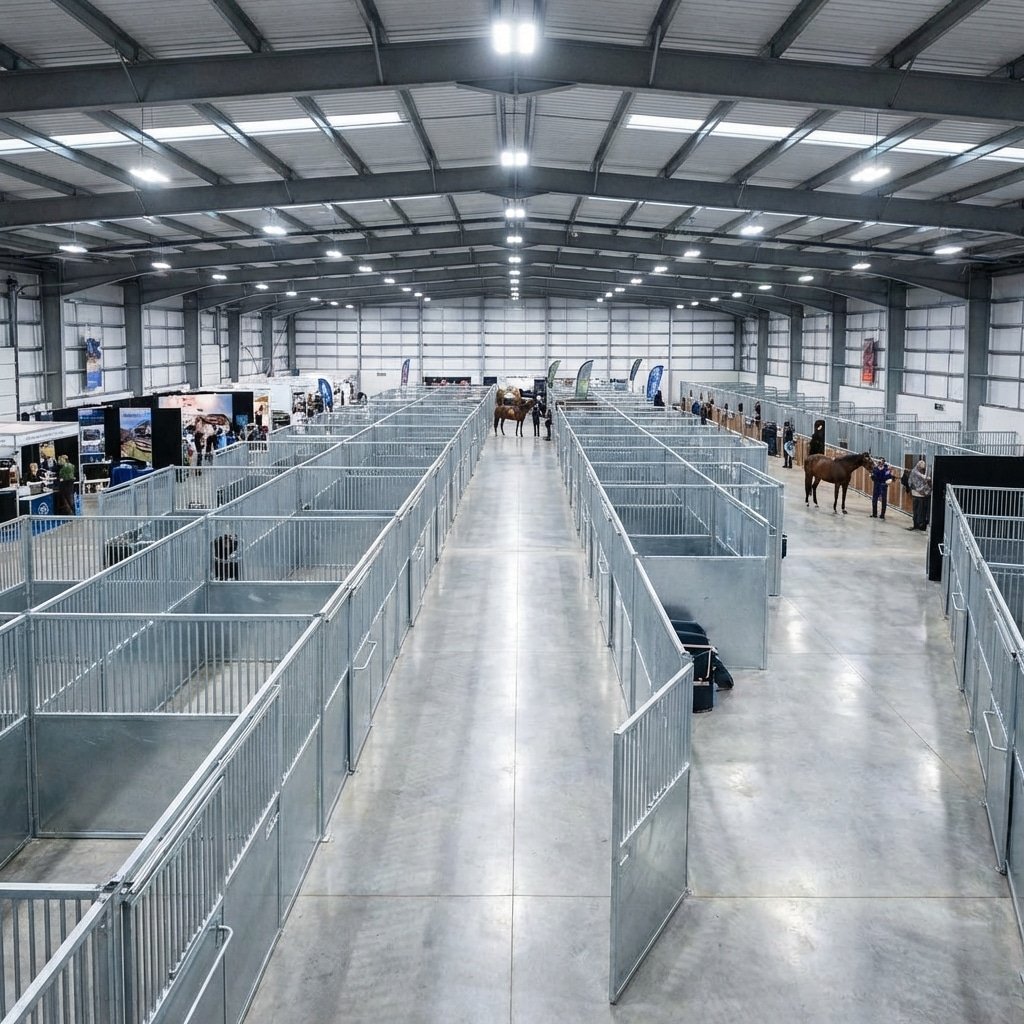
Top Bulk Stabling Manufacturers for State Fairs and Expo Centers
Modern State Fairgrounds lose substantial margin by treating stabling infrastructure as a recurring rental expense rather than a capital asset. Reliance on third-party rental contracts drains budgets through compounding setup labor and logistics markups that often...
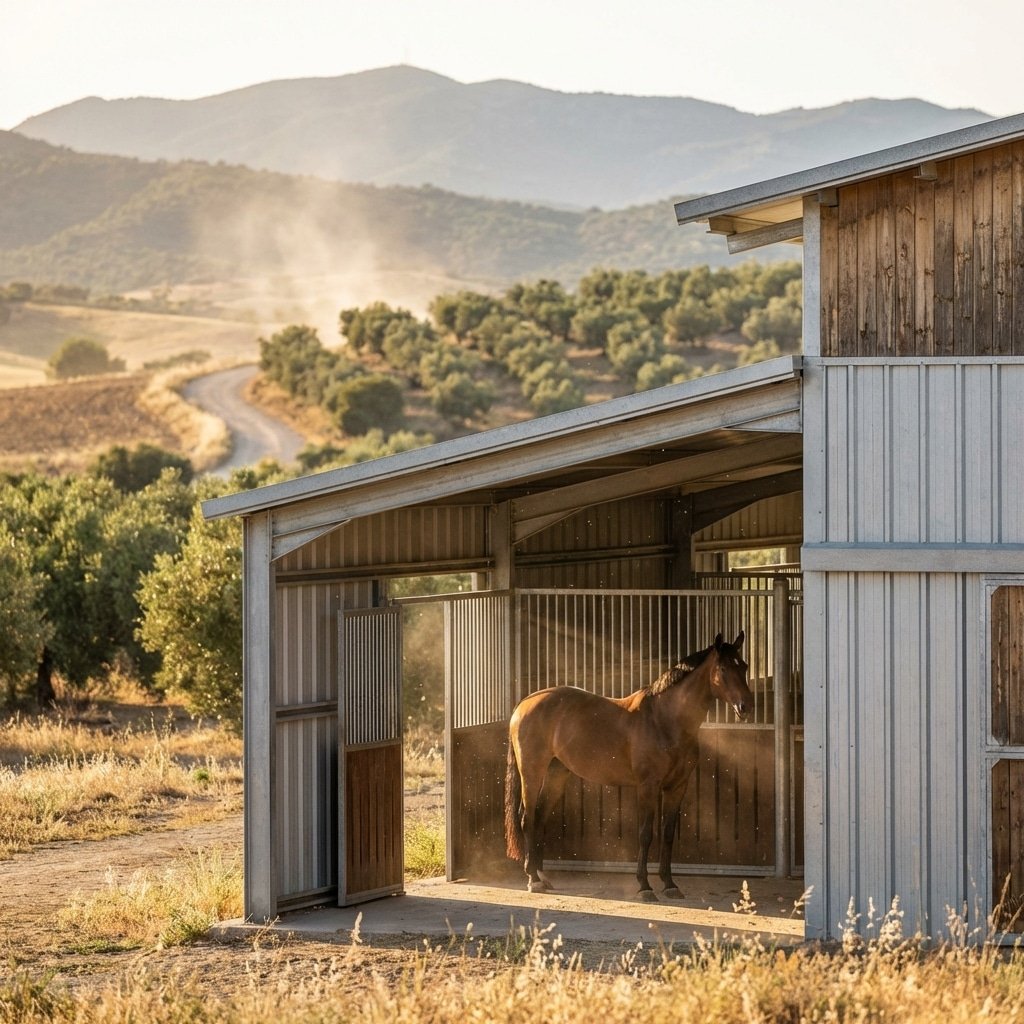
Spanish Summers: Ventilated Free-Standing Horse Stable Kits
Equine operations in Spain face aggressive thermal challenges where standard stabling often leads to costly heat stress incidents. Relying on enclosed masonry structures increases veterinary overhead and dehydration risks compared to open-air designs that prioritize...
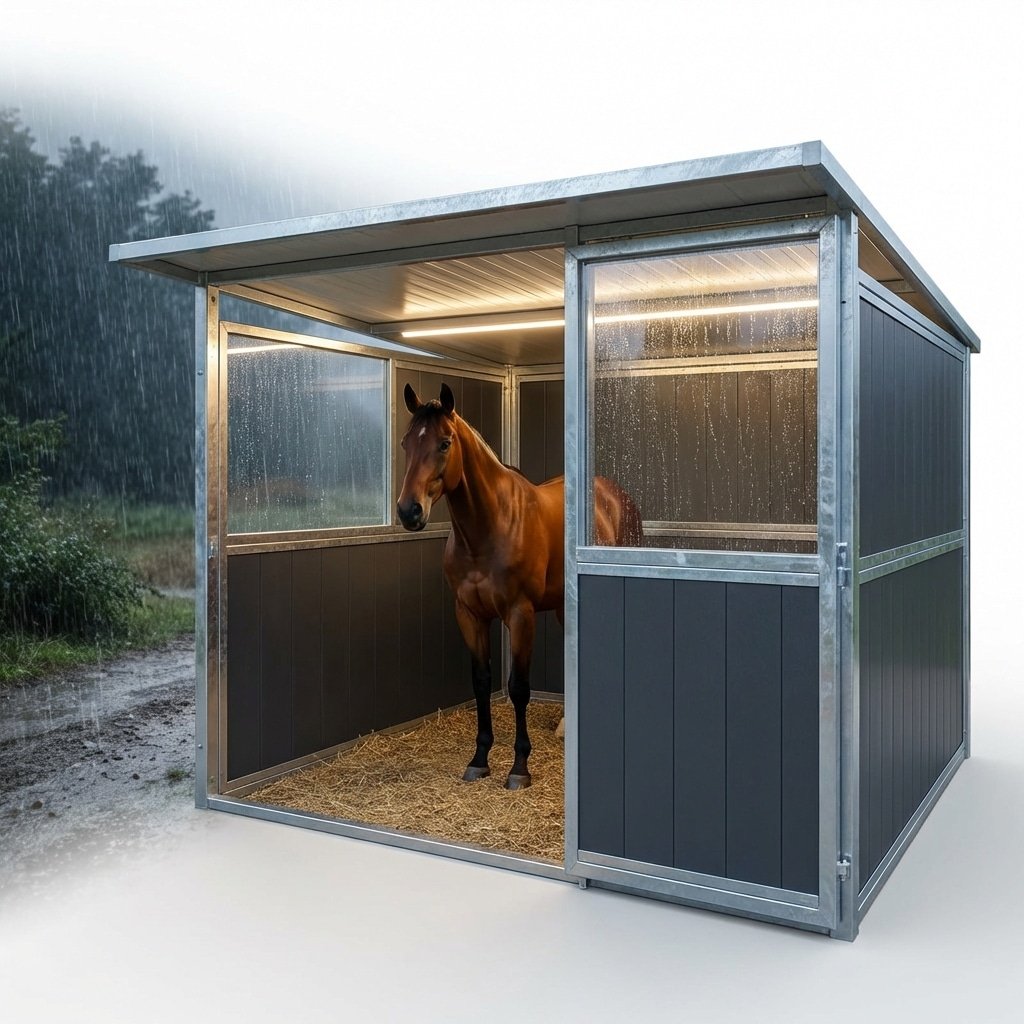
Weatherproofing the Run-In Shed: Side Panels for Free-Standing Stalls
Improperly designed Slanted Rain Shelters turn open-front barns into wind tunnels that destroy up to 50% of your bedding inventory. This moisture ingress forces facility managers to constantly replace expensive shavings and exposes standard pre-galvanized frames to...
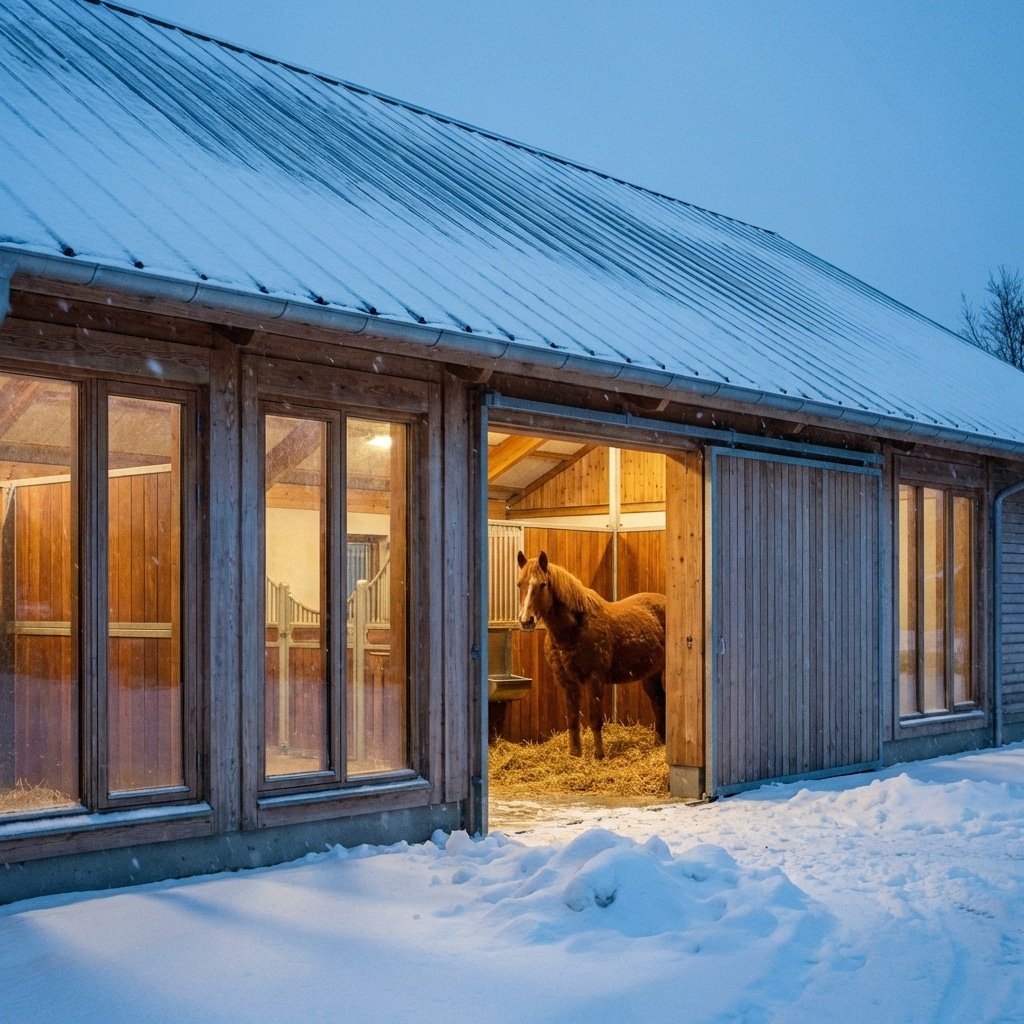
Danish Winters: Draft-Free Horse Stall Doors and Windows
Designing stables for Denmark demands more than just aesthetic appeal; it requires engineering that withstands the hidden financial risks of brittle fracture. Standard construction often fails in these freezing, damp environments, leading to structural shearing and...
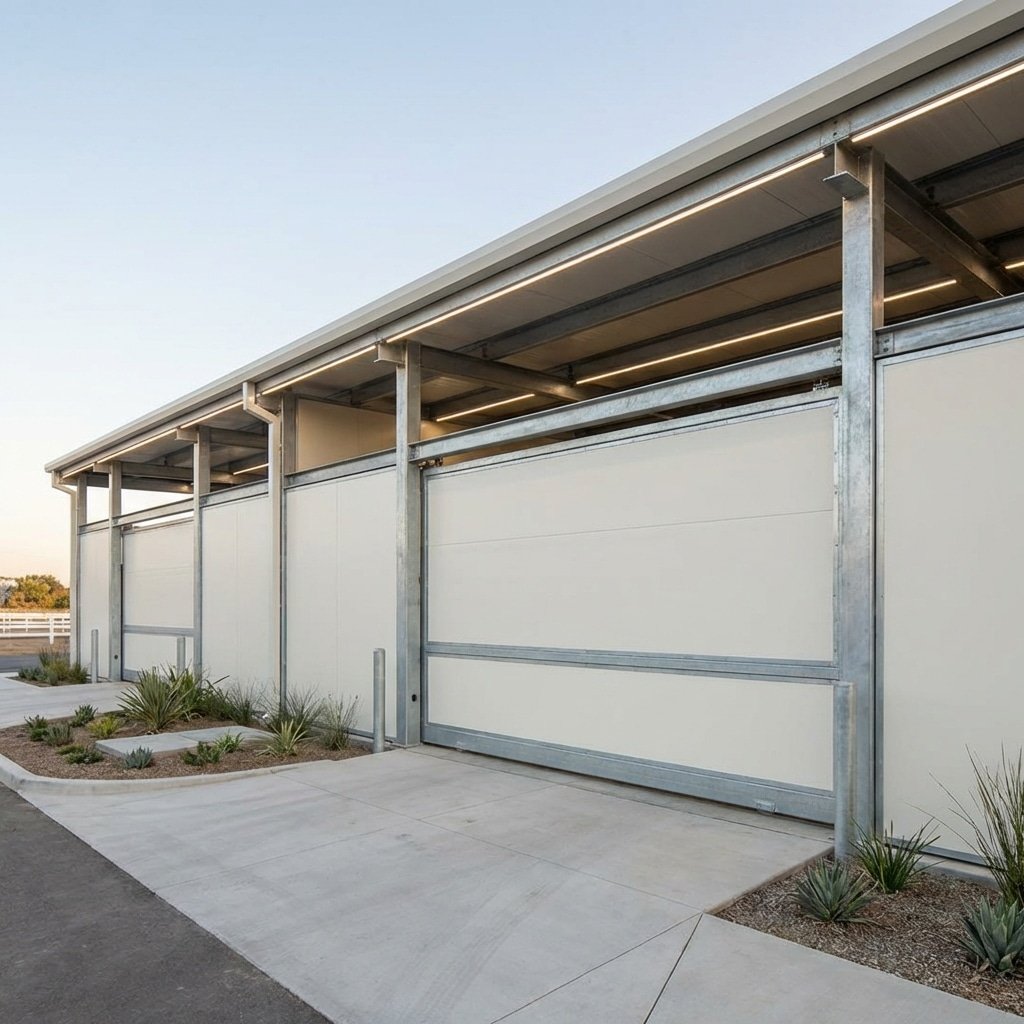
Top Biosecure Stable Manufacturers for Equine Import Centers
Effective Border Quarantine infrastructure is the critical defense preventing catastrophic national herd shutdowns and frozen logistics revenue. Facility operators often underestimate the risks of standard stabling materials, which fail USDA porosity tests and harbor...
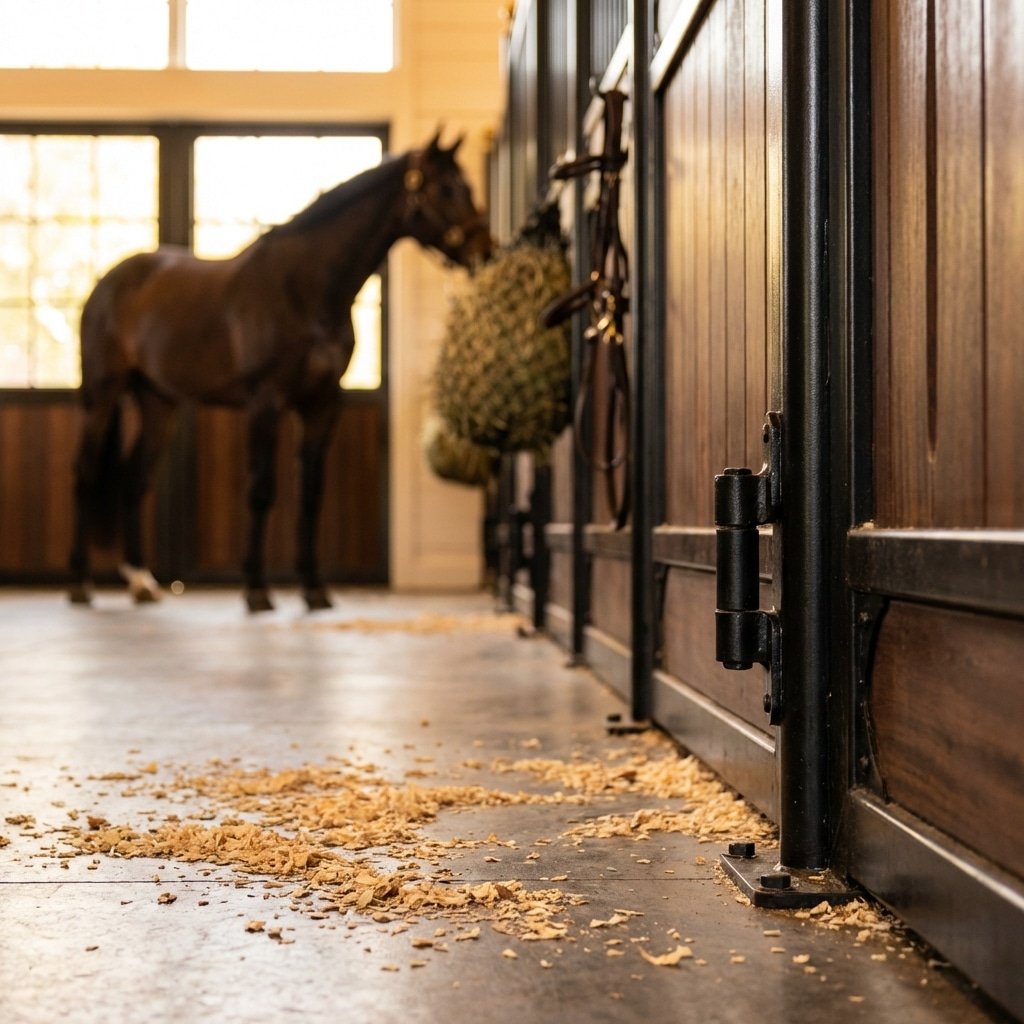
Stop Wood Shavings from Jamming Your Horse Stall Hinges
Dealing with bedding in hinges is the single largest maintenance drain for high-volume equestrian facilities. Traditional floor-mounted pivots inevitably trap shavings and ammonia, creating a corrosive paste that seizes hardware and forces costly emergency...

Polish Winters: Heavy-Duty Horse Stall Panels with Swing Doors
Sourcing horse stall inventory for Poland requires navigating a specific climate challenge where standard steel becomes brittle and fails. The combination of -35°C temperatures and ammonia accumulation destroys generic pre-galvanized frames, leading to seized hinges...

Housing Miniature Donkeys and Goats in Standard Horse Stalls
Sourcing specific Mini Donkey Grills is the only way to eliminate the entrapment risks inherent in standard equine infrastructure. Standard 3-inch vertical bars create dangerous one-way traps for tapered snouts and horns, turning a standard safety feature into a...

Top Luxury Stable Builders for 5-Star Equestrian Resorts & Spas
Developing functional Luxury Resort Stables requires more than architectural curb appeal; it demands infrastructure capable of withstanding high-traffic commercial use. Relying on standard agricultural builds often results in rapid corrosion and safety failures,...

Flush Pull Handles vs D-Handles for Sliding Horse Stall Doors
Specifying the wrong Door Pull Handles transforms a functional stable aisle into a liability zone for high-traffic equestrian facilities. Protruding hardware creates severe collision risks that result in expensive veterinary bills, torn blankets, and avoidable handler...
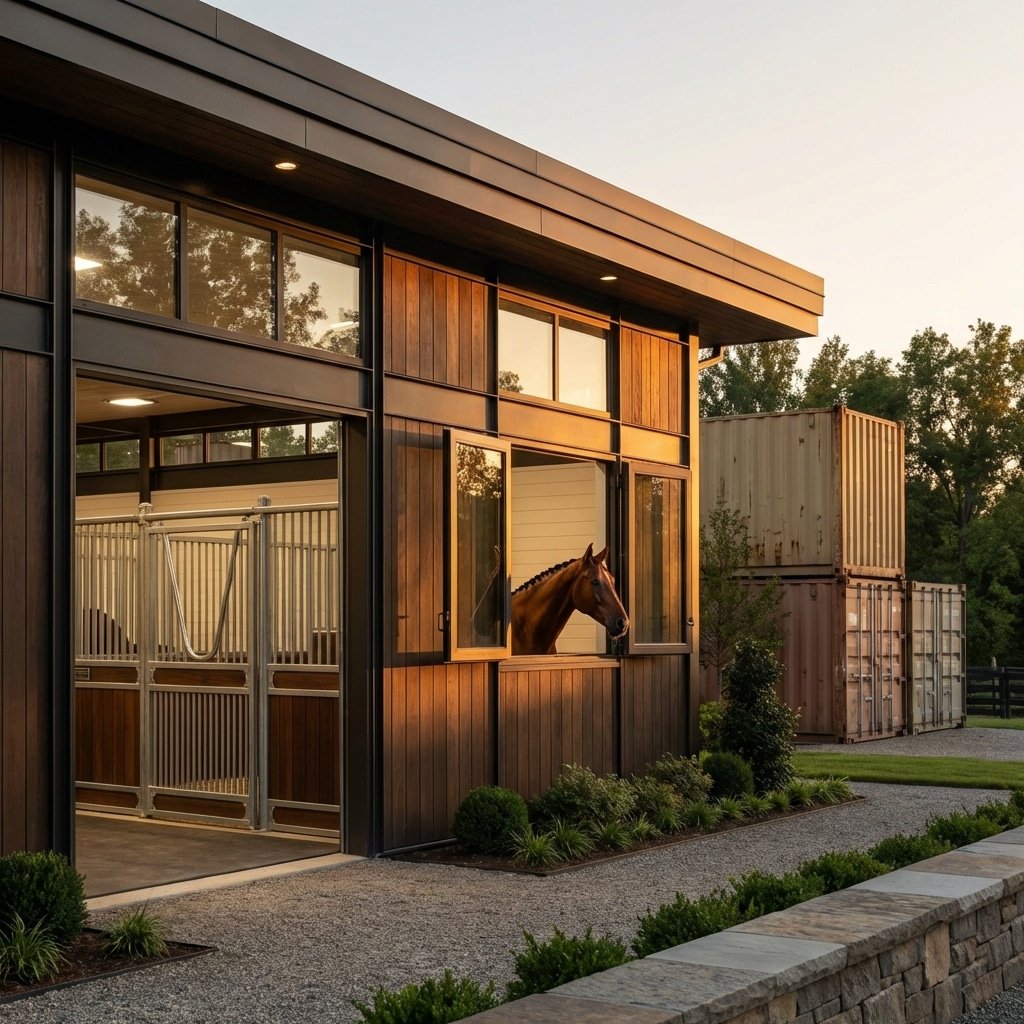
Importing Horse Stalls: How Flat-Pack Stable Kits Save 60% on Freight
The viability of Global Export for horse stalls depends entirely on eliminating the financial liability of shipping air. Traditional fully welded frames consume massive container volume while contributing minimal weight, capping capacity at just 12 units and...

How to Unload a Container of Modular Horse Stalls Safely
Premium Horse Stables with 20-Year Durability Secure precision-engineered stables featuring hot-dipped galvanized steel and 30% faster modular installation. Ideal for global facilities requiring strict compliance and long-term rust resistance. View Stable Solutions...
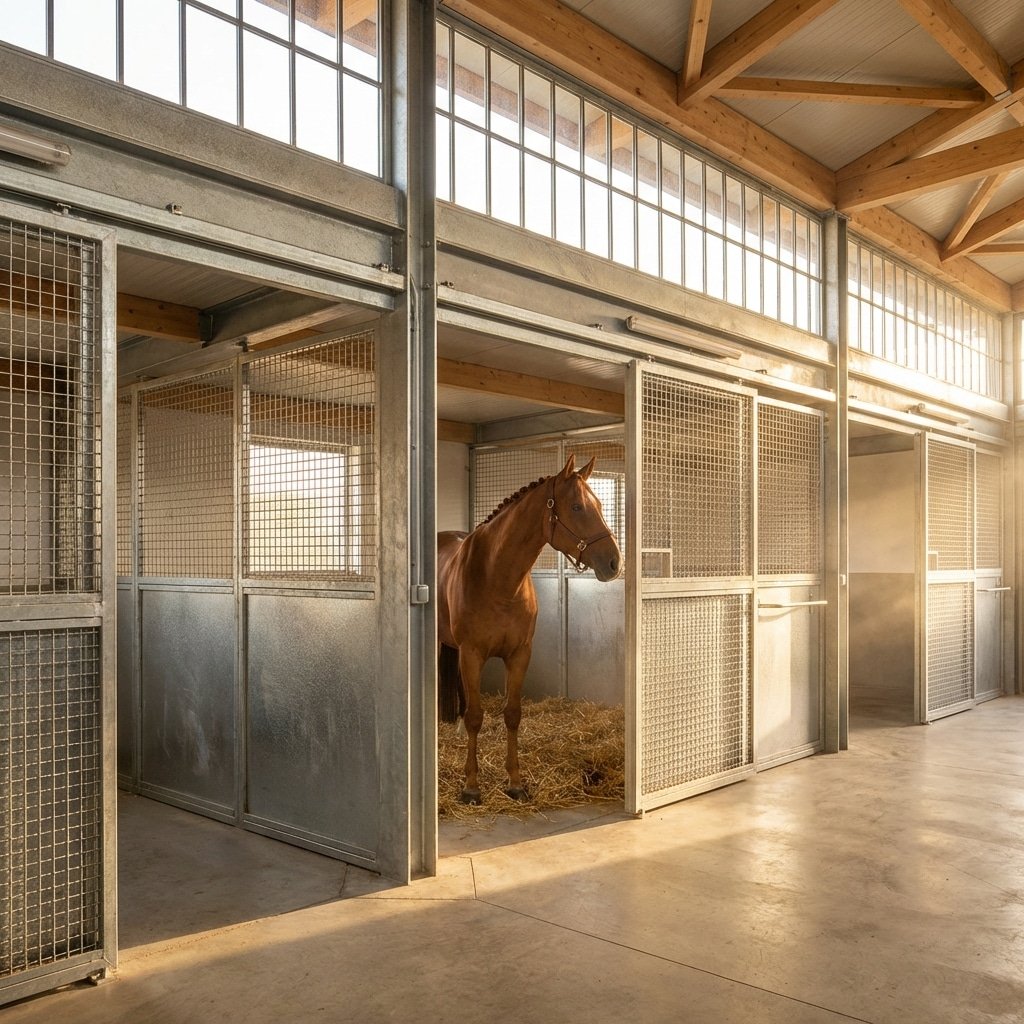
Best Modular Stall Suppliers for Multi-Species Farms (Horses to Alpacas)
Implementing a Multi-Species Modular infrastructure is the only viable engineering strategy to mitigate the liability of housing diverse livestock under one roof. Standard equine layouts with 3-inch bar spacing create fatal entrapment zones for alpacas and foals,...
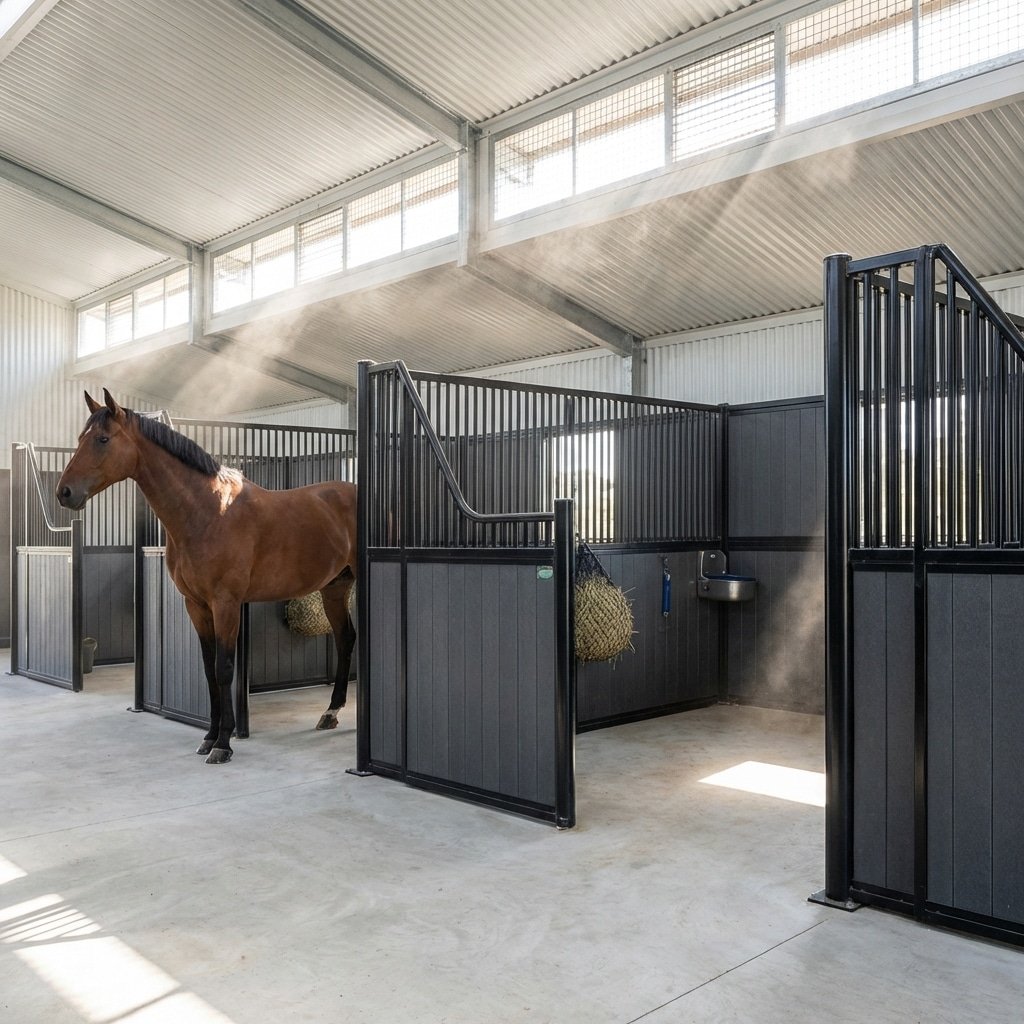
Open-Grill Horse Stall Fronts: Maximizing the Stack Effect
Optimizing Ventilation (Stack Effect) mechanics is the primary defense against ammonia-induced respiratory failure in high-value equines. While solid stall fronts provide isolation, they frequently sever the vertical airflow pathway, trapping toxic gases in the...
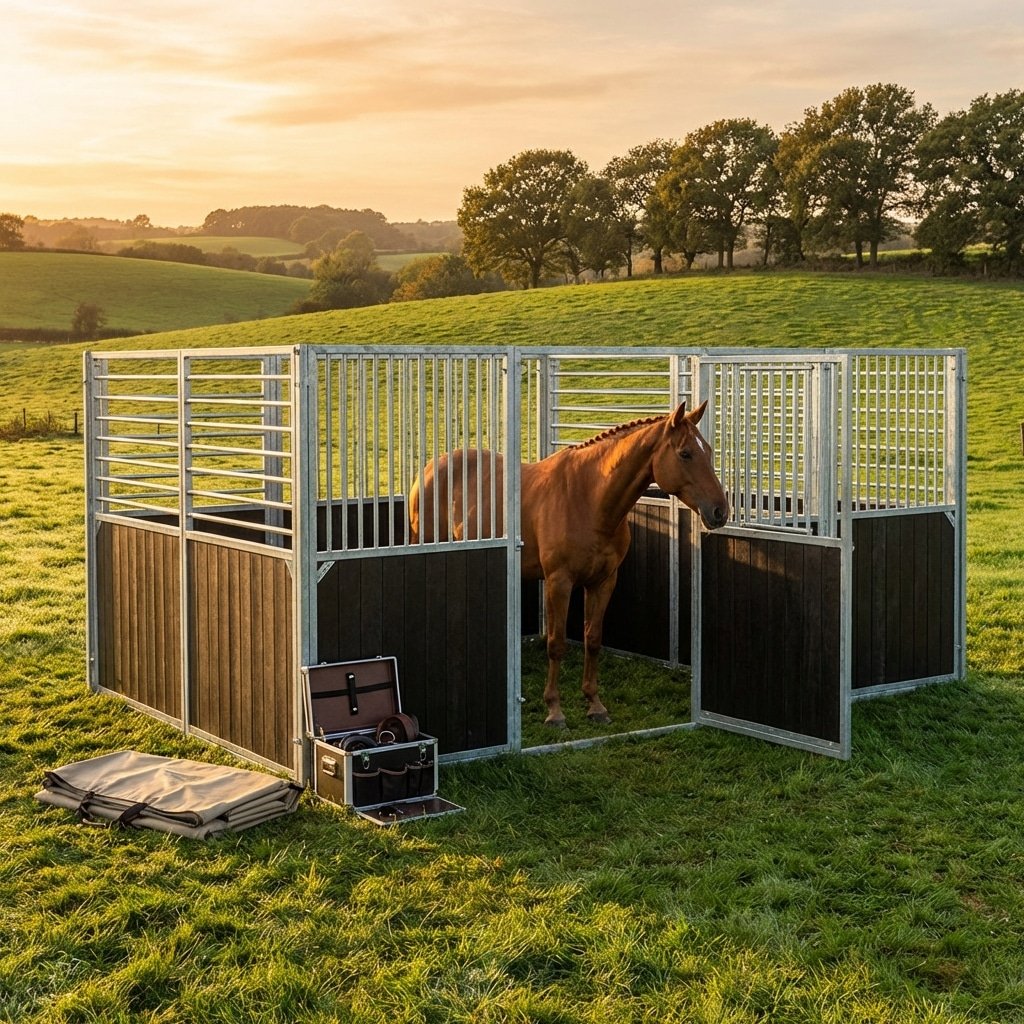
How to Remove Stuck Drop Pins from Portable Horse Stables
Stuck Drop Pins turn a routine teardown into an expensive logistical nightmare. For event organizers and rental companies, fighting seized hardware after a 3-day show drains crew morale and blows labor budgets. When a hollow pin rusts internally and locks into the...
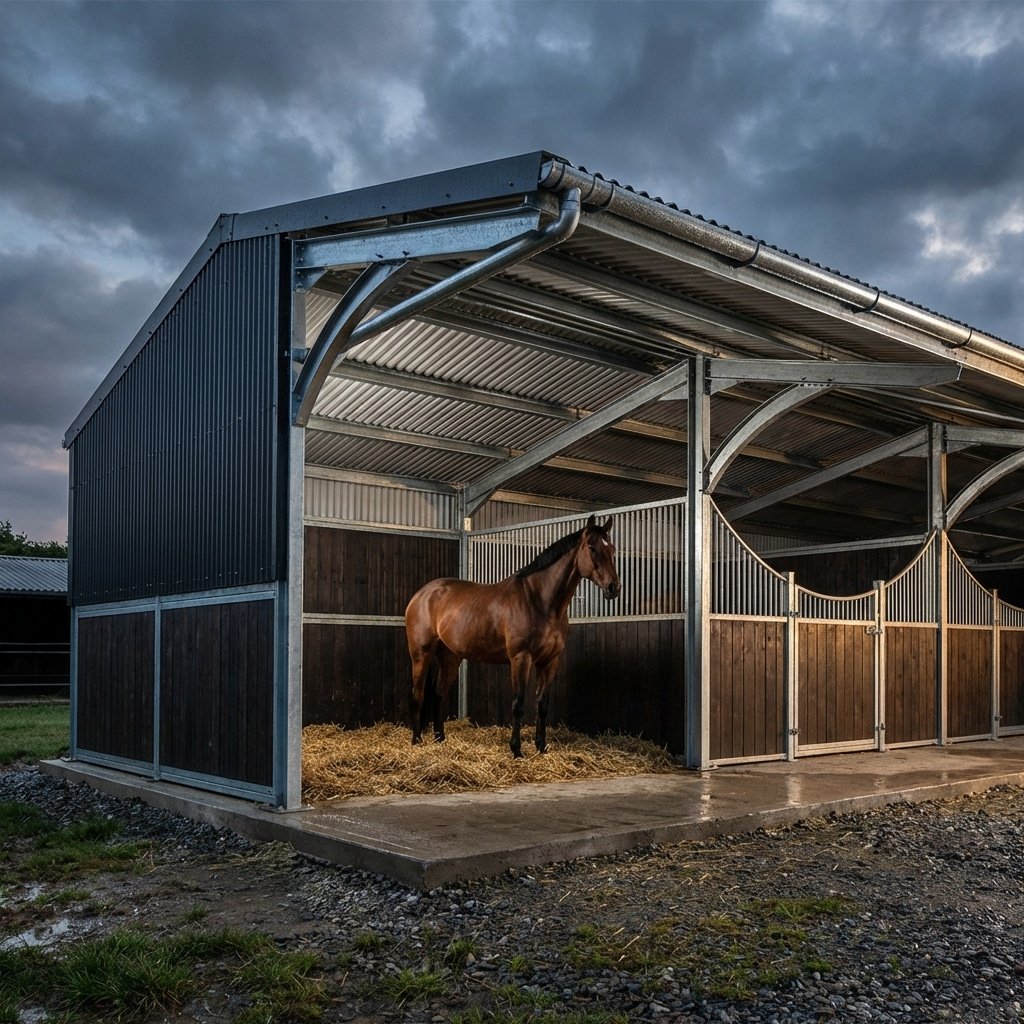
Roof Trusses for Free-Standing Horse Stables: Rain & Snow Specs
Outdoor weathering dictates the actual lifespan of any free-standing equestrian structure. While generic painted panels offer lower upfront costs, they fail rapidly under UV and moisture exposure, forcing owners to replace rusted frames within just a few seasons.This...

Stopping Horses from Biting the V-Drop Window on Stall Doors
V-Drop Chewing destroys standard stable doors by turning the horizontal ledge into a structural fulcrum for incisors. Most manufacturers ignore this focal pressure, using thin sheet metal that crimps and tears under the force of a cribber. This mechanical failure...
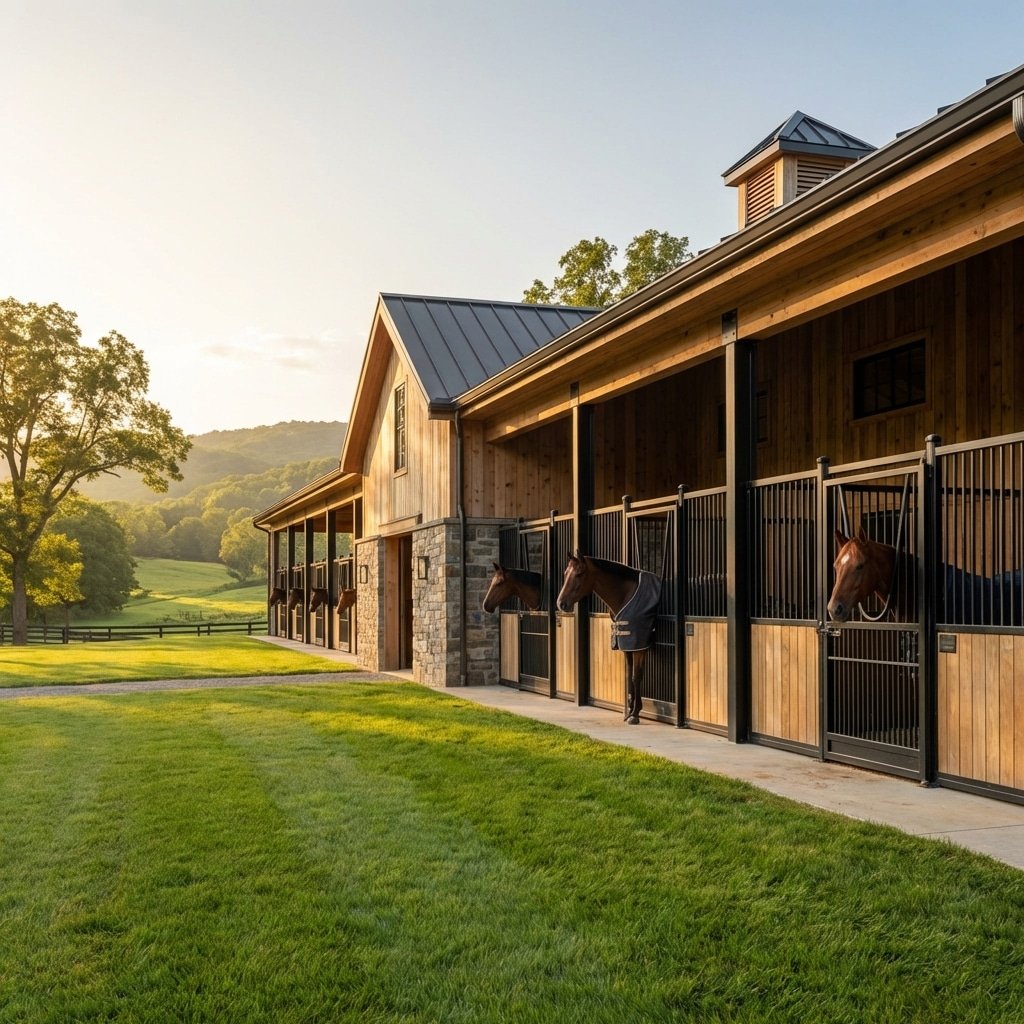
Top Global Manufacturers of Horse Walkers and Lunging Pens
Selecting competent Horse Walker Suppliers is the primary defense against catastrophic structural failure and rising liability claims. While retail options offer lower upfront pricing, they frequently utilize light-gauge tubing that buckles under impact, costing...

Hanging Sliding Horse Stall Doors on a Sloped Barn Aisle
Building Sloped Aisles ensures proper drainage yet introduces a critical mechanical failure in sliding stall door systems. Aligning tracks to this necessary gradient forces heavy steel doors to roll open via gravity, creating immediate safety liabilities that result...

Maintaining Galvanized Horse Stalls: The Cold-Spray Touch-Up Protocol
Immediate Touch-Up & Care during installation determines whether your steel infrastructure survives the ammonia-rich stable environment. While hot-dip galvanization offers self-healing properties, ignoring deep gouges caused by forklift offloading creates critical...

Top Sustainable Stable Factories for Corporate ESG Compliance
Sourcing from validated ESG / Green Factories is the only safeguard against disqualification from high-value government tenders. While traditional timber sourcing exposes developers to deforestation liabilities and carbon taxes, aligning with circular steel...
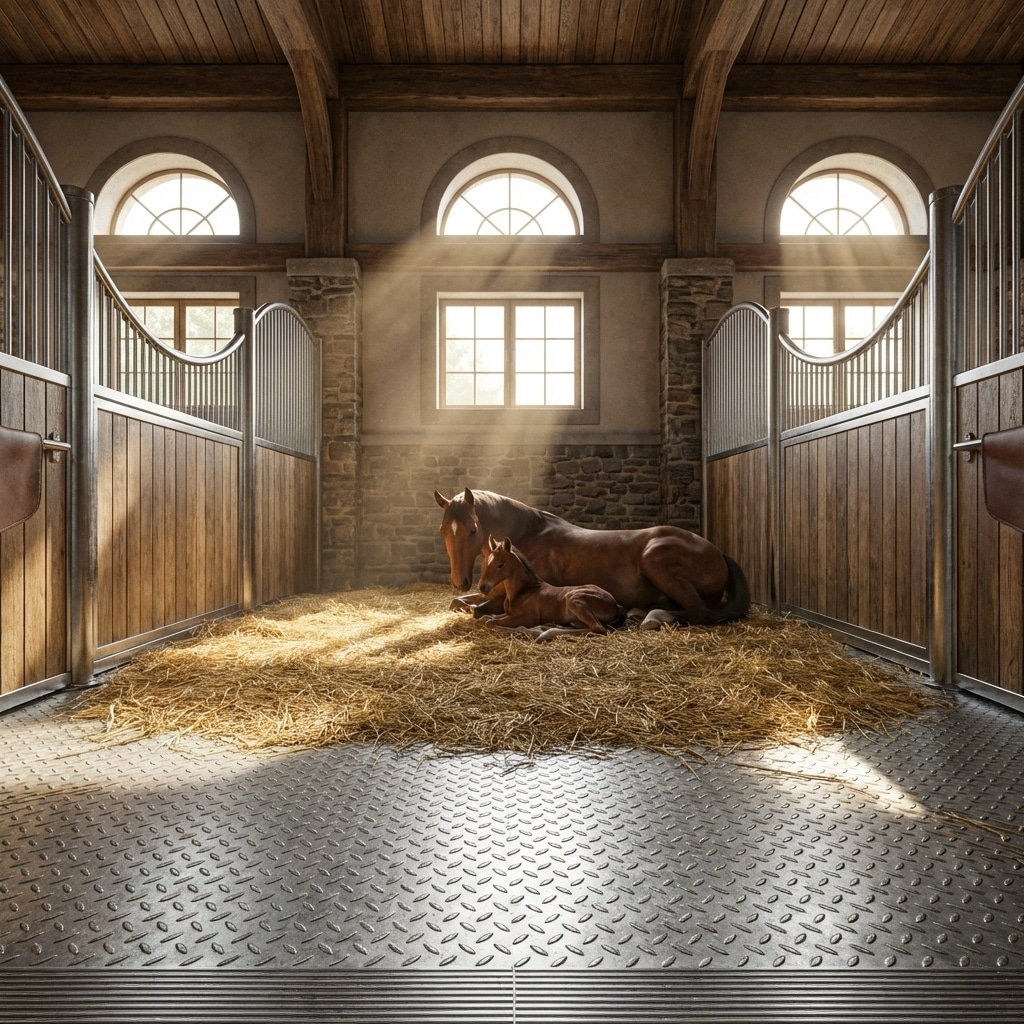
Foaling Stalls: Protecting Base Plates from Highly Acidic Foal Urine
Foal Urine Rot destroys standard painted steel foaling boxes in less than three breeding seasons. Neonatal foals excrete high-ammonia urine that acts as a solvent, penetrating micro-cracks in paint and corroding base plates from the inside out. For stud managers, this...

Heavy-Duty Track Systems for Massive Draft Horse Stall Doors
Specifying industrial-grade Draft Door Tracks is the only defense against the structural failure of standard tubular hardware. When a 100kg warmblood door hangs on a typical 1.6mm open C-profile, the steel flares and the rollers eventually derail. This mechanical...
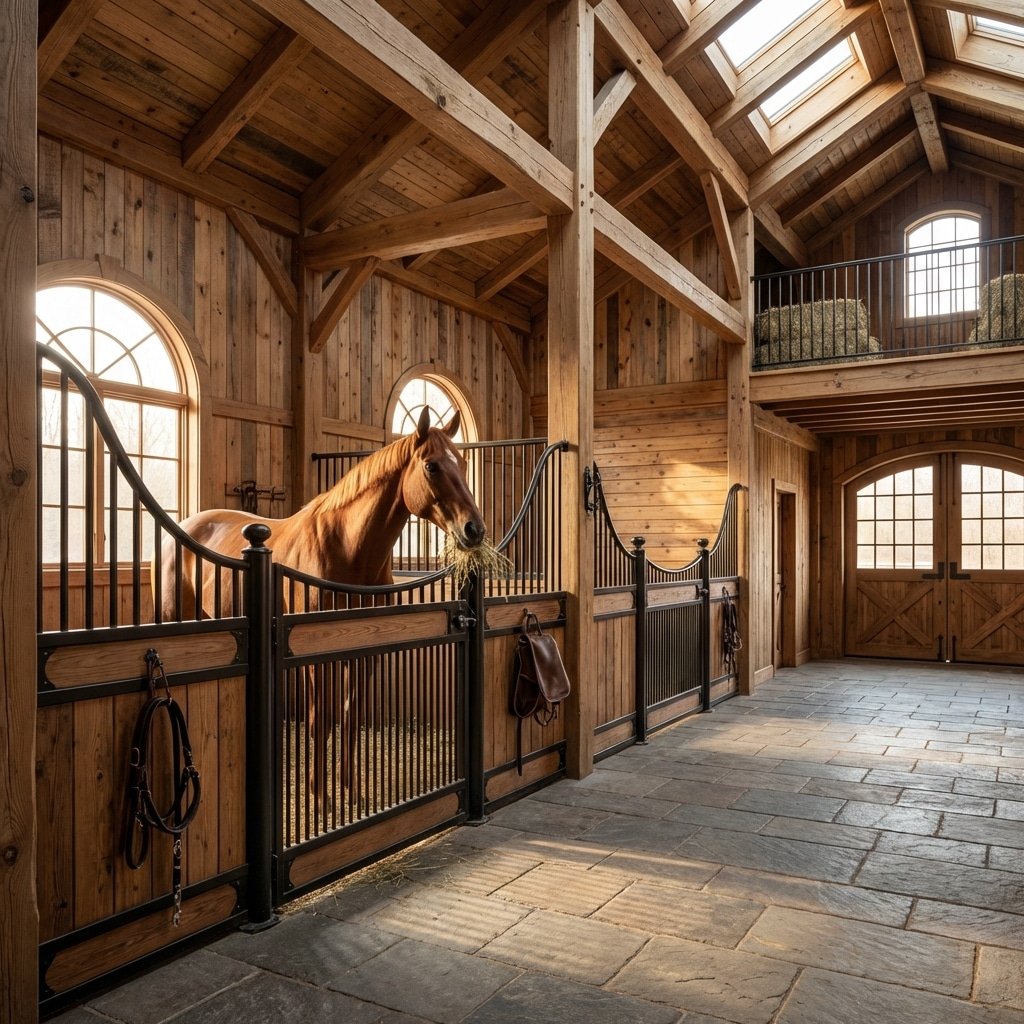
Why Pine Boards “Cup” in Horse Stalls and How to Prevent It
Precision-Engineered Stables With 20-Year Durability Equip your facility with hot-dipped galvanized steel stables designed to resist rust for 20 years in extreme climates. Our modular bolt-on system reduces installation time by 30%, delivering faster project...

Modifying Horse Stall Fronts for Ponies and Miniature Breeds
Implementing precise Miniature Adjustments to standard stall fronts is the only defense against the "bunker effect" and fatal entrapment liabilities. Placing a 34-inch animal in a facility designed for warmbloods creates immediate visual isolation and severe injury...
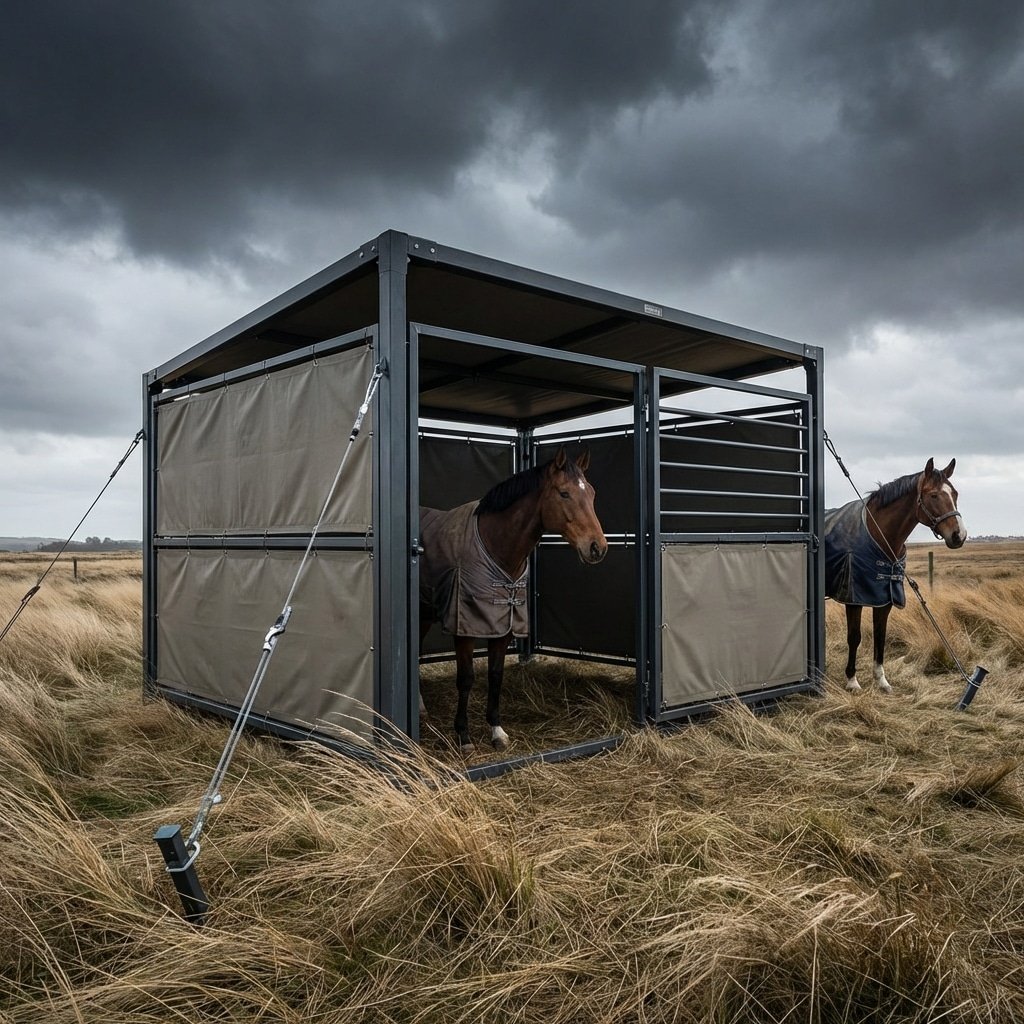
Anchoring Portable Horse Stable Kits in High-Wind Paddocks
Deploying portable shelters in a High Wind Paddock demands rigorous engineering to prevent costly structural failures. Relying on lightweight friction-based mounts often turns assets into projectiles, exposing operators to significant insurance claims and negligence...

Using HDPE Horse Stall Panels to Build a Rot-Proof Wash Rack
Premium Stables With 20-Year Rust Protection Maximize facility ROI with hot-dipped galvanized steel frames built to withstand 120km/h winds. Our modular designs cut installation time by 30% while meeting global safety standards. View Global Stable Solutions...

Foal-Safe Horse Stall Dividers: Preventing Hoof Entrapment
Improperly specified Foaling Dividers turn standard stalls into liability traps for high-value breeding operations. While standard vertical bars suffice for adults, their spacing creates immediate fracture risks for uncoordinated newborns, leading to catastrophic...
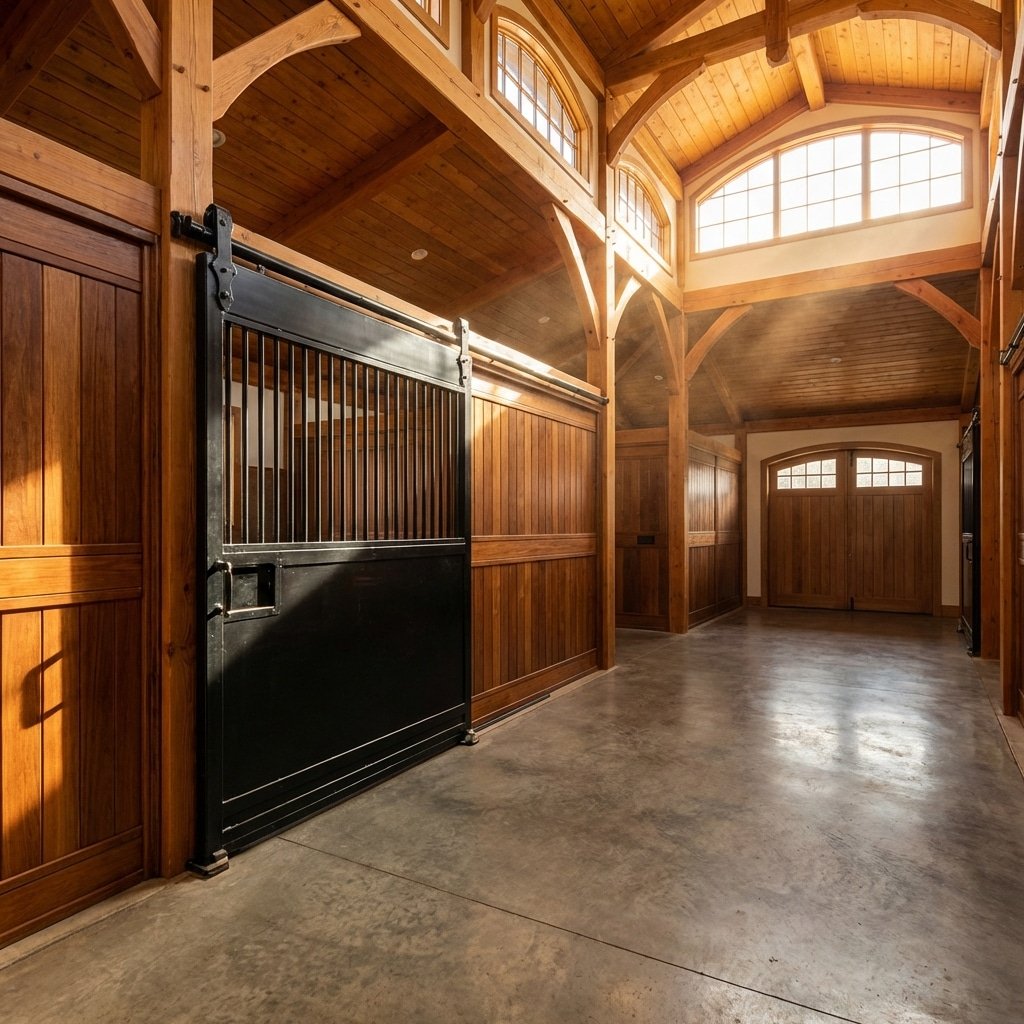
Fixing the Bottom Guide on Your Sliding Horse Stall Door
Failure to secure Bottom Door Guides turns a functional stable into a structural liability. A loose door creates a pendulum effect, transforming the bottom edge into a guillotine trap that leads to catastrophic limb injuries and significant veterinary costs.We analyze...
 Arabic
  English
  Spanish
  French
  German