


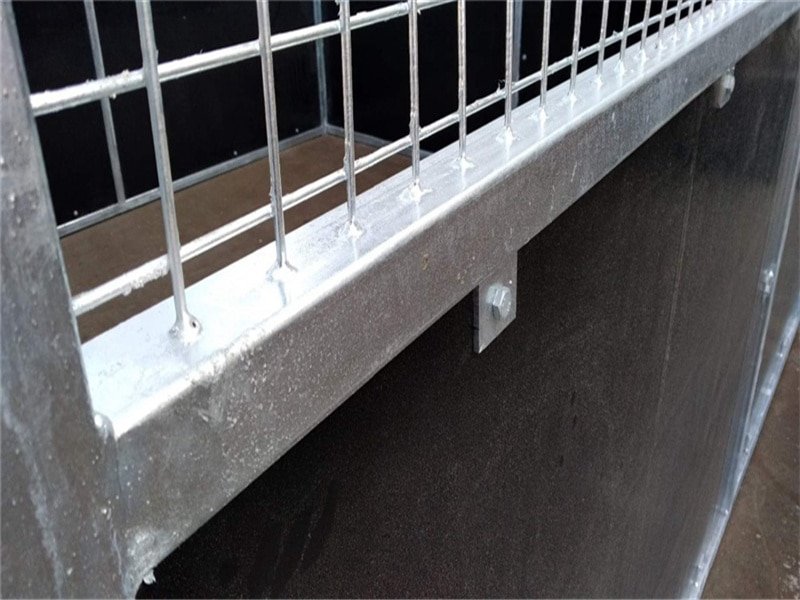
Many facility managers discover that imported equestrian structures suffer structural failure within just three years of installation. This rapid degradation primarily stems from fabricators substituting true hot-dip galvanization with cosmetic spray paints on unalloyed Q235 carbon steel, leaving a barrier of less than 20 µm to fight against constant moisture and ammonia exposure.
We analyze the metallurgical differences between batch hot-dip galvanization and cosmetic powder coatings to determine which finish truly supports a 20-year asset lifespan. This guide examines the critical protection offered by compliance with ASTM A123 standards—requiring zinc thicknesses between 50 and 250 µm—and explains why “inside-out” zinc-chromate defense is essential for preventing hidden corrosion in hollow stable frames.
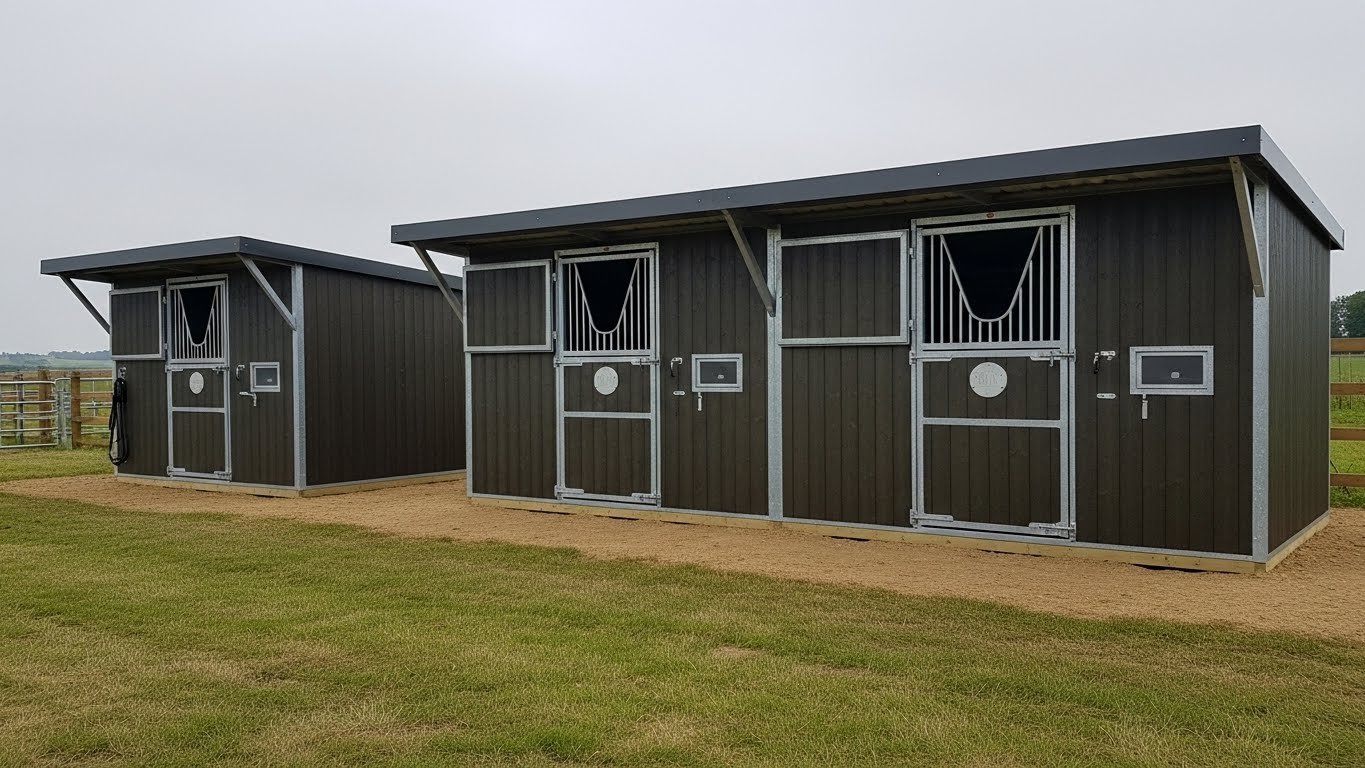
Why Do Most Imported Steel Stables Rust Within 3 Years?
Most imported stables rust quickly because they are fabricated from mild carbon steel (Q235 or A36) using thin paint or electroplating rather than hot-dip galvanization. Without the sacrificial protection of a thick zinc layer (ASTM A123 standard), moisture penetrates the weak coating within 1-3 years, causing rapid oxidation.
The Role of Unalloyed Q235 Steel and Spray-On Coatings
Many imported equestrian structures utilize Q235 or ASTM A36 mild carbon steel as their primary structural material. This alloy lacks inherent corrosion resistance and relies entirely on external coatings to prevent oxidation. To reduce manufacturing costs, fabricators often substitute the hot-dip galvanization process with spray paint or electroplated zinc. These cosmetic coatings typically measure less than 20 µm in thickness, offering a minimal barrier against moisture and atmospheric contaminants.
Research indicates that thin-film paint coatings on structural steel generally fail within one to three years of outdoor exposure. Once this thin layer is breached by minor scratches during shipping or installation, oxygen reaches the underlying iron. Because paint forms only a superficial mechanical bond rather than a chemical one, rust propagates rapidly underneath the coating, causing the paint to flake and the steel to degrade.
Technical Failure: Missing the ASTM A123 Hot-Dip Standard
True longevity in steel manufacturing requires compliance with ASTM A123 or ISO 1461 standards, which mandate a zinc coating thickness between 50 and 250 µm. Budget imports typically lack the metallurgically bonded iron-zinc alloy layers formed during immersion in molten zinc at 860°F. These alloy layers are critical because they provide sacrificial protection, meaning the zinc actively corrodes in place of the steel if the surface sustains deep scratches or impact damage.
Without a thick, chemically bonded zinc layer, the steel cannot develop a stable zinc carbonate patina. This natural patina is essential for long-term performance, as it slows corrosion rates to approximately 1/30th of that observed on bare steel. When this protective mechanism is absent, the exposed carbon steel reacts immediately with high humidity and ammonia common in stable environments, resulting in the rapid structural failure characteristic of non-galvanized imports.
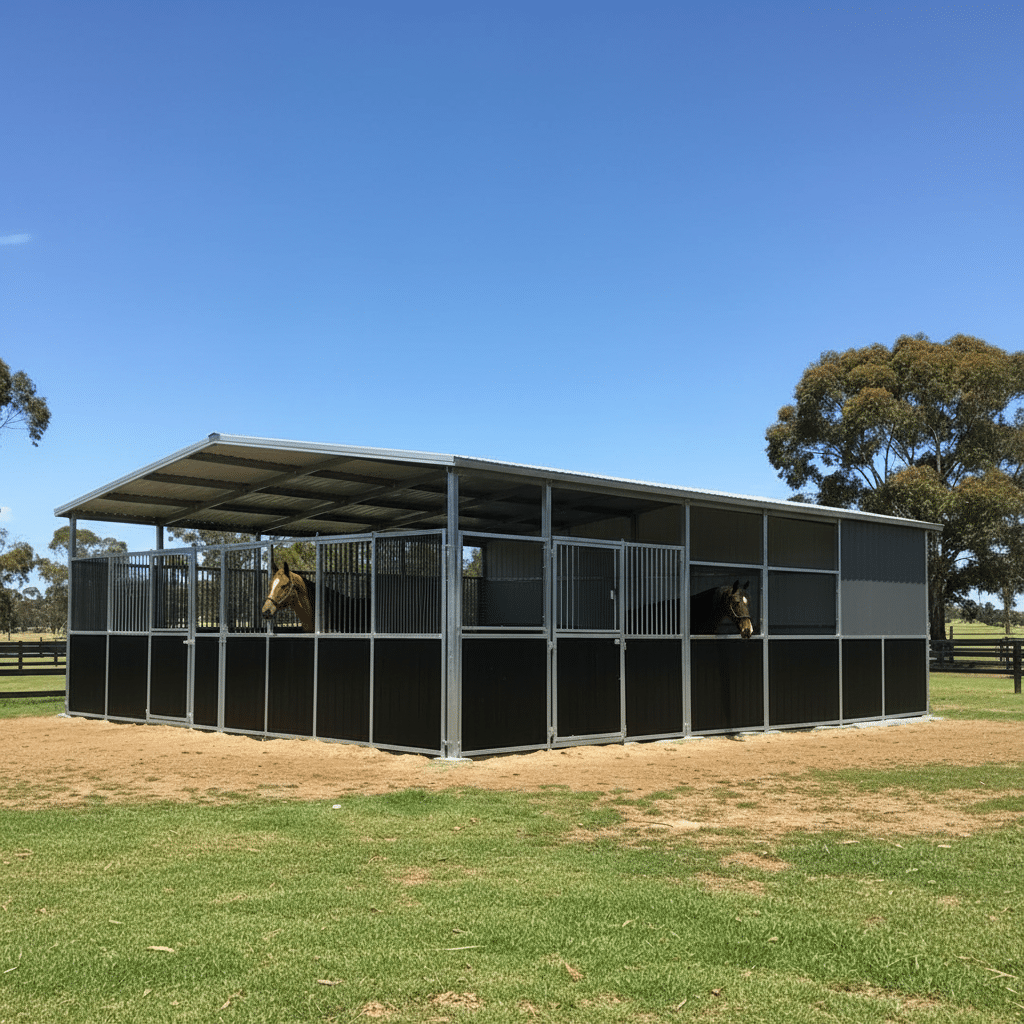
What Is the Difference Between Pre-Galv and Hot-Dip Galvanization?
Pre-galvanization (continuous) applies a thin zinc layer to steel sheets before cutting, leaving raw edges exposed to rust. Batch hot-dip galvanization immerses the entire finished stable panel into molten zinc after welding, ensuring complete coverage of joints, welds, and hollow tubes with a coating often 3–5 times thicker.
Manufacturing Process and Edge Protection
Pre-galvanized steel production involves running steel coils through zinc baths at speeds up to 600 ft/min to meet ASTM A653 standards. Manufacturers coat the steel before cutting and forming it, which inevitably leaves punched holes and cut edges with zero zinc protection. Because the coating exists prior to fabrication, the welding process burns the zinc off at the joints, creating immediate weak points where rust often begins.
Batch hot-dip galvanization treats the fully fabricated component. We dip the completed steelwork into molten zinc at approximately 450°C (850°F) in accordance with ISO 1461 specifications. This total immersion allows liquid zinc to flow inside hollow tubes and seal every weld. Unlike pre-galvanized structures where welds are vulnerable, batch dipping ensures the weld itself receives the same heavy protection as the rest of the panel.
Zinc Thickness Standards and Service Life
The measurable thickness of the zinc coating directly determines the lifespan of the steel in a stable environment. Pre-galvanized coatings (commonly G60 or G90) typically range from 10–30 µm (0.4–1.2 mils). In contrast, batch hot-dip coatings generally exceed 50–100 µm (2–4+ mils), providing a significantly larger reservoir of sacrificial zinc to combat corrosion from ammonia and moisture.
Physical durability also differs due to the metallurgical reaction during the batch dip. The process creates hard iron-zinc alloy layers that are metallurgically bonded to the steel, offering superior resistance to hoof kicks and equipment abrasion compared to the softer, pure zinc surface of pre-galvanized sheets. Industry data indicates that batch hot-dip galvanized steel can perform for 40+ years in rural settings, whereas thin pre-galv layers often fail within a few years when exposed to animal waste.
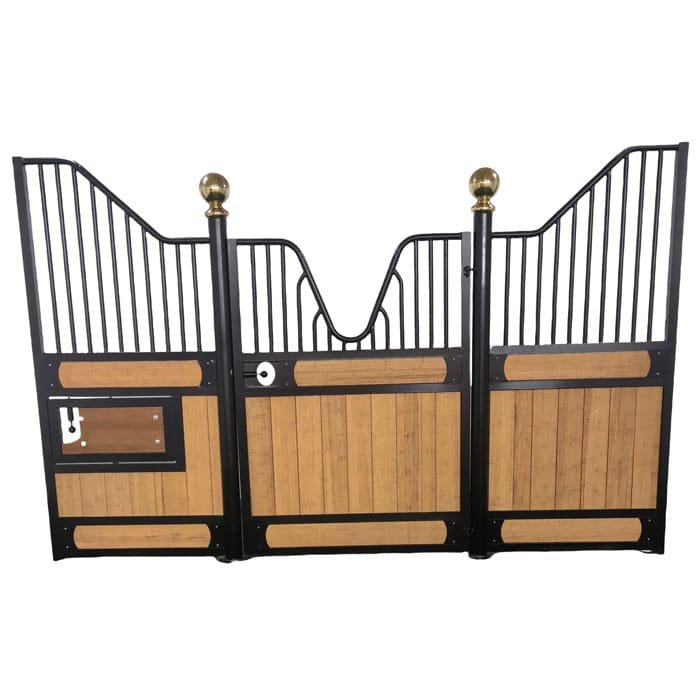
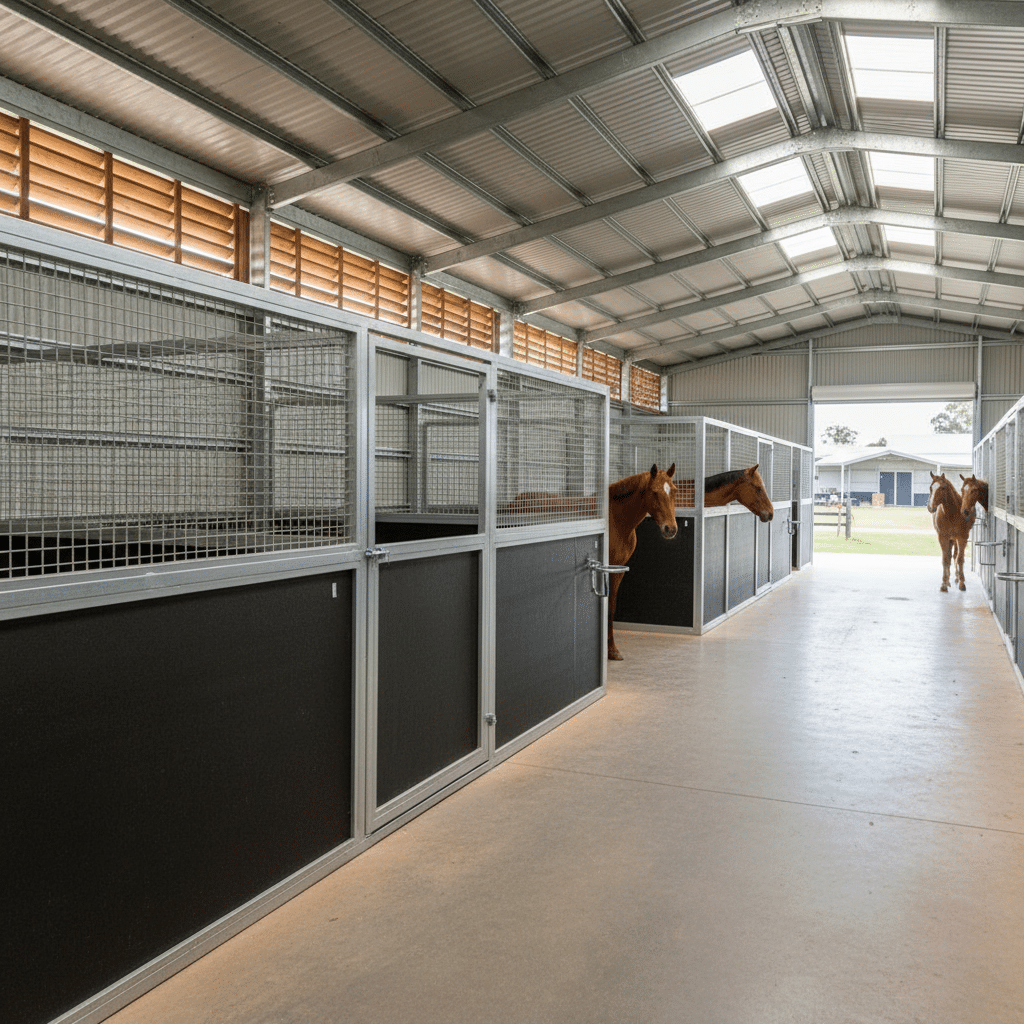
Durable powder coated horse stable fronts for equestrian use.
Does Powder Coating Actually Protect the Steel Underneath?
Yes, but primarily as a physical shield rather than a chemical inhibitor. Unlike liquid paint, powder coating cures into a dense, continuous polymer skin (typically 50–100 μm thick) that isolates the steel from oxygen and moisture. Because it lacks the self-healing cathodic properties of zinc, any breach in the coating on bare steel allows rust to spread underneath, making the underlying pretreatment—such as zinc phosphating or galvanization—critical for long-term survival.
| System Type | Defense Mechanism | ISO 12944 Rating Potential |
|---|---|---|
| Standard Single-Coat | Physical Barrier (Seals surface) | C3 to C4 (With Zinc Phosphate) |
| Zinc-Rich Primer System | Barrier + Cathodic (Sacrificial) | C5 (High Industrial/Marine) |
| Duplex (Galvanized Base) | Synergistic (Zinc + Polymer) | C5+ (Extreme Durability) |
The Polymer Barrier Mechanism (50–100 μm Protection)
Powder coating functions differently from traditional liquid paints due to its curing process. The electrostatic application allows dry powder to wrap around complex geometries, and the subsequent heat curing melts these particles into a continuous, water-tight film. This film typically builds to a thickness of 50–100 μm (2–4 mils) per coat. The resulting layer creates a dense seal that physically blocks moisture and ionic contaminants from reaching the substrate, effectively interrupting the electrochemical cell required for oxidation to occur.
This barrier method has specific limitations when applied to non-galvanized surfaces. Since standard polyester powders do not contain active corrosion inhibitors, the protection relies entirely on the integrity of the film. Once the coating sustains a scratch or chip that exposes bare steel, moisture enters the gap. Without a sacrificial layer like zinc, rust will form at the breach and migrate underneath the surrounding coating, a process known as “undercutting,” which leads to eventual flaking.
Critical Success Factors: Surface Prep and ISO Standards
The durability of the coating is determined by adherence to technical standards rather than the powder itself. A properly specified system must align with ISO 12944 corrosion categories, ranging from C3 (medium) to C5 (very high). Independent tests, such as those by Teknos, confirm that even single-layer powders can achieve C4 durability, but only if the steel undergoes rigorous pretreatment. This involves mechanical blasting to grade Sa 2½ (ISO 8501) and the application of chemical conversion coatings, like zinc phosphate, to ensure the polymer bonds chemically to the metal surface.
For environments requiring maximum longevity, powder coating serves as the top layer in a “Duplex System” over hot-dip galvanization. ASTM D7803 dictates the preparation steps for this process to prevent adhesion failure between the zinc and the powder. Alternatively, on bare steel, operators use zinc-rich powder primers (e.g., Interpon Redox PZ) to reintroduce cathodic protection. These primers contain high loads of zinc dust that sacrifice themselves to protect the steel if the topcoat is breached, allowing the system to withstand C5 environments for up to 7 years or more.
Build World-Class Stables Engineered for Safety and Durability

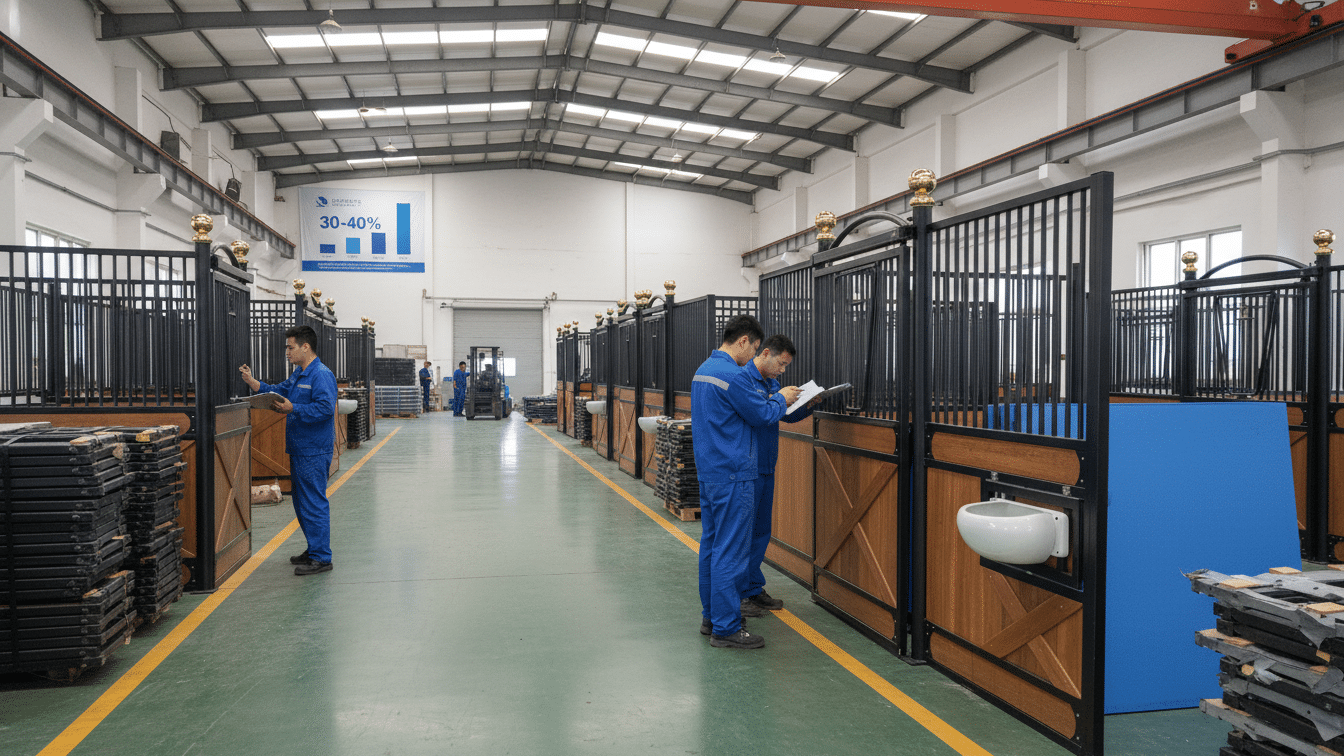
Why Is the “Inside-Out” Zinc Coating Critical for Horse Urine?
Horse urine is acidic and accumulates inside hollow stable frames, causing metal to rust from the inside out where it cannot be seen. An “inside-out” zinc-chromate coating provides a sacrificial barrier on these internal surfaces, neutralizing acid and preventing hidden structural decay that causes sudden frame failure.
| Performance Factor | Zinc-Chromate Infusion (Z-Frame) | Standard Steel / Aluminum |
|---|---|---|
| Internal Corrosion Defense | Dual-layer sacrificial anode protects interior | Prone to unseen “inside-out” rotting |
| Salt Spray Resistance | 3X longer protection vs. hot-dip galvanizing | Standard breakdown rates |
| Acid Neutralization | Chemically resists acidic electrolytic dissolution | Accelerated decay from urine contact |
The Acidic Threat: How Urine Corrodes Hollow Frames from Within
Horse urine creates a highly aggressive acidic environment that accelerates electrolytic dissolution immediately upon contact with bare metal surfaces. While the exterior of a trailer frame receives regular washing and maintenance, the interior of hollow steel tubing often traps liquid waste and moisture. This accumulation allows the acid to pool internally, rotting the structure from the inside out while the outer appearance remains deceptively pristine.
Traditional material choices struggle to combat this specific chemical attack. Aluminum frames frequently suffer from direct pitting corrosion when exposed to urine and manure, compromising their integrity over time. Uncoated or standard steel frames face a more dangerous risk: they lose structural density where it is impossible to inspect, leading to catastrophic failure under load without visual warning signs.
Technical Defense: Zinc-Chromate Infusion and Salt Spray Results
To counter internal acidity, Z-Frame tubing utilizes a proprietary zinc and chromate infusion that functions as a dual-layer sacrificial anode. The zinc component oxidizes preferentially, protecting the underlying steel substrate, while the chromate layer inhibits corrosion propagation by forming a passive film. This chemical matrix effectively neutralizes the electrolytic reaction caused by acidic fluids, ensuring the frame remains solid even if moisture penetrates the tubing.
Performance data validates this approach. Comparative salt spray tests demonstrate that this specific formulation offers up to 3X longer corrosion resistance than standard hot-dip or pre-galvanized steel methods. Beyond corrosion defense, the alloy composition increases tensile strength, allowing for a lighter frame design that resists the weld cracking and deformation often observed in aluminum alternatives.
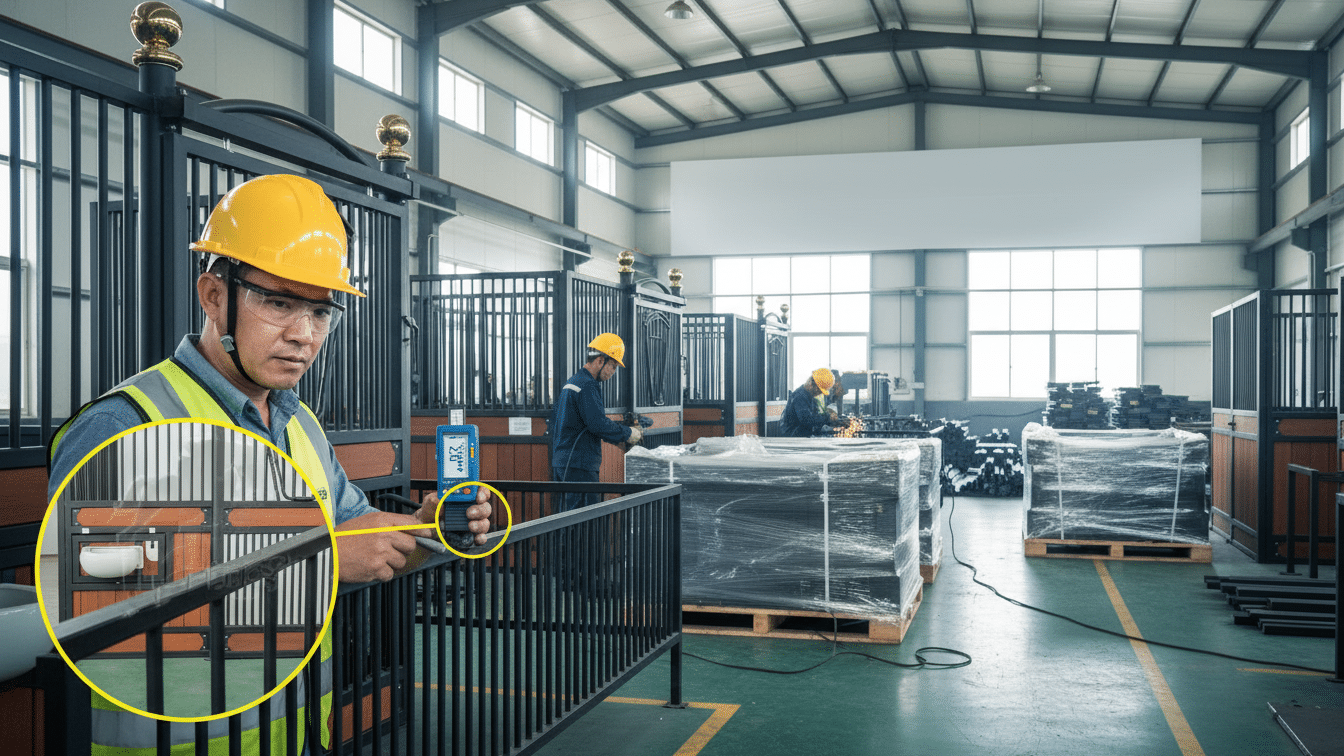
How Can You Test Galvanization Thickness Yourself?
You can verify steel quality using a magnetic coating-thickness gauge compliant with ASTM E376. For accurate results, avoid single spot-checks; instead, take the average of at least five readings from widely dispersed areas on the steel surface to ensure it meets the required micron standard (typically 42µm+).
Choosing the Right Tool: Mechanical vs. Digital Gauges
The industry standard for non-destructive field testing is the magnetic coating-thickness gauge. These tools operate on the principle that magnetic pull decreases as the non-magnetic zinc layer thickens over the steel substrate. While destructive methods like weigh-strip-weigh exist, they require laboratory setups and damage the product, making magnetic gauges the primary choice for on-site verification.
Mechanical gauges, often called “banana” or “pencil” gauges, are inexpensive options that measure pull-off force using a calibrated spring. These devices typically offer ±10% accuracy, which is sufficient for rough field checks to determine if a coating is generally light or heavy. However, they rely heavily on operator technique and gravity alignment.
Digital electronic gauges provide higher precision and typically adhere to ASTM E376 standards. These tools utilize magnetic flux density or eddy-current measurement to provide direct readouts in microns or mils, eliminating operator interpretation errors. For buyers documenting compliance or settling disputes, electronic gauges are the preferred tool due to their ability to store data and calculate on-board averages.
The 5-Point Average Rule: Measuring for Accuracy
A single reading often yields misleading data due to the inherent roughness of the hot-dip galvanized surface. Proper testing protocol, aligned with ASTM A123 and ISO 1461, requires taking the average of at least five separate readings per specimen. This average—not an individual high or low point—determines the official coating thickness.
Readings should be taken at widely dispersed points on the panel or tube rather than clustered in one spot. Avoid measuring near edges, holes, or irregular peaks, as the magnetic field distorts in these areas. Standard practice suggests keeping the probe at least 4 inches (approximately 100mm) away from the edges of large parts to prevent interference.
Compare the final calculated average against the supplier’s claimed specifications. For example, if the requirement is 42 microns, a single reading of 38 microns is acceptable provided the remaining four readings bring the total average above the 42-micron threshold. This method accounts for natural process variations while ensuring the overall protection level meets the standard.
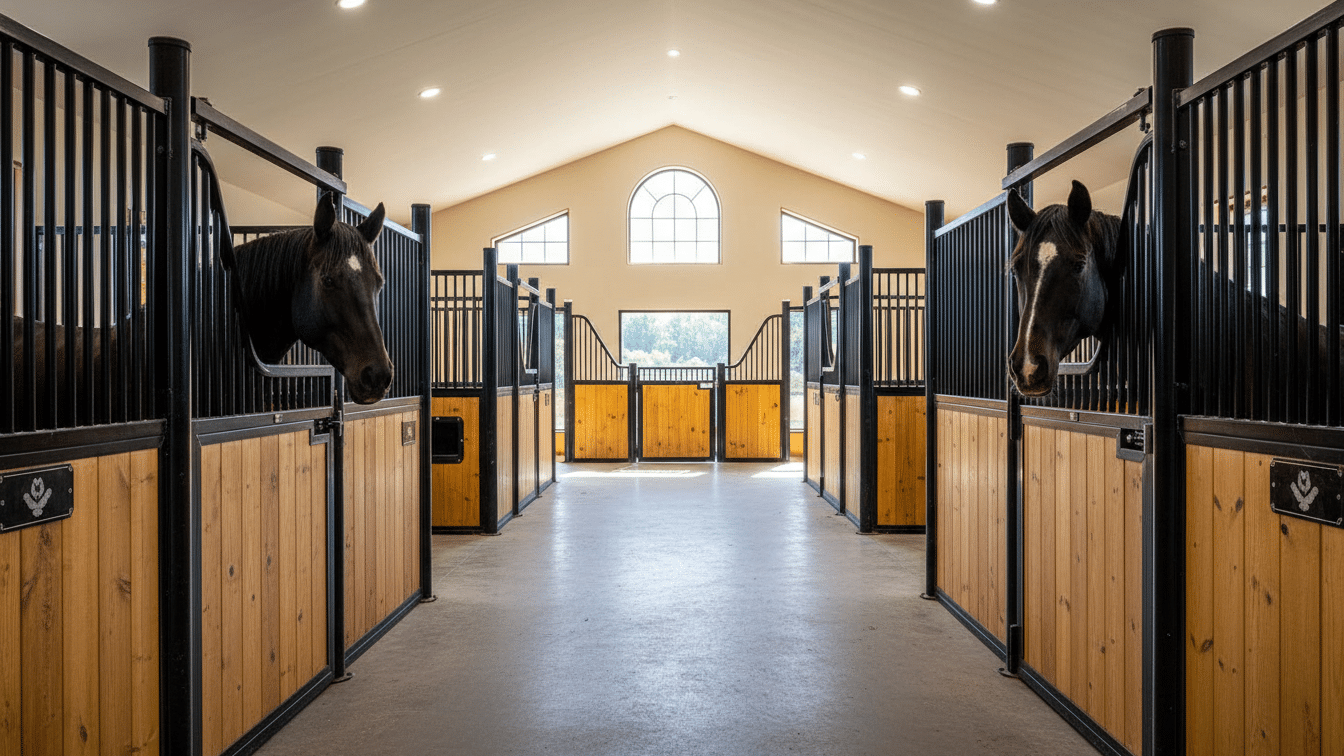
What Is the Minimum Micron Standard for Coastal Barns?
For coastal applications, the industry consensus dictates a minimum of 80 microns of zinc coating to withstand high salinity. Yet, for maximum durability in aggressive marine environments, engineering standards recommend increasing this thickness to 110–125 microns.
The 80-Micron Baseline for Marine Environments
Standard ISO 1461 hot-dip galvanizing processes generally yield a coating thickness between 45 and 85 microns. While this protects inland structures, high-salt zones demand more substantial coverage. Coastal barns encounter accelerated corrosion rates due to salt spray, making a strict minimum of 80 microns necessary to prevent early rust onset.
This 80-micron threshold establishes the essential barrier required to comply with basic AS/NZS and international standards for marine exposure. Without this minimum density, the protective zinc layer depletes too quickly, leaving the structural steel vulnerable to the aggressive coastal atmosphere.
Achieving 125 Microns for Extreme Durability
Specifications frequently increase to 125 microns for maximum service life in aggressive offshore or beachfront locations. Real-world heavy-duty applications typically target 110–120 microns to build a safety margin against mechanical damage and severe weathering events.
Thicker coatings function as a robust sacrificial anode for decades. This enhanced protection significantly outlasts the standard 8–30 year lifespan of thinner galvanized steel, reducing maintenance costs and ensuring structural longevity in challenging environments.
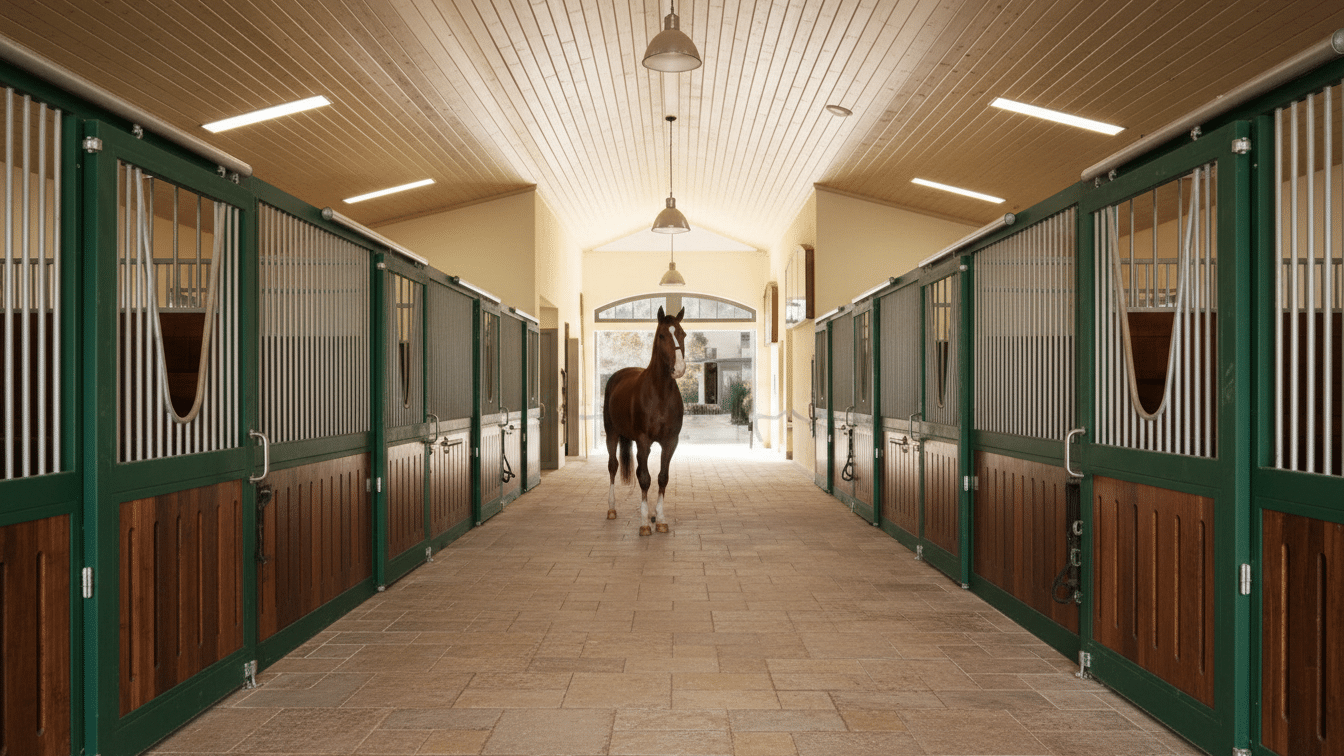
Can You Repair Scratched Galvanization On-Site?
Yes, on-site repair is permitted under ASTM A780 if the damaged area is less than 0.5% of the total surface. Most field repairs use zinc-rich paint containing at least 80% zinc dust. The repair layer must be applied 50% thicker than the original coating, typically targeting 100 µm (4 mils), to ensure corrosion resistance matches the surrounding hot-dip steel.
ASTM A780 Guidelines for Allowable Damage Limits
ASTM A780 standards permit field repair only if the damaged surface area remains below 0.5% of the total accessible area. For heavy structural components, the allowable damage limit is calculated at 36 square inches (22,500 mm²) per ton. Minor abrasions from transport or assembly generally fall within these technical boundaries and constitute valid touch-up zones rather than manufacturing defects.
Damage exceeding 155 in² (0.1 m²) typically classifies as a major repair, often indicating that the protective layer has failed beyond simple patching. Situations involving extensive coating loss usually require off-site re-galvanizing or complete component replacement to guarantee structural longevity.
Applying Zinc-Rich Paint to Restore Protection
Effective restoration begins with surface preparation to SSPC-SP 11 standards, using power tools to remove rust and create a profile on the bare steel. Technicians should select a repair compound containing at least 80% zinc by weight in the dry film, such as ZRC Cold Galvanizing Compound, to match the cathodic protection of the original coating.
The application target is a Dry Film Thickness (DFT) of at least 100 µm (4.0 mils), which usually necessitates two distinct coats of 45–50 µm each. Feathering the repair material slightly over the surrounding intact galvanization seals the edges and prevents moisture intrusion at the transition point between the new paint and the existing zinc layer.
Does Painting Over Galvanized Steel Cause Peeling?
Peeling usually results from saponification, where zinc reacts with alkyd or oil-based paints to form a soapy film that destroys adhesion. Additionally, failing to remove the factory passivation layer prevents paint from bonding. Successful coating requires water-based degreasers and non-oil-based primers.
Why Alkyd Paints Fail: The Saponification Reaction
Zinc surfaces chemically react with the fatty acids found in alkyd and oil-based paint binders. This reaction creates a layer of zinc soap between the metal and the paint, causing the coating to delaminate in large sheets. Standard metal enamels often trigger this failure mechanism, even if the surface feels dry and clean at the time of application. To prevent this chemical incompatibility, specifications typically require acrylic or epoxy primers which bind effectively to the zinc substrate without reacting.
Correct Prep: Passivator Removal and Sweep Blasting
Manufacturers apply a passivation oil to new galvanized steel to prevent white rust during shipping; this invisible layer blocks paint adhesion. Water-based emulsifiers or alkaline cleaners are necessary to remove these oils, as standard solvents often fail to dissolve them. For maximum durability, SSPC-SP7 standards recommend sweep blasting to remove zinc ash and create an anchor profile, which typically reduces coating thickness by approximately 10µm. A properly executed duplex system (galvanizing plus compatible paint) achieves ISO 12944-5 high durability ratings, lasting 15 to 25 years.

Final Thoughts
Hot-dip galvanization stands as the only reliable defense against the aggressive corrosion found in stable environments. While powder coating adds visual appeal, it acts only as a plastic skin that traps moisture against the metal if the surface breaks. For a finish that truly endures twenty years of daily use, the steel requires the self-healing, sacrificial protection that only a thick layer of bonded zinc provides.
Buyers should inspect manufacturing specifications before purchasing to ensure the steel underwent batch dipping rather than cheap pre-galvanization. A duplex system gives the best return on investment by combining the heavy-duty armor of galvanization with the customizable look of powder coat. Choosing the right protection method now prevents costly structural repairs and ensures the safety of the animals inside.
Frequently Asked Questions
How long does hot dip galvanized steel last?
Properly hot-dip galvanized structural steel typically lasts 50–100+ years without maintenance in standard environments. Even in harsh industrial or marine atmospheres, it often retains integrity for 70–75 years, provided the zinc coating meets ASTM A123 standards (typically >3.9 mils).
Is powder coated steel better than galvanized?
For rust prevention, galvanized steel is superior, offering 50+ years of protection compared to powder coating’s typical 15–25 year lifespan. Powder coating is primarily aesthetic. The best solution is a ‘duplex system’—hot-dip galvanizing the steel first for protection, then powder coating it for color.
Can horse urine rust steel stalls?
Yes, urine is highly corrosive. Bare or simply painted steel can begin rusting within months of exposure. Hot-dip galvanized steel is essential for horse stalls, as the zinc barrier resists ammonia and uric acid, extending the service life to 15–20+ years in active barn environments.
What is the standard thickness for galvanization?
For structural steel sections used in barns, industry standards like ISO 1461 and ASTM A123 typically require a minimum average zinc thickness of 85 microns (approx. 3.4 mils). Higher-quality stable manufacturers often exceed this, using 75–100+ microns to ensure longevity.
How do you fix rust on horse stalls?
Remove surface rust by sanding, then apply a zinc-rich ‘cold galv’ primer followed by a durable topcoat. However, if the steel was not originally hot-dip galvanized, surface repairs are often temporary. The most effective prevention is choosing hot-dip galvanized components from the start.
Is galvanized steel safe for horses to lick?
Yes, cured galvanized steel is generally safe for incidental contact and licking. While horses should be discouraged from obsessive cribbing or chewing on any metal to protect their teeth, the zinc coating itself is stable and does not pose an acute toxicity risk under normal barn conditions.

 English
  Spanish
  French
  German
0 Comments