


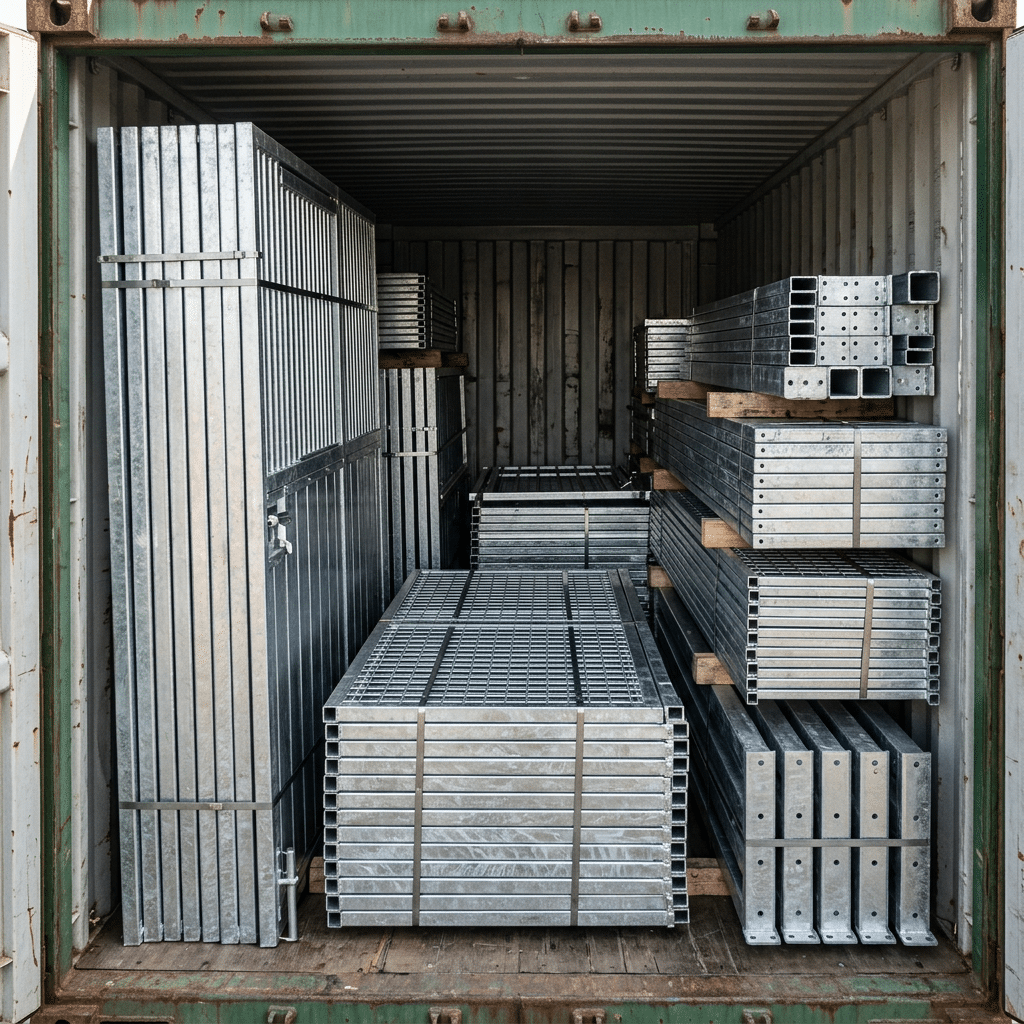
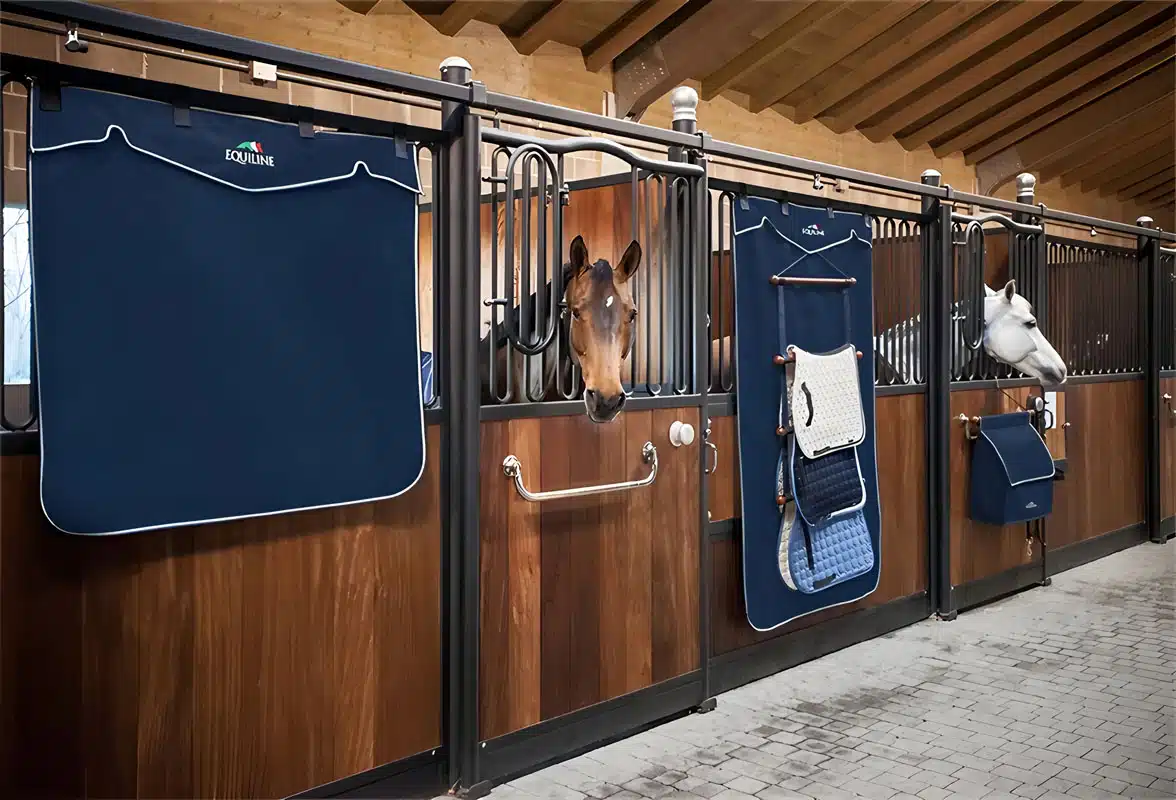
The Yoke vs Fully Grilled stable front decision is less about aesthetics and more about managing liability. Choosing a supplier based on a low price often means receiving fronts built with thin-gauge steel and inadequate galvanization. This leads to weld failures and rust within a year, creating safety hazards and damaging your brand’s reputation with costly warranty claims.
This analysis benchmarks both designs against a critical manufacturing standard: Hot-Dip Galvanization After Fabrication (ISO 1461). We evaluate structural integrity based on a 14-gauge (2.0mm minimum) steel frame to help you specify products that guarantee both animal containment and long-term asset durability for your clients.
5 signaux d'alerte majeurs à surveiller
Beyond price, supplier risk hides in material specs. Scrutinize galvanization methods, steel gauge, and payment terms to protect your investment and reputation.
| Drapeau rouge | Why It’s a Problem & How to Verify |
|---|---|
| 1. Prices ‘Too Good to Be True’ | Extremely low prices almost always signal a compromise on materials you can’t see. It typically means thinner steel, a fake galvanization process, or cheap infill that fails prematurely. These failures damage your brand’s reputation. Quality engineering and certified materials have a real cost floor. |
| 2. Refusal of Factory Inspections | A legitimate factory has nothing to hide. Refusing a live video tour or blocking a third-party inspector is a clear signal they are not a real manufacturer. They are likely a middleman with no quality control, or worse, have no physical facility at all. |
| 3. The ‘Pre-Galvanized’ Scam | This is the most common quality fraud. The supplier welds cheap, pre-coated black tubes, which destroys the zinc protection at the seams. Welds will rust from the inside out within a year. You must demand **Hot-Dip Galvanization After Fabrication** compliant with ISO 1461, where the entire finished panel is submerged in zinc. |
| 4. Weight Discrepancies & Thin Gauge | Suppliers cut costs by using thinner steel (e.g., 1.5mm instead of 2.0mm), which compromises structural safety. This discrepancy won’t be obvious until a horse kicks through it. We mandate a **14-gauge (2.0mm minimum)** wall thickness. Verify this spec with calipers when you get a sample. |
| 5. Unsafe Payment Requests | Demands for 100% payment upfront, especially to a personal account or via an irreversible wire service, are hallmarks of fraud. Legitimate B2B transactions use standard T/T transfers to a verified corporate bank account that matches the supplier’s registered business name. |
Questions fréquemment posées
Is it safe to wire money to a supplier in China?
Yes, it can be safe when you use legitimate channels. China’s State Administration of Foreign Exchange (SAFE) oversees all international transfers and requires proper documentation for compliance. Using established banks or licensed money transfer services ensures the transaction is tracked and se
cure. Just make sure you follow all reporting requirements.
How can I avoid scams when sourcing from a factory?
First, verify the supplier’s history, certifications, and business licenses. Always use secure payment methods, like a wire transfer to a registered company bank account, never a personal one. Before you commit to a large order, get a product sample to test the quality for yourself. This simple step can save you a lot of trouble.
What is the difference between hot-dip galvanizing and pre-galvanizing?
The difference comes down to one critical step: when the zinc is applied. Pre-galvanizing coats steel sheets or tubes *before* they are cut and welded. This leaves the welds and cut edges exposed to rust. Hot-dip galvanizing after fabrication is the superior method. It involves im
mersing the entire fabricated steel frame in molten zinc *after* all welding is complete. This process, which meets ISO 1461 standards, fully protects every surface, especially the critical weld joints where corrosion often starts.
How is the steel thickness on horse stables verified?
You can check steel thickness with several tools. Ultrasonic gauges measure the wall thickness of tubes from one side, which is useful for assembled products. Magnetic gauges measure the thickness of coatings like zinc galvanization. For direct access, simple digital calipers provide an accurate measurement. The goal is to verify the steel meets the specification, for example, confirming a 14-gauge (2.0mm) minimum wall thickness to ensure structural integrity and safety.
Do I need a contract written in Chinese for my order?
No, an English contract is legally valid and enforceable under Chinese law. But for clarity, a bilingual contract is a very good idea. It ensures both you and your supplier fully understand the terms. This simple step helps prevent misunderstandings and keeps the business relationship on solid ground.
Get Custom Horse Stables Built to Last 20 Years.
Réflexions finales
While cheaper stables offer a lower entry price, they expose your brand to rust claims and structural failures. Our standard of Galvanisation à chaud après fabrication and 14-gauge steel is the only way to protect your reputation. Quality inventory is what builds long-term dealer trust and secures repeat business.
Don’t just take our word for it—verify the engineering firsthand. We recommend starting with a trial order to test our material thickness, weld quality, and flat-pack efficiency. Contact our team to get the technical drawings and configure your first container.


 French
  English
  Spanish
  Arabic
  German
0 commentaires