


Territorial Exclusivity is the primary defense for large-scale distributors against margin erosion and damaging price wars. Without a protected market, even a premium product line is devalued, destroying the profitability required to build and service a regional customer base and invest in local inventory.
A strong agreement requires a product worth defending. Our partnership framework is built on systems engineered to the ISO 1461 galvanizing standard and a flat-pack design that doubles container loading efficiency, giving distributors a technically superior product and the profit protection needed to secure their market.
Le microclimat d'une aire de lavage : chaleur, eau et fumier
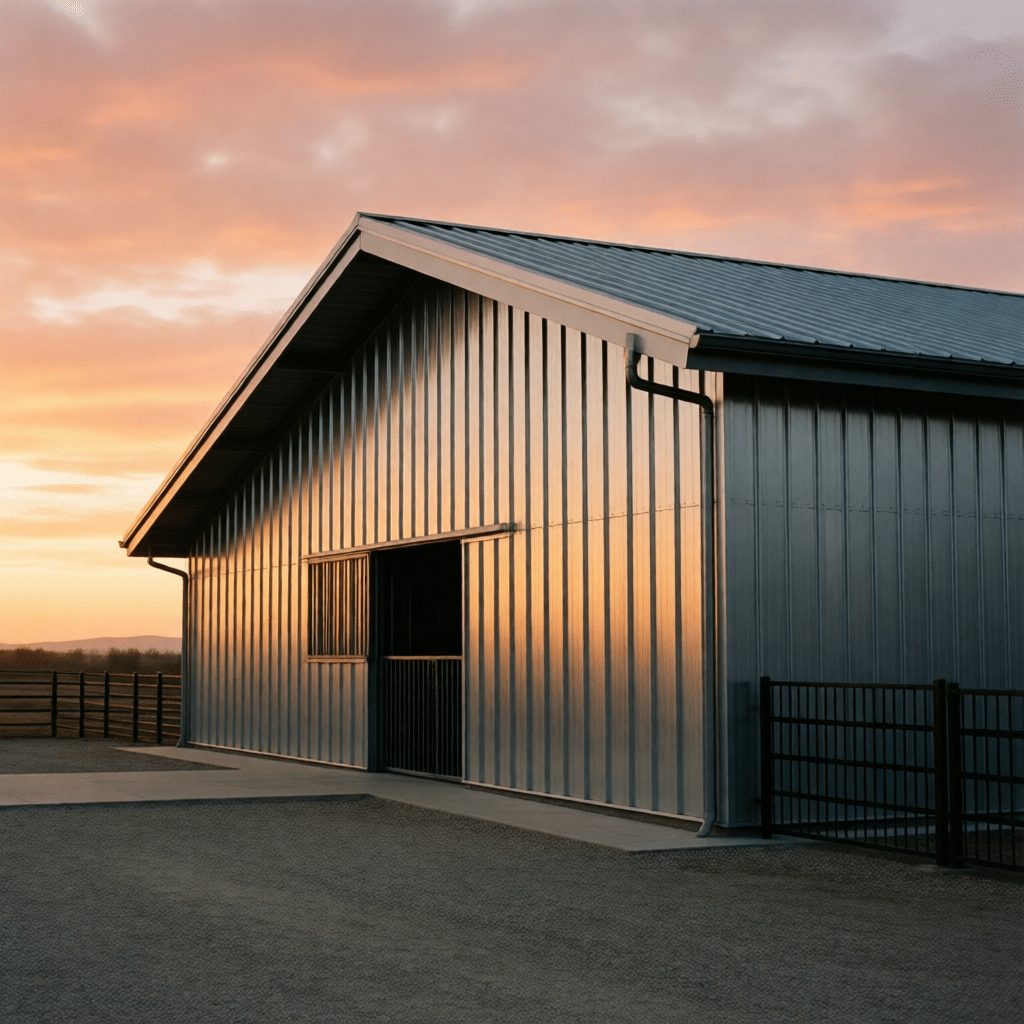
A wash bay’s mix of water, heat, and manure demands rust-proof materials like galvanized steel. Smart systems can also use manure decomposition to generate sustainable hot water.
A horse wash bay is a tough environment. The constant combination of water, heat, and corrosive elements from manure creates a unique micro-climate that will quickly destroy substandard materials. Understanding these conditions is key to building a facility that lasts and operates efficiently.
Harnessing Manure Decomposition for Hot Water
Instead of treating manure as a waste liability, modern facilities can turn it into an asset. The natural heat generated by composting manure offers a reliable and renewable source of hot water for the wash bay, cutting down on utility costs.
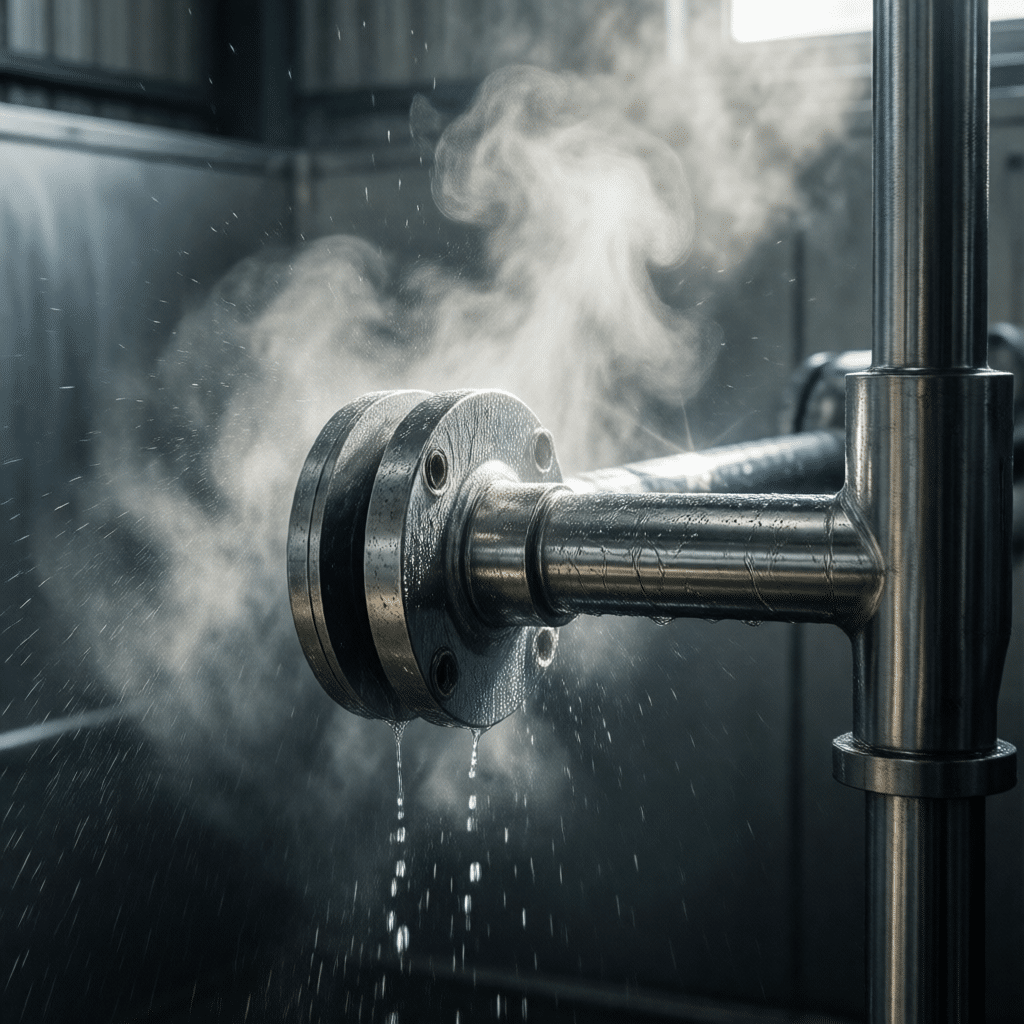
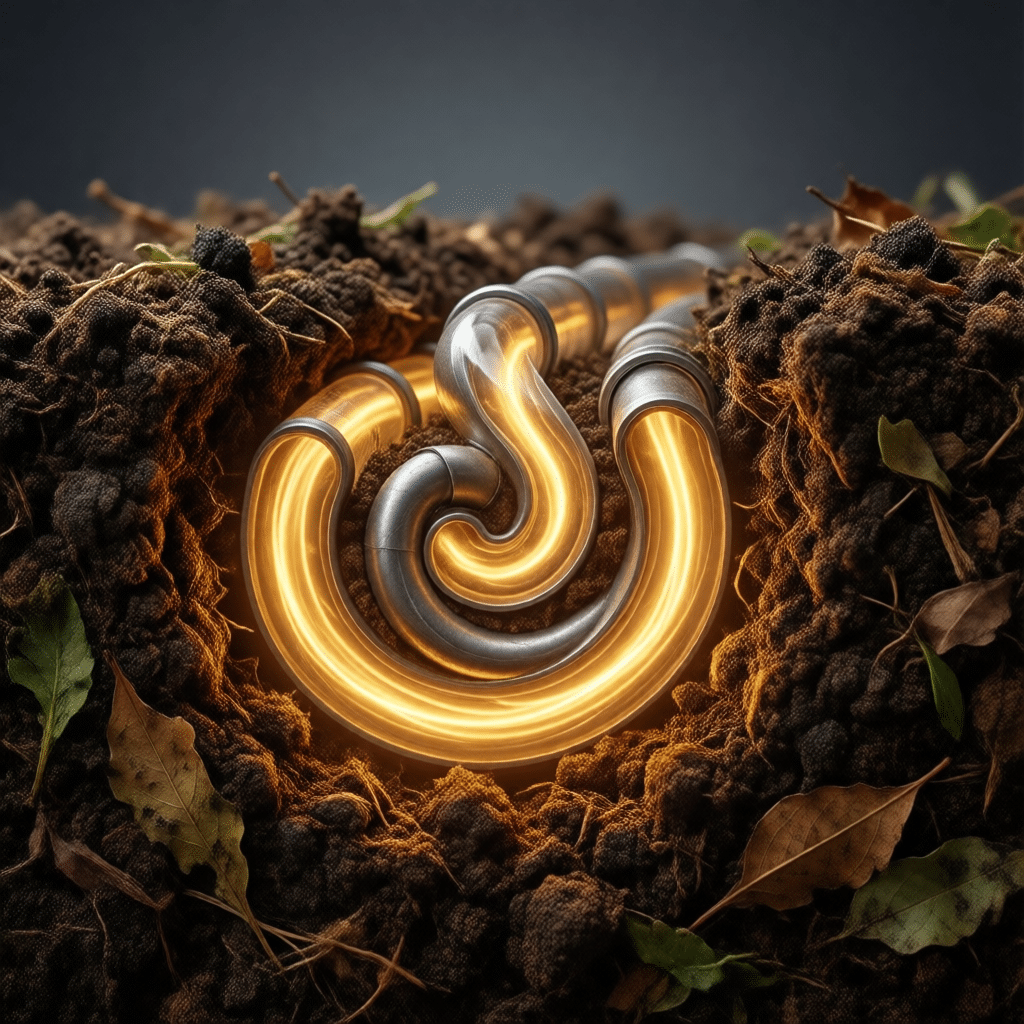
- Heat Exchange Systems: Water is circulated through pipes embedded within large piles of manure and wood chips. The biological decomposition process consistently heats the water.
- Consistent Temperatures: These systems reliably heat water to 100–110°F (about 43°C), which is perfect for year-round horse washing.
- Utility Generation: This process effectively transforms manure management from a disposal cost into an on-site utility, providing free hot water.
Material Specifications for a Corrosive Environment
The constant moisture and ammonia in a wash bay will corrode and rot typical building materials. Only specific industrial-grade components can withstand these conditions long-term and ensure safety.
- Protection de l'acier : The entire steel frame must undergo **Hot-Dip Galvanization After Fabrication**. This process coats all welds and cut edges, conforming to the **BS EN ISO 1461** standard for maximum rust protection.
- Waterproof Infill: Wall infills must be completely non-porous. **Zero Maintenance HDPE** or high-density, rot-resistant **Bamboo** boards are essential to prevent water absorption, degradation, and the growth of mold.
Murs en béton : porosité, fissuration et difficulté de nettoyage
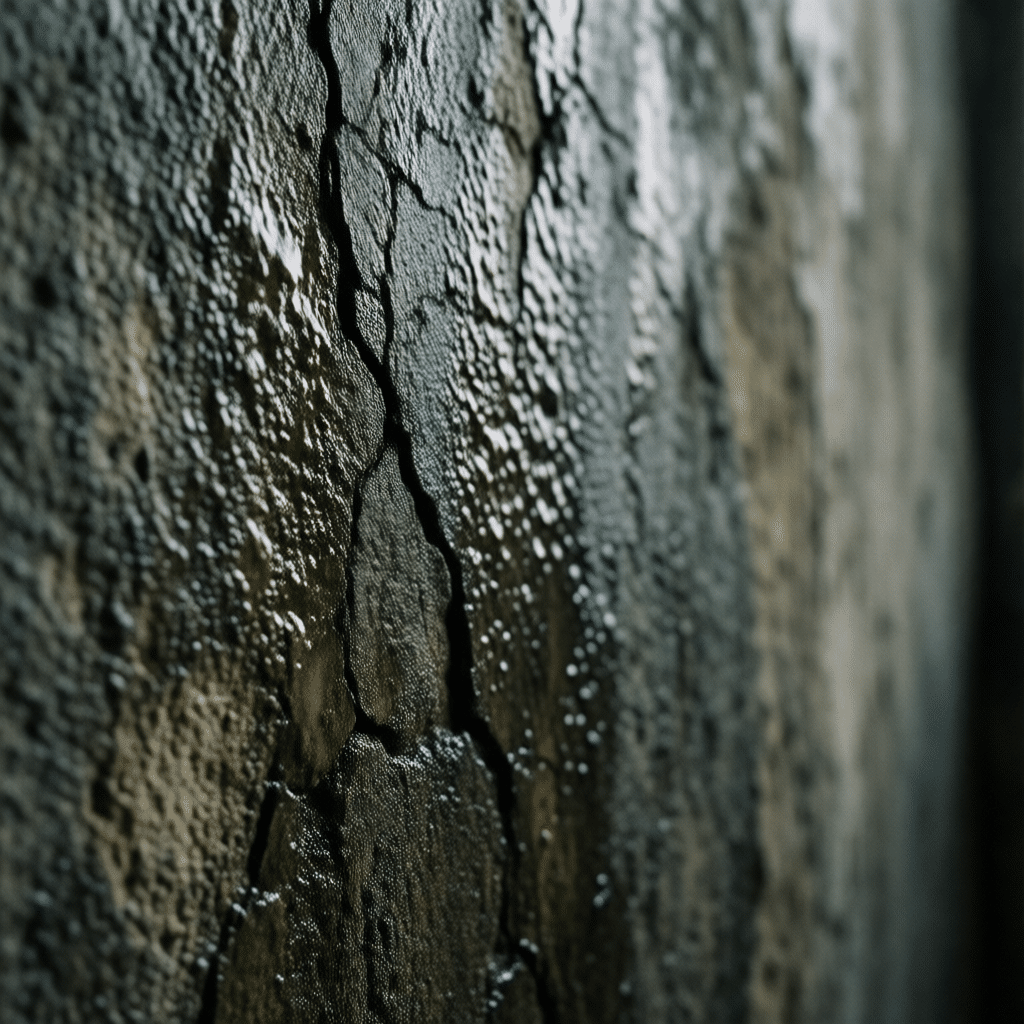
Concrete walls absorb moisture and bacteria, making them hard to clean and prone to cracking from kicks. This creates ongoing hygiene risks and high maintenance costs.
The Challenge of Porous and Brittle Surfaces
Concrete seems tough, but at a microscopic level, it’s a sponge. In a stable environment, its porous surface readily absorbs moisture, urine, and bacteria. This absorption creates persistent odors and fosters an unhealthy environment that can pose health risks to horses.
The material is also brittle and unforgiving. A solid kick from a horse or a minor structural shift can cause it to crack. These cracks not only create sharp, dangerous edges but also become permanent traps for dirt and grime that are nearly impossible to clean out.
Cleaning these walls often does more harm than good. Aggressive methods like pressure washing or using harsh chemicals are necessary to disinfect the surface, but this process degrades the concrete over time, making it even more porous and susceptible to damage.
The Advantage of Zero-Maintenance HDPE and Dense Bamboo
Modern stable systems are designed to eliminate these issues. DB Stable uses infill materials like non-porous HDPE, which completely resists moisture and bacteria. Since nothing can soak in, cleaning is as simple as wiping the surface down. This is a true zero-maintenance solution.
For situations demanding extreme durability, the high-density bamboo option is a better choice. This material is engineered to be three times harder than oak, providing a kick-proof surface that will not crack or splinter under impact. It offers long-term structural integrity that concrete can’t match.
Both HDPE and bamboo promote a healthier stable. By getting rid of the absorption problems inherent to concrete, they create a cleaner, safer, and more hygienic environment that requires far less labor to maintain.
Globally Compliant Stables Built to Last

Les tapis en caoutchouc accrochés aux murs : un véritable nid à moisissures
Rubber mats on walls trap moisture, stopping airflow and creating a breeding ground for mold that can damage the underlying structure.
How Wall Coverings Trap Moisture
Putting a non-porous material like a rubber mat against a wall effectively creates a vapor barrier. Any ambient humidity or condensation that gets behind the mat has no way to escape. The wall can’t breathe or dry out.
This is different from using rubber mats on a floor. Floor mats are often designed with drainage channels to let water escape. When you hang a mat vertically, gravity can’t help. Instead, it traps condensation, creating a dark, damp, and stagnant space perfect for mold and mildew to colonize the wall surface.
High-Density Bamboo: The Mold-Resistant Alternative
An engineered material designed for stables avoids this problem entirely. At DB Stable, we use high-density, strand-woven bamboo as a primary infill option because it’s naturally resistant to mold and rot. It doesn’t rely on being a “cover” for another wall; it is the structural wall infill itself.
This eliminates the air gap where moisture gets trapped. The material is solid and doesn’t create a hidden cavity. It also provides far better durability without the risk of moisture-related decay.
- Material Type: High-density, strand-woven bamboo
- Key Benefit: Inherently mold and rot resistant
- Dureté Janka : Over 3000 lbf, which is three times harder than oak
Plastique PEHD : 100%, hydrophobe et lavable au jet haute pression
HDPE is a non-porous material that repels water and resists mold. Its high impact and chemical resistance allows safe power-washing, creating a zero-maintenance environment for horse stalls.
| Fonctionnalité | HDPE Infill | Lames de bois traditionnelles |
|---|---|---|
| Absorption d'eau | Negligible (Non-porous) | High (Porous) |
| Rot & Mold Resistance | Immune | Highly Susceptible |
| Required Maintenance | None (No sealing or painting) | Annual painting, staining, or sealing |
| Cleaning Method | High-Pressure Power Wash | Scrubbing; power washing can damage wood |
The Science Behind a Water-Repellent Surface
High-Density Polyethylene (HDPE) isn’t waterproof because of a temporary coating; its water-repellent nature comes from its fundamental molecular structure. The material is completely non-porous, meaning there are no microscopic voids for water, bacteria, or chemicals to penetrate. This makes it a permanent solution for wet environments, unlike materials that rely on sealants that degrade over time.
- Extremely low moisture absorption prevents water from ever soaking into the material. This eliminates the root cause of rot, mold, and mildew that plagues wood-based stalls.
- Excellent UV and weather resistance ensures the material doesn’t crack, fade, or become brittle from sun or temperature changes, maintaining its integrity in both indoor and outdoor facilities.
- High impact and chemical resistance allows the surface to handle high-pressure water jets and common cleaning agents without degrading, chipping, or losing its structural properties.
DB Stable’s Zero-Maintenance Infill: 28mm UV-Stabilized HDPE
We apply these material benefits directly to our stall systems. By engineering our infill with thick HDPE, we create an environment that actively resists contamination and simplifies hygiene protocols for facility managers. This isn’t just an alternative to wood; it’s a strategic upgrade for operational efficiency.
- Engineered with 28mm-32mm thick planks, our impact-absorbing HDPE infill is guaranteed kick-proof and will not splinter or crack under stress.
- Infused with UV stabilizers during manufacturing, the material provides guaranteed long-term performance without fading or losing its flexibility, even in high-exposure markets like Australia.
- Delivers a true ‘Zero Maintenance’ solution that never needs painting, sealing, or staining. This eliminates recurring labor and material costs associated with timber upkeep.
Châssis en acier HDG : résister à la zone d'éclaboussures
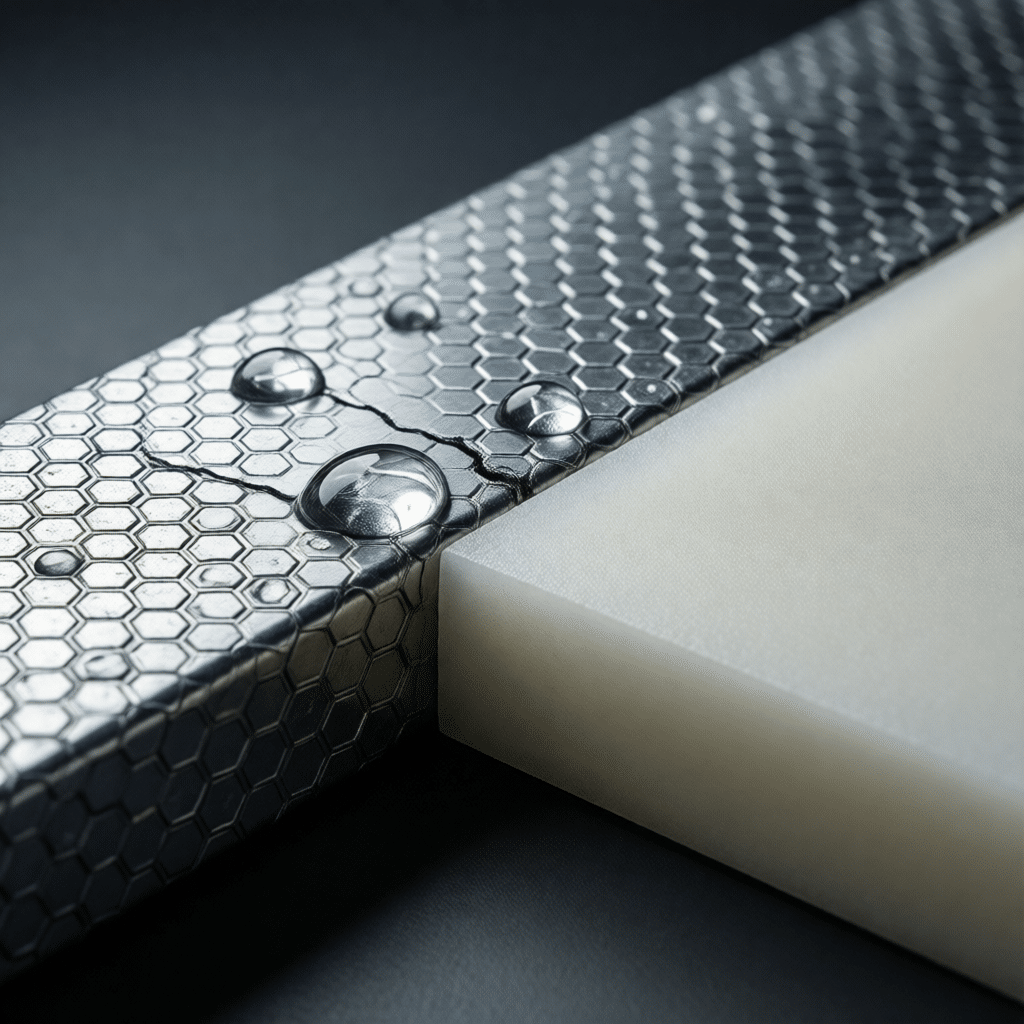
High salt spray and humidity in coastal “splash zones” rapidly corrode steel. We use a hot-dip galvanizing process that exceeds ISO 1461 standards for a thick, protective zinc coating.
The Corrosion Mechanism in High-Humidity Zones
Environments with high salt spray or constant moisture create a perfect storm for steel corrosion. These “splash zones” subject frames to a destructive wet-dry cycle. Salt and chloride ions in the air act as a catalyst, dramatically accelerating the formation of rust. This isn’t a theoretical problem; it’s a primary engineering challenge for stables in coastal markets like Australia, where both UV and salt spray resistance are non-negotiable.
Standard paint or cheap pre-galvanized tubing simply can’t hold up. The thin protective layer is quickly worn away by daily use and cleaning, exposing the raw steel underneath. Once that happens, structural failure is inevitable.
Our Defense: ISO 1461 Galvanizing and Dual-Layer Systems
We engineer our frames to last in the worst conditions. Our process is built on a “hot-dip after fabrication” principle. We fully weld the entire steel frame first, then dip it into molten zinc. This method meets the rigorous BS EN ISO 1461 standard and ensures a complete, uninterrupted protective layer with no weak points at the welds.
The result is a zinc coating over 70 microns thick, a specification proven to withstand more than 96 hours in an ASTM B117 salt spray test without any red rust. For projects demanding the highest level of protection, our Royal Series features a dual-protection system. This adds a durable powder coat layer over the galvanized base, creating the ultimate barrier against corrosion.
Questions fréquemment posées
What are the best materials for horse wash rack walls?
The most effective materials for wash rack walls prioritize water resistance, durability, and safety. Top choices include fiberglass-reinforced panels (FRP), concrete blocks with a waterproof sealant, and commercial-grade high-density polyethylene (HDPE) linings. These options are easy to clean and withstand constant moisture. It’s best to avoid standard metal panels, which can rust and create loud noises that may startle horses.
Can rubber mats be used on barn walls?
Yes, rubber mats can be installed on barn walls, although it is less common than using them for flooring. Wall-mounted mats provide excellent protection for a horse’s legs and joints from impact and can also help reduce noise within the barn, offering both safety and soundproofing advantages.
How can I effectively waterproof a horse wash bay?
Waterproofing a wash bay involves a multi-step process. Start with waterproof wall materials like FRP or Tuff Board. It’s critical to seal all corners and edges with silicone and maintain it annually. The floor should be a reinforced concrete slab, sloped correctly towards a drain with a grate to prevent clogs from manure and hair.
Is it possible to mold HDPE plastic for custom parts?
Yes, HDPE is a thermoplastic that is widely used in injection molding to create custom parts. It offers strong chemical and moisture resistance, making it a cost-effective choice for various components. However, its high shrinkage rate during cooling must be carefully managed in the design process to ensure part accuracy.
Réflexions finales
Distributors can source cheaper pre-galvanized stables, but this approach invites warranty claims and damages your market reputation. Our commitment to Hot-Dip Galvanizing after fabrication to the ISO 1461 standard is not a feature—it’s a commercial safeguard. It ensures the product you sell will last, protecting your brand and your profit margins.
Protect your market with a product engineered to dominate it. We recommend starting with a trial order to validate our material quality and freight-saving flat-pack system. Contact our engineering team to define the technical specifications and exclusivity terms for your region.

 French
  English
  Spanish
  Arabic
  German
0 commentaires