



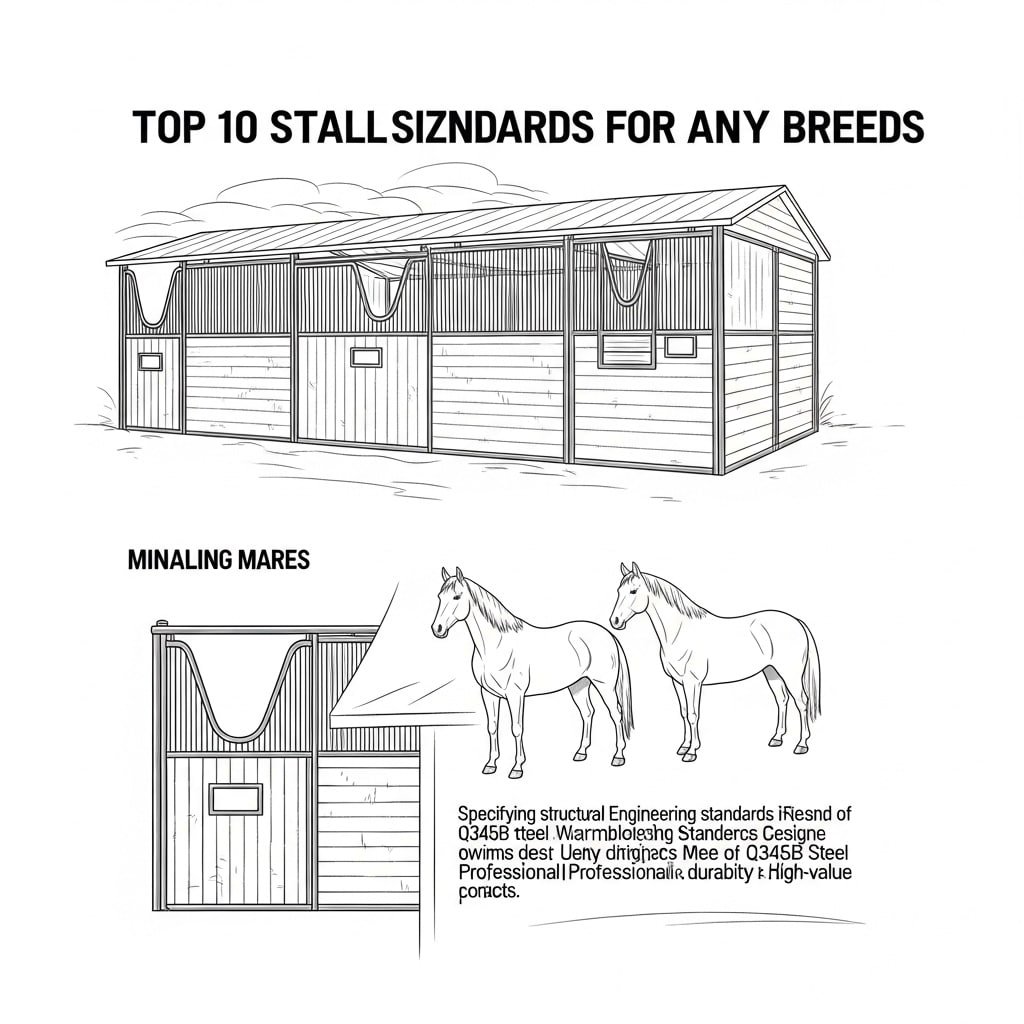
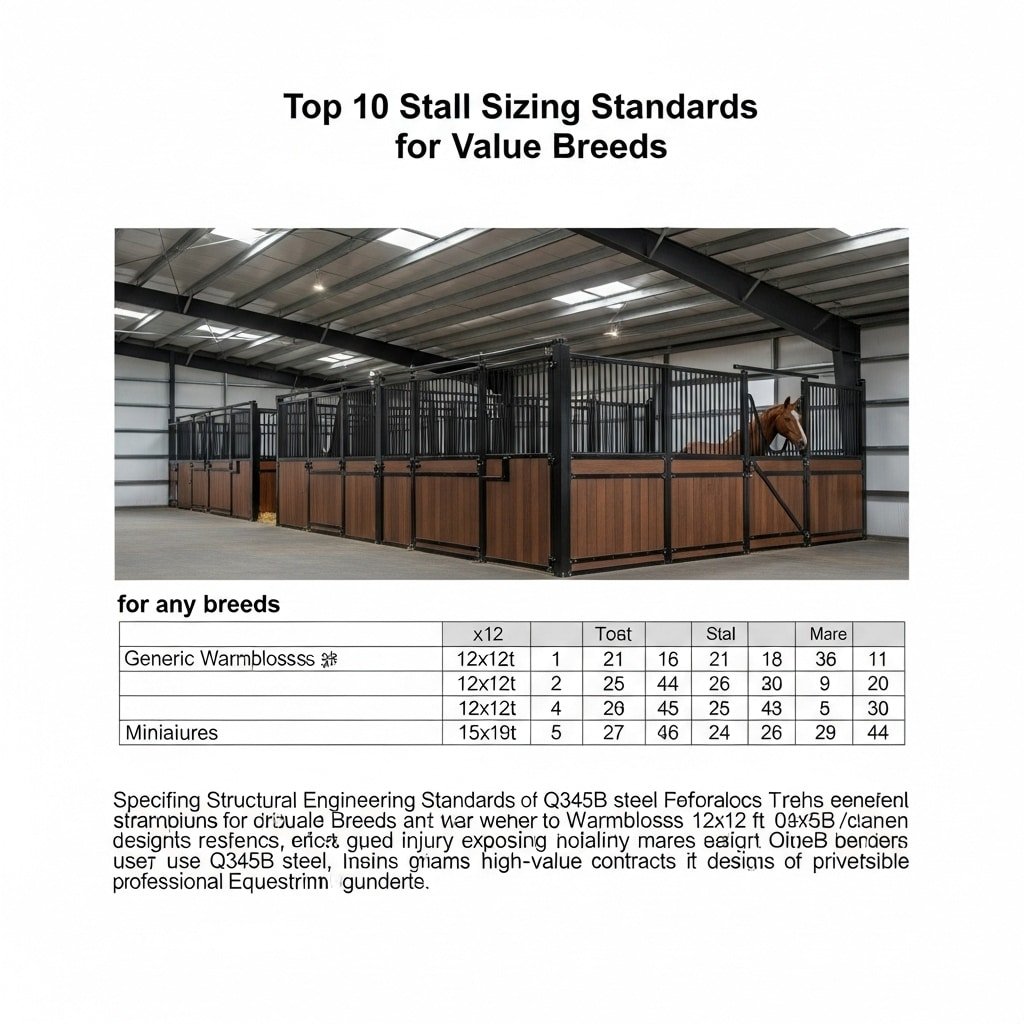
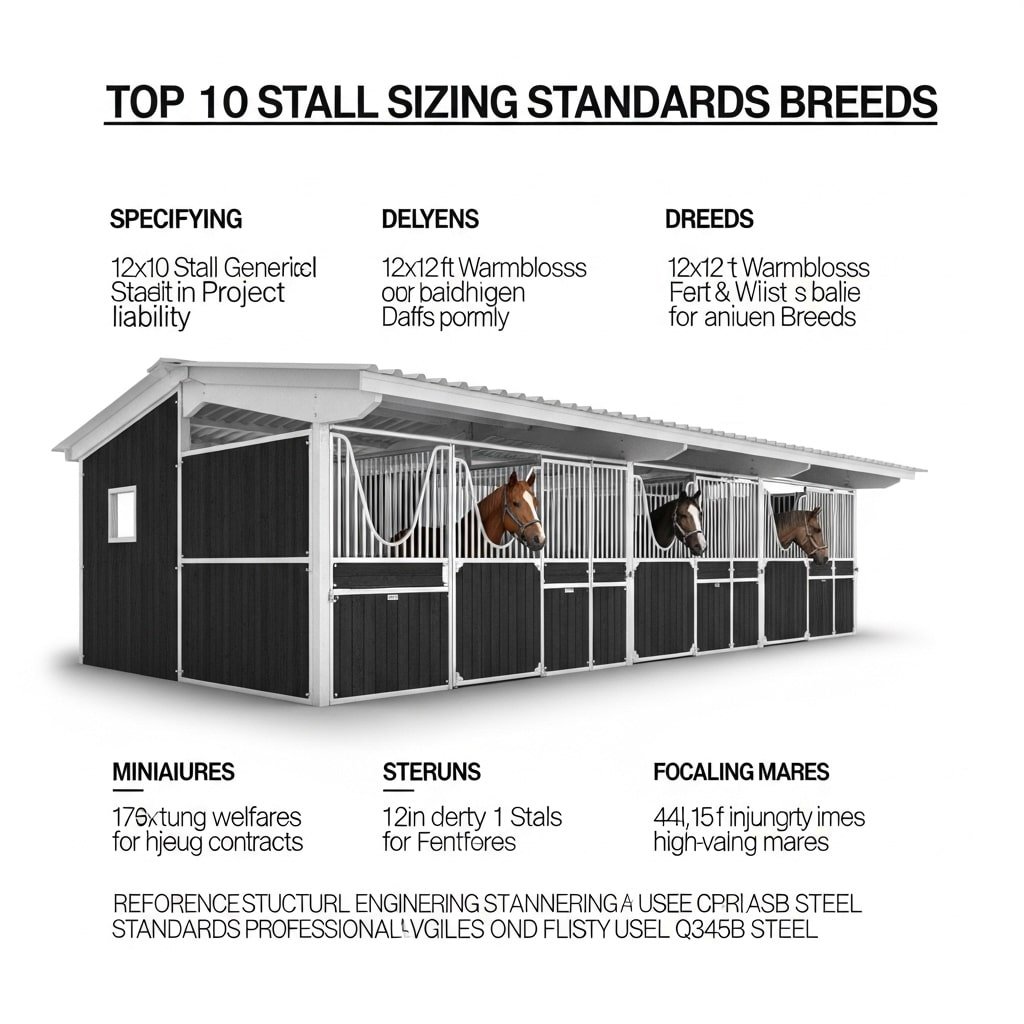
Specifying the correct horse stall dimensions is a critical factor in mitigating project liability. Relying on the generic 12×12 foot standard for larger breeds like Warmbloods or drafts creates significant risk, exposing facility owners to animal welfare issues and potential injury claims that can jeopardize high-value contracts.
This guide provides the necessary data for sizing stalls for any breed, from miniatures to foaling mares. We reference structural engineering standards, including the use of Q345B steel, to ensure designs meet the safety and durability requirements of professional installations équestres.
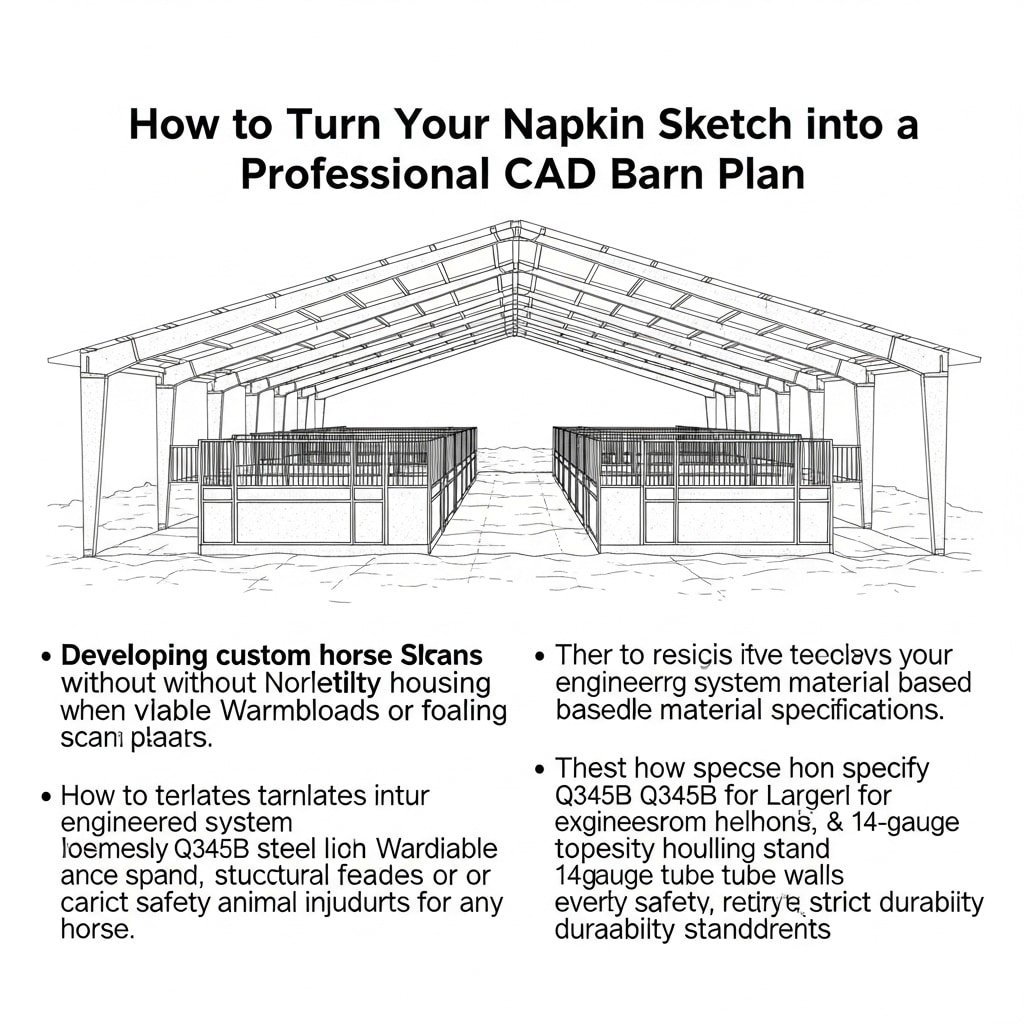
Les 10 normes les plus importantes en matière de taille des stalles pour différentes races
Comparaison rapide
| Manufacturer | Location | Core Strength | Verdict |
|---|---|---|---|
Soorty | Karachi, Pakistan | High-capacity production (144M meters) with a focus on sustainability and innovation. | A top choice for large-scale, sustainable denim sourcing for major global retail brands. |
Artistic Milliners | Karachi, Pakistan | Vertically integrated manufacturing (108M meters) with a strong commitment to sustainability. | Ideal for top-tier brands seeking a fully integrated, sustainable supply chain from fabric to garment. |
Interloop | Faisalabad, Pakistan | Diversified textile production, combining a significant denim division with top-tier hosiery. | A versatile partner for brands that source both denim and hosiery and supply major retailers. |
Arvind Limited | Ahmedabad, India | Massive global scale (110M+ meters) as a textile conglomerate, offering a wide range of innovative fabrics. | A global powerhouse for brands needing diverse fabric options and large-volume production. |
Cone Denim | Greensboro, NC, USA | Historic American heritage (est. 1891), famed for classic and selvedge denim. | The go-to manufacturer for brands prioritizing authentic, heritage-style denim with a storied history. |
Candiani Denim | Robecchetto con Induno, Italy | Premium ‘Made in Italy’ quality, specializing in high-end, innovative, and sustainable fabrics. | Perfect for luxury and premium fashion brands that require top-tier Italian craftsmanship. |
Naveena Denim (NDL) | Karachi, Pakistan | Specialized focus on eco-friendly and performance-oriented denim fabrics. | A strong choice for brands focused on modern, technical, and highly sustainable denim. |

Soorty
Soorty is a powerhouse in denim manufacturing, combining massive production capacity with a strong commitment to sustainability, making it a go-to supplier for major global fashion brands.
As a leading Pakistani manufacturer, Soorty boasts an impressive annual capacity of over 144 million meters of denim fabric. The company has built a strong reputation for its dual focus on sustainability and innovation, establishing itself as a key partner for major global brands like H&M, Zara, and G-Star Raw.
Their operations are defined by the ability to meet the high-volume demands of fast-fashion giants while appealing to brands that prioritize environmental responsibility. This makes them a versatile and strategic choice for companies looking for scale and modern textile solutions.
📊 At a Glance:
- 📍 Location: Karachi, Pakistan
- 🏭 Core Strength: Denim Fabric, Jeans, Sustainable Denim
- 🌍 Key Markets: USA, Europe
Why We Picked Them:
| ✅ The Wins | ⚠️ Trade-offs |
|---|---|
|
|
Artistic Milliners
Artistic Milliners is a top-tier choice for brands seeking a vertically integrated partner with massive production scale and a proven commitment to sustainable practices.
As a major vertically integrated denim manufacturer, Artistic Milliners boasts an impressive annual production capacity of around 108 million meters. Their reputation is built on a strong commitment to sustainability, making them a trusted supplier for top-tier brands like Gap, Levi’s, and H&M.
Their capabilities span the entire production chain, from creating diverse denim fabrics and sustainable textiles to manufacturing finished garments. This vertical integration allows for greater control over quality and innovation, serving major markets across the USA, Europe, and Asia.
📊 At a Glance:
- 📍 Location: Karachi, Pakistan
- 🏭 Core Strength: Denim Fabric, Garments, Sustainable Textiles
- 🌍 Key Markets: USA, Europe, Asia
Why We Picked Them:
| ✅ The Wins | ⚠️ Trade-offs |
|---|---|
|
|
Interloop
Interloop stands out as a diversified powerhouse, combining a major denim manufacturing division with a leading position in hosiery, making them a versatile partner for large-scale brands.
Based in Faisalabad, Pakistan, Interloop is a major player in the global textile scene. While many manufacturers specialize solely in denim, Interloop has built a diversified business model, excelling in both denim and hosiery. This unique combination allows them to serve a broader range of needs for major international clients like Levi’s and H&M.
Their denim division is substantial, with an annual production capacity of 50 million meters, positioning them as a reliable, high-volume supplier. Their ability to produce both denim fabric and finished jeans alongside other textile products provides a streamlined supply chain advantage for brands.
📊 At a Glance:
- 📍 Location: Faisalabad, Pakistan
- 🏭 Core Strength: Denim Fabric, Jeans, Hosiery
- 🌍 Key Markets: USA, Europe
Why We Picked Them:
| ✅ The Wins | ⚠️ Trade-offs |
|---|---|
|
|
Arvind Limited
Arvind is a top choice for large-scale production due to its massive capacity, diverse fabric offerings, and commitment to innovation, making it a reliable partner for global brands.
An Indian textile conglomerate, Arvind Limited stands as one of the world’s largest denim producers. With a massive annual capacity of over 110 million meters, the company has established itself as a cornerstone of the global textile market. Its operations are based in Ahmedabad, India, from where it serves a diverse international client base.
The company’s strength lies not just in its scale but also in its product diversity. While a leader in denim fabric, Arvind also produces a wide array of woven fabrics and finished garments. This vertical integration, combined with a strong focus on innovation, allows them to cater to the evolving needs of major fashion and apparel brands across the globe.
📊 At a Glance:
- 📍 Location: Ahmedabad, India
- 🏭 Core Strength: Denim Fabric, Woven Fabrics, Garments
- 🌍 Key Markets: Mondial
Why We Picked Them:
| ✅ The Wins | ⚠️ Trade-offs |
|---|---|
|
|
Cone Denim
Cone Denim is a top choice for brands seeking heritage and authenticity, backed by over a century of American denim manufacturing history and innovation.
Established in 1891, Cone Denim is a cornerstone of the American textile industry. Its reputation is built on a rich heritage, most notably its long-standing partnership with Levi’s to create the iconic selvedge denim for the 501 jean. While headquartered in the US, its modern manufacturing footprint extends to mills in China and Mexico, allowing it to serve a global clientele.
The company’s expertise lies in producing both classic and performance denim. They are particularly famed for their authentic selvedge denim, which remains a benchmark for quality and durability. Their product range also includes advanced performance fabrics that meet contemporary demands for comfort, stretch, and sustainability, making them a versatile supplier for diverse market segments.
📊 At a Glance:
- 📍 Location: Greensboro, NC, USA
- 🏭 Core Strength: Selvedge Denim, Performance Denim, Classic Denim
- 🌍 Key Markets: North America, Asia
Why We Picked Them:
| ✅ The Wins | ⚠️ Trade-offs |
|---|---|
|
|
Candiani Denim
Candiani is a top choice for premium and luxury brands seeking high-quality, innovative, and sustainable denim with a prestigious ‘Made in Italy’ heritage.
A premium Italian denim mill founded in 1938, Candiani is renowned for its high-quality, innovative, and sustainable ‘Made in Italy’ fabrics. They supply many luxury and premium denim brands worldwide, cementing their reputation as a leader in the high-end market.
The mill specializes in a range of premium materials, including stretch and selvedge denim, catering to the demanding fashion markets in Europe and the USA. Their consistent focus on quality and eco-friendly practices makes them a go-to supplier for designers who prioritize fabric excellence and transparent sourcing.
📊 At a Glance:
- 📍 Location: Robecchetto con Induno, Italy
- 🏭 Core Strength: Premium Denim Fabric, Stretch Denim, Selvedge Denim
- 🌍 Key Markets: Europe, USA, Luxury Fashion
Why We Picked Them:
| ✅ The Wins | ⚠️ Trade-offs |
|---|---|
|
|
Naveena Denim (NDL)
Naveena Denim (NDL) is a top choice for brands prioritizing eco-friendly and high-performance denim fabrics, backed by a significant production capacity.
As a leading Pakistani manufacturer, Naveena Denim (NDL) has carved out a niche in sustainable textiles. With an annual capacity of around 48 million meters, the company is a significant player focused on reducing the environmental impact of denim production.
NDL’s core strength lies in creating eco-friendly and performance-oriented fabrics. This specialization attracts major brands from the US and European markets who are looking to source innovative and responsible materials for their apparel lines.
📊 At a Glance:
- 📍 Location: Karachi, Pakistan
- 🏭 Core Strength: Sustainable Denim Fabric, Performance Denim
- 🌍 Key Markets: Europe, USA
Why We Picked Them:
| ✅ The Wins | ⚠️ Trade-offs |
|---|---|
|
|
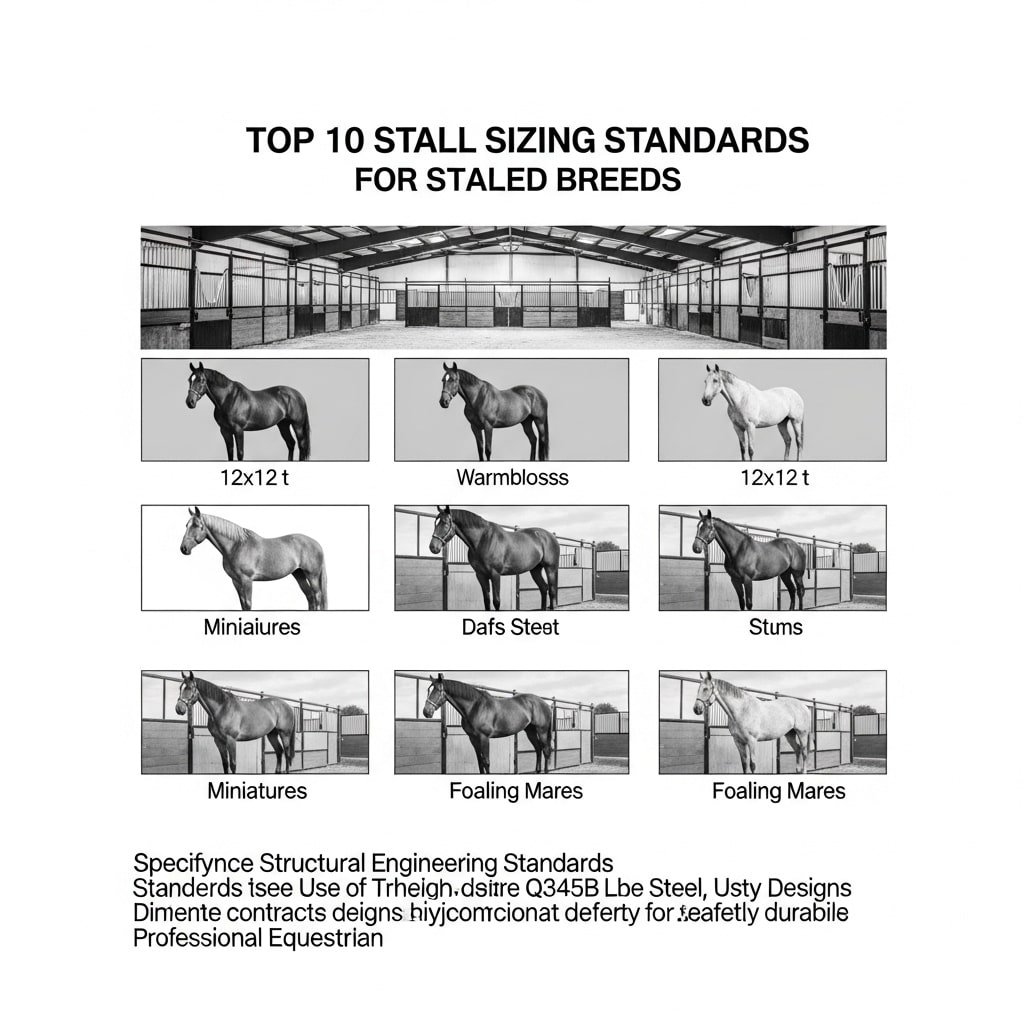
Is 12×12 Really the “Standard” for Every Horse?
While 12×12 feet is a common industry benchmark, it’s specifically for an average 1,000-pound horse. For distributors and project managers, specifying the correct décrochage size is crucial for animal welfare and facility reputation. Larger breeds require more space to prevent injury, while smaller dimensions suit ponies and miniatures.
The Basis for the 12×12 Industry Standard
The 12×12 foot stall became a standard because it provides enough room for a typical 1,000-pound horse to turn around, lie down, and roll safely. The general rule is that a stall wall should be about one-and-a-half times the horse’s length. This proportion significantly reduces the risk of a horse getting cast (stuck against a wall). Our stable designs enhance this with minimal floor gaps, creating a true ‘cast-proof’ environment that protects the animal and your client’s investment.
When Larger Stalls Are a Necessity
Larger horses, especially those over 16 hands like many Warmbloods and all draft breeds, are too confined in a standard stall. This can lead to stress and even sleep deprivation. A 12×14 foot stall is a common minimum for these animals, with 14×14 or 16×16 feet being ideal for maximum comfort and safety.
For facilities in climats froids, material choice becomes critical. Powerful kicks can cause standard steel to become brittle in freezing temperatures. We specify high-strength Q345B steel for these projects. Its superior low-temperature impact toughness prevents brittle fractures, ensuring year-round structural integrity and providing a kick-proof guarantee that reduces liability.
Sizing Down for Ponies and Miniatures
Just as larger horses need more room, smaller breeds benefit from appropriately sized stalls. A 10×10 foot stall offers plenty of space for most ponies. Miniature horses need even less; a 6×6 foot stall might work for short periods, but an 8×8 foot space is better for longer-term housing, ensuring they have adequate room without being in an oversized environment.
Why Warmbloods Need Minimum 14ft Fronts?
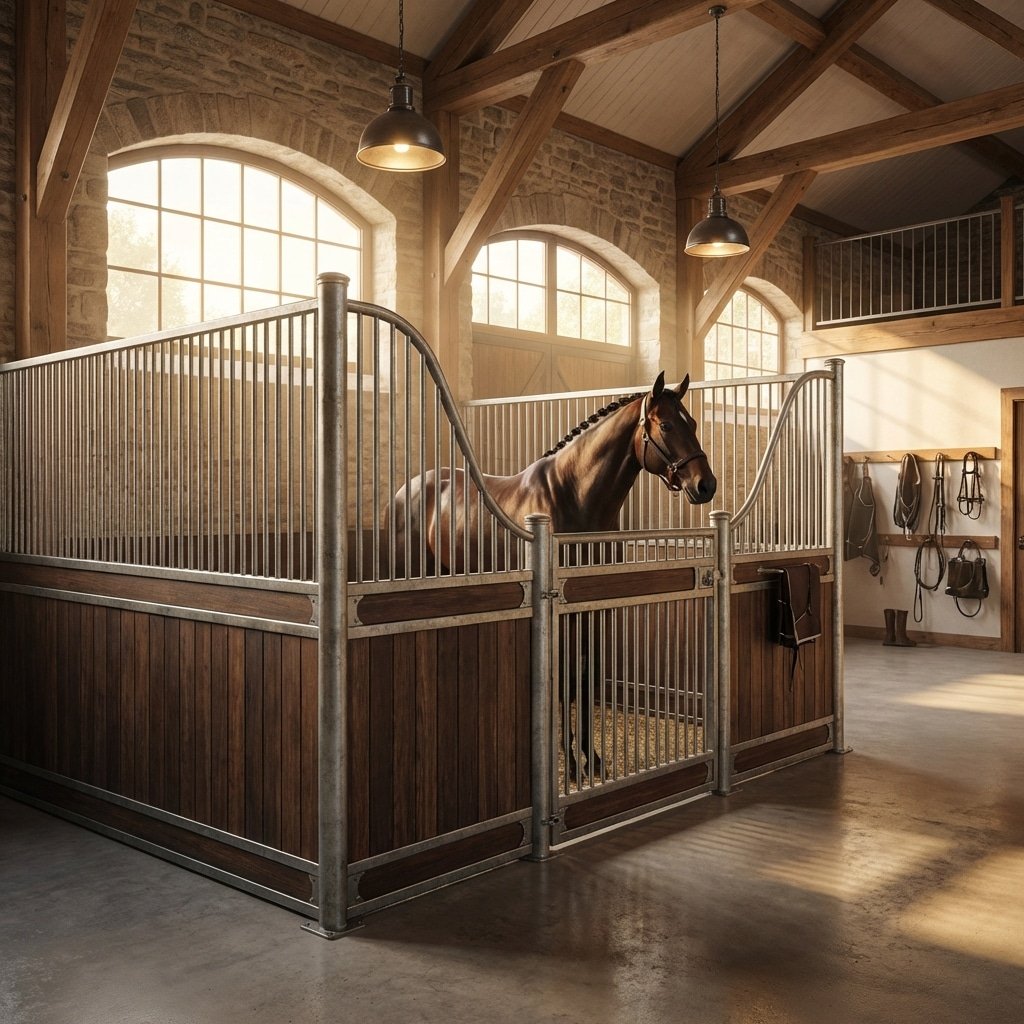
Warmbloods require minimum 14-foot façades de box because their larger frames make standard 12-foot stalls unsafe and restrictive. A 14×14 foot space is essential for allowing these powerful animals to turn, lie down, and roll without the risk of injury or becoming cast. For facility managers and distributors, offering stalls that meet these professional standards is key to ensuring le bien-être des animaux and attracting serious clients.
Accommodating Larger Frames and Natural Movement
Standard 12×12 foot stalls simply don’t provide enough space for the larger builds of Warmbloods and similar breeds. A horse needs to be able to turn around completely without its body hitting the walls. The extra two feet in a 14-foot width gives them the freedom for this basic, natural movement. Supplying des systèmes stables that respect these dimensions shows a commitment to high-level animal care, a major selling point for any professional equestrian facility.
Ensuring Safety During Rest and Rolling
Safety is the most critical factor. A horse getting stuck against a wall while rolling—a dangerous situation known as being “cast”—is far more likely in a cramped stall. A 14×14 foot stall provides a safe zone for a large horse to lie down, roll, and get back up without restriction. Our stable systems enhance this safety with a **cast-proof design**, featuring minimal bottom gaps to prevent trapped hooves. The robust Q235B steel framework is built to handle the demands of larger, more powerful breeds.
Meeting Professional Equine Standards
Equine professionals and veterinarians agree that stalls for warmbloods should be at least 14×14 feet to provide adequate comfort and safety. While a 12×14 foot stall is sometimes seen as a minimum, the 14×14 square is the preferred standard for taller breeds. By supplying stable fronts and cloisons built to these dimensions, our partners can confidently meet the high expectations of equestrian clubs, training centers, and private stud farms who prioritize animal welfare.
Durable Horse Stables Built For Any Climate

What is the Critical Dimension for Foaling Stalls?
For foaling stalls, the critical dimension goes far beyond a standard stall. A minimum of 12×18 feet is required, but an ideal setup expands to 12×24 feet or even 20×20 feet. This generous space is essential for the mare’s safety during delivery and allows veterinarians or handlers adequate room to assist if needed.
Recommended Sizing: Minimum vs. Ideal
A standard 12×12 stall is simply not adequate for a mare during foaling. The minimum recommended size starts at 12×18 feet or 14×14 feet. To ensure maximum safety and comfort, facilities should aim for ideal dimensions like 12×24 feet or 20×20 feet. This larger area is not a luxury; it’s a critical safety feature. It gives the mare plenty of room to lie down, roll, and reposition without risk of getting cast. It also provides a safe working zone for veterinarians and staff who may need to intervene during a difficult birth.
Design for Flexibility: Combining Stalls
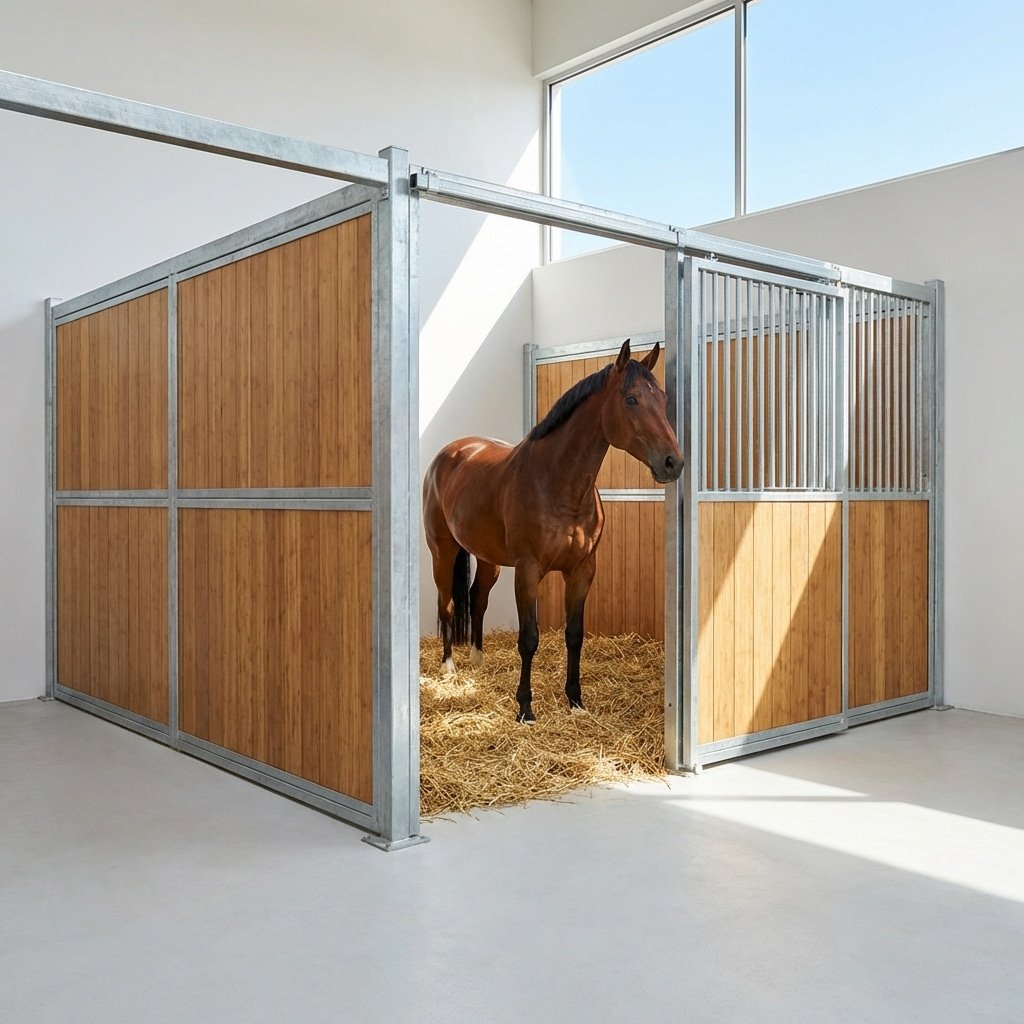
Dedicating a permanent 20×20 stall isn’t always practical for a commercial facility. A highly effective solution is to design for flexibility. By using removable or hinged partitions, two standard 12×12 stalls can be quickly combined into a single, spacious 12×24 foaling stall. This modular approach, a key feature of our stable systems, allows you to provide a safe foaling environment when needed and revert to standard boarding stalls after the foal is weaned. This maximizes your facility’s earning potential year-round.
Essential Features Beyond Floor Space
While size is the primary concern, other design features are just as critical for safety. The décrochage walls must be completely smooth and free of any protruding hardware or sharp edges that could injure the mare or the newborn foal. This is why we use materials like impact-absorbing HDPE and design our systems for a seamless fit. Proper ventilation, like that created by our open grill designs, is vital for qualité de l'air. Good lighting is also essential for monitoring. Finally, bedding choice matters; a deep bed of propre straw is recommended over shavings to reduce dust and protect the newborn’s respiratory system.
Can You Fit a Standard Kit into an Odd-Sized Space?
Yes, it is possible to fit stable systems into non-standard spaces. While we manufacture kits in common dimensions for efficiency, our modular designs and custom fabrication capabilities allow us to engineer solutions that precisely match unique barn layouts and specific project requirements.
Standard Kit Dimensions
Most stable systems are built around industry-standard dimensions, typically 10×10 ft (3.0m), 12×12 ft (3.6m), and 12×14 ft (3.6×4.2m). The 12×12 foot size is widely accepted as the baseline for an average-sized riding horse, offering sufficient room for safe movement and rest. We focus on these standard sizes to streamline production, which helps our distributors manage costs and maintain predictable inventory.
Solutions for Non-Standard Spaces
For barns with unusual column spacing or older, non-standard layouts, custom sizing is the most reliable solution. As an OEM/ODM manufacturer, we can engineer stable fronts and partitions to match your project’s specific measurements. This ensures a secure, professional fit without compromising the structural integrity or safety features of the system.
Our modular, flat-pack system also provides natural flexibility. Since components are not pre-welded into a single rigid unit, they can be adapted more easily during installation. For instance, removable partition panneaux make it simple to combine two standard stalls into a larger one for foaling or temporary housing, adding value for the end-user.
Practical Considerations
Choosing standard-sized kits is generally more cost-effective and results in faster lead times. Our typical production schedule is 35-45 days for standard orders, which helps protect our distributors’ marges bénéficiaires and timelines. Custom fabrication requires additional design and engineering work, which can extend production time and increase the per-unit cost.
For any project involving non-standard dimensions, we recommend collaborating directly with our team during the planning stage. This partnership ensures every panel is built to the correct specifications and meets our stringent safety standards, preventing costly delays and installation problems at the job site.
Réflexions finales
Choosing the correct stall size goes beyond animal welfare—it’s a direct reflection of your facility’s professional standard. While generic stalls may lower initial costs, a structural failure or animal injury from improper sizing creates serious liability. Our engineered systems, from cast-proof designs to kick-proof Q345B steel, are built to protect your reputation and your client’s investment.
Don’t leave project specifications to chance. Whether you need a standard layout or a custom solution for a unique barn, our team provides the technical drawings to ensure a perfect fit. Contact us to discuss your project requirements or to arrange a trial order and verify our manufacturing quality firsthand.
Questions fréquemment posées
What is the standard horse stall size for an average horse?
For an average horse weighing around 1,000 pounds and standing 14-16 hands tall, a 12×12 foot stall is the most common standard. This provides enough room for the horse to turn around and lie down comfortably.
Do larger horses like Warmbloods or Drafts need bigger stalls?
Yes, larger breeds require more space. Stalls measuring 12×14 feet, 12×16 feet, or even larger are necessary to ensure they can move and rest comfortably without being cramped.
What is the recommended size for a foaling stall?
A foaling stall for a mare and her new foal needs to be significantly larger than a standard stall. A minimum size of 20×20 feet is recommended to provide a safe and spacious environment for both.
How high do the stall walls need to be?
Stall walls should be at least 8 feet high. For taller breeds that might rear, a height of 9-10 feet is preferred to prevent potential head injuries.
How wide should the barn aisle be?
A barn aisle should typically be 10-12 feet wide for safe passage. If the aisle will also be used for storing tack or equipment, a width of 14-16 feet is more practical.
Can I put a big horse in a 10×10 stall?
No, a 10×10 ft stall is not suitable for a large horse. The established industry standard for an average-sized riding horse (around 1,000 lbs) is 12×12 ft. A 10×10 ft space is generally only considered adequate for ponies or very small horses, as it does not provide enough room for larger animals to safely turn around, lie down, and roll without risk of getting cast.
What size stall does a Clydesdale need?
A Clydesdale or other draft breed requires a minimum stall size of 12×12 ft, but larger is strongly recommended for their safety and comfort. Dimensions such as 14×14 ft, 14×16 ft, or even 16×16 ft are much better choices. For these powerful animals, it is also critical that the stall doors are at least 4 feet wide to prevent hip injuries during entry and exit.
Do miniature horses need lower stall doors?
Yes, miniature horses benefit significantly from lower stall doors and partitions. A shorter door, typically around 32 inches high, allows them to see their surroundings, which helps reduce stress and isolation anxiety. The exact height should be customized to the individual horse to ensure they can comfortably look over the barrier without being able to escape.
Is a 12×10 stall an acceptable size?
A 12×10 ft stall can be an acceptable compromise for an average-sized horse, particularly if the horse has ample daily turnout. While the 12×12 ft standard is preferred, a 12×10 ft stall meets the minimum recommendation of having no wall shorter than 10 feet. It is not recommended for larger breeds like Warmbloods or any draft horses, who require more space to move safely.
How high should stallion walls be?
Stallion walls should be at least 8 feet high to prevent any attempts to jump or get legs over the partition. For taller stallions or those prone to rearing, walls of 9-10 feet provide an additional margin of safety. Beyond height, the construction must be exceptionally robust. Using high-strength steel, like our Q345B option, is critical to ensure the structure can withstand the power of a stallion.
Does custom sizing a stall cost double?
No, there is no industry rule that custom sizing costs double. As an OEM/ODM manufacturer, we calculate costs based on real inputs. The final price is influenced by the total material usage (steel and infill) and any specific engineering adjustments required for the design. It is not based on a fixed multiplier. We recommend getting a direct quote for any non-standard dimensions to see the precise cost.

 French
  English
  Spanish
  Arabic
  German
0 commentaires