


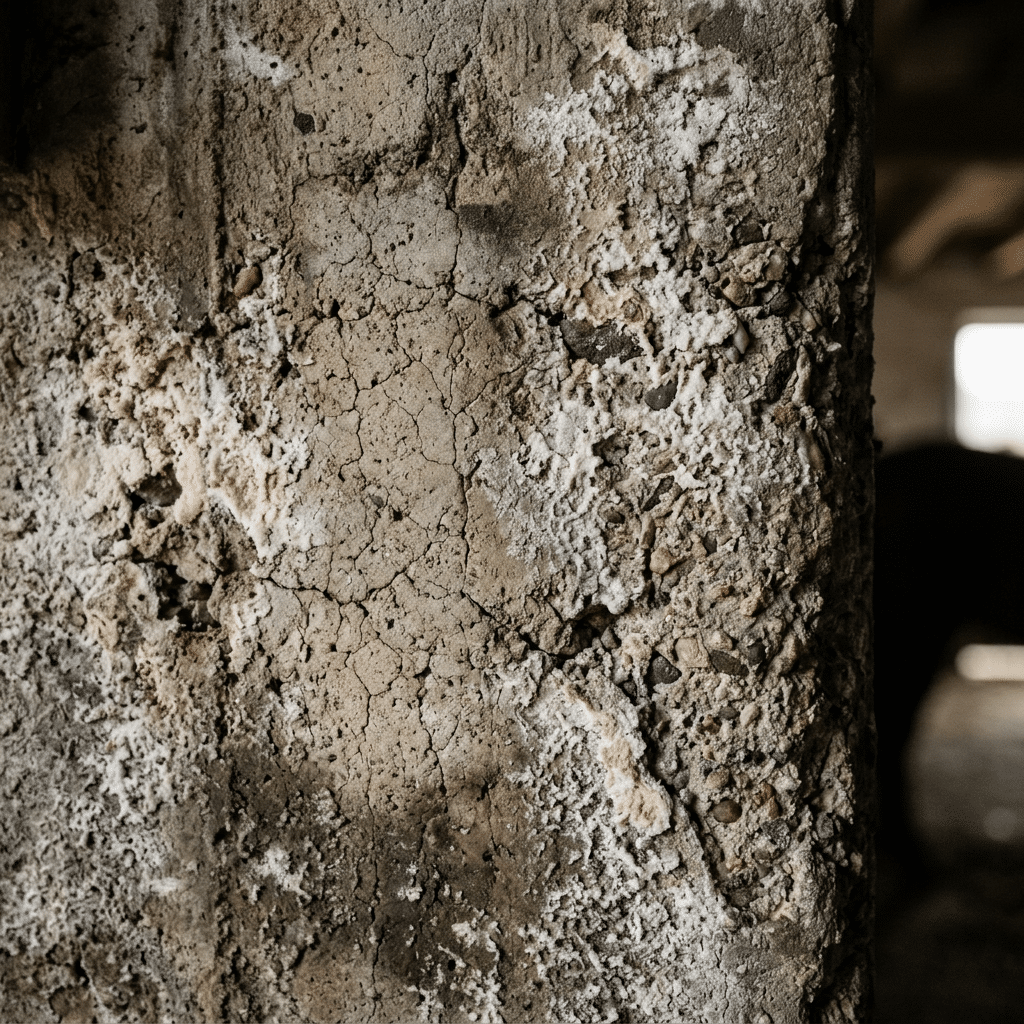
Exposing fake warranties is a critical defense for stable distributors. The popular “10-year rust proof” claim is often a marketing tool full of exclusions for ammonia damage, leaving your business to cover the costs of premature corrosion and absorb the reputational damage.
This analysis ignores marketing promises and focuses on verifiable engineering. We benchmark products against the ISO 1461 galvanizing standard, evaluating the zinc coating thickness that delivers legally binding protection, not a conditional guarantee.
The Marketing Gimmick: Deconstructing the “10-Year Warranty”
A long-term warranty is a marketing tool full of exclusions. Real durability comes from proven engineering standards, not a conditional paper promise.
The Headline Number vs. The Fine Print
Big warranty numbers grab attention, but the value is usually buried in the fine print. Think of a car’s “10-year powertrain” warranty. It sounds great, but it doesn’t cover the audio system, air conditioning, or anything else that wears out from daily use. The impressive number only applies to a fraction of the product, and damage from environmental factors or normal wear is almost always excluded.
These warranties also frequently limit their value to the original purchaser. When the asset is sold, the long-term warranty becomes void. This directly reduces its resale value, a critical factor for any business investment. The promise of durability doesn’t transfer, which tells you the manufacturer’s real confidence level.
An Engineering Standard, Not a Marketing Promise
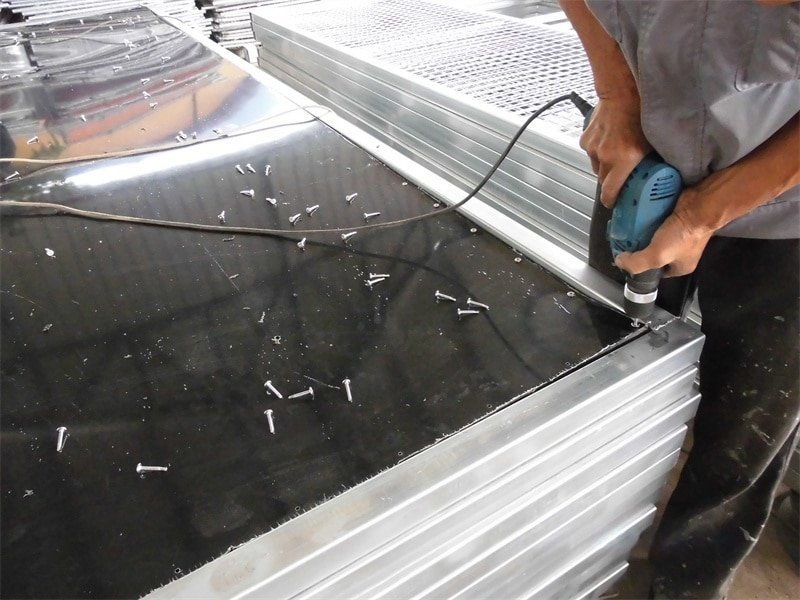
Instead of relying on a piece of paper, we build longevity into the product from the start. Our process focuses on a verifiable engineering standard that makes a time-based warranty less relevant. It’s about physical proof, not a promise.
- The Process: We use Hot-Dip Galvanization After Fabrication. This means the entire steel structure is welded and assembled first, then dipped in molten zinc. The process coats every weld, cut, and corner in a protective layer that cheaper methods miss.
- The Standard: This method conforms to the BS EN ISO 1461 standard, an internationally recognized benchmark for galvanizing quality and thickness.
- The Result: Our products have a verifiable zinc coating thickness greater than 70 microns. This isn’t a marketing claim; it’s a measurable specification that delivers genuine, long-term rust prevention.
The Fine Print: Why Ammonia and Urine Void Most Guarantees
Many stable warranties cover visible ‘stains’ but exclude ‘odors,’ creating a loophole that voids coverage for the corrosive ammonia damage caused by urine.
The Odor vs. Stain Warranty Loophole
This is a common loophole in the equine industry. Many stable warranties appear solid, offering coverage for visible stains on wood or steel. But the fine print often includes a critical exclusion for damage caused by “odors” or their chemical sources. Urine’s destructive power comes from ammonia, the compound responsible for both the persistent smell and long-term corrosion. This clever distinction allows manufacturers to honor a claim for a surface blemish while legally denying a claim for the deep-seated rust or rot caused by the ammonia itself. You’re covered for the symptom, not the cause.
A Non-Cosmetic Barrier to Chemical Attack
We skip the warranty games by focusing on material science that provides genuine chemical resistance. Our Hot-Dip Galvanization is performed *after* fabrication to ISO 1461 standards, creating a thick, non-porous zinc barrier that is highly resistant to ammonia. Unlike paint or powder coating, it’s a metallurgical bond, not just a surface layer. Paired with infill options like HDPE, which is inherently waterproof and doesn’t absorb urine, the system prevents the chemical attack from starting. This approach provides real, physical protection against the very damage other warranties are designed to exclude.
Engineered Stables for Decades of Performance.

Why Powder Coating is Considered “Cosmetic” Protection
In the stable industry, powder coating is a barrier. A deep scratch lets rust creep underneath. It can’t protect steel the way sacrificial galvanization can.
A Barrier Layer, Not a Sacrificial One
Powder coating creates a thick, durable finish. It does a good job resisting moisture, UV exposure, and chemicals, acting as a physical seal over the steel. It’s a tough barrier, but it’s only a barrier.
If this barrier gets deeply scratched or chipped—a common event in a horse stable—the system fails. Moisture gets under the coating and hits the raw steel. Since the coating has no chemical ability to protect the steel, rust forms and spreads unseen beneath the paint. This is why, on its own, it’s not enough for a high-corrosion equestrian environment.
Double protection : Revêtement par poudre sur galvanisation
The correct way to use powder coating in stables is as a second layer over a proper anti-rust system. For example, our Royal Series line uses a dual-protection system. First, the entire steel frame is hot-dip galvanized after fabrication, conforming to the BS EN ISO 1461 standard.
This galvanized layer provides the primary, sacrificial rust protection. The zinc coating chemically sacrifices itself to protect the steel, even if it gets scratched. Then, we apply the powder coat on top. This top layer adds the desired color and style, but it also creates an extra barrier against ammonia and daily abrasion. The combination results in a finish that looks great and lasts for decades.
The ISO 1461 Standard: Legally Binding Rust Protection
ISO 1461 sets the legal and technical benchmark for rust prevention. Our stables meet this standard by applying zinc coatings of 70-85 microns after fabrication.
Warranties can be full of loopholes, but international standards are not. ISO 1461 is the globally recognized specification for hot-dip galvanizing. It’s not a marketing promise; it’s an enforceable technical benchmark for rust protection. This is the standard we engineer to, ensuring every component has a verified defense against corrosion.
tyle=”margin-top: 30px; margin-bottom: 15px; font-weight: 600; line-height: 1.3;”>What the ISO 1461 Standard Specifies
The standard isn’t just about dipping steel in zinc. It’s a precise quality control system that dictates the technical requirements for a compliant coating. It covers the critical details that define long-term performance.
- It defines the minimum required zinc coating thickness, which is directly linked to the thickness of the steel being protected.
- It outlines the specific test methods used to verify the coating’s adhesion and its uniform coverage across the steel.
- It sets the official acceptance criteria and details the approved procedures for repairing any small, uncoated areas after the dipping process.
Meeting the Standard: DB Stable’s Coating Thickness Data
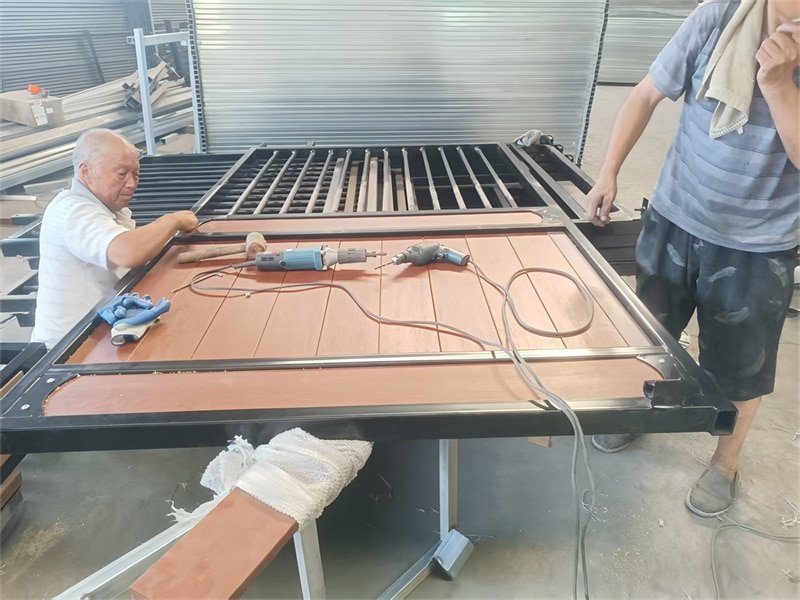
We conform to the ISO 1461 standard by using a ‘Hot-Dip Galvanization After Fabrication’ process. The entire welded panel is submerged in molten zinc, ensuring every weld, cut, and drill hole gets a seamless protective coating. Our internal data confirms we meet or exceed the minimum thickness requirements.
| Steel Section Thickness | Average Zinc Coating |
|---|---|
| Tubing (3mm – 6mm) | > 70 microns (μm) |
| Heavier Structural Parts (>6mm) | > 85 microns (μm) |
ASTM B117 Testing: The Industry Standard for Corrosion Resistance
ASTM B117 is a standardized salt spray test that evaluates corrosion resistance using a heated salt fog. It accelerates rusting to provide a reliable benchmark for coatings.
How the Salt Spray Test Works
The ASTM B117 test isn’t designed to mimic a specific real-world environment. Its job is to create a harsh, accelerated corrosion environment that allows for consistent, repeatable comparisons between different materials and p
rotective coatings.
- Test materials are placed in a sealed chamber and exposed to a continuous 5% sodium chloride fog.
- The chamber maintains a constant, elevated temperature of 35°C to speed up the corrosive process.
- The test measures the time it takes for visible corrosion, like red rust, to appear on the surface.
This standardized method removes variables, giving a clear baseline to judge how well one coating performs against another.
Passing the 96-Hour Test: The DB Stable Standard
Meeting an industry standard is one thing; exceeding it is another. DB Stable’s galvanized steel components are specified to withstand the ASTM B117 test for over 96 hours with no red rust formation. This isn’t an accident. This performance is a direct result of our mandatory ‘Hot-Dip After Fabrication’ process. Welding the steel frame first and then dipping the entire completed piece in molten zinc ensures a protective zinc coating that exceeds 70 microns, providing a tough, consistent barrier against corrosion.
Questions fréquemment posées
What is the difference between hot-dip galvanizing and a standard powder coat finish?
Hot-dip galvanizing, compliant with the ISO 1461 standard, involves dipping the entire steel structure into molten zinc. This creates a thick, bonded coating (over 85 microns) that provides sacrificial protection against rust. A powder coat is a cosmetic paint layer that can be easily compromised by ammonia from urine or physical scratches, which often voids its warranty.
What does the ISO 1461 standard actually guarantee?
ISO 1461 is an international quality standard that legally defines rust protection. It guarantees a minimum zinc coating thickness based on steel thickness, ensuring the coating is robust enough for long-term corrosion resistance, rather than being just a thin, decorative finish.
Are your stable materials suitable for very cold climates?
Yes. We offer an upgrade to Q345B low-alloy steel specifically for colder markets in Europe and North America. This steel has superior low-temperature impact toughness, which prevents the frame from becoming brittle and fracturing from horse kicks in freezing weather.
How does your packaging help distributors save on shipping costs?
We use a steel pallet flat-pack system. A 40HQ container can hold 30-45 of our stable sets, whereas traditional fully-welded stables only fit 12-15 sets per container. This high-density loading significantly lowers the per-unit freight cost, protecting our partners’ profit margins.
Réflexions finales
A competitor’s “10-year warranty” won’t cover a customer’s rust claim caused by ammonia, putting your reputation and margin at risk. Our ISO 1461-compliant galvanizing provides verifiable protection, making your inventory a safe investment. This shifts the conversation from a paper guarantee to proven engineering.
Don’t guess on quality—verify it. A trial order lets you test our ISO-compliant finish and see how our flat-pack system protects your freight costs. Contact our engineering team to get the technical specifications for your market.


 French
  English
  Spanish
  Arabic
  German
0 commentaires