
par Frank | Jan 28, 2026 | Guides de conformité et de réglementation
Sourcing modular horse stall kits in the USA often exposes builders to the hidden risks of under-spec 16-gauge tubing. Installing these lighter frames invites catastrophic kick-through failures within the first two years, turning a profitable contract into a...
par Frank | 25 janvier 2026 | Guides de conformité et de réglementation
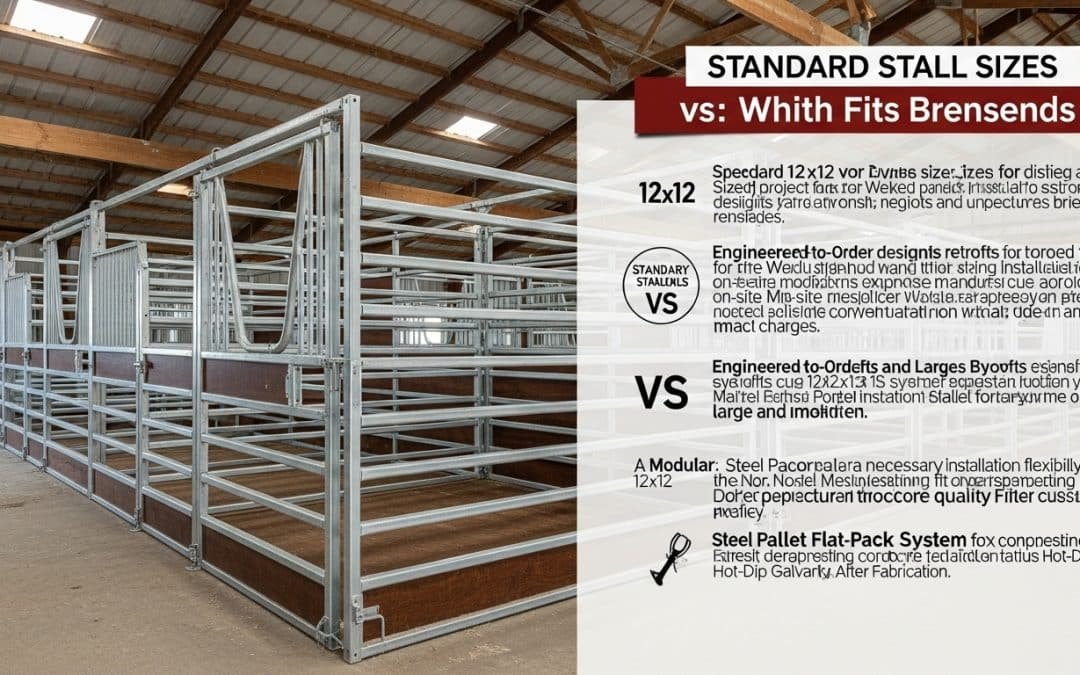
Specifying custom sizing for horse stall size is a critical decision that directly impacts project budgets, particularly in barn renovations. Forcing a standard 12×12 welded panel into an older structure creates costly installation delays and on-site modification...
par Frank | 25 janvier 2026 | Guides de conformité et de réglementation
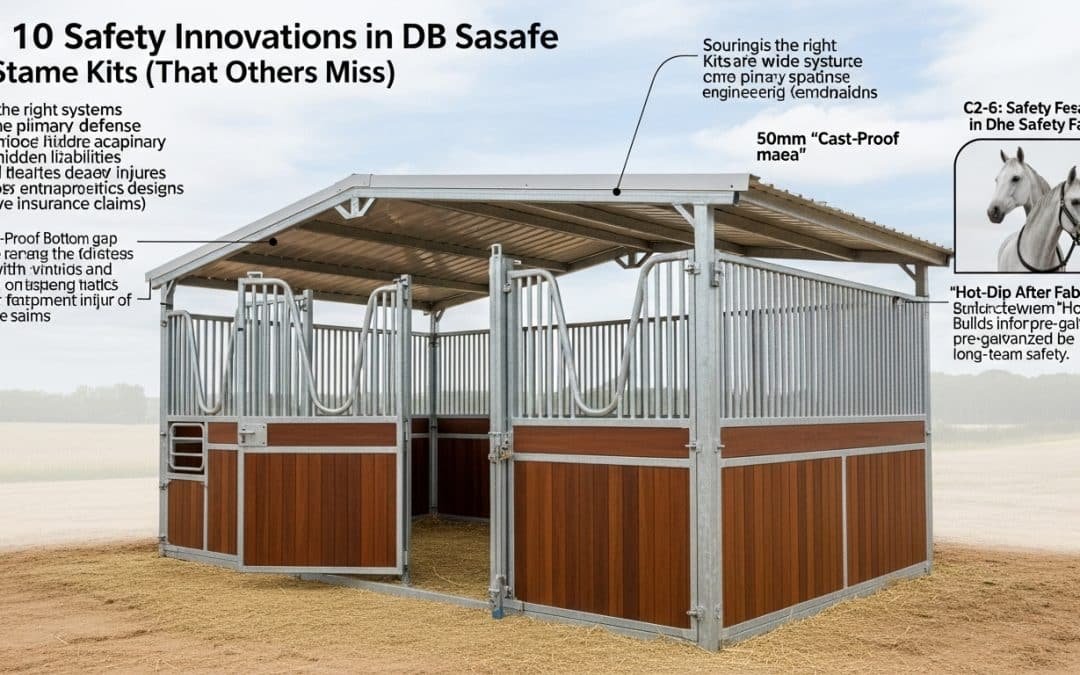
Sourcing the right C2-6: Safety Featuressafe horse stall kit is the primary defense against the hidden liabilities found in standard designs. Many low-cost kits use wide bar spacing and thin-gauge steel, creating entrapment hazards that lead directly to catastrophic...
par Frank | 25 janvier 2026 | Guides de conformité et de réglementation
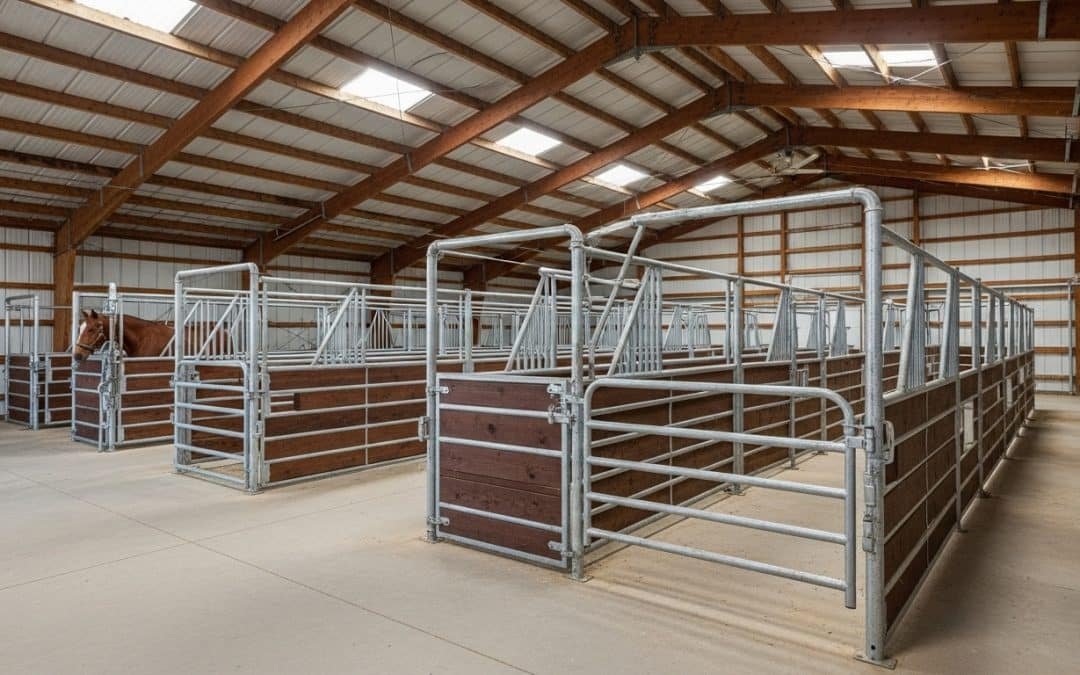
Specifying the correct Retrofit stall kits for existing barns is the difference between a profitable project and a liability nightmare. Rigid, pre-welded systems are incompatible with the structural quirks of old buildings, forcing expensive on-site fabrication that...
par Frank | 25 janvier 2026 | Guides de conformité et de réglementation
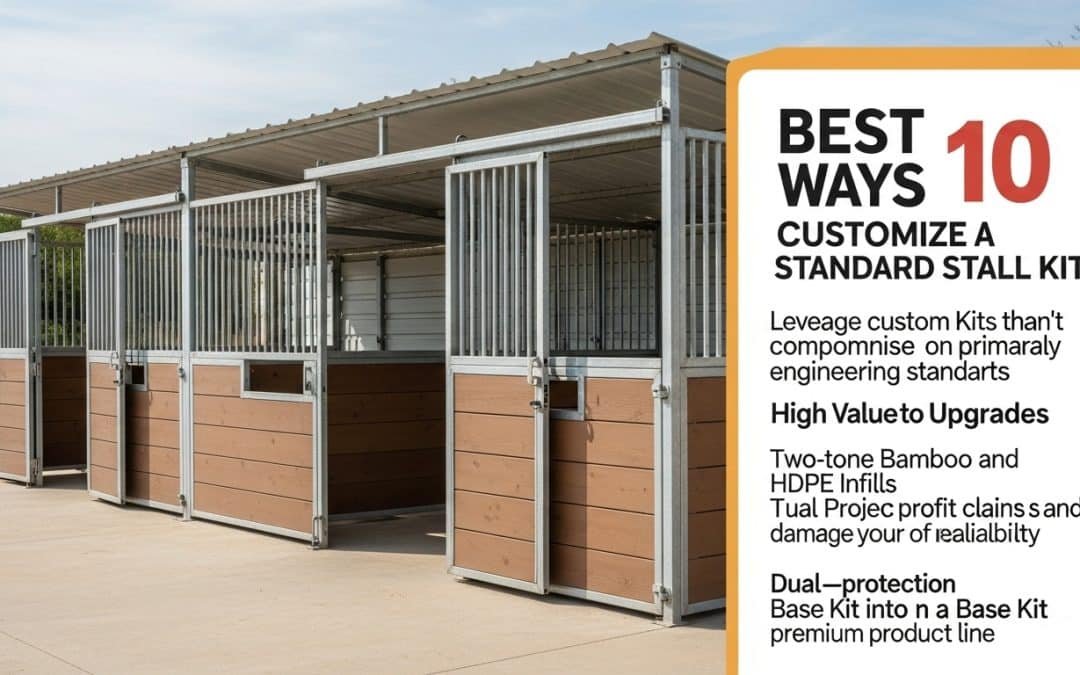
Offering custom stall kits that don’t compromise on engineering standards is a primary challenge for distributors. Ad-hoc modifications often create installation issues and warranty claims, eroding project profit margins and damaging your reputation for...

par Frank | Jan 11, 2026 | Guides de conformité et de réglementation
Specifying the correct horse stall dimensions is a critical factor in mitigating project liability. Relying on the generic 12×12 foot standard for larger breeds like Warmbloods or drafts creates significant risk, exposing facility owners to animal welfare issues...
 French
 English
 Spanish
 Arabic
 German