
par Frank | Juin 14, 2026 | Blog
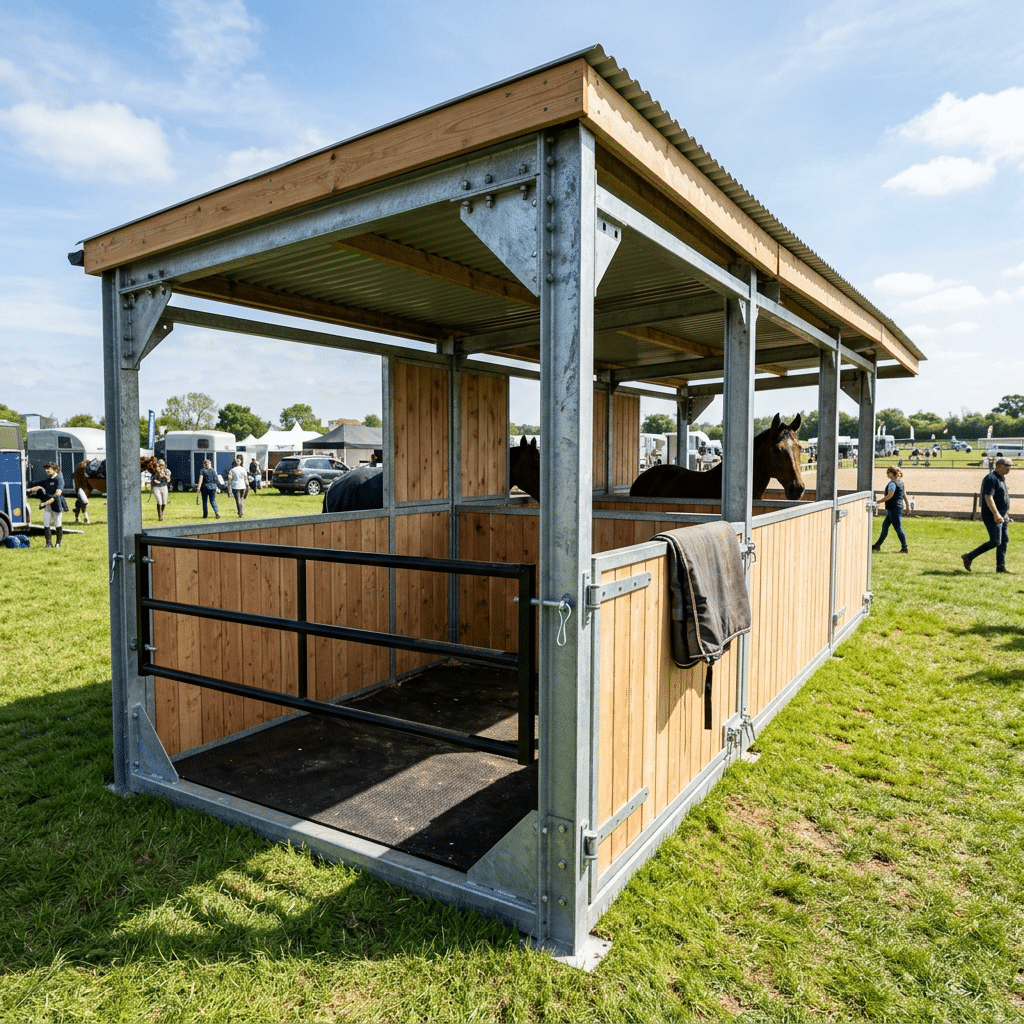
Analyzing the Trading Co vs Factory dynamic is the first step to protecting your profit. Sourcing through an intermediary means paying for hidden markups and inefficient logistics, as bulky, fully-welded shipments erode your margins before the product even lands. This...
par Frank | Juin 13, 2026 | Blog
Steel gauge deception is a costly trap where paying for 14-gauge (2.0mm) steel but receiving thinner 16-gauge material creates hidden structural liabilities. This fraud directly leads to dangerous product failures, expensive warranty claims, and financial loss when...

par Frank | Juin 13, 2026 | Blog
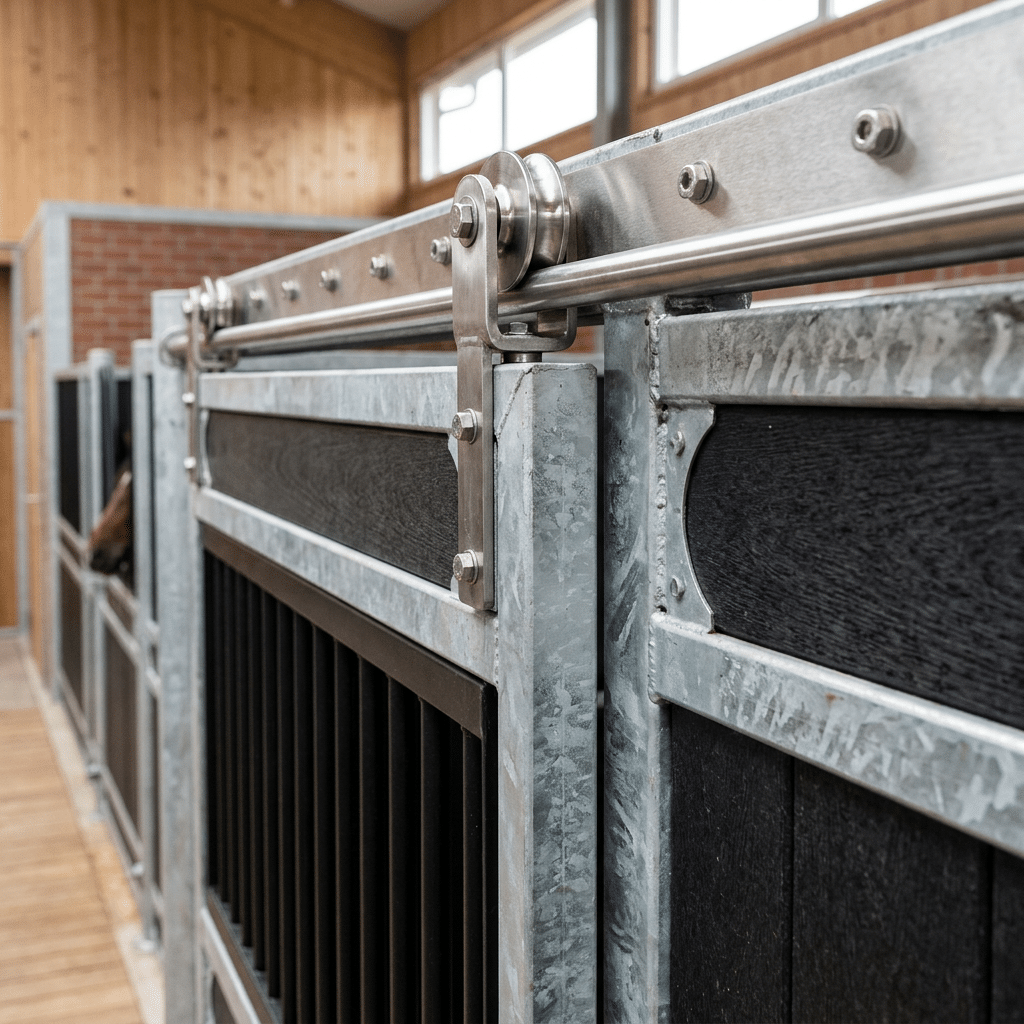
Recognizing fake galvanizing is critical to prevent warranty claims tied to premature rust. The common shortcut—welding pre-galvanized steel—burns the zinc coating from every joint, creating an immediate failure point that destroys a distributor’s reputation and...
par Frank | Juin 13, 2026 | Blog
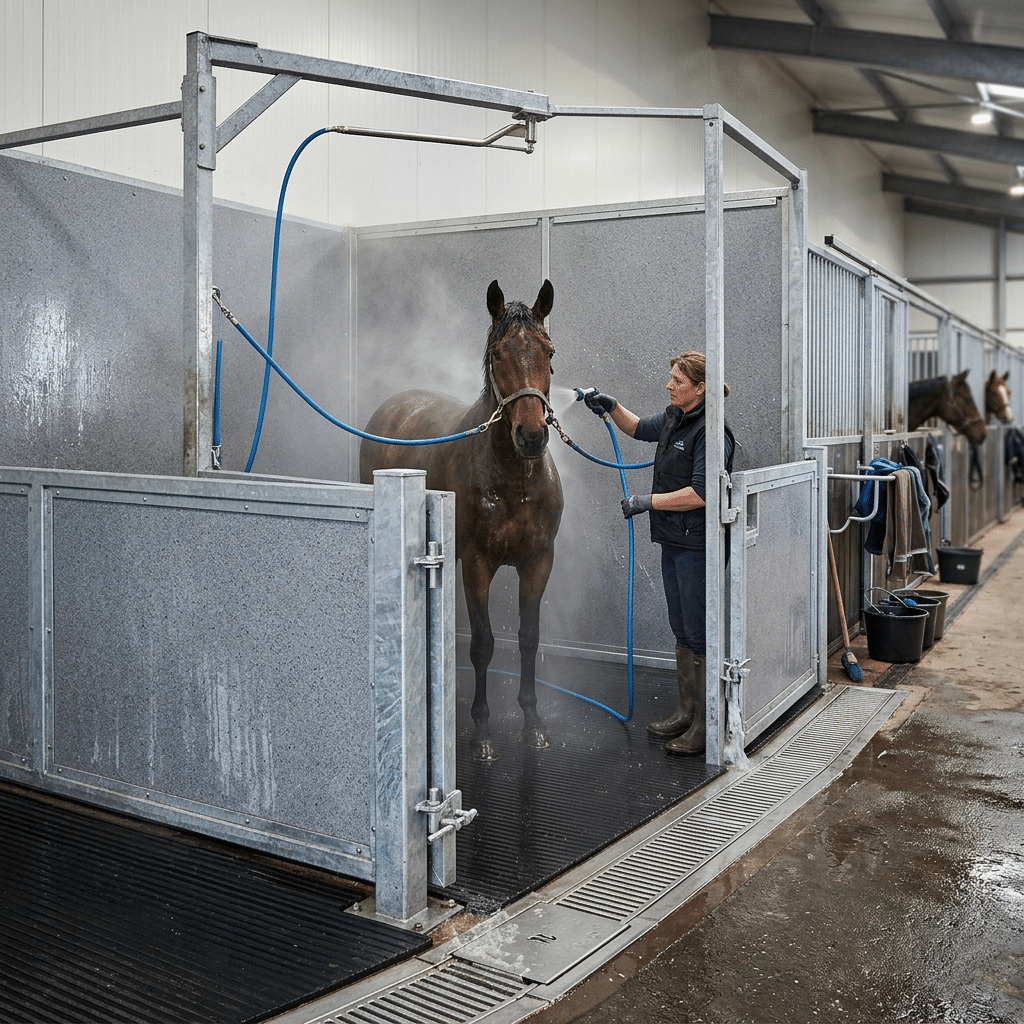
Bamboo density fraud is a critical sourcing error that directly impacts project budgets and animal safety. Suppliers substitute cheap, laminated furniture panels for structural infill, leading to catastrophic failure from kicks or moisture. This material mismatch...
par Frank | Juin 12, 2026 | Blog
The hardware bait & switch is a quiet margin killer in the equestrian equipment industry. Vague specs like ‘rust-resistant’ allow manufacturers to substitute cheap zinc-plated fasteners, leading to premature failures and costly warranty claims that erode...

par Frank | Juin 12, 2026 | Blog
The Shipping Volume Trick is a common B2B trap where a low FOB price on fully-welded stables hides an expensive reality. Distributors pay full container rates to ship mostly empty air, a miscalculation that doubles the per-unit landed cost and destroys profit margins...


 French
  English
  Spanish
  Arabic
  German