


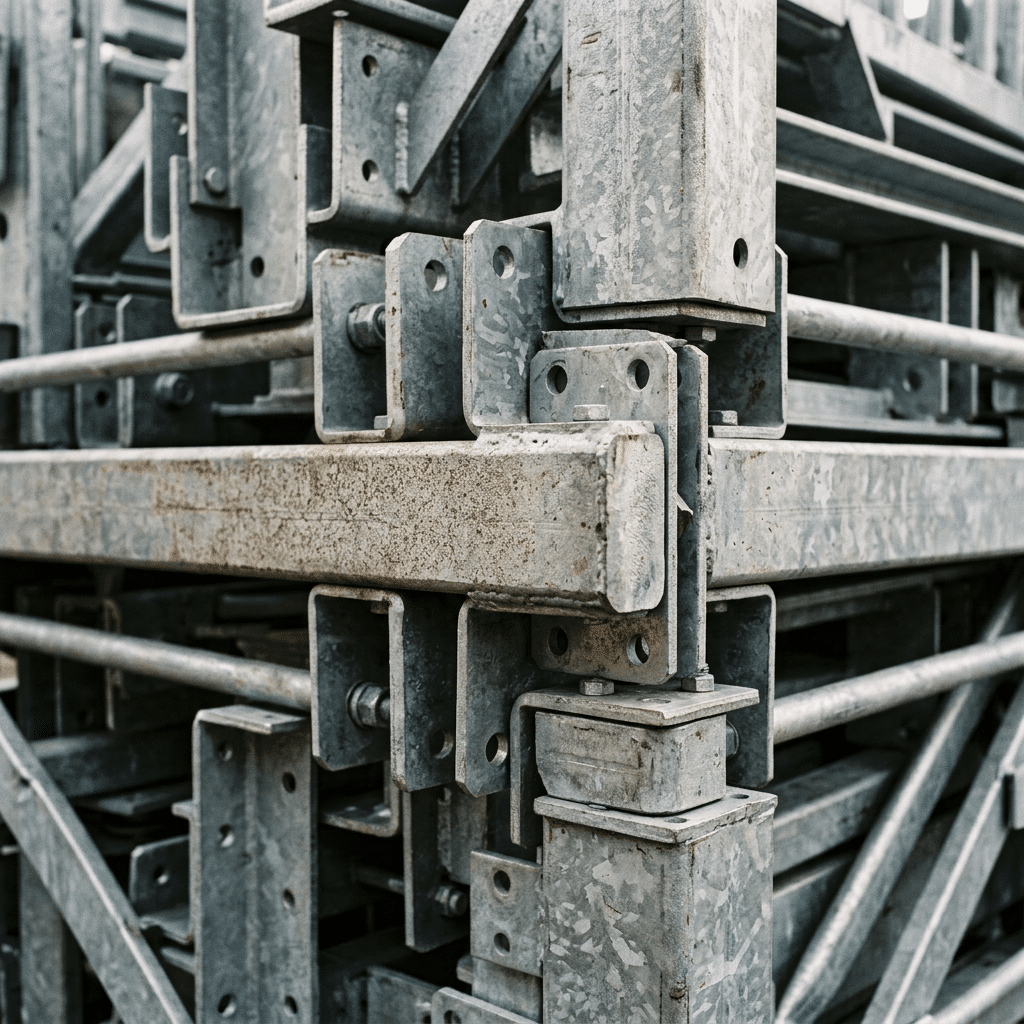
The steel vs aluminum debate for horse stables often centers on a dangerous misconception: that lighter, more expensive aluminum is a premium upgrade. This choice ignores the critical risk of brittle fracture in cold climates, where an impact from a kick can cause material failure, creating significant safety and liability issues for distributors.
This data-driven comparison evaluates both metals on their performance against key safety metrics. We analyze the low-temperature impact toughness specified for Q345B steel and the superior corrosion protection offered by hot-dip galvanization after fabrication, providing a clear engineering case for your next project.
5 signaux d'alerte majeurs à surveiller
Sourcing industrial products requires vigilance. Key warnings involve unrealistic prices, lack of transparency, material misrepresentation, weight discrepancies, and insecure payment demands.
| Drapeau rouge | Core Risk |
|---|---|
| 1. Unrealistic Pricing | Indicates low-quality materials, bait-and-switch tactics, or an outright deposit scam. |
| 2. Refusal of Factory Visits / Video Calls | Supplier is likely hiding a non-existent or substandard operation. |
| 3. The “Pre-Galvanized” Scam | Conceals inferior corrosion protection at weld points, leading to premature rust and failure. |
| 4. Weight & Gauge Discrepancies | A direct method of fraud where you receive less or thinner material than you paid for. |
| 5. Unsecured Payment Requests | High risk of losing your deposit with no recourse if the supplier disappears or fails to deliver. |
When sourcing steel horse stables, the details determine your profit and your client’s safety. Many suppliers cut corners in ways that aren’t obvious until it’s too late. Here are the specific operational red flags to watch for during procurement.
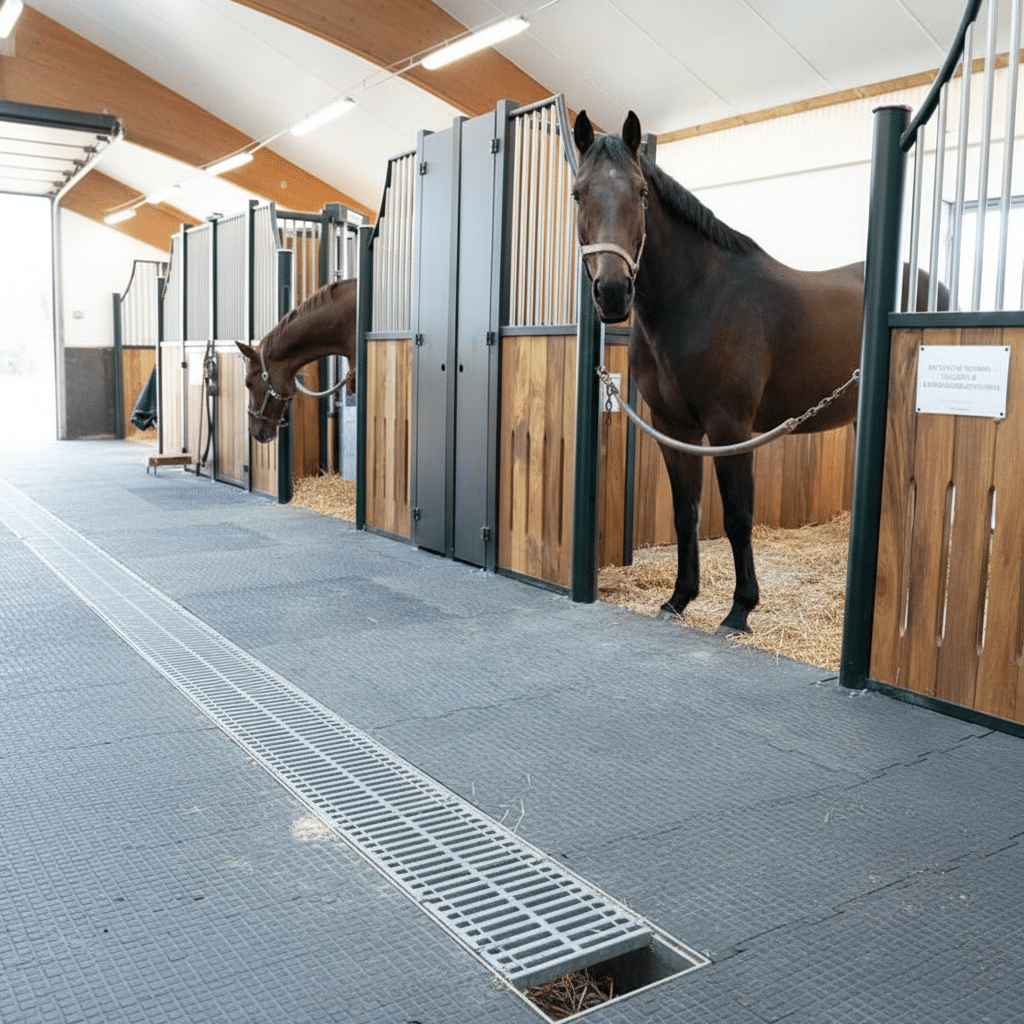
1. Prices That Are ‘Too Good to Be True’
An exceptionally low price is the first and most obvious warning. To achieve that price, a factory is making sacrifices. This often translates to using thinner steel, lower-grade materials,
or completely skipping essential anti-rust processes. The initial savings disappear quickly when you face product failures, angry clients, and replacement costs.
2. Refusal of Video Calls or Factory Visits
A legitimate manufacturer is proud of their facility and processes. If a potential supplier consistently makes excuses to avoid a live video tour of their workshop or an in-person visit, treat it as a major red flag. This behavior often indicates they are a trading company with no actual factory, or their production conditions are not what they claim.
3. The “Pre-Galvanized” Material Scam
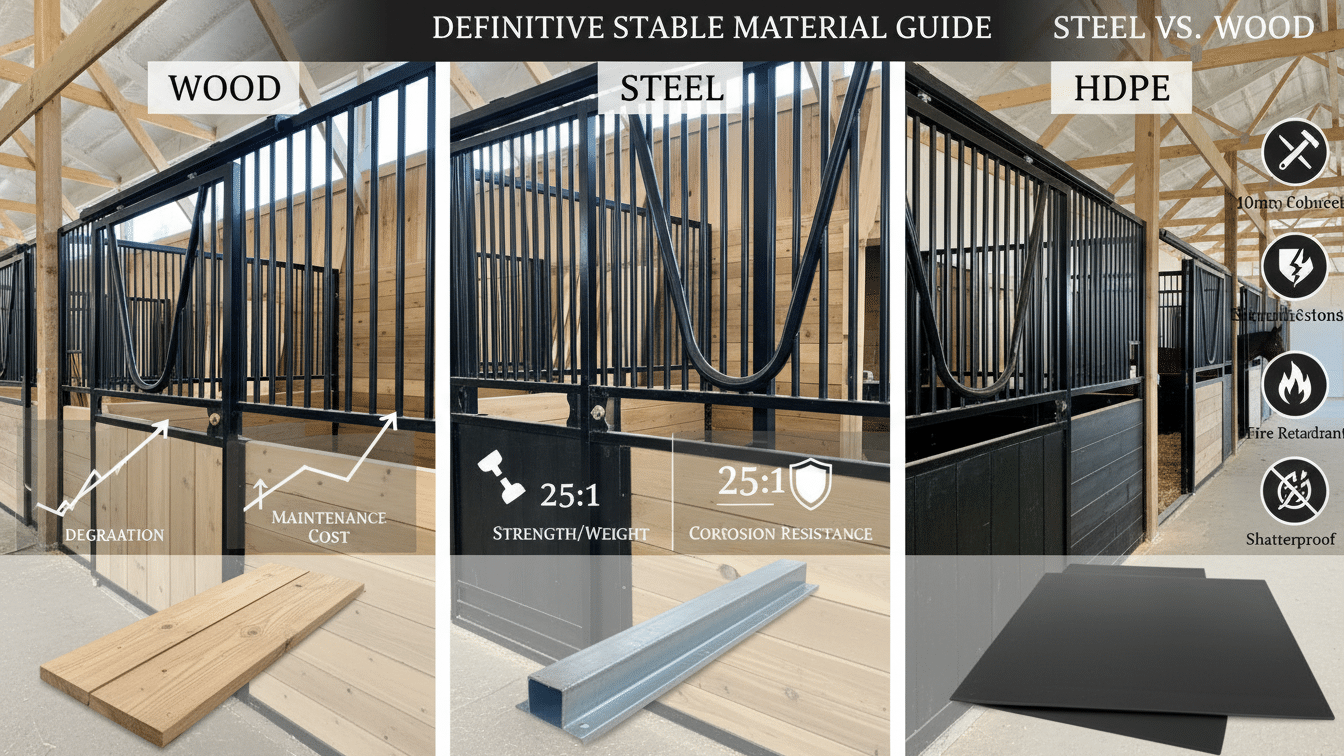
This is a technical but critical point of failure. Some suppliers weld together tubes that were already galvanized (“pre-galv”). This burns off the zinc coating at the weld joints, creating immediate weak points for rust. The proper method is Galvanisation à chaud après fabrication, where the entire finished panel is dipped in molten zinc. This process, which we adhere to under ISO 1461 standards, fully coats every weld and seam. Always ask a supplier to confirm their galvanizing process; any hesitation is a bad sign.
4. Weight Discrepancies & Incorrect Steel Gauge
One of the easiest ways for a supplier to cheat you is on material thickness. They may quote for a robust 14-gauge steel frame but deliver a flimsier 16-gauge product. This difference might not be visible, but it significantly compromises strength and durability. We mandate a minimum wall thickness of 14-gauge (2.0mm – 2.5mm) across our structures. Always demand detailed specifications and, if possible, use calipers to verify the gauge of delivered materials.
5. Demands for Unsecured Payments
If a supplier pressures you into making a large deposit via an irreversible method like a direct T/T wire transfer with no buyer protection, be extremely cautious. Reputable B2B platforms and manufacturers of
fer secure payment options like Alibaba Trade Assurance or Letters of Credit that protect your funds until you confirm the goods meet your standards. A refusal to use these established systems suggests a higher risk of fraud.
Questions fréquemment posées
Is it safe to send a wire transfer to a supplier in China?
Wire transfers are a standard B2B payment method but require careful procedures. The main risks are fraud and compliance delays. To protect your investment, always verify that the supplier’s company name and banking details are consistent and officially registered. For large projects, using secure payment platforms or letters of credit can provide additional protection.
What is the difference between Pre-Galvanized and Hot-Dip Galvanized steel?
The key difference is when the protective zinc coating is applied. Pre-galvanized steel coats the material *before* welding, leaving the welded joints and cut edges vulnerable to rust. We exclusively use the Galvanisation à chaud après fabrication method. The entire stable panel is welded first and then submerged in molten zinc, ensuring every surface, weld, and corner is completely sealed according to ISO 1461 standards for maximum rust protection.
How can I verify the quality and thickness of the steel used?
Steel thickness can be confirmed using tools like ultrasonic gauges or calipers. For our stables, the critical measurement is the protective zinc coating, which is checked with a non-destructive magnetic thickness gauge. Our quality standard requires an average coating of over 70 microns, providing long-term defense against corrosion, especially in damp or coastal climates.
Do I need our supply contract to be written in Chinese?
Yes, it is a crucial best practice. While an English version is useful for communication, Chinese courts give legal precedence to the Chinese-language version of a contract in any dispute. A clear, professionally reviewed Chinese contract that includes the supplier’s official company seal (or ‘chop’) is essential for legal protection.
How can I avoid common sourcing scams?
Always perform due diligence. Verify a potential factory’s business license and certifications like ISO 9001. Be cautious of prices that are significantly lower than the market average, as this often indicates inferior materials or fraudulent intentions. Requesting product samples and arranging a third-party factory inspection before placing a bulk order are effective ways to confirm legitimacy.
Custom Horse Stables Engineered to Last
Réflexions finales
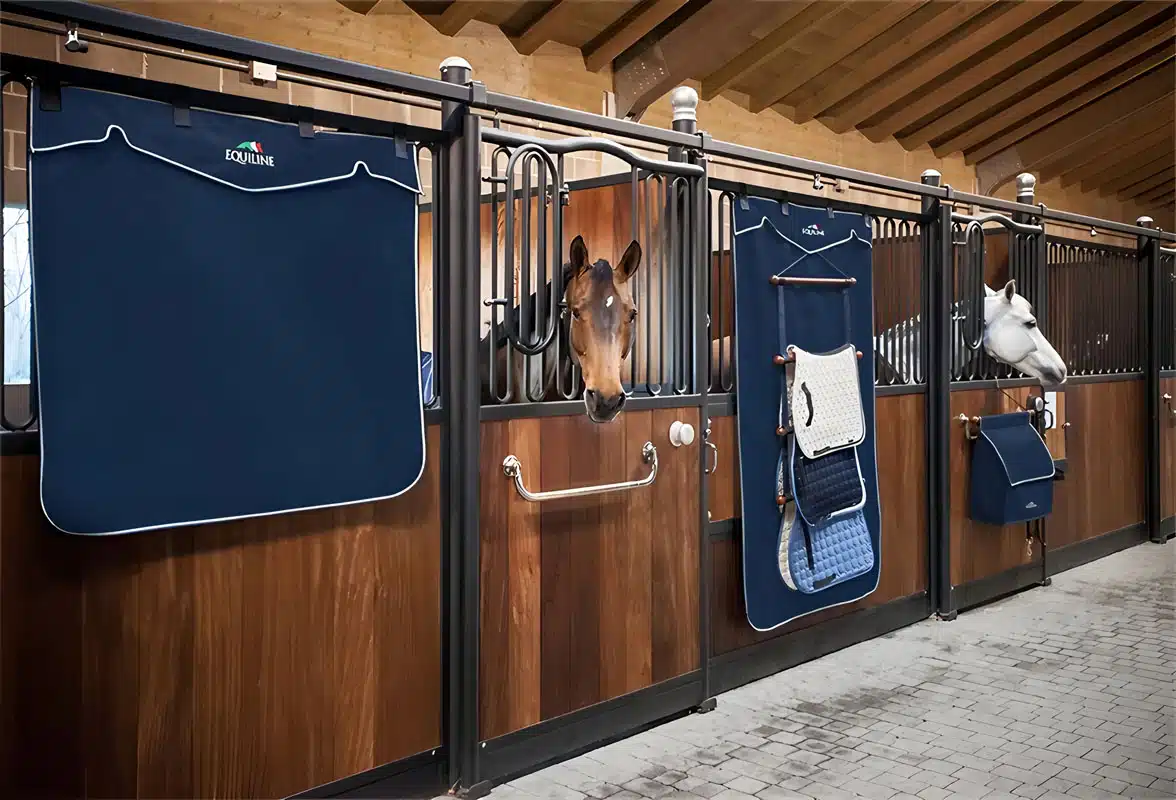
Sourcing on price alone exposes your dealership to product failures and safety liabilities. Our commitment to ISO 1461 galvanizing and Q345B steel isn’t an upgrade; it’s the baseline for protecting your brand. Delivering this level of structural integrity is what separates a one-time sale from a lasting partnership.
The engineering details determine your profit. Request our full technical catalog or a quote for a trial order to see the difference firsthand. Our team is ready to discuss your specific OEM requirements.

 French
  English
  Spanish
  Arabic
  German
0 commentaires