


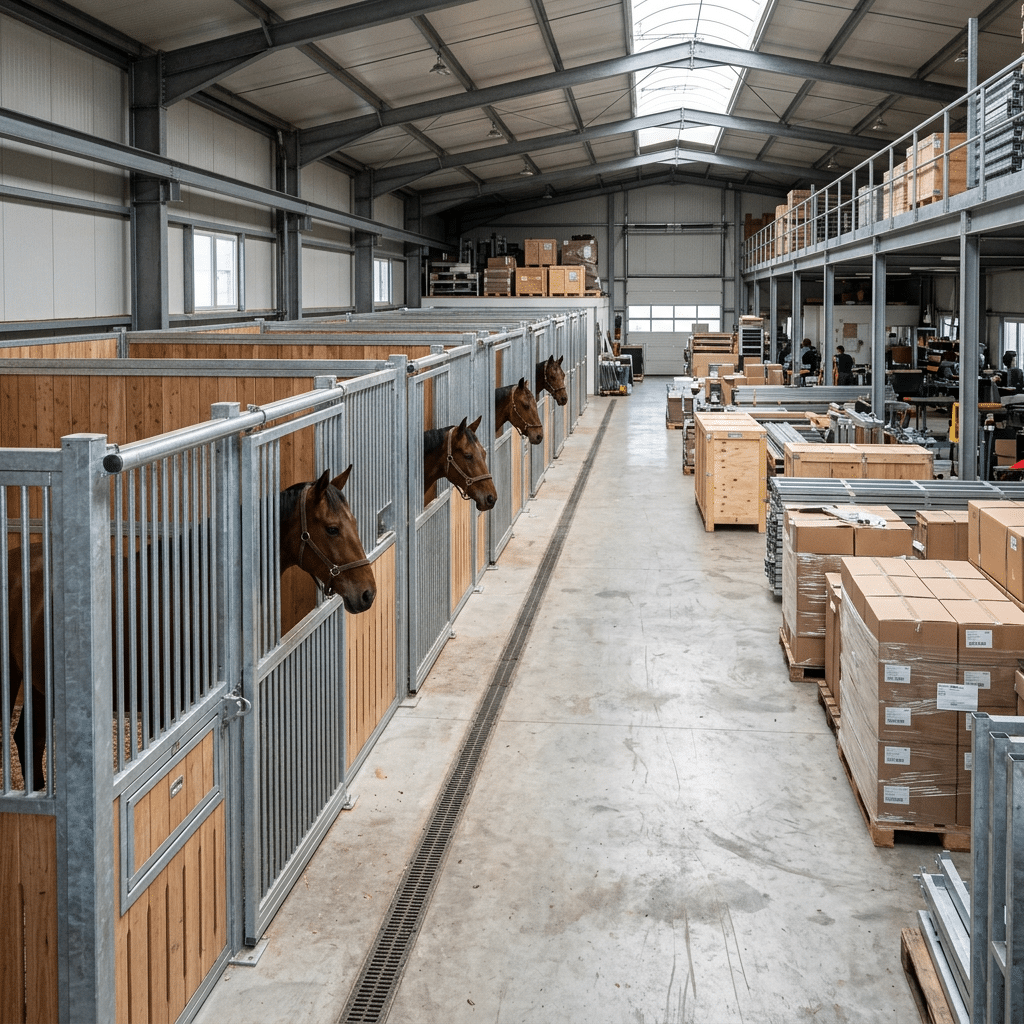
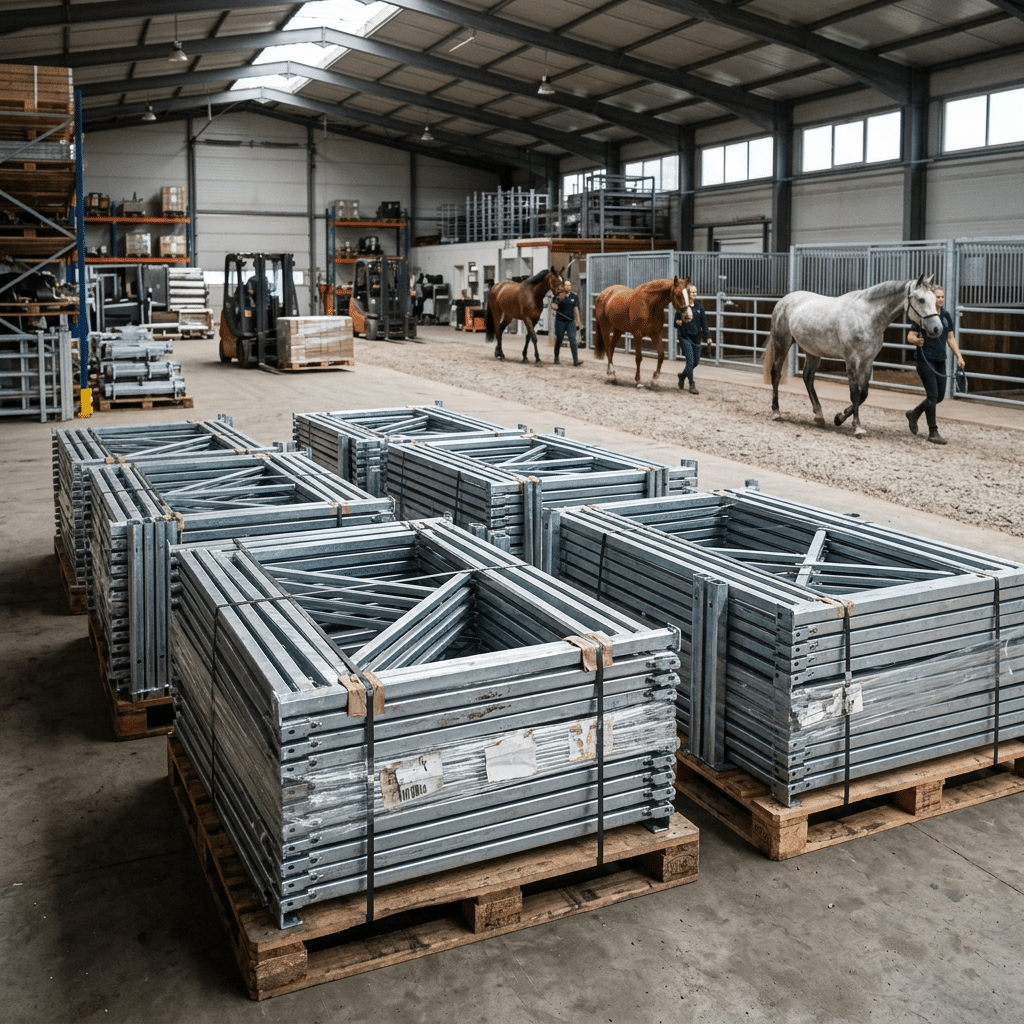
Efficient Touring Show Logistics for 200+ stalls is a direct function of freight density. Traditional welded stalls are a significant cost liability, cubing out a 40HQ container with just 12-15 sets. Tour managers pay full freight to ship mostly empty air, eroding margins on every leg of the tour.
This analysis details the steel pallet flat-pack system, a method engineered to load 30-45 stall sets per container. This shipping density increase of over 60% provides a critical operational advantage, protecting tour budgets from excessive per-unit transport costs.
The Rot Cycle in High-Humidity Environments
High humidity fuels rot by promoting mold on organic materials and corroding metal. Hot-dip galvanized steel and non-porous infills like HDPE or bamboo are essential defenses.
How Humidity Accelerates Corrosion and Mold
The rot cycle kicks into high gear when sustained relative humidity (RH) climbs above 70%. In these conditions, visible mold can
appear on organic surfaces in as little as two days. The constant moisture doesn’t just feed biological growth; it directly attacks the structure. Airborne moisture causes ferrous metals to corrode, while organic materials like wood swell, crack, and eventually lose their structural integrity.
Material Defenses Against Rot and Rust
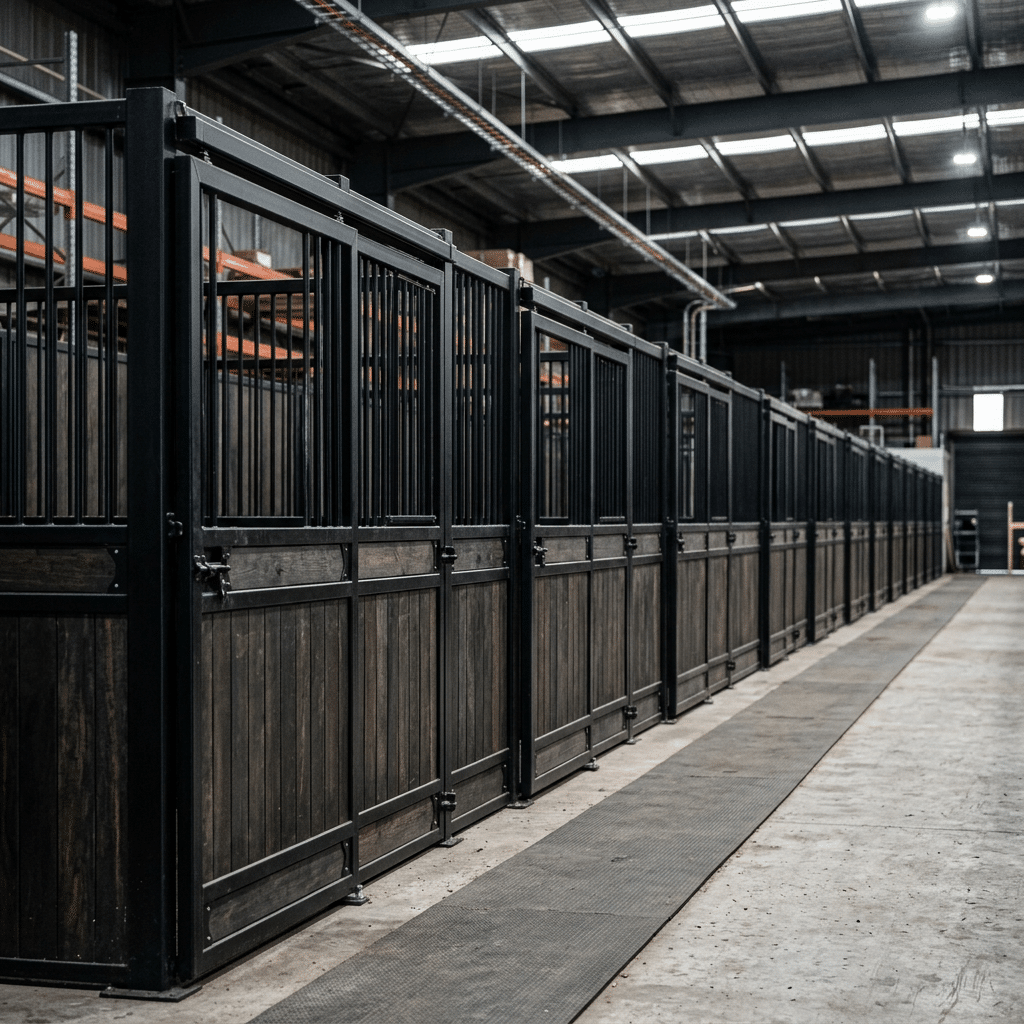
Fighting humidity requires materials that don’t cooperate with the rot cycle. We use a process called Galvanización en caliente después de la fabricación, which conforms to the BS EN ISO 1461 standard. This coats the entire steel frame in a protective zinc layer over 70 microns thick, physically blocking rust from forming.
For infill, the choice of material is just as critical. Traditional wood acts like a sponge, but high-density strand-woven bamboo y non-porous HDPE infills are specified because they actively resist moisture absorption. This prevents the deep-seated mold and biological rot that inevitably destroy wood in damp environments.
Material Comparison for Tropical Climates
In humid climates, a material’s resistance to moisture absorption and mold is far more critical for durability than its initial strength or cost.
High humidity creates an environment where materials are under constant attack from moisture, leading to mold, rot, and structural failure. The wrong choice can lead to high maintenance costs and safety issues. Below is a direct comparison of common materials used in these demanding conditions.
| Material | Key Benefit (Tropical Climate) | Primary Weakness | Nivel de mantenimiento |
|---|---|---|---|
| HDPE (High-Density Polyethylene) | Completely waterproof with near-zero water absorption (<0.01%). It cannot rot, swell, or host mold, making it the ideal choice for infill panels. | Used primarily as a non-load-bearing infill. Performance relies on proper UV stabilization to prevent brittleness from sun exposure. | Zero. Requires no sealing or treatment; can be washed down. |
| Bambú trenzado | Thermal treatment removes sugars, making it naturally resistant to rot and mold. Extreme density (Janka Hardness >3000 lbf) limits water ingress. | Water-resistant, not fully waterproof. Can warp with prolonged standing water or extreme humidity swings if not properly sealed. | Low. May require periodic inspection of seals in very wet applications. |
| Pino tratado | Low initial cost. Chemical treatment provides initial resistance against insects and decay. | Highly porous. Absorbs significant moisture (18-22% by weight), creating a perfect breeding ground for mold despite initial treatment. | High. Requires constant moisture management, excellent ventilation, and frequent re-sealing to delay inevitable rot. |
Source Globally-Compliant Stables Built to Last.

Airflow Design to Prevent Tropical Fungal Infections
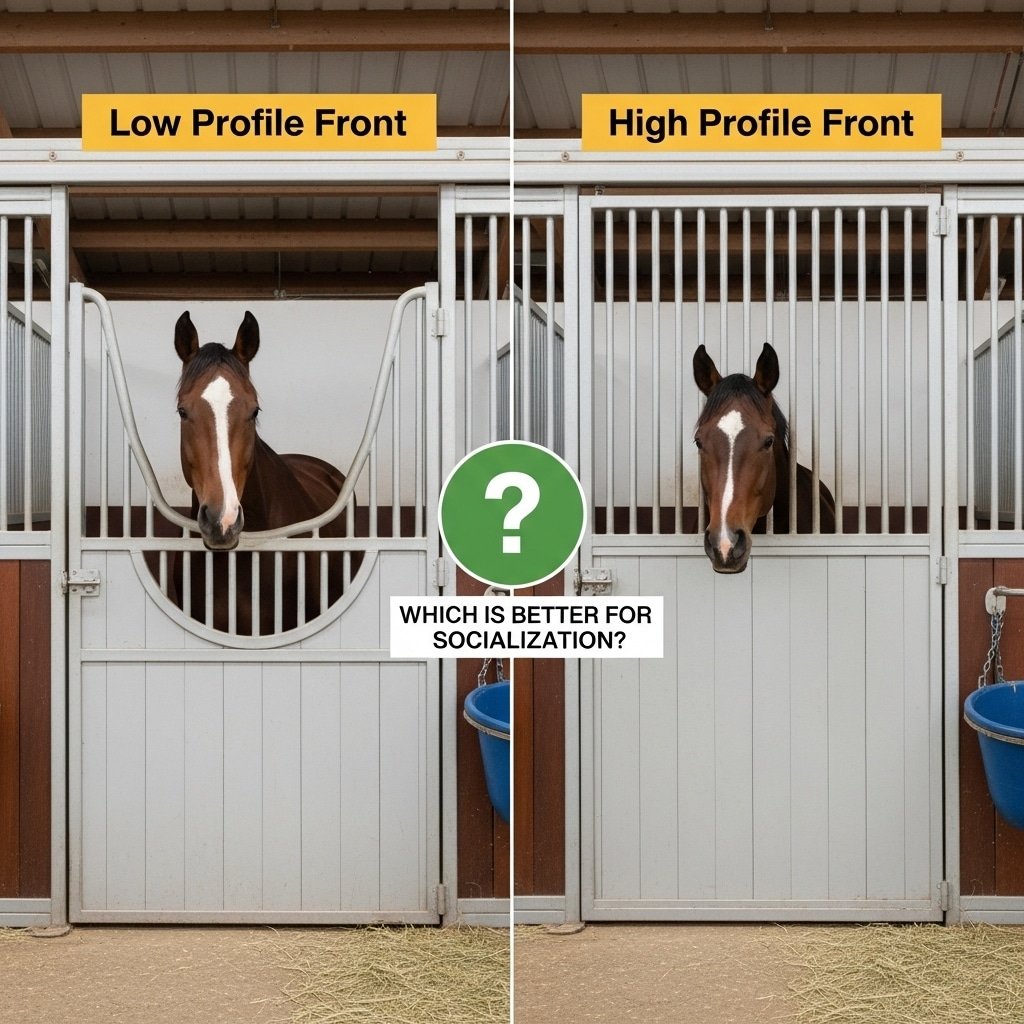
Continuous air exchange is key for lowering humidity and preventing fungal spore buildup in tropical stables. Open-grill fronts promote vertical airflow, a proven pathogen control strategy.
Controlling Airborne Pathogens in Humid Environments
High temperatures and constant humidity create a perfect breeding ground for airborne fungal spores. In these environments, the choice of ventilation system is far more important for reducing a horse’s exposure to pathogens than simply increasing the distance between stalls.
A poorly designed stable can suffer from thermal stratification. This is when air settles into layers, trapping heat, moisture, and contaminants like ammonia and fungal spores right in the horse’s breathing zone. Effective airflow is designed to break up these layers and constantly refresh the air.
Using Open Grills to Promote the Stack Effect
DB Stable systems use an open top grill design to promote a natural process called ‘Ventilación por efecto chimenea‘. This principle uses basic physics to move air without mechanical assistance. The horse’s body heat warms the surrounding air, causing it to become less dense and rise.
This vertical airflow pushes the warm, moist air up and out of the stall through the open grills at the top of the stable front. As the warm air exits, it creates a pressure difference that pulls cooler, drier replacement air in from below. This constant, gentle circulation is crucial for preventing the growth of mold and mildew, which protects both the horse’s respiratory health and the longevity of any timber infill.
Preguntas frecuentes
Does your high-density bamboo board rot over time?
No, our strand-woven bamboo does not rot. The manufacturing process removes the natural sugars that attract mold and uses extreme pressure to create a dense board that is nearly impervious to water. This ensures a lifespan of over 25 years, unlike untreated bamboo which can decay.
Yes, HDPE is effectively waterproof for all stable applications. It is a non-porous material that repels water and has an extremely low moisture absorption rate of less than 0.01%. It will not swell, delaminate, or rot, even in consistently wet conditions.
Yes, HDPE is effectively waterproof for all stable applications. It is a non-porous material that repels water and has an extremely low moisture absorption rate of less than 0.01%. It will not swell, delaminate, or rot, even in consistently wet conditions.

 Spanish
  English
  French
  Arabic
  German
0 comentarios