


Wash Bay Rot compromises integridad estructural faster than any other facility maintenance issue, turning profitable boarding operations into liabilities. Traditional timber and porous composites absorb biological runoff, creating internal bacterial reservoirs that surface cleaning cannot reach.
Replacing organic materials with 28mm-32mm HDPE infill and ISO 1461 Hot-Dip Galvanized frames halts this degradation cycle. These non-porous, hydrophobic barriers reject moisture completely, eliminating the sponge effect and removing the recurring labor costs associated with sealing, painting, or replacing rotted timber.
The Mold Problem in Traditional Wooden Wash Bays
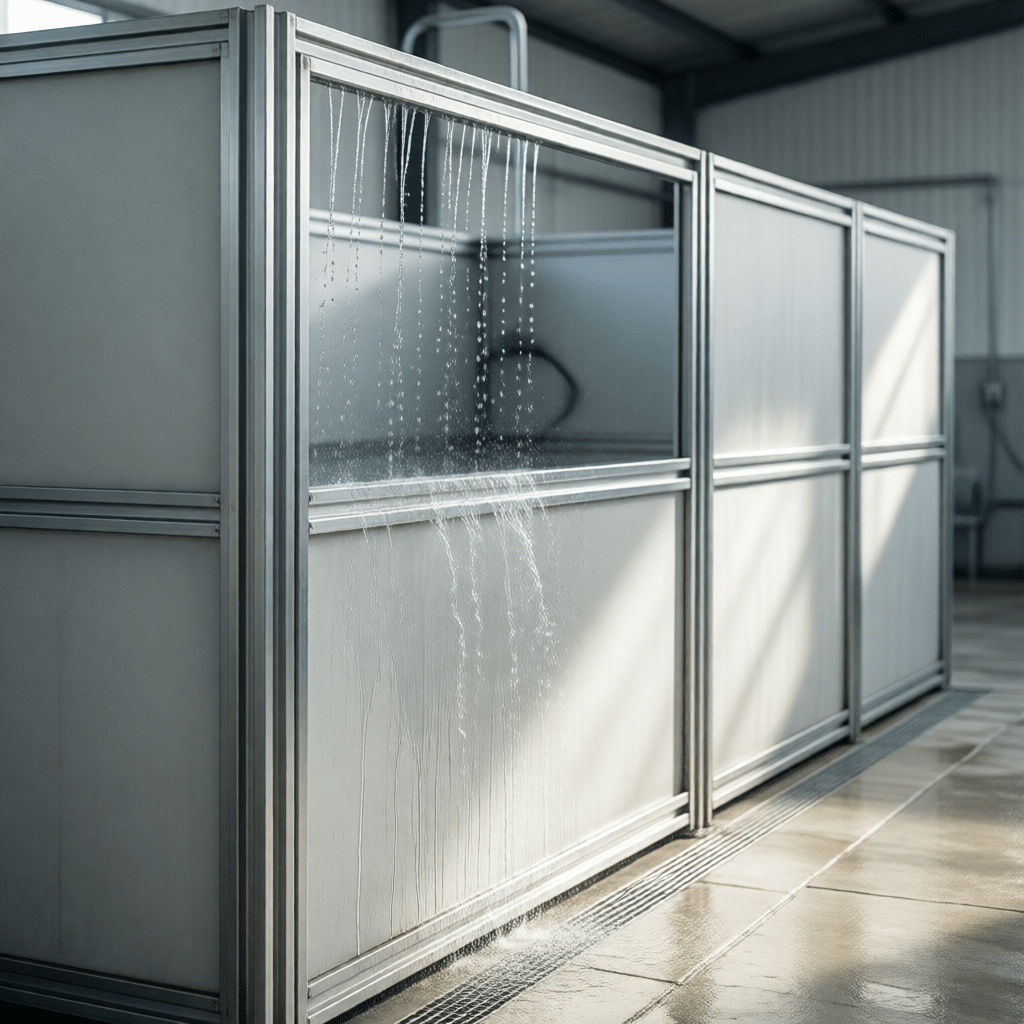
Wood naturally absorbs wash bay moisture, feeding mold spores and causing structural rot. Hydrophobic materials like HDPE reject water, preventing degradation even with daily pressure washing.
Moisture Retention in Porous Timber Surfaces
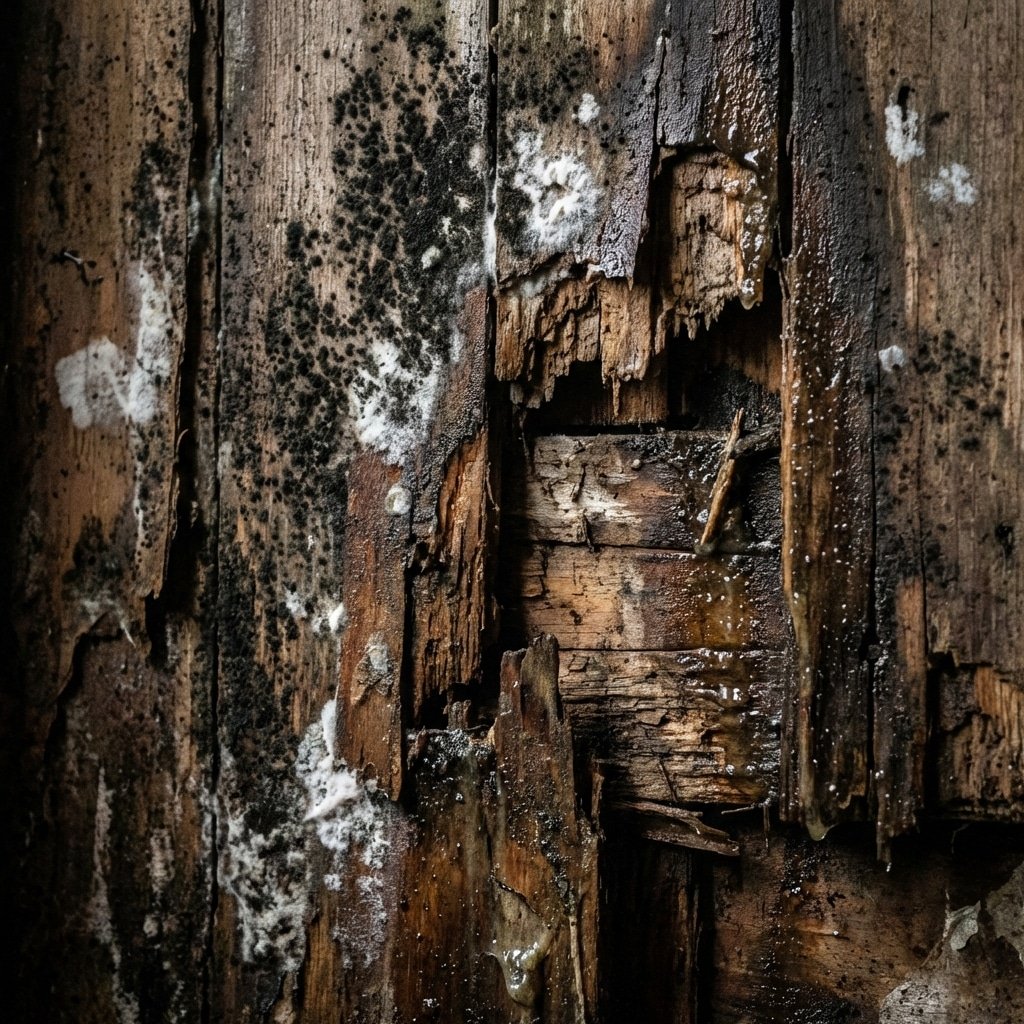
Timber is inherently hygroscopic. In the high-humidity environment of a wash bay, wood functions less like a structural barrier and more like a biological sponge. Even pressure-treated lumber eventually develops micro-cracks from thermal expansion and contraction, allowing water to infiltrate deep into the core. Once moisture enters the grain, it rarely dries out completely in an enclosed space.
Stagnant air pockets typical in indoor wash bays accelerate this process, creating the perfect incubator for fungal colonization. The fundamental failure of wood in this application is biological: the organic cellulose provides the exact nutrients black mold spores need to thrive, resulting in “sick building syndrome” for the stable.
The Hygiene Advantage of Hydrophobic HDPE Infill
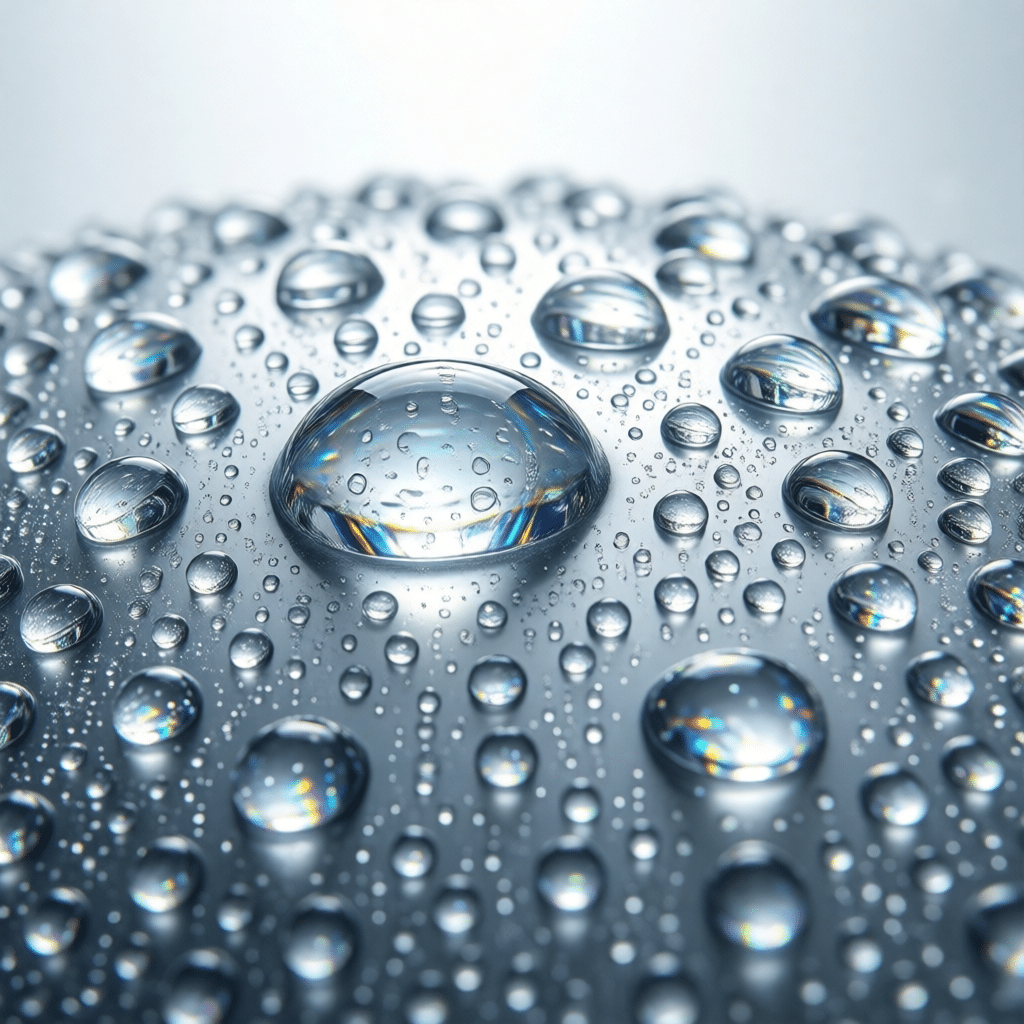
DB Stable addresses the wash bay rot issue by replacing organic materials with synthetic precision. We utilize 28mm-32mm HDPE (High-Density Polyethylene) infill, which is engineered to be 100% hydrophobic. Water beads off the surface rather than soaking in, breaking the moisture cycle required for mold growth.
- Non-Porous Surface: Bacteria and mold spores cannot anchor to the smooth, dense plastic, preventing colonization.
- Zero Maintenance: Unlike wood, HDPE requires no annual sanding, staining, or chemical sealing to maintain its integrity.
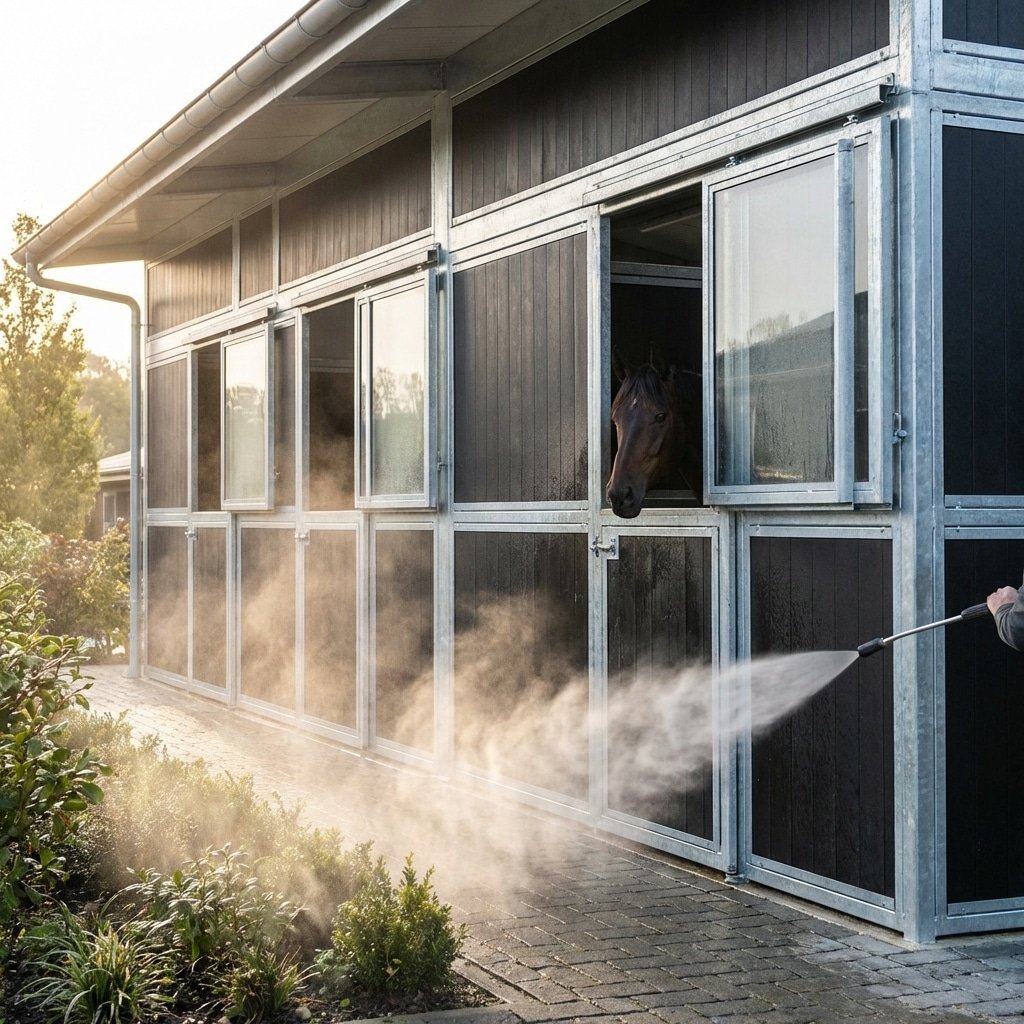
- Pressure Wash Compatible: Staff can sanitize walls daily with high-pressure water and industrial detergents without causing material degradation or swelling.
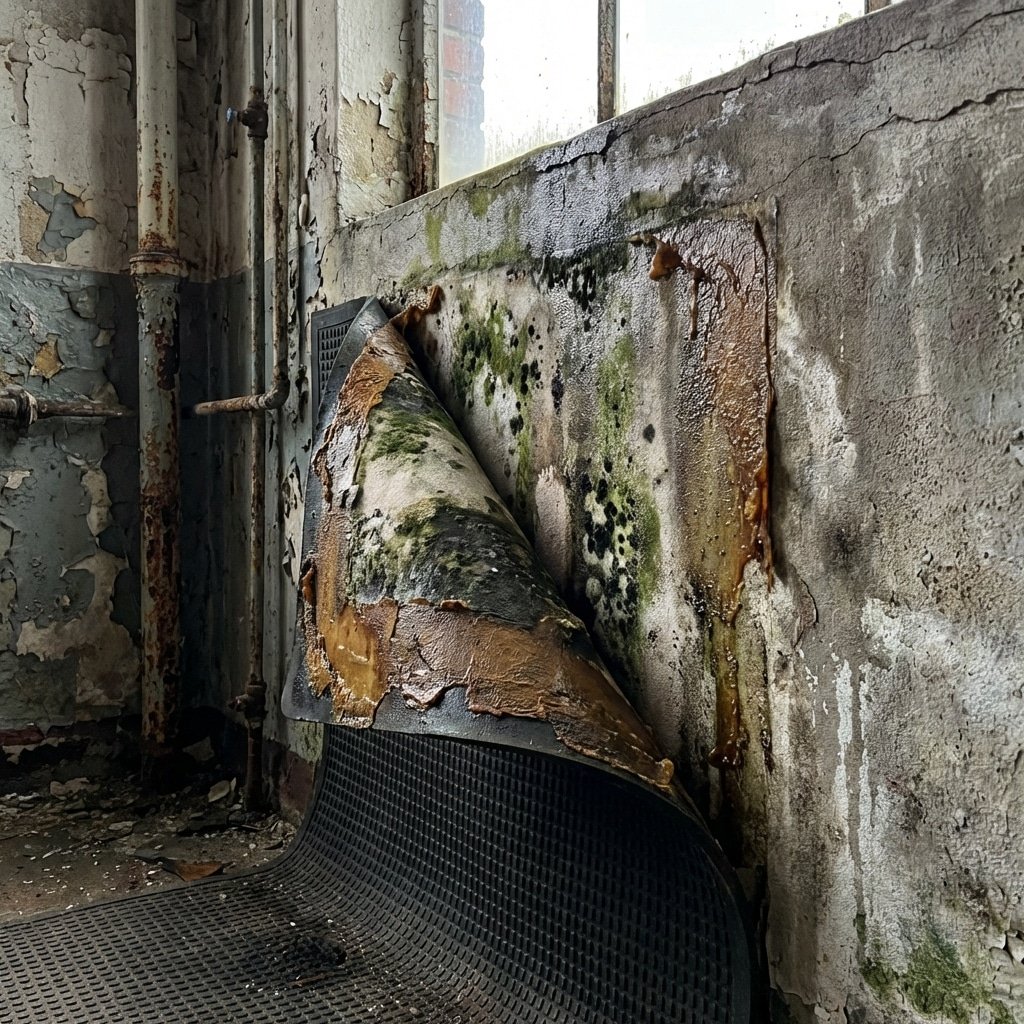
Why Gluing Rubber Mats to Walls Fails
Gluing rubber creates a vapor barrier that traps moisture, leading to unseen structural rot. Thermal expansion shears adhesive bonds, while chemical exposure degrades the fixative.
The Vapor Barrier Effect: Trapped Moisture and Rot
Rubber is naturally impermeable. While this property is excellent for flooring where drainage is managed, it becomes a liability when permanently bonded to vertical surfaces. Wall substrates require the ability to breathe and release accumulated humidity. When you glue a dense rubber mat directly to a wall, you effectively seal the surface, preventing any moisture escape.
Water inevitably migrates behind these mats. It enters through compromised top seams, imperfect grout lines, or capillary action from the floor. Once the water is behind the rubber, it has no evaporation path. This trapped moisture creates an incubator for mold and decay, often referred to as “Wash Bay Rot.” This process destroys the structural integrity of the wall substrate—whether wood or drywall—long before any damage is visible on the surface.
Adhesive Delamination from Thermal and Chemical Stress
The mechanical bond between rubber and wall surfaces is subject to constant physical stress. Rubber is a thermally active material; it expands and contracts significantly with temperature changes. In a wash bay, you might spray cold water (50°F) onto a mat that has been heating up in ambient summer temperatures (85°F+). This rapid temperature shift causes the rubber to shrink or expand instantly.
- Shear Stress: While rubber is flexible, cured construction adhesive is rigid. The movement of the mat creates shear stress that snaps the adhesive bond, causing the mat to detach from the wall.
- Chemical Breakdown: Standard adhesives degrade when exposed to the unique chemical environment of a stable. The combination of high humidity and ammonia vapors weakens the chemical composition of most glues over time.
- Hygiene Hazards: Once the bond breaks, pockets form behind the mat. These voids accumulate bacteria, urine, and waste water, creating a hygiene hazard that cannot be cleaned without ripping the entire installation down.
Custom Stables Built To Last 20+ Years
HDPE Plastic Horse Stall Panels: 100% Hydrophobic
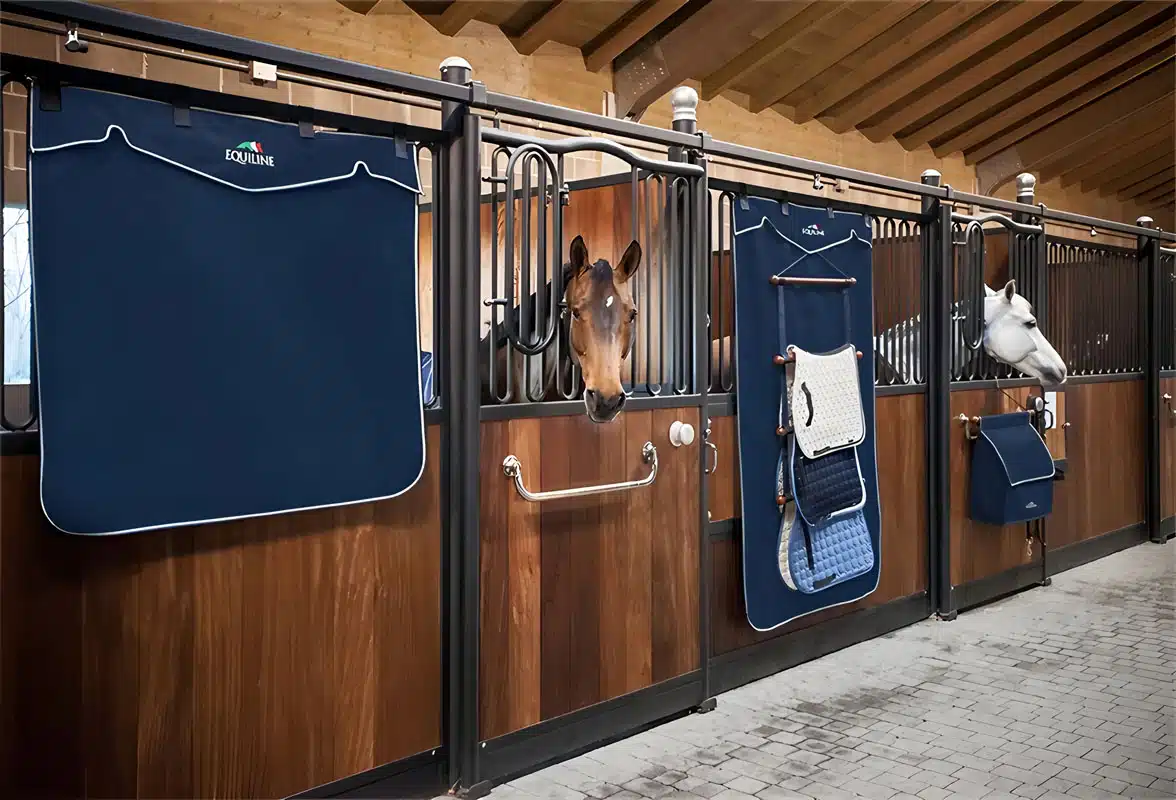
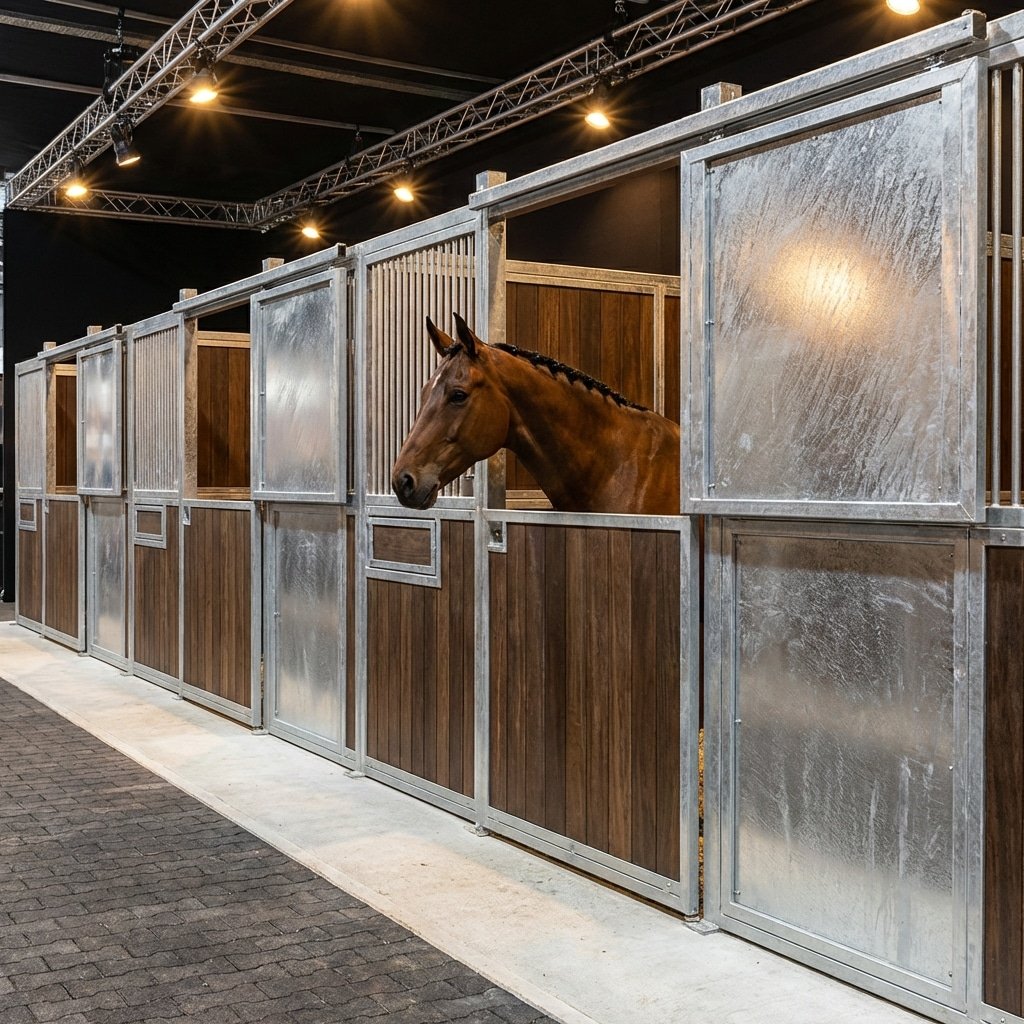
HDPE panels provide a non-porous, hydrophobic barrier that completely eliminates wash bay rot, offering a sanitary, impact-resistant solution with zero maintenance requirements for high-traffic facilities.
| Performance Metric | HDPE 32mm Panel | Traditional Wood/Plywood |
|---|---|---|
| Water Absorption | 0% (Hydrophobic) | High (Hygroscopic) |
| Bacterial Colonization | Surface only (Wipe clean) | Internal saturation (Deep rot) |
| Chemical Resistance | Impervious to acids/bleach | Degrades/Bleaches |
| Maintenance Cycle | Zero Maintenance | Annual Sealing/Painting |
Eliminating Bacterial Colonization in Wash Bays
Wash bays are the single most destructive environment for stable materials. The primary failure point in traditional stalls is the “sponge effect.” Wood and porous composites absorb water, urine, and biological runoff. This moisture migrates deep into the material’s core, creating an internal breeding ground for black mold and bacteria that surface cleaning cannot reach. You can scrub the surface, but the rot spreads from the inside out.
HDPE (High-Density Polyethylene) solves this through simple physics: it is inherently hydrophobic. The non-porous surface structure repels water molecules immediately upon contact. Biological waste and moisture remain on the surface where they are easily sprayed away, preventing the deep-seated odors and structural degradation common in wooden wash bays. This resistance extends to chemical agents; facility managers can use aggressive hospital-grade disinfectants or equine shampoos without risking material breakdown or bleaching.
Zero Maintenance Specs: 32mm UV-Stabilized Planks
For B2B distributors and large-scale facility projects, the “Zero Maintenance” claim is a critical operational asset. Our system utilizes specific material engineering to ensure longevity without the need for annual painting, sealing, or board replacement. We strictly adhere to a 28mm-32mm thickness standard, providing structural rigidity comparable to hardwood but with superior impact absorption.
- Kick-Proof Guarantee: The 32mm profile is engineered to absorb shock rather than shatter. Unlike brittle wood or thin PVC, HDPE flexes under impact, preventing leg injuries and material failure.
- UV Stabilization: Essential for Australian and US markets, our planks include UV inhibitors that prevent the plastic from becoming chalky or brittle after years of sun exposure.
- Solid Core Construction: We do not use hollow profiles. The solid mass ensures consistent strength and prevents the “drumming” noise that often startles horses in hollow-walled environments.
- Sanitary Protocols: The surface density allows for pressure washing without risk of water intrusion, maintaining a sterile environment in high-turnover quarantine or wash areas.
Hot-Dip Galvanized Frames for Constant Water Exposure
Standard steel fails in wash bays. Only batch hot-dip galvanization (ISO 1461) provides the self-healing zinc patina and internal coverage required to withstand constant moisture and chemical exposure.
Zinc Patina Formation and Water Hardness
Galvanization is not merely a paint-like barrier; it is an active metallurgical bond that relies on chemical reactions to protect the steel substrate. In a wash bay environment, the specific chemistry of your water supply dictates how long the steel lasts. The zinc coating reacts with the environment to form a protective patina—specifically a zinc carbonate layer—which acts as a shield against further corrosion.
- Hard Water Advantage: Water with high mineral content (60-180+ ppm) accelerates the formation of insoluble calcium carbonate scales. These scales integrate with the zinc patina, creating a robust, natural barrier that slows down the consumption of the zinc coating.
- Soft Water Aggression: Soft water lacks these mineral deposits, making it more aggressive toward the metal. Without the protective scale, the zinc layer consumes itself faster to protect the steel, necessitating a thicker initial application.
- Erosion Factors: Wash bays introduce high-pressure sprays and constant agitation. This physical force can strip away the developing patina, exposing fresh zinc and accelerating the corrosion rate.
ISO 1461 Standard: The Necessity of Post-Fabrication Dipping
Most “galvanized” products on the market utilize pre-galvanized tubing (thin zinc applied before welding). This method leaves weld seams exposed and the interior of the tube completely unprotected—a fatal flaw in wet environments. At DB Stable, we strictly adhere to the ISO 1461 standard using a “Hot-Dip After Fabrication” process. This involves welding the black steel frames (Q235B or Q345B) first, and then submerging the entire structure into molten zinc.
- Batch Dipping vs. Pre-Galv: By dipping the frame after welding, we seal the weld seams under the same thick layer of zinc as the rest of the steel. Pre-galvanized welds are typically just spray-painted with cold zinc, which fails rapidly in wash bays.
- Espesor del revestimiento: Our structural parts achieve an average coating thickness of >85 microns, while tubing achieves >70 microns. This significantly exceeds the thin 15-20 micron layers found on standard pre-galvanized competitors.
- Internal Protection: The immersion process allows molten zinc to flow inside the hollow RHS profiles. This coats the interior surfaces, preventing the invisible internal rust that causes frames to rot from the inside out.
Preguntas frecuentes
Does HDPE plastic mold in humid stable environments?
No. HDPE is non-porous and chemically inert. Unlike wood or porous composites, it resists water absorption completely. This prevents the damp conditions and organic buildup required for mold growth, making it a “zero maintenance” solution for wash bays and humid climates.
Why is hot-dip galvanization necessary for wash stalls?
Wash stalls endure constant exposure to water and acidic shampoos. We use Hot-Dip Galvanization After Fabrication (ISO 1461), which involves dipping the fully welded frame into molten zinc. This creates a metallurgical bond (over 85 microns thick) that seals every weld and crevice against rust, offering far superior protection compared to pre-galvanized or powder-coated steel.
What makes waterproof panels better than wood for wash bays?
Wood is naturally porous and absorbs moisture, leading to inevitable rot, warping, and bacterial retention over time. Waterproof panels, such as our HDPE infills, repel water instantly. This ensures a hygienic environment that can be pressure-washed daily without degrading the material’s structural integrity.
Should I glue rubber mats to my wash bay walls?
We generally advise against gluing mats to walls. Adhesives often fail under constant moisture, and gaps between the mat and the wall can trap water, creating a hidden breeding ground for mold. A mechanically fastened, seamless waterproof panel system is cleaner and more durable.
Reflexiones finales
Eliminating wash bay rot isn’t just about hygiene; it is about protecting your dealership from warranty claims and client dissatisfaction. While plywood and glued rubber offer lower upfront costs, only 32mm hydrophobic HDPE combined with ISO 1461 hot-dip galvanization delivers the “Zero Maintenance” longevity professional facilities demand. Stocking inferior organic materials in high-moisture zones inevitably leads to structural failure and costly reputation damage.
Stop servicing rot complaints and start supplying permanent solutions. Contact our engineering team today to request a physical sample of our hydrophobic HDPE profile or to discuss volume pricing for your next facility retrofit. We are ready to configure a project-specific container load that secures your margins and solves your client’s moisture problems for good.

 Spanish
  English
  French
  Arabic
  German
0 comentarios