


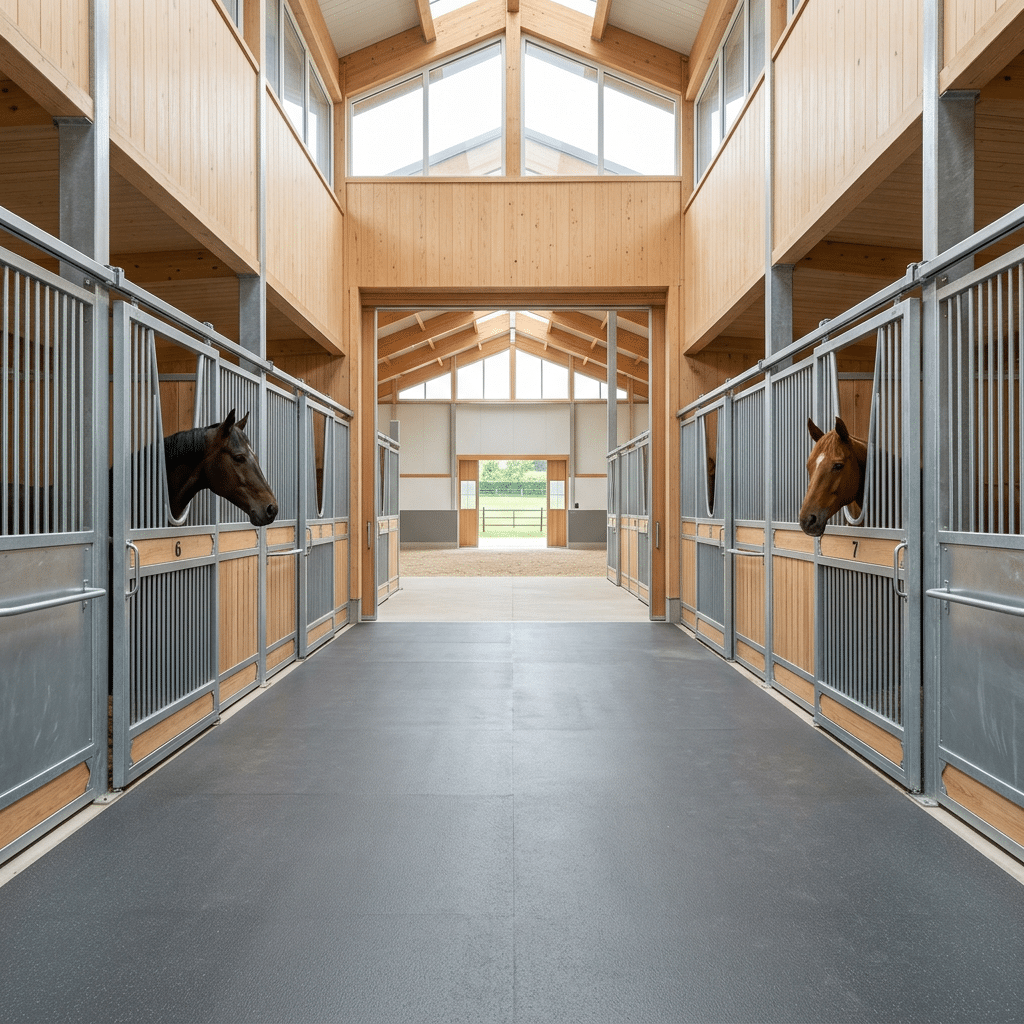
Designing equine transport hubs demands materials that prevent systemic failure in high-humidity environments. Standard stable components used in airport quarantine facilities often lead to rapid rot and biosecurity breaches, creating immense maintenance liabilities and operational risk for shipping companies.
This analysis provides the engineering specifications for these critical facilities, benchmarking materials against ISO 1461 galvanizing standards and zero-moisture-absorption HDPE. We evaluate how flat-pack logistics can cut freight costs by over 60% for large-scale projects, ensuring long-term structural integrity and biosecurity.
The Rot Cycle in High-Humidity Environments
High humidity over 70% lets moisture accumulate, fueling fungal growth that degrades organic materials and corrodes metal. Rot-resistant infills like bamboo or HDPE are key.
How Moisture Triggers Material Degradation
The rot cycle kicks off when sustained relative humidity climbs above 70%. This condition creates condensation and free water on surfaces, providing the exact environment microbial growth needs to begin.
Once that moisture is present, fungal spores can colonize within 24 to 72 hours. These organisms then start the biological breakdown of organic materials and accelerate the corrosion of metal components, compromising structural integrity.
Selecting Infill to Counteract Rot
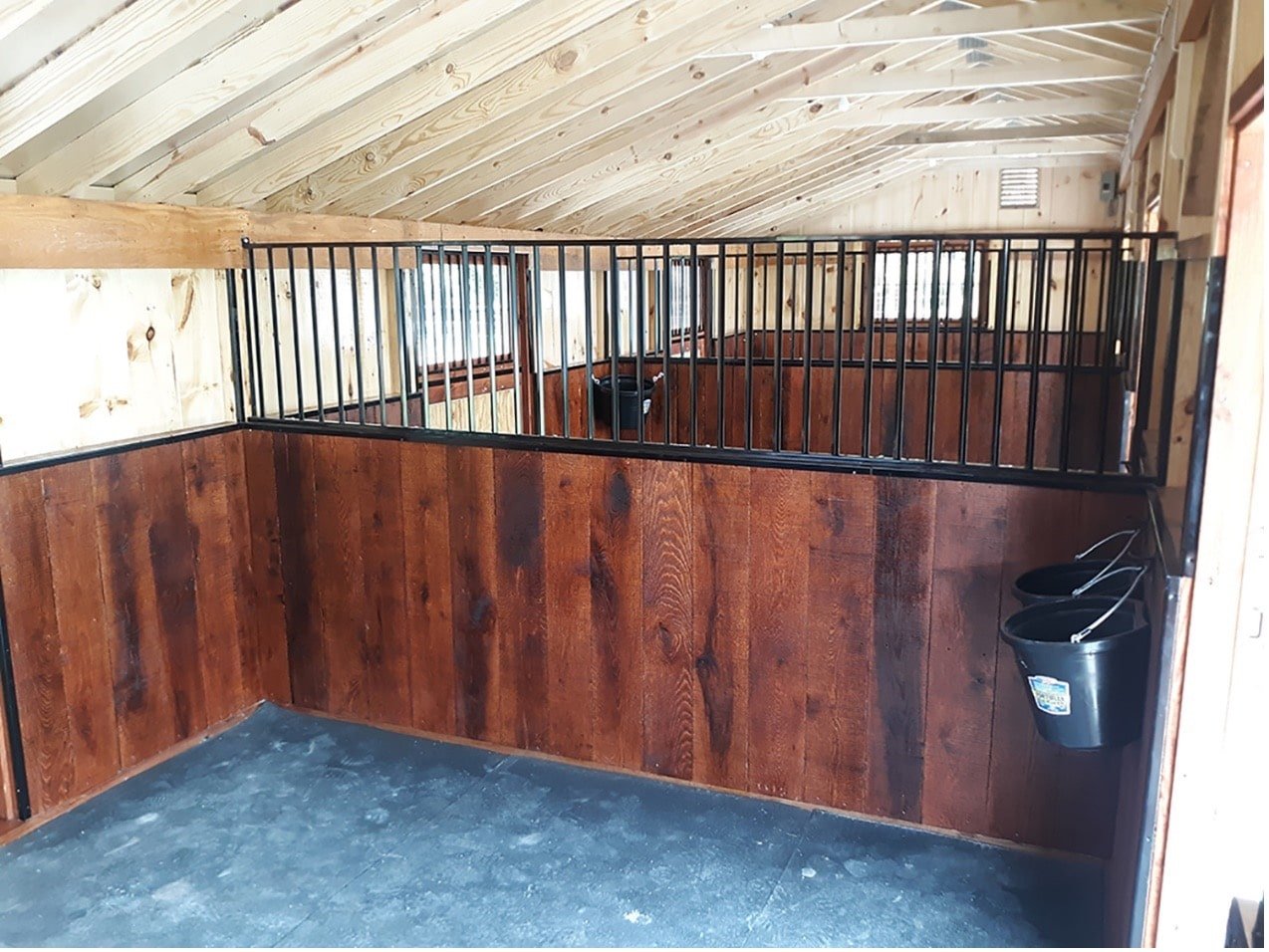
Choosing the right infill is the most direct way to stop rot before it starts. The material must either be naturally resistant to biological attack or completely inorganic, leaving nothing for mold to consume.
Our High-Density Strand Woven Bamboo offers a natural defense. Through a thermal treatment process, the sugars that feed mold are removed, creating a board that is fundamentally rot-resistant.
- Material Type: Bambú tejido en hebras de alta densidad
- Hardness: Janka rating over 3000 lbf, making it three times harder than oak.
- Resistance: Specified as mold and rot resistant.
For a completely inorganic and maintenance-free option, UV-stabilized HDPE is the solution. It does not absorb moisture and offers no organic material for fungus to grow on, effectively halting the rot cycle.
- Material Type: UV-Stabilized High-Density Polyethylene (HDPE)
- Core Feature: Zero moisture absorption.
- Maintenance: Classified as a zero-maintenance material.
Material Comparison for Tropical Climates
In tropical climates, a material’s resistance to water absorption is the most critical factor. Non-porous options outperform traditional wood by denying mold its primary fuel: moisture.
| Material | Water Absorption Rat e | Mold & Rot Resistance | Key Weakness in Tropics |
|---|---|---|---|
| Pino tratado | High (18-22% by weight) | Suboptimal. Requires constant ventilation and maintenance. | Absorbs and retains moisture, creating ideal conditions for mold growth despite chemical treatment. |
| Bambú trenzado | Very Low (0.4% in 24 hours) | High. Thermal treatment removes sugars and creates a dense, rot-resistant board. | Not fully waterproof. Can still warp or cup after prolonged, direct water exposure. |
| HDPE (polietileno de alta densidad) | Cero (< 0.01%) | Excellent. A non-porous polymer that is waterproof and does not support fungal growth. | Requires UV stabilization for outdoor applications to prevent degradation and brittleness from sun exposure. |
| WPC (Wood-Plastic Composite) | Low (< 1.5%) | Good. Typically includes fungicide additives to prevent mold growth. | Performance varies widely by manufacturer. Lower-quality blends can still absorb moisture. |
Why Water Absorption is the Critical Metric
Mold development accelerates dramatically when humidity exceeds 60%. Porous materials like wood act like a sponge, absorbing atmospheric moisture and providing the perfect substrate for fungal colonies to form, sometimes within 24 hours. The entire prevention strategy in tropical climates hinges on controlling this one variable. If a material doesn’t absorb water, mold can’t take hold.
The Failure of Traditional Materials
Treated pine is a common choice, but its effectiveness in the tropics is limited. The chemical treatments are designed to resist insects and decay, but they do not make the wood waterproof. The wood still absorbs significant moisture, creating a constant battle that relies on perfect ventilation. In a high-humidity environment, this makes treated pine a high-maintenance and often suboptimal choice for long-term performance.
Engineered Solutions for Humid Environments
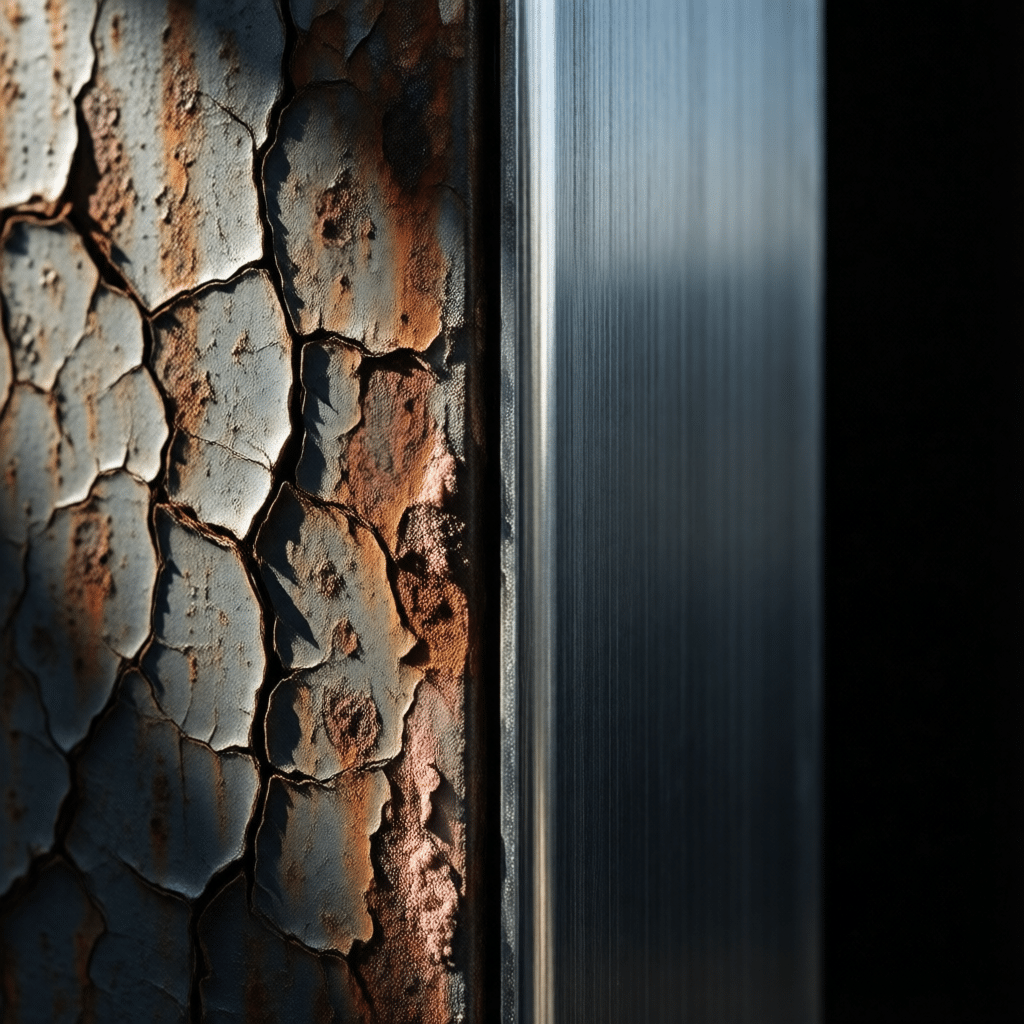
Modern materials directly solve the absorption problem. Strand-woven bamboo isn’t just wood; it’s an engineered product. The bamboo is shredded, compressed, and thermally treated to remove the natural sugars that feed mold. This process results in a board with a Janka hardness over 3000 lbf, making it three times harder than oak and incredibly resistant to moisture ingress.
HDPE takes this a step further. As a non-porous polymer, it is 100% waterproof and cannot absorb moisture, making it immune to rot and mold. For tropical applications, it is critical to use UV-stabilized HDPE, which prevents the material from becoming brittle under intense sun exposure. This zero-maintenance infill provides a reliable, long-term solution where wood-based products would fail.
Establos duraderos y conformes para cualquier clima

Airflow Design to Prevent Tropical Fungal Infections
Open-top stable grills create natural ‘stack effect’ ventilation. This continuous airflow prevents the stagnant, humid conditions that fuel fungal growth and harm equine respiratory health.
The Role of Ventilation in Managing Airborne Pathogens
Adequate ventilation isn’t a luxury; it’s a primary engineering control for reducing the concentration of airborne pathogens inside a stable. Fungal spores thrive in stagnant, moist air where humidity exceeds 60%. A continuous exchange of air directly disrupts these conditions by lowering ambient humidity and preventing the damp, still environment required for fungal colonies to establish and multiply.
Stack Effect Ventilation in Open Grill Stable Designs
DB Stable systems intentionally leverage an open top grill design to facilitate a natural process called ‘Stack Effect Ventilation.’ This passive system uses basic physics to move air vertically through the stall. As the horse’s body heat warms the surrounding air, it becomes less dense, rises, and escapes through the top grills. This action simultaneously draws in cooler, drier air from below, creating constant circulation that actively prevents a fungal-friendly microclimate from ever forming.
Preguntas frecuentes
What are the best materials for horse stalls in high-humidity climates?
In humid climates, you need materials that fight moisture. For walls, non-porous HDPE (High-Density Polyethylene) planks are the best choice because they are completely waterproof and won’t rot or grow mold. For the frame, hot-dip galvanized steel is essential to prevent rust. High-density engineered bamboo is another excellent infill option, as it is thermally treated to resist decay. Good stall design also requires open-grill partitions to maximize airflow and proper drainage to keep the base dry.
Is your engineered bamboo infill resistant to rot?
Yes, our high-density, strand-woven bamboo is engineered to be rot-proof. We use a thermal modification and high-pressure compression process that removes the natural sugars and starches that fungi feed on. This makes the material incredibly dense and nearly impervious to water penetration. It earns a Durability Class 1 rating, meaning it will not rot or decay like untreated bamboo would.
How waterproof is the HDPE infill option?
HDPE (High-Density Polyethylene) is completely waterproof. As a non-porous plastic, its water absorption rate is practically zero (under 0.05%). This means it cannot swell, warp, or degrade, even with constant exposure to moisture or pressure washing. It’s a true zero-maintenance material that provides a hygienic surface perfect for stable environments.
What kind of steel and rust protection do you use?
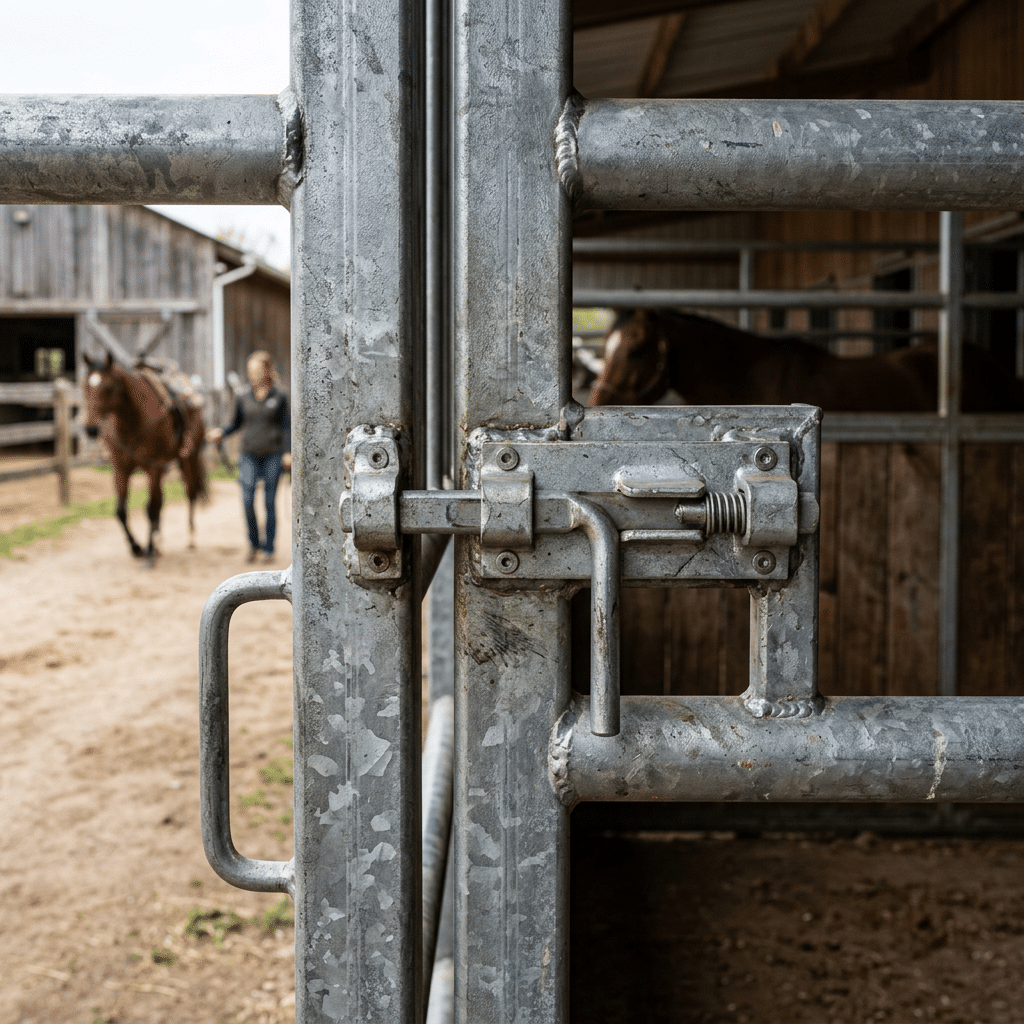
We use Q235B structural steel as our standard, with an option for Q345B low-alloy steel for better impact resistance in cold climates. For rust protection, every component is hot-dip galvanized *after* all welding and fabrication is finished. This process follows ISO 1461 standards and applies a thick zinc coating of over 70 microns, which provides decades of real-world protection against corrosion.
How do you prevent mold on stable walls?
Mold prevention comes down to controlling moisture. First, use non-porous wall materials like our HDPE planks, which give mold nothing to feed on. Second, ensure excellent airflow and ventilation to stop humid, stagnant air from settling. Our open-grill partition designs are built for this. Finally, maintain the building by keeping indoor humidity below 50% and immediately fixing any water leaks.
Reflexiones finales
Choosing stall materials for a high-traffic hub is a risk management decision, not just a cost comparison. Treated wood will fail under constant humidity, creating unacceptable biosecurity and maintenance liabilities. Our engineered systems—from rot-proof HDPE infills to flat-pack logistics—are designed to protect your investment and operational uptime.
Verify the engineering before you specify it for your facility. Request a material sample kit to test our rot-proof infills and hot-dip galvanized finish firsthand. Contact our project team to review technical specifications and get a freight quote for your planned layout.

 Spanish
  English
  French
  Arabic
  German
0 comentarios