Cross-Renting temporary stabling inventory is the only viable strategy to eliminate seasonal asset depreciation. Restricting your rental fleet to single-species equine events leaves capital sitting idle during lucrative cattle or alpaca shows. Expanding into...
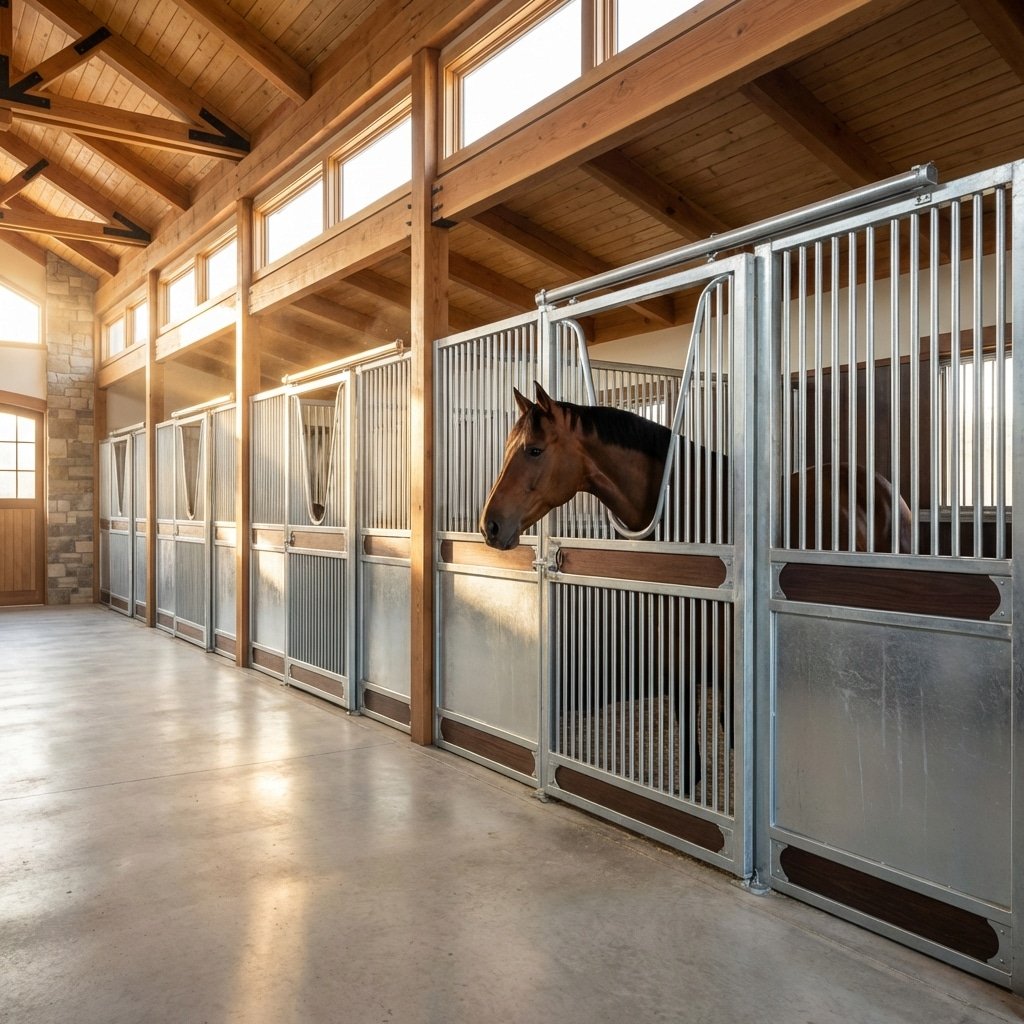
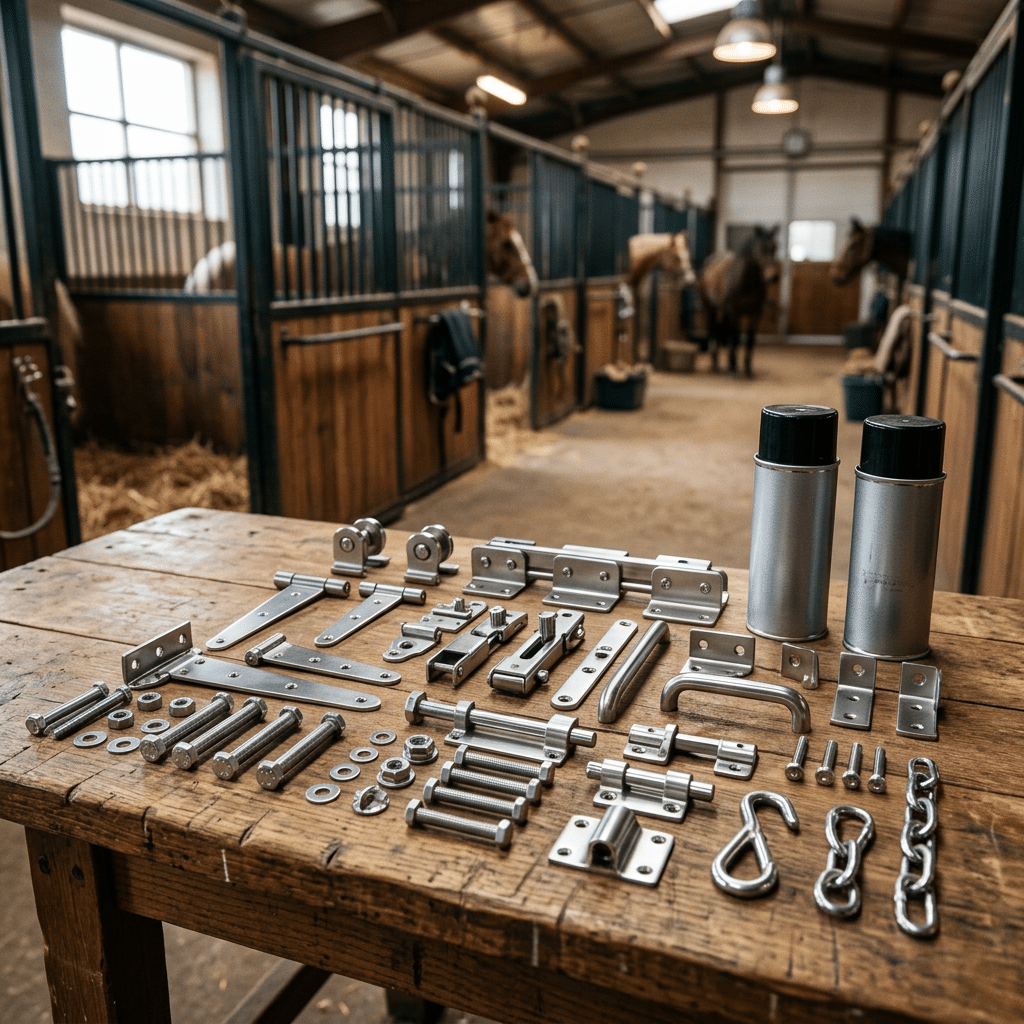
Sourcing the right horse stall kits is essential to prevent costly client callbacks from premature rust and structural damage. Kits using inferior, pre-galvanized steel often fail in high-ammonia barn conditions, forcing expensive repairs that destroy a...
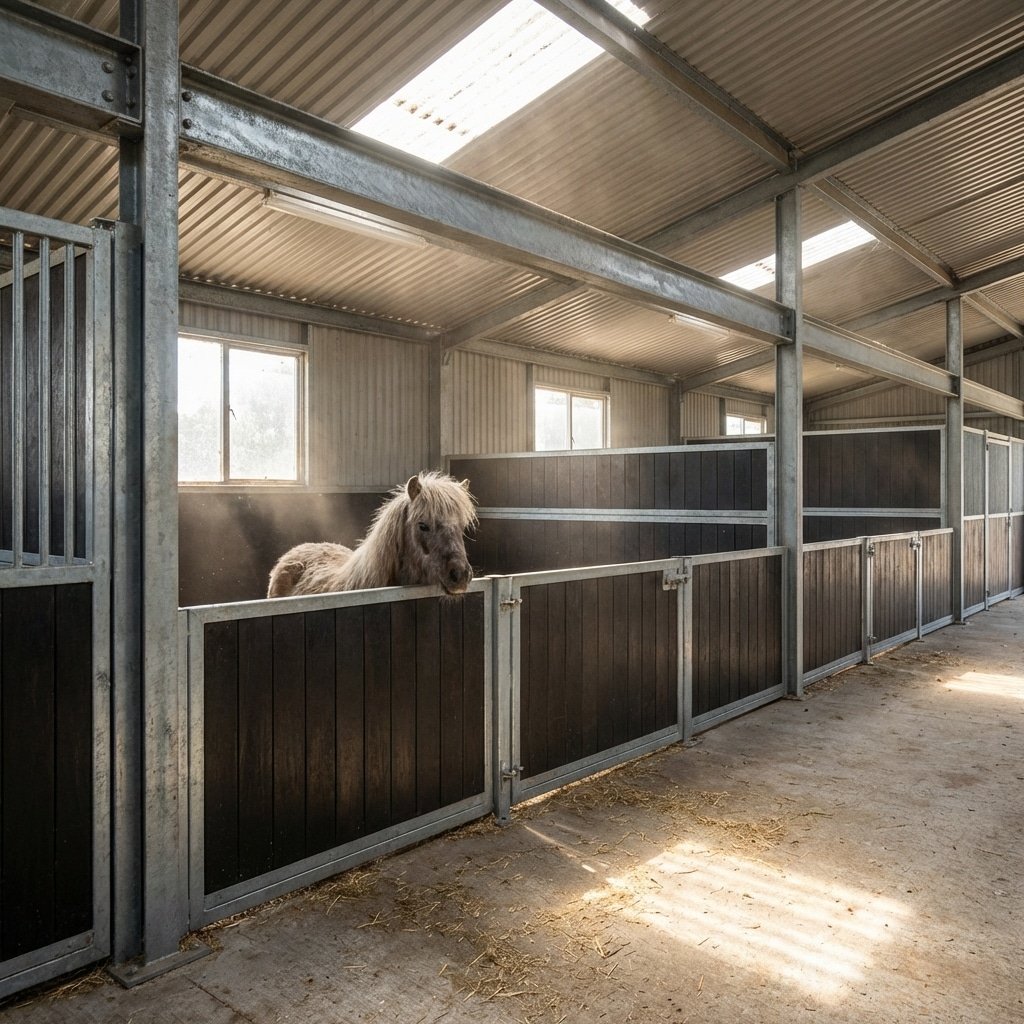
Stabling Miniature Horses in standard equine infrastructure creates an immediate liability for commercial breeders and facility managers. Standard 3-inch grill spacing often traps small hooves, while high solid walls block sightlines, triggering stress-induced vices...
Sourcing the right portable horse stalls is a critical ROI calculation where the initial unit price often hides the true cost. Most systems suffer from two major profit drains: inefficient logistics that limit container loads to just 15 sets and premature rust that...
Improperly positioned Inside Tie Rings are a leading cause of avoidable mechanical injury in high-traffic equine facilities. Placing hardware below the chest line creates a slack trap that risks career-ending tendon damage and significant veterinary liability. This...
Designing compliant Foaling Stalls is a critical defense against high-value livestock injury and veterinary liability. Standard 3.6m boxes maximize boarding capacity but often fail to provide the anti-casting space required for a safe delivery, forcing facility...



 Spanish
  English
  French
  Arabic
  German