Choosing the wrong infill thickness is a direct route to plank failure and costly warranty claims. Specifying a standard 28mm board for a large Warmblood doesn’t just risk animal injury—it creates a significant liability for the installer and the facility. This...
An Upgrading Series without standardized engineering is a long-term financial risk. Many stable systems use inconsistent bolt patterns, locking owners into an obsolete product line where future repairs or facelifts require a complete teardown. This turns a simple...
Sourcing the correct stall windows is critical for preventing liability claims from aisle obstructions. Traditional swing-out shutters are a known hazard in busy barns, creating chokepoints that risk injury to staff and horses. For distributors, selling this outdated...
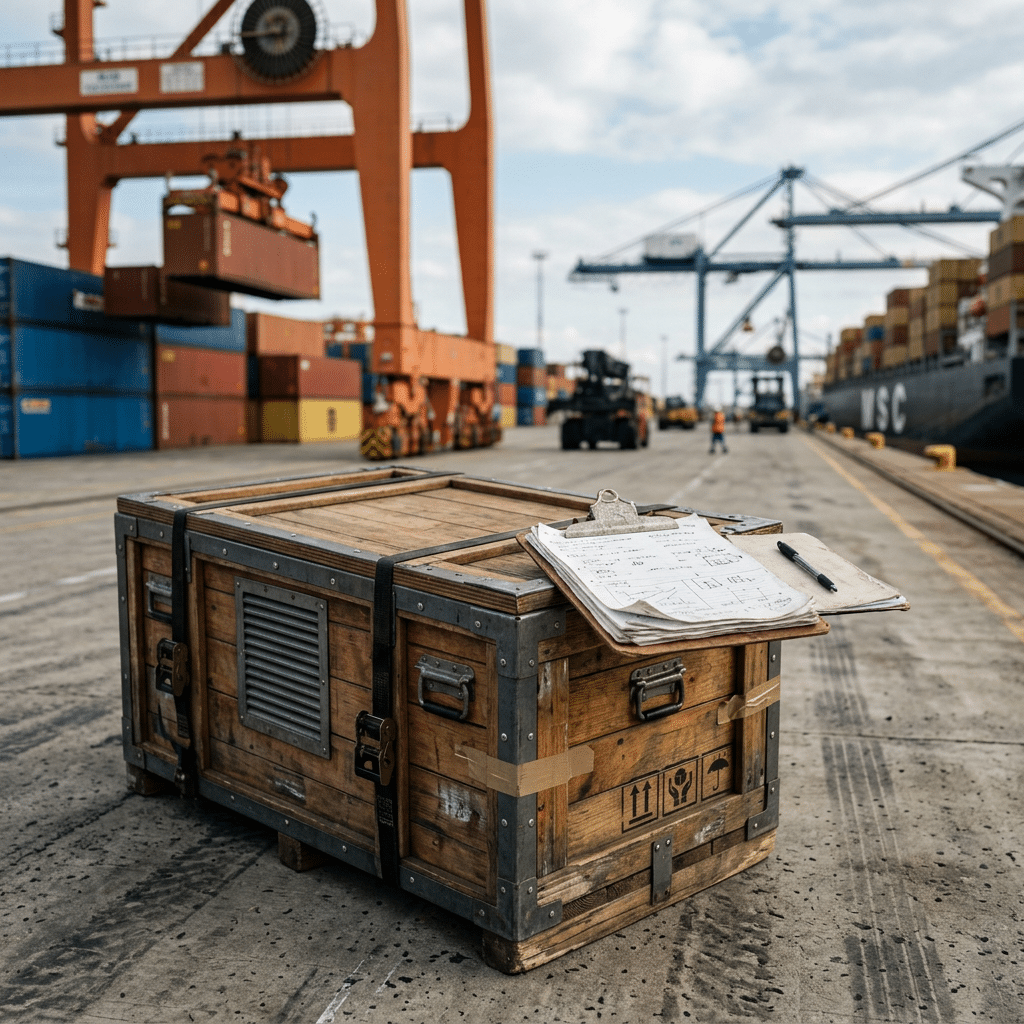
Handling Global Warranty Claims effectively is the key difference between a supply partner and a factory that goes silent after payment. When a component fails, importers are often left absorbing replacement costs and facing project delays that damage their local...
Selecting the right post shapes for a stable project is a critical decision that directly impacts animal safety and project liability. An unradiused square corner, a common feature in lower-cost options, is a latent design flaw that can lead to laceration injuries,...
Airflow audits reveal the direct link between stagnant stall air and chronic respiratory conditions like heaves. A persistent cough or a visible heave line is not just a health issue; it is a clear symptom of poor facility design, frequently caused by solid partitions...



 Spanish
  English
  French
  Arabic
  German