
La financiación de flotas para inventarios de alquiler de gran volumen es un equilibrio preciso entre la preservación del capital y la longevidad del activo. Asegurar la financiación para un despliegue de 500 puestos fracasa si el activo subyacente se deprecia más rápido que el plazo del préstamo debido a la corrosión o a un fallo estructural. Los directores financieros deben alinear los calendarios de amortización con los materiales duraderos para evitar amortizaciones anticipadas.
Este análisis correlaciona las clasificaciones del código HS 7308.90 con los incentivos de depreciación acelerada y la durabilidad de los activos. Comparamos los bastidores galvanizados en caliente Q235B con las opciones de madera desechable para demostrar cómo la ampliación del ciclo de vida del producto más allá de diez años garantiza unas condiciones de préstamo favorables y protege los márgenes de alquiler a largo plazo.
El auge de la gobernanza ambiental y social en la construcción
El cumplimiento de las ESG es ahora obligatorio, no opcional. Para 2026, los promotores deberán dar prioridad a los materiales con bajas emisiones de carbono, como el bambú, y maximizar la eficiencia logística para cumplir los objetivos de emisiones de Alcance 3.
Se acabaron los informes voluntarios de sostenibilidad. Los reguladores y los inversores exigen ahora normas estrictas de energía operativa y límites de carbono incorporado. Este cambio obliga a los promotores a mirar más allá de la obra y examinar toda la cadena de suministro. Ahora hay que hacer un seguimiento de las emisiones de Alcance 3, que abarcan la logística previa y el aprovisionamiento de materiales. Si su proveedor no puede demostrar una logística con bajas emisiones de carbono o un abastecimiento sostenible, su proyecto no superará las auditorías de cumplimiento.
El modelo de economía circular es la respuesta de la industria a estos controles más estrictos. Da prioridad a los materiales con ciclos de vida prolongados y 100% reciclables para minimizar los residuos de la construcción. Los inversores favorecen los proyectos que utilizan estas técnicas porque reducen el riesgo a largo plazo. Vemos esto específicamente en el alejamiento de los componentes de un solo uso hacia sistemas modulares y duraderos que pueden ser desmontados y reutilizados en lugar de demolidos.
Elección de materiales sostenibles: Acero galvanizado en caliente y bambú
Reunión Objetivos ESG requiere especificaciones concretas de los materiales, no sólo vagas afirmaciones “ecológicas”. En DB Stable, alineamos nuestra fabricación directamente con estos principios a través de normas verificables.
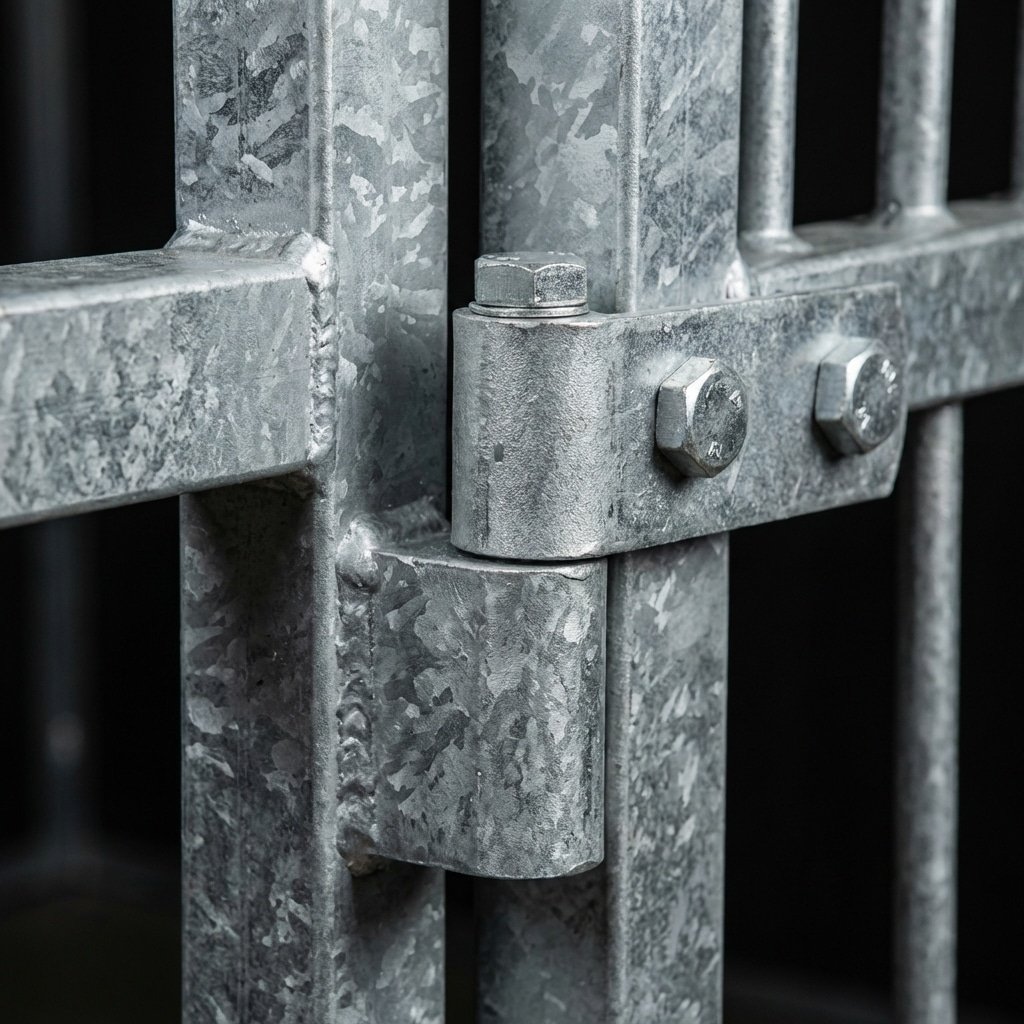
- Ciclo de vida ampliado (reducción de residuos): Utilizamos Galvanización en caliente (BS EN ISO 1461). Mediante la inmersión del acero después de la fabricación, conseguimos un recubrimiento de zinc superior al 85 micras. Esto protege contra el óxido durante décadas, ampliando significativamente la vida útil del producto en comparación con las alternativas pregalvanizadas. Una vida útil más larga significa menos sustituciones y menos consumo total de acero a lo largo del tiempo.
- Relleno renovable (retención de carbono): Especificamos Bambú de alta densidad con una dureza Janka superior a 3000 lbf. El bambú es una hierba de crecimiento rápido que madura en 3-5 años, a diferencia de las maderas duras, que tardan décadas. Ofrece una durabilidad superior frente a patadas y podredumbre sin contribuir a la deforestación.
- Eficiencia logística (reducción de alcance 3): El transporte “aéreo” es una fuente importante de emisiones de carbono. Nuestro sitio Sistema Flat-Pack nos permite cargar 30-45 juegos por contenedor de 40HQ. Los competidores que envían bastidores totalmente soldados sólo admiten entre 12 y 15 conjuntos. Nuestro método reduce las emisiones de carbono relacionadas con el transporte en más de 60% por unidad.
- Cumplimiento de la gobernanza: Nuestra producción respeta ISO 9001 (Gestión de la calidad) y ISO 1461 (Galvanización). Esto garantiza una calidad constante y la responsabilidad medioambiental, proporcionando la transparencia necesaria para las auditorías de gobernanza modernas.
Alejarse de la madera antigua (roble/pino)
En los establos profesionales, las maderas duras tradicionales suponen una carga de mantenimiento constante. Nosotros las sustituimos por bambú de alta densidad y polietileno de alta densidad estabilizado frente a los rayos UV para eliminar la podredumbre, el encofrado y los costes anuales de sellado.
Los déficits de durabilidad y mantenimiento de la madera tradicional
Las instalaciones profesionales están abandonando el pino y el roble porque actúan como esponjas en un entorno estable. Las fibras de madera absorben de forma natural la orina y el agua de lavado, lo que provoca hinchazón, deformación y crecimiento bacteriano que ningún sellado puede evitar por completo. Una vez que aparece la podredumbre, la integridad estructural de la caseta falla.
Los costes operativos y la seguridad también son preocupaciones importantes con la madera tradicional:
- Peligros del enrejado: Los caballos que se aburren en los establos mastican fácilmente la madera blanda. Esto crea riesgos de astillas afiladas y destruye la estética del tabique.
- Mantenimiento periódico: La madera debe decaparse, teñirse y sellarse todos los años. Este coste de mano de obra merma los márgenes de explotación de la instalación y requiere tiempo de inactividad.
- Cuestiones de sostenibilidad: Abastecimiento de crecimiento lento madera antigua contribuye a la deforestación y tiene una huella medioambiental más pesada en comparación con las alternativas de regeneración rápida.
Alternativas de ingeniería: Especificaciones del bambú de alta densidad y el HDPE
Diseñamos nuestros rellenos para resolver las limitaciones físicas de la madera. DB Stable utiliza materiales probados específicamente para una durabilidad “a prueba de patadas” y una longevidad sin mantenimiento.
- Bambú tejido en hebras de alta densidad: Utilizamos tablas de 28mm-38mm con una dureza Janka > 3000 lbf. Esto es 3 veces más duro que el roble rojo, por lo que es imposible para los caballos para masticar y resistente contra fuertes patadas.
- HDPE estabilizado UV: Nuestros tableros de plástico reciclado de 28 mm-32 mm ofrecen una verdadera solución de “mantenimiento cero”. Son impermeables a la humedad, naturalmente resistentes al moho y no requieren tratamientos químicos.
- Absorción de impactos: A diferencia del hormigón rígido o la madera astillable, nuestros perfiles de HDPE proporcionan la absorción de impactos necesaria. Esto dispersa la energía de las patadas, reduciendo significativamente el riesgo de fracturas en las piernas.
Establos resistentes a la corrosión durante 20 años, construidos para condiciones extremas
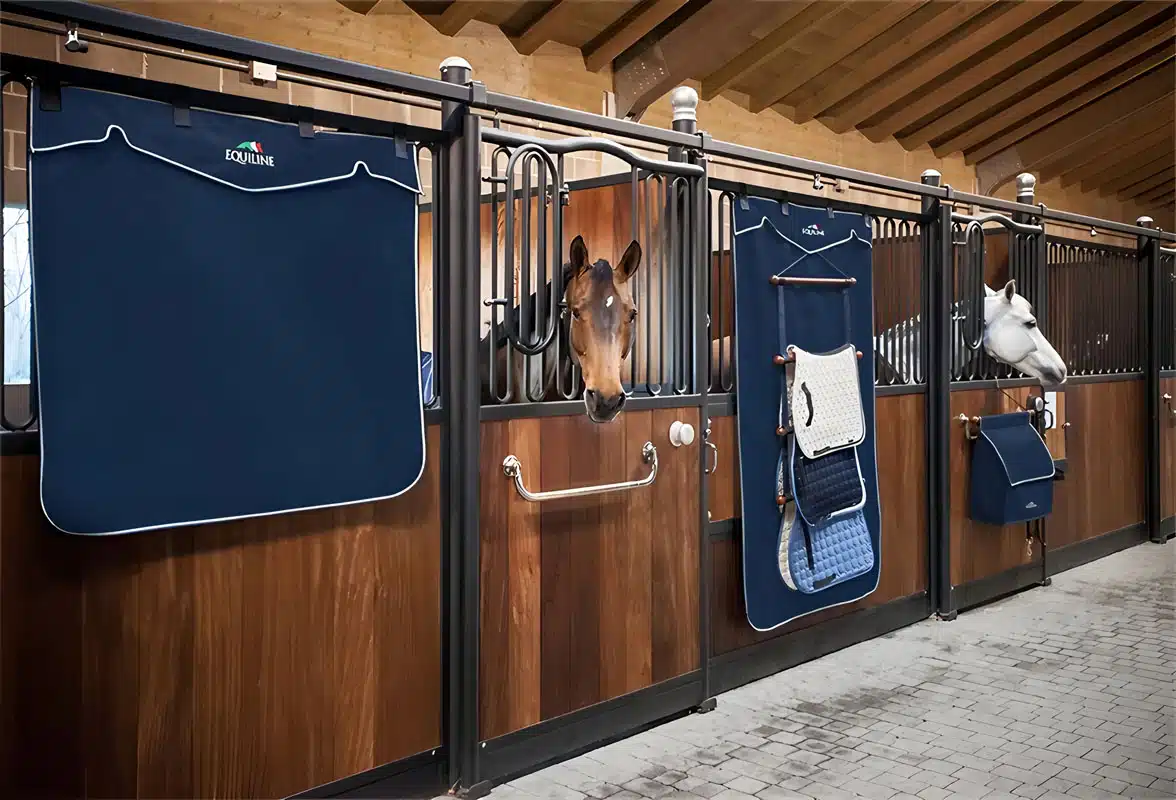
Las mejores fábricas adoptan materiales sostenibles
Los líderes mundiales en fabricación dan ahora prioridad a las operaciones con cero residuos. Nos alineamos con esta norma utilizando bambú rápidamente renovable y HDPE reciclable para minimizar el impacto medioambiental.
Puntos de referencia mundiales en producción sostenible
La definición de “Fábrica superior”ha cambiado. Ya no se trata sólo de capacidad o velocidad de producción, sino de responsabilidad medioambiental. Gigantes de la industria como Siemens Electronics Works e IKEA han marcado el ritmo, cambiando sus instalaciones a electricidad renovable 100% y aplicando estrictos modelos de cero residuos a vertedero. No se trata de palabrería publicitaria, sino de un cambio operativo fundamental.
Las instalaciones más recientes, como la fábrica de Lego en Vietnam y la Gigafactoría de Tesla, integran sistemas de seguimiento del carbono y materiales circulares directamente en su infraestructura. Estas fábricas demuestran que la fabricación de grandes volúmenes puede coexistir con la responsabilidad ecológica. En DB Stable, tratamos estos puntos de referencia como nuestra línea de base, garantizando que nuestros métodos de abastecimiento de materiales y producción cumplan las rigurosas expectativas del mercado global moderno.
| Métrica de sostenibilidad | Práctica habitual | Top Factory / DB Stable Standard |
|---|---|---|
| Vida útil del material | Madera estándar (se sustituye cada 3-5 años) | Más de 10 años (Galvanizado en caliente y estabilizado a los rayos UV) |
| Suministro de madera | Frondosas de crecimiento lento (roble/pino) | Rápidamente renovable Bambú de alta densidad |
| Enfoque de residuos | Eliminación en vertedero | Economía circular (Acero reciclable y HDPE) |
Especificaciones de materiales sostenibles: Bambú y HDPE
Para cumplir las normas de fabricación más exigentes, utilizamos materiales diseñados para ser duraderos y renovables. Un producto que requiere sustituciones frecuentes es intrínsecamente insostenible, por muy “ecológica” que sea la materia prima. Nuestras especificaciones se centran en la durabilidad para reducir la huella de carbono a largo plazo.
- Relleno de bambú de alta densidad: Utilizamos bambú tejido en hebras con una dureza superior a la de Janka 3000 lbf. Es 3 veces más duro que el roble y constituye una alternativa rápidamente renovable a las maderas duras de crecimiento lento. Resiste el moho y la podredumbre sin necesidad de tratamientos químicos tóxicos.
- Relleno de HDPE reciclable: Nuestro polietileno de alta densidad de 28 mm-32 mm está totalmente estabilizado contra los rayos UV. Proporciona una solución de “Mantenimiento Cero”, eliminando la necesidad de pinturas, tintes o barnices que a menudo lixivian productos químicos en el suelo.
- Galvanización en caliente: Cumplimos estrictamente BS EN ISO 1461 normas. Al aplicar un recubrimiento de zinc de >85 micras a las piezas estructurales, prolongamos la vida útil del producto a más de 10 años. Esta longevidad reduce significativamente las emisiones de fabricación y logística asociadas a la sustitución de componentes de acero oxidados.
Bambú tejido en hebras: Un sumidero de carbono de alto rendimiento
Las plantaciones de bambú trenzado secuestran hasta 12 toneladas de carbono por hectárea al año, el doble que los bosques típicos. Nuestras tablas de alta densidad fijan este carbono en un material tres veces más duro que el roble.
Secuestro rápido y crecimiento regenerativo
El bambú es una bomba biológica de carbono. Mientras que los bosques madereros normales almacenan anualmente entre 6 y 8 toneladas de carbono por hectárea, las plantaciones de bambú gestionadas capturan aproximadamente 12 toneladas en el mismo periodo de tiempo. Esta eficacia se debe a su ritmo de crecimiento: los tallos capturan entre 50 y 60 kilogramos de CO2 en un corto periodo de tiempo, alcanzando la madurez en 3-5 años, en lugar de las décadas que necesitan las maderas duras.
El argumento de la sostenibilidad del bambú se basa en su sistema radicular. La explotación maderera tradicional suele requerir talas o alteraciones agresivas del suelo, lo que libera carbono del suelo. El bambú posee una densa red subterránea de rizomas. Cuando cosechamos un culmo, el sistema radicular sobrevive e inmediatamente empieza a regenerar nuevos brotes. Esto permite una cosecha continua sin replantar, manteniendo la estabilidad del suelo y el almacenamiento permanente de carbono en el suelo.
Durabilidad de ingeniería: El estándar de dureza Janka de más de 3.000
Los datos sobre el secuestro de carbono carecen de sentido si el producto falla a los dos años y hay que sustituirlo. El valor medioambiental del bambú en aplicaciones industriales depende de su densidad y longevidad. Utilizamos bambú tejido con hebras de alta densidad (28 mm-38 mm) comprimido hasta una densidad de 1.080 kg/m³. Este proceso bloquea eficazmente el carbono secuestrado en una aplicación industrial a largo plazo.
Nuestras tablas de bambú alcanzan una dureza Janka superior a 3.000 lbf. Para entendernos, esto hace que el material sea significativamente más duro que el roble rojo o el arce. En un entorno estable, esta resistencia al impacto de los cascos y a la putrefacción prolonga el ciclo de vida del producto durante décadas, retrasando la liberación del carbono almacenado. Los métodos de producción optimizados permiten que estas tablas de alta densidad tengan una huella de carbono potencialmente negativa, lo que compensa las emisiones normalmente asociadas a las alternativas de acero u hormigón.
Preguntas frecuentes
¿Cómo construir un centro ecuestre que cumpla la ESG?
Construir una instalación que cumpla las normas ASG requiere un enfoque basado en tres pilares: Medioambiental, social y de gobernanza. Desde el punto de vista medioambiental, hay que dar prioridad a la energía renovable y a la independencia hídrica. Instalaciones punteras como el Equine Care Group generan 80% de su electricidad mediante energía solar in situ y utilizan la recogida de agua de lluvia para autoabastecerse. Desde el punto de vista social, los protocolos deben garantizar la seguridad de los empleados y el bienestar de los animales, con formación y equipos de protección adecuados. La gobernanza exige una conducta empresarial ética, informes transparentes y un estricto cumplimiento de la normativa sobre protección de datos, como el GDPR. Contrate pronto a un consultor de ESG para comparar estos parámetros con los estándares del sector.
¿Es el bambú un material de construcción sostenible?
Sí, siempre que se trate de bambú tejido con hebras de alta densidad. Supera a la madera tradicional en velocidad de regeneración, alcanzando la madurez en 5-7 años frente a los más de 40 años de las maderas duras. Un bosquecillo de bambú absorbe hasta cuatro veces más CO2 que una masa arbórea equivalente. En la construcción, su relación resistencia-peso rivaliza con la del acero, y cuando se procesa en tablas de alta densidad (1.080 kg/m³), se vuelve resistente al moho y a la putrefacción sin necesidad de sellantes químicos tóxicos. Esta combinación de rápida renovabilidad y extrema durabilidad lo convierte en una alternativa viable y baja en carbono al hormigón y al acero.
¿Impacto medioambiental de los graneros de acero frente a los de madera?
Por lo general, la madera tiene menos carbono incorporado durante la fase de fabricación, y las estructuras de madera maciza presentan una reducción de emisiones de hasta 84% en comparación con el acero. Sin embargo, el acero ofrece una longevidad superior y un ciclo de vida circular. El acero es 100% reciclable y puede reutilizarse indefinidamente sin perder integridad estructural (a diferencia de la madera, que suele degradarse). En el caso de las estructuras ecuestres a largo plazo, la durabilidad del acero -específicamente de las calidades reciclables como Q235B- suele compensar el mayor coste inicial del carbono al eliminar la necesidad de sustitución y reducir los residuos de mantenimiento en un horizonte de 50 años.
¿Certificaciones ecológicas para establos de caballos?
LEED es la norma mundial, pero suele ser poco adecuada para los edificios agrícolas. Sin embargo, los grandes centros ecuestres comerciales pueden acogerse a las categorías comerciales. Una norma más práctica es el Código CalGreen (obligatorio en California), que dicta la conservación del agua, la reducción de residuos de la construcción y la eficiencia energética para las estructuras agrícolas. Los propietarios de instalaciones también deben buscar reconocimientos de agricultura sostenible y realizar auditorías energéticas. Estas certificaciones validan las afirmaciones medioambientales y pueden aumentar el valor de la propiedad para los compradores que den prioridad al cumplimiento de las ESG.
¿Fabricantes de establos ecológicos?
Varios fabricantes lideran el mercado en prácticas sostenibles. MD Barnmaster (fundada en 1975) y Coffman Barns se centran en sistemas modulares prediseñados que reducen los residuos de la construcción y utilizan materiales reciclables. DC Structures se especializa en kits de madera pesada con madera de origen sostenible. WYO Custom Builders se centra en los establos metálicos por su capacidad de reciclaje y su resistencia a las plagas. La tendencia del sector se inclina hacia los sistemas prefabricados (como nuestra propia metodología Flat-Pack) porque reducen significativamente las emisiones de mercancías y minimizan los residuos de materiales in situ en comparación con la construcción tradicional.
Acero Q235B: La estructura reciclable 100%
El Q235B es un acero estructural de bajo contenido en carbono (rendimiento 235 MPa) equivalente al ASTM A36. A diferencia de la madera degradable, ofrece 100% reciclabilidad y conserva un alto valor como chatarra al final de su vida útil.
Perfil técnico: Estándares Q235B vs. ASTM A36
En el mercado ecuestre B2B, la verificación de los materiales es la primera línea de defensa contra los fallos estructurales. Utilizamos estrictamente acero estructural Q235B para nuestras gamas estándar de establos. Este grado no es un “metal” genérico; es el equivalente asiático directo de la norma mundial ASTM A36, que ofrece un equilibrio específico de resistencia y ductilidad necesario para la contención de animales grandes.
- Composición química: Mantenemos un bajo contenido de carbono (<0,2%). Esta especificación garantiza una excelente soldabilidad durante la prefabricación, lo que permite realizar soldaduras profundas y consistentes sin el riesgo de agrietamiento inducido por el calor habitual en los aceros para chatarra con alto contenido en carbono más baratos.
- Rendimiento mecánico: Límite elástico garantizado de 235 MPa (aproximadamente 34 ksi). Esto coincide con el requisito ASTM A36, lo que garantiza que el bastidor pueda soportar una presión de carga significativa antes de que se produzca una deformación permanente.
- Ductilidad al impacto: Los altos índices de elongación son críticos en entornos ecuestres. Si un caballo patea una columna, el Q235B está diseñado para absorber la energía mediante pequeñas abolladuras en lugar de sufrir una fractura frágil catastrófica.
El ciclo de vida cerrado de los establos modulares de acero
La sostenibilidad económica suele dictar la elección del material en los proyectos de infraestructuras a gran escala. Mientras que las estructuras de madera tratada acaban convirtiéndose en residuos debido a la impregnación química (creosota o arsénico), el acero Q235B funciona dentro de un ciclo económico cerrado. Esta distinción convierte la estructura física en un activo financiero recuperable en lugar de un coste hundido.
- Reciclabilidad infinita: El acero es único en el sentido de que puede reciclarse repetidamente sin que pierda resistencia a la tracción. Las fibras de madera se acortan y degradan con cada ciclo, y acaban volviéndose inservibles. Las vigas Q235B pueden fundirse y reformarse indefinidamente.
- Recuperación de activos: El acero galvanizado en caliente conserva un importante valor en el mercado de la chatarra. Al final del ciclo de vida de una instalación, los costes de retirada suelen compensarse con la venta de la chatarra, un rendimiento financiero imposible con la madera.
- Seguridad medioambiental: Las estructuras de acero eliminan los riesgos de contaminación del suelo asociados a la madera tratada químicamente. Este cumplimiento es cada vez más vital para los proyectos que buscan certificaciones ecológicas o que operan en zonas agrícolas estrictamente reguladas.
Preguntas frecuentes
¿Cómo influye el sistema de paquete plano en los costes de adquisición de la flota?
El transporte es el asesino oculto de los márgenes en los pedidos a granel. Los establos soldados tradicionales son en su mayoría aéreos, por lo que sólo caben de 12 a 15 conjuntos en un contenedor. Hemos diseñado un sistema de embalaje plano que permite cargar entre 30 y 45 conjuntos en un solo contenedor de 40 HQ. Esta eficiencia reduce los costes de flete en más de 60%, disminuyendo eficazmente su coste en destino por unidad y protegiendo sus márgenes de distribución.
¿Por qué se recomienda el relleno de bambú para establos comerciales muy frecuentados?
El bambú ofrece una durabilidad superior a la de la madera dura tradicional y es un recurso renovable que alcanza la madurez en sólo 6-9 años. Técnicamente, nuestro bambú trenzado tiene una dureza Janka que supera las 3000 libras, tres veces más que el roble. Esto hace que sea muy resistente a las patadas, los cimbreos y los daños por humedad en entornos de alquiler abusivos.
¿Cómo protege la galvanización en caliente el valor de los activos a lo largo del tiempo?
El óxido es la principal causa de depreciación de los equipos de acero. Sumergimos cada bastidor en zinc fundido después de (ISO 1461), consiguiendo un espesor de revestimiento superior a 85 micras. Esto crea una unión metalúrgica que evita la corrosión durante décadas, garantizando que su flota mantenga un alto valor de reventa y la integridad estructural sin un mantenimiento constante.
¿Pueden considerarse estos establos equipos portátiles a efectos fiscales?
Nuestros sistemas suelen clasificarse en el código SA 7308.90 (Estructuras de hierro/acero). Al ser modulares y estar anclados con pernos en lugar de cimientos permanentes, suelen clasificarse como activos portátiles. Esta clasificación puede ayudar a calificar para los incentivos de depreciación acelerada, como la Sección 179 en los EE.UU., aunque usted debe consultar a un profesional de impuestos.
Reflexiones finales
El suministro de bastidores baratos pregalvanizados crea un riesgo de oxidación que destruye los márgenes de alquiler y no supera las auditorías ESG modernas. Nuestro sistema de embalaje plano optimiza la logística cargando hasta 45 conjuntos por contenedor, lo que reduce los costes de transporte en 60% en comparación con las alternativas soldadas. Invertir en acero galvanizado en caliente ISO 1461 garantiza un activo duradero y reciclable que conserva su valor mucho después de que finalice el programa de amortización.
No se fíe de las afirmaciones de los folletos para una inversión de 500 puestos; verifique la ingeniería de primera mano. Solicite un kit de prueba para comprobar la dureza de nuestro bambú de 3.000 lbf y confirmar la velocidad de montaje de nuestras conexiones modulares. Póngase en contacto con nuestro equipo de proyectos hoy mismo para alinear las especificaciones de su flota con sus objetivos de sostenibilidad para 2026.

 Spanish
  English
  French
  Arabic
  German
0 comentarios