


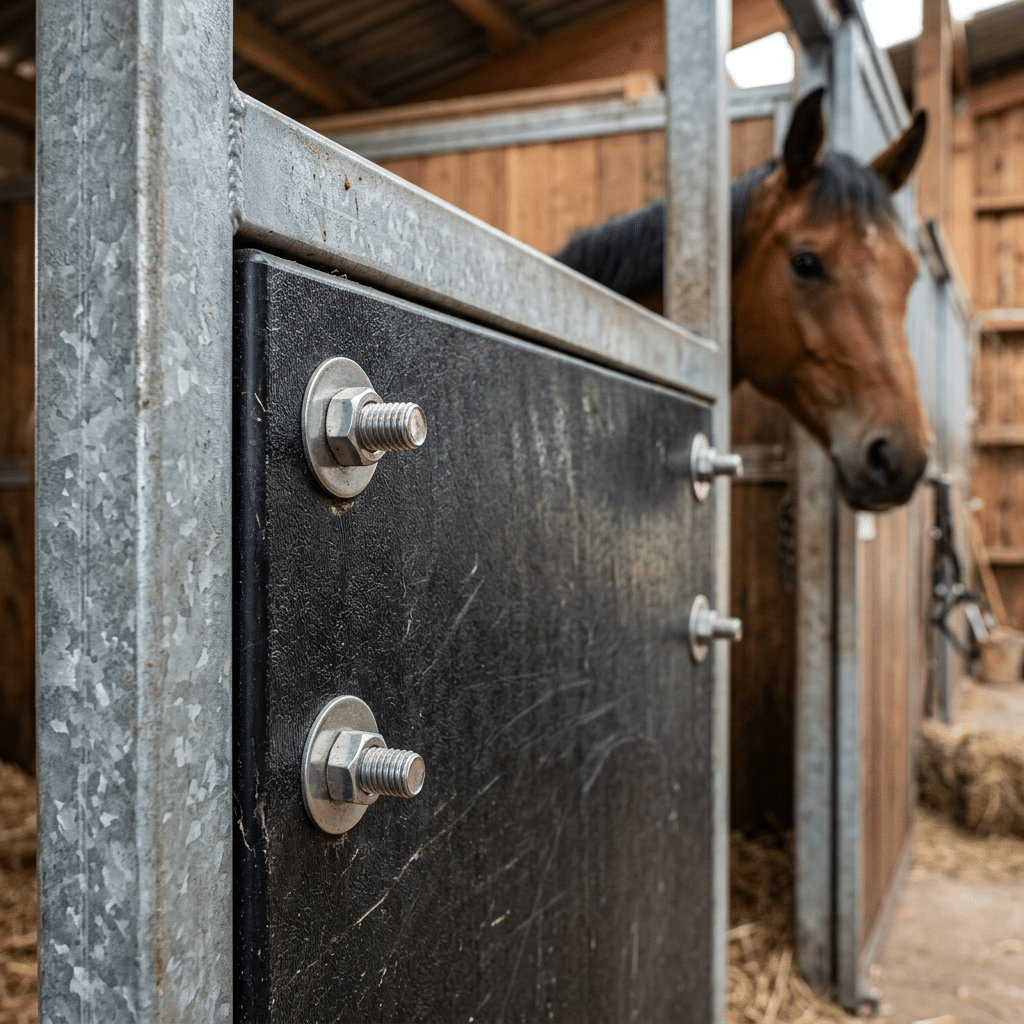
Auction Houses require infrastructure that withstands rapid turnover without compromising biosecurity or asset value. Relying on traditional welded frames creates a logistical bottleneck, often capping container efficiency at just 12 units and driving up freight costs per stall.
This analysis evaluates modular stabling solutions based on the ISO 1461 Galvanización en caliente standard for zero-maintenance longevity. We examine how switching to Q235B structural steel and high-density logística de paquetes planos allows facilities to scale capacity while securing a 60 percent reduction in freight overhead.
El auge de la gobernanza ambiental y social en la construcción
In 2026, ESG compliance demands modular systems. High-density flat-pack logistics and ISO 1461 Hot-Dip Galvanization reduce Scope 3 emissions and extend product lifecycles, minimizing long-term environmental impact.
Reducing Scope 3 Emissions with High-Efficiency Flat-Pack Logistics
The 2026 regulatory landscape mandates strict tracking of Scope 3 emissions—the carbon footprint generated by your supply chain. In the equine construction sector, logistics often represent the heaviest carbon load. Traditional fully welded stable frames are inefficient here; they are mostly air. You can typically fit only 12 to 15 welded sets into a 40HQ container, resulting in excessive fuel consumption per unit installed.
DB Stable addresses this through a modular flat-pack design that prioritizes freight density. By optimizing the packaging, we fit 30 to 45 sets into the same 40HQ container. This efficiency drops freight-related carbon output by approximately 60%. For developers and large-scale projects, this directly supports the environmental criteria required for modern green building compliance.
Improving Whole-Life Carbon Scores with Hot-Dip Galvanized Steel
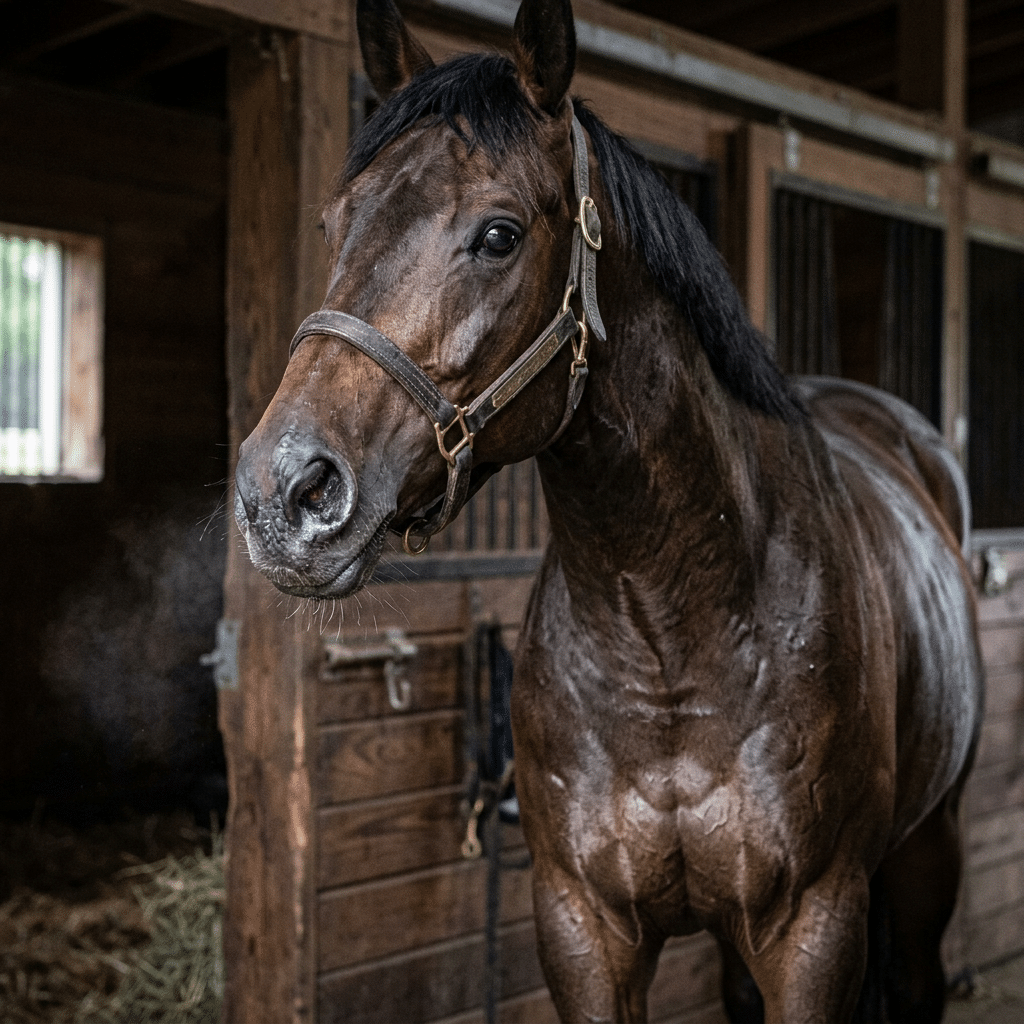
“Whole-Life Carbon” assessments punish materials that require frequent replacement. A stable that rusts out in five years creates unnecessary construction waste and demands new raw materials for repairs. Cheap pre-galvanized or painted steel often fails this test quickly in ammonia-rich stable environments.
We use Hot-Dip Galvanization (BS EN ISO 1461) with a coating thickness exceeding 85 microns. This process bonds zinc to the steel at a molecular level, ensuring a “Lifetime” standard of rust protection. By eliminating the need for early refurbishment or disposal, this specification aligns directly with circular economy goals. You build the facility once, reducing the long-term carbon impact of the project.
Alejarse de la madera antigua (roble/pino)
Traditional timber is obsolete for commercial stables. We replaced slow-growing, rot-prone oak with high-density bamboo and HDPE to ensure durability and zero maintenance.
Los límites ecológicos y prácticos de la madera dura tradicional
Strand Woven Bamboo: The 3,000 Janka Hardness Standard
To eliminate maintenance costs and cribbing damage, DB Stable standardized on High Density Strand Woven Bamboo. This is not the hollow bamboo used in garden furniture; it is a solid engineered board created by compressing bamboo fibers under extreme pressure and heat.
- Densidad extrema: Our bamboo rates over 3,000 lbf on the Janka Hardness scale. This is roughly three times harder than Oak (approx. 1,300 lbf). It is physically impossible for a horse to chew through or dent this material.
- Specific Thickness: We utilize 28mm to 38mm thick boards, ensuring structural integrity against heavy impact or kicking.
- Rapid renewability: Bamboo is a grass that matures in just 3-5 years. It regenerates from its own root system, making it a truly renewable resource compared to timber that takes decades to regrow.
- Resistencia a la humedad: The strand-woven compression process eliminates air pockets within the material. Without these pockets, the board cannot absorb water, making it inherently resistant to mold, rot, and swelling in humid stable environments.
Premium Custom Stables With 20-Year Durability
Las mejores fábricas adoptan materiales sostenibles
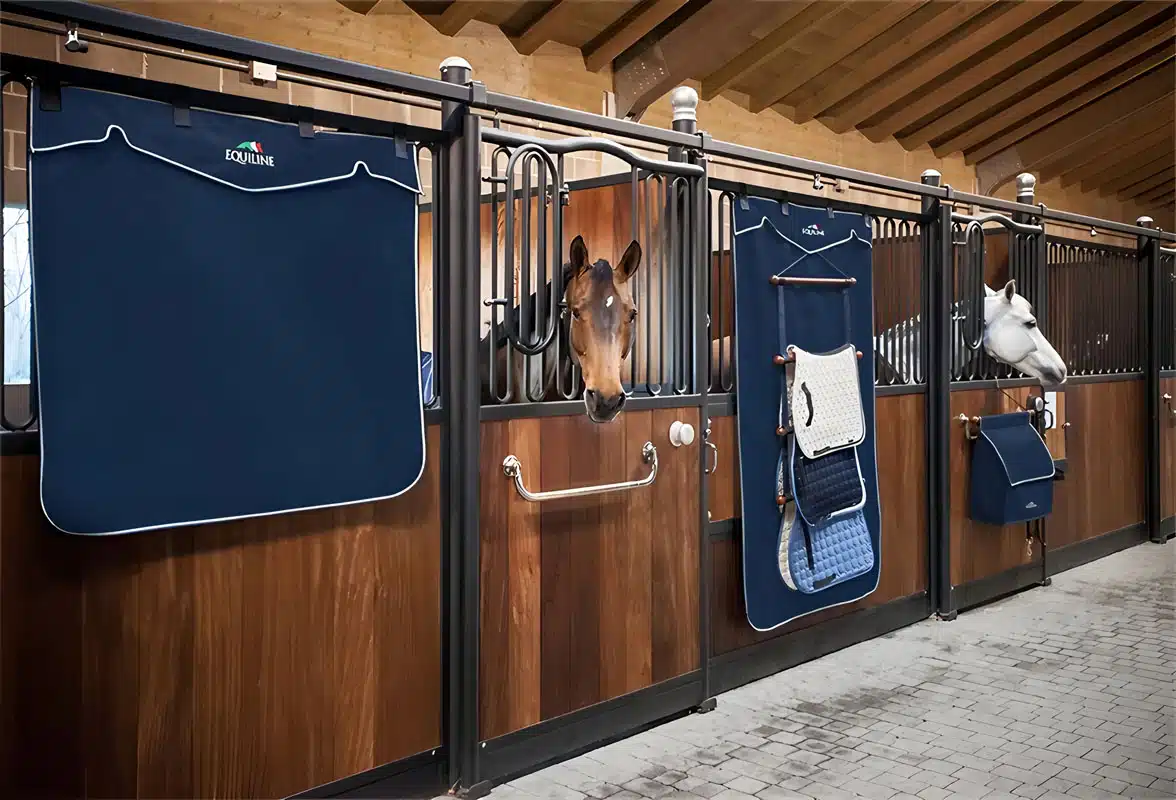
Global manufacturing is pivoting from compliance to competitive sustainability. Leading facilities now utilize renewable materials like bamboo and recyclable steel to reduce embodied carbon and secure long-term asset value.
The industrial landscape is undergoing a fundamental transformation. ESG (Environmental, Social, and Governance) compliance is no longer just a regulatory checkbox; it has become a strategic necessity for securing contracts and financing. While heavy industries like energy and automotive have led this charge, the equestrian engineering sector is rapidly catching up, adopting the same high-performance, low-carbon materials found in advanced manufacturing.
| Industry Leader | Core Material Strategy | Repercusiones operativas |
|---|---|---|
| First Solar | Closed-loop semiconductor recovery | 90% material recovery rate; secure supply chain. |
| Siemens | Smart manufacturing & decarbonized steel | Net-zero operations via digital twins and efficiency. |
| DB Estable | High-Density Bamboo & Recyclable Steel | Carbon-negative infills and 100% recyclable frames. |
| Grupo Lego | Bio-based polymers (Sugar cane) | Moving away from fossil-fuel-based plastics by 2030. |
Strand-Woven Bamboo: The Industrial Carbon Sink
Factories are moving away from old-growth timber like oak and pine due to depletion concerns and slow regeneration cycles (30-50 years). In contrast, bamboo represents a high-yield carbon sink. Moso bamboo forests sequester approximately 6.0 to 7.6 Mg of carbon per hectare annually—significantly higher than fast-growing fir or pine plantations. By utilizing this material, manufacturers turn physical infrastructure into carbon storage.
At DB Stable, we utilize High-Density Strand Woven Bamboo for our stable infills. This is not raw cane; it is an engineered material compressed to extreme densities (Janka Hardness > 3000 lbf), making it 3x harder than oak. This durability ensures the material remains in service for decades, maintaining its carbon storage rather than rotting and releasing CO2 back into the atmosphere.
Steel Recyclability and Circular Economy
Sustainability in heavy manufacturing relies on circularity. Steel is unique because it is 100% recyclable without any loss of strength. Approximately 70% of steel produced today already contains recycled content. For B2B distributors and project managers, specifying steel over single-use materials is the most direct path to meeting Scope 3 emission targets.
We strictly utilize Q235B and Q345B structural steel, processed through Hot-Dip Galvanization after fabrication. This process bonds zinc to the steel at a molecular level, preventing corrosion and extending the asset’s lifespan to 20+ years. A longer product lifespan means fewer replacements, less manufacturing energy consumed over time, and zero landfill waste at the end of the facility’s life.
HDPE: Eliminating Maintenance Chemicals
The final piece of the sustainable factory puzzle is the elimination of toxic maintenance inputs. Traditional wood requires regular applications of varnishes, paints, and chemical preservatives to fight rot and pests. These chemicals often leach into the soil or affect air quality within the facility.
- Material: UV Stabilized High-Density Polyethylene (HDPE).
- Maintenance Profile: Zero painting or varnishing required.
- Safety: Impact absorbing and free from splintering risks.
- Lifecycle: Fully recyclable at end-of-use.
By integrating these materials, DB Stable aligns with global industrial leaders, offering infrastructure that supports both operational efficiency and environmental responsibility.
Bambú tejido en hebras: Un sumidero de carbono de alto rendimiento
Strand-woven bamboo acts as a massive carbon sink, with individual culms sequestering 50–60kg of CO2. When compressed into 1,080 kg/m³ density boards, it locks carbon away while delivering structural strength that exceeds steel.
Calculating the Carbon Footprint of Bamboo
Most timber discussions miss the regeneration metric. While oak takes decades to mature, bamboo reaches harvest maturity in 3–5 years. This rapid growth cycle creates a high-velocity carbon capture engine. Research indicates that a single bamboo culm absorbs between 50kg and 60kg of CO2 during its growth phase. When managed correctly, this results in a carbon-negative raw material.
For industrial applications, the math changes when you factor in processing. However, even with manufacturing energy included, high-density bamboo products often retain a negative carbon footprint because the stored carbon exceeds the production emissions. Replacing high-embodied energy materials like concrete or virgin steel infills with bamboo significantly lowers the total embodied energy of a stable build.
High-Density Strand Woven: The 3000 lbf Janka Standard
Preguntas frecuentes
¿Cómo construir un centro ecuestre que cumpla la ESG?
La construcción de unas instalaciones que cumplan con los criterios ESG requiere un enfoque basado en tres pilares. Environmentally, prioritize renewable energy (solar) and closed-loop water systems. Socially, implement documented safety protocols for staff and horses, ensuring fair labor practices. Governance-wise, you need data. Establish a baseline for energy use and waste, then track year-over-year reductions. Compliance is not about a single certificate; it is about measurable, documented operational improvements.
¿Es el bambú un material de construcción sostenible?
Yes, but with a caveat regarding processing. Bamboo is highly renewable, regenerating in 3–5 years compared to 30–50 years for hardwood, and it sequesters massive amounts of carbon. However, raw bamboo decays rapidly. For construction, you must use Bambú trenzado (processed and compressed) to ensure the material lasts. This engineered version provides the durability of steel while maintaining the carbon-negative benefits of the raw plant.
¿Impacto medioambiental de los graneros de acero frente a los de madera?
Wood wins on initial embodied carbon (lower production emissions). Steel wins on longevity and circular economy. Wood frames often end up in landfills after their lifecycle. In contrast, structural steel (like the Q235B we use) is 100% recyclable without strength loss. If you prioritize immediate carbon footprint, wood is superior. If you prioritize long-term asset life, zero maintenance, and end-of-life recyclability, steel is the logical ESG choice.
¿Certificaciones ecológicas para establos de caballos?
There is no specific “Green Stable” certification. However, facilities can pursue LEED certification by classifying the project under commercial or agricultural frameworks. In regions like California, the CalGreen Code applies to agricultural structures, mandating water conservation and waste reduction. Most high-end projects focus on specific design elements—stormwater management, passive ventilation, and recycled materials—rather than chasing a generic label.
¿Fabricantes de establos ecológicos?
The market is split by material philosophy. Companies like Estructuras de CC focus on sustainably sourced timber. MD Barnmaster y WYO Custom Builders utilize modular steel and metal designs, emphasizing recyclability and pest resistance. Others, like Sustainable Stables, focus on the master planning aspect (site layout) rather than just the building kit. The “best” choice depends on whether your sustainability goals favor natural materials (timber) or long-lifecycle durability (steel/bamboo).
Acero Q235B: La estructura reciclable 100%
Q235B carbon steel is 100% recyclable and retains full structural integrity after multiple melt cycles, unlike treated timber which often ends up in landfills.
The Infinite Lifecycle of Carbon Steel
Most construction materials have a definitive shelf life. Treated timber eventually rots and becomes hazardous waste due to chemical preservatives, while fiberglass and composite plastics often end up in landfills because separating the binders is chemically complex and expensive. Carbon steel operates differently. It functions within a closed-loop recycling system where the material can be recovered and repurposed indefinitely.
- Retained Integrity: Steel does not degrade during the recycling process. Remelting the material does not compromise its tensile strength or ductility.
- Efficient Sorting: The magnetic properties of carbon steel allow for rapid, cost-effective separation at scrap yards, ensuring high recovery rates.
- Zero Disposal Costs: Unlike chemically treated wood or mixed plastics that incur tipping fees, steel scrap generates revenue at the end of a project’s lifecycle.
Q235B Specifications and ASTM A36 Equivalency
We strictly utilize Q235B structural steel for our standard frameworks. This specific grade is not just a manufacturing preference; it is a strategic choice for long-term asset value. Q235B is the direct chemical and mechanical equivalent of ASTM A36, the most widely used structural steel standard in North America and globally.
This equivalency ensures that the material holds universal scrap value. If a facility is decommissioned or renovated decades from now, the steel framework remains a liquid asset rather than a liability. Recyclers worldwide recognize and accept this standard grade without requiring specialized testing or processing.
- Global Compatibility: Q235B is chemically equivalent to ASTM A36 (USA) and S235JR (Europe).
- Universal Acceptance: Standardized composition ensures the material is accepted by recyclers in any market.
- Seguridad estructural: Provides the necessary yield strength and impact resistance required for heavy-duty equestrian safety.
Preguntas frecuentes
¿Cómo construir un centro ecuestre que cumpla la ESG?
Building an ESG-compliant facility requires shifting focus from simple aesthetics to measurable environmental and social performance. You need to address three specific pillars:
- Environmental (Logistics & Materials): Reduce your carbon footprint before the materials even arrive. Traditional welded stalls fill a shipping container with just 12-15 sets. Our engineered flat-pack design fits 30-45 series per container. This logistics optimization cuts ocean freight emissions by over 60% per unit. Further, choosing Relleno de HDPE eliminates the need for chemical varnishes and frequent replacement associated with wood.
- Social (Safety & Welfare): Social responsibility starts with animal and handler safety. Your design must prevent injuries. We enforce a 50mm bottom gap (Cast-Proof Design) to prevent leg entrapment and use Q345B steel in cold climates to prevent brittle fracture kicks. A safe stable reduces veterinary liabilities and protects staff.
- Governance (Standards): Rely on verified industrial standards rather than marketing claims. We adhere to ISO 9001 for management and ISO 1461 for hot-dip galvanization. These certifications provide the documentation needed for investors or boards requiring proof of quality control and longevity.
¿Es el bambú un material de construcción sostenible?
Yes, but only if you specify Bambú trenzado de alta densidad. Standard hollow bamboo or laminated strips lack the density for equestrian abuse and will rot or shatter quickly, negating any environmental benefit.
True industrial-grade bamboo (28mm-38mm thick) works as a massive carbon sink. It matures in 3-5 years—compared to 30-50 years for hardwoods like oak—and regenerates from its own root system without replanting. In terms of durability, the strand-woven process compresses the fibers to achieve a Janka Hardness rating > 3000 lbf, making it three times harder than oak. This gives you the sustainability of a fast-growing grass with the longevity of steel-reinforced concrete.
¿Impacto medioambiental de los graneros de acero frente a los de madera?
Wood has lower embodied carbon initially, but steel wins on lifecycle assessment y circularity. Wood in a stable environment is porous; it absorbs ammonia, bacteria, and moisture, leading to rot. To combat this, wood requires frequent chemical treatments or complete replacement within 10-15 years. That cycle of waste drives up the long-term environmental cost.
Steel, specifically our Hot-Dip Galvanized (ISO 1461) steel, is designed for a 30+ year lifespan with zero structural degradation. It does not require toxic preservatives to resist pests or mold. At the end of its life, steel is 100% recyclable without loss of strength. For commercial projects, steel minimizes the “churn” of materials, making it the responsible choice for long-term infrastructure.
¿Certificaciones ecológicas para establos de caballos?
There is no specific “LEED for Barns.” However, you can apply broader industrial standards to validate your project’s sustainability. B2B buyers should look for manufacturers compliant with ISO 14001 (Environmental Management) y ISO 1461 (Galvanizing Standards).
Regionally, codes like California’s CalGreen are setting the baseline for agricultural structures, focusing on water conservation and material efficiency. Using a modular system like DB Stable contributes to these goals by reducing construction waste (zero onsite fabrication) and utilizing materials with high recycled content (Steel/HDPE).
¿Fabricantes de establos ecológicos?
Most “eco-friendly” claims in this sector are marketing fluff. To find a truly sustainable manufacturer, ignore the “green” branding and audit their logistics y material sourcing.
A manufacturer is only eco-friendly if they solve the transport problem. A local timber builder might use less transport but relies on deforestation. A custom welder ships mostly “air” inside welded frames, wasting fuel. The most sustainable model is the industrial flat-pack system (like DB Stable), which maximizes container density and utilizes 100% recyclable steel and UV-stabilized HDPE. This approach prioritizes lifecycle efficiency and waste reduction over temporary aesthetic trends.
Reflexiones finales
Sustainability in the auction sector is no longer optional; it is a financial imperative for securing long-term operational permits. By choosing DB Stable’s ISO 1461 Hot-Dip Galvanized steel and High-Density Bamboo, you eliminate the repetitive waste of timber while cutting freight emissions by 60% through our high-density flat-pack logistics. This strategic shift turns your temporary stabling infrastructure from a recurring maintenance liability into a permanent, ESG-compliant asset.
Your facility’s reputation depends on infrastructure that performs under high-volume pressure without degrading. We recommend requesting a material sample kit to validate the 3,000 lbf hardness of our bamboo and the structural integrity of our Q235B frames. Contact our engineering team today to model your site layout and lock in production for the upcoming auction season.

 Spanish
  English
  French
  Arabic
  German
0 comentarios