


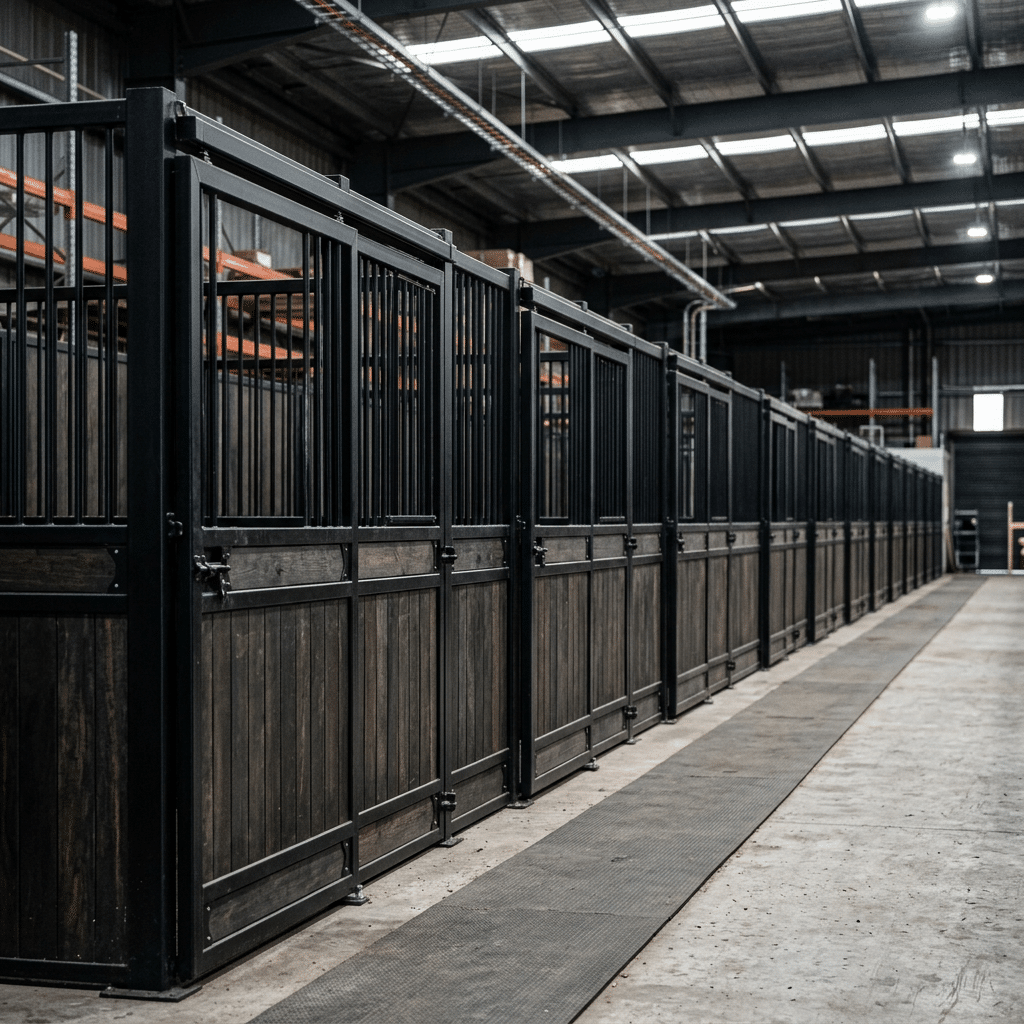
Rapid Assembly (Pin-System) technology directly addresses the primary driver of event setup cost: labor hours. Bolted systems, with their reliance on tools and vulnerability to lost or corroded hardware, can turn a one-day job into a three-day project, inflating payroll and jeopardizing event timelines.
This analysis compares the on-site performance of tool-free pin connectors against traditional bolted joints. We evaluate systems based on their use of fully welded, hot-dip galvanized pin guides versus the common failure points of standard bolts, such as thread stripping and hardware loss.
The Rot Cycle in High-Humidity Environments
High humidity starts a rot cycle where moisture rusts steel and degrades organic materials. Proper engineering, like hot-dip galvanization and rot-resistant infills, is the only way to stop it.
How Moisture Accelerates Material Failure
In environments with persistent humidity, unprotected steel begins to oxidize almost immediately. This rusting process isn’t
just cosmetic; it attacks the integridad estructural of the material, especially at critical points like welds and inside hollow tubing where moisture gets trapped.
The problem extends to infill materials. Untreated wood or basic plastics act like sponges, absorbing airborne moisture. This leads directly to rot, mold growth, and a complete loss of strength, making the component unsafe and requiring replacement.
Breaking the Cycle with Galvanization and Quality Materials
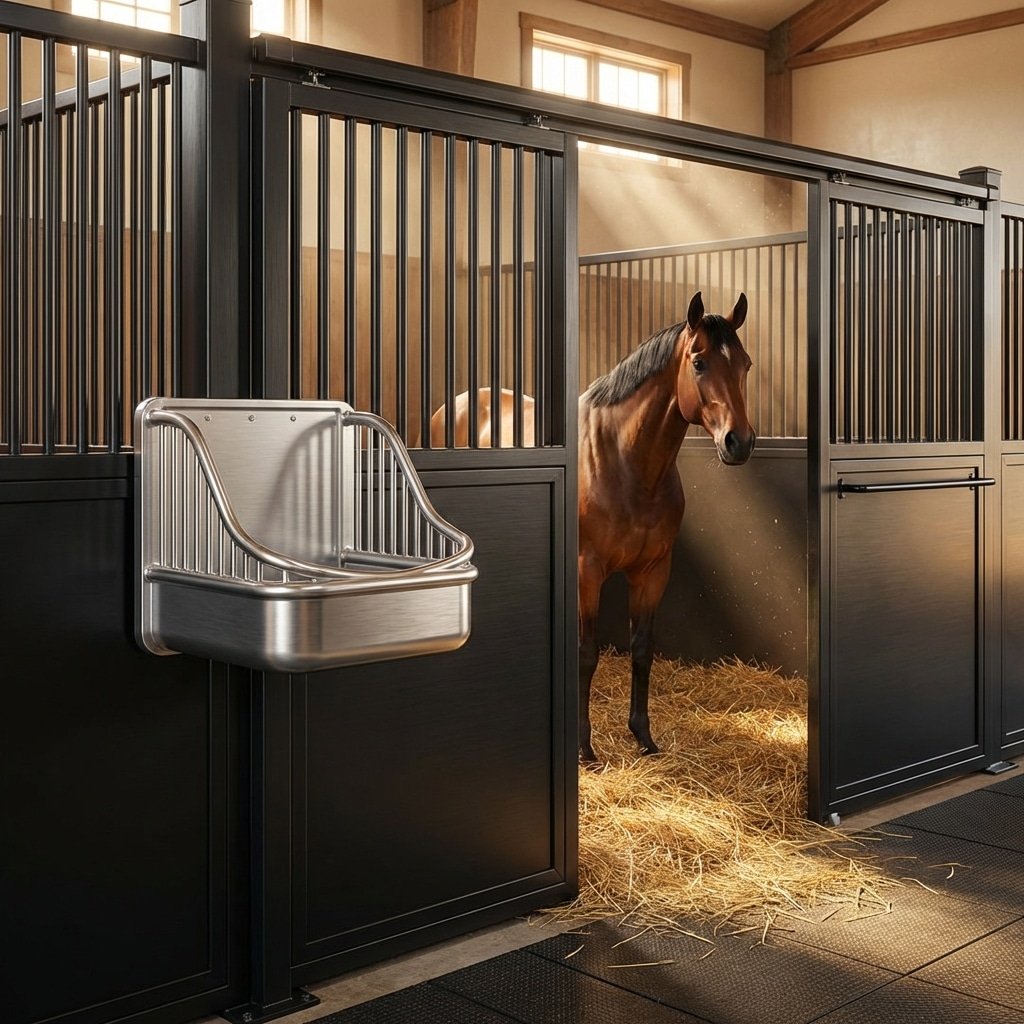
To prevent this degradation, material specification is everything. You can’t fight a humid climate, so the equipment must be built to withstand it from the start. This involves a system of engineered protections, not just a single feature.
- Total Frame Protection: The entire steel frame undergoes Galvanización en caliente *after* all welding and fabrication is complete. This process conforms to ISO 1461 and creates a zinc coating over 70 microns thick, sealing the steel from moisture.
- Secure Connections: Every bolt, nut, and connector used for assembly is made from 304 Stainless Steel. This prevents rust from forming at the joints, which are common failure points in lesser systems.
- Impervious Infills: Infill choices directly counter rot. High-density strand-woven Bamboo is naturally resistant to mold and decay. Relleno de HDPE is completely impervious to moisture, offering a true zero-maintenance solution that will never rot, warp, or swell.
Material Comparison for Tropical Climates
Tropical climates demand materials that resist moisture, corrosion, and insects. Hot-dip galvanized steel, UV-stabilized HDPE, and high-density bamboo offer durable, low-maintenance solutions that outperform untreated timber.
Choosing the right materials for horse stables in tropical regions isn’t about aesthetics; it’s about structural longevity and animal health. Constant high humidity, intense UV radiation, and a high prevalence of insects and mold can destroy standard building materials in a few years. The wrong choice leads to endless maintenance costs and potential health risks for the horses.
Below is a direct comparison of common materials. The data shows a clear divide between materials that simply exist in the tropics and those engineered to perform there.
| Material | Moisture & Rot Resistance | UV & Heat Resistance | Nivel de mantenimiento |
|---|---|---|---|
| Hot-Dip Galvanized Steel | Excellent. Immersion after fabrication (ISO 1461) provides a zinc coat over 70 microns thick, preventing rust even in salt-spray zones. | High. Withstands high temperatures without structural loss. The zinc coating offers UV protection. | Bajo |
| UV-Stabilized HDPE | Complete. 100% waterproof and non-absorbent. It will not swell, rot, or support mold growth. | Excellent. Integrated UV stabilizers prevent the material from becoming brittle or fading under intense sun. | Cero |
| Bambú de alta densidad | High. Strand-woven bamboo is thermally treated to remove sugars, making it resistant to rot and insects. Water absorption is minimal. | Good. The high density provides excellent stability, but prolonged, direct sun may cause surface color changes over time. | Bajo |
| Treated Pine (Timber) | Poor. It readily absorbs moisture, creating ideal conditions for mold. It requires constant ventilation and sealing to mitigate rot. | Poor. Prone to warping, splitting, and cracking under intense heat and UV cycles. | Alta |
For project developers and stable equipment distributors, the material choice directly impacts brand reputation. While treated pine may offer a lower initial cost, the high maintenance and short lifespan make it a liability. Specifying a combination of hot-dip galvanized steel frames with either UV-stabilized HDPE or high-density bamboo infills provides a reliable, long-term solution that protects both the client’s investment and your professional standing.
Get 20-Year, All-Weather Horse Stables
Airflow Design to Prevent Tropical Fungal Infections
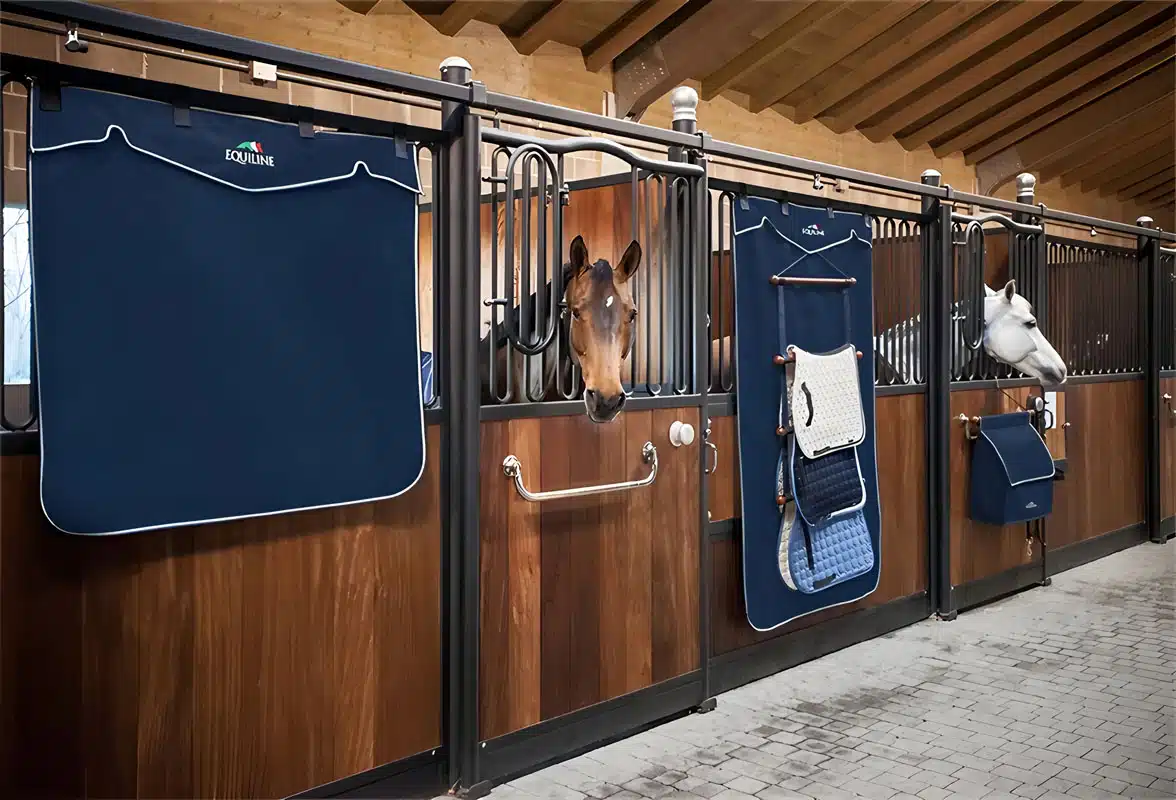
Open-grill stable fronts create a ‘stack effect’ in tropical climates. This allows warm, moist air to rise and escape, drawing in cooler air and keeping bedding dry.
Why Stagnant Air is a Health Risk in Humid Climates
In tropical regions, high humidity and heat create the perfect breeding ground for fungus and mold. Spores thrive on damp surfaces, especially bedding and feed remnants. A horse’s own respiration and manure add a significant amount of moisture to the stall’s micro-environment.
Without proper ventilation, this humid, ammonia-laden air gets trapped. This stagnant environment directly contributes to respiratory issues and chronic skin infections like rain rot. The air itself becomes a health hazard.
Using Open-Grill Fronts to Create =”Optimize stable airflow design”>Stack Effect Ventilation
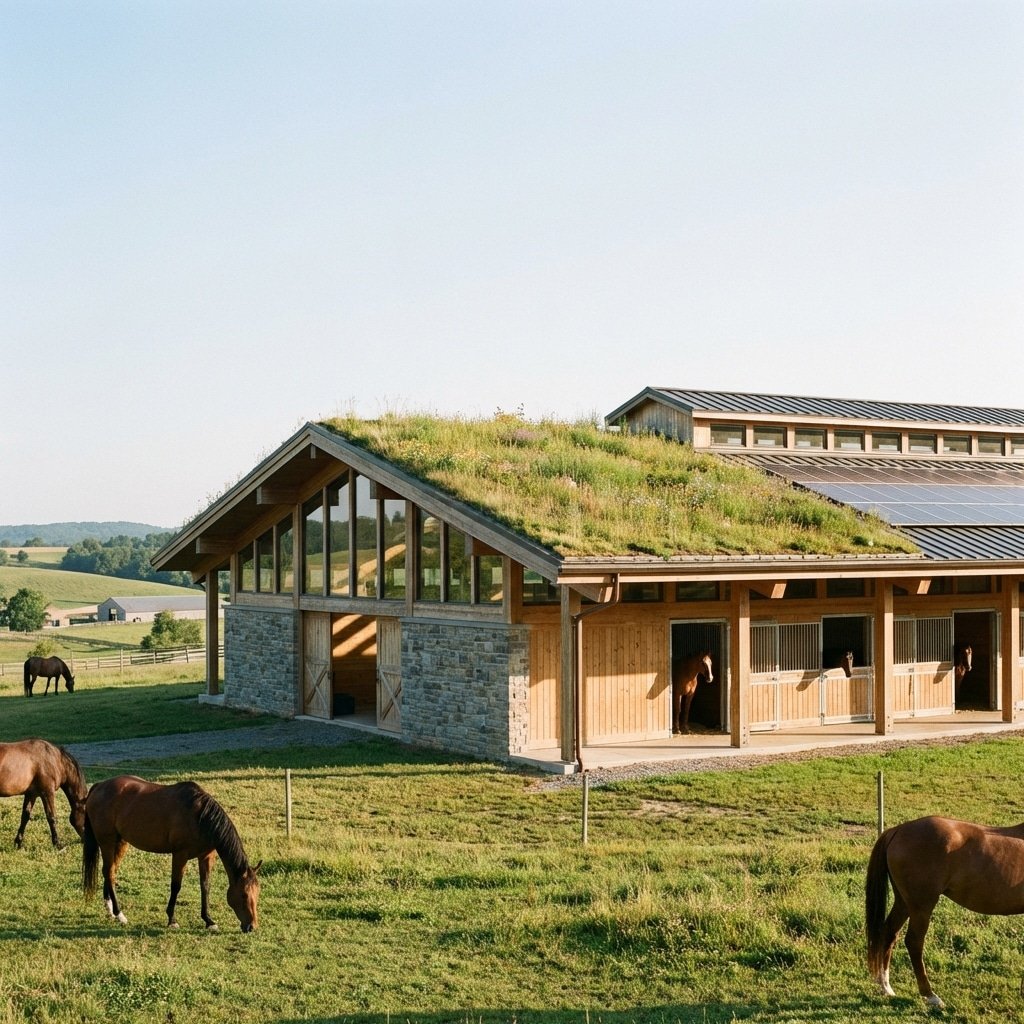
Our stable fronts are engineered with an open top grill for this exact reason. This design facilitates a natural air-cooling cycle known as ‘Stack Effect Ventilation’. The physics are simple: warmer, moisture-heavy air from the horse’s body heat and breathing naturally rises.
The open grill gives that warm air an escape route. As it leaves, it creates a pressure difference that pulls cooler, drier air in from the bottom of the stall. This constant, passive air exchange is one of the most effective ways to lower stall humidity and maintain a healthier environment for the horse.
Reflexiones finales
While bolted stalls offer a lower initial price, the drop-pin system with post-weld hot-dip galvanization is engineered to eliminate field failures. This approach prevents the labor overruns and rust claims that erode profit margins and damage a contractor’s reputation.
The next step is to validate the assembly speed yourself. A trial order provides the firsthand proof of quality and efficiency your business needs. Contact our team to spec out a system for your next project.

 Spanish
  English
  French
  Arabic
  German
0 comentarios