


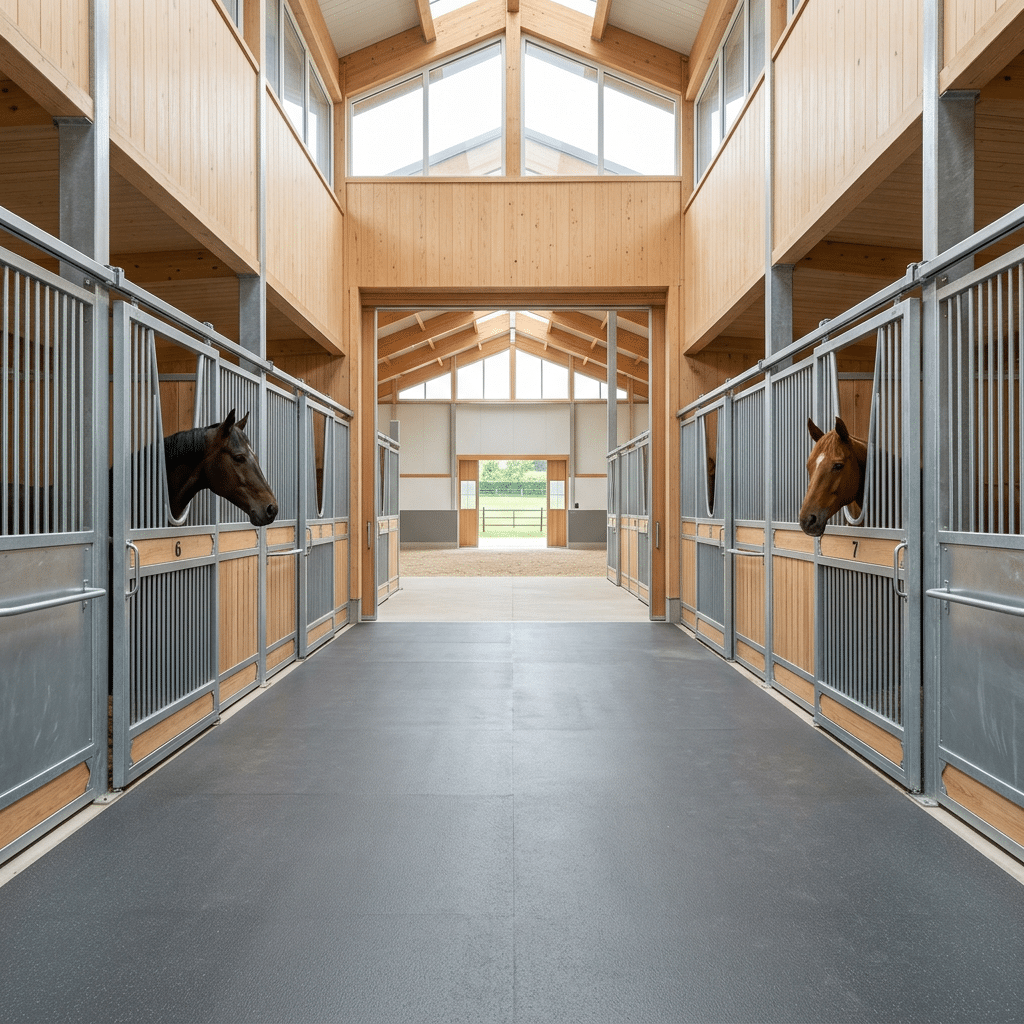
Private Labeling (OEM) for horse stables is dominated by suppliers using pre-galvanized steel. This shortcut leads directly to premature rust at the welds, triggering warranty claims that destroy the margins and reputation of a new equestrian brand.
This guide benchmarks factory partners against the BS EN ISO 1461 standard. We evaluate suppliers based on non-negotiable specs like Hot-Dip Galvanization After Fabrication and minimum 70-micron zinc coatings to help you secure a profitable, long-lasting product line.
El microclima de una zona de lavado: calor, agua y estiércol
A wash bay’s micro-climate is a corrosive mix of constant water, temperature swings, and manure. This environment demands robust materials like hot-dip galvanized steel to prevent structural failure.
The Corrosive Combination of Moisture and Ammonia
The environment inside a wash bay is uniquely destructive. Constant high humidity and direct water contact create the perfect conditions for rust on any unprotected steel. It’s a simple and unavoidable reality of the application.
The problem gets worse with manure. Ammonia from horse waste mixes with water, forming an aggressive chemical agent that attacks not just bare metal but also protective coatings and porous materials like wood. This means materials need to be more than just water-resistant; they must be chemically resilient to survive long-term.
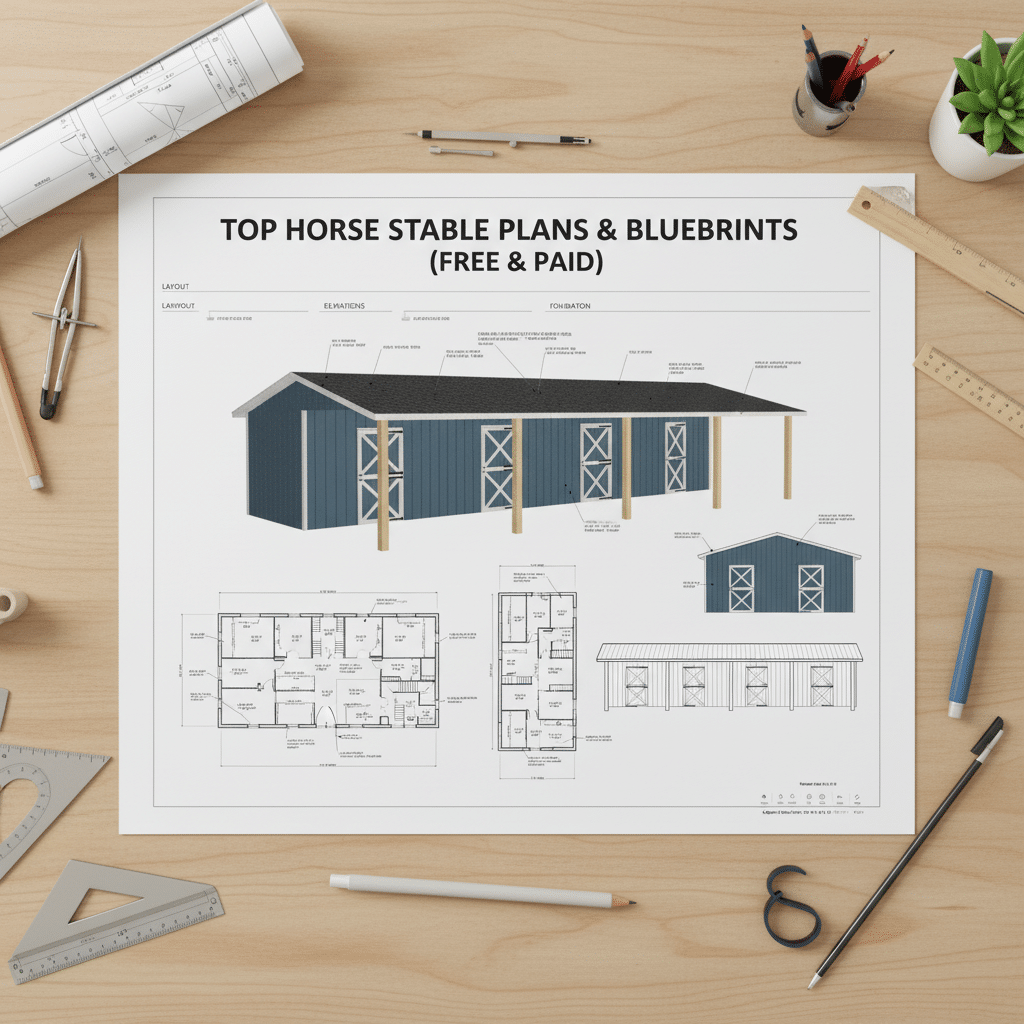
Material Specifications for a High-Performance Wash Bay
Engineering a wash bay that lasts requires specifying materials that directly counteract this harsh environment. There’s no room for shortcuts, as any weak point will fail quickly. The key is to build a sealed, non-porous system.
- Protección del acero: Frames must undergo Hot-Dip Galvanization After Fabrication. This process completely seals the entire structure, including all welds, under a zinc coating greater than 70 microns thick. It’s the only way to prevent rust from starting in vulnerable spots.
- Waterproof Infill: The choice of infill is critical. Zero-maintenance HDPE or high-density Bamboo boards are non-porous. They don’t absorb water, so they can’t rot, swell, or grow mold.
- Corrosion-Free Hardware: All connecting bolts, fasteners, and connectors must be 304 Stainless Steel. Using standard steel hardware creates immediate weak points that will corrode and compromise the entire structure.
Paredes de hormigón: porosidad, agrietamiento y dificultad para limpiarlas
Concrete walls absorb moisture, leading to internal damage, cracking, and stubborn salt stains. Their porous surface makes them unhygienic and difficult to maintain over time.
How Porosity Leads to Moisture Damage and Cracking
Concrete’s fundamental weakness in an agricultural setting is its sponge-like porous surface. It actively draws in mo
isture, salts, and contaminants from manure or wash-down water. This absorption doesn’t just stain the surface; it causes deterioration from deep within the wall itself.
When that trapped moisture freezes and thaws, it expands, creating internal pressure that cracks the concrete. This process also forces dissolved salts to the surface, leaving behind white, powdery deposits known as efflorescence, which are notoriously difficult to clean. Even minor hairline cracks become channels for more water, accelerating the cycle of damage and weakening the wall’s structural integrity.
The Advantage of Non-Porous HDPE and Dense Bamboo Infill
Modern infill materials solve the concrete problem by eliminating porosity. UV-stabilized HDPE infill is completely non-porous and impact-absorbing, which prevents any moisture damage and creates a ‘Zero Maintenance’ surface. Water and waste simply cannot penetrate it.
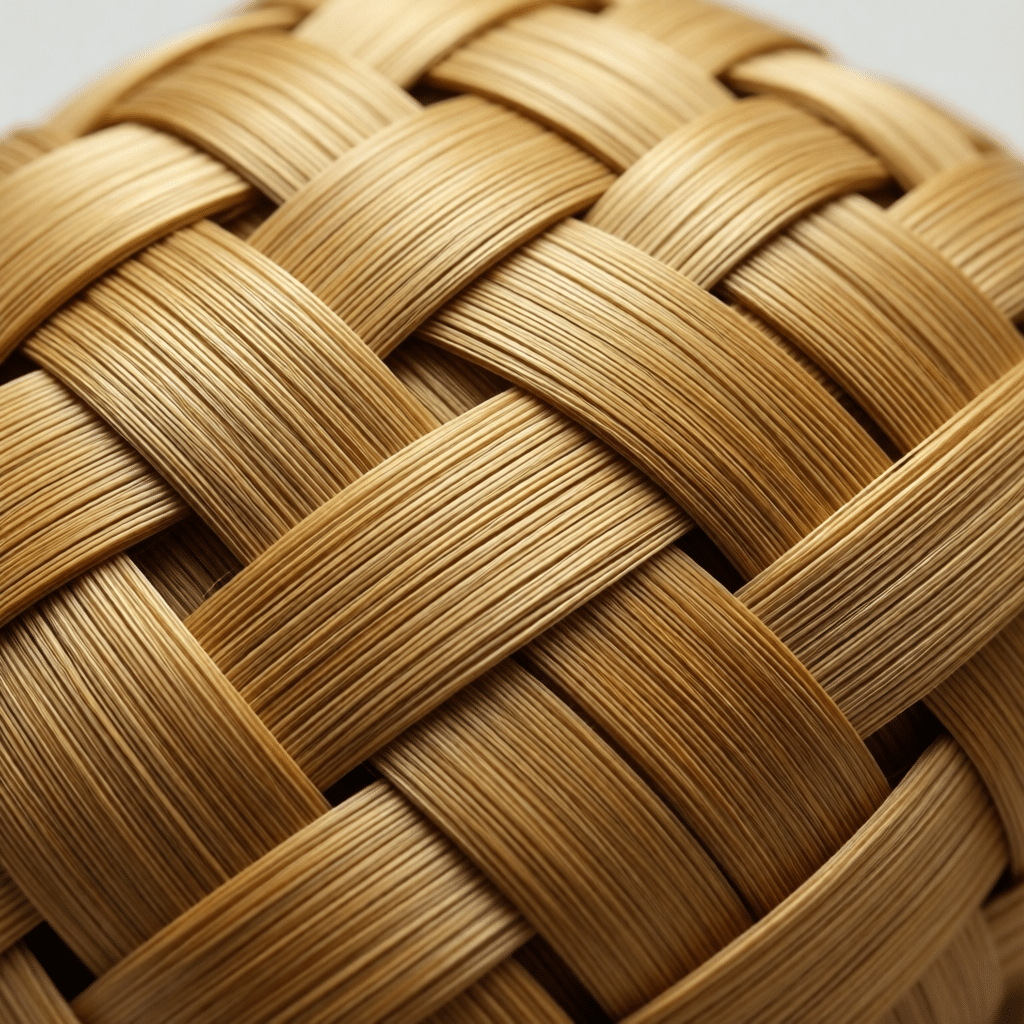
High-density strand-woven bamboo offers a different kind of durability with a ‘Kick-Proof Guarantee.’ It’s three times harder than oak and is naturally resistant to the rot and mold that thrive in damp concrete. Unlike the rough texture of concrete, both HDPE and bamboo provide a smooth, easy-to-clean surface that supports a far more hygienic stable environment.
Custom Horse Stables Engineered to Last
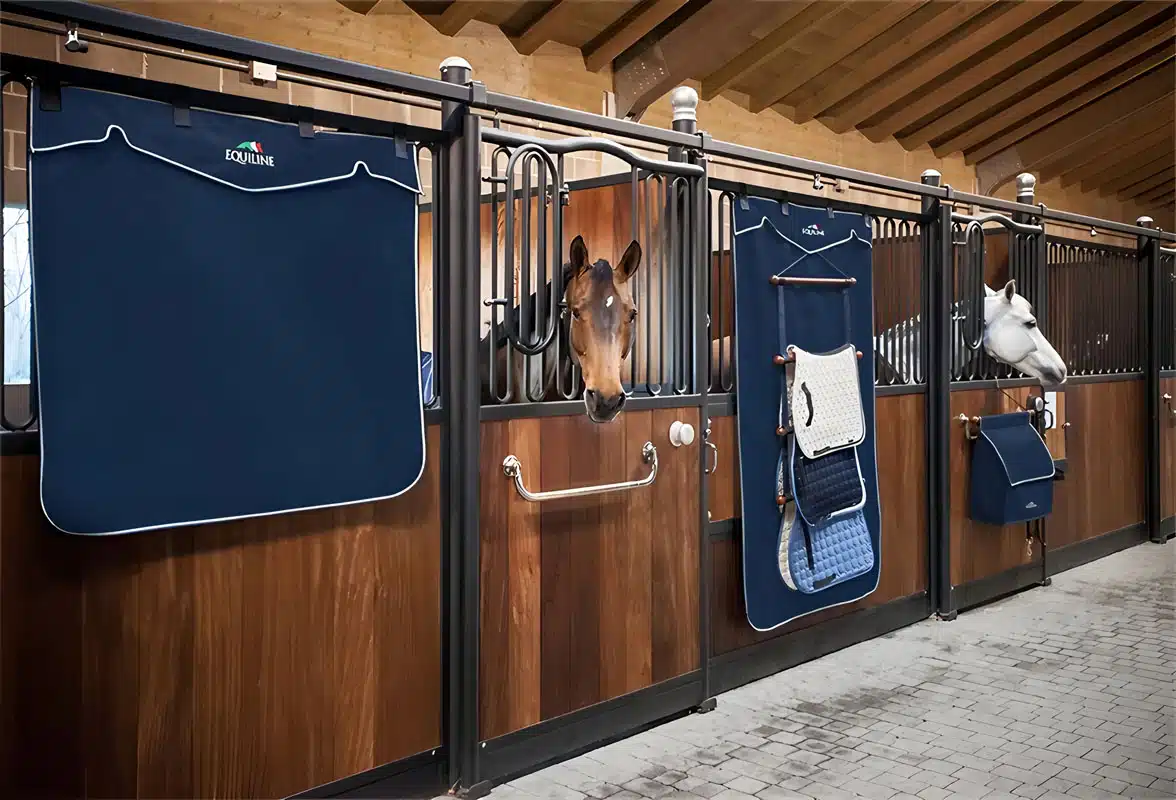
Alfombrillas de goma en las paredes: un foco de moho y hongos
Rubber mats trap moisture against stall walls, creating a breeding ground for mold that damages structures and equine health. Purpose-built materials like high-density bamboo are the superior, rot-resistant alternative.
Why Trapped Moisture Creates a Health Hazard
People assume rubber is a good choice for wet areas, but fixing it to a wall creates a serious problem. Rubber is non-porous, so any moisture from humidity, urine, or washing has nowhere to go. It gets trapped between the mat and the stall wall, creating a permanent pocket of dampness.
This lack of air circulation creates a dark, stagnant environment. It’s the perfect breeding ground for mold, mildew, and bacteria. Over time, this constant moisture rots the underlying wall, compromising the structural integrity of your stable. The mold also releases spores directly into the air your horses breathe, leading to significant respiratory health risks.
High-Density Bamboo: A Mold-Resistant Alternative
A properly engineered system uses materials designed for the job. Our DB Stable systems utilize high-density, strand-woven bamboo infill, a material naturally resistant to both mold and rot. Unlike a solid mat, individual planks do not create a sealed surface against the wall, which is critical for preventing moisture buildup.
This material is also incredibly durable. With a Janka Hardness rating over 3000 lbf, our bamboo is three times harder than oak. You get extreme resilience to kicks and abuse without introducing the health hazards of a poorly ventilated, mold-producing wall covering.
Plástico HDPE: 100%, hidrofóbico y apto para lavado a presión
HDPE is a non-porous plastic that repels water and resists chemicals, making it immune to rot and mold. This allows it to be power-washed without degrading.
High-Density Polyethylene (HDPE) is not just water-resistant; it’s completely waterproof. Its molecular structure makes it an ideal material for environments like horse stables, where moisture, waste, and frequent cleaning are daily realities. Unlike wood or composite materials that eventually absorb moisture and fail, HDPE provides a permanent barrier against rot and decay. This is why we use it for our zero-maintenance stable infill boards.
| Característica | HDPE Infill Board Performance | Traditional Wood Infill |
|---|---|---|
| 100% Hydrophobic (repels water) | Porous (absorbs water, swells) | |
| Mantenimiento | Zero; never needs painting or sealing | Requires frequent sealing and painting |
| Cleaning Method | Power-washable with detergents | Prone to damage from high pressure |
| Durabilidad | Immune to rot, mold, and insects | Susceptible to rot, mold, and termites |
The Science Behind HDPE’s Water and Chemical Resistance
HDPE’s performance comes down to its non-porous nature. The material has extremely low moisture absorption, which means water and liquids simply cannot penetrate its surface. This makes it hydrophobic by design, preventing the waterlogging that leads to swelling, rot, and structural failure in timber boards.
This inert quality also applies to chemicals. HDPE stands up to acids, bases, and common industrial detergents without degrading or becoming brittle. Its high impact strength ensures that the physical force of a power-washer won’t cause chipping or cracking, maintaining a smooth, hygienic surface for the life of the stable.
Our ‘Zero Maintenance’ UV-Stabilized Infill Boards
We engineer our stable systems to eliminate common failure points. Our infill boards use 28mm-32mm thick, impact-absorbing HDPE planks that provide a genuine ‘kick-proof’ and rot-proof solution. This thickness offers excellent durability against strikes from shod hooves while helping to dampen impact.
All our HDPE is UV-stabilized to prevent degradation from sun exposure, a critical feature for our clients in markets like Australia. The material’s color is consistent throughout its core, so scratches don’t show. This completely removes the need for future painting or sealing, delivering a true zero-maintenance infill that saves stable owners significant time and cost over the long term.
Estructuras de acero HDG: Resistiendo en la zona de salpicaduras
Coastal splash zones destroy steel with constant saltwater wet-dry cycles. Galvanization alone isn’t enough. The only reliable fix is a duplex system: powder coating over hot-dip galvanized steel.
Why Wet-Dry Cycles Accelerate Corrosion
Steel in a coastal ‘splash zone’ faces a brutal cycle of being soaked with salt water and then drying out. Every time it gets wet, chloride ions attack the zinc galvanizing, creating a thin protective layer. But when the steel dries or gets hit by another wave, that temporary layer gets washed away. This process exposes a fresh surface of zinc for the salt to attack again, eating through the protective coating far faster than constant submersion ever would.
Dual Protection: Powder Coating Over Galvanized Steel
To handle these harsh conditions, a single layer of protection is not enough. The solution is a duplex system, which combines a tough powder coat finish on top of a hot-dip galvanized steel base. The powder coating acts as the primary shield against salt and moisture, preserving the zinc layer underneath. This is the exact specification we use for our Royal Series, ensuring the framework is first galvanized to the BS EN ISO 1461 standard before the final powder coat is applied for maximum service life.
Preguntas frecuentes
What materials are best for horse wash stall walls?
The best materials are waterproof, mold-resistant, and easy to clean. Common choices include concrete blocks with a waterproof sealant, fiberglass-reinforced panels (FRP), or modern PVC panels. Avoid using standard metal panels. They can rust in humid environments and create loud noises that might startle horses.
Can rubber mats be installed on barn walls?
Yes, specially designed stall wall mats can be mounted on barn walls. They serve a dual purpose: protecting the horse from injury by cushioning impacts and preserving the underlying wall structure from kicks and wear.
How do you properly waterproof a horse wash bay?
A fully waterproof wash bay requires addressing the floor, walls, and drainage. Use non-slip flooring like scored concrete or rubber mats, protect walls with moisture-proof panels like FRP, and install a reliable drainage system, such as a floor drain or a subsurface trench, to manage water effectively.
Is the HDPE used in your stables a molded plastic?
Yes, the HDPE infill we use is processed through injection molding. This technique produces the strong, rigid, and impact-absorbing planks ideal for horse stables, offering excellent stiffness and resistance to warping.
Reflexiones finales
While generic stables offer a lower upfront cost, specifying Hot-Dip Galvanization After Fabrication is the only way to protect your brand from rust claims and structural failures. Quality inventory builds the long-term trust that defines a market-leading equestrian brand.
Don’t guess on engineering quality—verify it. We recommend starting with a trial order to test our flat-pack system and material finish firsthand. Contact our team to discuss your private label specifications and get a container freight quote.

 Spanish
  English
  French
  Arabic
  German
0 comentarios