


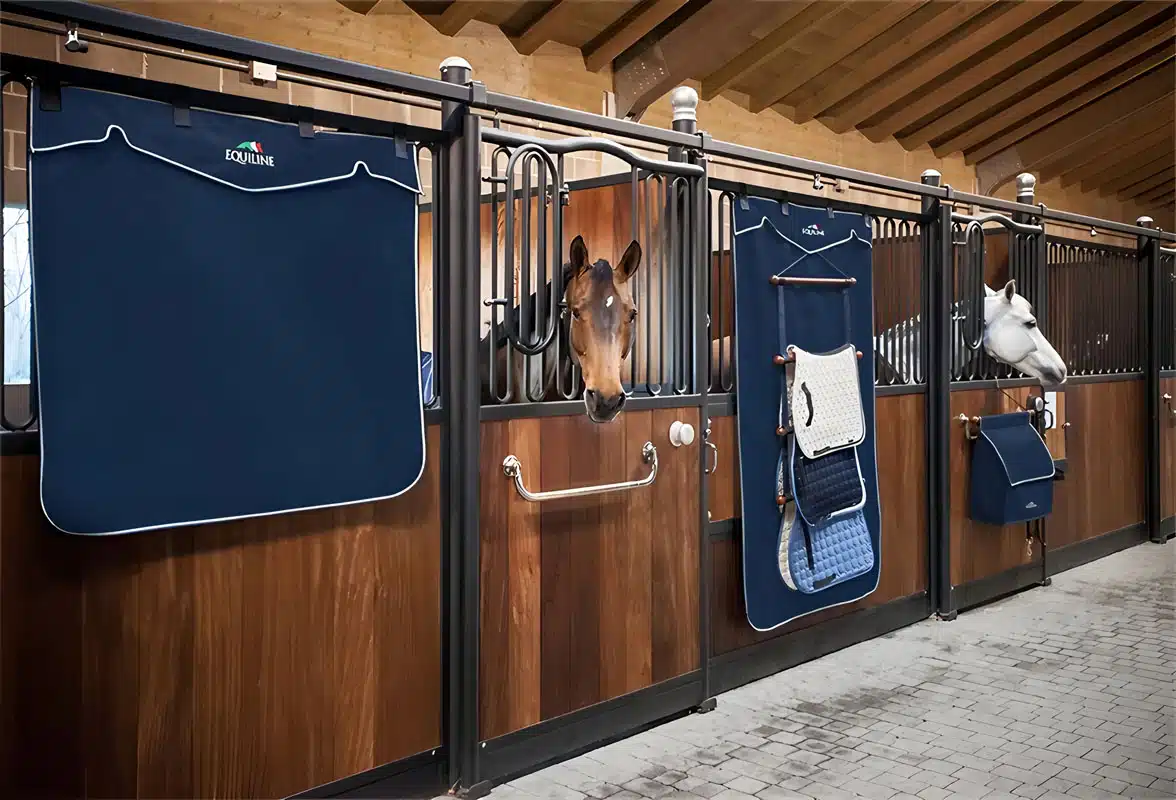
Sourcing the correct Racehorse Stables is a primary defense against asset devaluation and biosecurity failure. Common designs that utilize porous concrete or pre-galvanized steel often create sanitation hazards, leading to bacterial growth and rust contamination that directly threaten the health of high-value athletes.
This analysis benchmarks modern stable engineering against the BS EN ISO 1461 galvanizing standard. We evaluate material performance, focusing on non-porous infills like UV-stabilized HDPE, to define the specifications required for a truly safe, zero-maintenance equestrian facility.
El microclima de una zona de lavado: calor, agua y estiércol
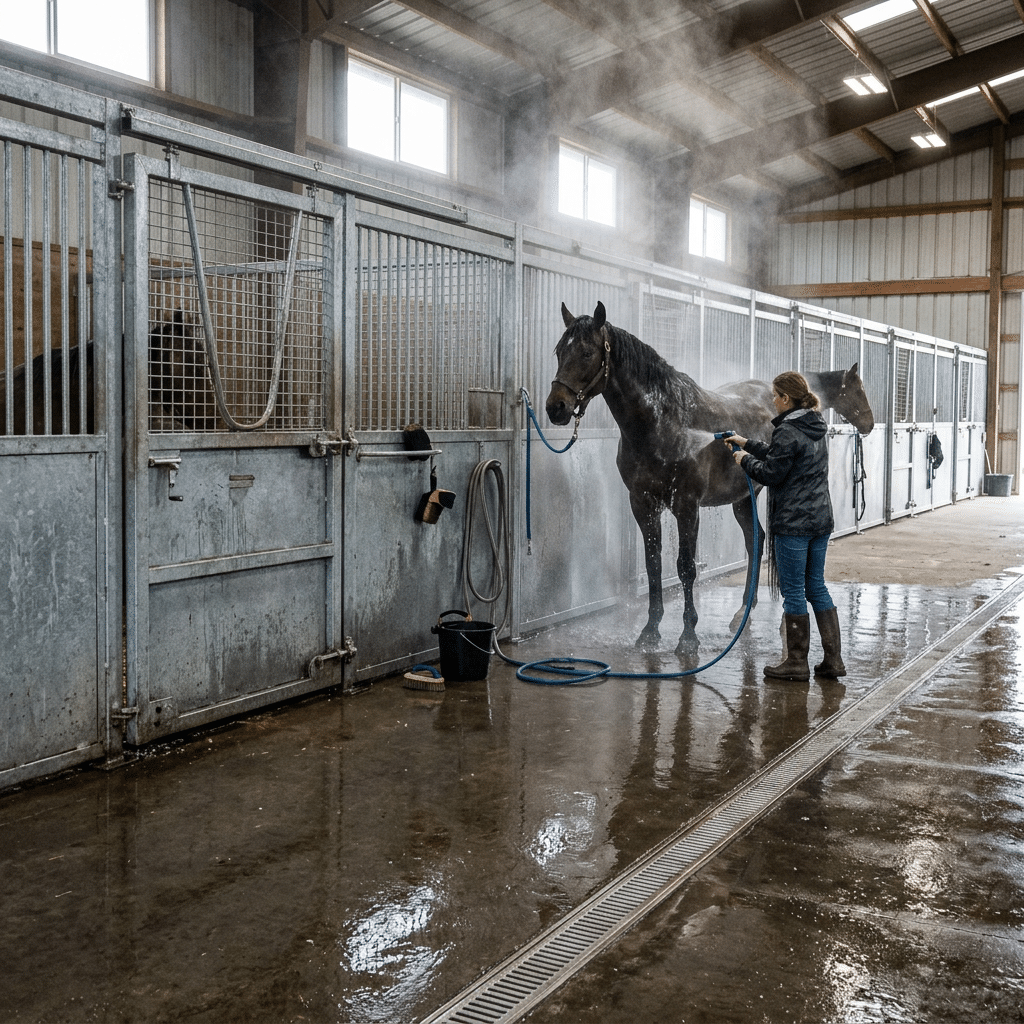
A wash bay is a tough zone of high humidity, constant water, and corrosive manure. Proper design manages temperature and drainage with materials like galvanized steel and non-porous infills.
Managing Temperature, Humidity, and Drainage
The air inside a wash bay is almost always thick with moisture. Constant water spray creates high humidity that saturates every surface, so robust ventilation is non-negotiable to prevent moisture buildup and the decay it causes.
Effective drainage is just as critical. Standing water doesn’t just damage structures; it becomes a breeding ground for bacteria and disease vectors. Proper slopes and drains manage this runoff safely.
Temperature control is also a factor, especially in colder climates. Radiant heaters are often used to maintain a safe temperature for the horse, preventing shock from cold water and ensuring their comfort during the wash-down.
Material Defense Against Corrosion and Decay
Engineering choices directly fight the harsh wash bay environment. There’s no room for corner-cutting, as the combination of water and manure is highly corrosive. The entire structure is designed to resist decay from the ground up.
- Protección del acero: All steel frameworks undergo Hot-Dip Galvanization After Fabrication. This process creates a thick zinc coating, averaging over 70 microns, that conforms to the BS EN ISO 1461 standard for rust prevention.
- Material de relleno: Infill planks must be materials that don’t absorb water. We use options like Zero-Maintenance HDPE or high-density Bamboo because they are completely rot-resistant and won’t degrade from constant moisture exposure.
- Connection Hardware: Every bolt, nut, and screw is 304 Stainless Steel. Using anything less creates weak points where rust inevitably begins, compromising the entire structure over time.
Paredes de hormigón: porosidad, agrietamiento y dificultad para limpiarlas
Concrete stable walls are a liability. Their porous surface traps bacteria and moisture, while cracking creates unsanitary crevices that are nearly impossible to properly clean.
The Inherent Hygiene Risk of Porous Surfaces
Concrete’s biggest failure in a stable is its porosity. The material acts like a spo
nge, absorbing moisture and urine deep into its structure. This creates a persistent source of ammonia and a breeding ground for harmful bacteria that you can never fully wash away.
Even a seemingly clean concrete wall harbors pathogens. The rough, abrasive finish contains microscopic crevices that trap organic matter. Standard cleaning methods can’t reach these areas, making complete sanitation almost impossible. Over time, as the structure settles, cracks inevitably form, providing ideal hiding spots for germs and compromising the stable’s biosecurity.
Modern Alternatives: Zero-Maintenance HDPE Infill
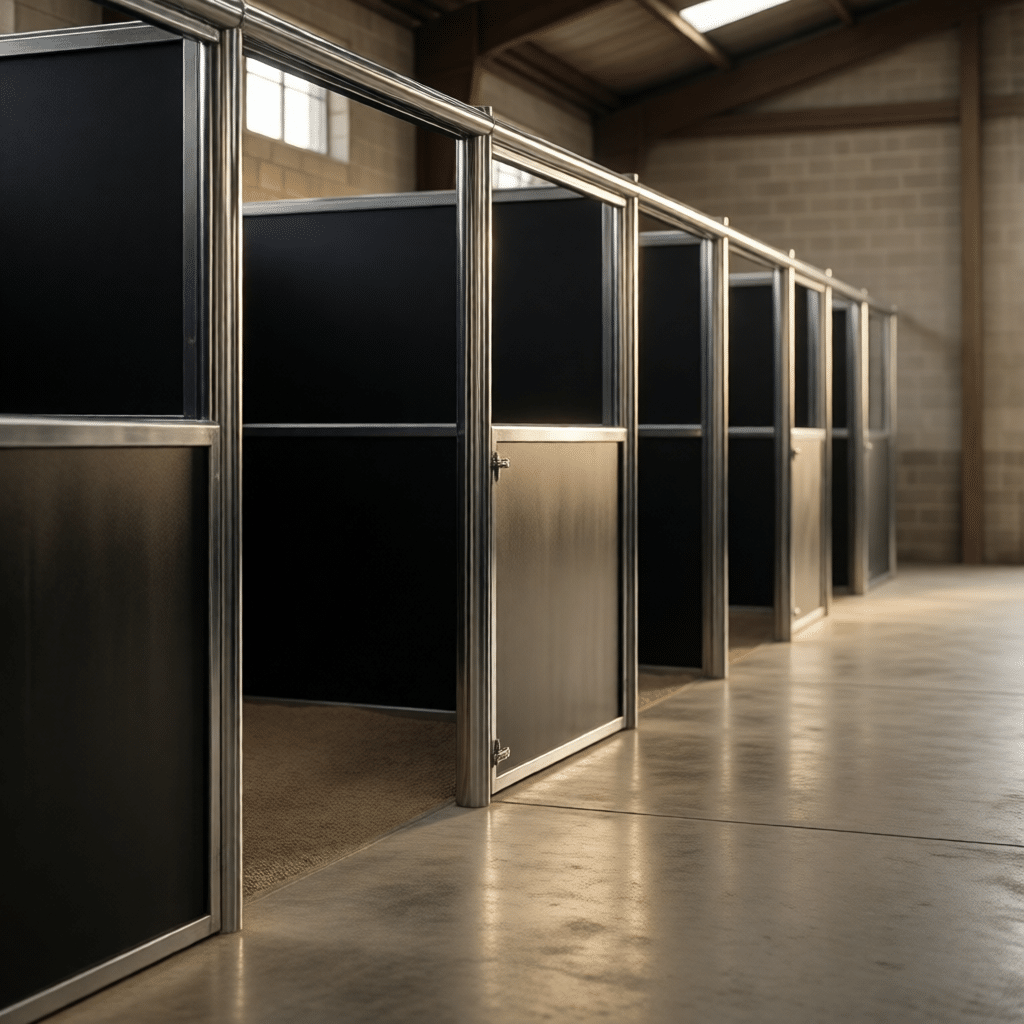
The modern solution bypasses these problems entirely. DB Stable utilizes 28mm-32mm UV-stabilized HDPE, a completely non-porous material. It doesn’t absorb moisture, urine, or cleaning agents, which eliminates the risk of embedded bacteria, mold, and persistent odors.
Cleaning becomes simple and effective. The smooth, impact-absorbing surface can be wiped down or pressure washed, achieving a higher level of sanitation with far less labor. Unlike concrete, HDPE is crack-proof and resilient enough to handle kicks from horses, ensuring a safe and consistently hygienic surface for the life of the stable.
Invest in Horse Stables that Last Decades.
Alfombrillas de goma en las paredes: un foco de moho y hongos
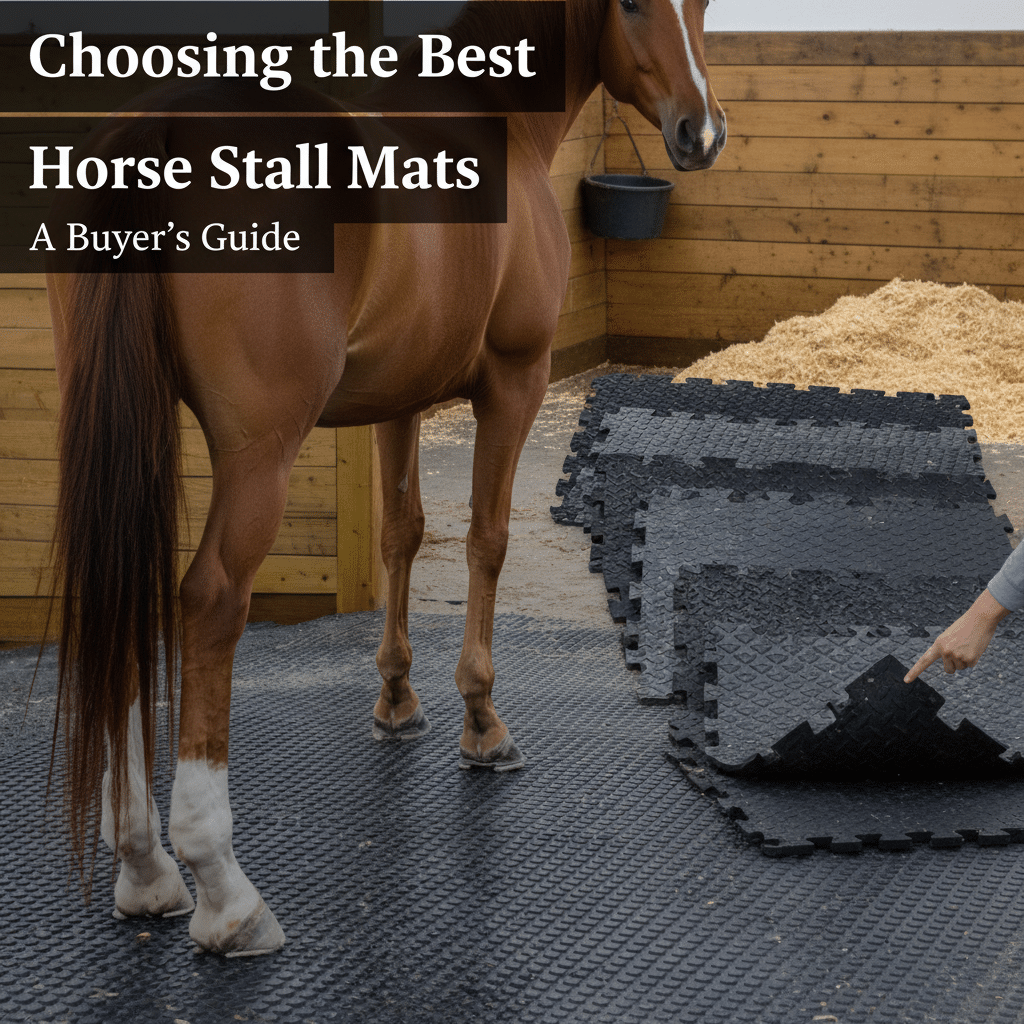
Rubber mats aren’t the problem; the seams and gaps behind them are. Poor installation traps moisture and organic material, creating a perfect breeding ground for mold.
Why Trapped Moisture is the Real Culprit
It’s a common mistake to blame rubber for mold issues in a stable. The material itself is fine. The real problem is how it’s installed. Water from cleaning or wash-downs inevitably seeps into the seams between mats, creating hidden damp pockets right against the wall.
If mats are not laid perfectly flush, small gaps become traps for bedding, manure, and moisture. This creates a dark, damp, and undisturbed environment that is ideal for microbial growth. Mold and mildew can flourish for months before anyone notices a problem.
HDPE and Bamboo: A Seamless, Mold-Resistant Solution
A better approach is to eliminate the seams entirely. HDPE provides a completely non-porous, monolithic surface. With zero seams or gaps, there is nowhere for water to hide. It can’t get behind the wall, so mold can’t get a foothold.
Our high-density bamboo infill is also engineered to combat this problem. The material is naturally resistant to both mold and rot, making it perfectly suited for the demands of a stable environment. We consider both options ‘Zero Maintenance’ surfaces that improve hygiene and biosecurity by design.
Plástico HDPE: 100%, hidrofóbico y apto para lavado a presión
HDPE is a non-porous plastic that repels moisture and bacteria. Our 28-32mm UV-stabilized panels can be power-washed, offering a true zero-maintenance solution without rot or degradation.
| Característica | Relleno de HDPE | Traditional Wood Infill |
|---|---|---|
| Absorción de agua | Non-Porous (Hydrophobic) | Porous (Absorbs moisture, urine) |
| Mantenimiento | Power-washable; zero upkeep | Requires sealing, painting, even tual replacement |
| Durabilidad | Resists rot, mold, and warping | Prone to rot, mold, and warping |
| Higiene | Prevents bacterial penetration | Harbors bacteria and contaminants |
The Non-Porous Advantage of HDPE Surfaces
High-Density Polyethylene (HDPE) is naturally hydrophobic, which means its surface repels water instead of absorbing it. This property is critical in a stable environment. Contaminants like urine, manure, and bacteria cannot soak into the material, so they can be completely removed with a simple wash-down.
Unlike wood, which is a breeding ground for mold and bacteria, HDPE does not rot, warp, or degrade when exposed to constant moisture. Its chemical resistance and durability mean you can use high-pressure washers and sanitizing agents repeatedly without causing any damage. This creates a consistently hygienic space that wood simply cannot match over time.
Specification: 28-32mm UV-Stabilized, Zero-Maintenance Panels
We engineer our HDPE infill panels to meet specific durability standards for equestrian facilities. The material properties translate directly into a reliable, long-term solution.
- Thickness: Our standard infill planks are 28mm to 32mm thick. This provides significant impact absorption from kicks and general wear.
- Estabilización frente a los rayos UV: Each plank is infused with UV stabilizers during manufacturing. This prevents the material from becoming brittle or fading after years of sun exposure, a key requirement for markets like Australia.
- Sin mantenimiento: This combination of non-porous structure and stabilization creates a true ‘Zero Maintenance’ infill. The panels never need painting, sealing, or replacement due to environmental degradation.
Estructuras de acero HDG: Resistiendo en la zona de salpicaduras
Hot-dip galvanizing after fabrication is the only way to protect vulnerable welds and interior tubes from rust. This process meets ISO 1461 for a 20+ year lifespan.
Why Welds and Interior Tubes Are Rust’s First Target
Equestrian ‘splash zones’ aren’t just coastal regions. They include wash bays, areas with high humidity, and any environment that constantly exposes steel to corrosive elements. These are the places where cheap steel frames fail first.
The most common failure point comes from welding pre-galvanized tubes. The intense heat of welding simply burns off the protective zinc coating at the seam. This creates a raw, unprotected entry point for rust at the frame’s most critical structural joints.
Corrosion then starts where you can’t see it. Moisture creeps inside hollow tubes and along weld seams, compromising the frame’s integrity from the inside out. By the time the damage is visible, the structural integrity is already lost.
The ISO 1461 Standard: Galvanizing After Fabrication
We only use the ‘Hot-Dip After Fabrication’ method. First, we fully weld the entire panel from raw structural steel. Then, we submerge the completed structure in a bath of molten zinc. This ensures a complete, seamless protective coating over every single surface.
- Process Standard: Our galvanization conforms to BS EN ISO 1461, the official benchmark for coating quality and longevity.
- Espesor del revestimiento: We achieve an average zinc coating of over 70 microns on all tubing, guaranteeing protection inside and out.
- Verified Performance: Our frames pass the ASTM B117 salt spray test for over 96 hours with no red rust, validating their performance in harsh conditions.
This complete zinc coating acts as a sacrificial barrier, preventing rust from ever reaching the steel. It’s a one-time process that provides a maintenance-free service life exceeding 20 years.
Preguntas frecuentes
What are the best materials for horse wash bay walls?
The best materials are completely waterproof, durable, and easy to clean. While fiberglass-reinforced panels (FRP) or sealed concrete blocks are common, modern options like specialized puckboard or HDPE panels are far superior. HDPE is non-porous, which prevents mold and bacteria growth, and it’s incredibly easy to pressure wash. You should always avoid standard metal panels because they rust and the noise from the water spray can spook horses.
Can I install rubber mats on the walls of a horse stall?
Yes, and it’s a smart practice for safety. Heavy-duty rubber mats installed on the lower part of stall walls act as “kick mats.” They absorb impact from kicks, which protects the horse from injury and prevents damage to the stable wall itself. The mats also help reduce noise, contributing to a calmer environment in the barn.
How do I properly waterproof a horse wash bay?
Proper waterproofing depends on three key areas. First, the walls must be a 100% waterproof material like HDPE or PVC panels that won’t rot or grow mold. Second, the flooring needs to be safe and non-slip; the best combination is heavy-duty rubber mats over a sloped concrete base. Third, you need effective drainage, like a trench with a grate, to move water out quickly and prevent pooling.
Does the HDPE infill used in your stables grow mold?
No. HDPE is a non-porous plastic, which means water cannot penetrate its surface. Without absorbed moisture, mold, mildew, and bacteria have nowhere to grow. This makes it a highly hygienic and true ‘zero maintenance’ material for stable walls. It can be washed down repeatedly without any risk of rot or water damage.
For wash stall flooring, is concrete or rubber better?
Neither is ideal on its own, but they are the best solution when used together. Bare concrete, even when textured, becomes slippery and is hard on a horse’s joints. The professional standard is a properly sloped concrete base for durability and drainage, covered with heavy-duty, non-slip rubber mats. This setup gives you the solid foundation of concrete with the superior safety, traction, and shock absorption of rubber.
Reflexiones finales
The choice is between a low initial price and long-term asset protection. Stables built from pre-galvanized steel and wood inevitably fail from rust and rot, creating hygiene risks and replacement costs. Our standard—hot-dip galvanizing after fabrication and non-porous HDPE—is the baseline for protecting valuable animals and your facility’s reputation.
The specifications defend against failure, but the build quality defines your brand. Don’t leave your reputation to chance. Contact our engineering team to arrange a trial order or discuss your OEM requirements.

 Spanish
  English
  French
  Arabic
  German
0 comentarios