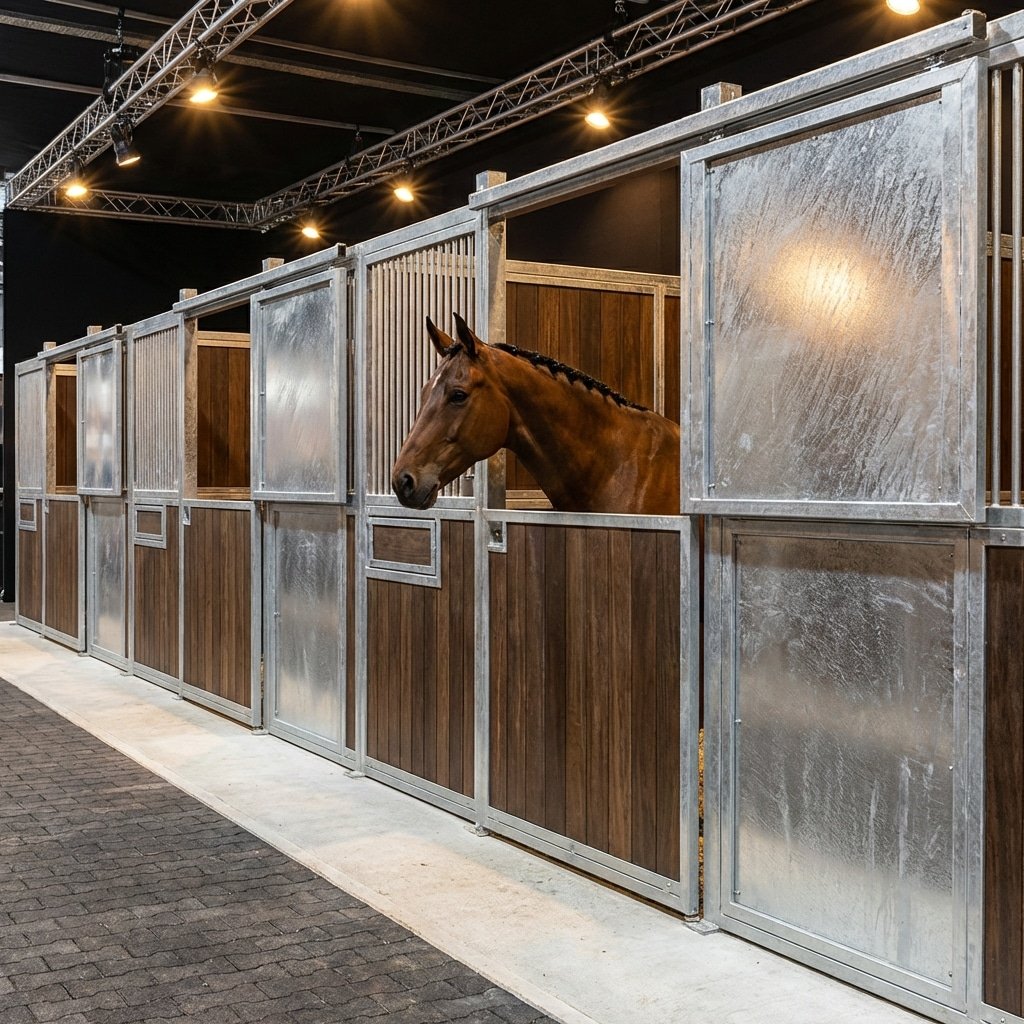
Hot-dip galvanized steel frame (20-year rust protection) validation defines Trade Show Sourcing strategies for Spoga Horse and the Canton Fair. Importing stables that fail ASTM B117 salt spray tests destroys distributor reputation faster than shipping delays. Locating...
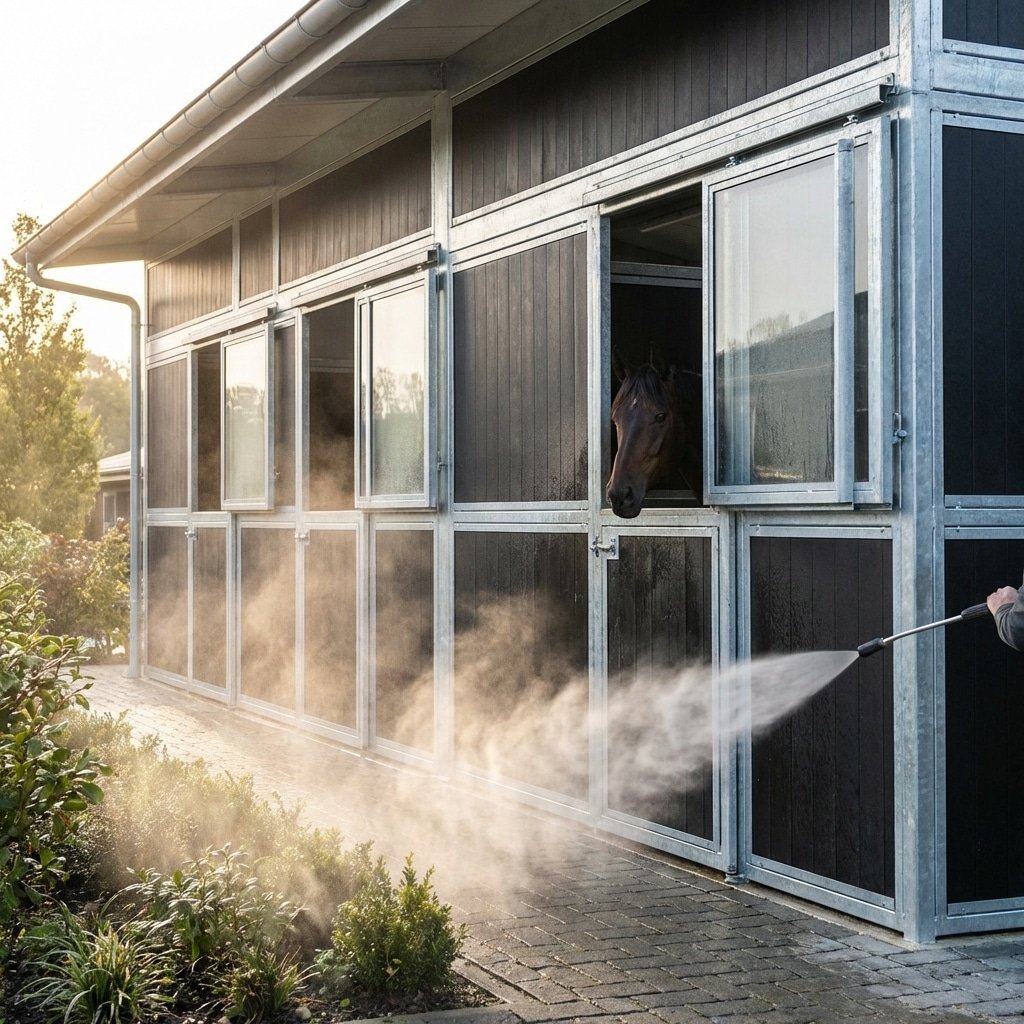
Pressure washing frequently creates a conflict between biosecurity standards and asset preservation in equine facilities. While high-pressure sodium hypochlorite solutions eliminate respiratory pathogens, they simultaneously saturate wood fibers and strip weak zinc...
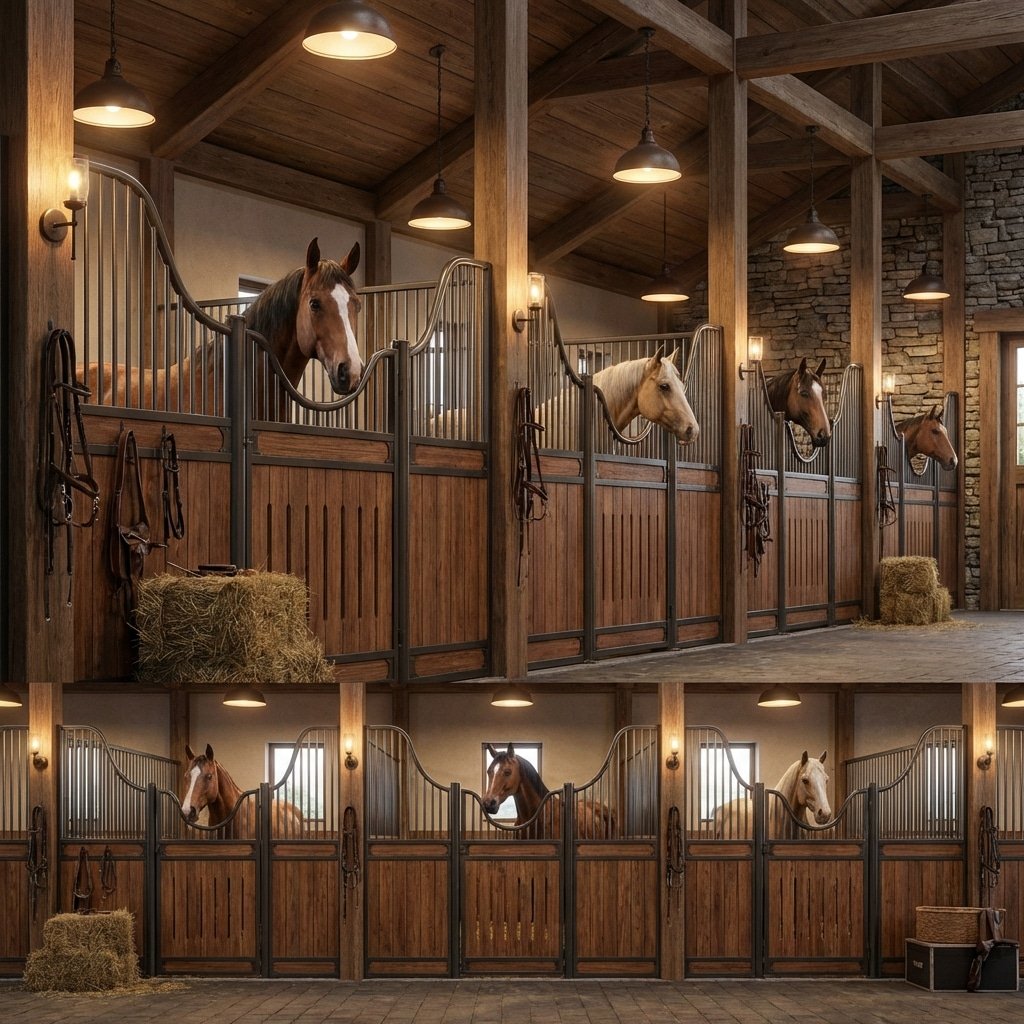
Wall height dictates pathogen control. Standard 4-foot dividers create nose-to-nose transmission vectors. This undermines biosecurity. Commercial barns require impermeable barriers. One sick horse becomes a facility-wide liability without them. A professional Horse...
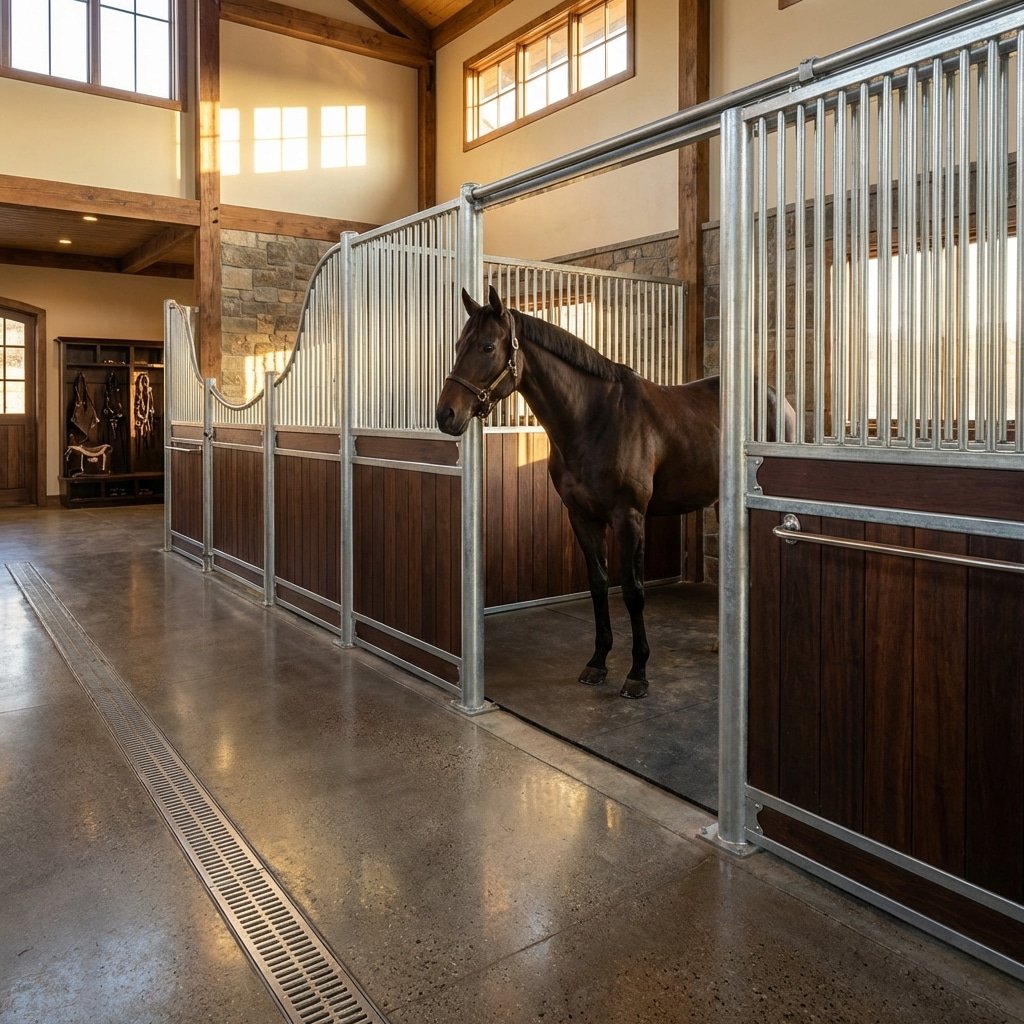
Base Plate Rust is the silent killer of stall structural integrity and the leading cause of premature replacement costs. While standard powder-coated steel looks pristine on installation day, the bottom six inches face a constant chemical attack from equine urine and...
Mismanaging sloped runoff during a concrete pour guarantees stagnant urine and accelerated ammonia corrosion. While flat floors are easier to finish, they trap moisture against the stall front, causing standard steel frames to rot at the anchor points within three...
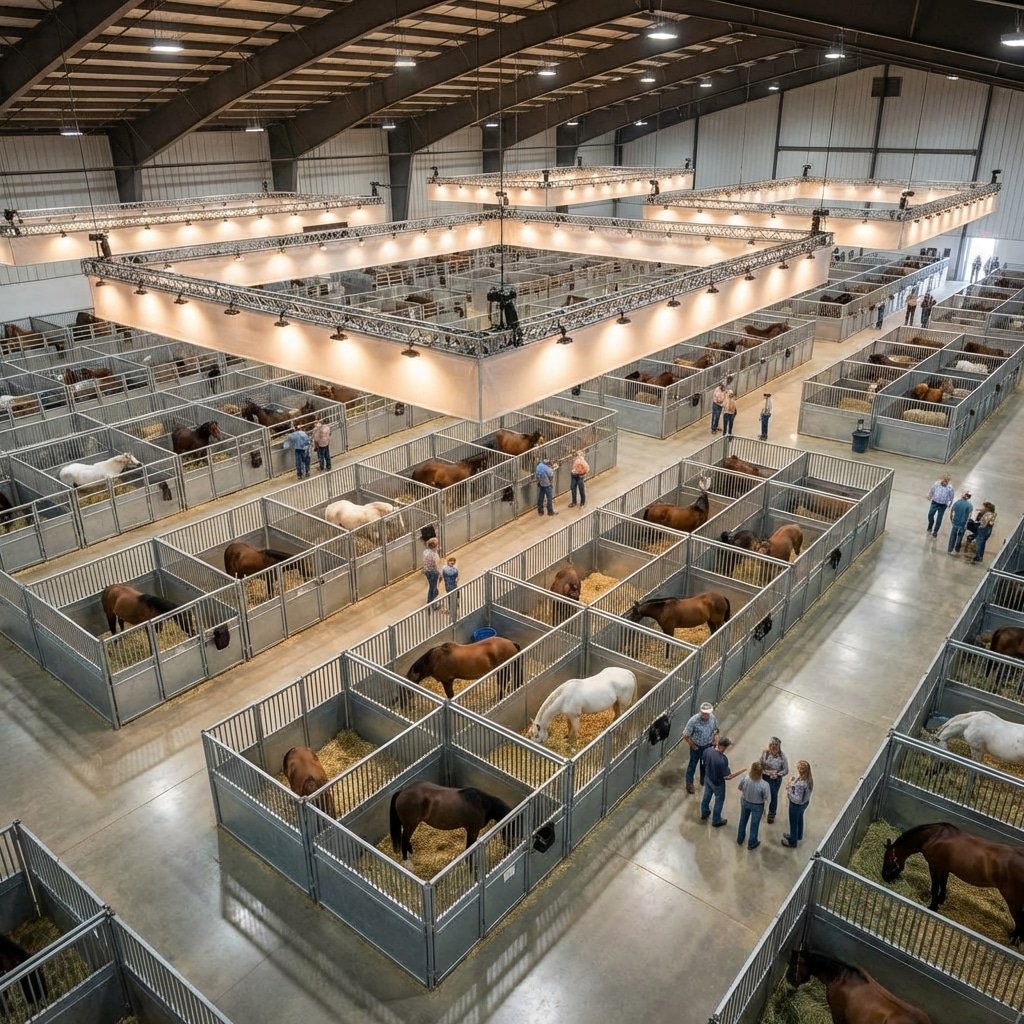
State Fairgrounds utilizing rental infrastructure bleed operational budgets through recurring third-party margins and volatile logistics fees. Relying on temporary agencies for bulk stabling exposes agricultural centers to supply chain bottlenecks that threaten event...




 German
  English
  Spanish
  French
  Arabic