



Ordering horse stalls from one supplier is straightforward, but adding fencing or flooring from another factory complicates the shipping process. You can end up managing multiple less-than-container loads (LCL), each with its own costs, paperwork, and timeline. This fragmented approach often erases the savings you worked hard to secure by sourcing directly.
Diese guide shows you how to use consolidated shipping to combine those separate orders into one full container load (FCL). By bundling items from different suppliers, you can cut freight costs by around 30% and simplify customs with a single bill of lading. We’ll explain how to coordinate with your suppliers to meet the crucial 2–5 day cut-off window before a vessel departs, ensuring all your products arrive together.
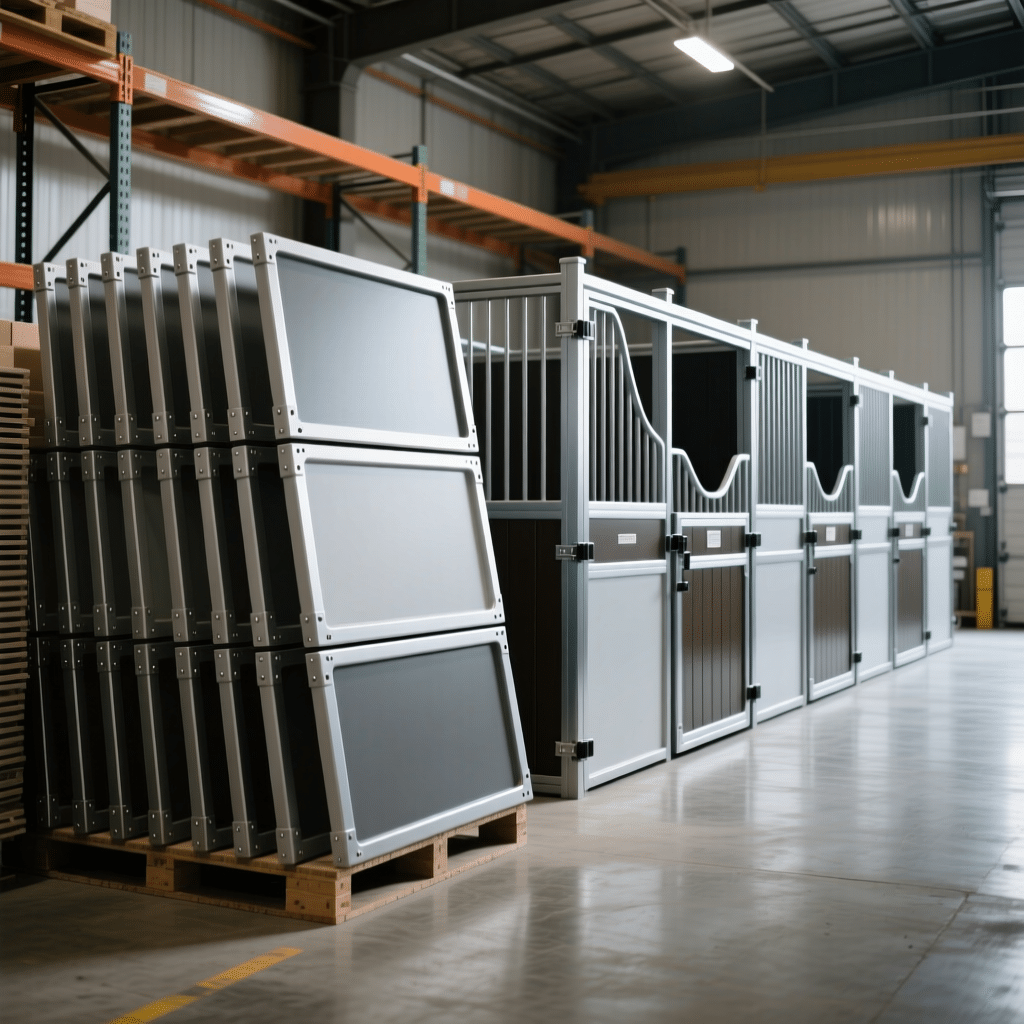
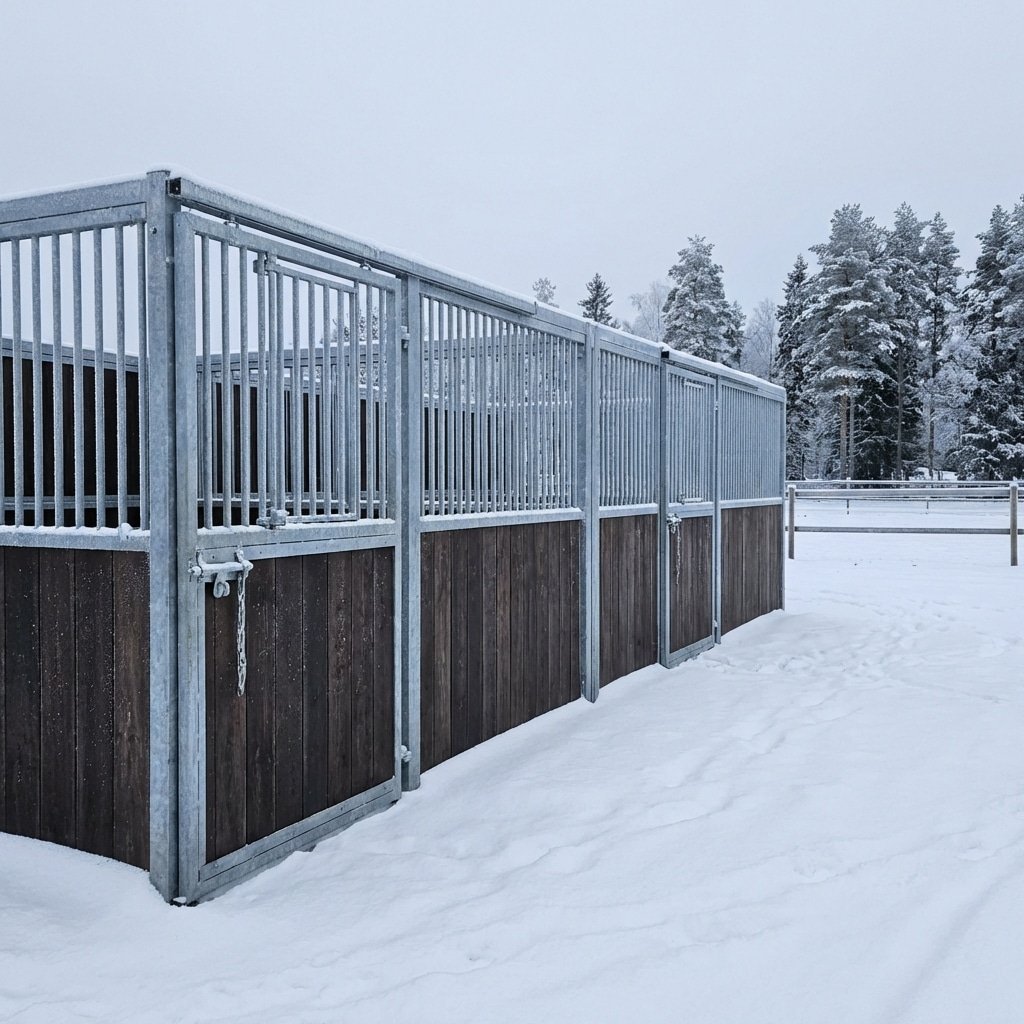
Robust horse fencing suitable for outdoor equestrian stalls.
The “Free Freight” Logic: Filling the Gaps
‘Free freight’ isn’t actually free; it’s a pricing strategy made possible by consolidating multiple smaller shipments into one full container. This process can reduce the per-unit shipping cost by 30%, allowing the seller to absorb the freight expense while maintaining profitability on volume orders.
From LCL to FCL for Cost Reduction
The core strategy for enabling “free freight” involves combining multiple small, less-than-container loads (LCL) into a single full-container-load (FCL). This consolidation simplifies customs and reduces port fees, which can cut freight costs by about 30%. The savings generated from creating one cost-effective FCL shipment make it financially possible for a seller to offer free shipping on qualifying orders.
Load Optimization and Data Management
Effective load optimization requires balancing factors like weight, dimensions, and delivery deadlines across all consolidated items. Shipments are tracked using standardized EDI 856 formats, which document carton quantities (e.g., 15 units) and precise dimensions (e.g., 1.0 x 2.0 x 3.0 IN). Unique container codes, such as 00086275400000051595, create a parent-child tracking system to manage multiple distinct orders within a single physical container.
Consolidating from Different Suppliers
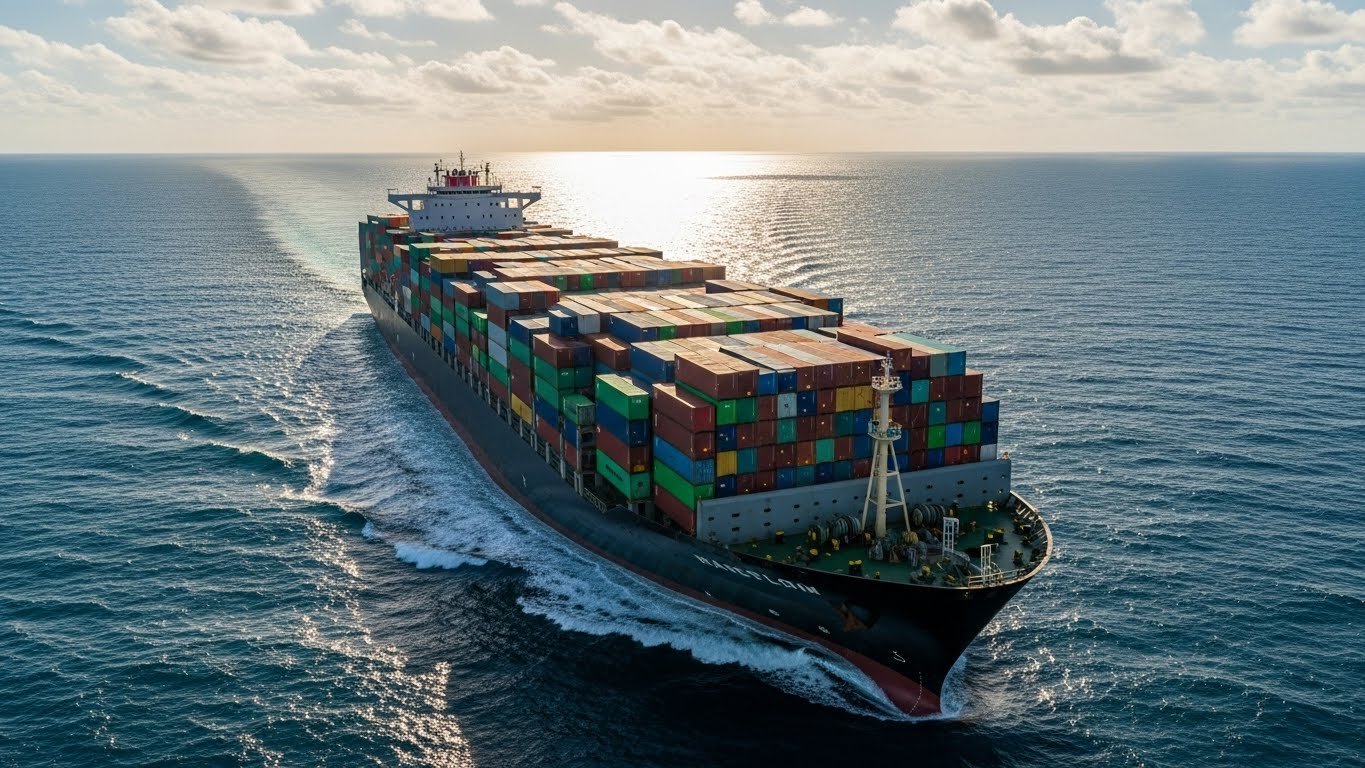
Consolidation combines smaller shipments from different suppliers into one full container load (FCL) or less-than-container load (LCL). A freight forwarder collects goods, brings them to a central warehouse for sorting, and loads them into a single container, streamlining customs with one bill of lading and reducing shipping costs.
| Aspekt | Less-than-Container Load (LCL) | Full Container Load (FCL) |
|---|---|---|
| Best Use Case | Combining multiple smaller shipments that do not fill an entire container. | Consolidating larger orders from one or more vendors to utilize a full container. |
| Cost Structure | Priced based on the volume (CBM) of the cargo. Cost-effective for smaller loads. | Flat rate for the entire container. Offers a lower cost per unit for high-volume shipments. |
| Dokumentation | All goods are grouped under a single master waybill and customs declaration. | The entire container is processed under a single bill of lading and customs entry. |
The Multi-Vendor Consolidation Process
The process begins when goods are collected from each of your suppliers and transported to a central consolidation warehouse. At this facility, all items are carefully inspected, sorted, and grouped together according to your specific order and the final destination. This multi-vendor consolidation approach effectively reduces inbound shipping costs and simplifies your inventory management once the goods arrive.
Shipping Methods and Unified Documentation
Consolidated freight is typically shipped using Less-than-Container Load (LCL) for smaller, partial loads or Full Container Load (FCL) to maximize the use of container space. The entire combined shipment travels under a single master waybill, which makes tracking and management much simpler. Customs clearance is also streamlined because all goods are processed under a single, unified declaration, which is managed by the designated Importer of Record.

Discover robust fencing solutions for horse stables.
Coordinating Delivery Dates
Coordinating delivery dates involves synchronizing supplier production with fixed consolidation cut-off times, typically 2-5 days before a vessel departs. Consolidators use shipment data like volume, weight, and destination to group compatible freight, ensuring all items can meet a shared delivery window without causing delays.
Aligning Supplier Readiness with Shipping Schedules
Consolidation centers group freight by its destination and required delivery timeline before loading begins. A primary cause of consolidation failure occurs when different suppliers’ production schedules do not align with the fixed shipping cut-off date. It is best to add buffer time to account for supplier delays, since consolidated shipping is generally unsuitable for urgent deliveries due to the extra handling and potential stops involved.
Using Cut-Off Windows and Data for Planning
Exporters must meet a firm consolidation cut-off window, which is typically 2–5 days before the vessel’s estimated time of departure (ETD). To plan the load, consolidators use shipment parameters like volume (m³), weight (kg), and destination ZIP code to group compatible cargo. Logistics technology and load planning software then optimize routes and manage estimated times of arrival (ETAs) for all shipments within the consolidated load.
Stables Engineered for Any Climate, Built to Last a Lifetime.
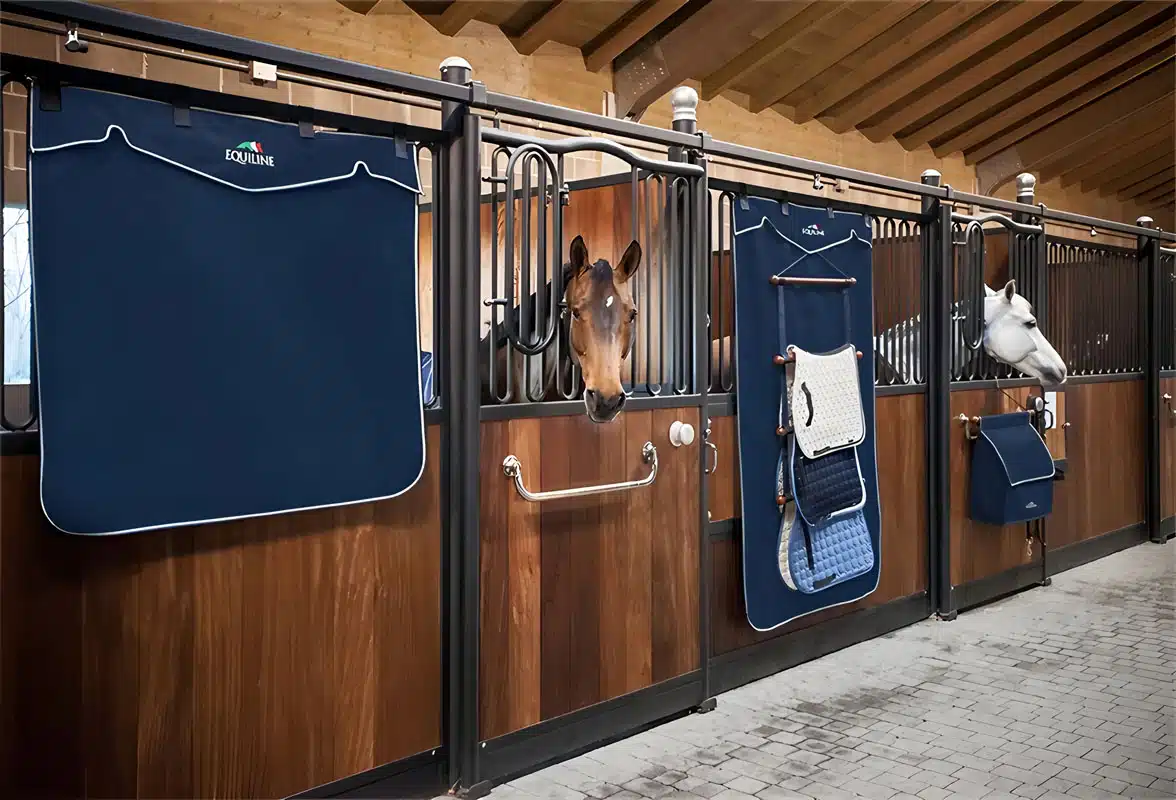
High-quality fencing solutions for equestrian facilities.
The Single Bill of Lading Advantage
A single Bill of Lading (BOL) consolidates multiple purchase orders into one shipment under one unique tracking number. This streamlines logistics by creating a single legal document for contract, receipt, and title, which simplifies customs, standardizes EDI data exchange, and centralizes liability for the entire load.
| Legal Function | Beschreibung | Consolidation Impact |
|---|---|---|
| Contract of Carriage | A legal agreement outlining the terms and conditions for transporting the goods. | One contract governs all purchase orders in the shipment, unifying freight terms. |
| Receipt of Goods | Confirms the carrier has received the goods in the condition described. | A single receipt acknowledges the entire consolidated load, simplifying verification. |
| Document of Title | Provides proof of ownership, allowing the holder to claim the goods. | Centralizes legal ownership and title transfer for the entire shipment into one document. |
Streamlining Legal and Logistical Control
When multiple orders are grouped into a single shipment, one Bill of Lading takes control. This document serves as the master contract, receipt, and title for the entire load. Instead of managing separate legal documents from each supplier, you have one instrument that centralizes liability and ownership transfer. This approach follows the GS1 guideline, which recommends using a single BOL per shipment, treating the consolidated load as one unified entity from a legal and logistical standpoint.
Data Standardization for Traceability and EDI
A single BOL brings powerful data standardization. Each shipment gets a globally unique 17-digit number, structured according to GS1 standards with a Modulo-10 check digit for error-proof validation. This unique number becomes the primary identifier for critical Electronic Data Interchange (EDI) messages, including EDI 214 (Carrier Shipment Status) and EDI 223 (Consolidation Freight Bill). To ensure long-term traceability, GS1 guidelines recommend that each BOL number remains unique for at least 24 months, providing a clear and consistent data trail across the entire supply chain.
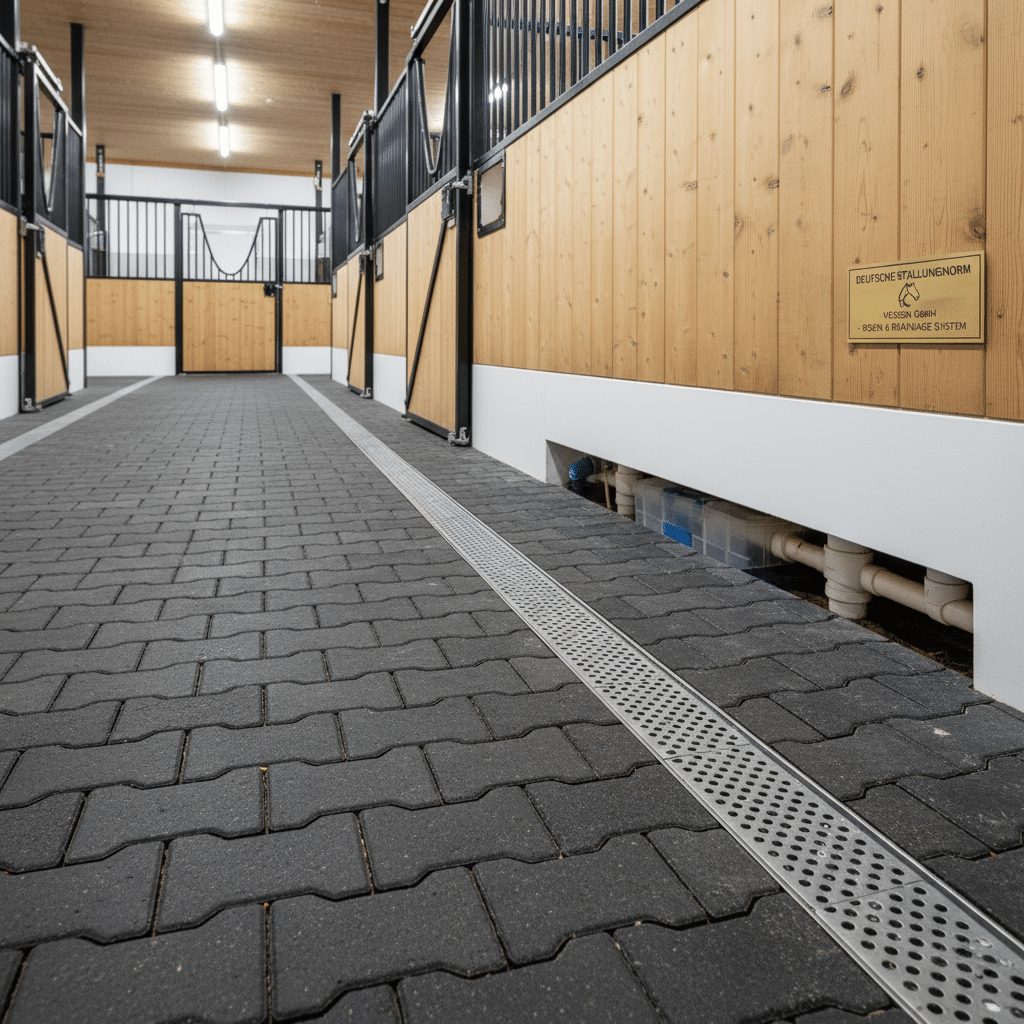
Warehouse Staging Services
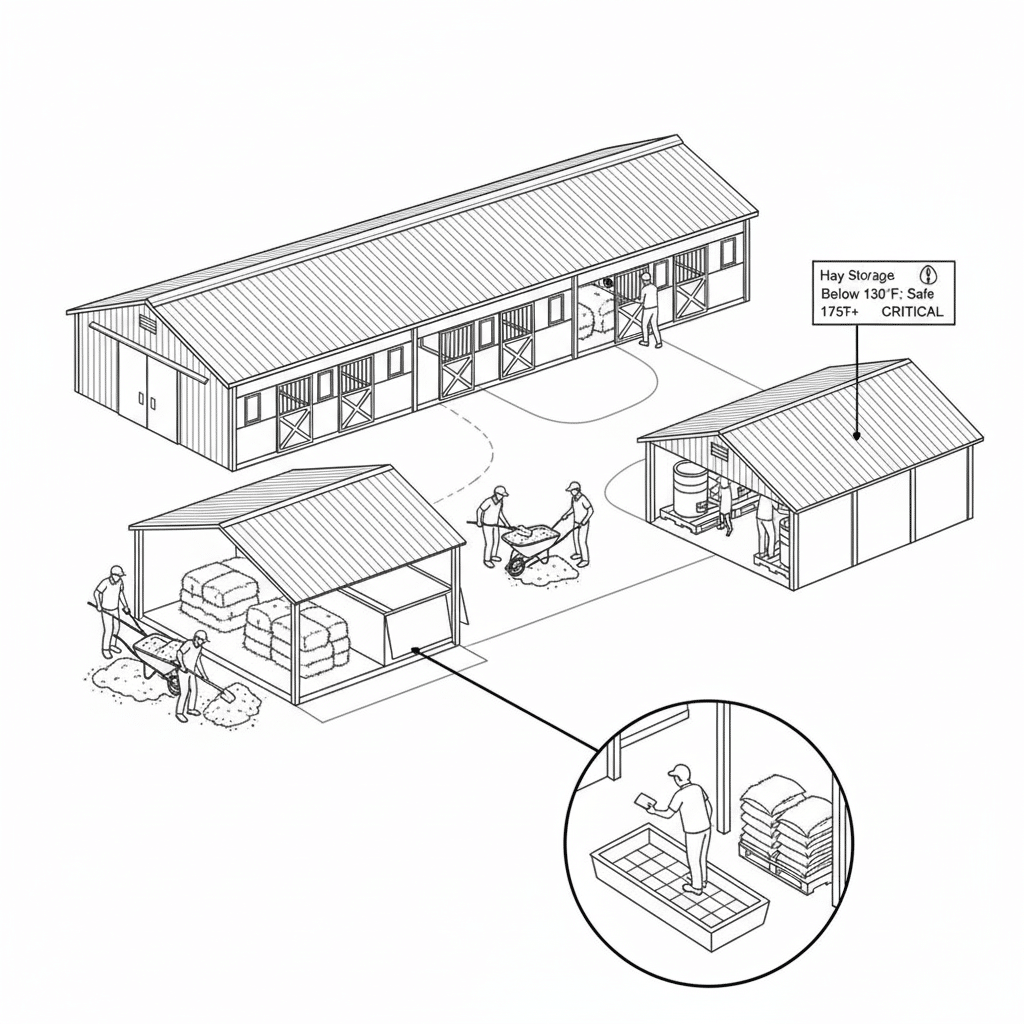
Warehouse staging is an engineered process, not just temporary storage. It uses dedicated, measured lanes to buffer and organize products from different suppliers, ensuring they are ready for rapid, consolidated loading onto a single trailer. Proper staging design directly increases shipping capacity and efficiency.
Staging as an Engineered Buffer for Consolidation
Effective staging is a formal, engineered process that directly governs the throughput of a shipping dock. It uses dedicated floor space, known as “staging queues,” which act as a finite buffer for goods awaiting consolidation. This system is tightly integrated with the Warehouse Management System (WMS) and Material Handling Execution System (MHES), which coordinate all tasks from receiving to shipping. This integration ensures that all components of a consolidated shipment are picked, organized, and ready for loading before the truck arrives, which minimizes dock delays and labor costs.
Layout Design and Capacity Gains
The physical layout of a staging area is critical to its performance. In high-volume crossdock facilities, staging lanes are often designed to match a 48-foot trailer length. This sizing accommodates 12 standard pallet positions and simplifies load planning. The technology used also impacts throughput. Upgrading from simple floor staging to move-to-front devices, like gravity rollers or flow racks, can increase a system’s shipping capacity by approximately 11%. Larger, formal Logistics Staging Areas (LSA) are divided into specific functional zones, including dedicated shipment storage areas that are sized based on projected event demand and truck traffic volumes, further optimizing the flow of goods.
Abschließende Überlegungen
Combining your fencing and flooring with a larger stable order transforms shipping from a logistical hurdle into a financial advantage. The process turns several expensive, small shipments into one cost-effective full container. Success relies on precise coordination—aligning supplier schedules, using a central staging warehouse, and managing everything under a single Bill of Lading.
This approach gives you more than just savings on freight. It streamlines your entire procurement process. By grouping multiple orders, you centralize communication, simplify customs clearance, and gain a clear line of sight over your inventory. You move from managing chaotic, individual deliveries to directing one unified and predictable shipment, giving you greater control over your supply chain.
A white horse rests in a stylish sand-floored stable.
Häufig gestellte Fragen
Can I include products from different suppliers in one container?
Yes. It’s standard practice to load goods from multiple suppliers into a single container. As long as the products are compatible and properly declared on customs documents, you can consolidate items from several factories into one shipment.
Are there extra charges for consolidation services?
Yes, consolidation services involve a fee. This charge covers the handling, temporary storage, and administration required to combine your smaller shipments into one larger load. The final cost depends on factors like the weight and size of your goods.
Can you purchase items from factories on my behalf?
Yes, some logistics providers offer “buy-for-me” services. They can purchase items from your list of suppliers, collect them at a central warehouse, and export everything to you as a single shipment.
How can I coordinate deliveries from multiple factories?
You can coordinate factories by using a single consolidation warehouse as the delivery point for all suppliers. Schedule all shipments to arrive within a tight timeframe. Your logistics partner can then hold the goods until the final delivery arrives before dispatching the container.
Does consolidation cause shipping delays?
It can, but not always. Well-managed consolidation typically adds only 1–3 days to the process for sorting and packing. Delays happen if one factory’s shipment is late, which can hold up the entire container.
Will all my items be on a single invoice?
No, you will still receive individual invoices from each factory. Your consolidator will then issue a single Bill of Lading (B/L) that covers the entire aggregated shipment for customs.


 German
  English
  Spanish
  French
  Arabic
0 Kommentare