


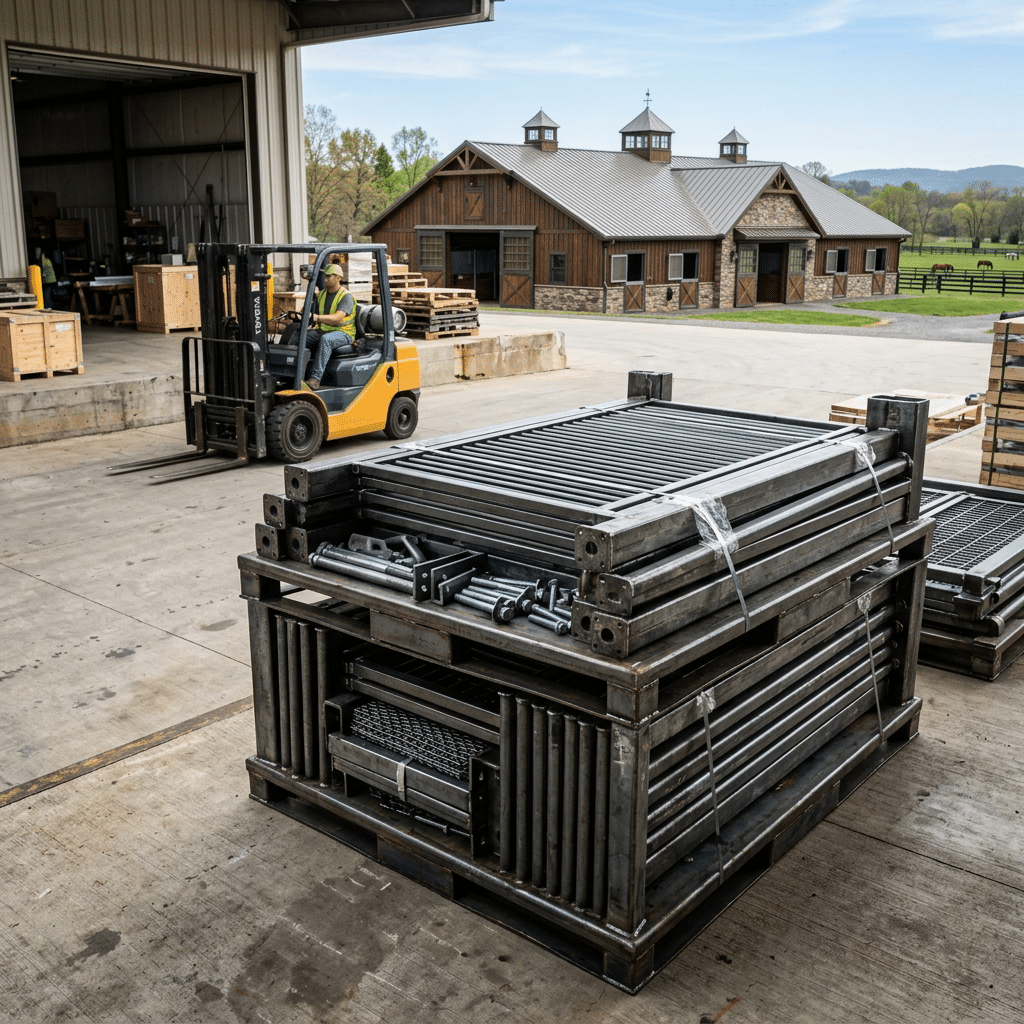
Site cleanup is a critical liability hidden within horse stable installation costs. Traditional crated kits scatter stray nails, wood splinters, and plastic wrap across the property, creating immediate hazards for animals and forcing unplanned labor expenses to meet the pristine conditions estate managers demand.
This analysis benchmarks how our Steel Pallet Flat-Pack system eliminates this risk. By containing all components, including the stainless steel hardware kit, on a single steel pallet, the system ensures a zero-waste installation. This directly protects your project margins from costly cleanup labor and potential liabilities.
Decoding Shipping Jargon for Large-Scale Importers
FCL (Full Container Load) dedicates a container to your shipment; LCL shares space. A smart flat-pack design drastically increases loading density, cutting your per-unit freight costs.
Full Container Load (FCL) vs. Less than Container Load (LCL)
When you’re importing, your two main ocean freight options come down to how much container space you need. The choice impacts everything from transit time to your bottom line.
- FCL (Full Container Load): You book an entire 20ft or 40ft container for your exclusive use. This is the go-to for large-volume orders.
- LCL (Less than Container Load): Your goods share space inside a container with cargo from other companies. This works well for smaller trial orders.
Deciding between FCL and LCL isn’t just about volume. It directly affects handling, transit time, and ultimately, your per-unit shipping cost.
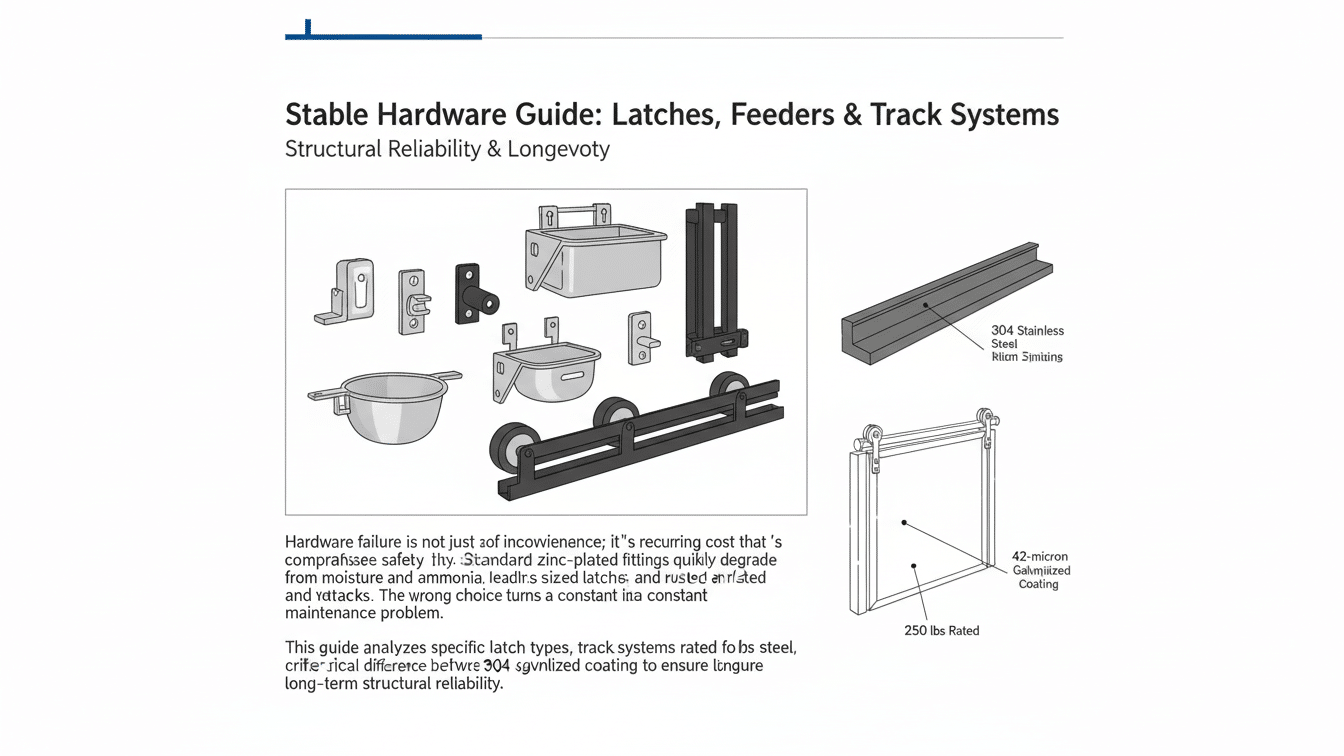
How Flat-Pack Design Protects Your Freight Budget
Logistics costs are a major factor in profitability. The way a product is packaged for shipment can make or break your budget. A poorly designed product that ships fully assembled wastes an enormous amount of container space.
Our Steel Pallet Flat-Pack system is engineered specifically to maximize loading density. We can load 30 to 45 stable sets into a single 40HQ container. Compare that to traditionally welded products, which often fit only 12 to 15 sets in the same space. This efficiency is what we call ‘Profit Protection’—it directly lowers the freight cost for each unit you import.
The CIF Trap: Hidden Destination Terminal Handling Charges (DTHC)
The CIF trap hits buyers with surprise Destination Terminal Handling Charges (DTHC) at arrival. CIF freight quotes rarely cover these mandatory local fees, eroding your profit margins.
Understanding DTHC: The Unseen Port Cost
Destination Terminal Handling Charges a
re mandatory fees the destination port charges for handling containers. This includes unloading your container from the ship, moving it to the yard, and processing the release documentation. You can’t avoid them; your cargo is held hostage until they’re paid.
The problem with CIF shipping terms is the ambiguity. The responsibility for DTHC isn’t defined by the Incoterm itself but by the seller’s private contract with the shipping line. This gap often results in surprise invoices of over $500 per container for the buyer, who assumed all costs to the port were covered in the initial quote.
Protecting Your Margins with Flat-Pack Logistics
Our flat-pack shipping system is designed to directly counter these supply chain variables. We can fit 30-45 stable sets into a single 40HQ container. For comparison, traditionally shipped welded stalls only accommodate 12-15 sets. This high-density packing more than doubles your capacity and cuts the freight cost per stable set.
Lowering the fixed cost per unit creates a crucial financial buffer. The savings you gain from efficient packing can directly offset unpredictable expenses like inflated DTHC. This is a core part of our ‘Profit Protection’ strategy, designed to safeguard our B2B clients’ margins from the volatility of international freight.
Invest in 20-Year Rust-Proof Horse Stables
Erkunden Sie die Optionen für benutzerdefinierte Stallungen →

Why FOB (Free On Board) Gives You Maximum Control
FOB lets you choose your own carrier, negotiate freight rates, and manage insurance. This transparency stops hidden costs and helps you optimize logistics for your budget and timeline.
Direct Authority Over Carrier and Cost Management
When you’re footing the bill for freight, you should be the one making the decisions. Using FOB terms puts you in the driver’s seat for the most expensive part of the journey—the ocean transport. It gives you direct command over key cost centers.
- Select your preferred shipping carriers to negotiate better freight rates directly.
- Gain full transparency on transportation costs, with no hidden markups from the seller.
- Choose insurance providers and coverage levels that actually match your risk tolerance.
- Manage customs clearance with your own trusted brokers and internal processes.
How Our Flat-Pack System Enhances Your Control
The control you get with FOB is not just theoretical; it directly impacts your bottom line. Under FOB terms, you can fully leverage our Steel Pallet Flat-Pack design. Instead of shipping 12-15 fully-welded stable sets in a 40HQ container, our system lets you load 30-45 sets. This efficiency directly protects your profit margins by saving over 60% on freight per unit, giving you predictable, high-volume shipments to manage your inventory and plan projects effectively.
DDP (Delivered Duty Paid): The “Hands-Off” Premium Option
Delivered Duty Paid (DDP) means the seller handles all risks and costs—transport, insurance, and duties—until the horse stables arrive, providing a fixed, all-inclusive price.
Seller’s Total Responsibility Under DDP
DDP is the most straightforward shipping agreement for a buyer. The seller manages the entire process from the factory floor to your doorstep, leaving you with almost no logistical work. The responsibilities are comprehensive and clear.
- The seller manages all transportation, insurance, and handling costs from the factory to the final destination.
- All export and import customs clearance, duties, and taxes are handled and paid for by the seller.
- The buyer’s only responsibility is to receive and unload the goods. It’s a true turnk
ey delivery solution.
How DDP Protects Distributor Profit Margins
For distributors, DDP is more than just convenience—it’s a tool for profit protection. International logistics are filled with variables that can erode your margins. DDP removes that risk by locking in your costs upfront.
- It provides a fixed, landed cost for container orders, such as a 1x 40HQ. This prevents unexpected port fees or customs bills from eating into your profits.
- Budgeting for large projects becomes simple. You have one all-inclusive number, removing the complexities of navigating import regulations and taxes.
- Your team can focus on sales and installation rather than managing international freight and customs procedures.
Cargo Insurance: Protecting $50k of Steel at Sea
Carrier liability pays by weight, not value. Cargo insurance covers the full $50k of your steel shipment from factory to site, closing a massive financial risk.
When you’re shipping a container of steel stables, the standard liability offered by the shipping line is almost useless. It pays out based on the cargo’s weight, which means a total loss on a $50,000 shipment might only be compensated for a few hundred dollars. Insurance bridges this gap by protecting the actual invoice value of your investment.
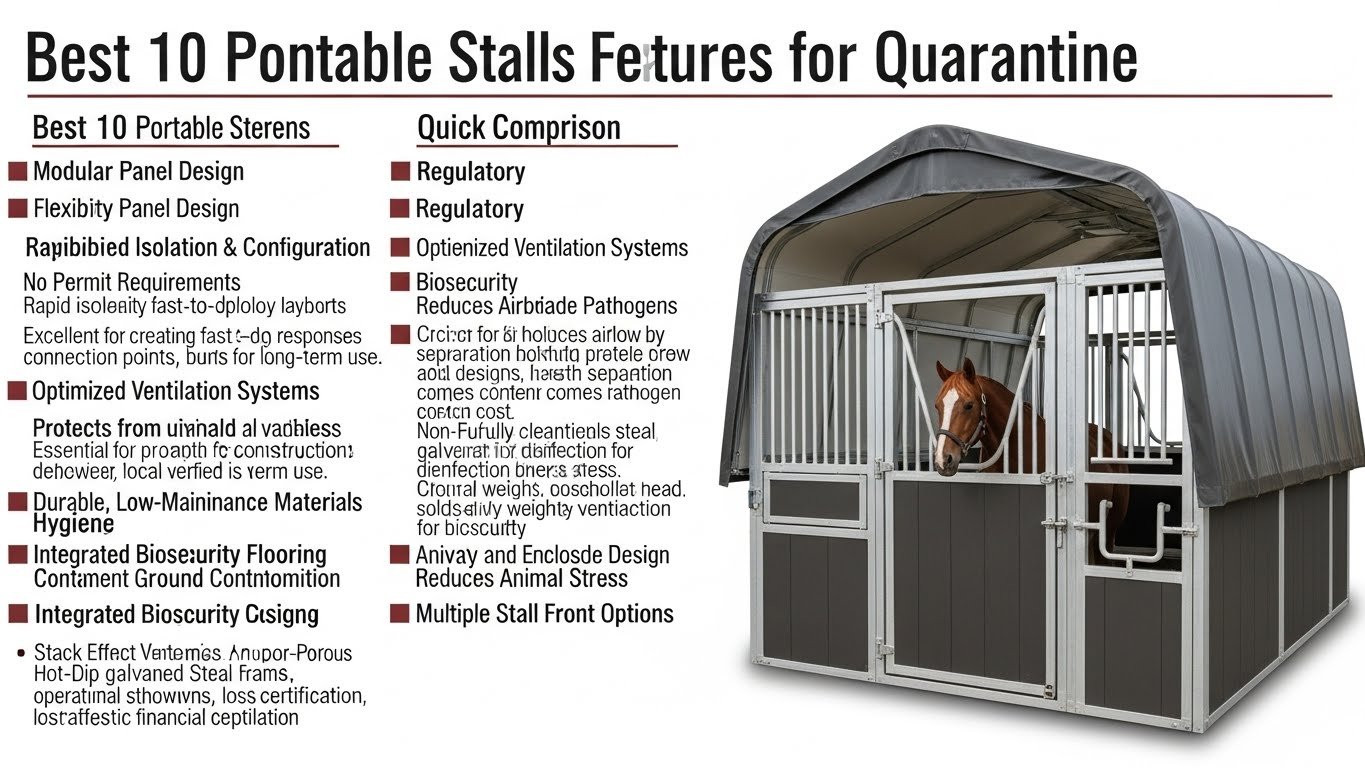
What an ‘All-Risk’ Policy Actually Covers
An “All-Risk” policy is the standard for protecting high-value goods in transit. It’s designed to cover the real-world problems that can happen between our factory and your project site. This goes far beyond the carrier’s minimal legal obligation.
- Direct Physical Loss: It provides financial protection against physical damage from common transit events. This includes everything from a dropped container at the port and water intrusion to damage caused by other cargo shifting during a storm.
- End-to-End Journey: Coverage isn’t just for the time at sea. The policy protects your investment through the entire supply chain, from our warehouse, during port storage, and all the way to the final destination.
- General Average Liability: This is a critical risk many importers overlook. If a vessel must sacrifice some cargo to save the entire ship (e.g., jettisoning containers in a storm), all other cargo owners must contribute to the loss. Insurance covers this liability, preventing a surprise bill that could cost thousands.
How Steel Pallet Packaging Reduces Insurance Risk
Insurance is about managing risk, and our logistics process is engineered to minimize it from the very start. Insurers look favorably on shippers who take concrete steps to prevent damage, and our packaging method is a key factor that helps keep your cargo safe and premiums manageable.
- Steel Pallet Flat-Pack System: Every stable system ships on a dedicated Steel Pallet Flat-Pack. We never load loose, individual components. This method eliminates damage from disorganized parts shifting and colliding inside the container.
- Safe and Organized Unloading: The palletized units ensure a safe and predictable unloading process at the destination. It prevents the handling errors and scratches that happen when crews have to manually sort and remove loose steel tubes.
- Superior Load Stability: Our ability to securely load 30-45 stable sets into a single 40HQ container creates an incredibly dense and stable block of cargo. This density minimizes movement at sea, which directly lowers the likelihood of an insurance claim.
Häufig gestellte Fragen
What are the key differences between FOB and CIF shipping terms?
FOB (Free on Board) and CIF (Cost, Insurance, and Freight) mainly differ in when risk and responsibility transfer. With FOB, the buyer takes on all risk and arranges insurance once the stables are loaded onto the ship. With CIF, the seller remains responsible for transport and insurance until the goods reach the destination port. FOB gives experienced buyers more control over freight costs, but CIF offers convenience for those new to importing.
Is DDP shipping a safe option for large stable orders?
Yes, DDP (Delivered Duty Paid) is a very safe option for buyers placing large orders. Under DDP, we as the seller assume all risks, costs, and customs compliance responsibilities right to your final delivery address. This arrangement protects you from unexpected fees or delays, but it relies on our expertise to manage the import process correctly in your country.
What are the common hidden fees associated with CIF shipping?
The most common hidden fees with CIF shipping are unexpected charges at the destination port, such as inflated terminal handling fees or a China Import Service Fee (CISF). This happens when a supplier’s freight forwarder offers a very low initial shipping price, only to recover their costs from the importer upon arrival. We recommend using FOB terms to maintain full control over shipping costs and avoid surprises.
Who is responsible for arranging marine cargo insurance?
This depends entirely on the agreed Incoterms. If you choose CIF terms, we are required to purchase at least minimum insurance coverage for the shipment. If you choose FOB terms, you as the buyer are responsible for arranging insurance from the moment the goods are on the vessel. Remember, a shipping carrier’s liability is extremely limited and is no substitute for proper cargo insurance.
What is the best Incoterm for importing heavy steel horse stables?
FOB (Free On Board) is the most common and recommended choice for importing heavy products like steel stables. It gives you direct control over your shipping carrier and costs. For buyers who prefer less logistical work and want the security of included insurance, CIF (Cost, Insurance, and Freight) is also a solid option, as we manage the process to your destination port.
Abschließende Überlegungen
Choosing fully welded stables creates huge logistical risk, limiting you to 12-15 sets per container. Our Steel Pallet Flat-Pack system is engineered specifically for profit protection, loading 30-45 sets to shield your margins from volatile freight rates. This density is the difference between a profitable import and a costly mistake.
The loading data is clear, but proof is in the process. We recommend a small trial order to confirm the quality and assembly efficiency for yourself. Contact our team to configure a trial shipment or plan your first full 40HQ container.


 German
  English
  Spanish
  French
  Arabic
0 Kommentare