


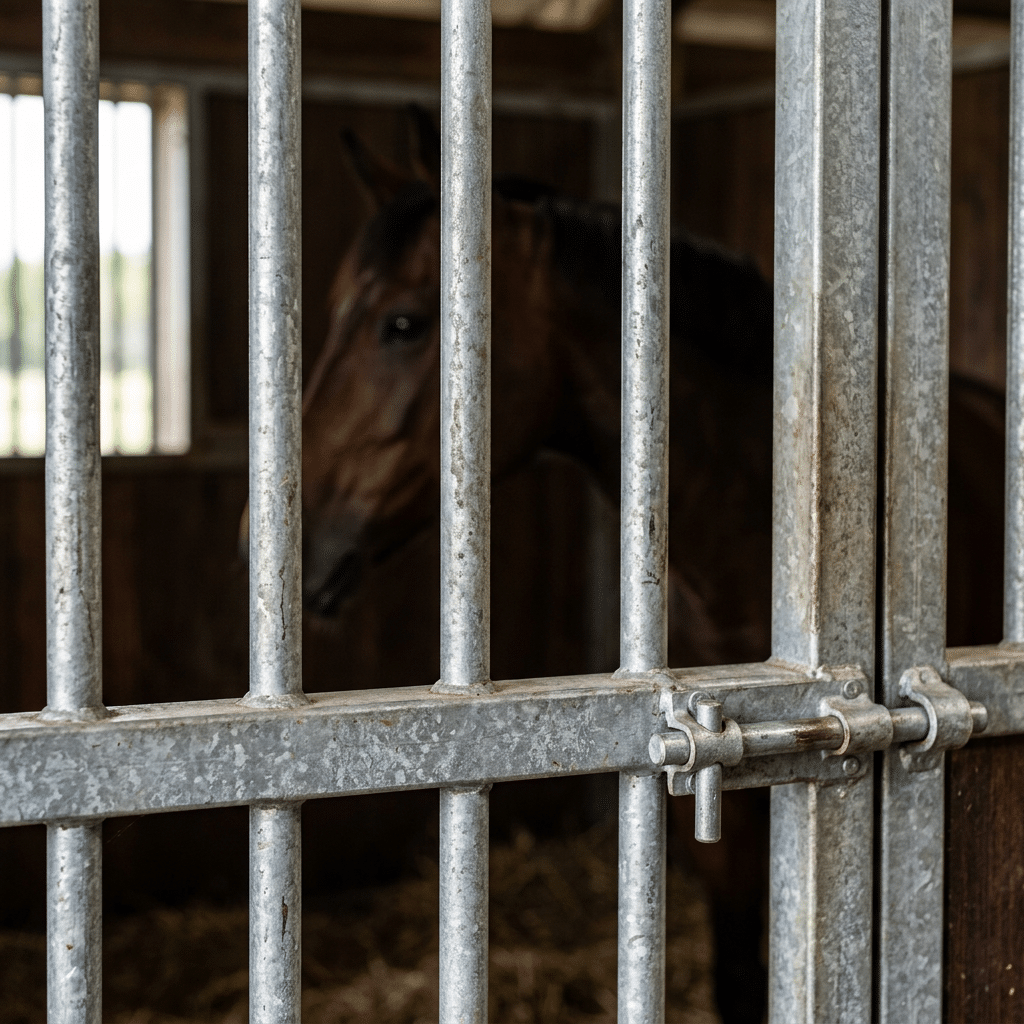
Foundation Prep for a horse barn is the single decision that dictates structural integrity and long-term maintenance costs. An improper base, whether compacted stone or concrete, leads to uneven settling and drainage failure. This results in warped stall doors and costly repairs that negate any initial savings.
This analysis compares both foundation methods against the engineering requirements for heavy steel stable systems. We examine the load-bearing capacity needed for our 450kg stable sets and the specific anchor bolt security each base provides, giving you a definitive data-driven choice.
Decoding Shipping Jargon for Large-Scale Importers
Understanding FCL and Incoterms is vital for managing costs. Our flat-pack system maximizes container capacity, loading up to 45 stable sets to protect your shipping margins.
Core Terms: Incoterms, FCL, and LCL
Shipping terms, or Incoterms, are the rules of the road in international trade. They define exactly when the responsibility for cost and risk transfers from us to you. Whether it’s CIF (Cost, Insurance, and Freight) or DDP (Delivered Duty Paid), getting this right determines who pays for what and when.
FCL stands for Full Container Load. This is your best option for project or distributor orders. You book an entire 20GP or 40HQ container for your exclusive use, giving you control over space and timing. It’s the most cost-effective way to ship in bulk.
LCL, or Less than Container Load, is used for smaller trial orders, typically 3-5 stable sets. With LCL, your goods share container space with shipments from other companies. It’s a practical way to get started without committing to a full container.

Optimizing FCL Freight with Our Steel Pallet System
The high cost of shipping is a major threat to profit margins. We tackled this head-on with our steel pallet flat-pack system. A single 40HQ container can hold 30 to 45 of our stable sets. Compare that to traditional, fully welded stables, where you can only fit 12 to 15 sets in the same space.
This high-density loading drastically cuts the per-unit shipping cost. It’s a core part of our “Profit Protection” strategy for our B2B partners, ensuring logistics costs don’t eat into your bottom line.
Every component arrives securely strapped to custom-built steel pallets. This isn’t loose loading. The system guarantees safe, organized unloading at your destination and makes inventory checks straightforward and quick.
The CIF Trap: Hidden Destination Terminal Handling Charges (DTHC)
The ‘CIF Trap’ happens when buyers using CIF terms get hit with unexpected Destination Terminal Handling Charges because the seller’s shipping contract doesn’t cover destination unloading costs.
What Are Destination Terminal Handling Charges?
Destination Terminal Handling Charges (DTHC) cover the essential services of unlo
ading your container from the ship and moving it around the destination port. Many importers get caught by surprise because under CIF (Cost, Insurance & Freight) terms, the seller’s responsibility for freight costs often ends the moment the ship arrives, not after it’s unloaded.
This creates a gap. The port terminal operators must be paid for their work, so they bill the consignee—you, the buyer—directly for these handling services. These charges are not trivial; they can easily range from $450 to $650 per container, creating budget overruns that eat directly into your profits.
Using FOB Terms for Cost Control and Profit Protection
Choosing FOB (Free On Board) terms puts you in control of your own freight forwarding. This simple switch eliminates the risk of getting blindsided by hidden fees from a carrier that your supplier chose. You get full transparency on all shipping and terminal costs, which is the only way to avoid the DTHC trap.
For our B2B partners, controlling logistics is fundamental to profit protection. It allows you to fully leverage the benefits of our flat-pack system, which fits 30-45 stable sets into a single 40HQ container. By managing the freight yourself, you ensure that these logistical savings end up in your pocket, not lost to surprise fees at the destination port. This strategy is how our clients maintain predictable expenses and protect their margins.
Get Custom Horse Stables Built to Last
Why FOB (Free On Board) Gives You Maximum Control
FOB defines when responsibility transfers to you. This lets you choose your carrier, negotiate freight, and manage customs, giving you direct control to protect your profits.
When sourcing large products like horse stables, the shipping term you choose directly impacts your landed cost and operational headaches. While many factories push for CIF (Cost, Insurance, and Freight), using FOB (Free On Board) puts you in the driver’s seat. It separates the product cost from the shipping cost, giving you the transparency needed to make smart logistics decisions and avoid hidden fees.
| Faktor | Factory-Controlled Shipping (CIF) | Your Controlled Shipping (FOB) |
|---|---|---|
| Logistics & Cost Control | The factory chooses the carrier. You have no negotiating power and are often exposed to inflated destination charges and hidden fees. | You choose your own freight forwarder. This allows you to negotiate competitive rates directly and get full transparency on all costs. |
| Container Loading Efficiency | The factory has little incentive to maximize container space, as you’re paying a bundled price. You absorb the cost of their inefficient packing. | You directly benefit from high-density packing. You can capitalize on our flat-pack system, loading 30-45 sets instead of the typical 12-15. |
Defining the Point of Transfer for Cost and Risk
FOB establishes a clear, internationally understood line in the sand. The factory is responsible for getting the goods safely loaded onto the vessel at their port. Once the goods are on board, the risk and responsibility transfer to you. This simple division of duties gives you critical control over the most expensive and variable part of the journey.
- You choose the shipping carrier and negotiate your own freight rates. This allows you to align logistics with your own timelines and budgets, not the factory’s.
- You manage your own insurance and customs clearance. This gives you direct oversight of import duties and ensures all documentation is handled correctly by your trusted broker.
- The clean transfer of liability once goods are on the vessel minimizes disputes. If damage occurs during ocean transit, it’s a straightforward issue between you and your chosen carrier.

Leveraging Flat-Pack Logistics for Profit Protection
The control you gain with FOB directly translates into profit protection, especially with products engineered for logistics. Traditional, fully welded stables are bulky and ship mostly air, making freight costs per unit extremely high. Our system is designed differently, and FOB lets you pocket the savings.
- Our steel pallet flat-pack system allows between 30 to 45 stable sets to fit into a single 40HQ container.
- This is a loading capacity increase of over 60% compared to traditional fully welded stables, which can only fit 12-15 sets.
- Because you control the shipping under FOB, you get the full financial benefit of this density. The significant reduction in per-unit freight cost goes straight to your bottom line.
DDP (Delivered Duty Paid): The “Hands-Off” Premium Option
DDP means the seller handles all shipping, customs, and taxes to your door. Your agreed price is the final price—no hidden fees or logistical work for you.
Buyer Responsibilities Under DDP: Zero
Under a DDP agreement, the seller assumes every cost and risk to get the product to your specified destination. This includes all transportation, import clearance, tariffs, and local taxes in your country. The price you are quoted is the final landed cost, eliminating any chance of surprise charges or administrative burdens when the container arrives.
DDP is the only Incoterm that places the responsibility for import clearance on the seller. This completely removes the logistical hassle from the buyer, making it the most straightforward, hands-off option for sourcing goods internationally.
How Flat-Pack Logistics Make DDP Viable
Offering a competitive DDP price is only possible if freight costs are aggressively managed. Our steel pallet flat-pack system is the key. We can load be
tween 30 to 45 stable sets into a single 40HQ container, which dramatically cuts the per-unit shipping expense.
This high loading efficiency is the core of our ‘Profit Protection’ strategy for distributors. By minimizing the main shipping cost, we can absorb the complexities of duties and taxes and still offer an all-inclusive DDP price that simplifies the entire sourcing process for our partners.
Cargo Insurance: Protecting $50k of Steel at Sea
For a $50,000 steel shipment, carrier liability is insufficient. A comprehensive ‘all-risk’ policy is vital, and secure packaging like steel pallets is a key factor for underwriters.
Key Coverage in a Marine Cargo Policy
A carrier’s liability is typically limited to a few hundred dollars, which won’t cover a high-value steel shipment. A specific marine cargo policy is necessary to protect your investment. The essential protections include:
- Single Voyage ‘All-Risk’ Policies: This is the broadest protection available. It covers physical loss or damage from any external cause unless that risk is specifically excluded in the policy documents.
- Physical Loss or Damage: Coverage applies to real-world events like cargo shifting in rough seas, water intrusion, fire, or damage during loading and unloading.
- General Average Liability: This protects you from shared liability if some cargo must be sacrificed at sea to save the vessel during an emergency. Without it, you could be billed for a portion of someone else’s loss.
How Steel Pallet Packaging Reduces Insurance Risk
Insurance underwriters analyze how your cargo is packed, braced, and secured to determine the likelihood of a claim. Poor packaging leads to higher risk and can jeopardize coverage.
Loose loading is a major cause of in-transit damage for steel products. Our mandatory **Steel Pallet Flat-Pack** system eliminates this problem. Every component is bundled and secured to a steel base, preventing shifting and impact damage inside the container.
This secure packaging method demonstrates due diligence to the insurer. It proves you’ve taken concrete steps to mitigate potential damage, which is a critical factor for both policy approval and successful claims processing.
Häufig gestellte Fragen
What is the difference between FOB and CIF shipping terms?
The primary difference lies in who pays for and controls the main shipping leg. Under FOB (Free On Board), the buyer is responsible for arranging and paying for the ocean freight and insurance. This provides greater control over costs. Under CIF (Cost, Insurance, and Freight), the seller handles these arrangements and includes the cost in the total price, offering convenience but less transparency.
Are DDP (Delivered Duty Paid) shipments safe for large orders?
DDP can be convenient but carries risks, especially for large orders. While the seller manages everything, including import duties, there is a risk of non-compliance if they misclassify or undervalue goods to cut costs. This can lead to customs delays or penalties. Using DDP is safest only with a highly trusted and vetted logistics partner.
What are the common hidden fees in CIF shipping?
CIF shipping can include unexpected destination port charges not covered in the initial quote. These often include inflated Terminal Handling Charges (THC), a China Import Service Fee (CISF), and various documentation fees. These arise because the seller’s freight forwarder needs to recover costs, leaving the importer to pay them before the cargo is released.
Who is responsible for arranging marine cargo insurance?
Responsibility for insurance is defined by the Incoterm. With CIF terms, the seller is obligated to purchase insurance coverage for the goods during transit. With FOB terms, the responsibility shifts to the buyer once the goods are loaded onto the vessel, meaning the buyer must arrange their own insurance.
What is the best shipping term for heavy products like steel stables?
For heavy cargo like horse stables, both FOB and CIF are common. FOB is often preferred by experienced buyers as it allows them to negotiate their own freight rates, which can lead to significant savings on heavy shipments. CIF is a simpler option if you want the seller to manage the complexities of shipping and insurance for a high-value product.
Abschließende Überlegungen
While factory-managed shipping like CIF appears simple, controlling your own freight with FOB is the only way to protect your profit. This choice leverages our high-density flat-pack system to secure your logistics margins. Avoiding hidden port fees is as critical to your business as the quality of the steel you sell.
The next step is to see how these savings apply to your business. Request a formal quote for a full container load to your nearest port. Our team will provide a detailed landed cost analysis to validate your shipping strategy.


 German
  English
  Spanish
  French
  Arabic
0 Kommentare