


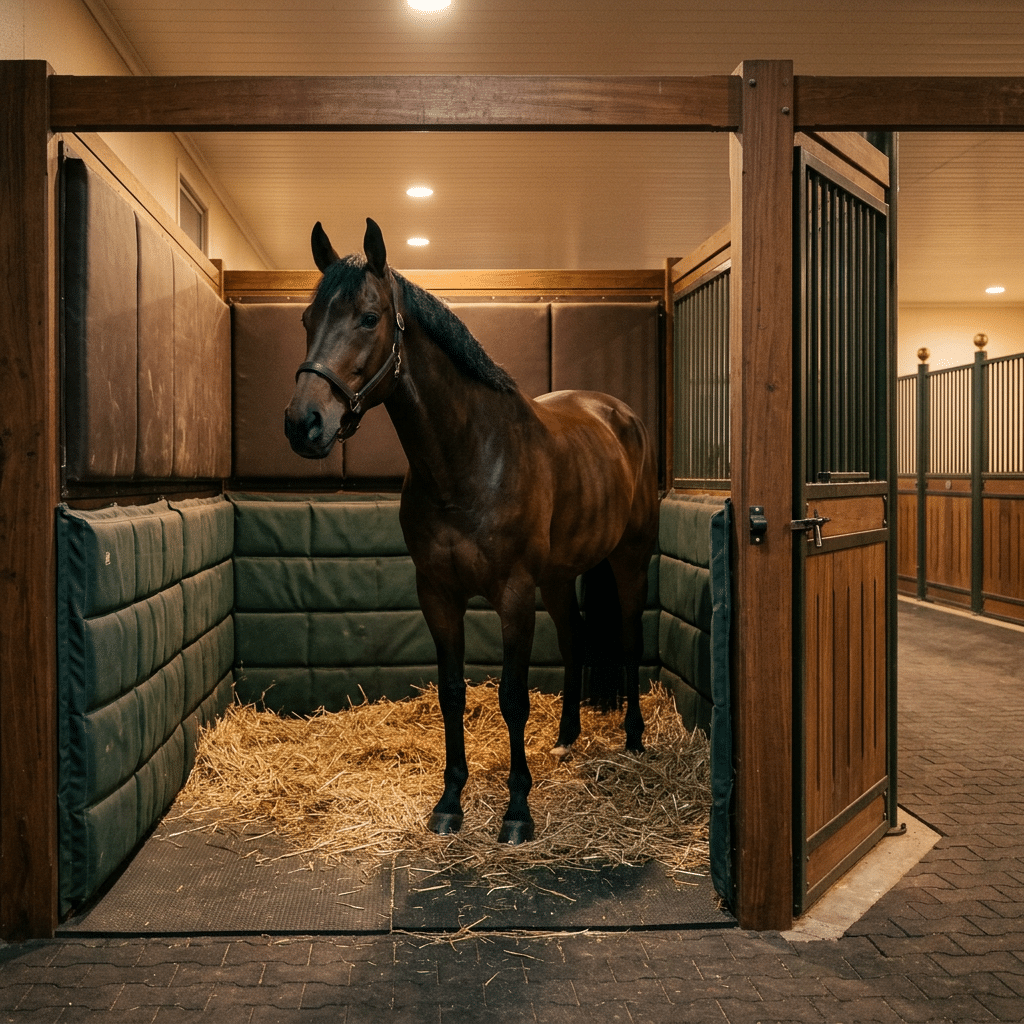
Tack room mold is not a simple cleaning issue; it’s a structural failure that actively destroys high-value leather assets. This failure turns a $20,000+ collection into a depreciating liability. Relying on temporary fixes ignores the root cause: porous building materials that absorb ambient moisture, creating a permanent breeding ground for fungi.
This analysis evaluates the core materials used in stable construction. We benchmark traditional porous walls against non-porous barriers like 28mm-32mm HDPE infill. The data focuses on how engineered solutions and designs that promote ‘Stack Effect Ventilation’ create a zero-maintenance environment that permanently protects valuable equipment from moisture damage.
The Value in the Tack Room: Protecting $20k in Leather
Mold thrives in damp, poorly ventilated tack rooms, permanently damaging expensive leather. Prevention through environmental control and moisture-proof materials like HDPE is the only effective defense.
The Environmental Threat to High-Value Tack
A collection of quality saddles and bridles can easily represent a $20,000+ investment. The biggest threat to that leather isn’t wear and tear, but mold. Mold grows best in damp, warm, and poorly-lit spaces—the exact environment of many tack rooms. It penetrates deep into leather fibers, causing permanent stains and weakening the material’s structure.
Once mold takes hold, you can’t really get rid of it without damaging the leather itself. Aggressive cleaning attempts often cause more harm than the mold. This makes prevention the only sensible strategy.
A Material Defense with Zero-Maintenance HDPE
Controlling the environment starts with the materials you use to build the room. Wood walls absorb ambient moisture, creating a constant source for mold to feed on. Building tack rooms with 28mm-32mm UV-stabilized HDPE infill creates a non-porous, waterproof barrier that cannot absorb moisture. Unlike wood, the zero-maintenance HDPE surface gives mold nowhere to grow and is simple to wipe clean, actively safeguarding the investment in your equipment.
Isolating the Wash Bay: The 100% Waterproof Wall (HDPE)
HDPE walls create a completely waterproof barrier for high-moisture wash bays. They don’t rot or harbor mold, providing a durable, zero-maintenance solution that protects the entire barn structure.
The wash bay is the most destructive area in any equestrian facility. Constant high-pressure water, detergents, and physical impacts degrade standard building materials, leading to rot, mold, and expensive structural repairs. The choice of wall material isn’t just cosmetic; it’s a critical infrastructure decision. High-Density Polyethylene (HDPE) panels are engineered specifically to handle these conditions permanently.
| Merkmal | Traditional Materials (Tile, FRP, Wood) | DB Stable HDPE Solution |
|---|---|---|
| Moisture Absorption | High. Porous surfaces like grout and drywall absorb water. FRP can delaminate, trapping moisture behind the panel. | Zero. The material is 100% non-porous and completely impervious to water. |
| Mold & Rot Risk | Very high. Trapped moisture feeds mold, mildew, and causes wood components to rot. | None. With no moisture absorption, there is no environment for mold or bacteria to grow. |
| Wartung | Constant. Requires regular re-grouting, sealing, painting, and eventual replacement due to water damage. | Zero. The surface never needs sealing or painting and can be cleaned with a pressure washer. |
| Schlagfestigkeit | Low to moderate. Tile can crack, and drywall is easily damaged by kicks or equipment. | High. The 28-32mm thick panels absorb impacts without cracking or denting. |
Why Traditional Materials Fail in Wet Environments
Standard construction materials simply aren’t built for the relentless assault of a wash bay. Their failure isn’t a matter of if, but when. Water always finds a way into seams, cracks, and porous surfaces, starting a chain reaction of decay that can compromise the entire barn.
- Porous surfaces like grout lines and painted drywall act like sponges, absorbing moisture and creating a perfect breeding ground for mold and mildew.
- Constant exposure to water and cleaning chemicals causes organic materials like wood to rot and metal fasteners to corrode and fail over time.
- Fiberglass-reinforced plastic (FRP) often delaminates. Water gets trapped behind the panels, leading to hidden mold and significant structural damage that goes unnoticed until it’s too late.
The DB Stable Solution: 28-32mm Impact-Absorbing HDPE
Our system directly solves these failure points with an engineered material designed for lifetime performance in wet conditions. We use solid, thick HDPE planks that create a monolithic, waterproof barrier, effectively sealing the wash bay from the rest of the structure.
- 100% Non-Porous: Our HDPE infill is completely impermeable. This guarantees no water absorption, which means no rot, no mold, and no degradation.
- Impact-Absorbing Thickness: Engineered to a robust 28mm-32mm thickness, the panels withstand kicks, bumps from equipment, and high-pressure washing without damage.
- Null Wartung: The UV-stabilized material is resistant to harsh chemicals and never needs sealing, painting, or refinishing. It’s a build-it-once solution.
Custom-Engineered Stables for Any Global Climate
Ventilation Without Dampness
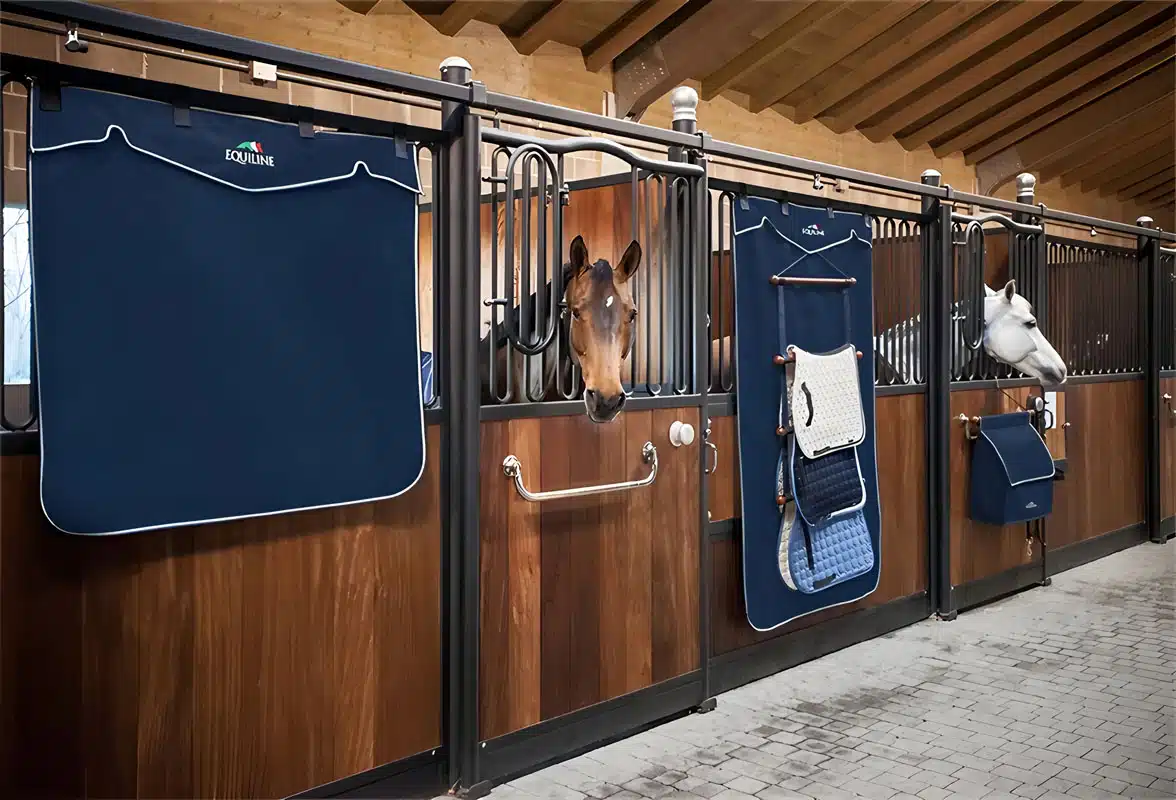
Open-grill stall designs create a ‘stack effect,’ letting warm, humid air rise and escape while pulling in fresh air from below. This prevents condensation and dampness.
The Problem with Trapped Moisture in Stables
Poor air circulation is a serious liability in any stable. When moisture gets trapped, it creates the perfect environment for mold and mildew to grow on walls and in the horse’s bedding. This isn’t just an aesthetic issue. Consistently high humidity levels contribute to respiratory problems in horses and cause the building materials of the stable to rot and deteriorate far faster than they should.
Promoting Airflow with Stack Effect Ventilation
Our stable panels are engineered with open top grill designs for a specific reason: to create a natural airflow pattern called “Stack Effect Ventilation.” A horse generates a significant amount of warm, moist air from breathing and body heat. This design allows that warmer air to naturally rise and exit through the top of the stall. As it leaves, it pulls cooler, drier air in from the lower levels of the aisle, creating continuous air circulation without producing harmful drafts.
Security Upgrades: Solid Steel Doors and Plunger Latches
A secure stable relies on solid steel doors with internal reinforcements and durable plunger latches made from 304 stainless steel to protect valuable equipment and ensure safety.
Reinforced Door Construction to Prevent Forced Entry
The weakest point in many tack rooms is the door itself. A simple wooden door offers little resistance to a determined thief. Professional security starts with a solid steel door engineered to defeat common break-in methods. Thes
e aren’t just sheets of metal; they are structured systems designed for impact resistance.
- Structural Reinforcement: Vertical steel reinforcements inside the door prevent it from being warped, kicked in, or bent under pressure. This internal skeleton is the core of its strength.
- Pry-Bar Defense: The design incorporates anti-jimmy hinge bolts and a reinforced frame lip. These features interlock, making it extremely difficult to wedge a pry bar between the door and the frame to force it open.
- Advanced Locking: For high-value areas like tack rooms, multi-point locking systems are essential. These mechanisms engage at several points along the frame, offering drill and impact resistance that a single deadbolt can’t match.
The Role of 304 Stainless Steel in Plunger Latches
Hardware is often an afterthought, but in a stable environment, it’s a critical point of failure. The constant exposure to moisture, ammonia, and daily use destroys inferior metals. This is why material selection for components like plunger latches matters for both security and long-term safety.
- Durability at Touch Points: Our hardware kits use 304 Stainless Steel for all high-touch components. This grade provides the mechanical strength needed to withstand years of operation without failing.
- Korrosionsbeständigkeit: 304 Stainless Steel offers excellent protection against rust and corrosion, which is non-negotiable in damp stable environments where lesser materials would quickly seize or degrade.
- Engineered for Safety: Latches are designed with rounded edges and proper beveling. This small detail is a major safety feature, eliminating sharp points that could injure a horse or handler.
Rodent-Proof Feed Storage Integration
Effective rodent-proof feed storage combines chew-proof materials like galvanized steel with airtight seals. This dual approach blocks pests and prevents moisture, safeguarding feed quality and animal health.
Core Features of a Secure Feed Bin
A properly designed feed bin does more than just hold grain; it creates a sealed environment that protects against two constant threats: pests and moisture. Pests chew through weak materials, contaminating feed, while moisture leads to mold, spoilage, and potential healt
h issues for livestock. The most effective designs address both problems simultaneously through their construction.
- Airtight Sealing:** Locking lids or secure latching mechanisms create a complete barrier against rodents, insects, and humidity. This prevents pests from getting in and stops ambient moisture from spoiling the contents.
- Moisture-Barrier Materials:** The bin itself must be built from non-porous materials that repel water. Heavy-gauge steel is the standard for its chew-proof durability, while some designs use high-density polymers for lighter-weight applications.
- Cleanable Surfaces:** Smooth, non-porous interiors prevent feed residue from accumulating. This makes the bins easy to clean and discourages the growth of bacteria or mold biofilms between uses.
Manufacturing Standards for Galvanized Steel Bins
For steel feed bins, longevity and performance depend entirely on the manufacturing process. Applying a protective zinc coating is essential, but how and when it’s applied makes all the difference. Adhering to strict industrial standards ensures the final product can withstand years of use in harsh agricultural environments.
- Hot-Dip Galvanization After Fabrication:** The entire steel bin is welded and assembled first, then dipped in molten zinc. This process completely seals all welds, corners, and edges, leaving no weak points for rust to start.
- ISO 1461 Compliance:** We conform to the BS EN ISO 1461 standard, which dictates a minimum average zinc coating of over 70 microns (μm). This thick layer provides decades of corrosion protection.
- Q235B Structural Steel:** The bin’s framework is built with Q235B structural steel (equivalent to ASTM A36). This provides the necessary rigidity to prevent rodents from chewing or bending the structure to gain entry.
Häufig gestellte Fragen
How can I keep my tack room dry and prevent mold?
Maintaining a dry tack room involves humidity control, airflow, and proper storage. Keep relative humidity below 65% with a dehumidifier. Use fans to circulate air, preventing stagnant, moist pockets where mold thrives. Always ensure tack is completely dry before storing it, and leave enough space between items for air to move freely.
What are the best materials for tack room walls?
The ideal wall material depends on your budget and needs. Bead board is a popular choice because it offers a finished look and holds screws securely for heavy saddle racks. Sanded 3/4″ plywood is another durable option that is great for mounting equipment. While drywall is inexpensive, it is not recommended as it doesn’t withstand the moisture common in barn environments.
Does my tack room really need to be ventilated?
Yes, ventilation is crucial for protecting your equipment and the building itself. It manages moisture and humidity, which are the primary causes of mold and rot. Simple solutions like foundation vents or a fan connected to a humidistat can automatically regulate air quality and prolong the life of your leather goods and the structure.
What are the most effective ways to secure a tack room?
Effective security combines physical barriers with modern technology. Install solid doors with high-quality deadbolts and consider bars on windows. Motion-activated lighting and visible security cameras are powerful deterrents. For high-value items, use tack lockers that are securely bolted to both the wall and floor to prevent them from being removed.
Abschließende Überlegungen
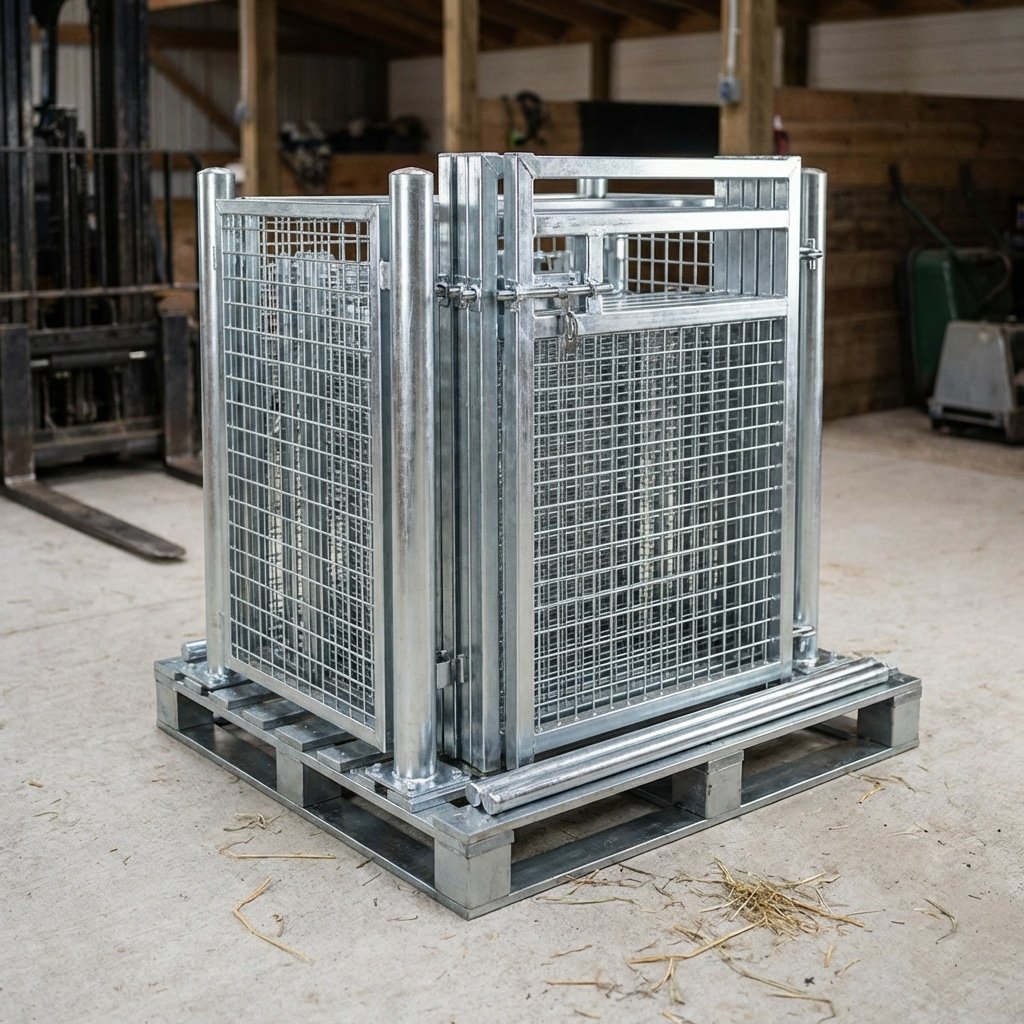
Standard building materials fail in damp environments, leading to rot, client complaints, and expensive repairs. Our system uses non-porous HDPE and steel hot-dipped in zinc after fabrication to permanently eliminate these failure points. For dealers, supplying a zero-maintenance solution protects your reputation and prevents costly callbacks.
The engineering details define the lifespan of a stable. Request a material sample kit to verify the quality of our HDPE and galvanized steel firsthand. Contact our team to discuss your container volume and regional specifications for a project quote.

 German
  English
  Spanish
  French
  Arabic
0 Kommentare