by Frank | Dec 12, 2025 | Compliance & Regulation Guides
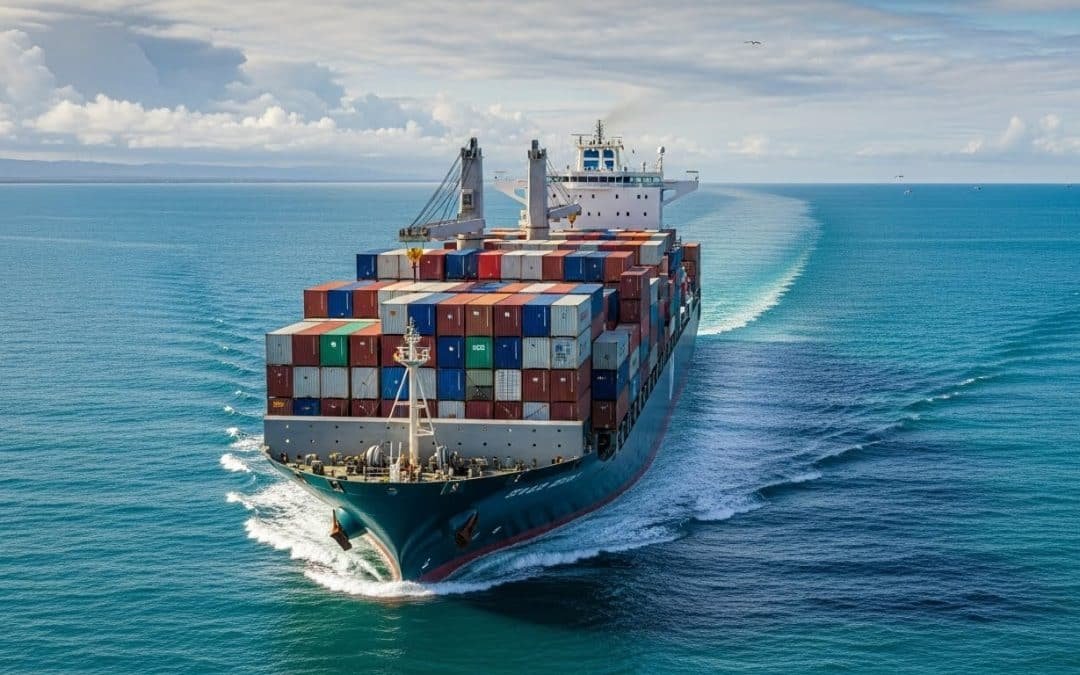
When only 50% of vessels arrive on their predicted ETA, relying on carrier updates alone can lead to costly delays and detention fees. The difference between a vessel being ‘Anchored’ offshore and ‘Discharged’ at the terminal is a critical gap...

by Frank | Dec 12, 2025 | Blog, Compliance & Regulation Guides
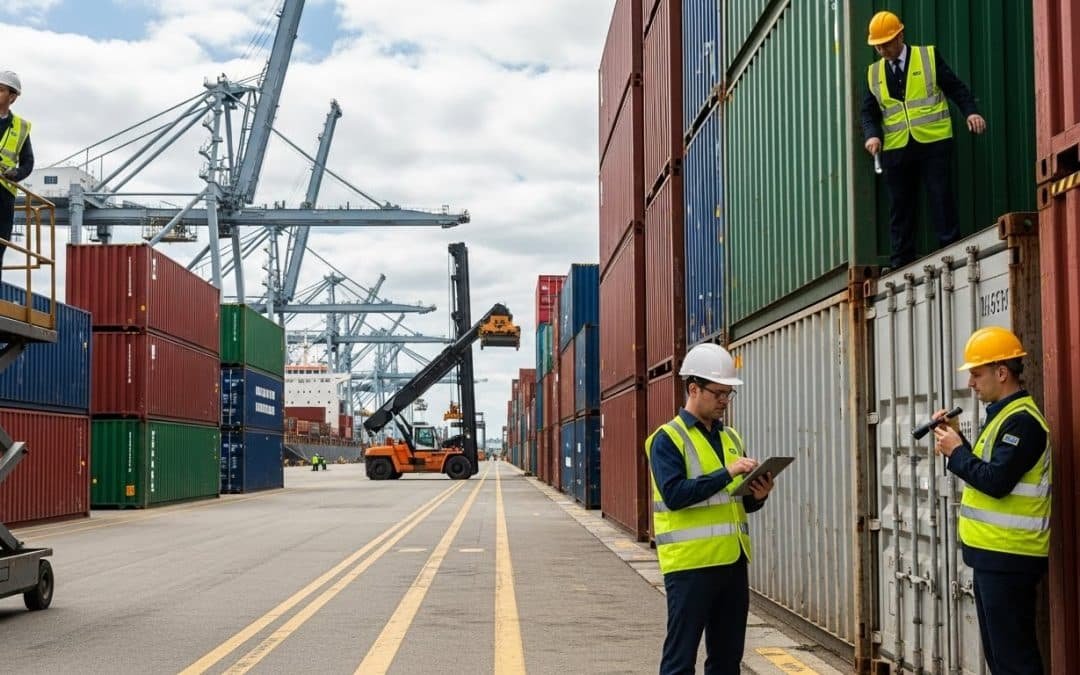
When your imported goods arrive at the port, you’re immediately on the clock. You face steep demurrage fees, often $75–$300 per day, if you can’t clear them quickly. Paying duties upfront can also tie up 5–30% of your capital in inventory that hasn’t...
by Frank | Dec 12, 2025 | Blog, Compliance & Regulation Guides
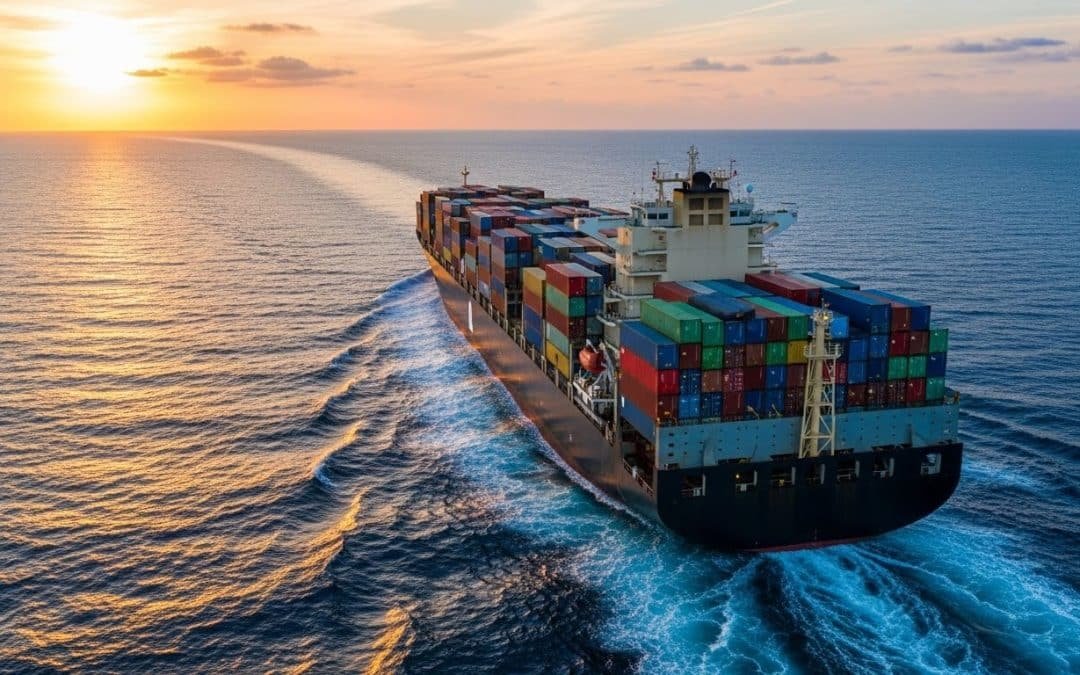
For any business importing goods into the U.S. by sea, a late Importer Security Filing (ISF) is a quick way to lose $5,000. U.S. Customs and Border Protection (CBP) enforces a strict “24-Hour Rule” that requires all cargo data to be submitted *before* your goods are...
by Frank | Dec 12, 2025 | Blog, Compliance & Regulation Guides
Selling to customers in the U.S. and Canada can open up massive new markets, even if your company is based elsewhere. The key is to operate as a Non-Resident Importer (NRI), which allows you to manage all cross-border logistics and customs from abroad. This creates a...

by Frank | Dec 8, 2025 | Blog, Compliance & Regulation Guides, Horse Stables
The horse stable manufacturing industry operates without universal engineering mandates like ISO structural standards, leaving buyers vulnerable to rapid material failure. Unscrupulous suppliers often bypass critical testing, delivering products that visually pass...

by Frank | Dec 8, 2025 | Blog, Compliance & Regulation Guides, Horse Stables
Misalignment between physical progress and financial reporting frequently derails stable construction projects. Under the ASC 606 standard, recognized revenue relies on the cost-to-cost approach, meaning 4-6 week shipping delays do not just affect the schedule—they...


 English
  Español
  Français
  العربية
  Deutsch