

Blog
![Hot-Dip Galvanized vs. Powder Coat: Understanding [Rust Protection]](https://dbhorsestable.com/wp-content/uploads/2025/12/Hot-Dip-Galvanized-vs.-Powder-Coat-6-400x250.jpeg)
Hot-Dip Galvanized vs. Powder Coat: Understanding [Rust Protection]
For barn builders and facility managers, keeping steel horse stalls rust-free is a major challenge. The constant exposure to moisture, humidity, and animal waste creates a uniquely corrosive environment, demanding robust and...
![HDPE Plastic Infill: The “Zero Maintenance” Solution for [Busy Barns]](https://dbhorsestable.com/wp-content/uploads/2025/12/HDPE-Plastic-Infill-horse-stalls-6-400x250.jpeg)
HDPE Plastic Infill: The “Zero Maintenance” Solution for [Busy Barns]
Managing busy barns often means constantly battling maintenance issues like rot, splintering, and endless cleaning for infill materials. These traditional problems can eat into budgets and demand precious time, distracting from...
![The “Kick Test”: Why 14-Gauge Steel is the Minimum for [Safety]](https://dbhorsestable.com/wp-content/uploads/2025/12/14-Gauge-Steel-2-400x250.jpeg)
The “Kick Test”: Why 14-Gauge Steel is the Minimum for [Safety]
When you design or purchase horse stalls, the steel gauge you select directly impacts safety and durability. Overlooking this detail can lead to serious risks for horses and significant repair costs for your facility. What seems...
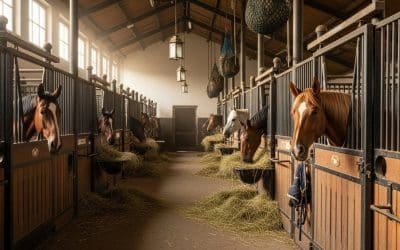
Cribbing & Chewing: Choosing Materials That Resist Oral Vices
Horse chewing and cribbing behaviors can quickly turn new stable construction or renovations into costly, frustrating repairs. Protecting your investment and ensuring the safety of your horses means selecting materials that...
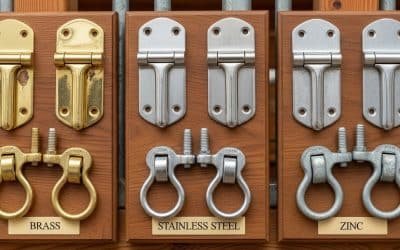
Brass vs. Stainless vs. Zinc: A Guide to Stall Hardware
Selecting the right hardware for your horse stalls impacts more than just immediate costs; it shapes your facility's long-term durability, aesthetic appeal, and operational budget. This guide compares brass, stainless steel, and zinc-plated options for horse stall...
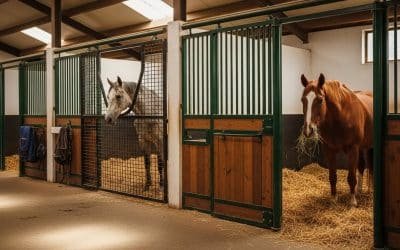
Mesh vs. Bars: Which Upper Design Offers Better Airflow?
Choosing the right upper design for horse stalls is a critical decision for barn owners and managers. Your choice directly impacts airflow, horse health, and operational safety. Selecting between mesh and traditional vertical...
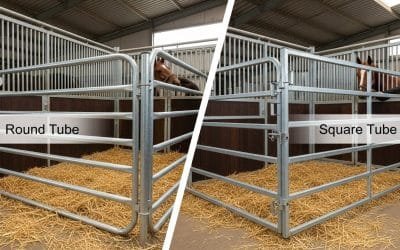
Round Tube vs. Square Tube: Choosing the Right Portable Panel
Selecting the right tubing for temporary livestock panels affects both animal safety and the long-term performance of your setup. The choice between round and square profiles goes beyond mere aesthetics, impacting how panels...
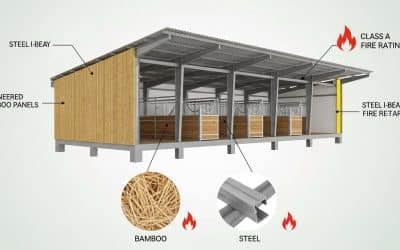
Class A Fire Ratings: Why Bamboo & Steel Are Safest
For facility managers and builders, fire safety in structures like horse stalls is paramount. The choice of building materials directly impacts how quickly a fire spreads, putting lives and property at risk. Many traditional options, like pine, can actually accelerate...
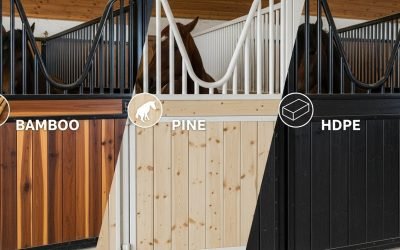
Bamboo vs. Pine vs. HDPE: Which Horse Stall Infill is Best?
Choosing the right infill for your horse stalls goes beyond aesthetics; it directly impacts equine safety, stable longevity, and your long-term budget. Many stable operators face the challenge of balancing upfront costs with durable performance against the daily...
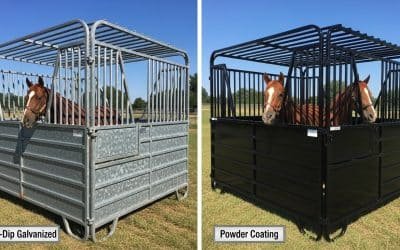
Hot-Dip Galvanized vs. Powder Coat: Understanding Rust Protection
Choosing the right rust protection for steel components, especially in demanding environments like horse stalls, significantly affects durability, safety, and long-term maintenance budgets. Reliable steel finishes prevent corrosion and ensure products last for years....
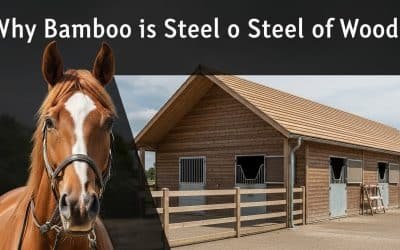
Why Bamboo is the “Steel of Woods” for Equestrian Barns
Creating a durable, safe, and sustainable equestrian facility means making smart material choices. Traditional options often present compromises between strength, fire safety, and environmental responsibility. What if a natural material could offer the resilience of...
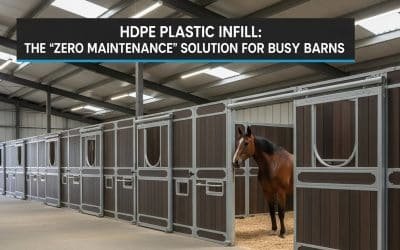
HDPE Plastic Infill: The “Zero Maintenance” Solution for Busy Barns
Maintaining safe, hygienic, and long-lasting horse stalls is a significant challenge for any busy barn owner or manager. Traditional wood infill often succumbs to moisture, rot, and splintering, creating an endless cycle of costly repairs and labor. This article...
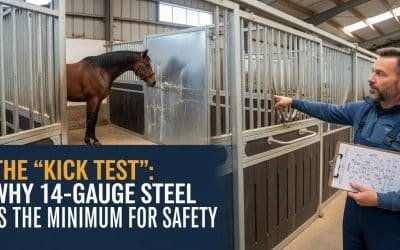
The “Kick Test”: Why 14-Gauge Steel is the Minimum for Safety
When building or upgrading horse stalls, the safety of your animals and staff is paramount. But what if the steel you choose isn't strong enough to withstand a horse's powerful kick? Many overlook the crucial detail of steel gauge, potentially risking structural...
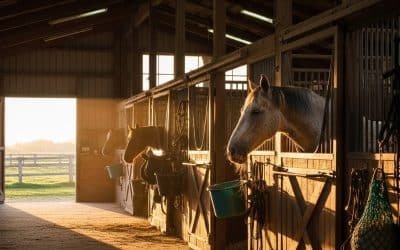
Cribbing & Chewing: Choosing Materials That Resist Oral Vices
If horses chewing wood stalls is a persistent problem at your facility, you know the frustration of constant repairs and compromised safety. This guide reviews materials that stand up to constant equine pressure, from comparing softwood and hardwood durability based...
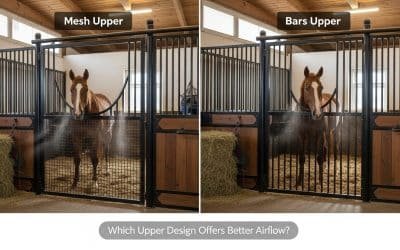
Mesh vs. Bars: Which Upper Design Offers Better Airflow?
Ensuring optimal barn air quality is critical for the health and performance of horses, and for worker safety. The choice of upper stall design directly affects ventilation, influencing key factors like ammonia levels, dust, and temperature within equine environments....
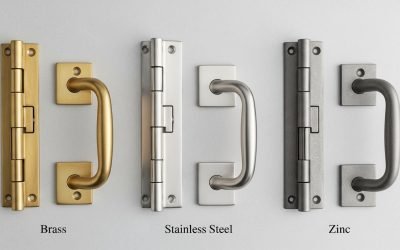
Brass vs. Stainless vs. Zinc: A Guide to Stall Hardware
Choosing the right hardware for horse stalls goes beyond initial aesthetics; it shapes the long-term performance and overall value of your equestrian facility. This guide offers a clear look at brass, stainless steel, and zinc-plated options for horse stall hardware....
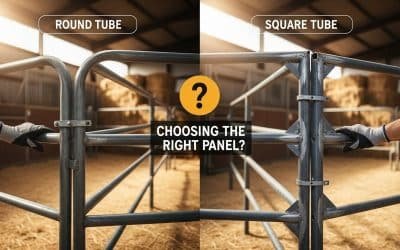
Round Tube vs. Square Tube: Choosing the Right Portable Panel
For businesses sourcing temporary panels, especially galvanized corral panels, deciding between round and square tubing is a practical choice that influences safety, durability, and long-term value. This selection isn't just about appearance; it's about engineering...
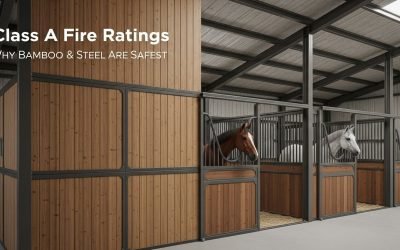
Class A Fire Ratings: Why Bamboo & Steel Are Safest
Protecting people and property from fire is paramount in any building project, especially in sensitive environments like horse stalls. Traditional materials like pine can accelerate fire rapidly, creating serious risks and...
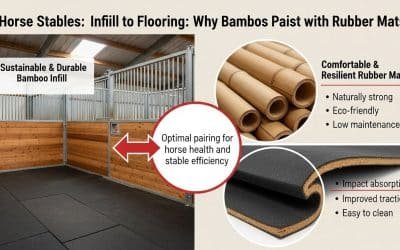
Matching Infill to Flooring: Why Bamboo Pairs Best with Rubber Mats
Wood stall walls often rot from the bottom up, a costly problem caused by trapped moisture. Choosing the right wall and flooring combination is the best way to prevent this structural decay and build a safe, long-lasting environment for your horses. This guide...
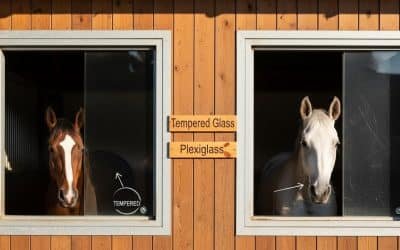
Tempered Glass vs. Plexiglass: Safe Windows for Barns
When outfitting a horse barn, window selection is a critical safety decision. A standard glass pane can turn into dangerous shards from a single kick, but even specialized safety options have important trade-offs. The choice between tempered glass and plexiglass...
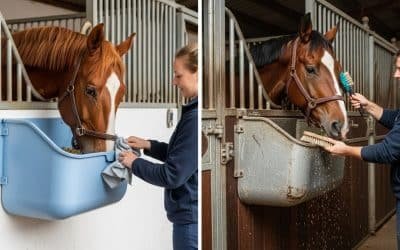
Plastic vs. Metal Feeders: Sanitation vs. Durability
Your clients need horse feeders that are safe, durable, and right for the job. But choosing between plastic and galvanized steel isn't straightforward. A feeder that works perfectly in a stall might fail in a pasture, and a material prized for its strength might...
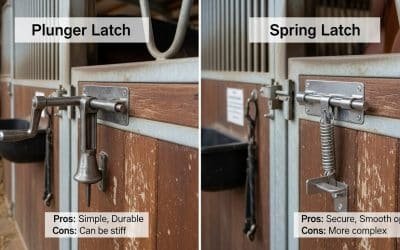
Plunger vs. Spring Latch: Choosing the Right Mechanism
A sliding stall door latch that sticks is more than an annoyance—it's a safety failure waiting to happen. In the humid, corrosive environment of a barn, a latch made from the wrong materials will rust and bind, creating a potential hazard for both horses and handlers....
Not All Powder Coat Is Equal: The Importance of Zinc Primers
When your powder-coated steel components start to rust or peel, the problem isn't the topcoat—it's what's missing underneath. A standard, single-coat finish looks good initially but lacks the foundation to prevent corrosion. For any equipment exposed to the elements,...
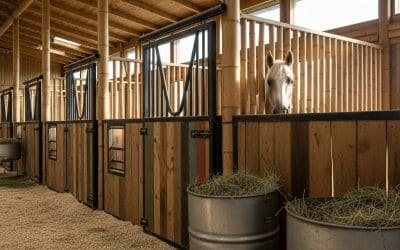
The Rise of “Green” Stables: Bamboo and Recycled Materials
Building a durable, low-maintenance horse barn involves more than just traditional design. Facility owners and builders now look for materials that reduce long-term costs and meet growing environmental standards, moving away from wood that rots and requires constant...
![V-Yoke vs. Drop-Down: Choosing the Right [Head Opening]](https://dbhorsestable.com/wp-content/uploads/2025/12/horse-stall-V-Yoke-vs.-Drop-Down-Choosing-the-Right-3-400x250.jpeg)
V-Yoke vs. Drop-Down: Choosing the Right [Head Opening]
Choosing the right head opening for your horse stalls is a decision that affects daily workflow, animal welfare, and long-term maintenance costs. The choice between a removable V-yoke and a hinged drop-down front involves more than just aesthetics; it’s a functional...
![Solid vs. Grille Partitions: Balancing [Privacy and Airflow]](https://dbhorsestable.com/wp-content/uploads/2025/12/horse-stall-Solid-vs.-Grille-Partitions-Balancing-Privacy-and-Airflow-1-400x250.jpeg)
Solid vs. Grille Partitions: Balancing [Privacy and Airflow]
Choosing the right horse stall partition walls involves a critical trade-off between privacy and airflow. A solid wall helps calm an anxious horse but can restrict ventilation, while an open grille improves air quality but might allow for unwanted social interactions....
![Cleaning Guide: Bamboo vs. Pine vs. Plastic [Maintenance]](https://dbhorsestable.com/wp-content/uploads/2025/12/Whisk_c8634a73a5fdfda8b2a4ef57a9d0e1d0dr-400x250.jpeg)
Cleaning Guide: Bamboo vs. Pine vs. Plastic [Maintenance]
Cleaning a single horse stall can take up to 30 minutes every day. That labor adds up, and poor stall hygiene can lead to costly health issues like thrush or respiratory problems. The material your stalls are made from is one of the biggest factors in determining your...
![European vs. American Materials: Why “Euro” Stalls Use [Heavy Steel]](https://dbhorsestable.com/wp-content/uploads/2025/12/European-vs.-American-Materials-Why-Euro-Stalls-Use-Heavy-Steel-400x250.jpeg)
European vs. American Materials: Why “Euro” Stalls Use [Heavy Steel]
Choosing between European style horse stalls and American designs goes beyond aesthetics. European stalls are defined by their 'heavy column' appearance and elegant finishes, but American stalls prioritize linear function and structural durability. The core difference...

Logistics Strategy: Shipping to West Coast vs. East Coast (US)
For U.S. importers, deciding between West Coast and East Coast ports is a constant trade-off between speed and cost. Shipping to the West Coast is faster, but your cargo still has to get inland. Sending it directly to the East Coast takes longer but can avoid domestic...
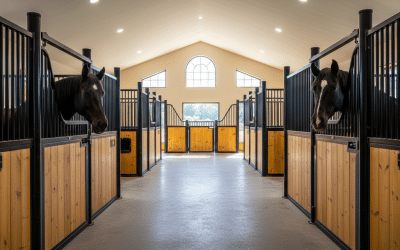
Original B/L vs. Telex Release: Avoiding Document Ransoms
Losing an original Bill of Lading can hold your cargo hostage. Because this document is the title to your goods, its loss can block cargo release and force you to secure a bank guarantee worth up to 300% of the shipment's value. With an estimated 40% of shipments...

Why is My Container Stuck? Customs Exams (X-Ray vs. VACIS)
It’s one of the most frustrating updates for any importer: your container has been flagged for a customs exam. These delays often feel random, but they are driven by sophisticated risk-assessment algorithms. What starts as a simple flag can quickly lead to unexpected...
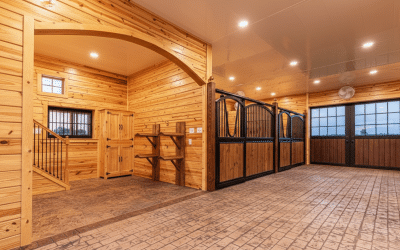
Avoiding Demurrage & Detention: The Hidden Killer Fees
Unexpected shipping fees can quickly ruin a project's budget. Demurrage and detention charges are often the cause, with daily penalties that start between $75 and $150 per container and can quickly escalate. These costs accumulate quietly but can add thousands to your...
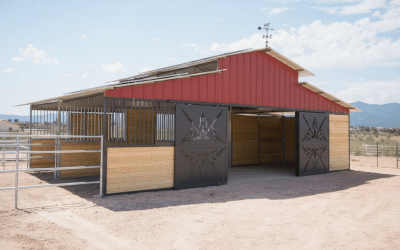
Freight Forwarder vs. NVOCC: Who Should Handle Your Stables?
Choosing a logistics partner for your stables comes down to a critical decision: should you use the factory's recommended forwarder or select your own? While letting the factory manage shipping seems simple, you often sacrifice control over costs and carrier...

Shipping Seasonality: When NOT to Ship Your Stables
Timing your shipments between August and January exposes your supply chain to peak season volatility. During this period, carriers often apply a General Rate Increase (GRI) averaging 4–6%, and a sudden spike in blank sailings can leave your cargo stranded at the port....

Cargo Insurance 101: What to Do If It Arrives Damaged
When a shipment arrives damaged, you have to act fast. Signing the delivery receipt without noting the damage can get your entire shipping insurance claim denied. This simple mistake legally establishes that the goods arrived in perfect condition, leaving you to cover...

Where is My Ship? Best Tools for Real-Time Container Tracking
When only 50% of vessels arrive on their predicted ETA, relying on carrier updates alone can lead to costly delays and detention fees. The difference between a vessel being 'Anchored' offshore and 'Discharged' at the terminal is a critical gap where supply chain plans...
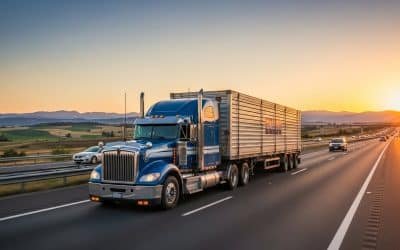
Will It Fit? Navigating 53′ Trucks into Residential Driveways
Arranging a large freight delivery to a residential address can be a gamble. You're left hoping the 80,000 lb truck can navigate narrow lanes and tight corners without causing damage or getting stuck. A failed delivery attempt means unexpected delays and extra costs...

Forklift Safety Guide: Handling 12ft Long Heavy Pallets
Unloading a 2,500 lb bundle of 12-foot horse stall panels is not your average forklift job. A standard lift can quickly become a serious safety incident if the load's center of gravity shifts, pushing your machine past its tipping point. This isn't just about weight;...
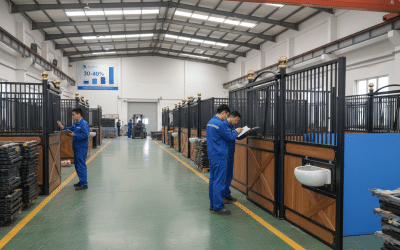
Not Ready for Delivery? Using Bonded Warehouses to Delay Tax
When your imported goods arrive at the port, you're immediately on the clock. You face steep demurrage fees, often $75–$300 per day, if you can't clear them quickly. Paying duties upfront can also tie up 5–30% of your capital in inventory that hasn't even sold yet....
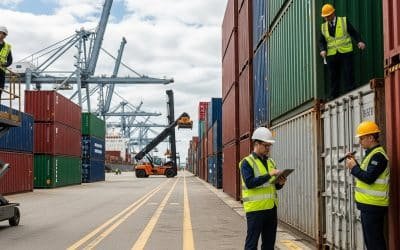
The $5,000 Mistake: Why ISF Filing Must Be Done 24hrs Before Departure
For any business importing goods into the U.S. by sea, a late Importer Security Filing (ISF) is a quick way to lose $5,000. U.S. Customs and Border Protection (CBP) enforces a strict “24-Hour Rule” that requires all cargo data to be submitted *before* your goods are...
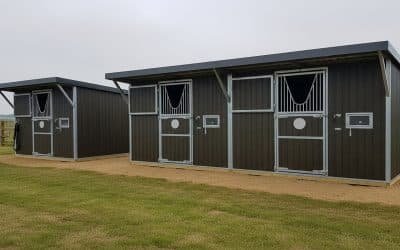
Dry Van vs. Flatbed: Which Truck Should Deliver Your Stables?
Choosing the right truck for your stable delivery involves a key trade-off: the full weather protection of an enclosed dry van versus the unloading flexibility of an open flatbed. One keeps your materials perfectly dry, but the other lets you unload with a forklift...

Shipping Glass Safely: Crates, A-Frames, and Breakage Rates
Shipping glass products often feels like a gamble, where a single mishandling can lead to costly breakage and project delays. But not all glass is equally fragile. Tempered glass, for example, is engineered to be four to five times stronger than standard annealed...
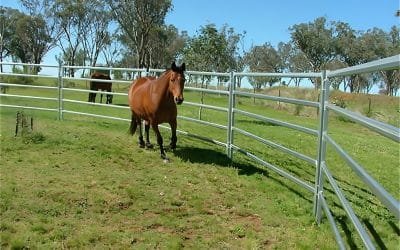
Buying More Than Stables? How to Consolidate Fencing & Flooring
Ordering horse stalls from one supplier is straightforward, but adding fencing or flooring from another factory complicates the shipping process. You can end up managing multiple less-than-container loads (LCL), each with its own costs, paperwork, and timeline. This...
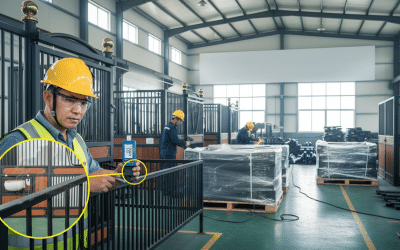
Strikes & Typhoons: Handling “Force Majeure” in Logistics
A port strike or typhoon shuts down your key shipping lane. Your cargo is stuck, project deadlines are at risk, and your contractors are asking who will pay for the idle time. Relying on a "force majeure" clause is not straightforward. Your contract's specific wording...

Can I Import to a Country I Don’t Live In? (NRI Guide)
Selling to customers in the U.S. and Canada can open up massive new markets, even if your company is based elsewhere. The key is to operate as a Non-Resident Importer (NRI), which allows you to manage all cross-border logistics and customs from abroad. This creates a...

How We Fit 30 Stalls in One Container: The Flat-Pack Logistics Guide
Shipping large, pre-assembled structures is inefficient. You pay for a container's volume, not just its weight, which is why a single welded stall often occupies an entire 40-foot shipment. When you need to scale up an order, this approach multiplies your freight...

Horse Stable Landed Cost Calculator: Import Duties, VAT & Port Fees (2026)
Most importers fixate on the factory price of metal horse stables, only to see their margins evaporate upon arrival due to hidden logistics fees. Costs such as destination port charges—often ranging from $300 to $600 per container—and standard import duties of 5.7%...
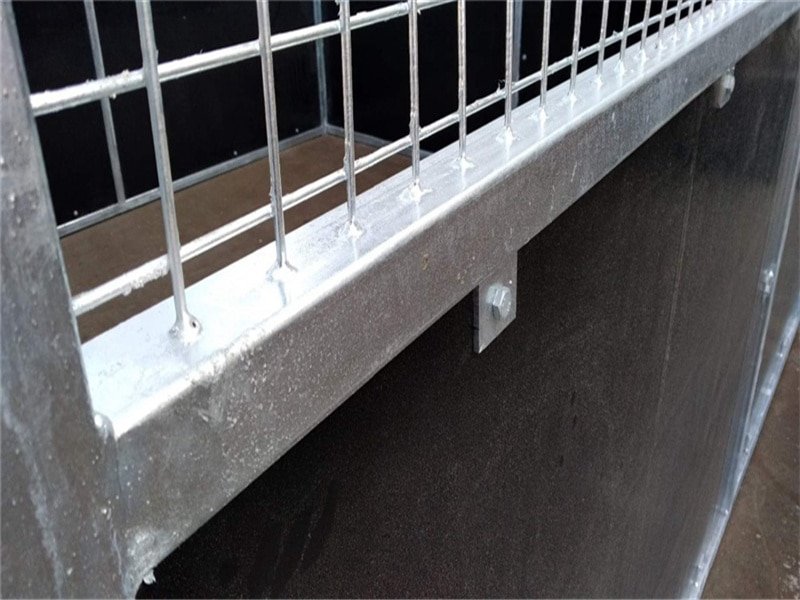
Hot-Dip Galvanization vs. Powder Coat: Which Stable Finish Lasts 20 Years?
Many facility managers discover that imported equestrian structures suffer structural failure within just three years of installation. This rapid degradation primarily stems from fabricators substituting true hot-dip galvanization with cosmetic spray paints on...
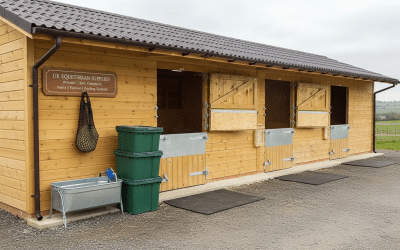
12 Types of Custom Horse Stable Options for Your Brand
Generic layout templates often ignore local climate variables, leading to rapid material degradation and inefficient workflows. Properly engineered customization reduces daily labor requirements by 30-50% while preventing rust...
Top 13 Scams to Avoid When Importing Horse Stables from China
The horse stable manufacturing industry operates without universal engineering mandates like ISO structural standards, leaving buyers vulnerable to rapid material failure. Unscrupulous suppliers often bypass critical testing,...
 English
  Español
  Français
  العربية
  Deutsch