


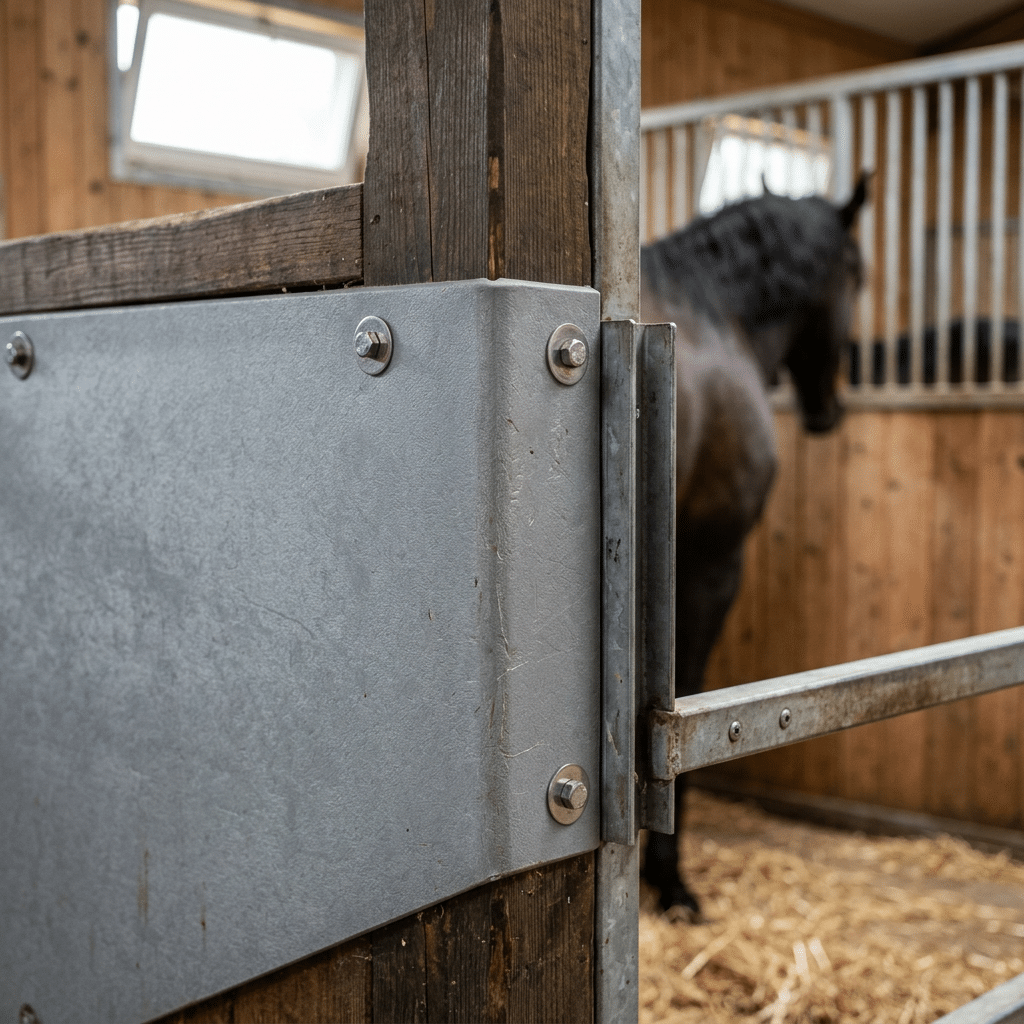
For any Draft Horse Rescue, specifying the right stabling architecture is a critical financial decision. Traditional wood construction seems affordable upfront but creates a recurring maintenance trap, diverting donor funds away from animal care and into a constant cycle of rot repair and board replacement.
This analysis benchmarks stable systems based on total cost of ownership, not just initial price. We evaluate materials on their ability to eliminate maintenance, focusing on non-porous حشوة البولي إيثيلين عالي الكثافة and steel frames protected by الجلفنة بالغمس الساخن to ISO 1461 standards, ensuring capital is invested once for lifetime use.
The Rot Cycle in High-Humidity Environments
Constant moisture causes wood to rot and steel to rust. Non-porous materials like high-density bamboo and hot-dip galvanized steel stop this structural decay at the source.
How Moisture Triggers Material Degradation
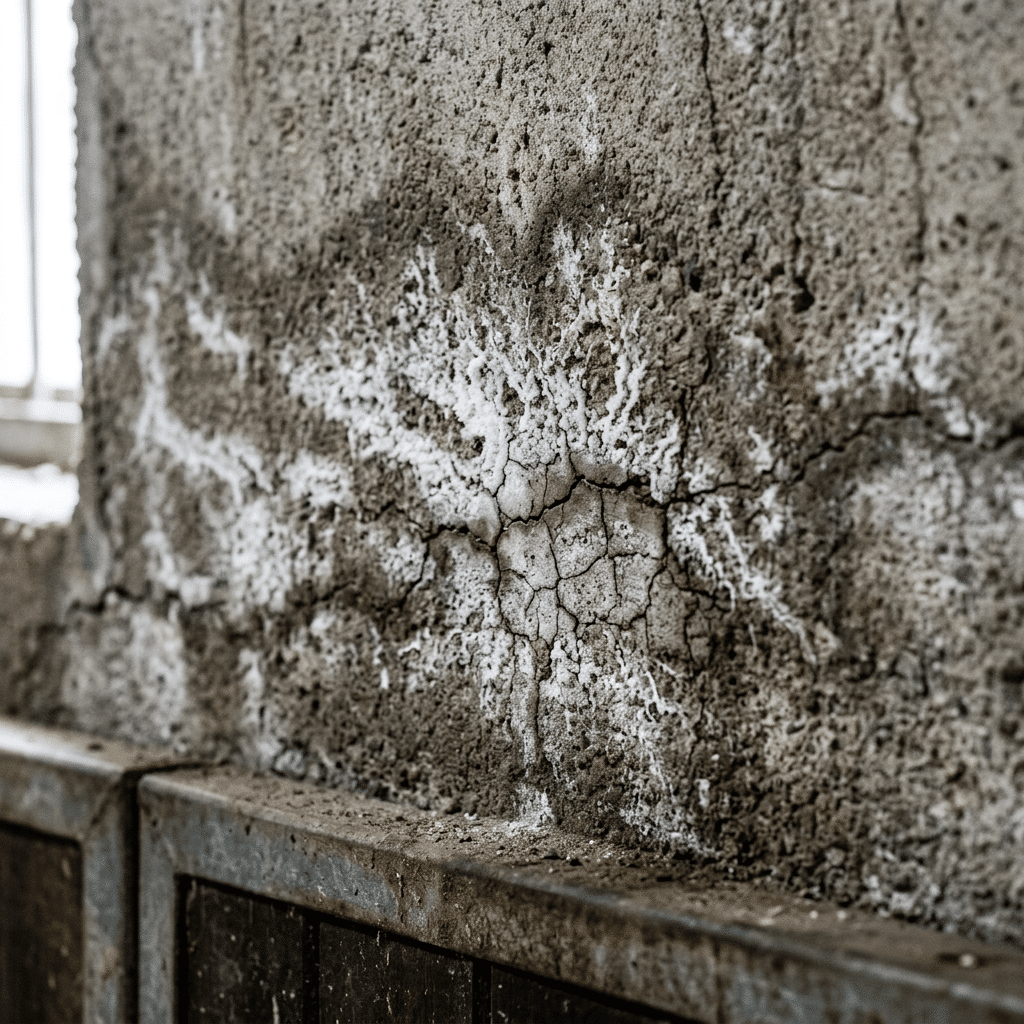
In any stable, prolonged exposure to moisture is the enemy of structural integrity. Humid, warm air saturates common building materials like timber and untreated steel, breaking down their protective surfaces. Once moisture penetrates, it doesn’t leave easily.
This environment becomes a breeding ground for fungus, mold, and rust. These destructive forces feed on the materials, accelerating the decay of the entire structure. A small patch of mold or a spot of rust is a clear signal that the rot cycle has begun, compromising the safety and longevity of the stable.
Using High-Density Bamboo to Stop Rot
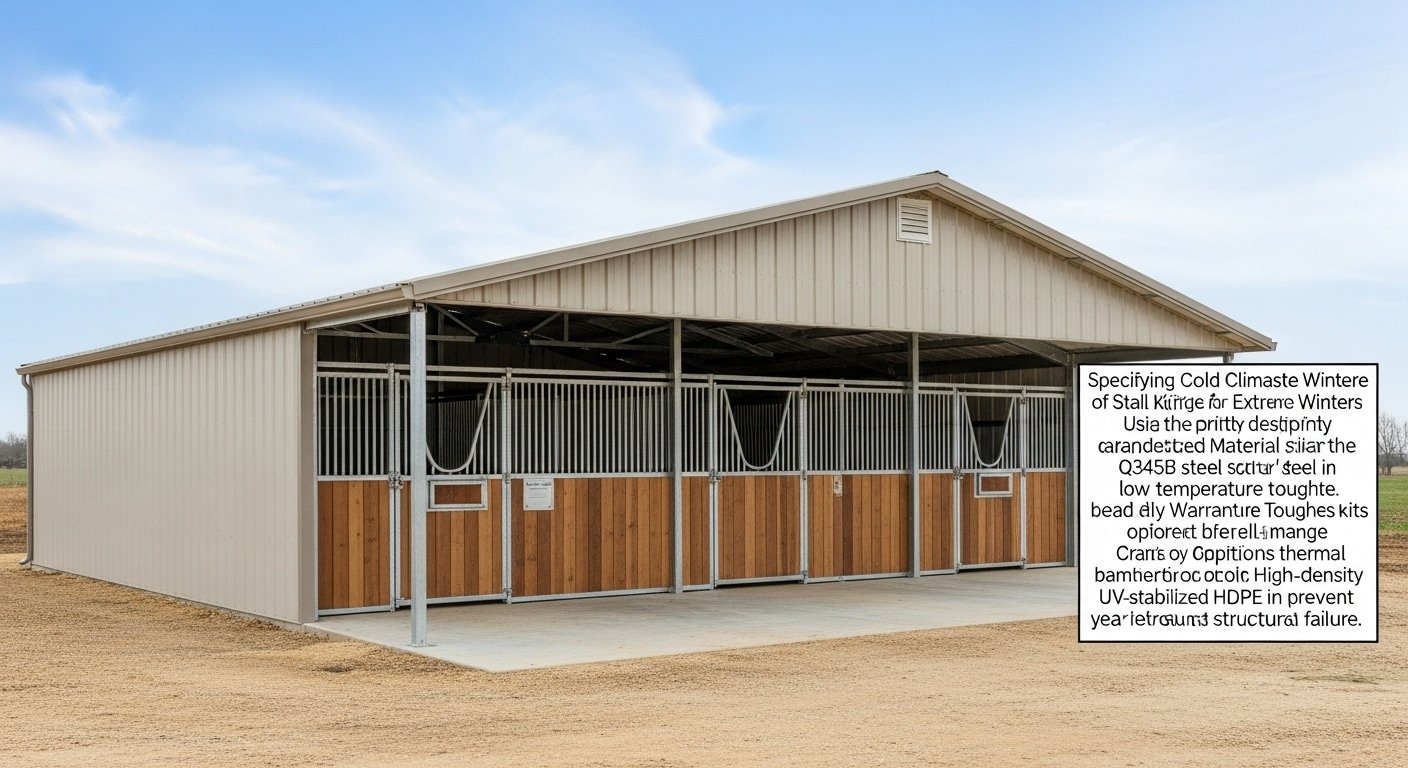
The most effective way to beat the rot cycle is to choose materials that can’t absorb moisture in the first place. This is why DB Stable engineers its systems with high-density strand woven bamboo for infill planks. This material is naturally resistant to the mold and decay that plague traditional wood in damp conditions.
Unlike porous timber that acts like a sponge for humidity, our bamboo is thermally treated and compressed to an extreme density. This process removes the natural sugars that fungi feed on and creates a board that is nearly impervious to water. It doesn’t absorb moisture, so the decay cycle never starts.
Material Comparison for Tropical Climates
In tropical climates, galvanized steel frames prevent rust from humidity. UV-stabilized HDPE and dense bamboo infills outperform wood by resisting rot, moisture, and pests.
Choosing the right materials for horse stables in tropical regions isn’t just about aesthetics; it’s a structural and financial decision. Constant high humidity, intense UV exposure, salt spray in
coastal areas, and a host of pests create an environment where standard materials fail quickly. The goal is longevity and safety, which means picking materials engineered to resist moisture absorption, rot, and corrosion from day one.
Below is a direct comparison of the most common materials used for stable frames and infill, breaking down how they actually perform under tropical stress.
| Material Category | Moisture & Rot Resistance | Pest Resistance | Longevity & Maintenance |
|---|---|---|---|
| Frame: Hot-Dip Galvanized Steel | Excellent. Galvanizing after fabrication to ISO 1461 standards creates a complete zinc barrier (>70 μm) that seals welds and prevents rust, even with constant humidity and salt spray. | Immune. Termites and other wood-boring insects cannot damage steel. | Very High. Requires minimal maintenance. The zinc coating provides decades of protection before any service is needed. |
| Infill: UV-Stabilized HDPE | Total. HDPE is non-porous and has virtually zero water absorption (<0.01%). It will not swell, rot, or grow mold. | Immune. Provides no food source for insects or vermin. | Excellent. UV stabilization prevents the material from becoming brittle or fading under intense sun. Truly a zero-maintenance infill. |
| Infill: High-Density Bamboo | Excellent. Strand-woven bamboo is thermally treated to remove sugars and starches, making it naturally resistant to rot and mold. Its high density (~1,200 kg/m³) prevents water ingress. | Very High. The thermal modification process eliminates the organic compounds that attract pests like termites. | High. Extremely durable (Janka hardness >3000 lbf) and weather-resistant. It offers the look of wood without the vulnerability to decay. |
| Infill: Treated Pine | Poor. Even when pressure-treated, pine absorbs significant moisture (18-22% by weight). This makes it a prime substrate for black mold in climates with humidity consistently above 60%. | Moderate. The chemical treatment resists insects, but any cuts or cracks that expose untreated wood become entry points. | Low. Requires constant sealing and maintenance to prevent moisture absorption and decay. It is a suboptimal choice for long-term projects in the tropics. |
For B2B projects like riding schools or large stud farms in tropical regions, material specification is directly tied to operational risk and long-term cost. While treated pine might seem like a cost-saver initially, it creates a recurring maintenance liability. The combination of a hot-dip galvanized steel frame with either UV-stabilized HDPE or high-density bamboo infill provides a system built to withstand the specific challenges of a tropical environment without constant upkeep.
Globally Compliant Stables for Any Climate
Airflow Design to Prevent Tropical Fungal Infections
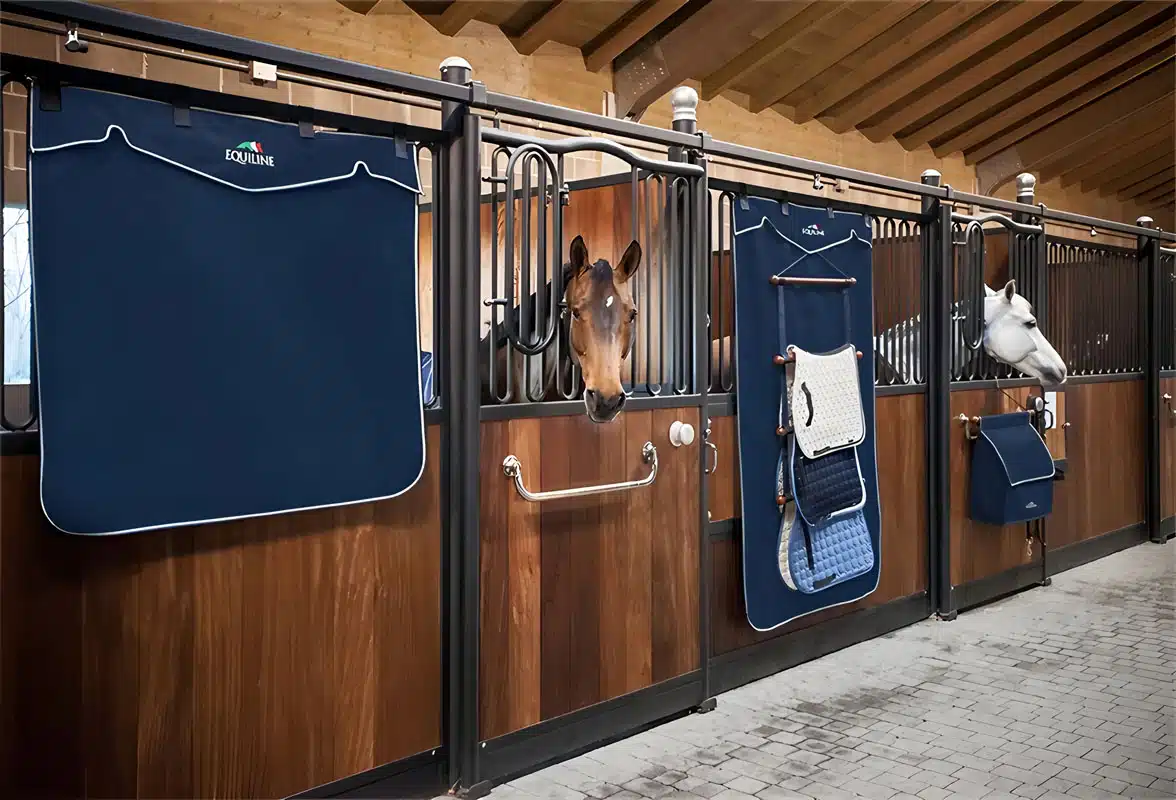
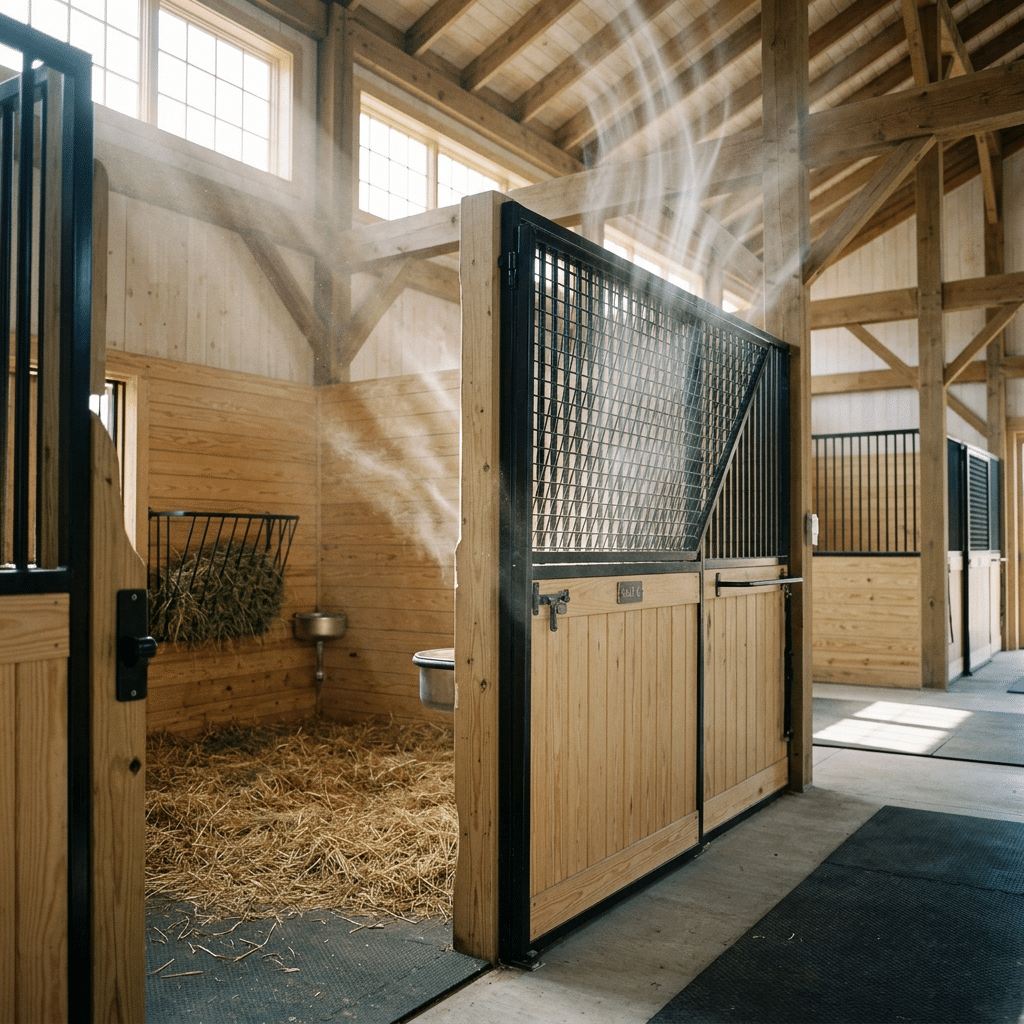
Proper airflow from stack effect ventilation is critical for preventing fungal infections. Open-top grills let hot, humid air escape while pulling in cooler air, reducing moisture and inhibiting mold growth.
Understanding Stack Effect Ventilation
Fungal spores thrive in stagnant, humid environments where moisture accumulates on surfaces and in bedding. A horse stable naturally generates significant heat and humidity from respiration and waste, creating ideal conditions for mold and fungus if the air isn’t moving.
Stack effect ventilation solves this by using natural convection. Warm, moist air is less dense, so it naturally rises. An effective stable design allows this humid air to escape through high-level openings. This process creates a slight negative pressure that pulls cooler, drier air in from below, establishing constant, passive circulation without mechanical systems.
The Role of Open-Grill Stable Fronts
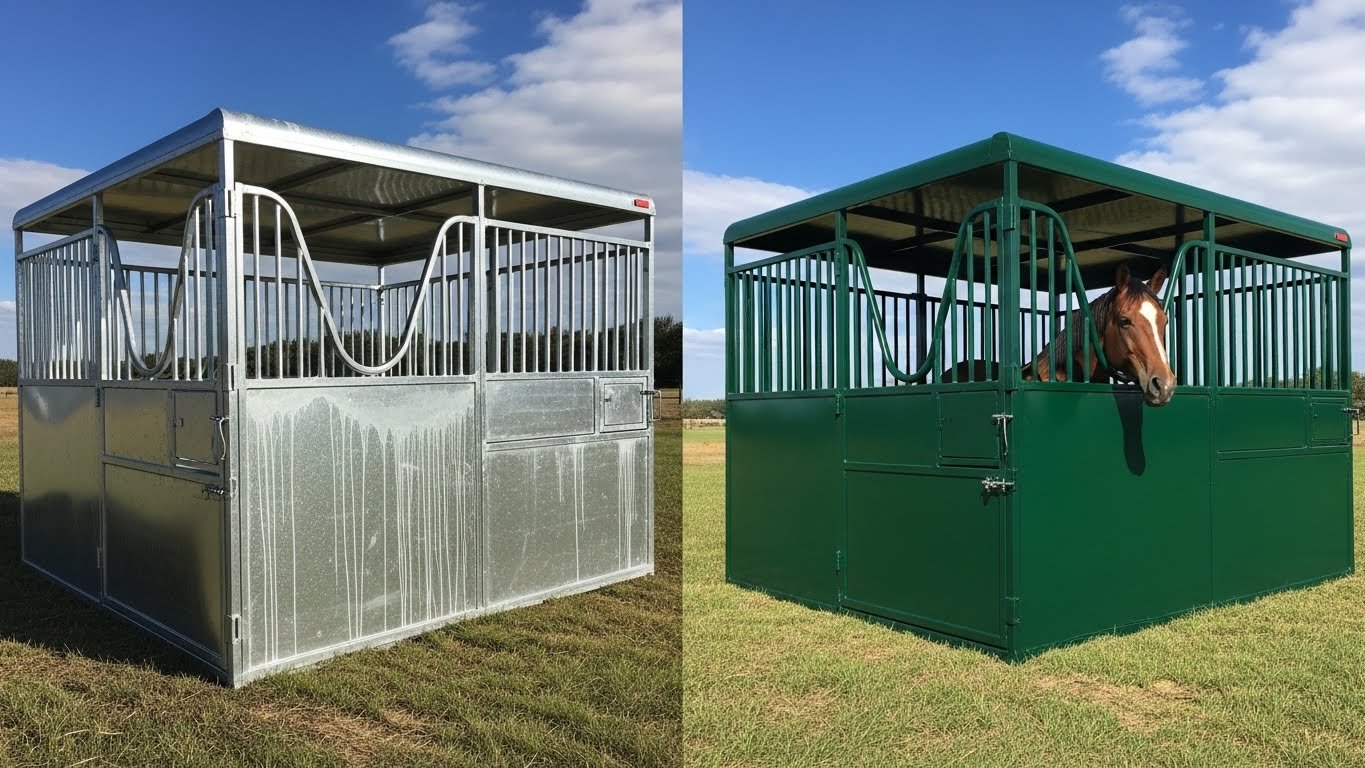
DB Stable systems, especially designs like our Economy Series, feature an open-top grill to maximize this natural airflow. This isn’t an aesthetic choice; it’s a core engineering principle for equine health in challenging climates.
The open grill provides the high-level exit point needed for the stack effect to work efficiently. This intentional design prevents warm, moist air from becoming trapped at the ceiling of the stall, keeping bedding and surfaces drier. Continuous air exchange is a key strategy for lowering the risk of common respiratory and skin issues linked to mold, particularly in tropical regions.
الأسئلة المتداولة
What’s the best stall material for high humidity or coastal areas?
For humid environments, materials that do not absorb moisture are essential. Our Hot-Dip Galvanized frames, conforming to ISO 1461, are designed to resist rust from salt spray. For infill, both High-Density Bamboo and HDPE are ideal. Bamboo is naturally resistant to rot and mold, while HDPE is completely waterproof and requires zero maintenance.
How do your stables help prevent mold?
Our stables combat mold in two ways. First, our infill options like High-Density Bamboo are naturally rot and mold-resistant, and our HDPE option is completely waterproof. Second, our open-top grill designs promote ‘Stack Effect Ventilation,’ ensuring constant airflow that helps keep the interior dry and reduces humidity buildup.
Do the bamboo infill boards rot?
No. We use high-density, strand-woven bamboo that is three times harder than oak. This engineered material is processed to resist rot, mold, and insect damage, making it exceptionally durable even in damp climates. It offers the classic look of wood without the risk of decay.
Is the HDPE infill truly waterproof?
Yes. High-Density Polyethylene (HDPE) is non-porous and does not absorb water. Unlike wood, it will never swell, rot, or delaminate when exposed to moisture or pressure washing. This makes it our ‘Zero Maintenance’ option, as it’s incredibly easy to clean and built for longevity.
Why do you use ‘Hot-Dip Galvanization After Fabrication’?
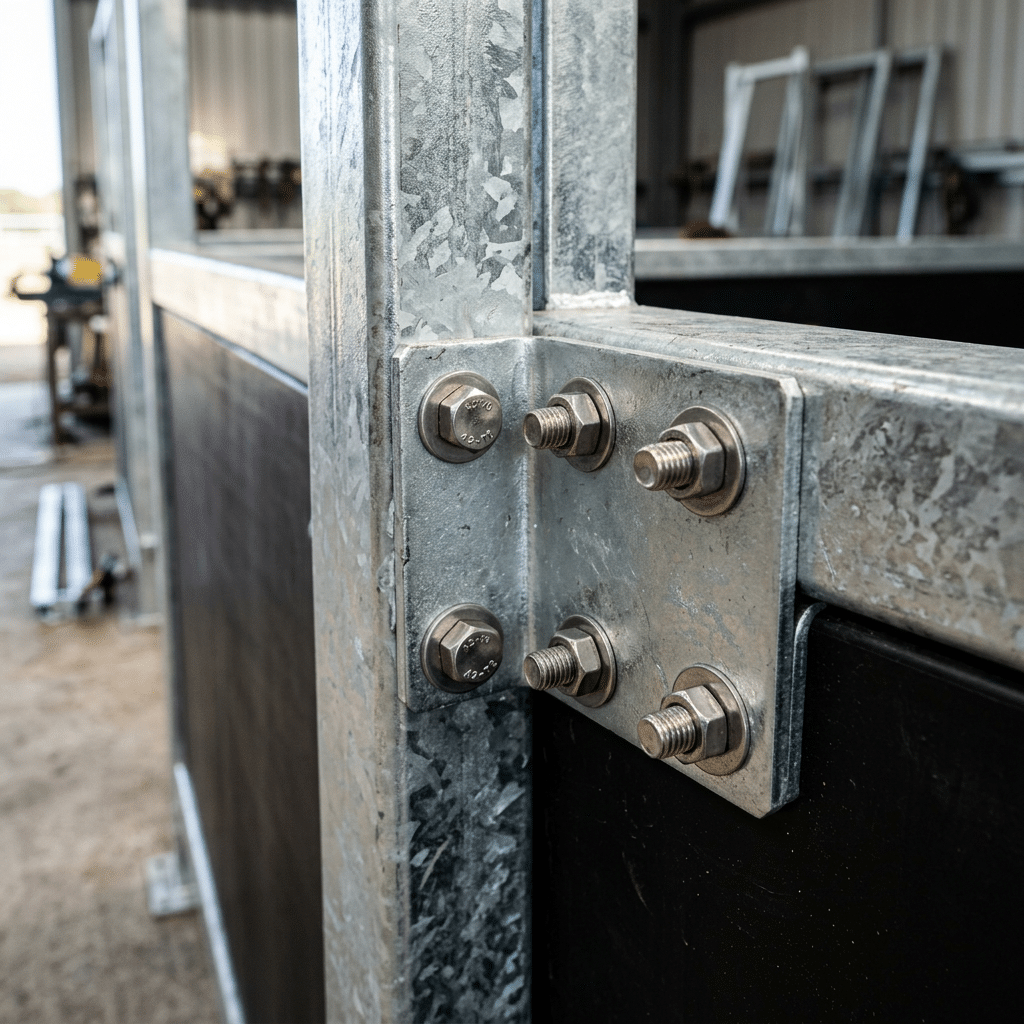
We weld all the raw steel components together first, and then the entire completed panel is submerged in molten zinc. This process, which meets the ISO 1461 standard, ensures every weld, corner, and edge is fully coated, offering maximum rust protection from the inside out. This is far superior to competitors who weld pre-galvanized tubes, which burns off the protective coating at the joints.
الأفكار النهائية
While standard wood stables seem to save money upfront, they create a cycle of costly maintenance and replacement. Our Economy Series stops this budget drain by using hot-dip galvanized steel and zero-maintenance HDPE. This is a one-time capital expense, not a recurring liability that compromises animal care funds.
Let’s define a permanent solution for your facility. We can develop a project-specific layout and quote aligned with your grant or funding structure. Contact our engineering team to ensure your next build is your last.

 Arabic
  English
  Spanish
  French
  German
0 تعليق