


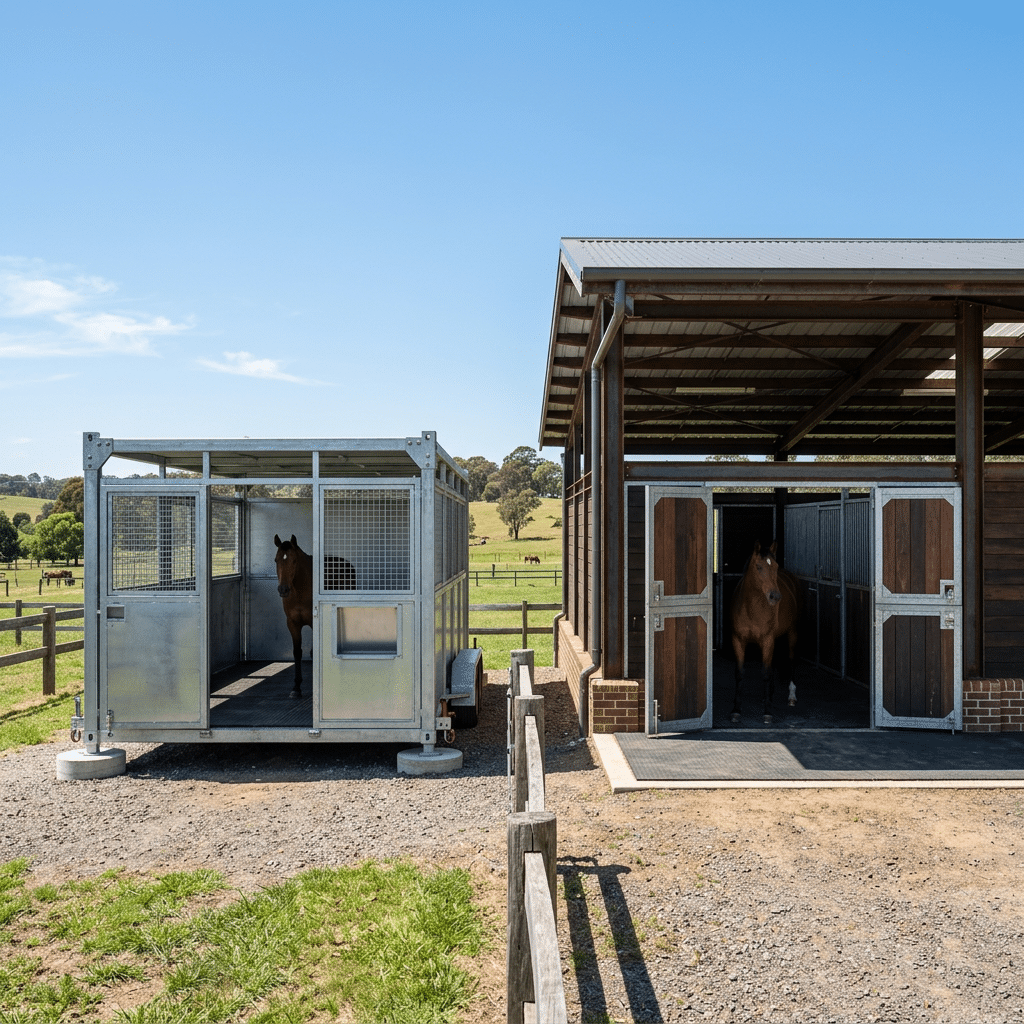
Designing a functional Police/Military HQ for mounted units demands infrastructure that survives high-stress impact, not just weather. Relying on standard residential timber for these high-traffic facilities guarantees early structural failure and aggressive repair costs that drain procurement budgets within five years.
This briefing outlines the technical necessity of specifying فولاذ Q345B منخفض السبائك عالي القوة و الجلفنة بالغمس الساخن to ISO 1461 standards for institutional use. We analyze how replacing hollow consumer tubing with heavy-gauge framing and 3000 lbf density bamboo secures the forty-year service life required by government tenders.
صعود الحوكمة البيئية والاجتماعية وحوكمة الشركات في مجال الإنشاءات
By 2026, ESG mandates will force a shift toward low-carbon materials and circular economy practices, prioritizing extended lifecycles and renewable resources to lower the industry’s carbon footprint.
The 2026 Imperative: Decarbonization and Circular Economy
The construction sector currently accounts for a massive portion of global CO2 emissions. This reality has pushed regulators and investors to move beyond voluntary “green” labels to mandatory carbon budgets. For large-scale projects, utilizing low-carbon materials is no longer optional; it is a prerequisite for securing financing and permits.
The industry is shifting toward a circular economy model. The goal is simple: eliminate premature replacement. When a facility installs equipment that rusts or fails within five years, it generates unnecessary waste and demands new manufacturing energy to replace it. Investors now require transparent reporting on material sourcing and lifecycle impacts, favoring suppliers who can prove their products won’t end up in a landfill within a decade.
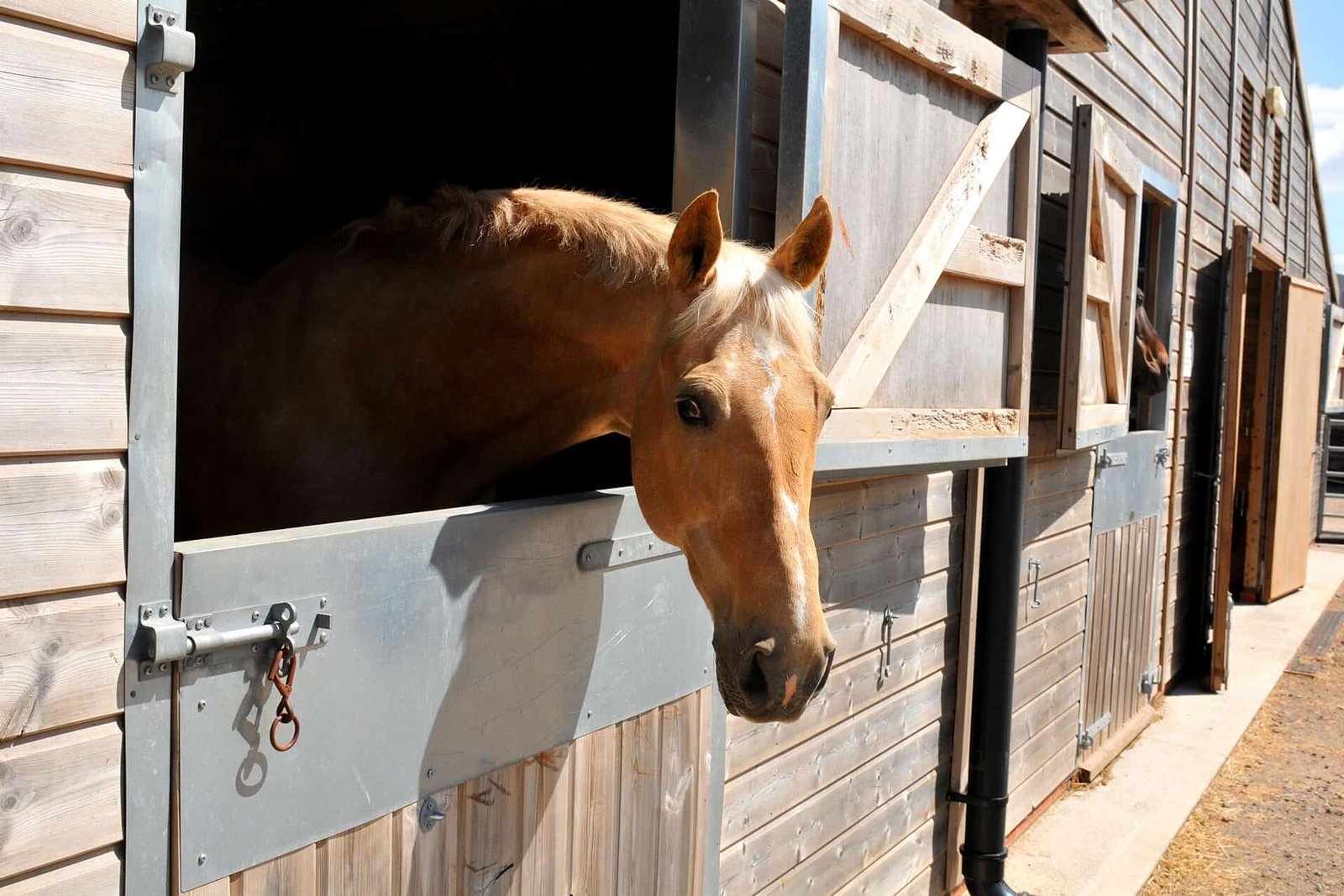
Material Lifecycle: ISO 1461 Galvanization and Renewable Bamboo
At DB Stable, we align our manufacturing directly with these 2026 ESG mandates through strict material specifications and logistics optimization. We focus on durability to support the circular economy and renewable materials to reduce embodied carbon.
- ISO 1461 Durability: We utilize Hot-Dip Galvanization بعد fabrication. While standard pre-galvanized tubing often fails early, our process ensures an average zinc coating of 85+ microns. This extends the structural life significantly, preventing waste generation from early corrosion.
- Renewable Bamboo Infill: Instead of slow-growing hardwoods like Oak, we use High-Density Strand Woven Bamboo. It matures in 3-5 years yet offers a Janka hardness rating > 3000 lbf (3x harder than Oak). This provides a renewable alternative without sacrificing the durability required for heavy equestrian use.
- Logistics Carbon Footprint: Shipping “air” is a major source of emissions. Traditional fully welded stalls fill a 40HQ container with only 12-15 sets. Our flat-pack system loads 30-45 مجموعة per container. This 60% reduction in shipping volume significantly lowers the carbon footprint per unit delivered.
الابتعاد عن أخشاب الغابات القديمة (البلوط/الصنوبر)
Modern facilities are ditching Oak and Pine for engineered bamboo (3,000+ Janka hardness) and HDPE to eliminate rot, splintering risks, and constant maintenance costs.
The Vulnerabilities of Traditional Softwood and Hardwood
Strand Woven Bamboo: Exceeding the 3,000 Janka Hardness Standard
To solve the durability issues of natural timber without losing the aesthetic appeal of wood, we engineered the DB Stable system around High-Density Strand Woven Bamboo. This is not the hollow bamboo used in garden furniture; it is a solid, compressed composite that behaves more like steel than wood.
- Janka Hardness > 3,000 lbf: Our bamboo registers over 3,000 on the Janka hardness scale. For context, Red Oak sits around 1,290. This material is effectively 3x harder than Oak, making it virtually impervious to cribbing.
- Impact Resilience: نحدد 28mm, 32mm, and 38mm thicknesses depending on the series. The density prevents splintering under heavy kicks, protecting the horse even if they strike the wall.
- Rot and Mold Resistance: Unlike Oak, which rots from the bottom up in wet bedding, our strand woven bamboo is engineered to resist moisture and mold. It handles the humid stable environment without warping or degrading.
Factory-Direct Stables Engineered For Lifetime Durability
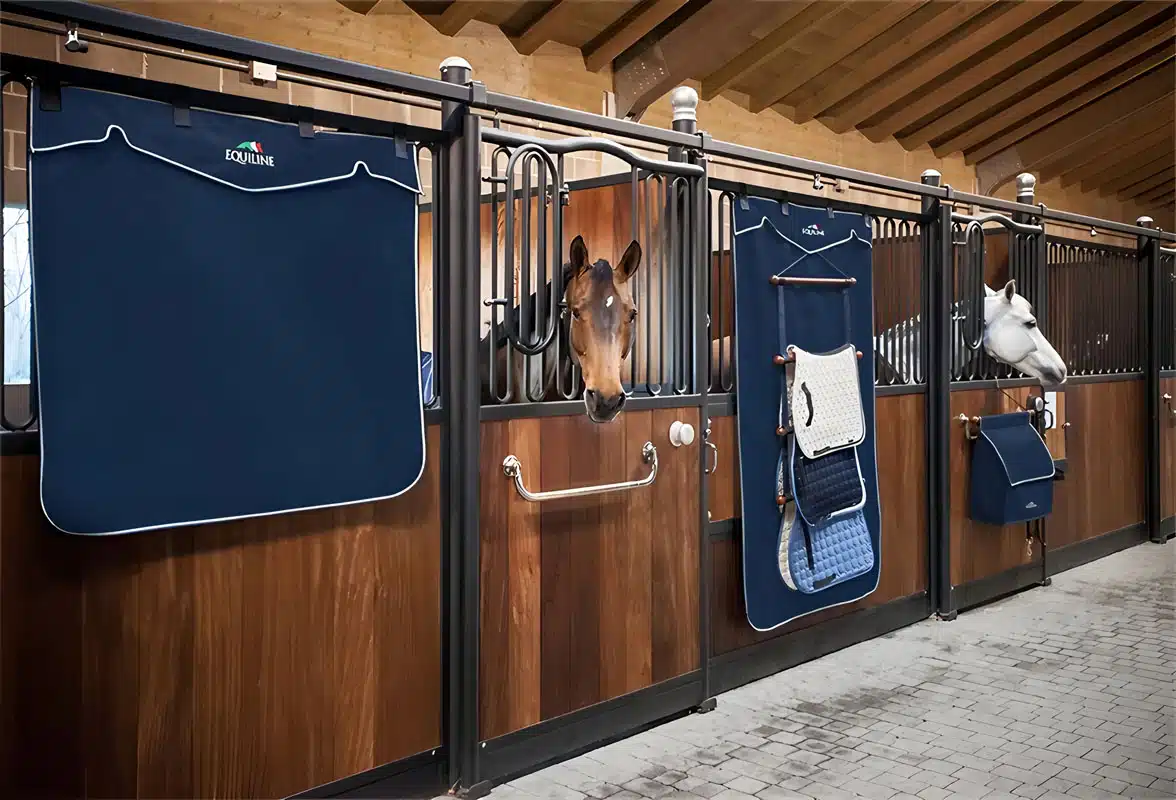
أفضل المصانع التي تتبنى المواد المستدامة
Global leaders like Siemens and Lego now prioritize renewable inputs and waste reduction. DB Stable aligns with this by using rapidly renewable bamboo and recyclable HDPE to extend product lifecycles.
Sustainability in manufacturing has moved beyond simple compliance; it is now a core operational strategy for industry leaders. We benchmark our production standards against top-tier global factories that prioritize circular economy principles and material longevity to reduce environmental impact.
| Comparison Factor | Traditional Manufacturing | Sustainable Benchmark (DB Stable) |
|---|---|---|
| Raw Material Source | Old-Growth Timber (Oak/Pine) Slow regeneration (30-50 years) | Strand Woven Bamboo Rapid regeneration (3-5 years) |
| Surface Protection | Standard Paint/Powder Coat Requires frequent repainting | Hot-Dip Galvanization (ISO 1461) Decades of rust-free use |
| Waste Profile | High replacement frequency Linear waste model | Recyclable HDPE & Steel Circular economy aligned |
Benchmarks Set by Global Industry Leaders
Major global manufacturers are fundamentally changing their production lines to minimize waste and emissions. These operational shifts set the standard for what modern B2B buyers should expect from their supply chain partners.
- Siemens Electronics Works (Chengdu): Utilized digital twin technology to optimize production flow, reducing manufacturing waste by 48%.
- Lego (Vietnam Facility): Targets 100% clean energy usage through extensive rooftop solar panels, directly addressing the energy intensity of plastic molding.
- Tesla & IKEA: Both companies actively implement circular economy principles, designing products and manufacturing processes that allow materials to be recovered and reused rather than sent to landfills.

Integrating High-Density Bamboo and HDPE
At DB Stable, we apply these high-level sustainability standards specifically to equestrian infrastructure. Our material selection prioritizes renewability and longevity to prevent the environmental cost of premature replacement.
We replace traditional hardwoods with High-Density Strand Woven Bamboo (28mm-38mm). While oak takes decades to mature, bamboo is harvestable in just 3-5 years and regenerates from its own root system. This material is not only more sustainable but significantly tougher, with a Janka hardness rating over 3000 lbf, making it 3x harder than oak and resistant to hoof impact.
- HDPE Planks (28mm-32mm): These provide a zero-maintenance solution that does not require toxic varnishes or stains. The material is fully recyclable and UV stabilized to prevent degradation.
- Hot-Dip Galvanization (ISO 1461): Sustainability is ultimately about product lifespan. We galvanize steel بعد fabrication to ensure a zinc coating exceeding 70 microns. This prevents rust for decades, ensuring the steel structure does not become scrap metal due to early corrosion.
خيزران منسوج من الخيزران: بالوعة كربون عالية الإنتاجية
ملخص تنفيذي: Strand-woven bamboo acts as a carbon-negative powerhouse, locking away -600 kg of CO₂ per cubic meter while delivering structural hardness exceeding 3,000 lbf.
Achieving a Negative Carbon Footprint (-600 kg CO₂/m³)
Most construction materials start with a carbon debt. Strand-woven bamboo starts with a credit. Research confirms a carbon footprint of -600 kg CO₂-eq/m³, meaning the material sequesters significantly more carbon during its rapid growth phase than is emitted during its harvesting and processing. Unlike traditional hardwoods that take decades to mature, bamboo reaches harvest capability in 3-5 years, absorbing carbon at a rate that outpaces almost any other terrestrial plant.
We leverage this biology by locking that captured carbon into the final engineered product. When you specify this material, you create “avoided emissions” by directly displacing carbon-intensive alternatives like steel and concrete. The manufacturing process binds the carbon fibers permanently, preventing release back into the atmosphere for the lifespan o
f the facility.
Structural Density: The 3,000 lbf Janka Standard
Carbon storage is useless if the material fails after five years. Durability is the other half of the equation. Through high-pressure compression, we fuse bamboo fibers into boards with a Janka Hardness rating exceeding 3,000 lbf. This makes the material three times harder than Oak, solving the durability issues inherent in raw bamboo.
At DB Stable, we strictly use 28mm-38mm profiles for our bamboo infill. This specific density serves two purposes:
- Longevity as Carbon Storage: The extreme density prevents moisture ingress, mold, and rot, ensuring the carbon remains locked in the board rather than decomposing and releasing CO₂.
- مقاومة الصدمات: It withstands direct equestrian impacts without fracturing, eliminating the need for frequent replacements and the associated carbon cost of manufacturing new parts.
الأسئلة المتداولة
كيف تبني مركزاً للفروسية متوافقاً مع المعايير البيئية والاجتماعية والمؤسسية؟
Building an ESG-compliant facility requires a systematic approach across three pillars rather than random green initiatives. You need measurable targets, not just good intentions.
- Environmental: Focus on energy and water. Leading facilities like Equitom generate 80% of their electricity via solar and achieve 100% water self-sufficiency through closed-loop rainwater harvesting. Prioritize biodiversity by converting unused land into native habitats.
- Social: This covers human safety and welfare. Implement documented risk assessments, provide proper staff facilities (gyms, break rooms), and enforce fair labor practices. Address work-life balance to reduce staff turnover.
- Governance: Establish a formal strategy with board-level oversight. Move beyond “zero waste” claims to documented waste management plans with year-over-year reduction targets. Report data transparently before seeking certification.
هل الخيزران مادة بناء مستدامة؟
Yes, bamboo is highly sustainable, but only when engineered correctly. Its primary environmental advantage is speed: bamboo harvests in 3-5 years compared to 30-50 years for hardwoods, and it regenerates from its own root system without replanting. It sequesters massive amounts of carbon during this rapid growth.
However, raw bamboo has poor natural durability and will rot quickly. For construction, it must be treated and compressed (strand-woven). This processing turns a fast-growing grass into a structural material with compressive strength rivaling concrete and a strength-to-weight ratio exceeding steel.
التأثير البيئي للحظائر الفولاذية مقابل الحظائر الخشبية؟
The choice depends on whether you prioritize immediate embodied carbon or long-term lifecycle efficiency. Wood wins on production emissions; it grows naturally and requires less energy to process, resulting in lower initial embodied carbon.
Steel, specifically the Q235B grades we utilize, wins on longevity and circularity. Steel is 100% recyclable without strength loss and creates a closed-loop system. While steel production is energy-intensive, the material does not warp, rot, or require chemical pest treatments, offering a 30-50 year lifespan that often outlasts wood significantly.
الشهادات الخضراء لإسطبلات الخيول؟
There is no specific “Green Stable” certification currently available. However, you can adapt broader standards to equestrian facilities. Commercial projects often pursue LEED certification by focusing on site planning, water efficiency, and materials, even though LEED is not agriculture-specific.
In regulated regions like California, agricultural structures must meet CalGreen codes, which mandate construction waste recycling and water conservation. For most private facilities, the best approach is following USGBC frameworks: install permeable pavers for stormwater, implement graywater systems, and conduct energy audits.
الشركات المصنعة لحظائر الخيول الصديقة للبيئة؟
Several manufacturers have carved out specific niches in the sustainable market. Your choice depends on the material preference:
- DC Structures: Focuses on heavy timber from Pacific Northwest sources, prioritizing responsibly sourced wood.
- MD Barnmaster & Coffman Barns: Specialize in modular/prefab manufacturing. This reduces construction waste significantly compared to site-built structures.
- WYO Custom Builders: Focuses on metal barns for durability, eliminating the need for chemical wood treatments.
- Sustainable Stables: Offers master planning services to integrate the barn into the wider ecosystem efficiently.
فولاذ Q235B: إطار 100% القابل لإعادة التدوير
Q235B structural steel matches ASTM A36 performance standards and offers 100% recyclability, eliminating the toxic landfill waste often associated with chemically treated timber frameworks.
Engineering Grade: Q235B vs. ASTM A36
In the global steel market, Q235B serves as the direct equivalent to ASTM A36 (USA) and S235JR (Europe). We strictly utilize this low-carbon structural steel because it offers the specific mechanical properties required for equine safety. Unlike brittle high-carbon steels that may snap under sudden impact, Q235B possesses excellent ductility. If a 600kg warmblood kicks a stall front, the material absorbs the energy through minor deformation rather than suffering a catastrophic structural failure.
While many budget manufacturers attempt to cut costs by using 1.5mm or 1.6mm tubing, we adhere to a strict minimum wall thickness of 2.0mm to 2.5mm (مقاس 14). This specification ensures the yield strength remains ≥235 MPa across the entire framework. The chemical composition of Q235B also provides superior weldability, creating a seamless bond that is critical for the subsequent Hot-Dip Galvanization process (ISO 1461), ensuring the zinc coating bonds metallurgically to the steel surface.
Environmental Impact: 100% Recyclability and Waste Reduction
Steel framing solves the “end-of-life” disposal crisis common in the equestrian construction industry. Traditional timber stables typically require chemical treatments (pressure treating with copper or arsenic compounds) to resist rot and pests. Once that wood decays or breaks, it becomes hazardous waste that cannot be burned for fuel or safely composted, leading to landfill accumulation.
Q235B steel operates on a closed-loop lifecycle. Because it is a ferrous material, it allows for easy magnetic separation at recycling facilities. At the end of its 40+ year service life, the entire framework can be melted down and repurposed without material degradation. Even the zinc coating from the galvanization process is captured as dust in electric arc furnace filters and recycled for zinc production. This 100% recyclability aligns your facility with circular economy principles, drastically reducing the embodied carbon footprint compared to replacing rotted timber every decade.
الأسئلة المتداولة
What is the difference between Pre-Galvanized and Hot-Dip Galvanized After Fabrication?
Most budget suppliers use pre-galvanized tube. They take a coated tube, cut it, and weld it together. This burns the zinc off at the weld, leaving the joint exposed to rust immediately. We strictly use الجلفنة بالغمس الساخن بعد التصنيع (ISO 1461 standard). We weld the black steel frames first, then dip the entire structure into molten zinc. This seals every joint, internal surface, and edge with a zinc coating averaging over 70 microns. It prevents the internal rotting that destroys pre-galv gates from the inside out.
How does bamboo infill compare to traditional hardwood?
Bamboo outperforms hardwood in both density and regeneration speed. While oak takes decades to mature, bamboo regenerates in 6-9 years. We use High-Density Strand Woven Bamboo with a Janka hardness over 3000 lbf—making it three times harder than oak. This density makes it naturally resistant to rot, mold, and cribbing (chewing), solving the maintenance headaches common with softwoods like pine.
How does the flat-pack design impact shipping costs?
Traditional fully welded fronts are essentially shipping air. They limit a 40HQ container to about 12-15 sets, driving up the landed cost. Our steel pallet flat-pack system allows us to load 30-45 مجموعة in the same container. This density reduces the freight cost per unit by approximately 60%. For distributors and large projects, this logistics efficiency protects your margin significantly.
Are the stables suitable for extremely cold climates?
Yes. Standard carbon steel can become brittle and fracture if kicked during freezing conditions. For regions with severe winters, we manufacture frames using فولاذ Q345B منخفض السبائك عالي القوة. This material retains superior impact toughness at low temperatures, ensuring the structure withstands impact without snapping, even in sub-zero environments.
What is included in the installation kit?
We provide a complete hardware pack to ensure you aren’t running to the hardware store mid-install. Each set includes 304 Stainless Steel anchor bolts, connectors, and screws for corrosion resistance. We also include a specific amount of cold galvanizing spray. This allows installers to immediately touch up any scratches that occur during unloading or assembly, maintaining the integrity of the rust protection.
What constitutes ‘Zero Maintenance’ for the HDPE option?
Our recycled HDPE (High-Density Polyethylene) infill planks are UV stabilized and solid throughout. Unlike wood, they are impervious to water and urine. They will not rot, warp, splinter, or require staining. “Zero maintenance” means you simply hose them down to clean them; no sanding, sealing, or painting is ever required.
كيف تبني مركزاً للفروسية متوافقاً مع المعايير البيئية والاجتماعية والمؤسسية؟
Building for ESG compliance requires a structured approach to energy, water, and social responsibility. Start by prioritizing renewable energy; top facilities now generate up to 80% of their electricity via on-site solar. Implement closed-loop water systems to capture and reuse rainwater, particularly for wash bays. Finally, document a waste management plan that tracks year-over-year reductions in landfill use rather than just claiming “eco-friendly” status without data.
هل الخيزران مادة بناء مستدامة؟
Yes, when engineered correctly. Bamboo harvests in 3-5 years compared to 30-50 years for hardwoods like oak, and it regenerates from the root system without replanting. It also absorbs significantly more carbon dioxide than standing timber. However, natural bamboo is prone to decay. For construction, it must be High-Density Strand Woven (processed) to ensure the durability matches the sustainability claims.
التأثير البيئي للحظائر الفولاذية مقابل الحظائر الخشبية؟
Wood wins on initial production emissions (embodied carbon) because trees grow naturally. However, steel wins on longevity and circularity. Steel is 100% recyclable without losing strength and resists the warping, rotting, and pest damage that inevitably degrades wood. If you prioritize a 50-year lifecycle with minimal replacement waste, steel is the superior choice; if you prioritize low initial carbon manufacturing, wood has the edge.
الشهادات الخضراء لإسطبلات الخيول؟
There is no specific “Green Stable” certification. However, equestrian facilities can pursue LEED certification by applying commercial and agricultural building standards. Key areas for credit include stormwater management (pervious pavement, bioswales), site planning that respects natural topography, and the use of recycled materials like steel and HDPE. California projects must also adhere to CalGreen codes regarding water efficiency and construction waste reduction.
الشركات المصنعة لحظائر الخيول الصديقة للبيئة؟
Manufacturers focusing on sustainability typically specialize in either responsibly sourced timber or modular steel systems. Companies like DC Structures emphasize premium timber from managed forests. On the steel side, manufacturers utilizing prefabricated modular designs (like MD Barnmaster and our own Q235B systems) reduce construction waste and offer 100% recyclability. The most eco-friendly option is often the one offering the longest lifespan with the least chemical maintenance.
الأفكار النهائية
Selecting traditional timber or pre-galvanized frames for institutional facilities guarantees inflated maintenance costs and safety liabilities. Our Q235B structural steel, galvanized to ISO 1461 standards after fabrication, ensures the “Armored Spec” durability needed to withstand daily police and military use. This extended lifecycle strategy meets strict ESG mandates while eliminating the financial drain of premature replacement.
Validate these specifications directly against your current government bidding requirements. We urge logistics officers to request a technical sample kit to personally verify our 85-micron zinc coating and high-density bamboo impact resistance. Reach out to our engineering team now to secure a bid-ready proposal that defines long-term operational value.

 Arabic
  English
  Spanish
  French
  German
0 تعليق