


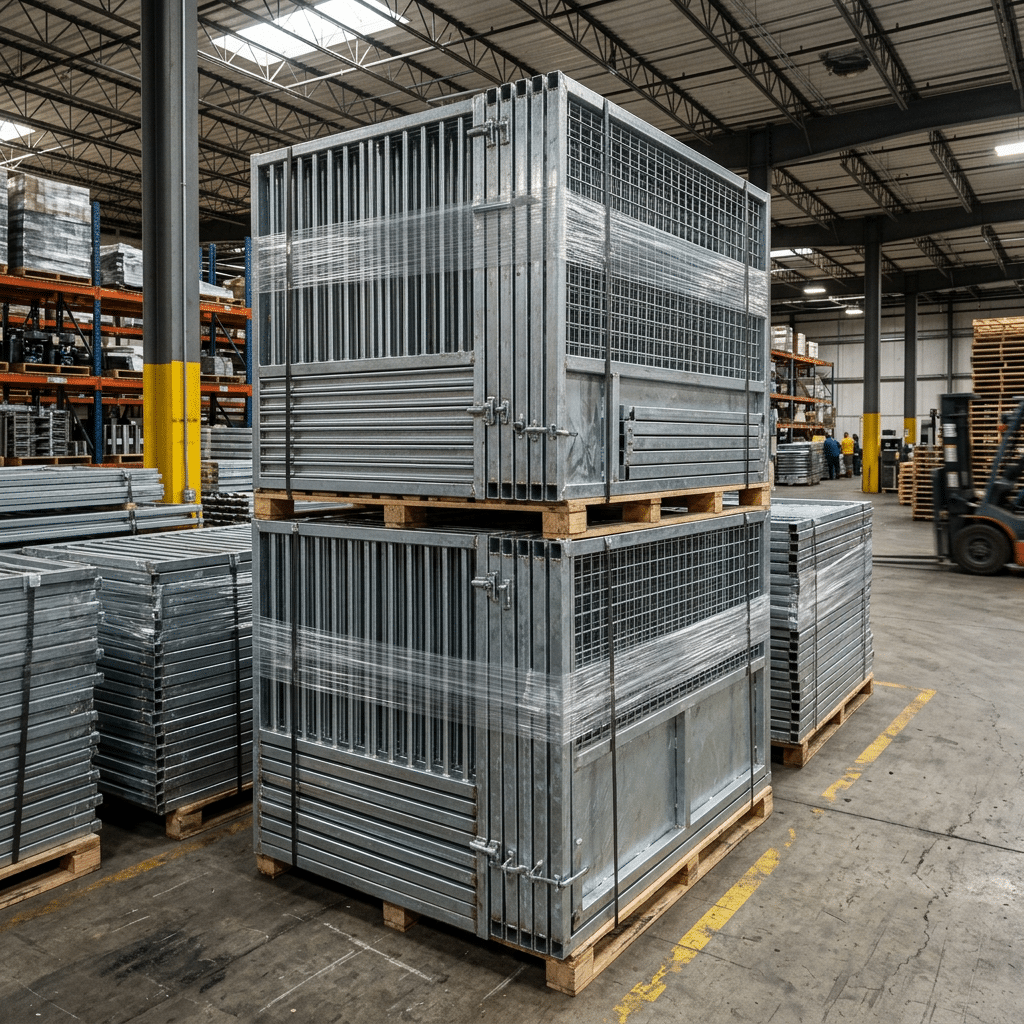
A documented maintenance schedule is the only operational defense against preventable structural failures in an equestrian facility. Small oversights, such as ignoring bolt relaxation or track debris, accumulate over time, leading to expensive emergency repairs and creating significant safety risks for both animals and staff.
This plan moves beyond generic advice, providing the exact engineering specifications for long-term upkeep. We detail the quarterly torque checks for 304 stainless steel anchor bolts and the correct repair protocol for steel galvanized to the ISO 1461 standard, ensuring your facility remains structurally sound for years.
The Myth of the “Maintenance-Free” Facility
No equestrian facility is truly maintenance-free. The goal is low-maintenance by design, using superior materials like galvanized steel and HDPE to eliminate common, costly repair work.
The Reality of Upkeep vs. The Ideal
The idea of a “set it and forget it” facility is just marketing talk. Any well-engineered structure, especially one housing animals, requires proactive inspections to ensure long-term safety and function. A loose bolt or a damaged latch isn’t something you can ignore.
The practical aim is to drastically reduce the frequency, cost, and labor involved in upkeep. We design systems to eliminate common failure points, not to falsely promise that you’ll never have to walk the site for a safety check.
Low Maintenance by Design: The Role of HDPE Infill
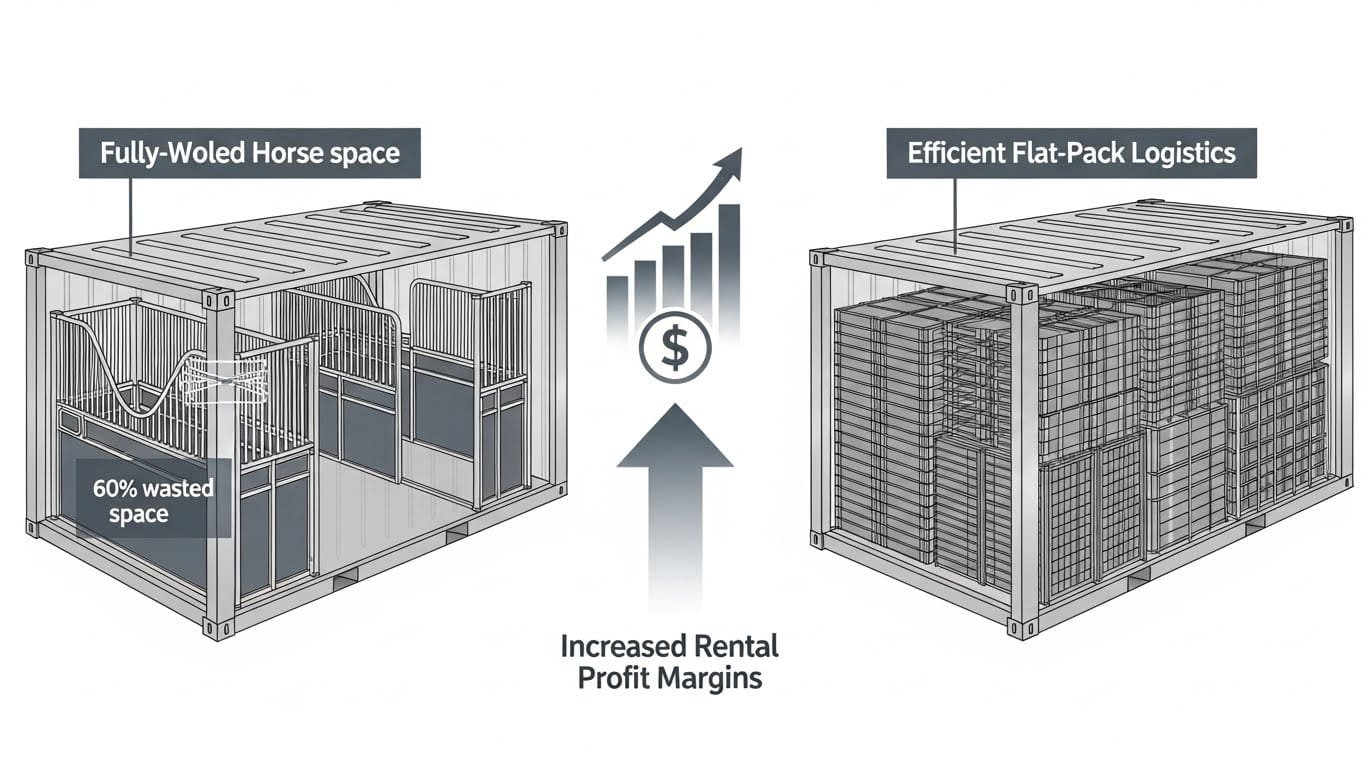
Our HDPE infill is a clear example of engineering a problem out of existence. It is a ‘zero maintenance’ component within the larger low-maintenance system. The material is UV stabilized to prevent sun degradation and absorbs impact, but its main value is what you don’t have to do to it.
It never needs painting, sealing, or staining. Unlike timber, high-density polyethylene doesn’t rot, warp, splinter, or attract pests. This eliminates the most common sources of stable board failure and the endless cycle of repair and replacement that comes with it.
Quarterly Checks: Torquing the 304 Stainless Anchor Bolts
Quarterly torque checks on 304 stainless anchor bolts are non-negotiable. They ensure clamping force is maintained, preventing loosening from vibration or environmental shifts in the facility.
Regularly verifying the torque on your stable’s 304 stainless steel anchor bolts is a critical maintenance task. These bolts can loosen over time due to constant vibration, temperat
ure cycles, and material settling. Using a calibrated torque wrench to check them every quarter ensures the structural integrity and safety of the entire system.
Recommended Torque Values by Bolt Size
Here are the standard torque specifications for the most common anchor bolt sizes. Use these as a primary reference during your inspections.
| Bolt Size | Recommended Torque |
|---|---|
| 1/2″-13 | 43–50 ft-lbs |
| 5/8″-11 | 92–95 ft-lbs |
| 3/4″-10 | 127–175 ft-lbs |
| M8 (Metric) | 20 Nm |
These values are a solid baseline. But always check the original installation documents provided with your project. On-site factors like lubrication or friction can alter the required torque values.
Material Considerations for 304 Stainless Steel
Every DB Stable hardware kit includes 304 stainless steel fasteners. We specify this material for its maximum corrosion resistance in demanding barn environments. Its mechanical properties are different from common carbon steel, which is why a specific maintenance plan is necessary.
304 stainless steel has a minimum tensile strength of 515 MPa. You cannot use torque values for standard steel bolts without risking over-stressing the hardware. Over time, stainless fasteners can also experience minor “relaxation,” a settling effect that slightly reduces the initial clamping force. This isn’t a defect; it is a known property of the material. Quarterly checks directly address this, ensuring the original clamping load is maintained for long-term safety and structural stability.
Build Climate-Proof Stables with 20-Year Durability.
Bi-Annual Track Cleaning: Keeping Sliding Doors Gliding
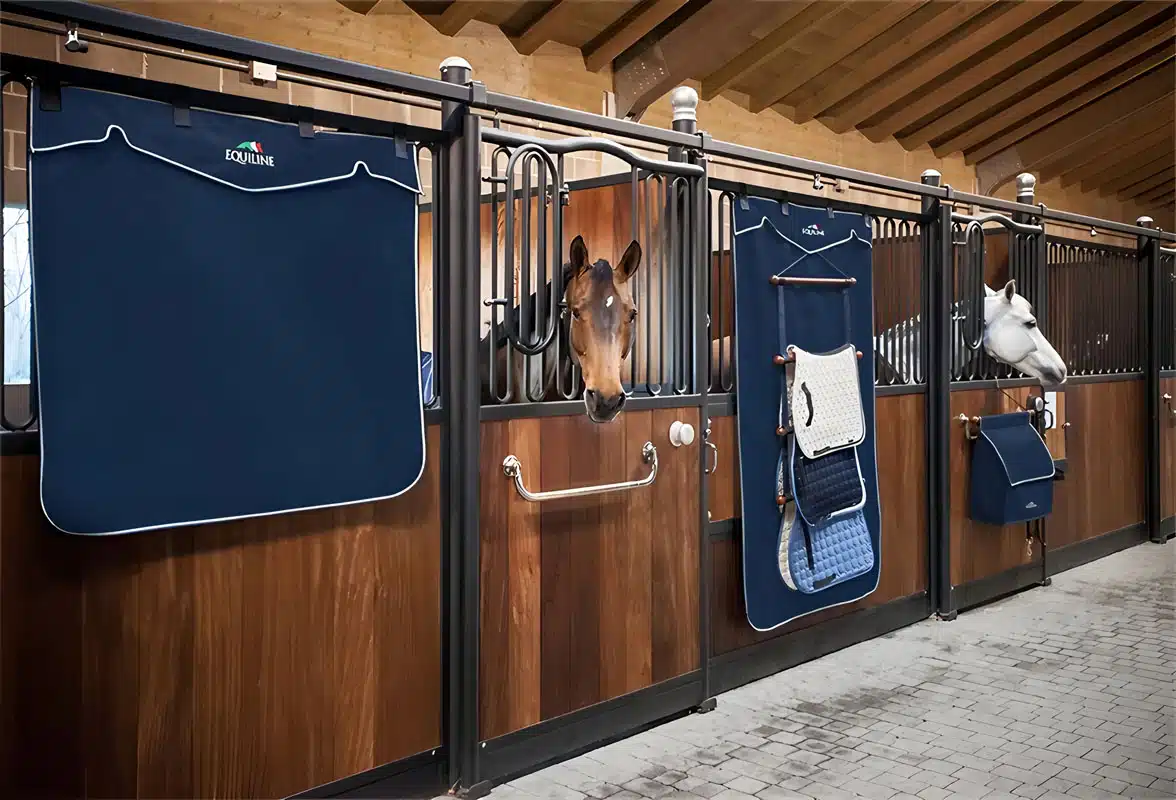
Bi-annual track cleaning is critical. Vacuum debris, scrub with mild detergent, and apply a silicone-based lubricant. This prevents sticking, reduces wear, and extends the door’s life.
The Standard Cleaning and Lubrication Process
All sliding door systems, regardless of design, benefit from a consistent maintenance routine. Sticking or grinding doors are usually a sign of debris buildup, not a mechanical failure. Following these steps twice a year keeps them operating as intended.
- First, use a vacuum with a crevice tool to pull out all loose hay, dust, and bedding from the entire length of the track.
- Next, use a soft brush and a simple mild detergent solution to scrub away any packed-in grime or residue.
- Wipe the track completely dry with a clean cloth. This step is essential to prevent any chance of rust or mold.
- Finally, apply a silicone-based spray lubricant to the track and rollers. Avoid oil-based lubricants, as they become sticky and attract far more dirt.
Maintaining the Professional Series’ Hidden Track System
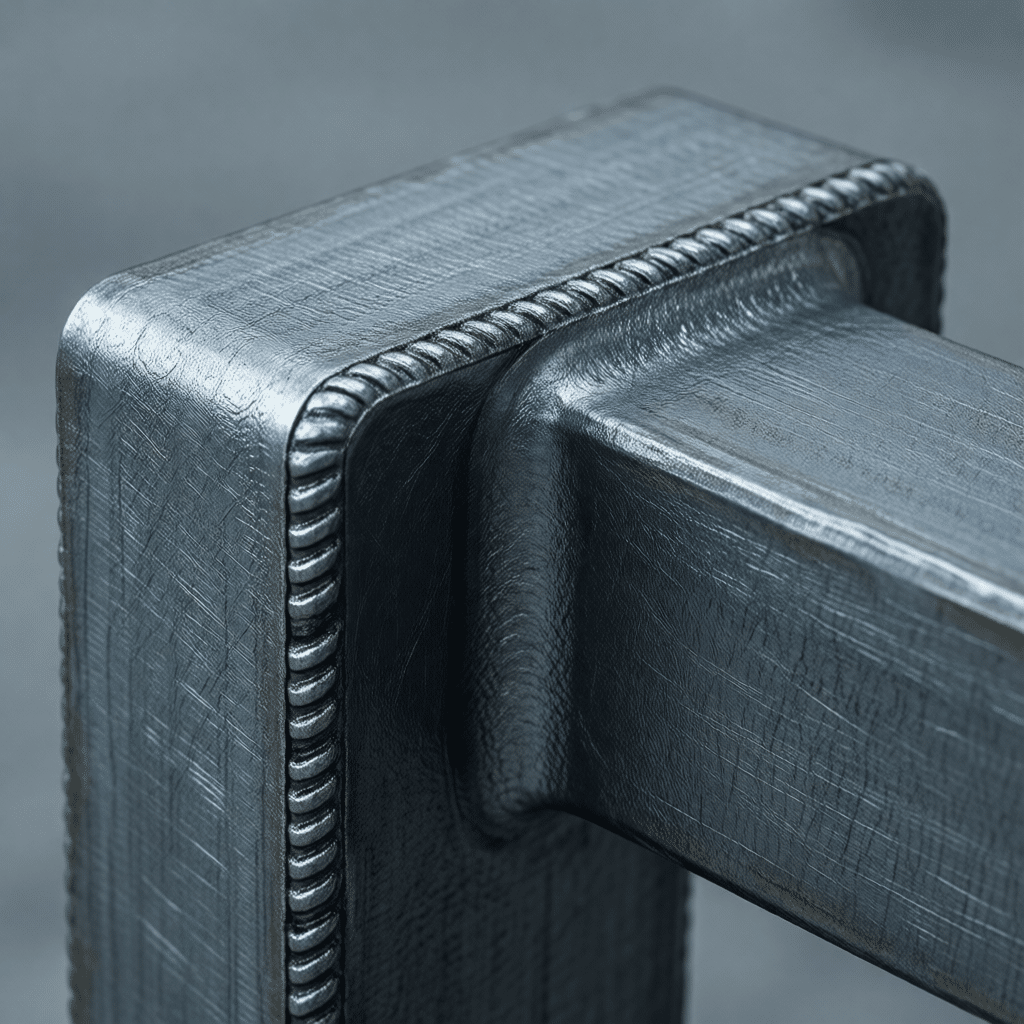
The DB Stable Professional Series was engineered to simplify this exact process. Its hidden track system shields the rollers and mechanism from most arena dust and stable bedding that typically clog exposed tracks.
This design means less debris gets in, so the bi-annual check-up is much faster than with standard overhead systems. All the system’s hardware is made from 304 Stainless Steel, which provides solid corrosion resistance against moisture from cleaning agents or high-humidity environments.
Inspecting for Kicking Damage: When to Replace a Bamboo Board
Monitor surface scratches, but replace any board that splinters, cracks through, or delaminates from a kick. This maintains the stall’s structural integrity and prevents moisture damage.
Assessing Damage: Superficial Scratches vs. Structural Cracks
The first step in any inspection is to determine if the damage is cosmetic or structural. A superficial scratch only affects the surface finish. It doesn’t break the bamboo fibers or penetrate the board’s core. While unsightly, this kind of damage doesn’t compromise the stall’s safety and doesn’t require immediate replacement.
Structural damage is a different story. Look for deep cracks that run through the board, splinters that lift away from the surface, or signs of delamination where layers are separating. Any of these indicates the board’s integrity is compromised. This damage creates a weak point that could fail under another impact and allows moisture t
o get in, leading to rot and further decay.
مزايا الخيزران المنسوج عالي الكثافة المنسوج من الخيزران
The material itself is the primary defense against this type of failure. DB Stable uses a high-density strand woven bamboo with a Janka Hardness rating over 3000 lbf. To put that in perspective, it’s three times harder than standard oak. This exceptional density and hardness mean it’s far less likely for a horse’s kick to cause a structural crack in the first place. This durability extends the service life of the boards and significantly reduces how often you’ll face replacement decisions.
Touch-Up Protocols: Using Cold Galvanizing Spray on Scratches
To repair scratches on galvanized steel, clean the area and wire brush it to bare metal. Apply two light, overlapping coats of cold galvanizing spray to restore the protective zinc layer.
Surface Preparation and Application Steps
Proper application is straightforward but requires correct surface prep to work. A few simple steps ensure the repair bonds correctly and restores the rust protection.
- First, clean all dirt, grease, and oil from the damaged area. Use a commercial detergent, rinse it thoroughly with fresh water, and let it dry completely.
- Use a wire brush or sandpaper to remove any loose rust from the scratch. You need to expose the bare, clean steel for the spray to adhere properly.
- Shake the can for at least one minute after you hear the mixing ball rattle. Hold the can 8-16 inches from the surface and apply with smooth, overlapping strokes.
- Apply two light coats a few minutes apart. This prevents drips and runs, giving you much better coverage than one single heavy coat.
Maintaining ISO 1461 Protection with the Included Kit
Every DB Stable installation kit includes a can of cold galvanizing touch-up spray. We include this because scratches can happen during international shipping or on-site assembly. This isn’t just for cosmetic fixes; it’s a critical part of maintaining the system’s long-term integrity.
The spray deposits a dry film containing 93% zinc. This high zinc content restores the electrochemical (cathodic) protection of the original Hot-Dip Galvanization. This ensures the repaired area meets the same protective standard as the rest of the structure, conforming to the BS EN ISO 1461 specification.
الأسئلة المتداولة
How should I maintain my galvanized steel stable?
Regular maintenance combines daily cleaning with periodic inspections. Clean stalls daily to prevent ammonia buildup, which can affect the coating over time. Every few months, wash the steel surfaces with mild soap and water. Inspect hardware and connections, and if you find any deep scratches, use the provided cold galvanizing touch-up spray to restore the protective zinc layer.
Do the stalls need to be painted?
No, painting is not required for protection. Our stalls are hot-dip galvanized after fabrication, which provides a robust, long-lasting barrier against rust. The zinc coating is sufficient. For a specific color or aesthetic, our Royal Series offers an optional powder-coated finish over the galvanization for dual-layer protection.
How often should I inspect the anchor bolts?
We recommend visually inspecting the 304 stainless steel anchor bolts every six months to ensure they remain secure. A full torque check should be performed annually. If your facility is in a high-humidity or coastal area, checking more frequently is a good practice to maintain structural safety.
How do I keep the sliding door tracks clean?
To keep doors sliding smoothly, clean the tracks every few months. Use a brush or vacuum to remove hay, bedding, and dirt from the channel. Wipe the track with a damp cloth. After it’s dry, apply a silicone-based spray lubricant. Avoid using oil-based products like WD-40, as they can attract more debris.
What’s the correct way to repair a scratch on the finish?
For minor scratches, the surrounding zinc coating provides cathodic protection. For deeper scratches that expose the steel, clean the area of any dirt. Then, apply a thin coat of a zinc-rich paint or a cold galvanizing compound, like the touch-up spray included in your installation kit, to reseal the surface and prevent rust.
الأفكار النهائية
A proactive maintenance schedule relies on superior engineering from day one. Choosing systems with pre-galvanized tubing or standard bolts simply shifts failure points and future costs onto your client. Our strict adherence to ISO 1461 galvanization and 304 stainless hardware is designed to protect your reputation from costly rust and structural claims.
This maintenance plan is the operational standard for our stable systems. To see how these specifications fit your projects, request our complete technical catalog. Our team is ready to configure a trial order to validate our quality and flat-pack logistics firsthand.


 Arabic
  English
  Spanish
  French
  German
0 تعليق