

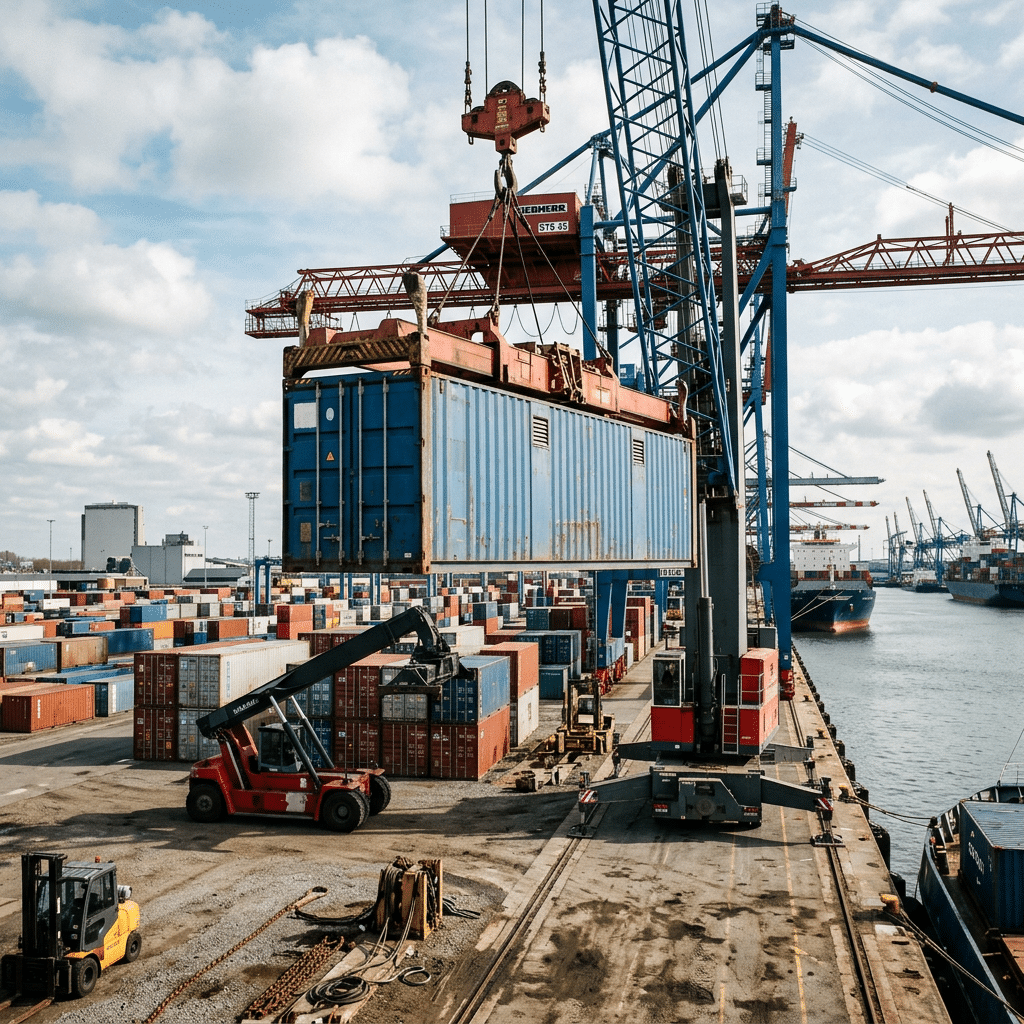
A Cast Horse Emergency is a direct result of failed stable engineering, not random chance. Stalls built with bottom gaps larger than 50mm create a documented lethal trap, exposing facility owners and equipment distributors to significant liability. When a horse’s hoof gets caught, the resulting injury is not just a veterinary crisis—it’s a product failure with severe financial and reputational consequences for the supplier.
This technical brief details the non-negotiable engineering rule for prevention: the 50mm ‘Cast-Proof’ bottom gap. We examine how this specific tolerance, combined with flush-mounted hardware and rapid release latches, forms a complete safety system that eliminates the most common and preventable stall injuries, protecting both animals and business integrity.
The Anatomy of an Emergency: What Happens When a Horse gets Cast
A horse gets cast when it’s trapped against a wall, unable to stand. The resulting struggle can cause severe injury and can be fatal. Smart stable engineering prevents this scenario.
The Initial Struggle and Physical Complications
When a horse rolls too close to a wall, it can get stuck in a position where its legs have no leverage to stand up. The animal’s instinct is to struggle violently. This panic leads to exhaustion, severe trauma from impact, and can even cause life-threatening internal problems like a blocked airway or serious abdominal distention.
The Role of ‘Cast-Proof’ Design in Prevention
This emergency is almost entirely preventable with the right equipment. Our stable systems incorporate a ‘Cast-Proof Design’ as a non-negotiable safety feature. We engineer partitions with a minimal bottom gap, typically around 50mm. This specific tolerance is critical—it’s too small for a horse’s leg to slide underneath during a roll, stopping the chain of events before the panic even starts.
The Flawed Design: Why 4-Inch Bottom Gaps are Lethal
A 4-inch stall gap is a lethal trap. It allows a horse’s hoof to slide under when rolling but prevents it from pulling back, causing panic and catastrophic fractures.
The Mechanics of Hoof and Leg Entrapment
When a horse lies down and rolls too close to a partition (becomes cast), a 4-inch gap is just wide enough
for its hoof and pastern to slip underneath. The moment the horse struggles or tries to stand, the angle of the leg changes. This shift instantly locks the hoof under the panel, creating a powerful lever against the leg joints. The horse’s panic and desperate thrashing leads directly to severe fractures, torn ligaments, and extreme, often fatal, distress.
A Failure of ‘Cast-Proof’ Engineering Principles
Proper safety engineering isn’t about managing an accident; it’s about preventing it from happening at all. A 4-inch gap completely violates this principle. Our “Cast-Proof Design” standard is built around a minimal bottom gap of approximately 50mm (2 inches). This specification makes it physically impossible for a hoof to pass through in the first place. Any stall design with a gap large enough to create a potential trap fails its most basic duty: to provide a safe enclosure.
Get Custom Horse Stables Engineered for Decades.
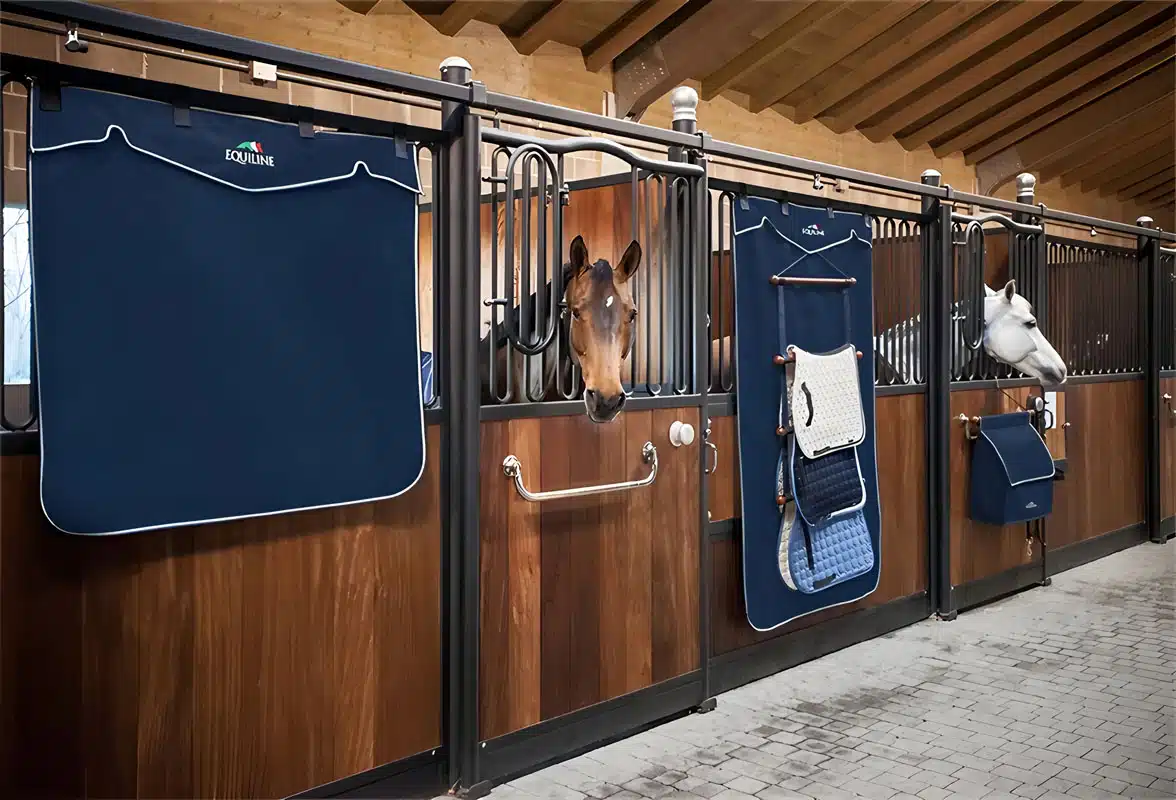
“Cast-Proof” Engineering: The Strict 50mm Tolerance Rule
The 50mm stall gap is a critical safety rule. It’s engineered to be too small for a hoof to get trapped when a horse rolls, preventing severe injury.
| Gap Dimension | Risk Analysis |
|---|---|
| Approx. 50mm (2 inches) | Engineered Safety Standard. The space is too narrow for a hoof to pass through, preventing leg entrapment. |
| > 60mm (2.5+ inches) | High Entrapment Risk. A hoof can slide under, but the thicker leg gets stuck, leading to panic and severe injury. |
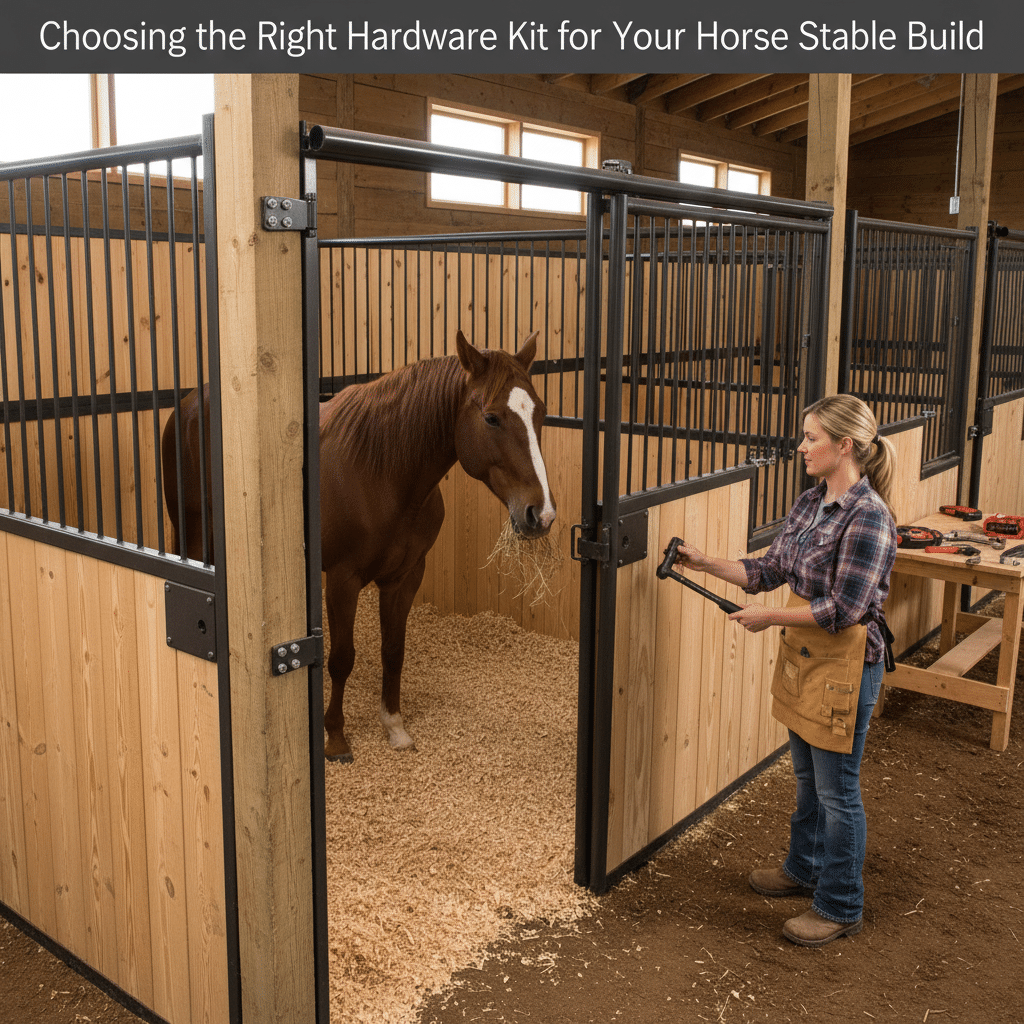
The Danger of Hoof and Leg Entrapment
When a horse lies down or rolls, its legs can easily slide into the gap under a stall partition. A space larger than about 60mm creates a dangerous trap. It’s just big enough for the hoof to get through, but it catches the thicker part of the leg above. This causes immediate panic and can result in fractures, torn ligaments, or other serious injuries as the horse struggles.
The 50mm Standard for Zero Entrapment
This is why DB Stable engineers all stable panels with a minimal bottom gap of approximately 50mm. It’s not an option; it’s a non-negotiable safety feature. Our “Cast-Proof Design” principle ensures there is simply not enough space for a hoof to become wedged. This simple engineering rule eliminates one of the most preventable and frightening stall injuries, aligning with our core principle of building safety into every component.
The Laceration Risk: Why All Hardware Must be Flush-Mounted
Protruding bolts or sharp screws create dangerous snag points inside a stall. When a horse rubs, rolls, or panics, this hardware can cause deep cuts, turning a simple movement into a veterinary emergency.
How Exposed Hardware Causes Injuries
Any piece of hardware that projects from a wall is a liability. Horses are not aware of small, sharp objects, and their powerful movements can lead to severe injuries in an instant. The most common scenarios are entirely predictable.
- A horse rubbing against a wall can easily slice its hide on an exposed bolt thread or a sharp-edged nut.
- Blankets and equipment can snag on protruding hardware. This causes a horse to panic and pull back violently, often resulting in injury to itself or damage to the stall.
- During a fall or when a horse gets cast against a wall, any projecting object becomes a high-risk point for deep puncture wounds or ext
ensive tears.
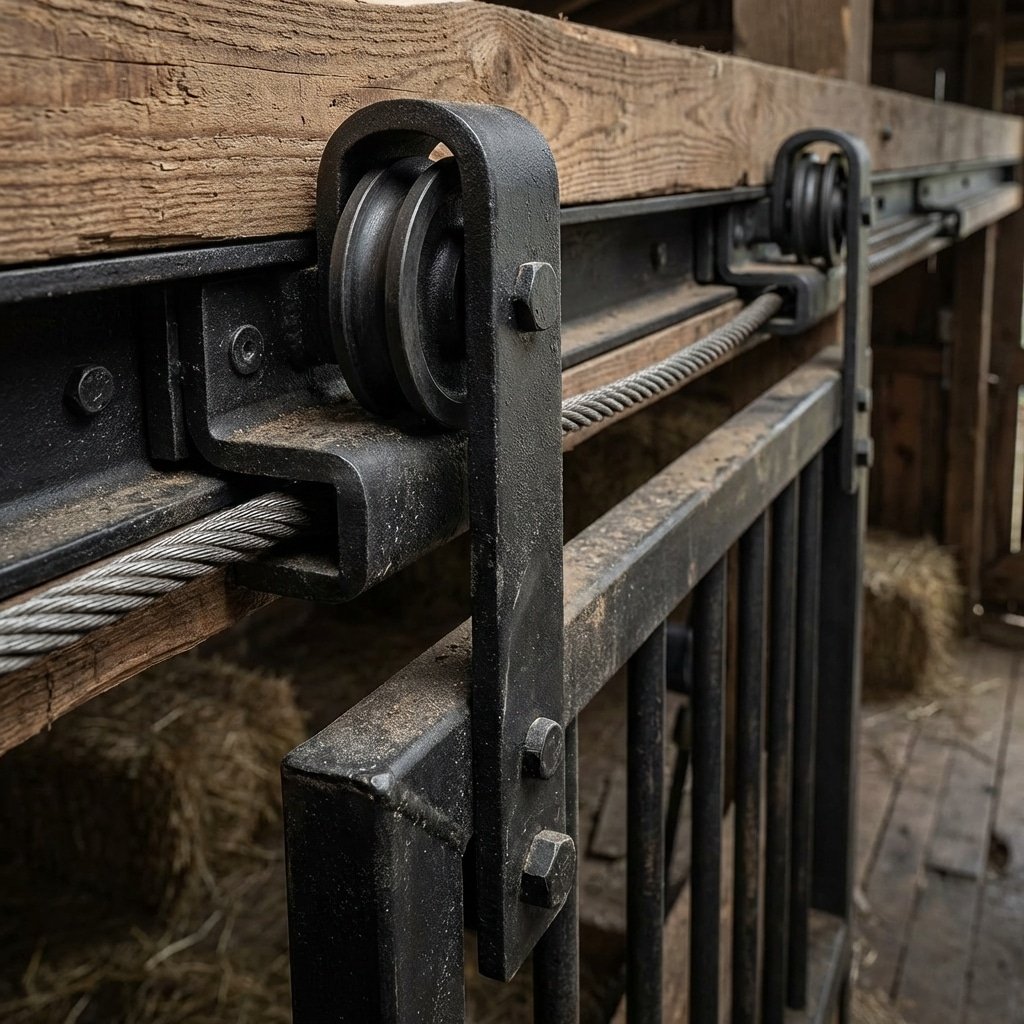
The Standard for Safe Fasteners and Connectors
Preventing these injuries is a matter of engineering and installation discipline. Using random bolts from a hardware store is unacceptable for animal housing. A professional system accounts for these risks from the start.
- Complete Hardware Kits: Every stable system must ship with a dedicated hardware kit containing correctly sized bolts and connectors designed for the specific application.
- Material Quality: Our kits exclusively use فولاذ مقاوم للصدأ 304. This prevents rust, which can create its own sharp, abrasive surfaces over time and compromise fastener strength.
- Flush-Mount Installation: Proper installation ensures every fastener sits flush against the surface. This simple step eliminates dangerous snag points and is the defining feature of a safe stall interior.
Rapid Release Latches for Panic Situations
Rapid release latches open instantly under pressure from a panicked horse, allowing critical emergency access. Their reliability hinges on using non-corroding materials like stainless steel.
Why Standard Bolts Fail Under Pressure
When a horse gets cast or panics, it can exert hundreds of kilograms of force against the stable door. This immense, direct pressure creates a binding force on a traditional slide bolt, effectively jamming it in place. The more the horse struggles, the tighter the bolt becomes, which can make emergency access impossible when seconds count.
This is a mechanical failure point in basic stable designs. The simple in-and-out action of a standard bolt isn’t engineered to operate under a heavy side-load. A handler trying to free the horse is left fighting against the horse’s own weight. Rapid release systems are designed differently, using leverage or rotational mechanics that work independently of the pressure on the door, ensuring they open smoothly every time.
The Role of 304 Stainless Steel Hardware
A well-designed release mechanism is useless if its components have seized from rust. Corrosion is the silent failure point for critical safety hardware. Over time, moisture and ammonia in a stable environment will degrade standard plated steel, causing bolts and connectors to bind or weaken.
This is why every DB Stable system includes a hardware kit where all bolts, connectors, and screws are made from 304 Stainless Steel. This specific material grade offers excellent corrosion resistance, preventing the rust that causes lesser-quality hardware to fail. It ensures the latch mechanism remains free and functional, year after year, regardless of the conditions. This isn’t an upgrade; it’s our standard for ensuring the release mechanism works when it’s needed most.
الأسئلة المتداولة
What should I do if my horse gets cast in its stall?
A cast horse is an emergency. Your first step is to call your veterinarian immediately for guidance. Assess the situation from a safe distance, as a struggling horse can be dangerous. If you have experienced help and it is safe to proceed, you can use lunge lines to gently roll the horse away from the wall, giving it space to stand up.
How can I prevent my horse from getting cast?
The most effective prevention method is to bank the stall bedding high against the walls. This encourages the horse to lie down in the center of the stall. Other strategies include using anti-cast rollers or ensuring the stall is large enough for the horse to move freely. Sometimes, repeated casting can be linked to medical issues like ulcers, so a veterinary check-up is wise.
What is a ‘cast-proof’ bottom gap on a stall wall?
A ‘cast-proof’ design feature refers to the minimal space left at the bottom of a stall partition. We engineer our systems with a strict 50mm (approx. 2-inch) bottom gap. This small tolerance is critical for preventing a horse’s leg or hoof from getting trapped underneath the wall while rolling, which is a common cause of serious injury.
Why is flush-mounted hardware important for stall safety?
Flush-mounted hardware ensures that no bolts, latches, or hinge components protrude into the stall. Protruding metal can easily cause cuts, scrapes, or even severe puncture wounds when a horse rubs against a wall or panics. Using flush hardware creates a smooth interior surface, removing these common injury hazards.
الأفكار النهائية
Cheaper stalls introduce a liability risk that can destroy a dealer’s reputation overnight. Our non-negotiable safety standards—the “Cast-Proof” 50mm gap and flush-mounted 304 stainless hardware—are engineered to eliminate that risk. Selling a truly safe system builds the long-term client trust that budget alternatives can never deliver.
Verify our engineering standards firsthand before committing to a full container. We recommend a trial order to test the system’s fitment, finish, and the quality of our materials. Contact our team to get a quote and see how our flat-pack logistics can protect your margins.

 Arabic
  English
  Spanish
  French
  German
0 تعليق