

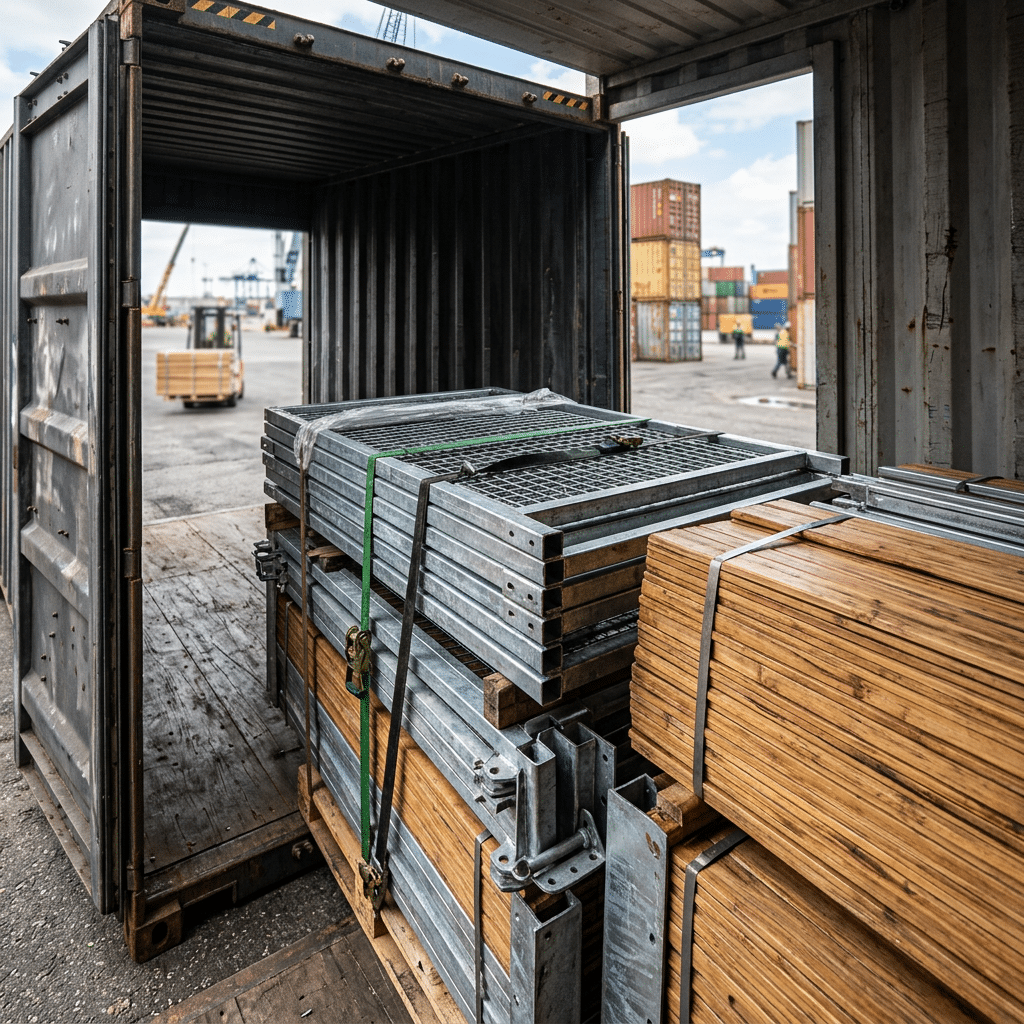
The annual pressure washing of stables shouldn’t trigger immediate rust, yet many operators see it bloom on welds. This defect isn’t a maintenance issue; it’s a manufacturing shortcut using pre-galvanized steel that directly leads to warranty claims and damages a distributor’s reputation.
This analysis isolates the root cause of rust. We compare the pre-galvanized shortcut against the correct method: Hot-Dip Galvanization After Fabrication, which meets the BS EN ISO 1461 standard and ensures a zinc coating over 70 microns on all surfaces, including welds.
The Spring Deep Clean: Eradicating Mold and Parasites
Porous wood stalls absorb winter moisture, breeding mold and parasites. Non-porous infills like high-density bamboo and HDPE prevent this contamination and simplify deep cleaning for healthier stables.
Why Winter Buildup Creates a Health Hazard
Lingering dampness from winter thaws creates the ideal breeding ground for mold and mildew. Porous surfaces, especially traditional wood, act like a sponge, absorbing moisture and holding it deep within the material. This creates a persistent health hazard inside the stable.
Wood that stays damp harbors parasites and bacteria. As these organisms multiply, they pose a direct threat to horses, contributing to respiratory issues from airborne spores and persistent skin conditions from direct contact.
Choosing Infill That Resists Mold and Rot
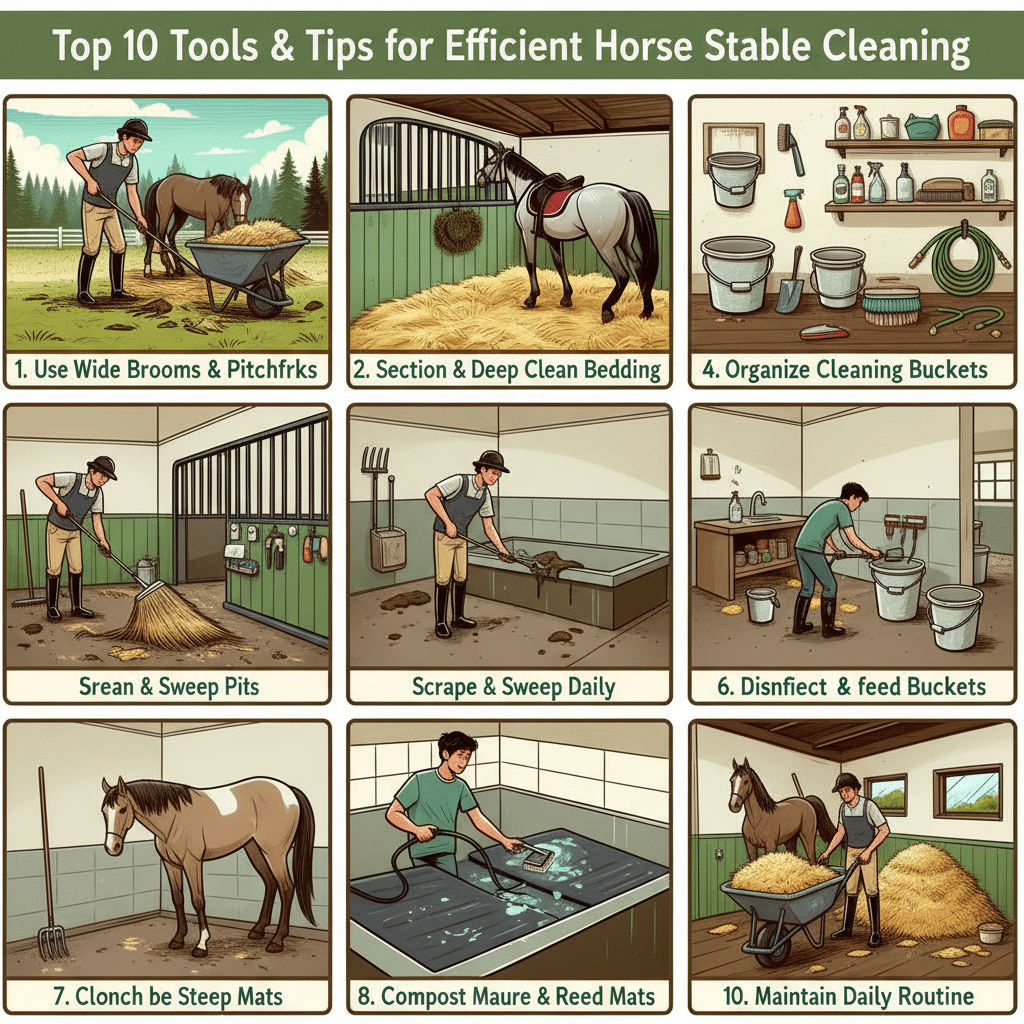
Your choice of stall infill is the most effective tool against biological growth. Moving away from absorbent materials fundamentally changes how easy it is to maintain a clean, safe environment. Modern composite and engineered materials create a non-porous barrier that contaminants cannot penetrate.
- High-density strand woven bamboo is three times harder than oak. Its natural density makes it inherently resistant to mold and rot, preventing moisture from ever taking hold.
- حشوة البولي إيثيلين عالي الكثافة offers a completely non-porous, ‘Zero Maintenance’ surface. Bacteria have nowhere to hide, and the material can be thoroughly power washed and disinfected without absorbing a drop of water.
The Wood Dilemma: Swelling, Rotting, and Splintering
Traditional wood stables absorb moisture, causing them to swell, warp, and rot. Aggressive cleaning splinters the surface, accelerating this degradation and creating a cycle of costly maintenance.
How Moisture Triggers a Cascade of Damage
Wood is porous by nature. When you wash stalls or deal with high humidity, the wood fibers soak up water and expand. This constant expansion and con
traction causes planks to warp, bow, and pull away from their steel frames, compromising the stall’s structural integrity.
This persistent dampness creates a perfect breeding ground for mold and fungi. These organisms don’t just stain the surface; they actively break down the wood from the inside out. This is rot, and it silently eats away at the material, turning a solid barrier into a weak, crumbling mess.
Many operators try to fix this with aggressive pressure washing, but that often makes the problem worse. High pressure erodes the wood’s surface, creating splinters. These splinters are not only a safety risk for the horse but also create countless new pathways for water to get in, speeding up the entire cycle of decay.
The Solution: Zero-Maintenance HDPE and Rot-Resistant Bamboo
The simplest solution is to use a material that can’t absorb water. HDPE (High-Density Polyethylene) infill is a non-porous polymer, making it completely immune to swelling, rot, and mold. Water and cleaning agents simply run off the surface without penetrating it, earning it the “zero-maintenance” designation.
For facility owners who want a natural look without the classic wood failures, high-density strand-woven bamboo is the clear choice. This material is engineered to be three times harder than oak and has an inherent resistance to rot and decay. It provides the aesthetic of premium wood without the vulnerabilities to moisture.
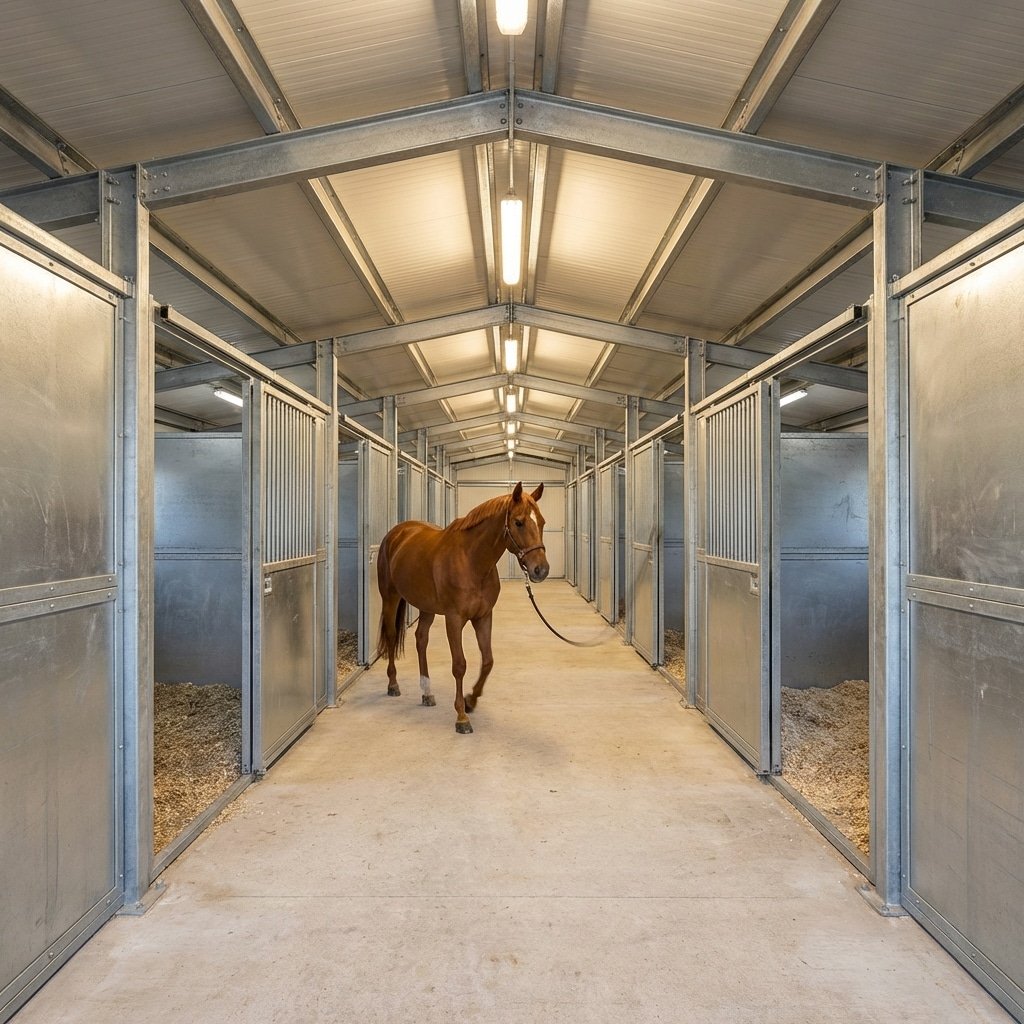
Globally Compliant Stables That Last Decades.

The “Pre-Galvanized” Scam: Why Welds Rust Immediately After Washing
Welding pre-galvanized steel burns off the zinc coating at the seams. When you pressure wash the stall, water hits this bare steel, causing immediate rust.
How Welding Heat Vaporizes Protective Coatings
The physics are simple. Zinc vaporizes at around 1,665°F, but steel doesn’t melt until over 2,500°F. The intense heat from a welding arc completely burns off the thin zinc layer on any pre-galvanized tube long before the steel fuses. This leaves the raw, unprotected steel exposed at every single weld joint.
This creates a network of vulnerable seams across the entire stall panel. When you pressure wash the stall to clean it, you’re forcing water and moisture directly onto this bare steel. The result is predictable: flash rust appears almost overnight, bleeding through any paint or finish applied over it.
The Correct Method: Hot-Dip Galvanizing After Fabrication
The only legitimate way to guarantee long-term rust protection is to galvanize *after* all fabrication is complete. First, we build the entire stable panel by welding raw Q235B structural steel. This ensures every cut and joint is strong and fully formed without compromising any existing coatings.
Next, the entire, fully-welded panel is submerged in a bath of molten zinc. This process, which conforms to the BS EN ISO 1461 standard, encapsulates every surface, edge, corner, and weld in a thick, metallurgically bonded zinc coating. We ensure this protective layer is over 70 microns thick, leaving absolutely no weak points for rust to start.
The Ultimate Defense: Hot-Dip Galvanization (HDG) After Fabrication [CORE]
We galvanize after all welding is done. The entire stable panel gets submerged in molten zinc, completely sealing every weld, edge, and corner for true lifetime rust protection.
Welding pre-galvanized steel tubes is a common cost-cutting shortcut. The problem is that welding vaporizes the zinc coating, leaving the most critical joints—the welds—exposed and ready to rust. Our method avoids this failure point entirely by performing all fabrication first and then applying the protective coating.
| متري | DB Stable Specification |
|---|---|
| المعيار الحاكم | BS EN ISO 1461 |
| Coating Thickness (Tubing) | > 70 ميكرون (ميكرومتر) |
| > 85 microns (μm) | |
| Corrosion Resistance Test | ASTM B117 Salt Spray: > 96 hours (No Red Rust) |
The Process: Full Immersion for Complete Coverage
The entire process starts with raw structural steel. We complete all fabrication, welding, and grinding on the base Q235B or Q345B steel panels first. Once a stable front or partition is fully assembled, it goes through a multi-stage chemical cleaning before the main event.
The finished panel is then completely submerged in a bath of molten zinc. This full immersion creates a tough, metallurgically bonded coating across every surface. The zinc flows inside hollow tubes, covers sharp corners, and penetrates deep into the heat-affected zones around the welds. This method guarantees 100% coverage where it matters most, eliminating the weak points inherent in pre-galvanized materials.
Our ISO 1461 Standard: Quantifying Rust Protection
Claims of durability need proof. Our galvanization process strictly follows the BS EN ISO 1461 standard, which sets clear benchmarks for coating thickness and quality. This isn’t just a claim; it’s a verifiable manufacturing discipline.
- We achieve an average zinc coating thickness of over 70 microns (μm) on all tubing.
- For thicker structural parts, the coating averages over 85 microns (μm).
- This level of protection is tested and verified to withstand the ASTM B117 Salt Spray Test for more than 96 hours without showing any red rust.
This data provides our B2B partners with the confidence that the product they supply will stand up to the harshest equestrian environments, from humid climates to facilities with high ammonia exposure.
Power Washing HDPE: The Zero-Maintenance Protocol
The ‘Zero-Maintenance Protocol’ for HDPE is simple: use a low-pressure power washer. Our non-porous, UV-stabilized panels clean easily without the rot or splintering you get with wood.
Traditional wood stalls make cleaning a constant battle against moisture damage. Power washing wood can force water into the fibers, leading to swelling, rot, and splintering. Our HDPE infill panels eliminate this problem entirely. The material is engineered for simple, effective cleaning that keeps stalls hygienic and looking new for years.
The Correct Technique: Low-Pressure Washing
The right way to clean HDPE is also the easiest. Use a power washer on a low-pressure fan or shower setting to remove manure, dirt, and dust. Because HDPE is non-porous and doesn’t absorb water, there’s no need to blast it with high pressure. In fact, high-pressure jets are unnecessary and can eventually dull the panel’s surface finish. A gentle wash is all it takes.
Why Our UV-Stabilized HDPE Makes Cleaning Simple
Our HDPE material is specifically designed for the demanding barn environment. It is UV stabilized, which prevents the panels from becoming brittle or fading after years of sun exposure and repeated washing. The non-porous surface also resists mold and stains, so you can get the panels perfectly clean without using harsh chemicals or spending time scrubbing.
الأسئلة المتداولة
Can I use a high-pressure washer on my horse stalls?
Yes, but with caution. For effective cleaning without damaging surfaces or spreading germs, we recommend using pressure under 3,000 PSI with a wide-angle nozzle. The best practice is a two-stage process: use the washer to remove heavy debris, then manually scrub with a horse-safe detergent before rinsing and disinfecting. This avoids aerosolizing pathogens, which can happen with high-pressure washing alone.
What is the correct way to disinfect a barn?
A thorough disinfection involves several key steps. First, remove all organic material—bedding, manure, and leftover feed. Then, wash all surfaces with detergent, starting from the top and working your way down. After a complete rinse with clean water, allow the surfaces to dry before applying a suitable disinfectant. Equipment like buckets and feeders should be cleaned and disinfected separately.
Is it safe to clean galvanized steel stables with bleach?
Using bleach on galvanized steel is not recommended. Bleach is corrosive and can damage the protective zinc coating, which can lead to premature rusting. For cleaning, it is much safer to use a mild, pH-neutral soap and water. Always rinse the surface thoroughly with fresh water afterward to remove any cleaning residue.
Why do the welds on some stables rust first, especially after washing?
Welds often rust first because the welding process alters the steel’s structure, creating a weak point for corrosion. This is common on stables made from pre-galvanized tubes that are then welded. We solve this problem by performing Hot-Dip Galvanization After Fabrication. The entire completed panel, including all welds, is dipped in molten zinc, creating a seamless protective coat that ensures the joints are as rust-resistant as the rest of the frame.
What materials are the easiest to clean and maintain?
Smooth, non-porous materials are the best for easy cleaning. Our HDPE (High-Density Polyethylene) infill is a true zero-maintenance option; it doesn’t absorb moisture, won’t rot or mold, and handles repeated washing without issue. For steel frames, a powder coat finish over hot-dip galvanization provides a durable and smooth surface that is simple to wipe down and resists scratching.
الأفكار النهائية
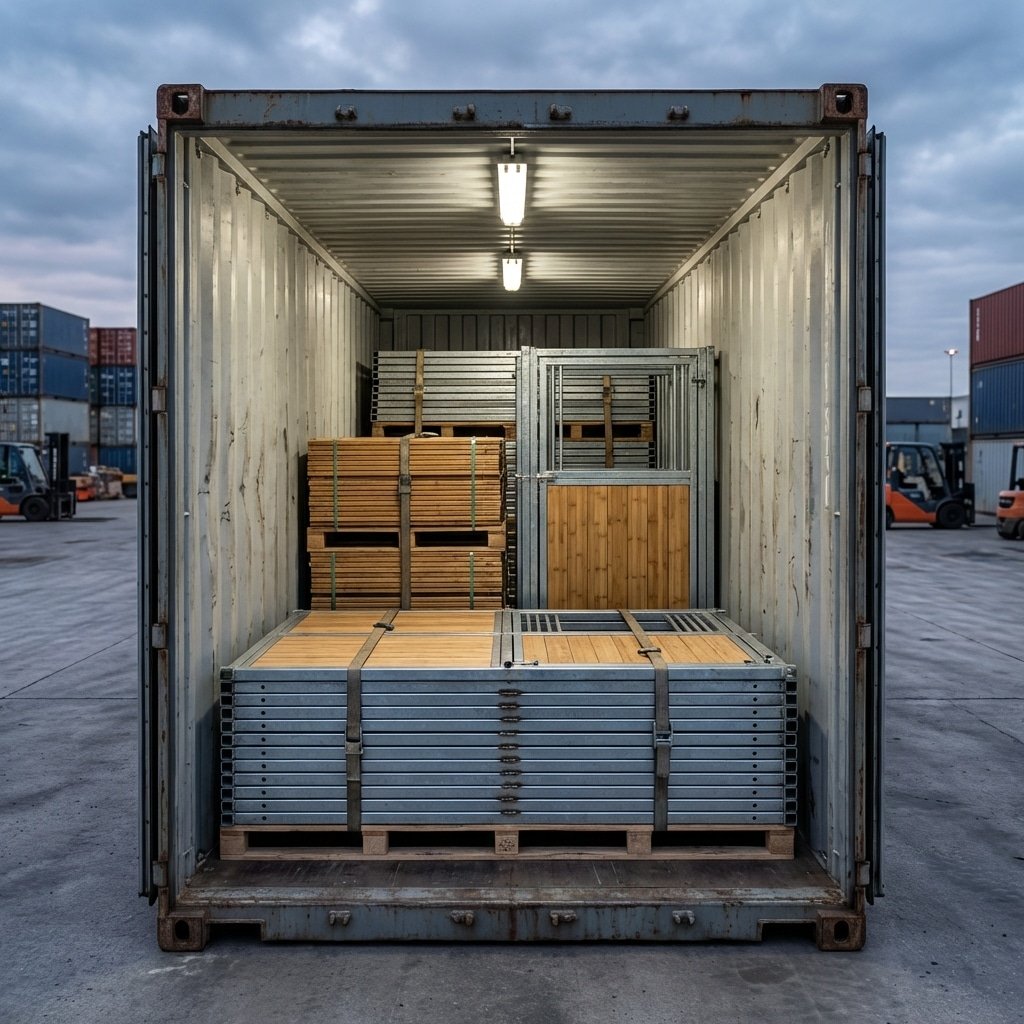
While pre-galvanized stalls offer a lower upfront price, they guarantee service calls and rust complaints. Our strict adherence to Hot-Dip Galvanization After Fabrication (ISO 1461) is the only way to protect your brand’s reputation. Selling a product that lasts is how you secure long-term dealer loyalty.
Don’t guess on quality—verify the engineering. We recommend starting with our technical catalog or a small trial order to test our weld quality and finish firsthand. Contact our team to discuss your market’s specific OEM requirements.

 Arabic
  English
  Spanish
  French
  German
0 تعليق