

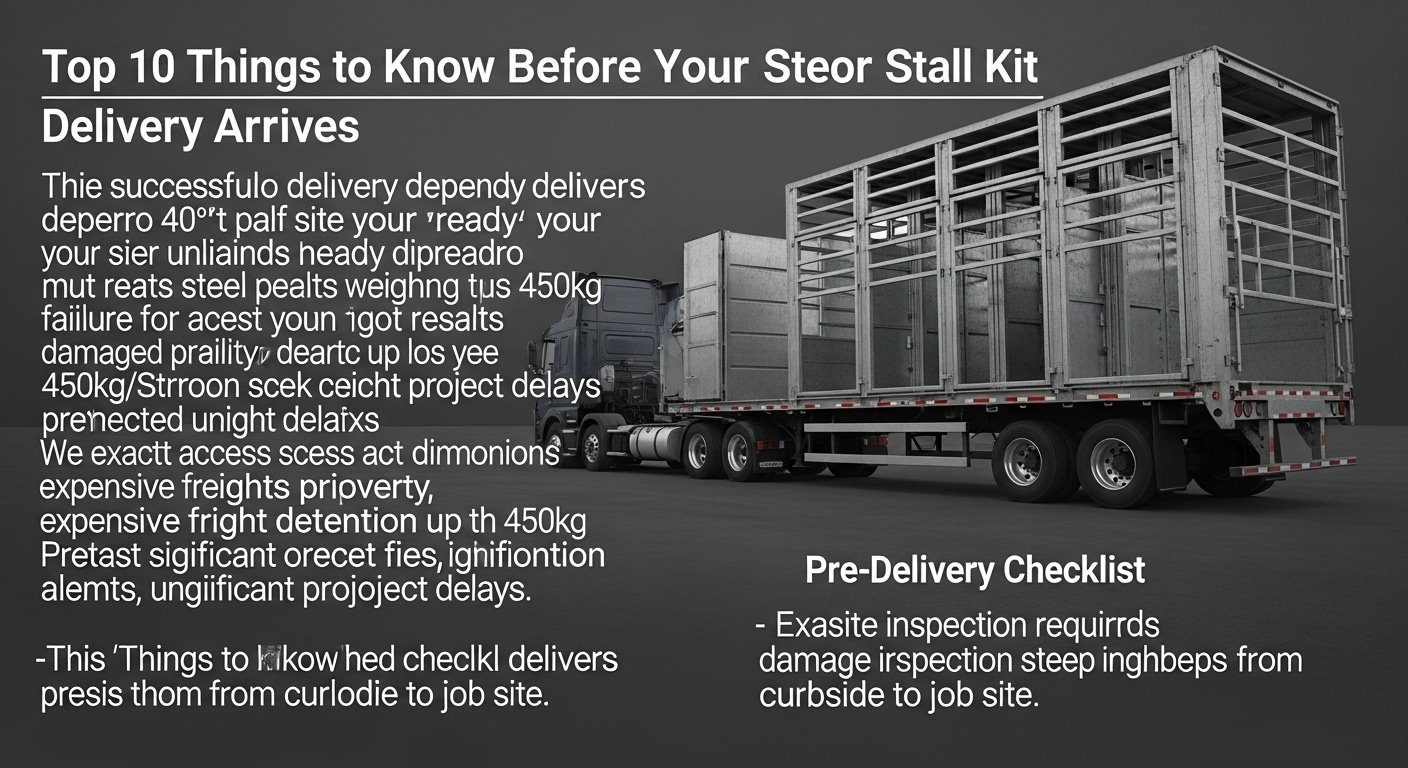
يعتمد التسليم الناجح لمجموعة أطقم الأكشاك على أن يكون موقعك جاهزاً لشاحنة بطول 40 قدماً. غالبًا ما يؤدي عدم التخطيط لتفريغ المنصات الفولاذية التي يصل وزنها إلى 450 كجم إلى تلف الممتلكات ورسوم احتجاز الشحن الباهظة وتأخيرات كبيرة في المشروع.
تحدد قائمة مراجعة ما قبل التسليم هذه الاستعدادات الهامة. نحن نقدم أبعاد الوصول الدقيقة ومواصفات الرافعة الشوكية وخطوات فحص التلف المطلوبة لضمان آمنة وفعالة عملية التفريغ من جانب الرصيف إلى موقع العمل.
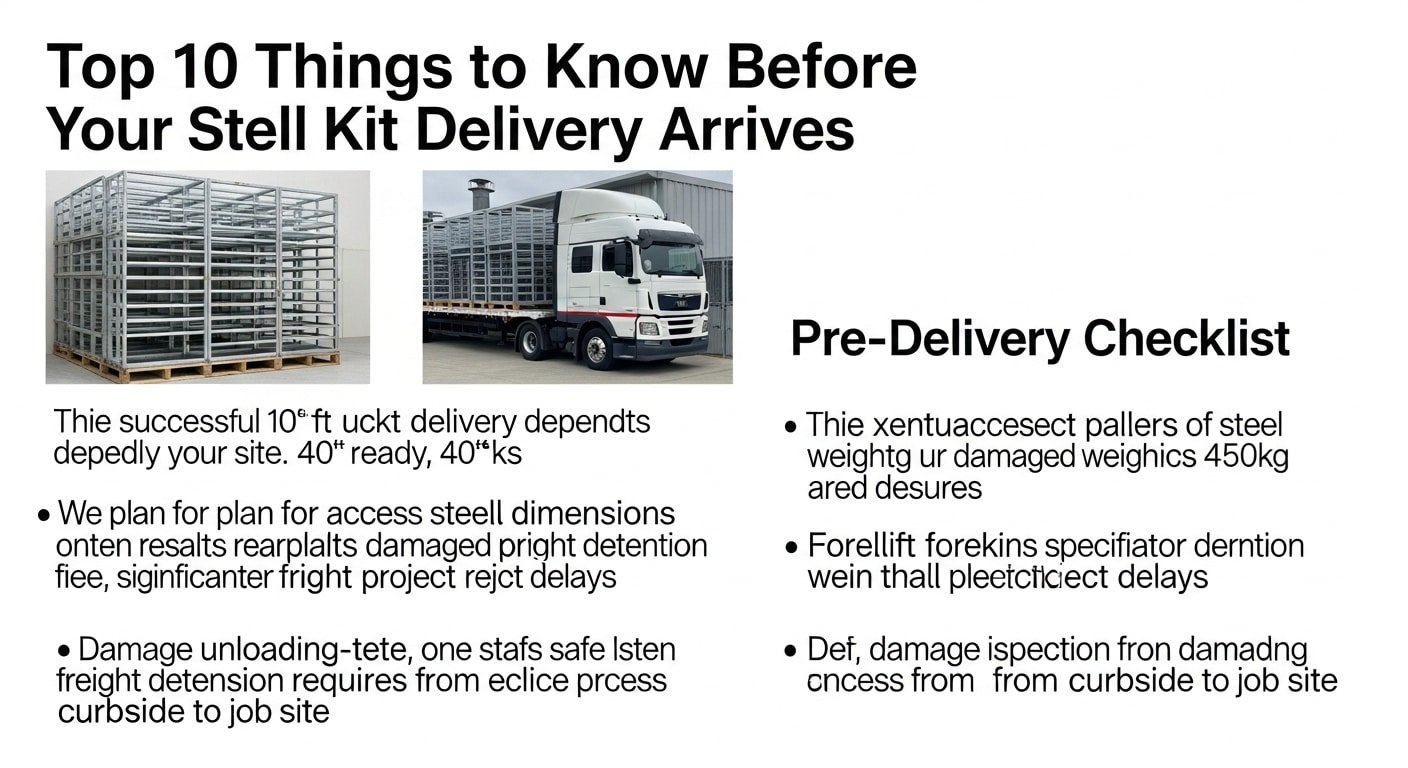
كيفية فحص تلف الشحن (قائمة المراجعة)
مقارنة سريعة
| خطوة الفحص | الفئة | الفائدة الرئيسية | الحكم |
|---|---|---|---|
ملاحظة التلف في إيصال التسليم قبل التوقيع عليه |
التوثيق | يحمي مطالبات الشحن | ضروري لإنشاء قانوني إثبات التلف، ولكن يتطلب اتخاذ إجراء فوري أثناء وجود السائق. |
إجراء تقييم خارجي شامل |
الفحص البدني | تحديد الأضرار المخفية المحتملة | فحص سريع وغير جراحي لتحديد الشحنات عالية الخطورة، على الرغم من أنه لا يؤكد الحالة الداخلية للمنتج. |
تصوير كل شيء كدليل |
التوثيق | توفير إثبات مرئي للمطالبات | ممتاز لإنشاء سجل مرئي لا جدال فيه، ولكنه يتطلب وجود كاميرا أثناء التسليم. |
تحقق من حساب جميع الحزم |
الفحص البدني | يمنع الخسارة من النقصان | يحمي بشكل فعال من الفقدان من العناصر المفقودة، ولكنه قد يستغرق وقتاً طويلاً بالنسبة للشحنات الكبيرة. |
الإبلاغ عن الأضرار المخفية على الفور |
إعداد التقارير | حفظ حقوق المطالبة بعد التسليم | يسمح بالمطالبة بالتعويض عن الأضرار غير الواضحة، على الرغم من صعوبة كسبها بشكل عام أكثر من الأضرار التي لوحظت عند التسليم. |
الاحتفاظ بجميع العبوات والبضائع التالفة |
التفتيش اللاحق | يسهل التحقيق في الناقل | خطوة ضرورية لتوفير أدلة مادية للمفتشين، ولكنها تتطلب مساحة تخزين. |
الخطوة الحاسمة
ملاحظة التلف في إيصال التسليم قبل التوقيع عليه
الحكم: من المهم توثيق أي تلف مرئي في إيصال التسليم أثناء وجود السائق. فالتوقيع دون تدوين ذلك يعتبر قانوناً قبولاً قانونياً للمواد ‘كما هي’، مما قد يمنعك من تقديم مطالبة شحن ناجحة.
✅ الخير
- إنشاء إثبات قانوني للضرر وقت الاستلام
- يعزز من موقف مطالبات الشحن
⚠️ السيئ
- يتطلب اتخاذ إجراء فوري أثناء وجود السائق
الخطوة الرئيسية
إجراء تقييم خارجي شامل
الحكم: يعد الفحص المنهجي للتغليف، والأغلفة المتقلصة، والحاويات بحثًا عن التمزقات أو الثقوب أو التلف الناتج عن المياه طريقة سريعة وغير جراحية للإبلاغ عن الشحنات عالية الخطورة، حيث تشير المشكلات الخارجية غالبًا إلى وجود محتويات معرضة للخطر.
✅ ما نحب
- الفحص الأولي غير الجراحي
- تحديد الشحنات عالية الخطورة بسرعة
⚠️ أشياء يجب أخذها في الاعتبار
- لا يؤكد حالة المنتج الفعلي في الداخل
الميزة الرئيسية
تصوير كل شيء كدليل
الحكم: هذه خطوة غير قابلة للتفاوض؛ فالأدلة الفوتوغرافية التفصيلية هي أقوى أداة لإثبات مطالبات الأضرار مع كل من شركات النقل والموردين على حد سواء، مما يؤدي إلى إنشاء سجل مرئي واضح يصعب الاعتراض عليه.
✅ الخير
- إنشاء سجل مرئي لا جدال فيه
- يلتقط تفاصيل محددة للضرر
⚠️ السيئ
- يتطلب أن تكون الكاميرا أو الهاتف متاحة بسهولة أثناء التوصيل
الميزة الرئيسية
تحقق من حساب جميع الحزم
الحكم: تعد المراجعة التبادلية بين العناصر في قائمة التعبئة خطوة حاسمة لضمان عدم فقدان أي طرود. إنها أساسي تدوين أي نقص في إيصال التسليم على الفور للحماية من الخسارة المالية وتمكين المطالبة بالتعويض عن البضائع المفقودة.
✅ الخير
- تحقق بسيط مقابل مستندات الشحن
- يحمي من الخسائر المالية الناجمة عن فقدان المخزون
⚠️ السيئ
- قد يستغرق وقتاً طويلاً بالنسبة للشحنات الكبيرة أو المعقدة
الخطوة الرئيسية
الإبلاغ عن الأضرار المخفية على الفور
الحكم: إذا تم اكتشاف التلف بعد مغادرة السائق، فأبلغ شركة النقل على الفور. لدى معظم شركات النقل جدول زمني صارم، غالباً ما يكون في غضون 15 يوماً، للإبلاغ عن الأضرار المخفية. يجب تأكيد جميع الإخطارات كتابياً.
✅ الخير
- يسمح بالمطالبات عن الأضرار غير الواضحة على الفور
- تمديد نافذة الاكتشاف الشامل
⚠️ السيئ
- من الصعب كسب المطالبات بشكل عام أكثر من الأضرار الملحوظة عند التسليم
الإجراء الرئيسي
الاحتفاظ بجميع العبوات والبضائع التالفة
الحكم: يعد الاحتفاظ بجميع مواد التغليف والأشياء التالفة خطوة غير قابلة للتفاوض، حيث يحق لشركات النقل فحص هذه المواد للتحقق من صحة مطالبة الشحن. وقد يؤدي التخلص منها إلى رفض المطالبة تلقائياً.
✅ الخير
- توفير الأدلة المادية اللازمة للمفتشين
- يفي بمتطلب قياسي لمعالجة المطالبات
⚠️ السيئ
- يتطلب مساحة تخزين للأغراض التي يحتمل أن تكون كبيرة أو فوضوية
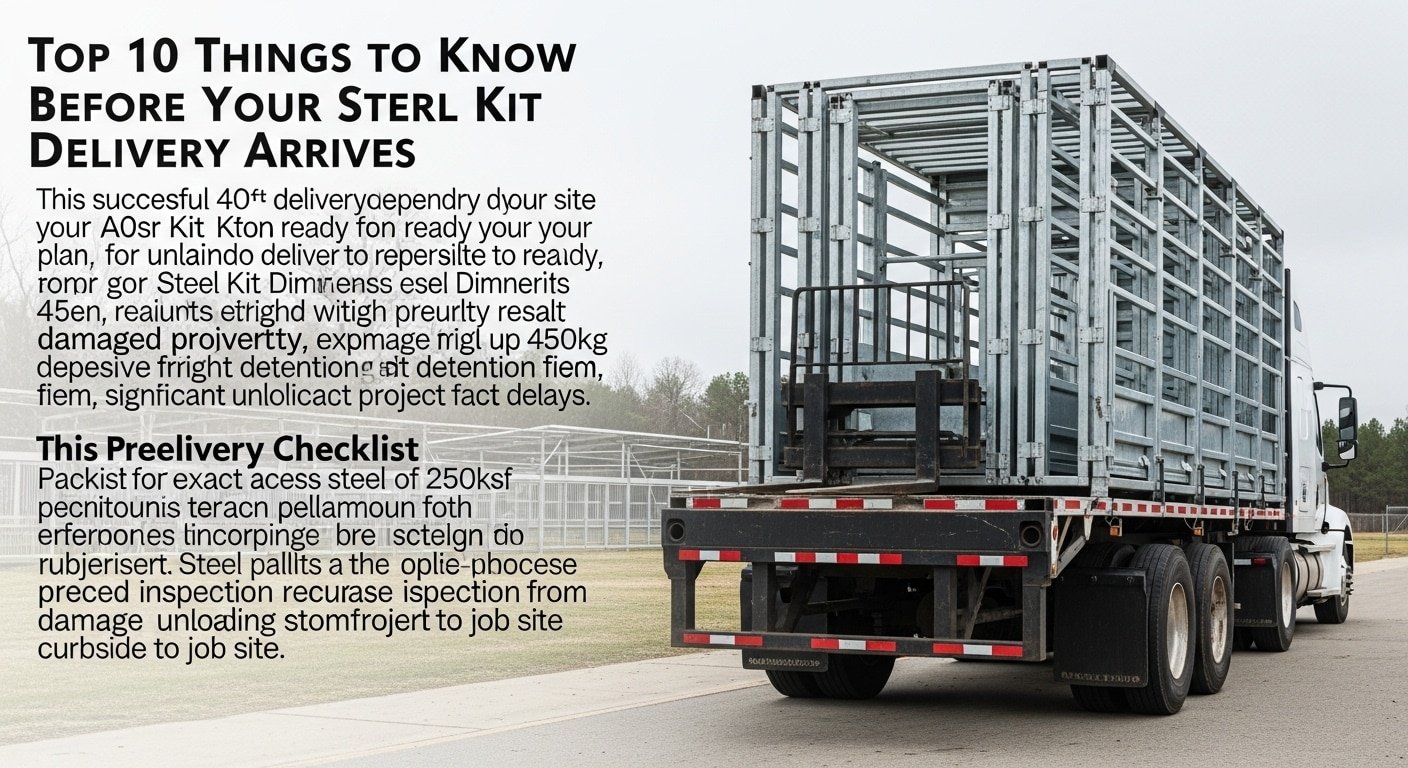
هل موقع عملك جاهز لشاحنة 40 قدم؟
قبل وصول المكونات المستقرة الخاصة بك، يمكن التأكد من أن موقعك استيعاب شاحنة توصيل كبيرة بأمان أمر ضروري. يحمي هذا الإعداد استثمارك ويضمن لك عملية تفريغ سلسة، مما يمنع التأخير أو التلف المكلف. إن الفحص السريع لأبعاد الوصول وثبات الأرض وبروتوكولات السلامة سيحدث فرقًا كبيرًا في يوم التسليم.
لدينا صُمم نظام العبوات المسطحة لزيادة الحاوية إلى أقصى حد ممكن المساحة وحماية هوامش أرباحك من خلال تقليل تكاليف الشحن. ولضمان وصول هذه الوفورات إليك، فإن إعداد موقعك للمرحلة الأخيرة من الرحلة خطوة حاسمة. تحتاج الشاحنة الكبيرة إلى وصول واضح وآمن لتوصيل المنصات الفولاذية الثقيلة التي تحمل نظام مستقر.
تحقق من أبعاد الشاحنة الحرجة
أولاً، قم بالسير على طريق الوصول بالكامل من الطريق الرئيسي إلى نقطة الإنزال المحددة لك. تأكد من أن لديك خلوصاً علوياً لا يقل عن 14 قدماً لتجنب أي تعارض مع فروع الأشجار أو خطوط الكهرباء. يجب ألا يقل عرض البوابات والطرقات عن 8.5 أقدام على الأقل، مع توفير مساحة إضافية للمرايا والانعطافات. وأخيراً، تأكد من أن لديك مساحة كافية لطول الشاحنة البالغ 40 قدماً بالكامل، بالإضافة إلى بضعة أقدام إضافية لأي حمولة متراكمة.
تقييم البنية التحتية للموقع والوصول إليه
تحتاج شاحنة التوصيل إلى منطقة كبيرة وثابتة ومستوية نسبياً لوقوف الشاحنة وتفريغ حمولتها. تُشحن أطقمنا الثابتة على منصات نقالة فولاذية يتراوح وزن كل منها بين 250 كجم و450 كجم، لذا يجب أن تكون الأرض ثابتة بما يكفي لتحمل وزن الشاحنة و الرافعة الشوكية أو المعدات التي ستستخدمها للتفريغ. يمكن أن تؤدي الأرض اللينة، أو الطين، أو المنحدرات الشديدة الانحدار إلى مخاطر السلامة والتأخير.
مراجعة احتياجات السلامة والامتثال
التخطيط لعملية تفريغ آمنة. المناولة فولاذ ثقيل تتطلب المنصات النقالة معدات مناسبة، مثل رافعة شوكية ذات سعة كافية. من الحكمة أيضاً مراجعة السلطات المحلية لمعرفة أي تصاريح مطلوبة لتوصيل المركبات كبيرة الحجم في منطقتك. في يوم التسليم، قم بتأمين منطقة التفريغ لإبقاء المركبات الأخرى والأفراد الآخرين على مسافة آمنة، مما يضمن كفاءة العملية وخلوها من الحوادث.
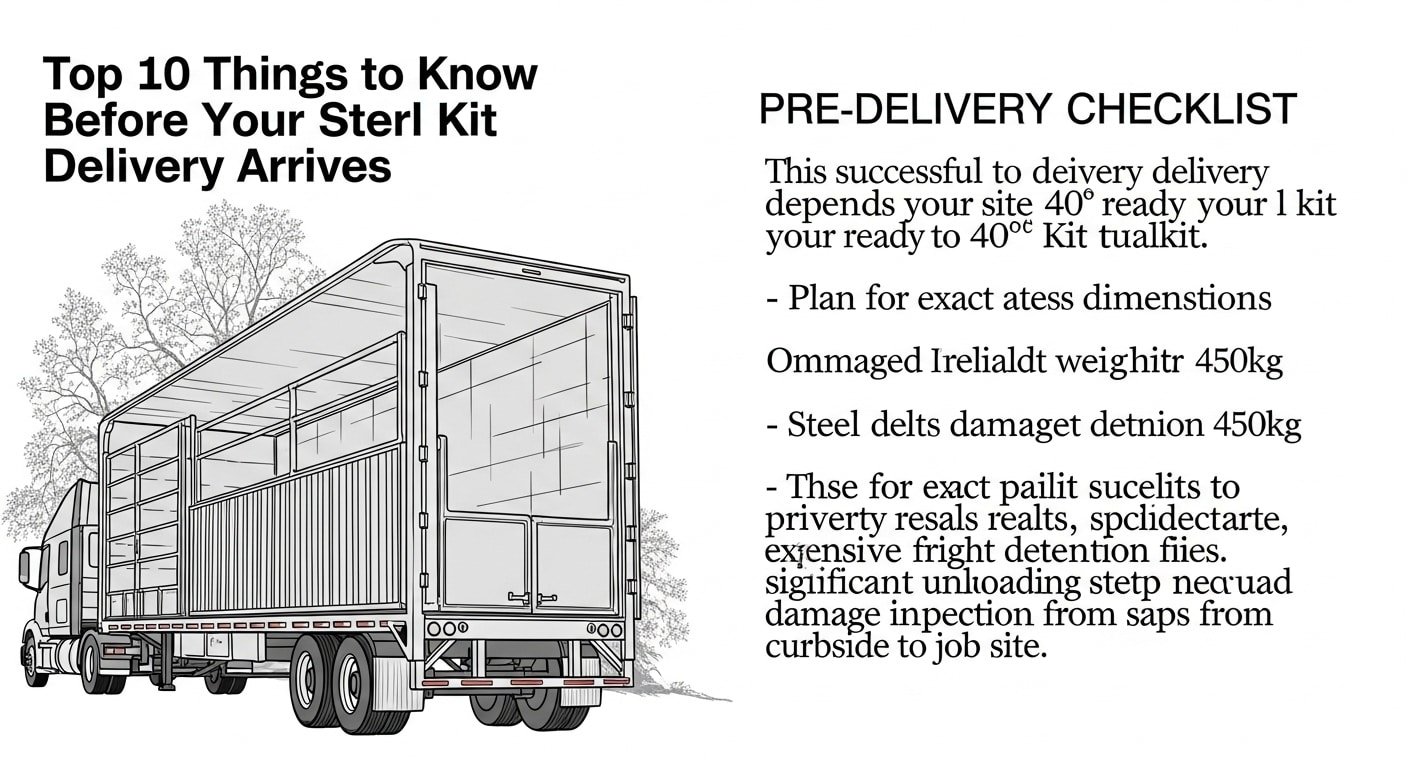
لماذا يجب أن يكون لديك رافعة شوكية (أو 4 أصدقاء أقوياء)
لدينا إسطبل خيول يتم تسليم الأنظمة على منصات نقالة فولاذية ثقيلة، يتراوح وزنها من 250 كجم إلى 450 كجم ويصل طولها في كثير من الأحيان إلى 4 أمتار. الرافعة الشوكية هي ضروري لسلامة وتفريغ هذه الأغراض الكبيرة والثقيلة بكفاءة، مما يحمي فريقك من الإصابة ويوفر وقتًا كبيرًا أثناء التسليم.
مناولة المنصات الفولاذية الثقيلة والمربكة
نقوم بشحن أنظمة مستقرة باستخدام طريقة “حماية الربح” الخاصة بنا "حماية الربح" المسطحة على منصات نقالة فولاذية قوية. هذه ليست حمولات ذات أحجام قياسية؛ حيث يتراوح وزن كل منصة نقالة بين 250 كجم و450 كجم ويمكن أن يصل طولها إلى 4 أمتار. هذا الحجم والوزن يجعل نقلها باليد أمراً بالغ الصعوبة والخطورة. توفر الرافعة الشوكية القوة والثبات اللازمين للتعامل مع هذه الأحمال بأمان ووضعها بدقة في موقعك.
إعطاء الأولوية للسلامة والوقاية من الإصابات
تشكل محاولة رفع منصة نقالة ثقيلة غير متوازنة يدويًا خطرًا كبيرًا بوقوع إصابات خطيرة في الظهر وحوادث أخرى. إن سلامة فريقك أمر بالغ الأهمية. يؤدي استخدام الرافعة الشوكية إلى إزالة هذا الإجهاد البدني، مما يخلق بيئة تفريغ آمنة ومحكومة. تمنع الرافعة الميكانيكية سقوط المنصات أو انقلابها أو إزاحتها بشكل غير متوقع - وهو خطر شائع في المصاعد الجماعية اليدوية.
تحقيق أقصى قدر من الكفاءة وتوفير الوقت
بالإضافة إلى السلامة، تُعد الكفاءة من المزايا الرئيسية. تفريغ شحنة من أطقم مستقرة باستخدام رافعة شوكية يستغرق بضع دقائق فقط لكل منصة نقالة. ويُعد ذلك توفيرًا كبيرًا للوقت مقارنةً بالساعات والجهد المنسق اللازمين لفريق العمل اليدوي. تضمن هذه السرعة إمكانية مغادرة سائق الشحن على الفور, تجنب رسوم الاحتجاز المحتملة والسماح لفريق التركيب الخاص بك بالبدء في المشروع الفعلي بدلاً من إضاعة الوقت الثمين في التفريغ.
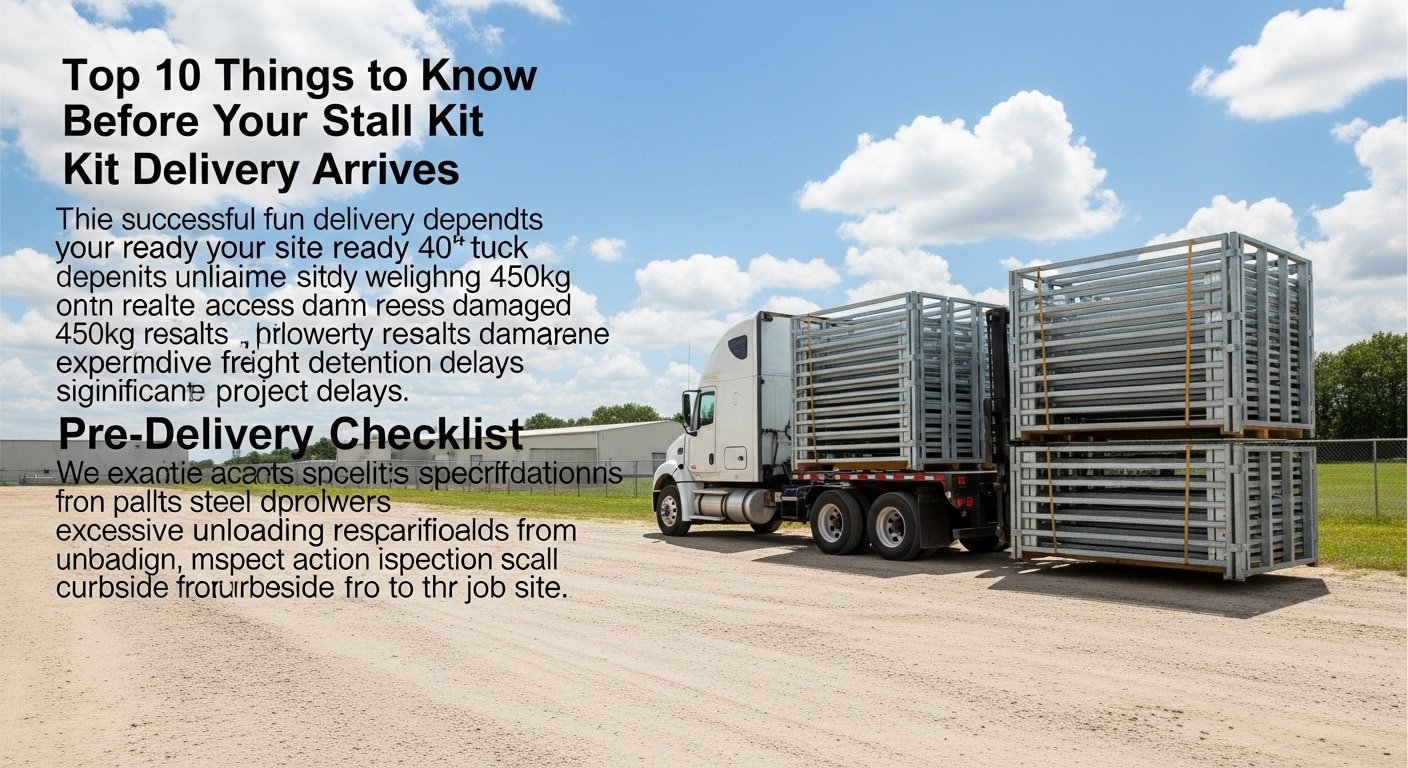
تفريغ البليت الصلب: السلامة أولاً
يتطلب تفريغ منصاتنا الفولاذية بأمان إعداداً دقيقاً لمنطقة التفريغ، والاستخدام الإلزامي لمعدات الحماية الشخصية (PPE)، وتقنيات الرفع الصحيحة. ولأن أطقمنا المستقرة ثقيلة الوزن، فإن إعطاء الأولوية لـ نظيفة, فمساحة العمل المنظمة ضرورية لمنع الحوادث وضمان عملية تركيب سلسة لفريقك.
الاستعداد والعتاد الواقي
قبل أن تبدأ، تأكد من جاهزية الموقع وحماية فريقك. إن اتباع هذه الخطوات الأولية يقلل من المخاطر منذ البداية.
- قم بإخلاء منطقة التفريغ من جميع العوائق والمخلفات لتوفير مساحة كافية لمناورة المكونات.
- افحص المنصة النقالة الفولاذية بحثًا عن أي تلف قد يكون حدث أثناء النقل، مثل اللحامات المكسورة أو الشقوق التي قد تؤثر على ثباتها.
- ارتدِ دائمًا معدات الحماية الشخصية المناسبة (PPE). ويشمل ذلك القفازات شديدة التحمل للإمساك والحماية من الحواف الحادة، إلى جانب الأحذية ذات المقدمة الفولاذية لمنع إصابات القدم.
التعامل مع المكونات الثقيلة
أطقمنا الثابتة كبيرة الحجم، حيث يتراوح وزن كل منصة نقالة معبأة بين 250 كجم و450 كجم. لا تقتصر المناولة السليمة على القوة فحسب، بل على الحركة الآمنة والاستراتيجية.
- أبقِ المنصة النقالة مثبتة بأشرطتها أو غلافها المطاطي حتى تكون مستعداً لإزالة الأجزاء الفردية واحداً تلو الآخر. هذا يمنع التحولات غير المتوقعة في الوزن.
- عند رفع أي مكون يدوياً، احرص دائماً على ثني الوركين والركبتين مع الحفاظ على استقامة الظهر. تستخدم هذه التقنية عضلات ساقيك وتحمي ظهرك من الإجهاد.
- لا تحاول أبداً رفع الأثقال اللوحات بمفردك. استخدم فريق الرفع الجماعي أو المساعدة الميكانيكية مثل الرافعة الشوكية ذات الملحقات المناسبة كلما أمكن ذلك.
الحفاظ على منطقة عمل آمنة
الموقع المنظم هو موقع آمن. ينخفض خطر الإصابة بشكل كبير عندما يتم الحفاظ على مساحة العمل نظيفة ومنظمة طوال عملية التفريغ.
- أثناء تفريغ العبوة، قم على الفور بإزالة جميع الأشرطة والأغلفة البلاستيكية ومواد التغليف الأخرى والتخلص منها بشكل صحيح.
- تمنع منطقة العمل النظيفة مخاطر التعثر الشائعة وتقلل من مخاطر الجروح الناتجة عن الجروح الناتجة عن التخلص من مواد مثل الفولاذ الحاد الفرق الموسيقية.
- قم برص جميع المكونات الثابتة بطريقة منظمة بعيداً عن المناطق ذات الازدحام الشديد للحفاظ على مسارات واضحة ومنعها من أن تكون خطرة.
استثمر في إسطبلات تدوم لعقود من الزمن

الأفكار النهائية
بينما يقوم بعض الموردين بشحن المكونات السائبة إلى خفض التكاليف, تم تصميم نظام البليت الصلب المسطح الخاص بنا لحماية استثماراتك من تلف الشحن. هذا النهج اللوجستي المنضبط هو العلامة الأولى لمنتج من الدرجة الاحترافية. فهو يضمن بدء مشروعك بسلاسة، وليس بتأخيرات مكلفة أو أجزاء مفقودة.
تحقق من معايير الهندسة لنفسك. نوصي بـ ترتيب تجريبي صغير من 3-5 إسطبلات لتأكيد الملاءمة والتشطيب وكفاءة نظامنا المسطح. اتصل بفريقنا لتهيئة طلبك أو مناقشة متطلبات محددة لتصنيع المعدات الأصلية/التصنيع حسب الطلب.
الأسئلة المتداولة
ما الفرق بين ‘المناولة’ و‘الشحن’؟
المناولة هي العملية التي نقوم بها داخل المصنع حيث نقوم بإعداد طلبك - انتقاء القطع، وإجراء فحوصات الجودة، وتغليف كل شيء بشكل آمن على منصة نقالة فولاذية. يبدأ الشحن عندما تبدأ عملية الشحن يجمع الناقل المنصة النقالة المحمّلة من منشأتنا وينقلها إلى موقع عملك أو مستودعك المحدد.
ما هي المدة التي سيستغرقها استلام أطقم الأطقم الثابتة الخاصة بي؟
الوقت الإجمالي هو مزيج من الإنتاج والعبور. تتراوح مهلة الإنتاج لدينا من 35-45 يومًا، وهو أمر ضروري لإكمال الجلفنة بالغمس الساخن العملية بعد التصنيع. ستختلف أوقات الشحن البحري والتسليم البري بناءً على وجهتك النهائية.
كيف يتم تغليف الأطقم للتوصيل؟
لحماية استثمارك، كل يتم شحن الطقم المستقر بشكل مسطح على علبة مخصصة منصة نقالة فولاذية. تمنع هذه الطريقة التلف، وتضمن أن يكون التفريغ آمنًا ومنظمًا، وتحمي هوامش الربح بتوفير أكثر من 60% على تكاليف الشحن. نحن لا نشحن المكونات السائبة.
هل أحتاج إلى معدات خاصة لتفريغ طلبي؟
نعم، يلزم استخدام رافعة شوكية لتفريغ الحمولة بأمان. المنصات الفولاذية ثقيلة، حيث يتراوح وزن كل منها عادةً بين 250 كجم و450 كجم (550-990 رطلاً). وهي مصممة للتعامل الميكانيكي ولا يمكن أن تكون آمنة تفريغها من الشاحنة يدوياً.
هل سيقوم السائق بتفريغ عدة المماطلة الخاصة بي؟
بالنسبة لشحنات الشحنات الكبيرة مثل أطقمنا المستقرة، يتحمل السائق مسؤولية النقل إلى موقعك. أما التفريغ فيتولاه المستلم. نظرًا لأن وزن المنصات الفولاذية لدينا يتراوح بين 250 كجم و450 كجم، ستحتاج إلى ترتيب رافعة شوكية أو أن يكون لديك فريق عمل قادر على تفريغ المكونات بأمان.
ما مقدار وزن المنصة النقالة الواحدة؟
يتراوح وزن المنصات الفولاذية الخاصة بنا، المحملة بالكامل بنظام ثابت، بين 250 كجم و450 كجم (550 إلى 1000 رطل تقريباً). يختلف الوزن النهائي بناءً على نموذج ثابت واختيارك لمواد الحشو, مثل البولي إيثيلين عالي الكثافة الذي لا يحتاج إلى صيانة أو الخيزران عالي الكثافة.
هل يمكن أن تسير شاحنة التوصيل على ممر سيارتي المرصوف بالحصى؟
تتم عمليات التوصيل بشاحنات تجارية كبيرة يمكن أن يصل وزنها إلى 36,000 كجم (80,000 رطل) عند تحميلها بالكامل. معظم الممرات الحصوية الخاصة أو الريفية غير مبنية لتحمل هذا الوزن ويمكن أن تتلف. ولحماية ممتلكاتك، ننصحك بشدة بالترتيب لعملية التسليم على الرصيف ونقل المنصات من هناك.
ماذا لو لم يكن لدي رافعة شوكية؟
الرافعة الشوكية هي الطريقة الأكثر أمانًا وفعالية لتفريغ الصلب لدينا منصات نقالة. إذا لم تتوفر واحدة، فستحتاج إلى فريق قادر - نوصي بما لا يقل عن أربعة أفراد أقوياء - لتفريغ المكونات يدويًا قطعة قطعة. كما يعد الجرار المجهز بشوكات المنصات بديلاً ممتازاً أيضاً.
هل يمكنني استلام طلبي من ميناء الشحن؟
يُعد الاستلام المباشر من الميناء عملية معقدة تتطلب أوراق اعتماد محددة وتخليصاً جمركياً وتنسيقاً مع سلطة الميناء. ولتبسيط عملية التسليم لشركائنا، تتم إدارة جميع الشحنات من خلال وكلاء الشحن الذين يتعاملون مع هذه الخدمات اللوجستية والتأكد من وصول الطلب مباشرةً إلى موقع عملك أو موقع المشروع المحدد.
ماذا أفعل بمنصة التعبئة والتغليف الفولاذية؟
المنصات الفولاذية القوية التي نقدمها مصممة للنقل في اتجاه واحد لضمان ثباتك تصل المكونات غير تالفة. بمجرد تفريغ طلبك، تصبح المنصة النقالة ملكاً لك. يقوم العديد من عملائنا بإعادة استخدامها في مشاريع حول ممتلكاتهم، أو يمكن أخذها إلى شركة محلية لإعادة تدوير المعادن.

 Arabic
  English
  Spanish
  French
  German
0 تعليق